Public Steam disclosure research25,376 disclosures tracked
Where do games disclose AI use?
Search developers’ Steam disclosures, compare classified AI use across
games, and follow recorded changes.
This index adds cross-game classifications and statistics to
statements published on individual store pages.
Groups reflect automatic analysis of public disclosures; mature records are excluded. These counts do not measure AI use across all of Steam.
Missing or unclear statements cannot establish whether a game uses AI.
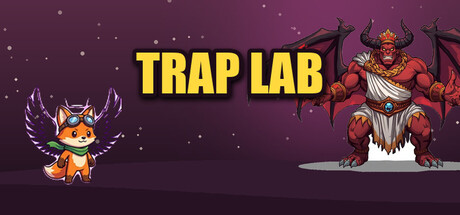
Much of the 2D artwork in TRAP LAB — character sprites, enemy and boss art, and cutscene illustrations — was created with the help of generative AI image tools. Every generated image was hand-selected, edited, and assembled by the developer before being used in the game. The game's code, level design, and audio are hand-made and are not AI-generated.
Some of our store and marketing art started as AI-generated images. We used Midjourney to create the base key art for the Steam capsules, the library hero and the page background, then edited and composited those into the final images ourselves. The logo, wordmark and typography are our own work.
The game itself does not use generative AI. Every in-game asset (art, animation, UI, music, sound, and code) was made by us, by hand or with our own tools.
We’ve reviewed the AI-assisted art, we hold the rights to use it commercially, and as far as we’re aware it doesn’t infringe anyone else’s work.
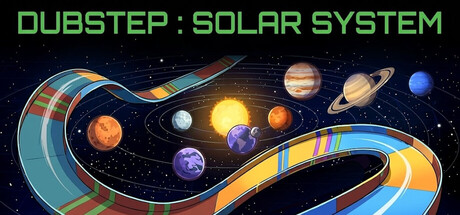
Dubstep: Solar System is an AI-assisted indie game — the studio name, Vibe Coded Reality, wears it proudly. Here is exactly how generative AI was used:
MUSIC: The entire 46-track original dubstep soundtrack was generated with Suno under a paid commercial license, from prompts written by the developer — every track hand-picked from multiple takes and play-tested against the game's beat-gate timing.
CODE: Much of the game's code was written with AI coding assistants working under the developer's direction; all game design, difficulty tuning, and play-testing are human work.
STORE ARTWORK: The cover and capsule artwork were created with AI image tools, then composed and typeset by the developer.
All in-game visuals are drawn procedurally by the game's own code — no AI-generated images appear inside the game itself, and nothing is generated by AI at runtime while you play.
Generative AI was used to create some marketing assets, specifically the store capsule images and page banners. The core game content, including the code, levels, character pixel art, and music, has been traditionally developed to ensure a consistent and high-quality solo-developer experience.
Some of this game's assets were made with the assistance of generative AI tools and were reviewed, curated and hand-finished by the developer. No content is generated while you play.
Generative AI was used during development to create certain promotional artwork and some environmental background art. All gameplay mechanics, programming, level design, characters, animations, UI, and game systems were created and curated by the developer. The game does not use live-generated AI content during gameplay.
This game uses generative AI tools to assist in the creation of select visual assets and localization.
Card illustrations and art assets: AI-generated concepts serve as an early creative foundation, developed under the direction of veteran concept artist Ni Li (ArtStation portfolio available, 10+ years of artistic experience).
Localization: AI-assisted translation is used for 30+ languages.
Cover art, store page imagery and music were created with AI generation tools. All game design, writing and gameplay systems were created by the developer.
AI translation tools were used to produce the localized text for the game. Additionally, initial concept drafts for select visual assets were generated using AI, but were subsequently heavily modified, painted over, and finalized by human artists.
AI helped with some writing, troubleshooting, localization, and the Steam store page. All art, animation, music, sound effects, and level design were created entirely by me. I reviewed and edited everything AI assisted with, and several translations were also checked by native speakers. The game does not generate AI content during gameplay and does not connect to any external AI services.
Generative tools were used during development to assist in creating selected pre-generated visual assets.All AI-assisted content was reviewed, edited, and integrated by the developer.
AI is used only to generate elements for the trailer and promotional media. AI is not used in any part of the game itself, including gameplay, mechanics, or runtime systems.
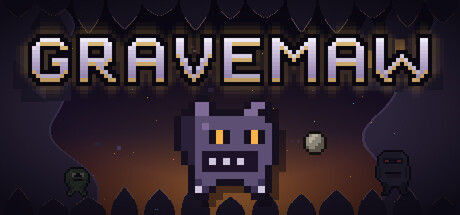
Gravemaw's music was generated with Suno AI and its sound effects with
Stable Audio Open, then edited by hand — trimmed, loop-pointed and mixed —
before being placed in the game. Some store and marketing artwork was also
produced with AI assistance.
Every generated asset was reviewed by the developer before shipping. Nothing
is generated while you play: the game runs fully offline and all content is
baked into the build.
Some of the game's 2D artwork (the slot machine cabinet and its symbols) was created with the help of generative AI image tools, then reviewed, corrected and integrated by hand. Part of the soundtrack was created with generative AI music tools. All game design, gameplay code and text were authored by the developer, who also used AI coding assistants during development. Nothing is AI-generated at runtime: the game contains no live AI content.
Some of the game's 2D and 3D art assets — including 3D character models and environment props, background and biome art, and iconography — were produced with AI image/model generation tools during development, then hand-curated, edited, and processed into the game. No AI runs at play time; nothing is generated on the player's machine or via an external service.
Generative AI was used during development to assist in creating certain visual assets, initial 3D model concepts, and the composition of some melodies. All AI-generated content was manually reviewed, edited, refined, and integrated into the game by the developer. All gameplay systems, programming, balancing and game design were created manually. No generative AI is used during gameplay.
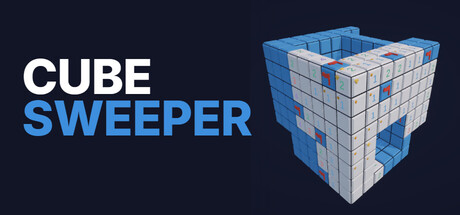
Cube Sweeper used AI assistance during development in two places. Some of the game's handcrafted curated boards began as AI-generated shapes, which were then validated and certified solvable by the game's own logic engine before anything shipped, exactly like every other board in the game. Store page artwork production was aided by AI-assisted tools. No AI is used at runtime. The puzzles are generated by a deterministic system.
This game uses generative AI to create part of its content:
- Art and sprites: generated with AI tools and manually edited in Photoshop.
- Intro cinematic: generated with Google Veo 3 and Flow, then edited.
- Some sound effects: generated or processed with AI tools, combined with recorded and licensed library sounds.
- Code assistance: parts of development were assisted by language models (Claude).
All AI-generated content was reviewed, edited, and approved by the developer. The game does NOT use AI at runtime: all content is pre-rendered.
Generative AI tools were used to assist in creating and refining some promotional artwork for the Steam store page and related marketing materials. All AI-assisted assets were reviewed and edited by the developer. No generative AI content is used in the game itself, and no content is generated during gameplay.
Generative AI was used to assist in creating certain promotional and store page artwork. All AI-generated content was reviewed, edited, and refined by the developer. No generative AI is used during gameplay.
Generative AI was used to assist in creating certain promotional and store page artwork. All AI-generated content was reviewed, edited, and refined by the developer. No generative AI is used during gameplay.
Some visual assets (character portraits, dice, and background pixel art) were created with the assistance of generative AI tools and were then curated and edited by the developer. The soundtrack was created with Suno under a paid commercial license. All AI-assisted content was reviewed and finalized by the developer. The game does not generate any content with AI at runtime.
Some of this game's art assets (character, enemy, boss, and environment artwork) and
its music were produced with the assistance of generative AI tools. All AI-assisted
material was curated, edited, composited, and integrated into the game by hand by the
developer. No AI-generated content is created live during gameplay.
Some 2D art assets in this game (such as item and relic icons) were created with the assistance of generative AI image tools. All AI-assisted assets are reviewed and edited by the developer before being included in the game. No AI content is generated during gameplay.
Portions of the game's written content (interface text, in-game help, Russian/English localization) and store page texts were created with the assistance of AI tools, directed, reviewed and edited by the developer. All graphics are hand-coded procedural visuals and all audio is procedurally synthesized in code — no AI-generated images or audio are included.
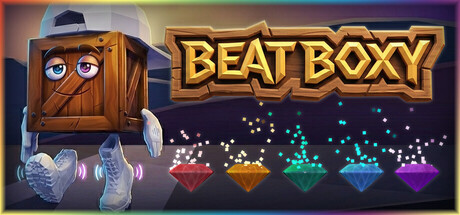
Generative AI tools were used solely to assist in the creation of the background music for Beat Boxy. All other game assets, sound effects, UI elements and level designs were either created directly by the developer, or acquired through Creative Commons Licensing.
This game uses a mix of human and generative AI tools. AI was used in some visual art assets, code generation, and portions of the store page text. All writing in the game, voice acting, and music are fully human-created.
What type of code?
Game logic, UI systems, audio management, and narrative engine code written in Python with PySide6.
How are you using it?
AI (Claude) was used as a coding assistant during development. The developer directed all features, reviewed all generated code, tested functionality, and made final implementation decisions. The AI assisted with writing and debugging code based on human specifications.
(AI was used as a coding assistant. All code was human-reviewed, tested, and approved before implementation. The game is offline single-player with no features that could enable malicious use.)
Pre-generated AI tools were used during development to assist with the creation of certain 2D illustrations, graphical assets, music, and marketing materials. All generated content was reviewed and selected by the developer before inclusion. The game does not generate AI content during gameplay and does not connect players to any live AI service.
Generative AI tools were used during the development process to assist in creating and refining some visual assets. All AI-assisted content was reviewed, edited, and curated by the developer before being included in the game or its promotional materials.
Generative AI was used in a limited capacity for pre-generated visual assets and localization assistance during development. Temporary AI-generated artwork will be replaced with original artwork before the full release.
Generative AI was used for some in-game visual assets and certain store artwork. All generated content was reviewed and curated by the development team.
Generative AI tools, including OpenAI ChatGPT/Codex, assisted during development with portions of the original C++ code, interface text, gameplay balancing, documentation, store-page materials, geometric visual design, and music synthesis. The developer reviewed, tested, selected, and integrated the resulting material. In-game graphics are procedurally drawn from original geometric shapes, while the original music and sound effects are synthesized by the game. No third-party characters, music recordings, voices, logos, or downloaded asset packs are included.
Generative AI was used to help create promotional capsule artwork and music/audio material for the game. The gameplay, level design, mechanics, and final implementation were created and reviewed by the developer.
This game uses generative AI tools to assist with voiceover production and localization. All AI-assisted content is reviewed and integrated by the development team.
The game has used AI to enhance the game's store description, help improve the game's narrative and to assist with localisation using Google Translate.
AI generated art and other assets were referenced and partly used during development, but every effort is taken to make the game original. At UWS, we make every effort to support our art/design team and use AI very rarely to meet our production needs
AI-assisted. Developer-directed. Generative AI was used as a production tool during development: Claude assisted with prototyping and implementation, while Google Lyria was used to create the game's original 15-track soundtrack. The music and all other AI-assisted material were selected, edited, integrated, and play-tested by the developer to serve Boiler & Blood's dieselpunk folk-occult world.
Much of the 2D artwork in TRAP LAB — character sprites, enemy and boss art, and cutscene illustrations — was created with the help of generative AI image tools. Every generated image was hand-selected, edited, and assembled by the developer before being used in the game. The game's code, level design, and audio are hand-made and are not AI-generated.
Some of our store and marketing art started as AI-generated images. We used Midjourney to create the base key art for the Steam capsules, the library hero and the page background, then edited and composited those into the final images ourselves. The logo, wordmark and typography are our own work.
The game itself does not use generative AI. Every in-game asset (art, animation, UI, music, sound, and code) was made by us, by hand or with our own tools.
We’ve reviewed the AI-assisted art, we hold the rights to use it commercially, and as far as we’re aware it doesn’t infringe anyone else’s work.
Dubstep: Solar System is an AI-assisted indie game — the studio name, Vibe Coded Reality, wears it proudly. Here is exactly how generative AI was used:
MUSIC: The entire 46-track original dubstep soundtrack was generated with Suno under a paid commercial license, from prompts written by the developer — every track hand-picked from multiple takes and play-tested against the game's beat-gate timing.
CODE: Much of the game's code was written with AI coding assistants working under the developer's direction; all game design, difficulty tuning, and play-testing are human work.
STORE ARTWORK: The cover and capsule artwork were created with AI image tools, then composed and typeset by the developer.
All in-game visuals are drawn procedurally by the game's own code — no AI-generated images appear inside the game itself, and nothing is generated by AI at runtime while you play.
Generative AI was used to create some marketing assets, specifically the store capsule images and page banners. The core game content, including the code, levels, character pixel art, and music, has been traditionally developed to ensure a consistent and high-quality solo-developer experience.
Some of this game's assets were made with the assistance of generative AI tools and were reviewed, curated and hand-finished by the developer. No content is generated while you play.
Generative AI was used during development to create certain promotional artwork and some environmental background art. All gameplay mechanics, programming, level design, characters, animations, UI, and game systems were created and curated by the developer. The game does not use live-generated AI content during gameplay.
This game uses generative AI tools to assist in the creation of select visual assets and localization.
Card illustrations and art assets: AI-generated concepts serve as an early creative foundation, developed under the direction of veteran concept artist Ni Li (ArtStation portfolio available, 10+ years of artistic experience).
Localization: AI-assisted translation is used for 30+ languages.
Cover art, store page imagery and music were created with AI generation tools. All game design, writing and gameplay systems were created by the developer.
AI translation tools were used to produce the localized text for the game. Additionally, initial concept drafts for select visual assets were generated using AI, but were subsequently heavily modified, painted over, and finalized by human artists.
AI helped with some writing, troubleshooting, localization, and the Steam store page. All art, animation, music, sound effects, and level design were created entirely by me. I reviewed and edited everything AI assisted with, and several translations were also checked by native speakers. The game does not generate AI content during gameplay and does not connect to any external AI services.
Generative tools were used during development to assist in creating selected pre-generated visual assets.All AI-assisted content was reviewed, edited, and integrated by the developer.
AI is used only to generate elements for the trailer and promotional media. AI is not used in any part of the game itself, including gameplay, mechanics, or runtime systems.
Gravemaw's music was generated with Suno AI and its sound effects with
Stable Audio Open, then edited by hand — trimmed, loop-pointed and mixed —
before being placed in the game. Some store and marketing artwork was also
produced with AI assistance.
Every generated asset was reviewed by the developer before shipping. Nothing
is generated while you play: the game runs fully offline and all content is
baked into the build.
Some of the game's 2D artwork (the slot machine cabinet and its symbols) was created with the help of generative AI image tools, then reviewed, corrected and integrated by hand. Part of the soundtrack was created with generative AI music tools. All game design, gameplay code and text were authored by the developer, who also used AI coding assistants during development. Nothing is AI-generated at runtime: the game contains no live AI content.
Some of the game's 2D and 3D art assets — including 3D character models and environment props, background and biome art, and iconography — were produced with AI image/model generation tools during development, then hand-curated, edited, and processed into the game. No AI runs at play time; nothing is generated on the player's machine or via an external service.
Generative AI was used during development to assist in creating certain visual assets, initial 3D model concepts, and the composition of some melodies. All AI-generated content was manually reviewed, edited, refined, and integrated into the game by the developer. All gameplay systems, programming, balancing and game design were created manually. No generative AI is used during gameplay.
Cube Sweeper used AI assistance during development in two places. Some of the game's handcrafted curated boards began as AI-generated shapes, which were then validated and certified solvable by the game's own logic engine before anything shipped, exactly like every other board in the game. Store page artwork production was aided by AI-assisted tools. No AI is used at runtime. The puzzles are generated by a deterministic system.
This game uses generative AI to create part of its content:
- Art and sprites: generated with AI tools and manually edited in Photoshop.
- Intro cinematic: generated with Google Veo 3 and Flow, then edited.
- Some sound effects: generated or processed with AI tools, combined with recorded and licensed library sounds.
- Code assistance: parts of development were assisted by language models (Claude).
All AI-generated content was reviewed, edited, and approved by the developer. The game does NOT use AI at runtime: all content is pre-rendered.
Generative AI tools were used to assist in creating and refining some promotional artwork for the Steam store page and related marketing materials. All AI-assisted assets were reviewed and edited by the developer. No generative AI content is used in the game itself, and no content is generated during gameplay.
Generative AI was used to assist in creating certain promotional and store page artwork. All AI-generated content was reviewed, edited, and refined by the developer. No generative AI is used during gameplay.
Generative AI was used to assist in creating certain promotional and store page artwork. All AI-generated content was reviewed, edited, and refined by the developer. No generative AI is used during gameplay.
Some visual assets (character portraits, dice, and background pixel art) were created with the assistance of generative AI tools and were then curated and edited by the developer. The soundtrack was created with Suno under a paid commercial license. All AI-assisted content was reviewed and finalized by the developer. The game does not generate any content with AI at runtime.
Some of this game's art assets (character, enemy, boss, and environment artwork) and
its music were produced with the assistance of generative AI tools. All AI-assisted
material was curated, edited, composited, and integrated into the game by hand by the
developer. No AI-generated content is created live during gameplay.
Some 2D art assets in this game (such as item and relic icons) were created with the assistance of generative AI image tools. All AI-assisted assets are reviewed and edited by the developer before being included in the game. No AI content is generated during gameplay.
Portions of the game's written content (interface text, in-game help, Russian/English localization) and store page texts were created with the assistance of AI tools, directed, reviewed and edited by the developer. All graphics are hand-coded procedural visuals and all audio is procedurally synthesized in code — no AI-generated images or audio are included.
Generative AI tools were used solely to assist in the creation of the background music for Beat Boxy. All other game assets, sound effects, UI elements and level designs were either created directly by the developer, or acquired through Creative Commons Licensing.
This game uses a mix of human and generative AI tools. AI was used in some visual art assets, code generation, and portions of the store page text. All writing in the game, voice acting, and music are fully human-created.
What type of code?
Game logic, UI systems, audio management, and narrative engine code written in Python with PySide6.
How are you using it?
AI (Claude) was used as a coding assistant during development. The developer directed all features, reviewed all generated code, tested functionality, and made final implementation decisions. The AI assisted with writing and debugging code based on human specifications.
(AI was used as a coding assistant. All code was human-reviewed, tested, and approved before implementation. The game is offline single-player with no features that could enable malicious use.)
Pre-generated AI tools were used during development to assist with the creation of certain 2D illustrations, graphical assets, music, and marketing materials. All generated content was reviewed and selected by the developer before inclusion. The game does not generate AI content during gameplay and does not connect players to any live AI service.
Generative AI tools were used during the development process to assist in creating and refining some visual assets. All AI-assisted content was reviewed, edited, and curated by the developer before being included in the game or its promotional materials.
Generative AI was used in a limited capacity for pre-generated visual assets and localization assistance during development. Temporary AI-generated artwork will be replaced with original artwork before the full release.
Generative AI was used for some in-game visual assets and certain store artwork. All generated content was reviewed and curated by the development team.
Generative AI tools, including OpenAI ChatGPT/Codex, assisted during development with portions of the original C++ code, interface text, gameplay balancing, documentation, store-page materials, geometric visual design, and music synthesis. The developer reviewed, tested, selected, and integrated the resulting material. In-game graphics are procedurally drawn from original geometric shapes, while the original music and sound effects are synthesized by the game. No third-party characters, music recordings, voices, logos, or downloaded asset packs are included.
Generative AI was used to help create promotional capsule artwork and music/audio material for the game. The gameplay, level design, mechanics, and final implementation were created and reviewed by the developer.
This game uses generative AI tools to assist with voiceover production and localization. All AI-assisted content is reviewed and integrated by the development team.
The game has used AI to enhance the game's store description, help improve the game's narrative and to assist with localisation using Google Translate.
AI generated art and other assets were referenced and partly used during development, but every effort is taken to make the game original. At UWS, we make every effort to support our art/design team and use AI very rarely to meet our production needs
AI-assisted. Developer-directed. Generative AI was used as a production tool during development: Claude assisted with prototyping and implementation, while Google Lyria was used to create the game's original 15-track soundtrack. The music and all other AI-assisted material were selected, edited, integrated, and play-tested by the developer to serve Boiler & Blood's dieselpunk folk-occult world.