








Disclosure
AI was used to create some of the ingame pictograms and minor subelements in store art.
- Creator
- Oleksandr Hulchenko
- Reviews
- -
- Added
- Jul 18, 2026
Public Steam disclosure research 25,383 disclosures tracked
Search developers’ Steam disclosures, compare classified AI use across games, and follow recorded changes. This index adds cross-game classifications and statistics to statements published on individual store pages.
Code help, debugging and other development work.
Capsule art, trailers and promotional material.
Pre-made art, audio, writing and other game assets.
Interactive or runtime AI features disclosed by the developer.
Groups reflect automatic analysis of public disclosures; mature records are excluded. These counts do not measure AI use across all of Steam. Missing or unclear statements cannot establish whether a game uses AI.
AI was used to create some of the ingame pictograms and minor subelements in store art.
Some of Tapis's visual assets were created with the help of generative AI tools. These elements are produced ahead of time, then art-directed, selected and reworked by the studio to fit the game's world. No AI generates any content while you play: the gameplay, rules, balancing and all systems are entirely designed and hand-validated.
Topological Board Game used generative AI tools during development to assist with programming, documentation, store-page text, localization drafts, and design iteration. All AI-assisted material is reviewed and edited by the developer before being included in the game or store page. The game does not use generative AI to create live player-facing content during gameplay. It does not connect to external third-party AI services during normal gameplay. Local robot opponents, rule-based analysis, search, simulation, and self-play/research tools may be included, but these are gameplay/strategy systems rather than live generative AI content systems.
AI tools were used to create early drafts and a few base images for certain small visual elements, such as mission briefing cityscape thumbnails. Some initial sprite concepts were generated using AI. These assets were manually edited, adjusted, and integrated into the game’s visual style. No live generative AI is used during gameplay.
Some of our units are AI-generated
Steam store artwork (non gameplay) and some elements from in-game (portraits and menu artwork) are AI generated.
Salt and Soil uses generative AI during gameplay to create some Annual Family Council narrative text and structured choice outcomes based on the current campaign state. Generated council content is constrained by the game’s historical setting, family data, localization rules, and gameplay schema, then validated before it is shown to the player.
Generative AI was used only during early visual concepting and ideation for some marketing art directions. The game itself, its mechanics, levels, code, UI, and final gameplay assets are created and edited by the developer.
In order to realize my childhood dream of building this game, I have leveraged AI in every step of the development process, augmenting my capabilities as an engineer and visual designer by having AI generate some of the sprites, music, sound effects, voices, and code used to build this game. I pledge that if Card Knight: Astral Arcana is successful, the sequel title will be brought to life by a team of human artists, composers, and programmers.
Some music and assets in this game were created with generative AI tools, then manually reworked and adapted by the developer. The game design, code and integration are the developer's own work.
Generative AI tools were used to help create some of the 2D store and marketing graphics (e.g. store capsule images). These assets were reviewed and finalized by the developer, who holds the rights to use them. No generative AI is used for content inside the game, and no AI-generated content is produced live during gameplay.
Some images and code were created with the assistance of generative AI.
Some Assets, SFX, BGM and Artwork were used in the making of this game.
Command Doctrine uses generative AI to create some of the content you play. When you generate a scenario or a campaign, an AI model produces the map, the opposing forces, the objectives, and the written mission briefing from your prompt. AI is also used to write narrative battle reports, to create the images that accompany them, and to interpret the natural-language orders you give your units. This content is generated live by third-party AI services. We apply content moderation and input filtering to guard against inappropriate or unsafe output.
Some art, music, and 3D assets in this game were created with the help of generative AI tools. Every AI-generated asset was carefully reviewed, refined, and hand-curated by the developer to fit the game's art direction and tone. The game does not use any live-generated (runtime) AI content.
The visual art in Cat 3. The cat sprites, enemies, icons, relic, UI art, and the store/marketing images were created with the help of generative AI tools. I'm a solo developer and a programmer at heart: I can't draw, so I set up a local pixel-art generation pipeline to make the game's artwork. No AI-generated content is produced during gameplay.
During the development of Crossfall, generative AI is used as an auxiliary tool for creating game content. The following materials have been created or prepared with its help: Images. Some of the game’s visual content has been created using generative AI, including character images, as well as some sprites and icons. Other parts of the artwork were made manually. Text. AI helps me prepare some of the text content, including drafts of item names and descriptions, text for certain in-game events, as well as translation and localization of texts into other languages. Music. The game’s musical soundtrack was created using generative AI. All content generated with the help of AI is reviewed, selected, and, if necessary, refined by me before being added to the game. The game itself does not use generative AI during gameplay: no content is generated in real time on the player’s side, and the game does not require an internet connection or access to any AI services.
Artificial intelligence tools were used to create sound effects, textures, and images.
AI has been used to generate some graphics, music, and translations. As the story of this game may suggest, I understand (and even share) most of the criticisms regarding AI, but it is also a tool that has enabled small creators like myself to achieve bigger things that would have been difficult without it.
Generative AI tools were used to assist with translation/localization and parts of the in-game artwork production. No generative AI tools are used for sound effects, music, story content, or live-generated gameplay content.
Most of the game's artwork was created by commissioned artists. A small number of outsourced illustrations are currently under review, so the game has been disclosed as containing AI-generated artwork.
Some pre-rendered 2D artwork, icon, and UI/store visual assets were created or assisted with generative AI during development. The game does not generate AI content during gameplay and does not connect to an external AI service.
Parts of Word Puzzle Master were created with the help of generative AI tools, then reviewed, edited and assembled by the developer: • visual art — the ambient background images and the animated background loop • audio — background music and sound effects Generative AI is used only during development to produce these assets. The game does NOT use any AI at runtime — there is no live AI generation while you play. Puzzle word lists are hand-curated, and level layouts are produced by our own deterministic algorithm (not AI).
AI was used to create splash art and the game logo.The game does not generate AI content during gameplay.
Using AI BGM
Some images and sound have been generated with the assistance of AI.
Some assets *may* be AI. These assets were secured from a third party and I cannot confirm this, but if that's the kind of thing that bothers you, you may want to steer clear.
Localizing
Generative AI tools were used extensively during development to assist with the game's source code, background music, and sound effects.
This game uses generative AI tools as part of its development and content production process. AI-assisted workflows were used for selected visual assets, video materials, music or audio drafts, localization/text drafts, code assistance, and marketing/store page materials. All AI-assisted outputs are reviewed, edited, and integrated by the developer before inclusion. The game does not generate AI content during gameplay and does not connect to external AI services while the game is running.
Some Library images are AI generated. Some (small amount) of in-game images are AI generated. 95% of all assets are created by real artists and in future going for the 100%.
Chessferatu Graphics were generated using AI tools. Codex was used in the process of creating and refining code and in the porting of the code to different systems (Mobile to PC).
Generative AI tools were used during the development of certain visual and promotional assets for this game. All final content was reviewed and curated by the developer.
Unit sprites and game sound tracks were generated using AI.
This game uses generative artificial intelligence as part of the development process. AI tools were used to assist with creating certain visual assets and design elements. All AI-generated content has been reviewed, edited, and integrated by the developer to ensure quality and consistency. No AI is used during gameplay, and the player experience is entirely handcrafted.
All visual artwork in Altus Chess: Archaic Beginnings — piece designs, board and background art, and promotional/store imagery — was created using generative AI image tools, directed by the developer through human-written prompts based on the game's own pieces and concepts, then reviewed and edited by hand. No content is generated live during gameplay. The game's opponent is a proprietary, hand-built algorithmic chess engine, not generative AI.
Generative AI tools (including Tripo3D and Meshy) were used during development to generate base 3D models for characters and environment assets, which were then manually adjusted and refined. AI tools were also used to create ambient background textures for marketing materials and Steam capsule illustrations. No live-generated AI content is used during runtime.
Generative AI was used to create portions of the game's logo, character icon artwork, and promotional/store page images. Some marketing images were created using in-game screenshots as references and combined with AI-assisted artwork.
Our development pipeline combines traditional methods with modern technologies. To streamline our workflow and support our vision, some assets and game elements may have been developed or refined with the assistance of AI-driven tools. We treat these technologies as an extension of our creative toolkit.
Generative AI tools were used to assist with store page text, translation drafts, and promotional copy. All final content was reviewed and edited by the developer.
Generative AI was used as one of many development tools while creating Snake: Gridbreaker. As a solo developer, I used it to support programming, localization, UI work, visual assets, icons, and the development of quality-of-life and accessibility improvements. Every AI-assisted element was reviewed, edited, tested, and implemented by me. I designed the game, its mechanics, progression, and creative direction, and I remain fully responsible for the final experience. The game does not generate content with AI during gameplay.
Generative AI was used as a supplementary tool for certain visual and audio assets. Every AI-assisted asset underwent substantial manual editing, refinement, quality control, and integration by the development team.
Full release of the game will have NO AI generated content. Currently, I am using AI generated UI images temporarily only during development phase.
This project's entire graphic asset collection (all sprites) and all code is entirely generated by AI. It has been assembled and tweaked by the creator, but otherwise is 95% AI generated. This is purposeful and was intended to test some limits of Claude and GPT5.
Character, monster, and object sprites, as well as the app icon, were created using AI image generation tools and subsequently hand-edited and refined by the developer. Some in-game text was written with AI assistance.
This game was developed with the assistance of an AI language model, including store page content, level design, in-game descriptions, code, and game mechanics. All creative direction and final decisions were made by the developer.
AI was used to help create elements of the game and the store page.
Some promotional artwork, store capsule images, and marketing visuals were created with the assistance of generative AI tools and then reviewed, selected, and edited by the developer. The game itself does not generate new AI content during gameplay.
Generative AI was used to create initial game art concepts and certain marketing materials. Final in-game assets were reviewed and modified by the development team.
AI was used to create the visual elements on the Steam store page.
| Title⇅ | Disclosure | Creator⇅ | Src | Reviews⇅ | Added↓ |
|---|---|---|---|---|---|
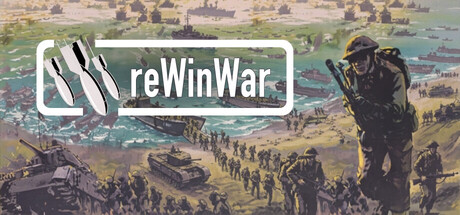 reWinWar In-game content art | AI was used to create some of the ingame pictograms and minor subelements in store art. | Oleksandr Hulchenko | - | Jul 18, 2026 | |
 Tapis In-game content art | Some of Tapis's visual assets were created with the help of generative AI tools. These elements are produced ahead of time, then art-directed, selected and reworked by the studio to fit the game's world. No AI generates any content while you play: the gameplay, rules, balancing and all systems are entirely designed and hand-validated. | Bellescene Studio | - | Jul 18, 2026 | |
 Topological Board Game In-game content codetext | Topological Board Game used generative AI tools during development to assist with programming, documentation, store-page text, localization drafts, and design iteration. All AI-assisted material is reviewed and edited by the developer before being included in the game or store page.
The game does not use generative AI to create live player-facing content during gameplay. It does not connect to external third-party AI services during normal gameplay. Local robot opponents, rule-based analysis, search, simulation, and self-play/research tools may be included, but these are gameplay/strategy systems rather than live generative AI content systems. | You-Xun Zhang | - | Jul 18, 2026 | |
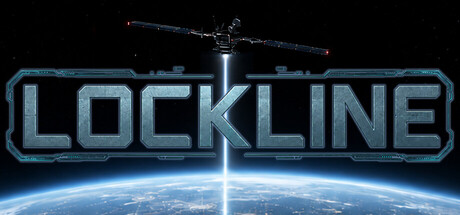 LockLine In-game content art | AI tools were used to create early drafts and a few base images for certain small visual elements, such as mission briefing cityscape thumbnails. Some initial sprite concepts were generated using AI. These assets were manually edited, adjusted, and integrated into the game’s visual style. No live generative AI is used during gameplay. | Wondered Off | - | Jul 17, 2026 | |
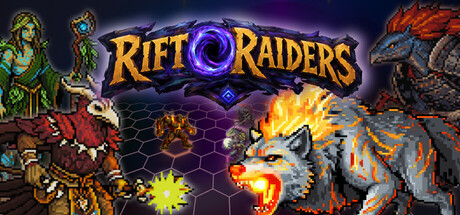 Rift Raiders In-game content art | Some of our units are AI-generated | Gooder Games | - | Jul 15, 2026 | |
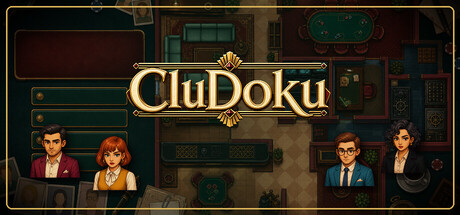 CluDoku In-game content art | Steam store artwork (non gameplay) and some elements from in-game (portraits and menu artwork) are AI generated. | MyNeuronal | 18 | Jul 15, 2026 | |
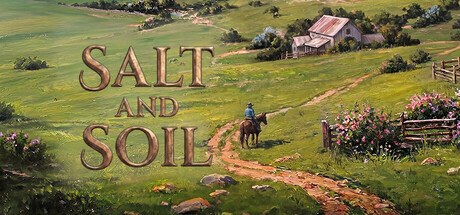 Salt and Soil Live AI text | Salt and Soil uses generative AI during gameplay to create some Annual Family Council narrative text and structured choice outcomes based on the current campaign state. Generated council content is constrained by the game’s historical setting, family data, localization rules, and gameplay schema, then validated before it is shown to the player. | DelosX | - | Jul 15, 2026 | |
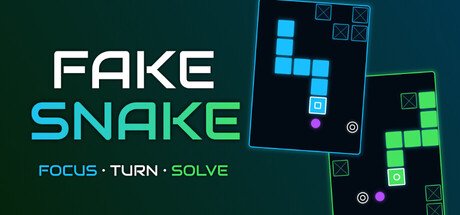 Fake Snake In-game content art | Generative AI was used only during early visual concepting and ideation for some marketing art directions. The game itself, its mechanics, levels, code, UI, and final gameplay assets are created and edited by the developer. | Narvio Games | - | Jul 8, 2026 | |
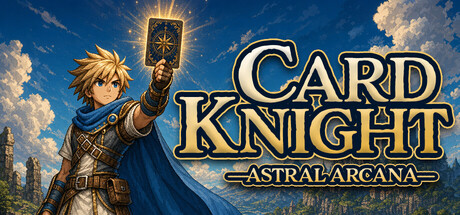 Card Knight: Astral Arcana In-game content artaudiocode | In order to realize my childhood dream of building this game, I have leveraged AI in every step of the development process, augmenting my capabilities as an engineer and visual designer by having AI generate some of the sprites, music, sound effects, voices, and code used to build this game.
I pledge that if Card Knight: Astral Arcana is successful, the sequel title will be brought to life by a team of human artists, composers, and programmers. | Bridgewalker Studios | - | Jul 8, 2026 | |
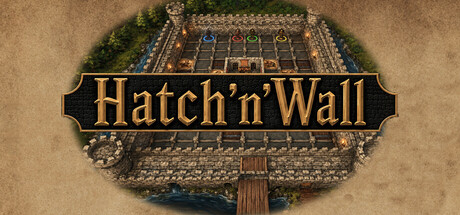 Hatch'n'Wall In-game content audioart | Some music and assets in this game were created with generative AI tools, then manually reworked and adapted by the developer. The game design, code and integration are the developer's own work. | Fromont Gaming | - | Jul 8, 2026 | |
 Pixel: The Challenge Store/marketing art | Generative AI tools were used to help create some of the 2D store and marketing graphics (e.g. store capsule images). These assets were reviewed and finalized by the developer, who holds the rights to use them. No generative AI is used for content inside the game, and no AI-generated content is produced live during gameplay. | pixelplenum.com | - | Jul 8, 2026 | |
 Stella Echoes Dev only codeart | Some images and code were created with the assistance of generative AI. | digsteel | - | Jul 7, 2026 | |
 Thugz VS Zombies audioart | Some Assets, SFX, BGM and Artwork were used in the making of this game. | UndaWirrld Arcade | - | Jul 7, 2026 | |
 Command Doctrine Live AI arttext | Command Doctrine uses generative AI to create some of the content you play. When you generate a scenario or a campaign, an AI model produces the map, the opposing forces, the objectives, and the written mission briefing from your prompt. AI is also used to write narrative battle reports, to create the images that accompany them, and to interpret the natural-language orders you give your units. This content is generated live by third-party AI services. We apply content moderation and input filtering to guard against inappropriate or unsafe output. | ByteFlow | - | Jul 7, 2026 | |
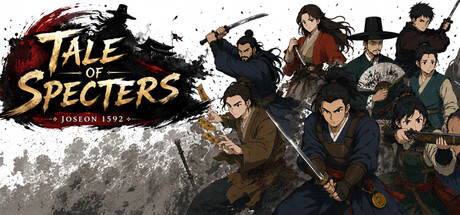 2point-1592 In-game content artaudio | Some art, music, and 3D assets in this game were created with the help of generative AI tools. Every AI-generated asset was carefully reviewed, refined, and hand-curated by the developer to fit the game's art direction and tone. The game does not use any live-generated (runtime) AI content. | bong24studio | - | Jul 7, 2026 | |
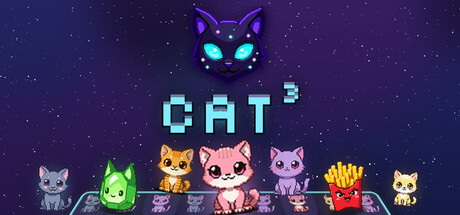 Cat 3 In-game content art | The visual art in Cat 3. The cat sprites, enemies, icons, relic, UI art, and the store/marketing images were created with the help of generative AI tools. I'm a solo developer and a programmer at heart: I can't draw, so I set up a local pixel-art generation pipeline to make the game's artwork. No AI-generated content is produced during gameplay. | adoptedmouse | - | Jul 6, 2026 | |
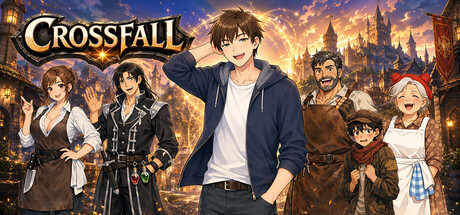 Crossfall In-game content arttextaudio | During the development of Crossfall, generative AI is used as an auxiliary tool for creating game content. The following materials have been created or prepared with its help:
Images. Some of the game’s visual content has been created using generative AI, including character images, as well as some sprites and icons. Other parts of the artwork were made manually.
Text. AI helps me prepare some of the text content, including drafts of item names and descriptions, text for certain in-game events, as well as translation and localization of texts into other languages.
Music. The game’s musical soundtrack was created using generative AI.
All content generated with the help of AI is reviewed, selected, and, if necessary, refined by me before being added to the game.
The game itself does not use generative AI during gameplay: no content is generated in real time on the player’s side, and the game does not require an internet connection or access to any AI services. | Nethound Games | - | Jul 5, 2026 | |
 FUNDAMENTA In-game content artaudio | Artificial intelligence tools were used to create sound effects, textures, and images. | Rangel Oblivion | - | Jul 3, 2026 | |
 Neural Drift In-game content artaudiotext | AI has been used to generate some graphics, music, and translations.
As the story of this game may suggest, I understand (and even share) most of the criticisms regarding AI, but it is also a tool that has enabled small creators like myself to achieve bigger things that would have been difficult without it. | Frédéric Julian | - | Jul 3, 2026 | |
 Super Kickmen In-game content arttext | Generative AI tools were used to assist with translation/localization and parts of the in-game artwork production.
No generative AI tools are used for sound effects, music, story content, or live-generated gameplay content. | Reeecook Studio | - | Jun 30, 2026 | |
 Horn of the Warlord In-game content art | Most of the game's artwork was created by commissioned artists. A small number of outsourced illustrations are currently under review, so the game has been disclosed as containing AI-generated artwork. | MagicKrol | - | Jun 29, 2026 | |
 Refund In-game content art | Some pre-rendered 2D artwork, icon, and UI/store visual assets were created or assisted with generative AI during development. The game does not generate AI content during gameplay and does not connect to an external AI service. | GuGuguagua | - | Jun 28, 2026 | |
 Word Puzzle Master In-game content artaudio | Parts of Word Puzzle Master were created with the help of generative AI tools,
then reviewed, edited and assembled by the developer:
• visual art — the ambient background images and the animated background loop
• audio — background music and sound effects
Generative AI is used only during development to produce these assets. The game
does NOT use any AI at runtime — there is no live AI generation while you play.
Puzzle word lists are hand-curated, and level layouts are produced by our own
deterministic algorithm (not AI). | Tilewise | - | Jun 28, 2026 | |
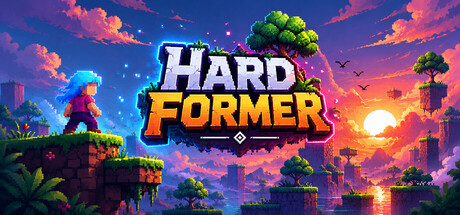 Hardformer Store/marketing art | AI was used to create splash art and the game logo.The game does not generate AI content during gameplay. | TurboForgeStudios | - | Jun 28, 2026 | |
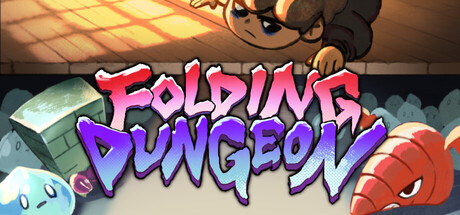 Folding Dungeon In-game content audio | Using AI BGM | Hamus Game Studio | - | Jun 28, 2026 | |
 Wordforge: Silent Letters In-game content artaudio | Some images and sound have been generated with the assistance of AI. | Les Ganton | - | Jun 28, 2026 | |
 Null Horizon Unclear | Some assets *may* be AI. These assets were secured from a third party and I cannot confirm this, but if that's the kind of thing that bothers you, you may want to steer clear. | HopefullyHeroic | 20 | Jun 28, 2026 | |
 HAECHE_Ism Unclear text | Localizing | MinSuHong | - | Jun 27, 2026 | |
 SHIROMASU In-game content audiocode | Generative AI tools were used extensively during development to assist with the game's source code, background music, and sound effects. | sasa | - | Jun 27, 2026 | |
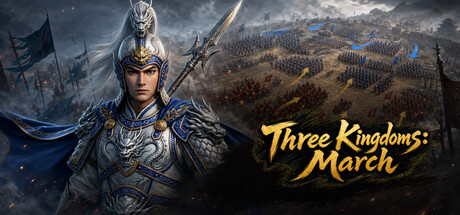 Three Kingdoms: March In-game content artaudiocodetext | This game uses generative AI tools as part of its development and content production process. AI-assisted workflows were used for selected visual assets, video materials, music or audio drafts, localization/text drafts, code assistance, and marketing/store page materials. All AI-assisted outputs are reviewed, edited, and integrated by the developer before inclusion.
The game does not generate AI content during gameplay and does not connect to external AI services while the game is running. | Doldori Games | - | Jun 27, 2026 | |
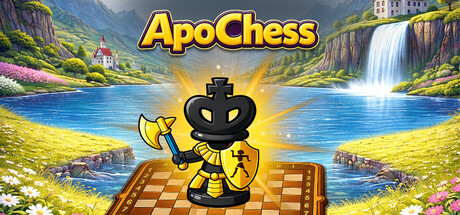 apochess In-game content art | Some Library images are AI generated. Some (small amount) of in-game images are AI generated. 95% of all assets are created by real artists and in future going for the 100%. | AvoGames | - | Jun 27, 2026 | |
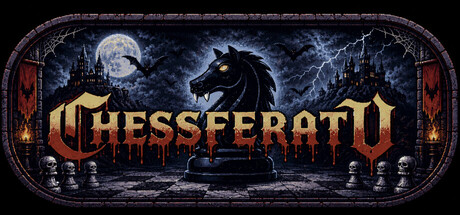 Chessferatu In-game content artcode | Chessferatu Graphics were generated using AI tools. Codex was used in the process of creating and refining code and in the porting of the code to different systems (Mobile to PC). | Half-Cocked Studios | - | Jun 27, 2026 | |
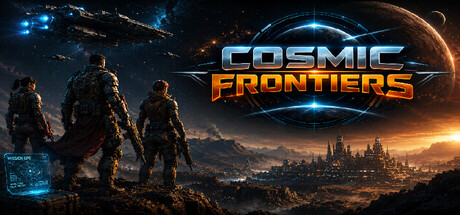 Cosmic Frontiers Episode Zero: Crash on Xylos-7 Store/marketing art | Generative AI tools were used during the development of certain visual and promotional assets for this game. All final content was reviewed and curated by the developer. | Sergeant Gunny Gaming | - | Jun 16, 2026 | |
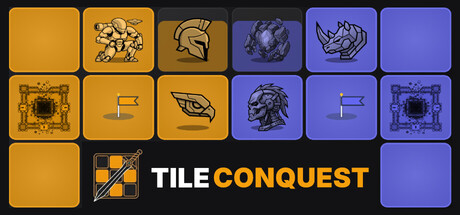 Tile Conquest In-game content artaudio | Unit sprites and game sound tracks were generated using AI. | Jectvisor Games | - | Jun 16, 2026 | |
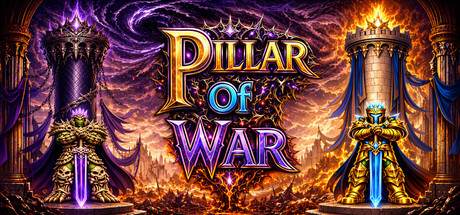 Pillar Of War In-game content art | This game uses generative artificial intelligence as part of the development process. AI tools were used to assist with creating certain visual assets and design elements. All AI-generated content has been reviewed, edited, and integrated by the developer to ensure quality and consistency.
No AI is used during gameplay, and the player experience is entirely handcrafted. | Wolf Ferrell | - | Jun 15, 2026 | |
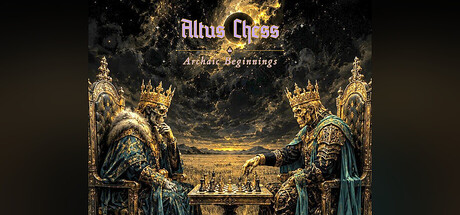 Altus Chess-Archaic Beginnings In-game content art | All visual artwork in Altus Chess: Archaic Beginnings — piece designs, board and background art, and promotional/store imagery — was created using generative AI image tools, directed by the developer through human-written prompts based on the game's own pieces and concepts, then reviewed and edited by hand. No content is generated live during gameplay. The game's opponent is a proprietary, hand-built algorithmic chess engine, not generative AI. | Anonymous | - | Jun 13, 2026 | |
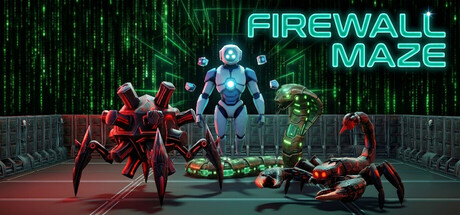 Firewall Maze In-game content art | Generative AI tools (including Tripo3D and Meshy) were used during development to generate base 3D models for characters and environment assets, which were then manually adjusted and refined. AI tools were also used to create ambient background textures for marketing materials and Steam capsule illustrations. No live-generated AI content is used during runtime. | TwistedBob Games | - | Jun 12, 2026 | |
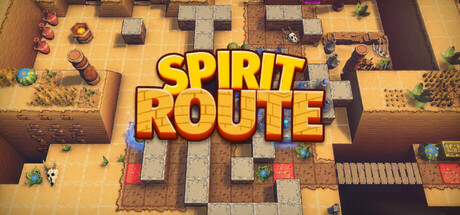 Spirit Route In-game content art | Generative AI was used to create portions of the game's logo, character icon artwork, and promotional/store page images. Some marketing images were created using in-game screenshots as references and combined with AI-assisted artwork. | Curious Forge | - | Jun 12, 2026 | |
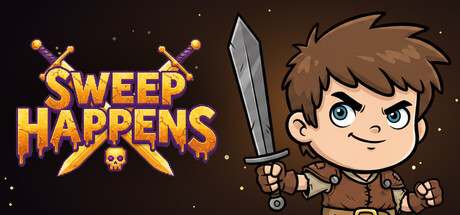 Sweep Happens Unclear | Our development pipeline combines traditional methods with modern technologies. To streamline our workflow and support our vision, some assets and game elements may have been developed or refined with the assistance of AI-driven tools. We treat these technologies as an extension of our creative toolkit. | r_cascader | - | Jun 11, 2026 | |
 Tetra Block Store/marketing text | Generative AI tools were used to assist with store page text, translation drafts, and promotional copy. All final content was reviewed and edited by the developer. | GlowPulse Studio | - | Jun 11, 2026 | |
 Snake: Gridbreaker In-game content artcodetext | Generative AI was used as one of many development tools while creating Snake: Gridbreaker.
As a solo developer, I used it to support programming, localization, UI work, visual assets, icons, and the development of quality-of-life and accessibility improvements.
Every AI-assisted element was reviewed, edited, tested, and implemented by me. I designed the game, its mechanics, progression, and creative direction, and I remain fully responsible for the final experience.
The game does not generate content with AI during gameplay. | Arkadiusz Włodarczyk | - | Jun 10, 2026 | |
 Babitonga Puzzle Attack In-game content artaudio | Generative AI was used as a supplementary tool for certain visual and audio assets. Every AI-assisted asset underwent substantial manual editing, refinement, quality control, and integration by the development team. | caramelo dog | - | Jun 10, 2026 | |
 First Colony Dev only art | Full release of the game will have NO AI generated content. Currently, I am using AI generated UI images temporarily only during development phase. | Atesh Entertainment, Inc. | - | Jun 5, 2026 | |
 Knaights In-game content artcode | This project's entire graphic asset collection (all sprites) and all code is entirely generated by AI. It has been assembled and tweaked by the creator, but otherwise is 95% AI generated. This is purposeful and was intended to test some limits of Claude and GPT5. | Jeremiah Zagala | - | Jun 4, 2026 | |
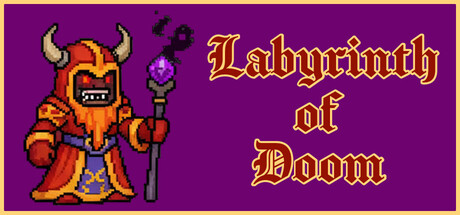 Labyrinth of Doom In-game content arttext | Character, monster, and object sprites, as well as the app icon, were created using AI image generation tools and subsequently hand-edited and refined by the developer. Some in-game text was written with AI assistance. | David Riggle | - | Jun 4, 2026 | |
 Hexilibrium In-game content textcode | This game was developed with the assistance of an AI language model, including store page content, level design, in-game descriptions, code, and game mechanics. All creative direction and final decisions were made by the developer. | kvasnyk | - | Jun 3, 2026 | |
 Dechamel Chess Store/marketing | AI was used to help create elements of the game and the store page. | Grgo Mariani | - | Jun 3, 2026 | |
 Grid Wars: Last Stand Store/marketing art | Some promotional artwork, store capsule images, and marketing visuals were created with the assistance of generative AI tools and then reviewed, selected, and edited by the developer. The game itself does not generate new AI content during gameplay. | MCE Games | - | Jun 3, 2026 | |
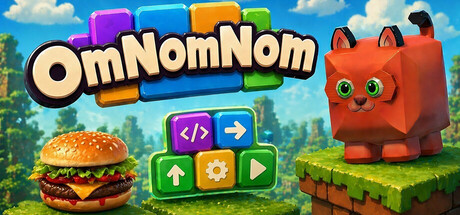 OmNomNom In-game content art | Generative AI was used to create initial game art concepts and certain marketing materials. Final in-game assets were reviewed and modified by the development team. | Echo Titan | - | Jun 3, 2026 | |
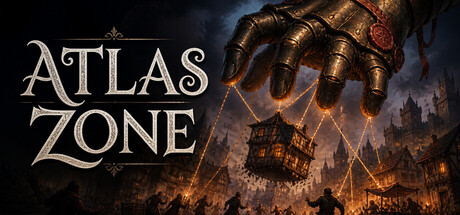 Atlas Zone Store/marketing art | AI was used to create the visual elements on the Steam store page. | StoneBreaker Studios | - | Jun 3, 2026 |


