Public Steam disclosure research25,508 disclosures tracked
Where do games disclose AI use?
Search developers’ Steam disclosures, compare classified AI use across
games, and follow recorded changes.
This index adds cross-game classifications and statistics to
statements published on individual store pages.
Groups reflect automatic analysis of public disclosures; mature records are excluded. These counts do not measure AI use across all of Steam.
Missing or unclear statements cannot establish whether a game uses AI.
Generative AI was used to assist in the creation of promotional artwork, marketing images, and store page assets. No AI-generated content is produced during gameplay, and no gameplay features rely on generative AI.
Generative AI tools were used to create the 2D character sprites and background art in this game. All final assets were manually edited, resized, aligned, and integrated by the developer.
AI language models were also used as coding assistants during development.
All music tracks in this game are 100% original, human-composed pieces created by The Cyber Den. Sound effects are a combination of original recordings and royalty-free assets. No music or audio was generated using AI.
Static art assets (store-page capsules, in-game card art, in-game icons) and audio placeholders are generated via Replicate (Google Nano Banana Pro for image, Lyria-2 / AudioGen for audio) using human-authored prompts. Outputs are reviewed by the developer before shipping. No live AI generation occurs during gameplay; all assets are baked at build time.
I would like to pay for human assets, but I am moving fast. In the same way that AI turned 12 months of dev time into 2, it also affected how I skinned the MVP. This is best for communicating intention, and I can polish it with human art if there is traction.
Character portraits and some narrative text were created with AI tool assistance during development. Game design, story direction, building sprites, music, and sound effects are human-authored. All content is reviewed and approved by the developer.
Generative AI was used to assist in the creation of some music and visual assets. All content is produced using licensed tools and reviewed by the development team to avoid copyright issues.
This game uses generative AI during development to assist with the creation of certain visual assets, text content, and localization content. All AI-assisted content has been manually reviewed, edited, integrated, and approved by the developer before being included in the game. The game does not generate AI content during live gameplay.
Some artwork used on this game's store page and in promotional materials, as well as certain in-game art assets, was created with the assistance of generative AI tools. All AI-assisted content was reviewed and curated by the developer.
Current store artwork, in-game loading screen images, and background music were created with assistance from generative AI tools. These assets were manually reviewed and edited by the development team.
Some translation text is translated by AI for languages where we have been unable to find a human translator. If you are interested in helping update these with human translations, contact holycowgamedev+translate@gmail.com
This game uses generative AI tools during development to assist with the creation of certain art assets and some repetitive development tasks. All content is manually designed, reviewed, selected, and integrated by the developer.
This game was developed with the assistance of generative AI tools. However, AI does not generate any content in real-time or directly within the application. It was used exclusively during the production phase to create certain user interface elements, including visual components visible in-game. All AI-generated content was reviewed and approved by the development team prior to integration.
Deep In The Mine was developed by a single person. Artificial intelligence was used to save time and correct certain shortcomings, particularly in audio creation and mesh generation.
Territory Titans: Booking Wars contains some pre-generated content created with the assistance of generative AI tools during development. AI-assisted tools were used to help create portions of promotional artwork, visual assets, and concept materials. All AI-generated content was reviewed, edited, and curated by the developer before inclusion in the game or store materials. The game does not use live AI generation during gameplay and does not generate content for players in real time.
Generative AI tools were used in a limited and supportive capacity during the development of this project. AI-generated imagery served primarily as visual reference material for the creation of certain 2D assets and textures. In addition, ChatGPT was utilized to assist with language translation, provide guidance during the debugging process, and support the setup and written presentation of the game’s Steam store page.
Generative AI tools were used during development to assist with the creation and refinement of certain visual assets, audio assets, and written content used in the game, its store page, and marketing materials. This includes AI-assisted images and music. All gameplay systems, programming, level design, game mechanics, story implementation, and final integration of content were created, reviewed, edited, and approved by the developer. The game does not generate AI content during gameplay.
This game is developed using a combination of artificial intelligence tools and human creativity. AI helps accelerate parts of the design and production process—such as prototyping, asset iteration, and content generation—allowing us to build richer experiences more efficiently.
However, every element of the game is carefully reviewed, refined, and supervised by our development team. From gameplay design to final implementation, humans remain fully involved to ensure quality, consistency, and a fun player experience.
AI-assisted tools were used during portions of concept exploration and creative iteration for certain visual and writing workflows.
All game systems, gameplay implementation, worldbuilding, design direction, editing, integration, UI construction, narrative structure, and final production decisions are created and directed by the developer.
AI tools are used as part of an assisted creative workflow rather than as fully autonomous content generation.
Some of the 2D user interface (UI) elements and 3D models in the game were generated using AI tools. These assets have been carefully reviewed, edited, and integrated by the developer to fit the game's art style and ensure they comply with copyright standards.
AI is used for cinematic cutscenes and certain art assets, but the majority of the work is done manually.
Similarly, code workflows include partial generation for certain C++, C#, and HLSL functions.
The game's artwork and music content are partially generated by AI. However, extensive manual adjustments have been made to ensure a comfortable experience for you.
Generative AI tools were used as part of the development and drafting workflow. Hex Tower Boogie does not generate content during gameplay, does not connect to external AI services, and all shipped/store content is reviewed and curated by the developer.
Some code assistance tools and limited generative AI techniques were used during development. Some card artwork has been refined with the assistance of AI-based editing tools.
This game uses pre-generated AI-assisted assets in some development and marketing materials, including draft visuals, voice work, localization support, and production references. Final content is reviewed and curated by the developer. The game does not generate AI content during gameplay.
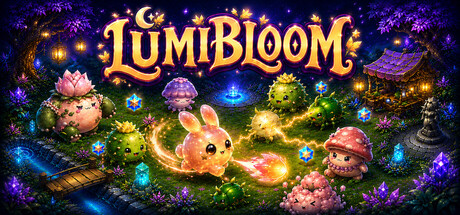
Some visual assets, promotional artwork, sound concepts, and early creative content for Lumibloom were created or assisted using generative AI tools during development. All AI-assisted content is reviewed, edited, and integrated by the developer to fit the game’s final artistic direction and gameplay experience.
!! AI translations only !!
Explanation:
As an indie developer, I want my game to be accessible to as many players around the world as possible. Unfortunately, I don't have the resources to hire professional translators for every language I would like to support.
In the past, developers often relied on tools like Google Translate to make their games available in more languages. Today, AI translation is another option, and it can produce better results than traditional machine translation.
Everything else in the game, including the original text, artwork, sounds, music, game design and code, was created by humans. AI is used only for translation.
Some promotional artwork and store graphic backgrounds may include AI-assisted elements. The core gameplay, UI, ships, enemies, mechanics, systems and visual identity are created and edited by the developer using original game assets.
The following aspects of this game's development were assisted by AI tools:
• Code architecture planning and refactoring suggestions
• Debugging assistance
• Localization (English / Simplified Chinese / Japanese / and other supported languages)
• Initial drafts of select art assets
• Background music generation (SUNO)
All AI-generated output was reviewed, edited, and integrated by a human before inclusion in the final build. Core gameplay design, balancing, and final decisions were made by the developer.
Generative AI was used to assist in the creation of promotional artwork, marketing images, and store page assets. No AI-generated content is produced during gameplay, and no gameplay features rely on generative AI.
Generative AI tools were used to create the 2D character sprites and background art in this game. All final assets were manually edited, resized, aligned, and integrated by the developer.
AI language models were also used as coding assistants during development.
All music tracks in this game are 100% original, human-composed pieces created by The Cyber Den. Sound effects are a combination of original recordings and royalty-free assets. No music or audio was generated using AI.
Static art assets (store-page capsules, in-game card art, in-game icons) and audio placeholders are generated via Replicate (Google Nano Banana Pro for image, Lyria-2 / AudioGen for audio) using human-authored prompts. Outputs are reviewed by the developer before shipping. No live AI generation occurs during gameplay; all assets are baked at build time.
I would like to pay for human assets, but I am moving fast. In the same way that AI turned 12 months of dev time into 2, it also affected how I skinned the MVP. This is best for communicating intention, and I can polish it with human art if there is traction.
Character portraits and some narrative text were created with AI tool assistance during development. Game design, story direction, building sprites, music, and sound effects are human-authored. All content is reviewed and approved by the developer.
Generative AI was used to assist in the creation of some music and visual assets. All content is produced using licensed tools and reviewed by the development team to avoid copyright issues.
This game uses generative AI during development to assist with the creation of certain visual assets, text content, and localization content. All AI-assisted content has been manually reviewed, edited, integrated, and approved by the developer before being included in the game. The game does not generate AI content during live gameplay.
Some artwork used on this game's store page and in promotional materials, as well as certain in-game art assets, was created with the assistance of generative AI tools. All AI-assisted content was reviewed and curated by the developer.
Current store artwork, in-game loading screen images, and background music were created with assistance from generative AI tools. These assets were manually reviewed and edited by the development team.
Some translation text is translated by AI for languages where we have been unable to find a human translator. If you are interested in helping update these with human translations, contact holycowgamedev+translate@gmail.com
This game uses generative AI tools during development to assist with the creation of certain art assets and some repetitive development tasks. All content is manually designed, reviewed, selected, and integrated by the developer.
This game was developed with the assistance of generative AI tools. However, AI does not generate any content in real-time or directly within the application. It was used exclusively during the production phase to create certain user interface elements, including visual components visible in-game. All AI-generated content was reviewed and approved by the development team prior to integration.
Deep In The Mine was developed by a single person. Artificial intelligence was used to save time and correct certain shortcomings, particularly in audio creation and mesh generation.
Territory Titans: Booking Wars contains some pre-generated content created with the assistance of generative AI tools during development. AI-assisted tools were used to help create portions of promotional artwork, visual assets, and concept materials. All AI-generated content was reviewed, edited, and curated by the developer before inclusion in the game or store materials. The game does not use live AI generation during gameplay and does not generate content for players in real time.
Generative AI tools were used in a limited and supportive capacity during the development of this project. AI-generated imagery served primarily as visual reference material for the creation of certain 2D assets and textures. In addition, ChatGPT was utilized to assist with language translation, provide guidance during the debugging process, and support the setup and written presentation of the game’s Steam store page.
Generative AI tools were used during development to assist with the creation and refinement of certain visual assets, audio assets, and written content used in the game, its store page, and marketing materials. This includes AI-assisted images and music. All gameplay systems, programming, level design, game mechanics, story implementation, and final integration of content were created, reviewed, edited, and approved by the developer. The game does not generate AI content during gameplay.
This game is developed using a combination of artificial intelligence tools and human creativity. AI helps accelerate parts of the design and production process—such as prototyping, asset iteration, and content generation—allowing us to build richer experiences more efficiently.
However, every element of the game is carefully reviewed, refined, and supervised by our development team. From gameplay design to final implementation, humans remain fully involved to ensure quality, consistency, and a fun player experience.
AI-assisted tools were used during portions of concept exploration and creative iteration for certain visual and writing workflows.
All game systems, gameplay implementation, worldbuilding, design direction, editing, integration, UI construction, narrative structure, and final production decisions are created and directed by the developer.
AI tools are used as part of an assisted creative workflow rather than as fully autonomous content generation.
Some of the 2D user interface (UI) elements and 3D models in the game were generated using AI tools. These assets have been carefully reviewed, edited, and integrated by the developer to fit the game's art style and ensure they comply with copyright standards.
AI is used for cinematic cutscenes and certain art assets, but the majority of the work is done manually.
Similarly, code workflows include partial generation for certain C++, C#, and HLSL functions.
The game's artwork and music content are partially generated by AI. However, extensive manual adjustments have been made to ensure a comfortable experience for you.
Generative AI tools were used as part of the development and drafting workflow. Hex Tower Boogie does not generate content during gameplay, does not connect to external AI services, and all shipped/store content is reviewed and curated by the developer.
Some code assistance tools and limited generative AI techniques were used during development. Some card artwork has been refined with the assistance of AI-based editing tools.
This game uses pre-generated AI-assisted assets in some development and marketing materials, including draft visuals, voice work, localization support, and production references. Final content is reviewed and curated by the developer. The game does not generate AI content during gameplay.
Some visual assets, promotional artwork, sound concepts, and early creative content for Lumibloom were created or assisted using generative AI tools during development. All AI-assisted content is reviewed, edited, and integrated by the developer to fit the game’s final artistic direction and gameplay experience.
!! AI translations only !!
Explanation:
As an indie developer, I want my game to be accessible to as many players around the world as possible. Unfortunately, I don't have the resources to hire professional translators for every language I would like to support.
In the past, developers often relied on tools like Google Translate to make their games available in more languages. Today, AI translation is another option, and it can produce better results than traditional machine translation.
Everything else in the game, including the original text, artwork, sounds, music, game design and code, was created by humans. AI is used only for translation.
Some promotional artwork and store graphic backgrounds may include AI-assisted elements. The core gameplay, UI, ships, enemies, mechanics, systems and visual identity are created and edited by the developer using original game assets.
The following aspects of this game's development were assisted by AI tools:
• Code architecture planning and refactoring suggestions
• Debugging assistance
• Localization (English / Simplified Chinese / Japanese / and other supported languages)
• Initial drafts of select art assets
• Background music generation (SUNO)
All AI-generated output was reviewed, edited, and integrated by a human before inclusion in the final build. Core gameplay design, balancing, and final decisions were made by the developer.