Public Steam disclosure research25,508 disclosures tracked
Where do games disclose AI use?
Search developers’ Steam disclosures, compare classified AI use across
games, and follow recorded changes.
This index adds cross-game classifications and statistics to
statements published on individual store pages.
Groups reflect automatic analysis of public disclosures; mature records are excluded. These counts do not measure AI use across all of Steam.
Missing or unclear statements cannot establish whether a game uses AI.
The background music for the game was created using generative AI tools. However, all other game assets, including pixel art, sound effects, programming code, and narrative content, were created manually by the developer without the use of generative AI.
Generative AI was used to create some visual assets for the Steam Store Page (capsule images, promotional materials). All in-game art, gameplay mechanics, code, music, sound effects, and translations were created without generative AI.
Generative AI tools were used during development to assist with writing and debugging parts of the game code. Some visual or text assets may have been created or edited with the assistance of generative AI. The game does not use live generative AI during gameplay.
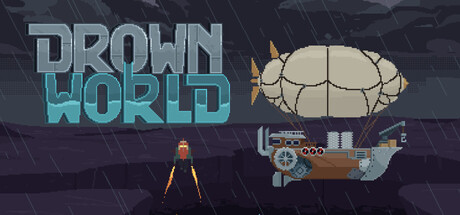
Some UI elements in Drown World (specifically element icons for water, fire, gas, and similar interactive particles) were created using generative AI tools and subsequently edited and refined. Since the element roster is still being finalised and expanded, these icons will be replaced with custom artwork once the full set is locked in. Music stems were generated using AI tools, then edited and arranged by the developer. Localisation was produced with the assistance of generative AI.
Some visual assets, including environmental art and vegetation, were created with the assistance of AI image generation tools and manually refined for use in the game.
Localization was assisted by AI for multilingual support.
A small number of UI icons (approx. 10) were created using AI tools and manually refined by the developer.
I am a single Dev - with 5 dependents ( 3 have special needs and demand time) and a ZERO budget. I am unemployed trying to have a go.
I wanted to make this game and it would of NEVER happened with out AI generated art.
Generative AI was used during development to assist in creating certain visual assets (pixel art characters, scene tiles, etc.). All AI-generated content was reviewed, curated, and modified by hand. Game code, design, and narrative were created by human developers and assisted with Generative AI.
We use generative AI tools to assist in the creation of 2D pixel art assets and marketing materials. All AI-generated content is refined and integrated by the developer to ensure a high-quality, cohesive aesthetic that fits the game's unique medieval-tech world.
AI was used only to help review, correct, and improve portions of existing code during development. All visual assets, music, and other creative content in the game were made by real artists, whose work I fully support.
The game optionally connects to a local language model server (Ollama or any OpenAI-compatible endpoint) to generate live dialogue from rulers, travelers, and city locals. This requires installing Ollama separately and running a model locally. Instructions are in GUIDE.md. The game is fully playable without this feature.
During development, generative AI was used as a supporting tool to accelerate coding workflows and assist in creating pixel art assets. All game design, mechanics, and creative direction are human-driven.
Live in-game: NPC conversations are generated in real time by a large language model. Every dialogue you have with a villager is dynamically written rather than scripted, and NPCs remember what you've said to them across the playthrough. Conversations are filtered for safety, but as with any AI-generated text, responses may occasionally be unexpected.
Pre-rendered during development: Character and creature sprites, ambient music, and some background artwork were created with the assistance of generative AI tools and then hand-curated, edited, and integrated by the developer.
This game was developed by a solo beginner from the ground up. AI tools were used during development to assist with coding, learn new software, generating some audio, and create in-game product and console artwork. All game design, systems, and creative direction are my own work.
Palimpsest features two visual styles: pixel art and realism point-and-click scenes. Some point-and-click assets are created using a combination of generative AI and Photoshop, contributing to the game’s intentionally unsettling visual tone.
I used AI generation tools to assist in creating the 2D visual assets for the game, including UI elements, enemy shapes, background textures, and the promotional store capsules. All generated images were manually reviewed, edited, and integrated into the game to fit the minimalist neon aesthetic, ensuring no copyright infringement or illegal content is present.
During the development process AI-based tools used to assist with content creation. In all such cases, the final product reflects the creativity and expression of the development team.
AI was used to extend the variations in characters and to enhance some of our own visuals.
Voices were performed by actual actors or AI voices.
Original music was enhanced with AI.
Generative AI is used as a translation aid for some in-app text and the English localization of the store page.
This application does not include any features that use generative AI.
AI was used in the production of this game:
• graphic assets — Nano Banana Pro with Google Flow / GPT-Image-2
• Music and some sound effects — Suno AI v5, Elevenlabs.
• Translations — GPT 5.5
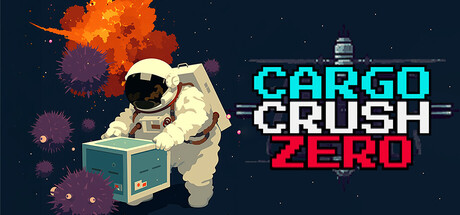
CARGO CRUSH ZERO is developed with the assistance of AI tools throughout its production. Game code is implemented using Claude (Anthropic) as a development assistant. Background music is generated with AIVA. Visual assets are created using AI image generation tools and further edited by the developer. All creative direction, design decisions, and final output are overseen by the developer.
AI technology is used in a supplementary capacity during the conceptual and prototyping stages of our 2D assets. Any such assets are replaced through our production pipeline by our artists.
Some assets in this game, including music and sound effects, were created with the assistance of generative AI tools. All AI-generated content was reviewed and curated by the developer before inclusion in the game.
How does this game use generative AI?
-Musical Content: The soundtrack was generated using AI tools (Suno), then curated and produced to match the game's atmosphere and biomes.
-Visual Content and Assets: AI tools were used as a base for some illustrations and visual elements. All of these assets have been manually reviewed, edited, and refined by the developer to ensure final quality and consistency with the project's art style.
This game is created by a solo developer. Generative AI tools were utilized to enhance the music, sound effects, and localization for a better atmosphere and overall experience. All AI-assisted content has been personally reviewed and finalized by the developer. All visual assets and the narrative are entirely handcrafted.
Some visual assets in this game, including backgrounds and certain enemy designs, were created using AI-assisted tools and then edited, modified, and integrated into the game by the developer.
This game uses generative AI during development for certain 2D icons, concept art, placeholder graphics, and text. All AI-generated content has been manually reviewed, edited, and adapted by the developer before being included in the final game.
Generative AI tools were used to assist with localization translations. All AI-generated translations were reviewed and edited by the development team.
Some content in this game, including text and certain assets, was created with the assistance of AI tools during development. All AI-generated content has been reviewed, edited, and integrated by the developer to ensure quality and consistency.
The core concepts, rules, and gameplay mechanics of The Bone Yard are entirely my own original creation. Because this is a solo passion project, I utilized generative AI as a development assistant to help bring my vision to life. AI tools were used to help brainstorm visual design elements, which I then curated and integrated into the game. I also used AI to assist with coding and text localization. The heart of the game, how it plays, how it feels, is 100% USDA Prime Human.
AI tools were used during development to assist with asset creation (pixel art sprites, terrain textures, localization drafts) and game design iteration. All AI-generated content was reviewed, edited and curated by the developer.
This game uses generative artificial intelligence to assist in writing portions of its code during development. All AI-generated content has been manually reviewed, modified, and tested by the development team to ensure the game's stability, security, and content compliance. No real-time AI content is generated during gameplay.
The background music for the game was created using generative AI tools. However, all other game assets, including pixel art, sound effects, programming code, and narrative content, were created manually by the developer without the use of generative AI.
Generative AI was used to create some visual assets for the Steam Store Page (capsule images, promotional materials). All in-game art, gameplay mechanics, code, music, sound effects, and translations were created without generative AI.
Generative AI tools were used during development to assist with writing and debugging parts of the game code. Some visual or text assets may have been created or edited with the assistance of generative AI. The game does not use live generative AI during gameplay.
Some UI elements in Drown World (specifically element icons for water, fire, gas, and similar interactive particles) were created using generative AI tools and subsequently edited and refined. Since the element roster is still being finalised and expanded, these icons will be replaced with custom artwork once the full set is locked in. Music stems were generated using AI tools, then edited and arranged by the developer. Localisation was produced with the assistance of generative AI.
Some visual assets, including environmental art and vegetation, were created with the assistance of AI image generation tools and manually refined for use in the game.
Localization was assisted by AI for multilingual support.
A small number of UI icons (approx. 10) were created using AI tools and manually refined by the developer.
I am a single Dev - with 5 dependents ( 3 have special needs and demand time) and a ZERO budget. I am unemployed trying to have a go.
I wanted to make this game and it would of NEVER happened with out AI generated art.
Generative AI was used during development to assist in creating certain visual assets (pixel art characters, scene tiles, etc.). All AI-generated content was reviewed, curated, and modified by hand. Game code, design, and narrative were created by human developers and assisted with Generative AI.
We use generative AI tools to assist in the creation of 2D pixel art assets and marketing materials. All AI-generated content is refined and integrated by the developer to ensure a high-quality, cohesive aesthetic that fits the game's unique medieval-tech world.
AI was used only to help review, correct, and improve portions of existing code during development. All visual assets, music, and other creative content in the game were made by real artists, whose work I fully support.
The game optionally connects to a local language model server (Ollama or any OpenAI-compatible endpoint) to generate live dialogue from rulers, travelers, and city locals. This requires installing Ollama separately and running a model locally. Instructions are in GUIDE.md. The game is fully playable without this feature.
During development, generative AI was used as a supporting tool to accelerate coding workflows and assist in creating pixel art assets. All game design, mechanics, and creative direction are human-driven.
Live in-game: NPC conversations are generated in real time by a large language model. Every dialogue you have with a villager is dynamically written rather than scripted, and NPCs remember what you've said to them across the playthrough. Conversations are filtered for safety, but as with any AI-generated text, responses may occasionally be unexpected.
Pre-rendered during development: Character and creature sprites, ambient music, and some background artwork were created with the assistance of generative AI tools and then hand-curated, edited, and integrated by the developer.
This game was developed by a solo beginner from the ground up. AI tools were used during development to assist with coding, learn new software, generating some audio, and create in-game product and console artwork. All game design, systems, and creative direction are my own work.
Palimpsest features two visual styles: pixel art and realism point-and-click scenes. Some point-and-click assets are created using a combination of generative AI and Photoshop, contributing to the game’s intentionally unsettling visual tone.
I used AI generation tools to assist in creating the 2D visual assets for the game, including UI elements, enemy shapes, background textures, and the promotional store capsules. All generated images were manually reviewed, edited, and integrated into the game to fit the minimalist neon aesthetic, ensuring no copyright infringement or illegal content is present.
During the development process AI-based tools used to assist with content creation. In all such cases, the final product reflects the creativity and expression of the development team.
AI was used to extend the variations in characters and to enhance some of our own visuals.
Voices were performed by actual actors or AI voices.
Original music was enhanced with AI.
Generative AI is used as a translation aid for some in-app text and the English localization of the store page.
This application does not include any features that use generative AI.
AI was used in the production of this game:
• graphic assets — Nano Banana Pro with Google Flow / GPT-Image-2
• Music and some sound effects — Suno AI v5, Elevenlabs.
• Translations — GPT 5.5
CARGO CRUSH ZERO is developed with the assistance of AI tools throughout its production. Game code is implemented using Claude (Anthropic) as a development assistant. Background music is generated with AIVA. Visual assets are created using AI image generation tools and further edited by the developer. All creative direction, design decisions, and final output are overseen by the developer.
AI technology is used in a supplementary capacity during the conceptual and prototyping stages of our 2D assets. Any such assets are replaced through our production pipeline by our artists.
Some assets in this game, including music and sound effects, were created with the assistance of generative AI tools. All AI-generated content was reviewed and curated by the developer before inclusion in the game.
How does this game use generative AI?
-Musical Content: The soundtrack was generated using AI tools (Suno), then curated and produced to match the game's atmosphere and biomes.
-Visual Content and Assets: AI tools were used as a base for some illustrations and visual elements. All of these assets have been manually reviewed, edited, and refined by the developer to ensure final quality and consistency with the project's art style.
This game is created by a solo developer. Generative AI tools were utilized to enhance the music, sound effects, and localization for a better atmosphere and overall experience. All AI-assisted content has been personally reviewed and finalized by the developer. All visual assets and the narrative are entirely handcrafted.
Some visual assets in this game, including backgrounds and certain enemy designs, were created using AI-assisted tools and then edited, modified, and integrated into the game by the developer.
This game uses generative AI during development for certain 2D icons, concept art, placeholder graphics, and text. All AI-generated content has been manually reviewed, edited, and adapted by the developer before being included in the final game.
Generative AI tools were used to assist with localization translations. All AI-generated translations were reviewed and edited by the development team.
Some content in this game, including text and certain assets, was created with the assistance of AI tools during development. All AI-generated content has been reviewed, edited, and integrated by the developer to ensure quality and consistency.
The core concepts, rules, and gameplay mechanics of The Bone Yard are entirely my own original creation. Because this is a solo passion project, I utilized generative AI as a development assistant to help bring my vision to life. AI tools were used to help brainstorm visual design elements, which I then curated and integrated into the game. I also used AI to assist with coding and text localization. The heart of the game, how it plays, how it feels, is 100% USDA Prime Human.
AI tools were used during development to assist with asset creation (pixel art sprites, terrain textures, localization drafts) and game design iteration. All AI-generated content was reviewed, edited and curated by the developer.
This game uses generative artificial intelligence to assist in writing portions of its code during development. All AI-generated content has been manually reviewed, modified, and tested by the development team to ensure the game's stability, security, and content compliance. No real-time AI content is generated during gameplay.