








Disclosure
Coding tools, audio, etc.
- Creator
- Watashi Games
- Reviews
- -
- Added
- Jul 31, 2026
Public Steam disclosure research 25,512 disclosures tracked
Search developers’ Steam disclosures, compare classified AI use across games, and follow recorded changes. This index adds cross-game classifications and statistics to statements published on individual store pages.
Code help, debugging and other development work.
Capsule art, trailers and promotional material.
Pre-made art, audio, writing and other game assets.
Interactive or runtime AI features disclosed by the developer.
Groups reflect automatic analysis of public disclosures; mature records are excluded. These counts do not measure AI use across all of Steam. Missing or unclear statements cannot establish whether a game uses AI.
Coding tools, audio, etc.
Generative AI tools were used during development to assist in creating and refining some 2D pixel-art assets, animations, and localization text. All AI-assisted content was reviewed, edited, and integrated by the developer.
Gemfire Survival was developed with assistance from generative AI tools (such as Large Language Models) to help write and structure the source code and draft store descriptions. All AI-generated content was reviewed, edited, and integrated manually. The game does not feature live, runtime generative AI or external API connections during gameplay.
All content was created using AI.
Some images created using AI for Steam Page.
Tatomic was originally created in 2008 for the first-generation iPhone, with artwork designed for its 480 × 320 display. Generative AI was used only to upscale and recreate the original artwork at higher resolutions while preserving the game’s original visual style. No generative AI was used to create the game’s design, gameplay, sound effects, music, or original art direction.
This game was developed with the assistance of generative AI tools. Generative AI tools assisted with the creation of skill icons, terrain textures, some in-game 3D assets and visual effects, and translated localization text. All final assets and translations included in the game were selected, edited, and reviewed by the developer before integration. The game does not use any AI features that generate images, text, audio, or other content in real time in response to player input.
This game uses AI extensively - from planning the project, to visual art, to audio, to coding the game, everything.
Some of Gunmetal Orbit's art and audio assets - including concept art used to build 3D models, UI icons, sound effects, and the store page key art - were created during development with the help of generative AI tools, then curated, edited, and integrated by the developers. All gameplay code and game design are human-made, and the game does not generate any AI content while you play.
Pre-generated AI content: Some of the game's 2D illustrations — world and game-mode cover art, story-scene illustrations, character portraits, and store/promotional images — were created with the assistance of generative AI image tools. Every image was prompted, curated, selected and edited by the developer. Portions of the game's source code were written with the assistance of an AI coding tool, always under direct human direction, review and testing. Gameplay sprites, user interface, and fonts come from licensed third-party asset packs or were made by hand. The game does NOT generate any content with AI at runtime: all content is fixed at development time, and no player data is sent to any AI service.
Generative AI was used to assist with the creation of code-based 3D geometry built in Three.js, as well as some sound assets included in the game. These assets are reviewed, adjusted, and integrated by the developer, and may be revised or replaced throughout development.
Note: some imagery for the store page, in-game and marketing is pre-rendered by AI.
The pictures in the journal are created by AI.
Generative AI tools were used to assist with drafting and editing Steam store page text and marketing copy. The game does not use generative AI to create live gameplay content.
Generative tools were used during development to assist with certain aspects of the games rendering systems; all such content was curated, reviewed, and integrated by the development team.
Shadow Slayer is built almost entirely in code. The character and enemy art is drawn procedurally as vector graphics, and the sound effects and adaptive music layers are synthesized in real time in the browser - none of that is AI-generated. Generative AI tools were used to help create some of the content that ships with the game: - Music: several of the recorded background-music tracks were produced with the help of generative AI music tools. - Localization: the non-English translations were produced with AI-assisted translation and reviewed by the developer. - Store page & marketing images: some capsule/promotional artwork was created with generative AI image tools. All AI-assisted content was selected, edited, and integrated by a human developer. No AI content is generated live while you play - everything ships pre-made and reviewed.
The background music in this game was created using generative AI tools. All other content — artwork, code, gameplay systems, and design — is made by humans.
This game was developed using generative AI during production. Generative AI was used to create the game's code, artwork, visual assets, user interface, music, sound effects, and text. All AI-generated content was reviewed, tested, curated, and integrated into the final game by the developer. The game does not generate AI content during gameplay.
The game's music was generated using artificial intelligence.
I used coding agents to code this game.
This game uses AI-generated music (Suno) and AI-generated voice acting (ElevenLabs). All AI-generated content has been reviewed and curated by the developer before inclusion in the game.
Some upgrade illustrations Background music Some sound effects Some text localization
Background Music (BGM): Some in-game background music tracks were generated using AI tools. Localization: The game's text localization (translations into various languages) was produced or assisted by AI. All AI-generated content was reviewed and curated by the developer before inclusion in the game.
This game used AI to help quickly iterate through designs for some UI elements using our own artwork as a baseline. AI is used to generate sound effects AI is also used to help translate the game.
AI was used to create some promotional assets, including store capsule images, banners, and other marketing artwork. AI-generated content was reviewed and edited by the developer before use.
LLMs were used to help create this game. The characters are human drawn.
Generative AI was used to create selected voice performances (including the in-game commentator) as well as concept artwork and promotional illustrations. All AI-generated assets were reviewed, edited, and integrated by the developer.
We used image generation for concept art, some 2D assets, promo materials, and voice acting for AI characters.
Some of the sound effects in this game were created using a commercially licensed generative AI audio tool. Nothing is generated by AI while you play.
Generative AI was used to assist in the creation of certain game assets, including some textures, artwork, sound effects, music, and marketing materials. All AI-generated content has been reviewed, edited, and integrated by the developer. No live AI-generated content is produced during gameplay.
Promotional artwork, Steam capsules, and certain marketing images were created with the assistance of generative AI and then reviewed, edited, and curated by PhoenixGold Game Studios. All gameplay, code, mechanics, characters, and in-game content were designed and implemented by the development team.
Generative AI was used in preparing the store page materials: the text description and the screenshots. The screenshots are not AI-generated - they are captured from the actual game, with AI tools used for color correction. All materials have been reviewed and approved by the developer. No generative AI runs during gameplay: all content is fixed and nothing is generated live
This game uses a mix of human and generative AI tools. AI was used in some visual art assets, code generation, and portions of the store page text. All writing in the game, voice acting, and music are fully human-created.
The game to contain art assets generated by artificial intelligence
A small amount of artwork, the soundtrack, and voiceovers were generated with AI.
Includes AI and handcrafted artwork and audio
Generative AI tools were used during development to assist with the creation and editing of some pre-generated visual assets, sound effects, and Steam Store page text. All AI-assisted content was reviewed, selected, and edited by the developer before being included. The game does not generate content using AI during gameplay.
AI was used to assist in creating 3d models and game audio files. All core gameplay systems, code architecture, game design, and user interfaces were assembled and structured manually by the developer.
Generative AI tools were used during development to assist in creating the following assets: - Text translation - Background music - Background and cat images All AI-generated content was thoroughly reviewed, adjusted, and edited by the developer to ensure quality and compliance with all applicable licenses.
Generative AI was used during development to create 22 music tracks with AI music-generation tools licensed for commercial use and to draft portions of the non-English localization and store-page text. All AI-assisted material has been reviewed and finalized by the developer. The game does not generate content or code with AI during play and does not connect to external AI services at runtime.
This game uses generative AI tools (such as PixelLab) during development to create or assist with some pre-rendered pixel art: enemy/character sprites, UI panels, visual effects, and certain store or marketing stills. There is no live generative AI during gameplay. The game does not generate images, text, or audio with AI while you play.
The game's art and animation content — including character sprites, animations, tilesets, UI elements, and store page artwork — was generated with the assistance of AI tools during development and then refined by the team. All AI-generated content was created during development; the game does not generate content while you play.
Generative AI was used to create promotional store artwork and marketing images. The released gameplay does not use real-time generative AI.
AI tools were used during development to assist with writing code, and to produce two categories of content shipped with the game: the original synthwave soundtrack (composed with AI music generation, curated and selected by the developer) and the interface translations for the non-English languages (reviewed by the developer). Some store page text was also drafted with AI assistance. All in-game worlds are generated procedurally by hand-written algorithms — no AI content is generated at runtime.
Some of this game's visual assets (character art, icons, and UI) were created with the help of generative AI tools and were manually edited and reviewed by the developer.
This game includes some images and sound assets that were created with the assistance of generative AI.
I am not an artist and I don't have money to hire one, so I used Gemini to create the cover art for the game. Sorry about that.
A limited amount of generative AI was used to assist with creating some decorative in-game poster artwork. The game's environments, level design, gameplay mechanics, and overall world-building were handcrafted by the developer.
Pixel art assets, the soundtrack, and portions of the game's writing were created with generative AI, then curated and edited by the developer. The game's design, satirical concept, and systems are original human work. All sound effects were recorded by voice actors.
Generative AI was used as a collaborative programming assistant to help write game code, structure gameplay logic, and assist with optimization. Additionally, it was utilized to help draft and refine marketing copy for the store page. All visual assets, 3D models, animations, and creative direction are completely hand-crafted by a solo human artist.
| Title⇅ | Disclosure | Creator⇅ | Src | Reviews⇅ | Added↓ |
|---|---|---|---|---|---|
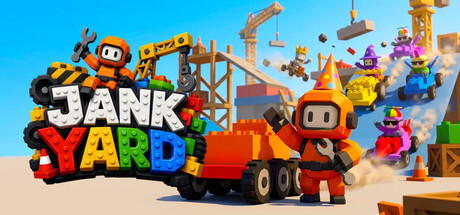 Jank Yard Unclear codeaudio | Coding tools, audio, etc. | Watashi Games | - | Jul 31, 2026 | |
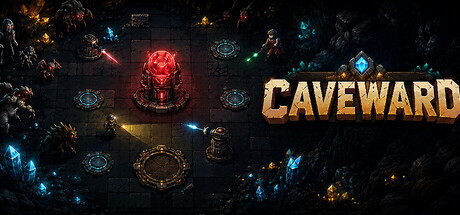 Caveward In-game content arttext | Generative AI tools were used during development to assist in creating and refining some 2D pixel-art assets, animations, and localization text. All AI-assisted content was reviewed, edited, and integrated by the developer. | J. Souza | - | Jul 31, 2026 | |
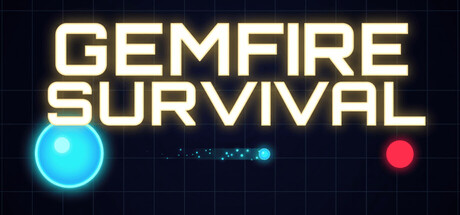 Gemfire Survival Store/marketing codetext | Gemfire Survival was developed with assistance from generative AI tools (such as Large Language Models) to help write and structure the source code and draft store descriptions. All AI-generated content was reviewed, edited, and integrated manually. The game does not feature live, runtime generative AI or external API connections during gameplay. | RVLWorks | - | Jul 30, 2026 | |
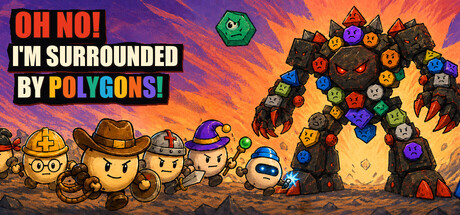 Oh No! I’m Surrounded by Polygons! In-game content artaudiocodetext | All content was created using AI. | mex | - | Jul 30, 2026 | |
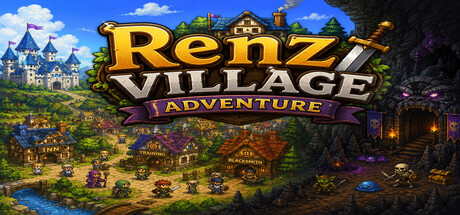 Renz Village Adventure Store/marketing art | Some images created using AI for Steam Page. | Logan Renz | - | Jul 30, 2026 | |
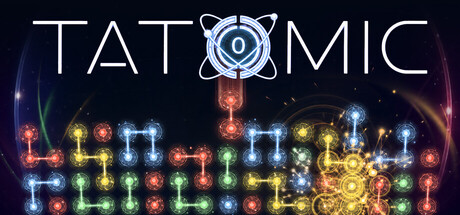 Tatomic In-game content art | Tatomic was originally created in 2008 for the first-generation iPhone, with artwork designed for its 480 × 320 display.
Generative AI was used only to upscale and recreate the original artwork at higher resolutions while preserving the game’s original visual style. No generative AI was used to create the game’s design, gameplay, sound effects, music, or original art direction. | nitzan.games LLC | - | Jul 30, 2026 | |
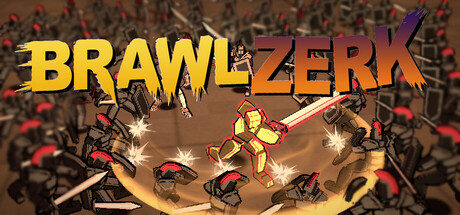 BRAWLZERK In-game content arttext | This game was developed with the assistance of generative AI tools.
Generative AI tools assisted with the creation of skill icons, terrain textures, some in-game 3D assets and visual effects, and translated localization text. All final assets and translations included in the game were selected, edited, and reviewed by the developer before integration.
The game does not use any AI features that generate images, text, audio, or other content in real time in response to player input. | Reforbli | - | Jul 30, 2026 | |
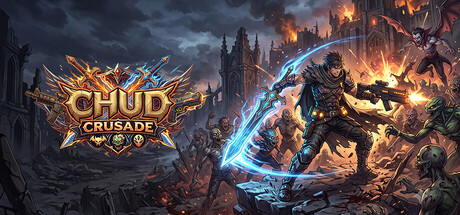 Chud Crusade In-game content artaudiocodetext | This game uses AI extensively - from planning the project, to visual art, to audio, to coding the game, everything. | Shuriken Rose | - | Jul 30, 2026 | |
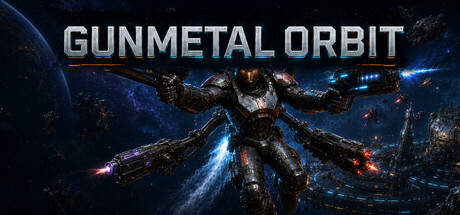 Gunmetal Orbit In-game content artaudio | Some of Gunmetal Orbit's art and audio assets - including concept art used to build 3D models, UI icons, sound effects, and the store page key art - were created during development with the help of generative AI tools, then curated, edited, and integrated by the developers. All gameplay code and game design are human-made, and the game does not generate any AI content while you play. | Austin Spraggins | - | Jul 30, 2026 | |
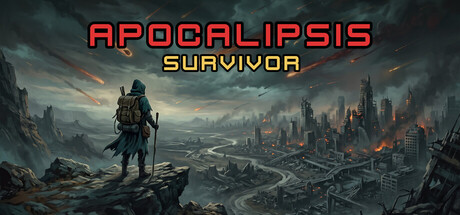 Apocalipsis Survivor In-game content artcode | Pre-generated AI content:
Some of the game's 2D illustrations — world and game-mode cover art, story-scene illustrations, character portraits, and store/promotional images — were created with the assistance of generative AI image tools. Every image was prompted, curated, selected and edited by the developer.
Portions of the game's source code were written with the assistance of an AI coding tool, always under direct human direction, review and testing.
Gameplay sprites, user interface, and fonts come from licensed third-party asset packs or were made by hand.
The game does NOT generate any content with AI at runtime: all content is fixed at development time, and no player data is sent to any AI service. | TomDev | - | Jul 30, 2026 | |
 Agon Protocol In-game content artaudio | Generative AI was used to assist with the creation of code-based 3D geometry built in Three.js, as well as some sound assets included in the game. These assets are reviewed, adjusted, and integrated by the developer, and may be revised or replaced throughout development. | Atrimn | - | Jul 30, 2026 | |
 Blue Guy Must Die In-game content art | Note: some imagery for the store page, in-game and marketing is pre-rendered by AI. | Gravistar Games | - | Jul 30, 2026 | |
 Xydorth In-game content art | The pictures in the journal are created by AI. | SadGaming | - | Jul 30, 2026 | |
 Huff & Puff Store/marketing text | Generative AI tools were used to assist with drafting and editing Steam store page text and marketing copy. The game does not use generative AI to create live gameplay content. | RubyxQube Games | - | Jul 30, 2026 | |
 PHOSPHOR Dev only | Generative tools were used during development to assist with certain aspects of the games rendering systems; all such content was curated, reviewed, and integrated by the development team. | Manawave | - | Jul 30, 2026 | |
 Shadow Slayer | Shadow Slayer is built almost entirely in code. The character and enemy art is
drawn procedurally as vector graphics, and the sound effects and adaptive music
layers are synthesized in real time in the browser - none of that is AI-generated.
Generative AI tools were used to help create some of the content that ships with
the game:
- Music: several of the recorded background-music tracks were produced with the
help of generative AI music tools.
- Localization: the non-English translations were produced with AI-assisted
translation and reviewed by the developer.
- Store page & marketing images: some capsule/promotional artwork was created
with generative AI image tools.
All AI-assisted content was selected, edited, and integrated by a human
developer. No AI content is generated live while you play - everything ships
pre-made and reviewed. | Solvaris | - | Jul 30, 2026 | |
 Bounce Intelligence In-game content audio | The background music in this game was created using generative AI tools. All other content — artwork, code, gameplay systems, and design — is made by humans. | tobinekodou | - | Jul 30, 2026 | |
 Asteroid Station In-game content artaudiotextcode | This game was developed using generative AI during production. Generative AI was used to create the game's code, artwork, visual assets, user interface, music, sound effects, and text. All AI-generated content was reviewed, tested, curated, and integrated into the final game by the developer. The game does not generate AI content during gameplay. | Moosejaw Software | - | Jul 30, 2026 | |
 VERAKORIA In-game content audio | The game's music was generated using artificial intelligence. | Leakage Games | - | Jul 30, 2026 | |
 Juju Dev only code | I used coding agents to code this game. | Takana | - | Jul 30, 2026 | |
 Desert Echo In-game content audio | This game uses AI-generated music (Suno) and AI-generated voice acting (ElevenLabs). All AI-generated content has been reviewed and curated by the developer before inclusion in the game. | DevTraum GmbH | - | Jul 30, 2026 | |
 Antarctic Showdown In-game content artaudiotext | Some upgrade illustrations
Background music
Some sound effects
Some text localization | znlfxm | - | Jul 30, 2026 | |
 Green Field Cube Island In-game content audiotext | Background Music (BGM): Some in-game background music tracks were generated using AI tools.
Localization: The game's text localization (translations into various languages) was produced or assisted by AI.
All AI-generated content was reviewed and curated by the developer before inclusion in the game. | Chodnii | - | Jul 30, 2026 | |
 Shattered Void Online In-game content audiotext | This game used AI to help quickly iterate through designs for some UI elements using our own artwork as a baseline. AI is used to generate sound effects AI is also used to help translate the game. | Woodland Software | - | Jul 30, 2026 | |
 UNWIELDY Store/marketing art | AI was used to create some promotional assets, including store capsule images, banners, and other marketing artwork. AI-generated content was reviewed and edited by the developer before use. | Brauni's Games | - | Jul 30, 2026 | |
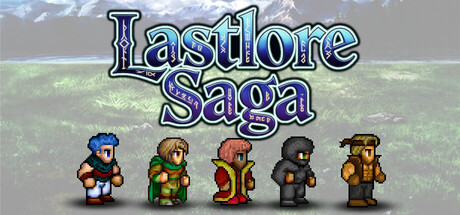 Lastlore Saga Unclear | LLMs were used to help create this game. The characters are human drawn. | 30 Minute Games | 19 | Jul 30, 2026 | |
 Glider64 In-game content audioart | Generative AI was used to create selected voice performances (including the in-game commentator) as well as concept artwork and promotional illustrations. All AI-generated assets were reviewed, edited, and integrated by the developer. | eachTick GmbH | - | Jul 30, 2026 | |
 SpiderMatrix In-game content artaudiotext | We used image generation for concept art, some 2D assets, promo materials, and voice acting for AI characters. | Next Genium | - | Jul 30, 2026 | |
 Starboi In-game content audio | Some of the sound effects in this game were created using a commercially licensed generative AI audio tool. Nothing is generated by AI while you play. | Turtlevania Games | - | Jul 30, 2026 | |
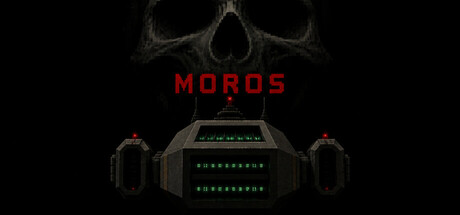 Moros In-game content artaudio | Generative AI was used to assist in the creation of certain game assets, including some textures, artwork, sound effects, music, and marketing materials. All AI-generated content has been reviewed, edited, and integrated by the developer. No live AI-generated content is produced during gameplay. | Negative Return | - | Jul 29, 2026 | |
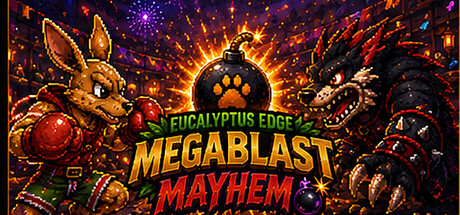 Eucalyptus Edge: MegaBlast Mayhem In-game content art | Promotional artwork, Steam capsules, and certain marketing images were created with the assistance of generative AI and then reviewed, edited, and curated by PhoenixGold Game Studios. All gameplay, code, mechanics, characters, and in-game content were designed and implemented by the development team. | PhoenixGold Game Studios | - | Jul 29, 2026 | |
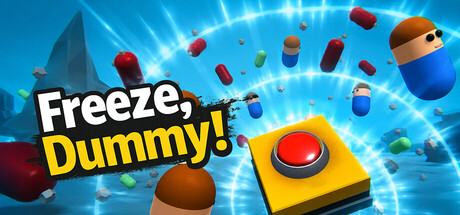 Freeze, Dummy! Store/marketing textart | Generative AI was used in preparing the store page materials: the text description and the screenshots. The screenshots are not AI-generated - they are captured from the actual game, with AI tools used for color correction. All materials have been reviewed and approved by the developer.
No generative AI runs during gameplay: all content is fixed and nothing is generated live | EVG Game Studio | - | Jul 29, 2026 | |
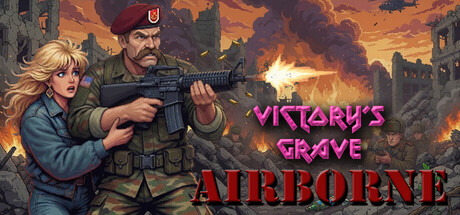 Victory's Grave: Airborne In-game content artcodetext | This game uses a mix of human and generative AI tools. AI was used in some visual art assets, code generation, and portions of the store page text. All writing in the game, voice acting, and music are fully human-created. | Old Glory Studios | - | Jul 29, 2026 | |
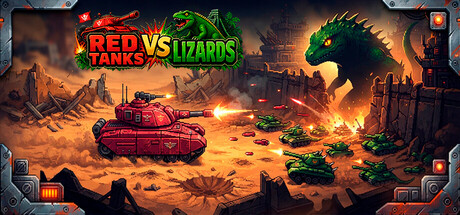 Red Tanks vs Lizard In-game content art | The game to contain art assets generated by artificial intelligence | Gamesforgames | - | Jul 29, 2026 | |
 First Light In-game content artaudio | A small amount of artwork, the soundtrack, and voiceovers were generated with AI. | Ephphatha Games | - | Jul 29, 2026 | |
 Captive 3000 In-game content artaudio | Includes AI and handcrafted artwork and audio | Twin-FX | - | Jul 29, 2026 | |
 ROCKET SCIENCE In-game content artaudiotext | Generative AI tools were used during development to assist with the creation and editing of some pre-generated visual assets, sound effects, and Steam Store page text. All AI-assisted content was reviewed, selected, and edited by the developer before being included. The game does not generate content using AI during gameplay. | Macrobot Software | - | Jul 29, 2026 | |
 Void Descent In-game content artaudio | AI was used to assist in creating 3d models and game audio files.
All core gameplay systems, code architecture, game design, and user interfaces were assembled and structured manually by the developer. | BRaiNDED Games | - | Jul 29, 2026 | |
 WIND CAT SOLITAIRE In-game content textaudioart | Generative AI tools were used during development to assist in creating the following assets:
- Text translation
- Background music
- Background and cat images
All AI-generated content was thoroughly reviewed, adjusted, and edited by the developer to ensure quality and compliance with all applicable licenses. | Kazeneko Games | - | Jul 29, 2026 | |
 MASSFALL In-game content audiotext | Generative AI was used during development to create 22 music tracks with AI music-generation tools licensed for commercial use and to draft portions of the non-English localization and store-page text. All AI-assisted material has been reviewed and finalized by the developer. The game does not generate content or code with AI during play and does not connect to external AI services at runtime. | wagyalab | - | Jul 29, 2026 | |
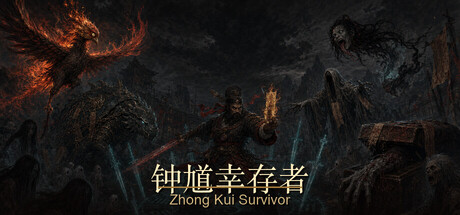 钟馗幸存者 In-game content art | This game uses generative AI tools (such as PixelLab) during development to create or assist with some pre-rendered pixel art: enemy/character sprites, UI panels, visual effects, and certain store or marketing stills.
There is no live generative AI during gameplay. The game does not generate images, text, or audio with AI while you play. | fanyifan | - | Jul 29, 2026 | |
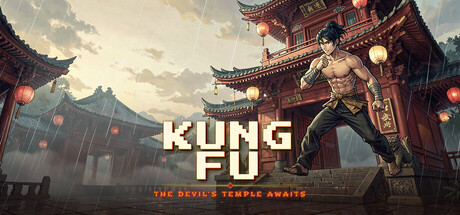 Kung Fu: The Devil's Temple Awaits In-game content art | The game's art and animation content — including character sprites, animations, tilesets, UI elements, and store page artwork — was generated with the assistance of AI tools during development and then refined by the team. All AI-generated content was created during development; the game does not generate content while you play. | ioStudios | - | Jul 29, 2026 | |
 Graveyard Drift Store/marketing art | Generative AI was used to create promotional store artwork and marketing images. The released gameplay does not use real-time generative AI. | Graveyard Drift Studio | - | Jul 29, 2026 | |
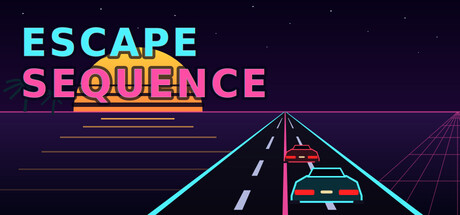 Escape Sequence In-game content audiotext | AI tools were used during development to assist with writing code, and to produce two categories of content shipped with the game: the original synthwave soundtrack (composed with AI music generation, curated and selected by the developer) and the interface translations for the non-English languages (reviewed by the developer). Some store page text was also drafted with AI assistance. All in-game worlds are generated procedurally by hand-written algorithms — no AI content is generated at runtime. | One Mind Games | - | Jul 29, 2026 | |
 Dead Broke In-game content art | Some of this game's visual assets (character art, icons, and UI) were created with the help of generative AI tools and were manually edited and reviewed by the developer. | Render Estudio 3D | - | Jul 29, 2026 | |
 Lobotomy In-game content artaudio | This game includes some images and sound assets that were created with the assistance of generative AI. | Twiluna Studio | - | Jul 29, 2026 | |
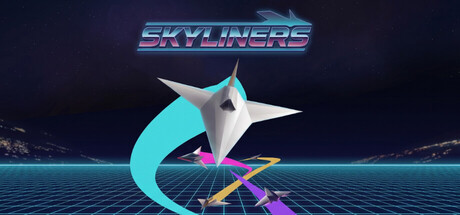 Skyliners Store/marketing art | I am not an artist and I don't have money to hire one, so I used Gemini to create the cover art for the game. Sorry about that. | Skeleton Arm Studios | - | Jul 29, 2026 | |
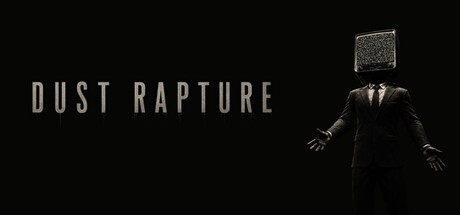 Dust Rapture In-game content art | A limited amount of generative AI was used to assist with creating some decorative in-game poster artwork. The game's environments, level design, gameplay mechanics, and overall world-building were handcrafted by the developer. | DarkShift Interactive | - | Jul 29, 2026 | |
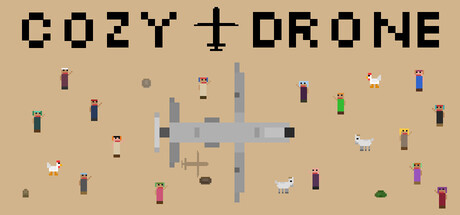 Cozy Drone In-game content artaudiotext | Pixel art assets, the soundtrack, and portions of the game's writing were created with generative AI, then curated and edited by the developer. The game's design, satirical concept, and systems are original human work. All sound effects were recorded by voice actors. | Squeeg Studios | - | Jul 29, 2026 | |
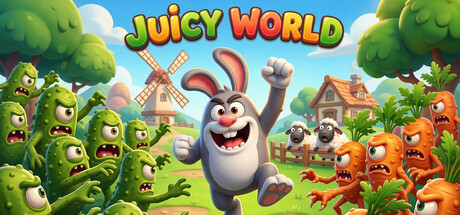 Juicy World In-game content codetext | Generative AI was used as a collaborative programming assistant to help write game code, structure gameplay logic, and assist with optimization. Additionally, it was utilized to help draft and refine marketing copy for the store page. All visual assets, 3D models, animations, and creative direction are completely hand-crafted by a solo human artist. | Alien Knight | - | Jul 29, 2026 |


