Public Steam disclosure research25,512 disclosures tracked
Where do games disclose AI use?
Search developers’ Steam disclosures, compare classified AI use across
games, and follow recorded changes.
This index adds cross-game classifications and statistics to
statements published on individual store pages.
Groups reflect automatic analysis of public disclosures; mature records are excluded. These counts do not measure AI use across all of Steam.
Missing or unclear statements cannot establish whether a game uses AI.
All code in this game is generated with AI assistance. The game’s visuals and music also involve AI-aided processes, including image adjustments and extension of music segments. The gameplay concepts and skill/item designs are partially inspired by AI, with some skill and item names originating from AI-generated ideas.
Generative AI was used to assist in creating certain in-game UI assets (such as combo icons), the main capsule (cover art), and for code debugging during the development process. All AI-assisted content has been manually reviewed, refined, and integrated by the developer to ensure a high-quality experience.
The developer uses Generative AI tools to assist in the creation of 2D character sprites, background artwork, UI elements, and visual effects frames. All AI-generated graphical assets are pre-rendered, manually edited, and carefully integrated into the game engine by the developer. The game does not generate any AI content in real-time during gameplay.
Generative AI was used only for temporary placeholder visuals on this Steam store page. These images are not final game content and will be replaced with original artwork created by our artists before release.
Some visual assets in this game were generated using AI. As a one‑person developer, I use these tools to accelerate production, but all images are reviewed, refined, and finalized by me to maintain a consistent artistic direction.
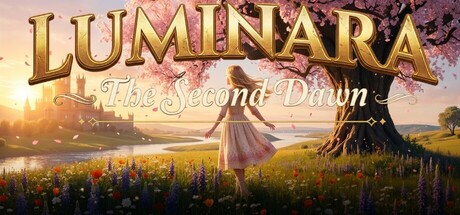
Luminara: The Second Dawn was created by a solo developer with the help of AI tools to bring the game to life. Every piece of content—art, music, story, and code—has been personally reviewed, curated, and directed by me to ensure it fits the game's vision and quality standards.
During development, AI-assisted tools may have been used in a limited role for tasks such as concept support and writing assistance. These tools were used only to assist the development process. All final content choices, editing, implementation, and creative direction were carried out by the solo developer. The game does not include live-generated AI content during runtime.
Generative AI tools were used as development assistance for portions of the source code, including drafting, organization, and commenting. No live AI-generated content is produced during gameplay.
We believe in being transparent about how we build Hollowed Oath including where we use AI, and why. For a thoughtful look at how AI is used in Hollowed Oath, please visit: https://hollowedoath.com/ai-use
I have used the help of AI for some of the levels design, drafts of the bosses and other parts of the game design. Also part of the data models I have had help from AI to implement them.
This game uses generative AI tools to assist in the creation of certain assets, such as music and visual elements.
All content is reviewed, selected, and integrated by the developer to ensure consistency and quality.
No AI is used during gameplay, and the player experience is fully handcrafted.
Generative AI was used during the pre-production phase to create and refine visual concepts, character designs (including enemies and the protagonist), and environmental assets. All AI-generated content was further edited and processed by the developer to fit the game's unique pixel-art constructivist style. No AI content is generated live during gameplay.
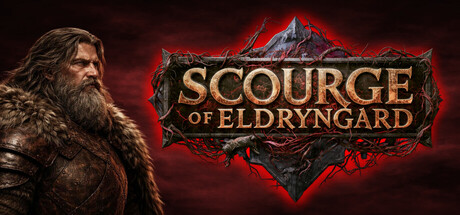
Scourge of Eldryngard was developed independently by a single person. I utilized generative AI tools under my creative direction for the creation of assets, music, voice acting, translation, and technical support, all via paid commercial licenses. All content underwent rigorous manual editing and review to ensure technical cohesion and originality. There is no real-time AI generation during gameplay.
As a small-scale indie game project, this title is developed under limited funding and team resources, and currently has no dedicated art staff. Therefore, generative AI has been used in parts of the content creation process to reduce basic production costs and help move development forward. All such content has been manually reviewed and adjusted.
Partial card art, UI interface art and promotional image assets of this game were created with the assistance of AI tools. All AI-generated content has been manually reviewed, refined, and recreated by the development team, with the final presentation centered on human creation and without any copyright issues.
Some promotional images and video materials for this game were created with the assistance of generative AI. All content has been reviewed and modified by human editors.
The album "Forever Epic Story: A Journey of Life (Reimagined)" is a remake of the original album that was released many years ago back in 2002. Now using the assistance of AI for both beats and vocals, the album is now "reimagined" in an interactive experience. *AI was used in the development of the cover art and video animations.
Some visual assets in this game were created or enhanced using generative AI tools during development. These assets were reviewed and refined by the development team before being included in the final product.
The game does not use AI to generate content during gameplay.
AI-generated art is used for monster illustrations (370+), equipment icons, background art, and promotional materials. AI-assisted translation is used for 10-language localization. All AI-generated content has been reviewed and curated by the developer. No AI is used for gameplay logic, player data processing, or real-time content generation during gameplay.
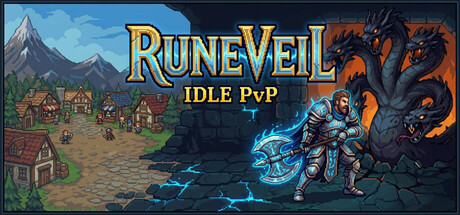
Runeveil: Idle PvP uses generative AI tools only during the design phase of 2D pixel art assets (characters, monsters, items, environments and icons). These visuals serve as a working base and are then edited, integrated and manually reviewed by the team before being added to the game.
No generative AI is used for the game's code, for generating content in real time during gameplay, nor for the soundtrack, narrative text or translations. All content you see in the game has been checked and assembled by hand.
Generative AI tools were used to assist in the creation of store asset (such as capsule art). The resulting assets were further reviewed and polished by humans.
As a solo developer, my primary focus is on crafting the intricate story and branching narrative of this visual novel. To help bring the world of Chrono Mailbox to life, I utilized generative AI tools to assist in creating certain visual assets (such as character art) and background music soundtracks. All AI-generated content has been carefully curated, manually edited, and deeply integrated to ensure it perfectly serves the game's original vision and emotional tone.
This game uses live-generated AI to create text-based dialogue and narrative responses during gameplay. Players can type messages to interact with AI-driven characters and story events, and the AI may generate contextual responses based on the player’s input and current game state. AI-generated content in this game is limited to in-game text and narrative interaction.
The only AI generated elements in the game are a few select static background images used to set the scene (such as the combat stages, the vendor backdrop, and the leaderboard podium). In strict contrast, the entirety of the Multiplayer Boss Arenas (including their backgrounds, set pieces, and props) were purely hand crafted by human artists. Additionally, all animated character models, monster sprites, factory sprites, and in game items throughout the whole game are traditional, human made pixel art.
LLM was used for translation to languages except English and Russian.
Pixelated character portraits were made based on generative pictures from this person does not exist web site
All code in this game is generated with AI assistance. The game’s visuals and music also involve AI-aided processes, including image adjustments and extension of music segments. The gameplay concepts and skill/item designs are partially inspired by AI, with some skill and item names originating from AI-generated ideas.
Generative AI was used to assist in creating certain in-game UI assets (such as combo icons), the main capsule (cover art), and for code debugging during the development process. All AI-assisted content has been manually reviewed, refined, and integrated by the developer to ensure a high-quality experience.
The developer uses Generative AI tools to assist in the creation of 2D character sprites, background artwork, UI elements, and visual effects frames. All AI-generated graphical assets are pre-rendered, manually edited, and carefully integrated into the game engine by the developer. The game does not generate any AI content in real-time during gameplay.
Generative AI was used only for temporary placeholder visuals on this Steam store page. These images are not final game content and will be replaced with original artwork created by our artists before release.
Some visual assets in this game were generated using AI. As a one‑person developer, I use these tools to accelerate production, but all images are reviewed, refined, and finalized by me to maintain a consistent artistic direction.
Luminara: The Second Dawn was created by a solo developer with the help of AI tools to bring the game to life. Every piece of content—art, music, story, and code—has been personally reviewed, curated, and directed by me to ensure it fits the game's vision and quality standards.
During development, AI-assisted tools may have been used in a limited role for tasks such as concept support and writing assistance. These tools were used only to assist the development process. All final content choices, editing, implementation, and creative direction were carried out by the solo developer. The game does not include live-generated AI content during runtime.
Generative AI tools were used as development assistance for portions of the source code, including drafting, organization, and commenting. No live AI-generated content is produced during gameplay.
We believe in being transparent about how we build Hollowed Oath including where we use AI, and why. For a thoughtful look at how AI is used in Hollowed Oath, please visit: https://hollowedoath.com/ai-use
I have used the help of AI for some of the levels design, drafts of the bosses and other parts of the game design. Also part of the data models I have had help from AI to implement them.
This game uses generative AI tools to assist in the creation of certain assets, such as music and visual elements.
All content is reviewed, selected, and integrated by the developer to ensure consistency and quality.
No AI is used during gameplay, and the player experience is fully handcrafted.
Generative AI was used during the pre-production phase to create and refine visual concepts, character designs (including enemies and the protagonist), and environmental assets. All AI-generated content was further edited and processed by the developer to fit the game's unique pixel-art constructivist style. No AI content is generated live during gameplay.
Scourge of Eldryngard was developed independently by a single person. I utilized generative AI tools under my creative direction for the creation of assets, music, voice acting, translation, and technical support, all via paid commercial licenses. All content underwent rigorous manual editing and review to ensure technical cohesion and originality. There is no real-time AI generation during gameplay.
As a small-scale indie game project, this title is developed under limited funding and team resources, and currently has no dedicated art staff. Therefore, generative AI has been used in parts of the content creation process to reduce basic production costs and help move development forward. All such content has been manually reviewed and adjusted.
Partial card art, UI interface art and promotional image assets of this game were created with the assistance of AI tools. All AI-generated content has been manually reviewed, refined, and recreated by the development team, with the final presentation centered on human creation and without any copyright issues.
Some promotional images and video materials for this game were created with the assistance of generative AI. All content has been reviewed and modified by human editors.
The album "Forever Epic Story: A Journey of Life (Reimagined)" is a remake of the original album that was released many years ago back in 2002. Now using the assistance of AI for both beats and vocals, the album is now "reimagined" in an interactive experience. *AI was used in the development of the cover art and video animations.
Some visual assets in this game were created or enhanced using generative AI tools during development. These assets were reviewed and refined by the development team before being included in the final product.
The game does not use AI to generate content during gameplay.
AI-generated art is used for monster illustrations (370+), equipment icons, background art, and promotional materials. AI-assisted translation is used for 10-language localization. All AI-generated content has been reviewed and curated by the developer. No AI is used for gameplay logic, player data processing, or real-time content generation during gameplay.
Runeveil: Idle PvP uses generative AI tools only during the design phase of 2D pixel art assets (characters, monsters, items, environments and icons). These visuals serve as a working base and are then edited, integrated and manually reviewed by the team before being added to the game.
No generative AI is used for the game's code, for generating content in real time during gameplay, nor for the soundtrack, narrative text or translations. All content you see in the game has been checked and assembled by hand.
Generative AI tools were used to assist in the creation of store asset (such as capsule art). The resulting assets were further reviewed and polished by humans.
As a solo developer, my primary focus is on crafting the intricate story and branching narrative of this visual novel. To help bring the world of Chrono Mailbox to life, I utilized generative AI tools to assist in creating certain visual assets (such as character art) and background music soundtracks. All AI-generated content has been carefully curated, manually edited, and deeply integrated to ensure it perfectly serves the game's original vision and emotional tone.
This game uses live-generated AI to create text-based dialogue and narrative responses during gameplay. Players can type messages to interact with AI-driven characters and story events, and the AI may generate contextual responses based on the player’s input and current game state. AI-generated content in this game is limited to in-game text and narrative interaction.
The only AI generated elements in the game are a few select static background images used to set the scene (such as the combat stages, the vendor backdrop, and the leaderboard podium). In strict contrast, the entirety of the Multiplayer Boss Arenas (including their backgrounds, set pieces, and props) were purely hand crafted by human artists. Additionally, all animated character models, monster sprites, factory sprites, and in game items throughout the whole game are traditional, human made pixel art.
LLM was used for translation to languages except English and Russian.
Pixelated character portraits were made based on generative pictures from this person does not exist web site