Public Steam disclosure research25,376 disclosures tracked
Where do games disclose AI use?
Search developers’ Steam disclosures, compare classified AI use across
games, and follow recorded changes.
This index adds cross-game classifications and statistics to
statements published on individual store pages.
Groups reflect automatic analysis of public disclosures; mature records are excluded. These counts do not measure AI use across all of Steam.
Missing or unclear statements cannot establish whether a game uses AI.
This game contains AI-generated content. Visual assets, sound effects, music, code, and various creative elements were created with the assistance of AI tools. The overall game concept, direction, gameplay ideas, and project design were created and directed by the developer.
Generative AI was used during the development process to create various 2D assets, including Steam Achievement icons and some UI elements. All AI-generated content was manually reviewed and post-processed to ensure quality and stylistic consistency.
This game includes limited use of artificial intelligence in the creation process. Some translations, and a small number of voice lines may have been assisted, refined, or generated using AI tools. Most voice-acted dialogue was recorded traditionally, and the core narrative, writing, and overall creative direction were created by the development team.
Territory Titans: Booking Wars contains some pre-generated content created with the assistance of generative AI tools during development. AI-assisted tools were used to help create portions of promotional artwork, visual assets, and concept materials. All AI-generated content was reviewed, edited, and curated by the developer before inclusion in the game or store materials. The game does not use live AI generation during gameplay and does not generate content for players in real time.
The current prototype of Docket 87 includes some temporary AI-assisted visual materials, mainly fictional photographic and video evidence used to test the tone, format and workflow of the case files.
These materials are pre-generated, curated and edited by the development team. They are not generated during gameplay, and AI is not used to dynamically create story, dialogue, puzzles, music, sound effects, programming or player-specific content.
For the final commercial release, all evidence assets will follow a rights-cleared production pipeline. If any AI-assisted material remains in the final game, it will be created with commercially licensed tools, transformed through human art direction, editing and retouching, and reviewed to avoid copyrighted images, real people, private individuals, artist-specific styles, brands or third-party intellectual property.
This game includes some visual and audio contents created with the assistance of generative A.I. All content included in the final release was curated, edited, and integrated by the developer as part of the creative process. The game engine and logic is 100% human created.
Generative AI tools were used during parts of the development process for concept exploration, visual reference generation, and early-stage artwork ideation. All final in-game content, gameplay systems, and implementation were reviewed, modified, and integrated by the developer.
Some visual assets used in The Cornerman, including certain fighter portraits and background artwork, were created or assisted using generative AI tools and were further edited and integrated by the developer before inclusion in the game.
Generative AI tools were used during development to assist with portions of the game’s code and to create some visual assets. All AI-generated content has been reviewed and modified by the development team to ensure quality and consistency with the game’s design.
Where possible, we prioritize the use of original, human-created assets. We take care to ensure that all content included in the game complies with applicable intellectual property and content guidelines.
As a solo developer, I used every tool available to bring Dungeon Dash to life. The game design, mechanics, storyline, and level designs are entirely original, conceived long before AI tools entered the picture. The artwork combines hand drawn, stock, and AI generated assets, all of which have been further modified and animated by hand to fit the vision of the game.
VOID RUNNER uses generative AI tools in a limited way, exclusively for pre-rendered content (never generated in real time during gameplay):
— Text translations (10 languages): the in-game interface, changelog and Steam page description have been produced with AI assistance and then manually reviewed. The source text is written by the developer.
— Marketing visuals: some promotional images on the Steam page (capsule art, banner) may include elements generated with AI assistance, in line with the game's art direction.
All AI-assisted content is reviewed by the developer before integration. No content is generated in real time during gameplay — all assets are fixed and finalized.
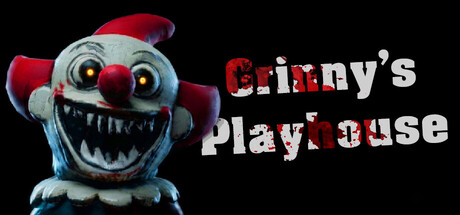
This game uses generative AI to create some of its visual assets. AI tools were used to generate the 2D artwork and the 3D models of the animatronic characters.
Generative AI tools were used to assist with writing, reviewing, and improving parts of the game's code.
All models, textures, images, sounds, and music used in Single Note are created through human work. The game does not use AI-generated visual assets, audio assets, music, or 3D models.
Single Note is developed by a small independent studio, and AI tools were used as development assistance during production. All final implementation decisions, testing, integration, and creative direction are handled by Fanjoy Studio. The game does not use live-generated AI content during gameplay.
We use generative AI tools to assist with the creation and refinement of some pre-generated content, including store page text, translations, marketing copy, and selected promotional/static visual assets. The game does not use generative AI to create content in real time during gameplay.
Artificial intelligence was used as an auxiliary tool in production, including the creation of pre-generated voices and dubbing. The game does not use real-time generative AI and does not contain AI-generated images, 3D models, or animations.
Visual assets (hero portraits, card art backgrounds, dice imagery, booster pack illustrations) were generated using Midjourney and refined/composed in Photopea. Suit pip icons are by Lorc and Delapouite via game-icons.net (CC BY 3.0). Sound effects and music were generated using AI tools. All AI-generated content was directed, curated, and integrated by the developer. No AI is used to generate content live at runtime — all assets are pre-rendered and embedded in the build.
I use generative AI tools as a solo developer to enhance the game's scope and immersion. Specifically:
Narrative: I use AI to help brainstorm and draft initial versions of the large volume of news articles, newsletters, and in-game messages. This ensures a diverse and reactive 'living market' feel. All AI-assisted text is manually reviewed and edited by me.
Visual Assets: Some 2D background elements, icons, and character portraits are generated with the help of AI tools to achieve a consistent 1980s aesthetic.
My goal is to use these technologies to deliver a deeper, more systemic simulation than would otherwise be possible for a one-person studio.
Art and Visual Assets: The game’s visual assets, including character designs, backgrounds, and UI elements, were pre-generated using AI tools. These assets were then curated and stylized to fit a unique comic-book aesthetic.
Code and Development: Portions of the game's underlying code and systems were developed with the assistance of AI-powered coding tools.
Quality Control: All AI-generated content has been thoroughly reviewed and edited by the developer to ensure it does not contain any infringing or illegal material and meets the game's quality standards.
This game includes elements using Generative AI in some pre-produced content such as intro videos.
These contents were created during the development process and finally used after editing and post-processing by the development team, and no Generative AI was used for gameplay.
This game's background music was generated using Suno (AI music generation).
Some sprite and store artwork was created programmatically using Python scripts with
AI-assisted design. No AI content is generated during gameplay.
This game includes some pre-generated visual assets and music created with the help of AI tools during development. No AI content is generated live during gameplay.
This is a solo-developed project created with limited time and resources. Some assets (such as visuals or audio) were partially generated or assisted using AI tools to make development feasible.
All such content has been manually reviewed and adjusted to fit the game's atmosphere and design.
Some visual assets and 3D models in this game were created with the assistance of AI tools. All such content is pre-rendered and does not change during gameplay.
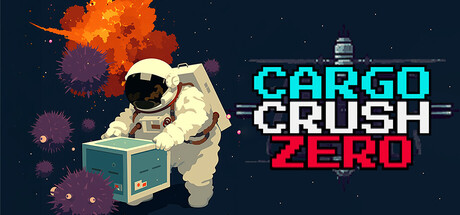
CARGO CRUSH ZERO is developed with the assistance of AI tools throughout its production. Game code is implemented using Claude (Anthropic) as a development assistant. Background music is generated with AIVA. Visual assets are created using AI image generation tools and further edited by the developer. All creative direction, design decisions, and final output are overseen by the developer.
AI generative has been moderately used for some graphic assets like background images or some collectible characters.
AI generative has been also moderaterly used for coding support to fasten operations.
All in game characters and elements had been strictly and manually designed in pixel art.
The music and sound are absolutely produced without AI
Some content in this game was created with the assistance of generative AI tools during development, including certain visual assets, store artwork, capsule art, and text. All AI-assisted content was reviewed, edited, and integrated by the developer to ensure it fits the game’s design and overall player experience.
Some art assets are sourced from the CC0 asset libraries provided by Kenney. Music and sound effects used in the game are sourced from Phat Phrog Studio and ZapSplat.
This game contains AI-generated content. Visual assets, sound effects, music, code, and various creative elements were created with the assistance of AI tools. The overall game concept, direction, gameplay ideas, and project design were created and directed by the developer.
Generative AI was used during the development process to create various 2D assets, including Steam Achievement icons and some UI elements. All AI-generated content was manually reviewed and post-processed to ensure quality and stylistic consistency.
This game includes limited use of artificial intelligence in the creation process. Some translations, and a small number of voice lines may have been assisted, refined, or generated using AI tools. Most voice-acted dialogue was recorded traditionally, and the core narrative, writing, and overall creative direction were created by the development team.
Territory Titans: Booking Wars contains some pre-generated content created with the assistance of generative AI tools during development. AI-assisted tools were used to help create portions of promotional artwork, visual assets, and concept materials. All AI-generated content was reviewed, edited, and curated by the developer before inclusion in the game or store materials. The game does not use live AI generation during gameplay and does not generate content for players in real time.
The current prototype of Docket 87 includes some temporary AI-assisted visual materials, mainly fictional photographic and video evidence used to test the tone, format and workflow of the case files.
These materials are pre-generated, curated and edited by the development team. They are not generated during gameplay, and AI is not used to dynamically create story, dialogue, puzzles, music, sound effects, programming or player-specific content.
For the final commercial release, all evidence assets will follow a rights-cleared production pipeline. If any AI-assisted material remains in the final game, it will be created with commercially licensed tools, transformed through human art direction, editing and retouching, and reviewed to avoid copyrighted images, real people, private individuals, artist-specific styles, brands or third-party intellectual property.
This game includes some visual and audio contents created with the assistance of generative A.I. All content included in the final release was curated, edited, and integrated by the developer as part of the creative process. The game engine and logic is 100% human created.
Generative AI tools were used during parts of the development process for concept exploration, visual reference generation, and early-stage artwork ideation. All final in-game content, gameplay systems, and implementation were reviewed, modified, and integrated by the developer.
Some visual assets used in The Cornerman, including certain fighter portraits and background artwork, were created or assisted using generative AI tools and were further edited and integrated by the developer before inclusion in the game.
Generative AI tools were used during development to assist with portions of the game’s code and to create some visual assets. All AI-generated content has been reviewed and modified by the development team to ensure quality and consistency with the game’s design.
Where possible, we prioritize the use of original, human-created assets. We take care to ensure that all content included in the game complies with applicable intellectual property and content guidelines.
As a solo developer, I used every tool available to bring Dungeon Dash to life. The game design, mechanics, storyline, and level designs are entirely original, conceived long before AI tools entered the picture. The artwork combines hand drawn, stock, and AI generated assets, all of which have been further modified and animated by hand to fit the vision of the game.
VOID RUNNER uses generative AI tools in a limited way, exclusively for pre-rendered content (never generated in real time during gameplay):
— Text translations (10 languages): the in-game interface, changelog and Steam page description have been produced with AI assistance and then manually reviewed. The source text is written by the developer.
— Marketing visuals: some promotional images on the Steam page (capsule art, banner) may include elements generated with AI assistance, in line with the game's art direction.
All AI-assisted content is reviewed by the developer before integration. No content is generated in real time during gameplay — all assets are fixed and finalized.
This game uses generative AI to create some of its visual assets. AI tools were used to generate the 2D artwork and the 3D models of the animatronic characters.
Generative AI tools were used to assist with writing, reviewing, and improving parts of the game's code.
All models, textures, images, sounds, and music used in Single Note are created through human work. The game does not use AI-generated visual assets, audio assets, music, or 3D models.
Single Note is developed by a small independent studio, and AI tools were used as development assistance during production. All final implementation decisions, testing, integration, and creative direction are handled by Fanjoy Studio. The game does not use live-generated AI content during gameplay.
We use generative AI tools to assist with the creation and refinement of some pre-generated content, including store page text, translations, marketing copy, and selected promotional/static visual assets. The game does not use generative AI to create content in real time during gameplay.
Artificial intelligence was used as an auxiliary tool in production, including the creation of pre-generated voices and dubbing. The game does not use real-time generative AI and does not contain AI-generated images, 3D models, or animations.
Visual assets (hero portraits, card art backgrounds, dice imagery, booster pack illustrations) were generated using Midjourney and refined/composed in Photopea. Suit pip icons are by Lorc and Delapouite via game-icons.net (CC BY 3.0). Sound effects and music were generated using AI tools. All AI-generated content was directed, curated, and integrated by the developer. No AI is used to generate content live at runtime — all assets are pre-rendered and embedded in the build.
I use generative AI tools as a solo developer to enhance the game's scope and immersion. Specifically:
Narrative: I use AI to help brainstorm and draft initial versions of the large volume of news articles, newsletters, and in-game messages. This ensures a diverse and reactive 'living market' feel. All AI-assisted text is manually reviewed and edited by me.
Visual Assets: Some 2D background elements, icons, and character portraits are generated with the help of AI tools to achieve a consistent 1980s aesthetic.
My goal is to use these technologies to deliver a deeper, more systemic simulation than would otherwise be possible for a one-person studio.
Art and Visual Assets: The game’s visual assets, including character designs, backgrounds, and UI elements, were pre-generated using AI tools. These assets were then curated and stylized to fit a unique comic-book aesthetic.
Code and Development: Portions of the game's underlying code and systems were developed with the assistance of AI-powered coding tools.
Quality Control: All AI-generated content has been thoroughly reviewed and edited by the developer to ensure it does not contain any infringing or illegal material and meets the game's quality standards.
This game includes elements using Generative AI in some pre-produced content such as intro videos.
These contents were created during the development process and finally used after editing and post-processing by the development team, and no Generative AI was used for gameplay.
This game's background music was generated using Suno (AI music generation).
Some sprite and store artwork was created programmatically using Python scripts with
AI-assisted design. No AI content is generated during gameplay.
This game includes some pre-generated visual assets and music created with the help of AI tools during development. No AI content is generated live during gameplay.
This is a solo-developed project created with limited time and resources. Some assets (such as visuals or audio) were partially generated or assisted using AI tools to make development feasible.
All such content has been manually reviewed and adjusted to fit the game's atmosphere and design.
Some visual assets and 3D models in this game were created with the assistance of AI tools. All such content is pre-rendered and does not change during gameplay.
CARGO CRUSH ZERO is developed with the assistance of AI tools throughout its production. Game code is implemented using Claude (Anthropic) as a development assistant. Background music is generated with AIVA. Visual assets are created using AI image generation tools and further edited by the developer. All creative direction, design decisions, and final output are overseen by the developer.
AI generative has been moderately used for some graphic assets like background images or some collectible characters.
AI generative has been also moderaterly used for coding support to fasten operations.
All in game characters and elements had been strictly and manually designed in pixel art.
The music and sound are absolutely produced without AI
Some content in this game was created with the assistance of generative AI tools during development, including certain visual assets, store artwork, capsule art, and text. All AI-assisted content was reviewed, edited, and integrated by the developer to ensure it fits the game’s design and overall player experience.
Some art assets are sourced from the CC0 asset libraries provided by Kenney. Music and sound effects used in the game are sourced from Phat Phrog Studio and ZapSplat.