








Disclosure
Generative AI was used for the game's localization.
- Creator
- 踏雪泥工作室
- Reviews
- -
- Added
- Sep 16, 2026
Public Steam disclosure research 25,380 disclosures tracked
Search developers’ Steam disclosures, compare classified AI use across games, and follow recorded changes. This index adds cross-game classifications and statistics to statements published on individual store pages.
Code help, debugging and other development work.
Capsule art, trailers and promotional material.
Pre-made art, audio, writing and other game assets.
Interactive or runtime AI features disclosed by the developer.
Groups reflect automatic analysis of public disclosures; mature records are excluded. These counts do not measure AI use across all of Steam. Missing or unclear statements cannot establish whether a game uses AI.
Generative AI was used for the game's localization.
Some images and sounds were created with the help of AI.
Some of the artworks in the game and on the steam product page are AI generated.
I use AI coding assistant to polish and debug the code.
Spritesheets, translations, most of the music, and a handful of images are currently AI-generated. I hope to replace them all with human-made by the 1.0 release.
The store page images for Timberland — the key art, capsules, logo and icon — were created with generative AI tools and then edited by hand. The screenshots are real gameplay, unretouched. Part of the code was also written with the help of an AI assistant. Game design, world generation, mechanics and the remaining textures are the developer's own work.
Some non-interactive artwork was created with generative AI (Midjourney): the main menu, research, and codex background illustrations, the introduction portrait, and store capsule art derived from those illustrations.
Era Echo is developed by a solo developer. Generative AI tools are used to assist with development and production (for example concepting, drafts, and iteration), which has helped make shipping a solo project practical. All shipped content is reviewed and directed by the developer.
AI is not used for any aspect of music creation or sound. And no actual game art was created with AI (Inventory items, decals, portraits, etc. All of that was fully painted by a human.) AI was used for code work and project management. ONLY a small amount of the textures (less than 10) used in the world were created with the help of AI.
Tools improving development efficiency together with different assets.
Deepworks was made with the help of AI tools. Some of the game's art and audio were generated with AI and then reviewed and edited by the developer, and AI assisted with writing code. Nothing in the game is generated by AI while you play. I'm an indie dev with a day job. Using AI made building this game possible. I built this game for the fun of it and have no interest in paying thousands or even hundreds of dollars to artists for a little side hobby.
The pre-rendered achievement images and music are AI-generated. No AI-generation code or content will be used during gameplay.
AI tools were used to assist with translations for game and store page text.
I (Sean) use AI coding assistants: GitHub Copilot and Claude Code. I've written software for years and I teach games programming at university, and I use AI tools the way I use a profiler or a compiler. They helped build web tools Dave and I use to balance the ecosystem across long simulations, they're very good at finding edge-case bugs (I'm looking at you, pathing system), and they write the boilerplate for things like save states and UI. I never ship code I haven't read and thoroughly tested. No content in this game is AI-generated, and no generative AI runs while you play. Every sound, art and music asset in this game was made by a human. The game started out as the idea of “Asset Safari” around the concept of buying sprite packs from artists, which is what we have done. The music, sound and writing is also all human generated.
Generative AI tools were used to create and edit selected pre-rendered visual assets, animations, and marketing materials. The game does not use live-generated AI content during gameplay.
AI-assisted tools were used to help create some splash screen visuals and store page promotional artwork. All assets were reviewed and finalized by the developer before being included in the game and store materials.
The illustrations in this game (Battle Card art, faction emblems, Commander portraits and board imagery) were generated with Midjourney, working from the designer's own concept art and art direction. Each image was then selected, tone-matched to the card stock, fitted and composited into the game's frames. Card names, card text and the written rules were drafted with the assistance of a large language model, working from the designer's original hand-written rules and card designs, then edited and finalized by hand. The music and sound effects were generated with Suno. Voice recordings were performed by the creator. The game itself is a person's work: the rules, the mechanics, the economy and the balance decisions were designed by hand over many revisions, with AI used as a collaborator rather than an author. The physical board game came first. No content is generated by AI while you play. The computer opponents are conventional rule-based code, not a generative model.
AI was used as a coding assistance tool and to create some assets.
This game uses AI-assisted tools in the development of certain in-game visuals and assets. Additionally, AI tools were used to assist in the localization and translation of in-game text content. All AI-generated content has been reviewed and edited by the development team. No AI is used to generate content during gameplay, and the game does not connect to any external AI services at runtime.
Generative artificial intelligence tools were used during development to help create certain visual elements (sprites) and to assist with generating portions of code. No content is generated in real time during gameplay.
AI image generation tools were used to create store page artwork (capsule images, banners).
Generative AI was used during development to assist with drafting and refining some localization text and selected promotional artwork. All AI-assisted material is pre-generated, reviewed, and edited by the developer before inclusion. The game does not generate AI content during gameplay and does not connect to external AI services.
Some 2D visual assets and videos in the game may have been produced using AI‑assisted tools. Every AI‑generated element has been manually inspected, verified, and approved to ensure quality and consistency. All remaining content — such as 3D models, audio, effects, and programming — is fully handcrafted by human creators.
Generative AI tools were used during development to assist with creating and iterating some pre-generated visual assets, UI icons, concept art, text drafts, and development/code prototypes. All AI-assisted content was reviewed, edited, and selected by the developer before being included in the game. The game does not use live generative AI during gameplay, does not generate new content for players in real time, and does not send player input or personal data to any AI service.
Some assets in Keepwatch were created with the assistance of generative AI tools. This includes portions of the icon set, UI elements, a number of sound effects, and some character animations. All AI-assisted output is reviewed, edited and integrated by hand to match the game's hand-painted art direction, and none of it ships in the state it was generated in. Game code, systems design, economy balance and all written content are authored entirely by hand. Keepwatch does not use any AI systems at runtime. Nothing is generated on the player's machine while the game is running.
AI is used for creating concept art, prototype textures, and quick mesh tests that are eventually replaced with real artist graphic designs and hand-tailored models.
AI is used to generate concept art, 3D models, audio, and Steam store images. Models are manually refined and hand-textured. No AI content is generated during gameplay.
store picture generate by ai
Character portraits and environment artwork were generated using AI tools and reviewed, curated, and refined by the developer for final use. Narrator voice acting was generated using AI voice synthesis, directed and selected by the developer.
This game is currently in pre-alpha, and its visual assets are still evolving. Generative AI has been used as part of the asset creation process to help achieve more detailed and varied visuals than a purely simplistic low-poly approach. AI-generated elements are extensively iterated, customized, and integrated specifically for this game under direct developer oversight. The current assets should not be considered final. As development progresses, we plan to replace and improve them with better versions as the game's visual direction and production evolve.
Ai-assisted tools were used during development for programming support. Some visuals and audio were created through developer-directed, deterministic code and exported as fixed assets—not generated by image, video, or audio models. Screenshots and trailers show actual gameplay footage.
Some store artwork and marketing materials were created with the assistance of generative AI tools. These are pre-generated static assets; no AI content is generated in real time during gameplay.
Some visual assets and 3D assets used in this game were created with the assistance of generative AI. The generated assets were edited and adjusted by the developer as needed before being incorporated into the game. No content is generated by AI in real time during gameplay.
Some placeholder art, music and sound effects were AI generated
Pixel Metropolis is a human-designed, AI-implemented game. As its sole human creator, I am responsible for the game’s design, systems, architecture, quality assurance, extensive testing, art direction, and sound direction. Codex, primarily using OpenAI’s GPT-5.6 Sol model, has generated all of the game’s code and has been used to direct the creation and implementation of its visual and sound assets. The only non-generated assets are a small selection of CC0 sounds.
This game uses generative AI tools in the creation of artwork. This includes store page capsule images and logos, some in-game image assets, and marketing and Steam Community materials. All AI-generated output is reviewed internally before use. No content is generated by AI during gameplay.
游戏开发期间借助 Claude 大模型辅助完成部分代码撰写与逻辑梳理,部分 UI 界面、动画视觉素材使用 AI 工具辅助创作。游戏整体玩法框架、核心业务逻辑、数值策划全部由开发者独立设计与校验。 游戏正式运行时不会联网访问任何 AI 服务,不会在游戏内实时生成任何玩家可见内容。
AI tools were used to help create some in game assets. In all such cases, the final product reflects our team’s craft and creative vision.
Some graphics, illustrations, and text used in the game were pre-generated with the help of generative AI during development and were subsequently reviewed, selected, and edited by the developer. No content is generated by AI during gameplay.
Some visual assets and music featured in this game were initially created with the assistance of generative AI tools. All AI-assisted content has been carefully reviewed, selected, and substantially refined by the developer to ensure consistent artistic direction, cohesive style, and a high standard of quality throughout the game.
Generative AI was used to prototype and stylize most pixel art. Generative AI was NOT used for writing, music, or mechanics.
Some of the game’s visual assets were created with the assistance of AI tools. All music featured in the game was created by human artists and is not AI-generated.
No AI-generated images, models, or audio appear in the game or on this Steam page. Music is composed and arranged by me in BandLab. UI and VFX are handmade or generated procedurally with code, including the breaking waves shaped by hand. Otherwise, I code Shorebreaker with AI assistance: the design decisions are mine, and AI helps me work through, implement, and debug them. For self-marketing, some of my social media videos use AI voiceover from CapCut because I can't wake the baby.
Some UI elements had their concept art generated, then our artist carefully refined and and improved each part to ensure a cohesive experience.
Some 2D art assets and pre-rendered cinematic videos in this game were created with the help of generative AI tools, and were then manually reviewed, edited and retouched by the developer. Generative AI tools were also used to assist during development. The game does not generate any AI content at runtime.
Parts this game's visual assets — including concept art, textures, and character portraits — were pre-rendered with generative AI tools during development, then reviewed and hand-integrated by the developer. Store and marketing images were produced the same way. No content is generated by in real time while you play.
Localization and some art work assisted by AI tools
Some current artworks are AI-generated as well as ingame assets, However before full relaase all AI Generated artwork will be replaced.
Generative AI tools were used during development as part of the production workflow for selected visual assets. All such assets were reviewed, refined, and integrated by the development team. No AI content is generated during gameplay, and the game does not connect to external AI services.
AI was used to assist in localizing the game in the many different languages, to increase it's target demographic.
| Title⇅ | Disclosure | Creator⇅ | Src | Reviews⇅ | Added↓ |
|---|---|---|---|---|---|
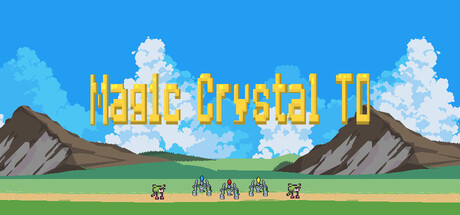 魔晶塔防 In-game content text | Generative AI was used for the game's localization. | 踏雪泥工作室 | - | Sep 16, 2026 | |
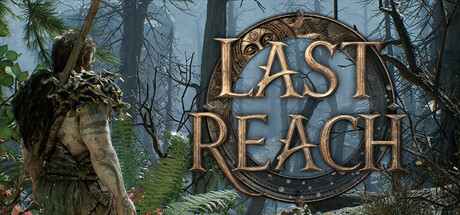 Last Reach Unclear artaudio | Some images and sounds were created with the help of AI. | Greengage Games | - | Sep 16, 2026 | |
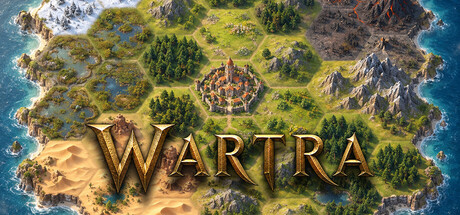 Wartra In-game content art | Some of the artworks in the game and on the steam product page are AI generated. | Jens P. Behrens | - | Sep 16, 2026 | |
 RemoteSpace: First Settlement Dev only code | I use AI coding assistant to polish and debug the code. | ShadowDev | - | Sep 15, 2026 | |
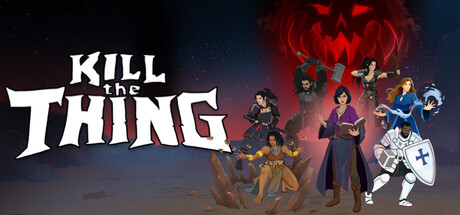 Kill the Thing In-game content artaudiotext | Spritesheets, translations, most of the music, and a handful of images are currently AI-generated. I hope to replace them all with human-made by the 1.0 release. | Jajooka Games | - | Sep 15, 2026 | |
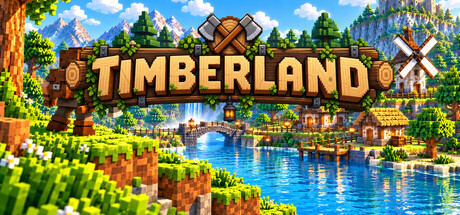 Timberland In-game content artcode | The store page images for Timberland — the key art, capsules, logo and icon — were created with generative AI tools and then edited by hand. The screenshots are real gameplay, unretouched.
Part of the code was also written with the help of an AI assistant. Game design, world generation, mechanics and the remaining textures are the developer's own work. | LSM Games Studio | - | Sep 15, 2026 | |
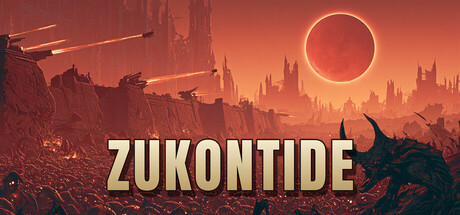 Zukontide In-game content art | Some non-interactive artwork was created with generative AI (Midjourney): the main menu, research, and codex background illustrations, the introduction portrait, and store capsule art derived from those illustrations. | Sindre | - | Sep 15, 2026 | |
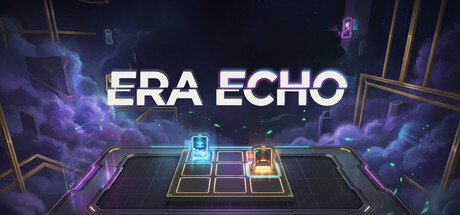 Era Echo Dev only | Era Echo is developed by a solo developer. Generative AI tools are used to assist with development and production (for example concepting, drafts, and iteration), which has helped make shipping a solo project practical. All shipped content is reviewed and directed by the developer. | NOOK STUDIO | - | Sep 15, 2026 | |
 SMASH Co. In-game content artcode | AI is not used for any aspect of music creation or sound. And no actual game art was created with AI (Inventory items, decals, portraits, etc. All of that was fully painted by a human.)
AI was used for code work and project management. ONLY a small amount of the textures (less than 10) used in the world were created with the help of AI. | Thicc Voodoo | - | Sep 15, 2026 | |
 King Alone Unclear | Tools improving development efficiency together with different assets. | root gang | - | Sep 15, 2026 | |
 Deepworks In-game content artaudiocode | Deepworks was made with the help of AI tools. Some of the game's art and audio were generated with AI and then reviewed and edited by the developer, and AI assisted with writing code. Nothing in the game is generated by AI while you play.
I'm an indie dev with a day job. Using AI made building this game possible. I built this game for the fun of it and have no interest in paying thousands or even hundreds of dollars to artists for a little side hobby. | EZDev Games | - | Sep 13, 2026 | |
 Beastwood Haven In-game content artaudio | The pre-rendered achievement images and music are AI-generated. No AI-generation code or content will be used during gameplay. | 9.9 studio | - | Sep 13, 2026 | |
 Nozie Tower Defense XL In-game content text | AI tools were used to assist with translations for game and store page text. | hnugz gamez | - | Sep 13, 2026 | |
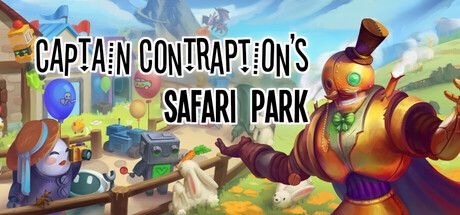 Captain Contraption’s Safari Park Dev only codeartaudiotext | I (Sean) use AI coding assistants: GitHub Copilot and Claude Code. I've written software for years and I teach games programming at university, and I use AI tools the way I use a profiler or a compiler. They helped build web tools Dave and I use to balance the ecosystem across long simulations, they're very good at finding edge-case bugs (I'm looking at you, pathing system), and they write the boilerplate for things like save states and UI. I never ship code I haven't read and thoroughly tested.
No content in this game is AI-generated, and no generative AI runs while you play.
Every sound, art and music asset in this game was made by a human. The game started out as the idea of “Asset Safari” around the concept of buying sprite packs from artists, which is what we have done. The music, sound and writing is also all human generated. | Pill Bug Interactive | - | Sep 13, 2026 | |
 Sarmatian Heroes In-game content art | Generative AI tools were used to create and edit selected pre-rendered visual assets, animations, and marketing materials. The game does not use live-generated AI content during gameplay. | Kajetan Hrynczuk | - | Sep 12, 2026 | |
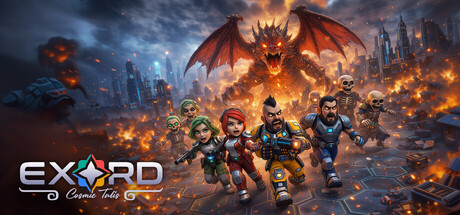 Exord: Cosmic Talis In-game content art | AI-assisted tools were used to help create some splash screen visuals and store page promotional artwork. All assets were reviewed and finalized by the developer before being included in the game and store materials. | Pinfox | - | Sep 12, 2026 | |
 100 Years Atop Mount Ellumbee In-game content arttextaudio | The illustrations in this game (Battle Card art, faction emblems, Commander portraits and board imagery) were generated with Midjourney, working from the designer's own concept art and art direction. Each image was then selected, tone-matched to the card stock, fitted and composited into the game's frames.
Card names, card text and the written rules were drafted with the assistance of a large language model, working from the designer's original hand-written rules and card designs, then edited and finalized by hand. The music and sound effects were generated with Suno. Voice recordings were performed by the creator.
The game itself is a person's work: the rules, the mechanics, the economy and the balance decisions were designed by hand over many revisions, with AI used as a collaborator rather than an author. The physical board game came first.
No content is generated by AI while you play. The computer opponents are conventional rule-based code, not a generative model. | Sweet Puppy Media | - | Sep 12, 2026 | |
 Battle for Everworld In-game content art | AI was used as a coding assistance tool and to create some assets. | GATO PRETO GAMES LTDA | - | Sep 12, 2026 | |
 The Last Helm | This game uses AI-assisted tools in the development of certain in-game visuals
and assets. Additionally, AI tools were used to assist in the localization and
translation of in-game text content. All AI-generated content has been reviewed
and edited by the development team. No AI is used to generate content during
gameplay, and the game does not connect to any external AI services at runtime. | Red Shed Studio | - | Sep 12, 2026 | |
 Camping Tycoon Simulator In-game content artcode | Generative artificial intelligence tools were used during development to help create certain visual elements (sprites) and to assist with generating portions of code. No content is generated in real time during gameplay. | DjiZoN.Net | - | Sep 12, 2026 | |
 Oreia Store/marketing art | AI image generation tools were used to create store page artwork (capsule images, banners). | CRT Glow Studios | - | Sep 12, 2026 | |
 NULL VECTOR In-game content textart | Generative AI was used during development to assist with drafting and refining some localization text and selected promotional artwork. All AI-assisted material is pre-generated, reviewed, and edited by the developer before inclusion. The game does not generate AI content during gameplay and does not connect to external AI services. | I9 | - | Sep 12, 2026 | |
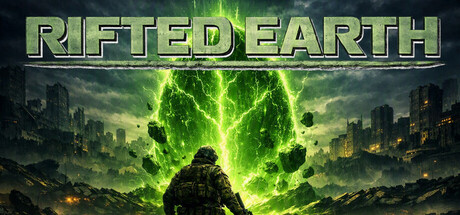 Rifted Earth In-game content art | Some 2D visual assets and videos in the game may have been produced using AI‑assisted tools. Every AI‑generated element has been manually inspected, verified, and approved to ensure quality and consistency. All remaining content — such as 3D models, audio, effects, and programming — is fully handcrafted by human creators. | Rollmint Studio | - | Sep 12, 2026 | |
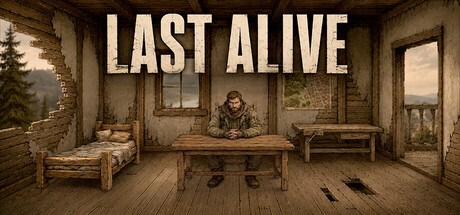 LastAlive In-game content arttextcode | Generative AI tools were used during development to assist with creating and iterating some pre-generated visual assets, UI icons, concept art, text drafts, and development/code prototypes.
All AI-assisted content was reviewed, edited, and selected by the developer before being included in the game.
The game does not use live generative AI during gameplay, does not generate new content for players in real time, and does not send player input or personal data to any AI service. | NeuroArs | - | Sep 12, 2026 | |
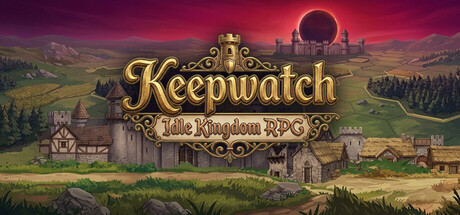 Keepwatch: Idle Kingdom RPG In-game content artaudiotext | Some assets in Keepwatch were created with the assistance of generative AI
tools. This includes portions of the icon set, UI elements, a number of sound
effects, and some character animations.
All AI-assisted output is reviewed, edited and integrated by hand to match the
game's hand-painted art direction, and none of it ships in the state it was
generated in.
Game code, systems design, economy balance and all written content are
authored entirely by hand.
Keepwatch does not use any AI systems at runtime. Nothing is generated on the
player's machine while the game is running. | Barsplay | - | Sep 12, 2026 | |
 Family Time In-game content artcode | AI is used for creating concept art, prototype textures, and quick mesh tests that are eventually replaced with real artist graphic designs and hand-tailored models. | sgthale | - | Sep 12, 2026 | |
 The Last Shrinekeeper In-game content artaudio | AI is used to generate concept art, 3D models, audio, and Steam store images. Models are manually refined and hand-textured. No AI content is generated during gameplay. | Crescent Twilight Software | - | Sep 12, 2026 | |
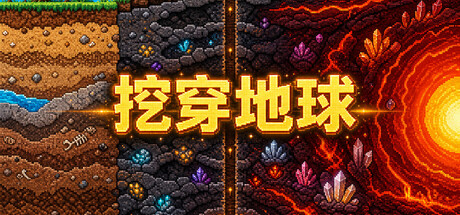 挖穿地球 Store/marketing art | store picture generate by ai | Zeros | - | Sep 12, 2026 | |
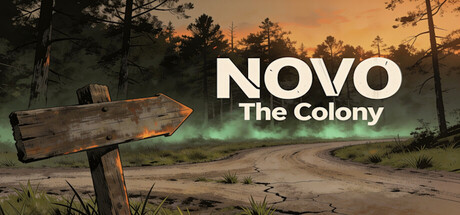 Novo: The Colony In-game content artaudio | Character portraits and environment artwork were generated using AI tools and reviewed, curated, and refined by the developer for final use. Narrator voice acting was generated using AI voice synthesis, directed and selected by the developer. | Broken Future Games | - | Sep 12, 2026 | |
 Project Oasis In-game content art | This game is currently in pre-alpha, and its visual assets are still evolving.
Generative AI has been used as part of the asset creation process to help achieve more detailed and varied visuals than a purely simplistic low-poly approach. AI-generated elements are extensively iterated, customized, and integrated specifically for this game under direct developer oversight.
The current assets should not be considered final. As development progresses, we plan to replace and improve them with better versions as the game's visual direction and production evolve. | Magma Studios | - | Sep 12, 2026 | |
 Atom By Atom Dev only artaudiocode | Ai-assisted tools were used during development for programming support. Some visuals and audio were created through developer-directed, deterministic code and exported as fixed assets—not generated by image, video, or audio models. Screenshots and trailers show actual gameplay footage. | FurkanFS | - | Sep 10, 2026 | |
 深空放置:边疆纪元 Store/marketing art | Some store artwork and marketing materials were created with the assistance of generative AI tools. These are pre-generated static assets; no AI content is generated in real time during gameplay. | 音速工业 | - | Sep 10, 2026 | |
 ゆりかごプラント In-game content art | Some visual assets and 3D assets used in this game were created with the assistance of generative AI. The generated assets were edited and adjusted by the developer as needed before being incorporated into the game. No content is generated by AI in real time during gameplay. | Dayveil Games | - | Sep 10, 2026 | |
 Quicksant In-game content artaudio | Some placeholder art, music and sound effects were AI generated | Pixelpocalypse Games | - | Sep 10, 2026 | |
 Pixel Metropolis In-game content artaudiocode | Pixel Metropolis is a human-designed, AI-implemented game. As its sole human creator, I am responsible for the game’s design, systems, architecture, quality assurance, extensive testing, art direction, and sound direction.
Codex, primarily using OpenAI’s GPT-5.6 Sol model, has generated all of the game’s code and has been used to direct the creation and implementation of its visual and sound assets. The only non-generated assets are a small selection of CC0 sounds. | Shamaan | - | Sep 10, 2026 | |
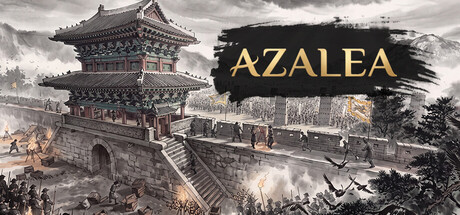 Azalea In-game content art | This game uses generative AI tools in the creation of artwork. This includes store page capsule images and logos, some in-game image assets, and marketing and Steam Community materials. All AI-generated output is reviewed internally before use. No content is generated by AI during gameplay. | RedGinkgo Games | - | Sep 10, 2026 | |
 Dyson:DesktopFactory In-game content artcode | 游戏开发期间借助 Claude 大模型辅助完成部分代码撰写与逻辑梳理,部分 UI 界面、动画视觉素材使用 AI 工具辅助创作。游戏整体玩法框架、核心业务逻辑、数值策划全部由开发者独立设计与校验。
游戏正式运行时不会联网访问任何 AI 服务,不会在游戏内实时生成任何玩家可见内容。 | XRT | - | Sep 10, 2026 | |
 Solar Imperium In-game content artaudiotext | AI tools were used to help create some in game assets. In all such cases, the final product reflects our team’s craft and creative vision. | Node One Digital | - | Sep 9, 2026 | |
 Realm & Renown In-game content arttext | Some graphics, illustrations, and text used in the game were pre-generated with the help of generative AI during development and were subsequently reviewed, selected, and edited by the developer. No content is generated by AI during gameplay. | Apokus | - | Sep 9, 2026 | |
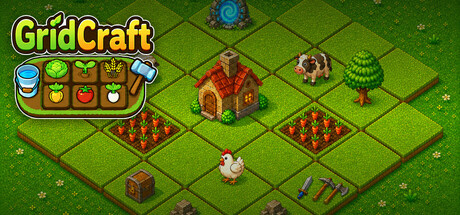 GridCraft In-game content artaudio | Some visual assets and music featured in this game were initially created with the assistance of generative AI tools. All AI-assisted content has been carefully reviewed, selected, and substantially refined by the developer to ensure consistent artistic direction, cohesive style, and a high standard of quality throughout the game. | hy_studio | - | Sep 9, 2026 | |
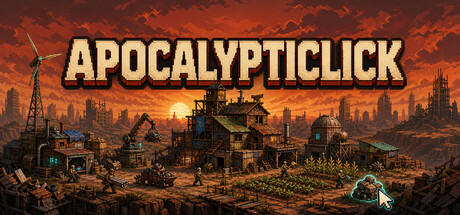 Apocalypticlick In-game content art | Generative AI was used to prototype and stylize most pixel art. Generative AI was NOT used for writing, music, or mechanics. | Aaron Meier | - | Sep 9, 2026 | |
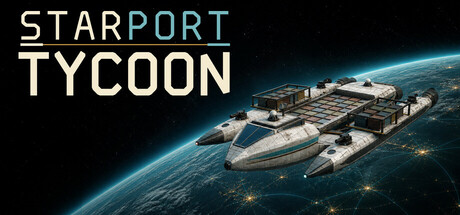 Starport Tycoon In-game content art | Some of the game’s visual assets were created with the assistance of AI tools.
All music featured in the game was created by human artists and is not AI-generated. | Michael Blum | - | Sep 9, 2026 | |
 Shorebreaker In-game content codeaudioart | No AI-generated images, models, or audio appear in the game or on this Steam page. Music is composed and arranged by me in BandLab. UI and VFX are handmade or generated procedurally with code, including the breaking waves shaped by hand.
Otherwise, I code Shorebreaker with AI assistance: the design decisions are mine, and AI helps me work through, implement, and debug them. For self-marketing, some of my social media videos use AI voiceover from CapCut because I can't wake the baby. | Pailside Games | - | Sep 8, 2026 | |
 Dungeon Buster In-game content art | Some UI elements had their concept art generated, then our artist carefully refined and and improved each part to ensure a cohesive experience. | One Up Plus | - | Sep 8, 2026 | |
 Fisher King TD In-game content art | Some 2D art assets and pre-rendered cinematic videos in this game were created with the help of generative AI tools, and were then manually reviewed, edited and retouched by the developer. Generative AI tools were also used to assist during development. The game does not generate any AI content at runtime. | 진주파파 | - | Sep 7, 2026 | |
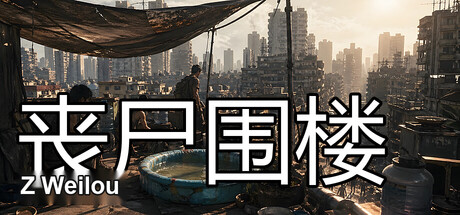 丧尸围楼 In-game content art | Parts this game's visual assets — including concept art, textures, and character portraits — were pre-rendered with generative AI tools during development, then reviewed and hand-integrated by the developer. Store and marketing images were produced the same way. No content is generated by in real time while you play. | 唐華漢 | - | Sep 7, 2026 | |
 Abarya In-game content arttext | Localization and some art work assisted by AI tools | Chase Walters | - | Sep 7, 2026 | |
 Broadband Architect In-game content art | Some current artworks are AI-generated as well as ingame assets, However before full relaase all AI Generated artwork will be replaced. | Thomas Lee | - | Sep 6, 2026 | |
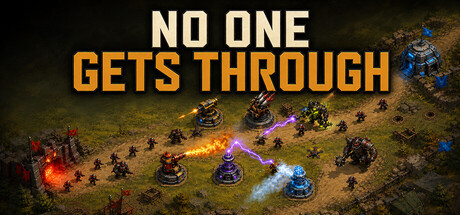 No One Gets Through In-game content art | Generative AI tools were used during development as part of the production workflow for selected visual assets. All such assets were reviewed, refined, and integrated by the development team. No AI content is generated during gameplay, and the game does not connect to external AI services. | Youyuan Network | - | Sep 6, 2026 | |
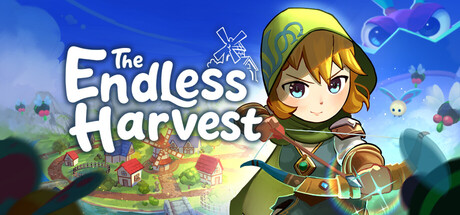 The Endless Harvest In-game content text | AI was used to assist in localizing the game in the many different languages, to increase it's target demographic. | R.J. Brontsema | - | Sep 6, 2026 |


