Public Steam disclosure research25,380 disclosures tracked
Where do games disclose AI use?
Search developers’ Steam disclosures, compare classified AI use across
games, and follow recorded changes.
This index adds cross-game classifications and statistics to
statements published on individual store pages.
Groups reflect automatic analysis of public disclosures; mature records are excluded. These counts do not measure AI use across all of Steam.
Missing or unclear statements cannot establish whether a game uses AI.
Game art assets are generated using AI tools to create initial concept art, which is then manually adjusted and modified by artists. The final works combine AI-generated foundational designs with human artistic revisions.
Some dynamic art assets are assisted in their creation by AI tools.
Generative AI was used for some game assets, music, and promotional materials. All content was manually reviewed and selected. No AI is used during gameplay.
AI tools were used to assist development, including code, Chinese/Spanish localization text and store page copy. All AI-assisted content was reviewed and curated by the developer. The game does not generate any content with AI at runtime.
This game uses AI-generated artwork for store page assets, including capsule images,
promotional graphics, and character illustrations. The game logo and visual marketing
materials were created with the assistance of AI image generation tools.
No AI content is generated during gameplay — all in-game content is pre-authored.
No third-party AI services are connected during gameplay.
Some pre-generated 3D art assets and textures were created with generative AI tools during development. These assets are reviewed, selected, adjusted, and integrated by the developer before inclusion. The game does not provide player-facing real-time generative AI features.
Some visual assets and portions of the game's development were created with the assistance of generative AI. AI was used as a creative and productivity tool during development, with all generated content reviewed, edited, and integrated by the solo developer.
Some visual assets in this game (such as illustrations, icons, and background images) were created with the assistance of generative AI tools. All AI-generated content was reviewed, edited, and curated by our development team before being included in the game.
Some visual assets in this game (such as illustrations, icons, and background images) were created with the assistance of generative AI tools. All AI-generated content was reviewed, edited, and curated by our development team before being included in the game.
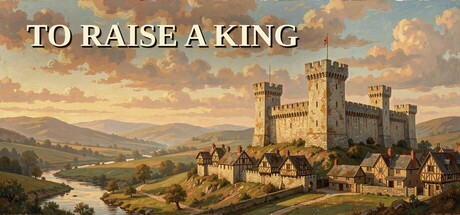
To Raise a King was made by one person working with AI collaborators. AI tools were used in the following ways during development, and every AI output shipped in the game was reviewed, curated, edited, and approved by the developer before inclusion.
Source code. Written in collaboration with Anthropic's Claude, with the developer directing architecture, reviewing every change, and testing behavior.
Character and scene illustrations. Generated locally with the FLUX.2 image model running in ComfyUI. Prompts, reference images, layered compositions, and final selections were all authored and curated by the developer.
Voice acting. Voices were produced with ElevenLabs. The developer cast each role, wrote each line, directed the delivery through iteration, and hand-picked the takes shipped in the game.
Music and sound. Music and select sound effects were produced with ElevenLabs' music generation. Tracks were selected, edited, and placed by the developer.
Writing and design. Story beats, dialogue, and system design were developed collaboratively with Claude, with the developer as the final author.
The developer confirms they hold or have licensed the rights to use these tools' outputs commercially, and has taken reasonable steps to ensure no infringing or unlawful content was produced.
Generative AI is used only to assist with localization and translation of game-related text. No gameplay, artwork, audio, or other player-facing content is generated by AI.
No game assets or gameplay content were generated using AI.
Localization into some supported languages was created with AI assistance and reviewed by the developers and community where possible.
Some in-game art assets were created or assisted using generative AI tools, then reviewed, edited, and integrated by the developer. AI tools were also used as development assistance for parts of the code. The game does not generate AI content during gameplay.
Generative AI was used as an assistive tool for creating some visual assets. All AI-assisted assets were manually edited and refined by a human designer before being included in the game.
AI is used during our early Alpha development phase to create temporary placeholder art. The intent is to replace once the core game loop as been satisfied.
The majority of this game's assets are human created. However during the development process, AI-based tools were used to assist further with selective content creation. The final product is highly reflective of the vision and creativity of the team.
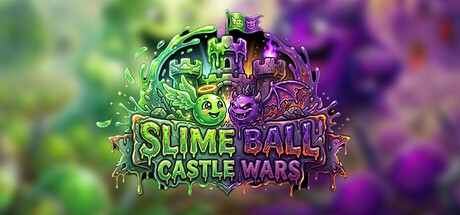
Slimeball Castle Wars was made by a solo developer with the help of generative AI tools. AI was used during development to help create:
Music and audio — background music tracks were made using AI music-generation tools.
Art and sprites — building art, unit sprites, and other in-game graphics were created or assisted with AI image tools.
In-game text — some descriptions and written content were drafted with AI assistance.
Code — parts of the game's code were written with the help of an AI coding assistant.
During the Early Access period and onwards to launch, we will be integrating and testing AI technologies to create ongoing secondary content like daily and weekly quests, and the material surrounding those quests needed to communicate that to the gamer.
We expect these to significantly enhance the user experience for gamers when used as tools under the guidance of the development team.
This game utilized AI tools during the development process, primarily to assist in generating character portraits. All AI-generated assets were reviewed and curated by the development team before being implemented into the game.
Some of the images in the game were generated using AI during the prototype stage. Such assets may be present in the game up until the release of the demo (inclusive). During the development process, we gradually get rid of generated assets and replace them with hand-made ones. By the time of the official release, all generated content will be removed. This is a normal process for developing an indie game.
The capsule images and promotional artworks on the Steam store page of this game are AI-generated. All images have been manually adjusted in composition, refined in details and post-processed with text addition, without any copyrighted third-party materials. No real-time AI content generation during gameplay.
Generative artificial intelligence was employed during pre-production and development to create concept art, historical background illustrations, and compose the soundtrack. Additionally, AI was used to generate initial base meshes for select 3D models, which were then fully refined, textured, and optimized manually by the development team.
Some store page marketing images, capsule assets, and promotional screenshots were created or edited with generative AI and then reviewed and adjusted for layout, sizing, and text. The game does not use live generative AI during gameplay, and it does not connect to any third-party AI service while players are playing.
This game employs AI-generated materials to enhance overall development efficiency. Every asset has been manually reviewed, checked, and revised by our team.
Generative AI was used to assist in the creation of certain UI icons and interface artwork. All generated content was reviewed, modified, and integrated by the developer before being used in the game.
As a solo developer, I used AI tools as a foundation to expand the game's scope, manually refining and finalizing every asset to ensure the final result is a high-quality, handcrafted experience.
Artificial Intelligence was used to help in the development of game code only. No art, sound, or other visual assets use or employed AI and were done by a real artist on the team.
Generative AI tools were used to assist with drafting and editing store page text and marketing descriptions. All final content is reviewed and edited by the developer.
Generative AI tools were used only to assist in the creation of certain store page and marketing images. No AI-generated content is created during gameplay, and the game does not use live AI systems or connect to external AI services while running.
Generative AI (OpenAI ChatGPT) was used to create the title/boot key art and the 20 achievement badge icons. The game's code — which procedurally generates the city, UI and synthesized music — was written with AI coding assistance (Anthropic Claude).
The game's narration engine is a deterministic template system with zero runtime AI. The template/fragment library it draws from was hand-crafted in English, and then mass-localized during development using a large language model and then human-curated. No AI image generation was used: all art, icons, and store assets are procedurally rasterized from hand-authored primitive op-lists. The game contains no live/runtime AI generation.
Game art assets are generated using AI tools to create initial concept art, which is then manually adjusted and modified by artists. The final works combine AI-generated foundational designs with human artistic revisions.
Some dynamic art assets are assisted in their creation by AI tools.
Generative AI was used for some game assets, music, and promotional materials. All content was manually reviewed and selected. No AI is used during gameplay.
AI tools were used to assist development, including code, Chinese/Spanish localization text and store page copy. All AI-assisted content was reviewed and curated by the developer. The game does not generate any content with AI at runtime.
This game uses AI-generated artwork for store page assets, including capsule images,
promotional graphics, and character illustrations. The game logo and visual marketing
materials were created with the assistance of AI image generation tools.
No AI content is generated during gameplay — all in-game content is pre-authored.
No third-party AI services are connected during gameplay.
Some pre-generated 3D art assets and textures were created with generative AI tools during development. These assets are reviewed, selected, adjusted, and integrated by the developer before inclusion. The game does not provide player-facing real-time generative AI features.
Some visual assets and portions of the game's development were created with the assistance of generative AI. AI was used as a creative and productivity tool during development, with all generated content reviewed, edited, and integrated by the solo developer.
Some visual assets in this game (such as illustrations, icons, and background images) were created with the assistance of generative AI tools. All AI-generated content was reviewed, edited, and curated by our development team before being included in the game.
Some visual assets in this game (such as illustrations, icons, and background images) were created with the assistance of generative AI tools. All AI-generated content was reviewed, edited, and curated by our development team before being included in the game.
To Raise a King was made by one person working with AI collaborators. AI tools were used in the following ways during development, and every AI output shipped in the game was reviewed, curated, edited, and approved by the developer before inclusion.
Source code. Written in collaboration with Anthropic's Claude, with the developer directing architecture, reviewing every change, and testing behavior.
Character and scene illustrations. Generated locally with the FLUX.2 image model running in ComfyUI. Prompts, reference images, layered compositions, and final selections were all authored and curated by the developer.
Voice acting. Voices were produced with ElevenLabs. The developer cast each role, wrote each line, directed the delivery through iteration, and hand-picked the takes shipped in the game.
Music and sound. Music and select sound effects were produced with ElevenLabs' music generation. Tracks were selected, edited, and placed by the developer.
Writing and design. Story beats, dialogue, and system design were developed collaboratively with Claude, with the developer as the final author.
The developer confirms they hold or have licensed the rights to use these tools' outputs commercially, and has taken reasonable steps to ensure no infringing or unlawful content was produced.
Generative AI is used only to assist with localization and translation of game-related text. No gameplay, artwork, audio, or other player-facing content is generated by AI.
No game assets or gameplay content were generated using AI.
Localization into some supported languages was created with AI assistance and reviewed by the developers and community where possible.
Some in-game art assets were created or assisted using generative AI tools, then reviewed, edited, and integrated by the developer. AI tools were also used as development assistance for parts of the code. The game does not generate AI content during gameplay.
Generative AI was used as an assistive tool for creating some visual assets. All AI-assisted assets were manually edited and refined by a human designer before being included in the game.
AI is used during our early Alpha development phase to create temporary placeholder art. The intent is to replace once the core game loop as been satisfied.
The majority of this game's assets are human created. However during the development process, AI-based tools were used to assist further with selective content creation. The final product is highly reflective of the vision and creativity of the team.
Slimeball Castle Wars was made by a solo developer with the help of generative AI tools. AI was used during development to help create:
Music and audio — background music tracks were made using AI music-generation tools.
Art and sprites — building art, unit sprites, and other in-game graphics were created or assisted with AI image tools.
In-game text — some descriptions and written content were drafted with AI assistance.
Code — parts of the game's code were written with the help of an AI coding assistant.
During the Early Access period and onwards to launch, we will be integrating and testing AI technologies to create ongoing secondary content like daily and weekly quests, and the material surrounding those quests needed to communicate that to the gamer.
We expect these to significantly enhance the user experience for gamers when used as tools under the guidance of the development team.
This game utilized AI tools during the development process, primarily to assist in generating character portraits. All AI-generated assets were reviewed and curated by the development team before being implemented into the game.
Some of the images in the game were generated using AI during the prototype stage. Such assets may be present in the game up until the release of the demo (inclusive). During the development process, we gradually get rid of generated assets and replace them with hand-made ones. By the time of the official release, all generated content will be removed. This is a normal process for developing an indie game.
The capsule images and promotional artworks on the Steam store page of this game are AI-generated. All images have been manually adjusted in composition, refined in details and post-processed with text addition, without any copyrighted third-party materials. No real-time AI content generation during gameplay.
Generative artificial intelligence was employed during pre-production and development to create concept art, historical background illustrations, and compose the soundtrack. Additionally, AI was used to generate initial base meshes for select 3D models, which were then fully refined, textured, and optimized manually by the development team.
Some store page marketing images, capsule assets, and promotional screenshots were created or edited with generative AI and then reviewed and adjusted for layout, sizing, and text. The game does not use live generative AI during gameplay, and it does not connect to any third-party AI service while players are playing.
This game employs AI-generated materials to enhance overall development efficiency. Every asset has been manually reviewed, checked, and revised by our team.
Generative AI was used to assist in the creation of certain UI icons and interface artwork. All generated content was reviewed, modified, and integrated by the developer before being used in the game.
As a solo developer, I used AI tools as a foundation to expand the game's scope, manually refining and finalizing every asset to ensure the final result is a high-quality, handcrafted experience.
Artificial Intelligence was used to help in the development of game code only. No art, sound, or other visual assets use or employed AI and were done by a real artist on the team.
Generative AI tools were used to assist with drafting and editing store page text and marketing descriptions. All final content is reviewed and edited by the developer.
Generative AI tools were used only to assist in the creation of certain store page and marketing images. No AI-generated content is created during gameplay, and the game does not use live AI systems or connect to external AI services while running.
Generative AI (OpenAI ChatGPT) was used to create the title/boot key art and the 20 achievement badge icons. The game's code — which procedurally generates the city, UI and synthesized music — was written with AI coding assistance (Anthropic Claude).
The game's narration engine is a deterministic template system with zero runtime AI. The template/fragment library it draws from was hand-crafted in English, and then mass-localized during development using a large language model and then human-curated. No AI image generation was used: all art, icons, and store assets are procedurally rasterized from hand-authored primitive op-lists. The game contains no live/runtime AI generation.