








Disclosure
Several of the original tracks included with the base game were created with the help of AI tooling as was some of the initial iconography and translations.
- Creator
- Seneku Design
- Reviews
- -
- Added
- Jul 11, 2026
Public Steam disclosure research 25,376 disclosures tracked
Search developers’ Steam disclosures, compare classified AI use across games, and follow recorded changes. This index adds cross-game classifications and statistics to statements published on individual store pages.
Code help, debugging and other development work.
Capsule art, trailers and promotional material.
Pre-made art, audio, writing and other game assets.
Interactive or runtime AI features disclosed by the developer.
Groups reflect automatic analysis of public disclosures; mature records are excluded. These counts do not measure AI use across all of Steam. Missing or unclear statements cannot establish whether a game uses AI.
Several of the original tracks included with the base game were created with the help of AI tooling as was some of the initial iconography and translations.
As a small development studio, we had to use AI to generate translations for the game and the Steam page in order to make the game accessible to the widest possible audience. The graphic and audio assets were created either by us or by the team at Craftpix.net (who, it seems, do not use AI).
AI tooling and scripts were used in the development of the code base.
This game makes use of generative AI as part of the creative pipeline across art, text, sound, and voice. None of it is dumped in raw — every asset is curated, edited, and reworked by hand, and every line of dialogue is agonized over until it earns its place. AI is a tool here, not the author; the taste, the pacing, and the final call on what stays are all made by people. The codebase, in the interest of full honesty, is held together with AI-assisted spaghetti and sheer willpower — but it works, and every line is reviewed before shipping.
SonderSoft uses generative AI for localization to make Arena Bot Manager accessible to more players worldwide. ABM features an optional AI voice-commentator for arena events that can be disabled as per player preference. SonderSoft pays artists to participate in the creative process, and some artists may choose on their own to use generative AI as part of their workflow; SonderSoft respects the creative tools artists choose in order to realize their own artistic vision. Whenever possible, SonderSoft prioritizes paying artists, creators, and actors.
Some visual assets used in this game were created or assisted by generative AI tools during development. All AI-generated content was reviewed, edited, and integrated by the developer before being included in the final game. No AI-generated content is created during gameplay.
Generative AI tools were used to assist in creating pre-generated visual artwork, including concept art, key art, and promotional images used for the Steam store page and marketing materials. All AI-assisted visual assets are static, reviewed, selected, and edited by the developer to match the game's dark sci-fi visual direction. The game does not use live generative AI to create gameplay, player-generated content, dialogue, images, audio, or other content during gameplay.
Generative AI was used only during early visual concepting and ideation for some marketing art directions. The game itself, its mechanics, levels, code, UI, and final gameplay assets are created and edited by the developer.
AI Assisted Coding AI Assisted Localization
During the Early Access period and onwards to launch, we will be integrating and testing AI technologies to create ongoing secondary content like daily and weekly quests, and the material surrounding those quests needed to communicate that to the gamer. We expect these to significantly enhance the user experience for gamers when used as tools under the guidance of the development team.
This game utilizes AI support solely for system programming. All other elements—such as music, illustrations, and design—are created by humans without AI assistance.
This game uses pre-generated AI-assisted artwork during development, including some character illustrations, item icons, background images, and store/marketing assets. All AI-assisted assets are reviewed, selected, and edited by the development team before being included in the game. The game does not use live generative AI during gameplay and does not connect to external AI services.
Some textures and some code has been created with AI assistance.
IA was used for the 2d animation that Will be on the marketing video.
AI tools were used as supportive tools during the development process, including assistance with code, visual assets, and music. All AI-assisted content was reviewed, edited, and integrated by our development team before being included in the game.
AI was used to generate code, art, music and text.
Some of the 2D assets and Page Logo and Banners
This game uses AI to generate back ground illustrations (except Characters), Music, Translatrion, and Scripts.
Action & Automation is not only how the game plays, it is how the game was made. As the game’s sole human developer, game director, and system architect, I designed the core gameplay systems, software architecture, worldbuilding, narrative framework, story design, and gameplay balance. That is the Action. For the Automation, I deliberately pushed generative AI throughout the production pipeline, with quality and player experience as the only limits. Following my direction and specifications, AI produced much of the code, artwork, animation, VFX, and UI, and was used for text polishing and localization. No generative AI model or external AI service runs during gameplay. The game requires no AI account, API key, subscription, or token credits. Any apparent AI thinking or reasoning is scripted or driven by conventional game AI systems. Human-designed. AI-produced. That is Action & Automation.
Netshell uses AI to power its characters. The NPCs you meet on the in-game forums and IRC read what is happening in your playthrough and respond in character, so their messages and forum posts are generated rather than pre-scripted, and each player's world unfolds differently. All of this runs locally and offline: the AI models ship with the game and run on your machine. Netshell never connects to a third-party AI service such as ChatGPT or Claude. You can turn the AI off entirely, in which case the NPCs stop chatting and the game continues with its authored story. Some Steam store and trailer assets were created with AI assistance and then edited/curated by the development team. During gameplay, Netshell only uses AI to generate in-character NPC text.
This game uses images created with AI generation tools — including NPC photos and portraits, and some store and promotional artwork. All such content has been reviewed by the developer to ensure it contains no illegal or infringing material.
The content in the game is planned and designed manually, assisted by generative AI tools, and finally processed and completed by humans.
Some of the images in the game were generated using AI during the prototype stage. Such assets may be present in the game up until the release of the demo (inclusive). During the development process, we gradually get rid of generated assets and replace them with hand-made ones. By the time of the official release, all generated content will be removed. This is a normal process for developing an indie game.
I've used Claude Code for everything
Some assets/models and textures in this game were generated using artificial intelligence (AI) tools.
AI Used for 3D models and shader creation, UI Logic and Huge amount of Testing-player Bots. (This is a Solo Dev Game)
Some 2D store and marketing assets — such as store capsule images, achievement icons, and key art — were created using AI image-generation tools and then refined and composited by hand. All gameplay, code, level design, and game systems are made by the developer without generative AI. All AI-assisted assets are reviewed to ensure they are appropriate and comply with Steam's rules.
This game contains some AI-generated backgrounds and icons. Apart from that, all card art, characters, and 3D models are hand-crafted.
All visual assets in this game are pre-generated by artificial intelligence (AI).
AI was used for Illustration, music.
Some sounds were created with AI assistance, and Claude Code helped support parts of the development process. Thank you for your understanding!
Main Steam Page graphics
Generative AI was used during development to assist with polishing promotional illustrations and drafting portions of the game's logic code. Some manually drawn promotional artwork was refined with AI assistance to improve less polished areas. AI-assisted code was manually reviewed by the developer, integrated by hand, and verified through local builds and hands-on playtesting before use. The game does not include player-facing real-time AI generation.
Dither Paradox is created and directed by Michał Kita. The game's final pixel art, animation, and visual design are made by hand, and every artistic and creative decision is made by people. We use generative AI as a production tool that supports - but does not replace - this work. In the visual layer, AI is sometimes used during the concept and iteration stage - to explore ideas and variations - while the final art assets that ship in the game are made by hand. AI also assists in producing music and voiceover, which are then curated, edited, and approved by the team, as well as some promotional materials. AI lets us reach a higher level of polish in less time, but authorship, art direction, and final responsibility for everything players see and hear remain with the people who make the game.
RoguePunk is an independent project, and its visual and audio content including pixel-art characters, enemies, environments, music, and sound effects was created with the help of generative AI tools, then selected, arranged, edited, and integrated by hand to fit the game's world and feel. I see these tools the way earlier developers saw new engines, samplers, and digital art software: as a way for solo developers to bring an ambitious, fully-realized world to players who might otherwise never get to see it.
Used for text translation.
NULL//REBORN was built with agentic AI as a creative partner throughout the entire pipeline. I designed the vision, story outline, musical direction, and game logic — then used AI to bring each piece to life: - generating the art, - fleshing out the script, - composing the music, and writing the code. Every element was guided by human intent and shaped by AI execution.
Some artwork assets were generated and edited using AI tools.
Artificial intelligence (AI) was leveraged for key aspects of the game's development, including in-game logic, support systems, and certain artistic assets.
AI-Generated Content Disclosure: Pre-Generated Content: Generative AI tools were used to create the game's background music, and to generate source material for portions of the sound and art, refined by the developer. No Real-Time Generation: This game does not feature any live or real-time AI content generation. No External Connectivity: The game runs entirely locally and does not connect to external AI services or servers while playing.
The development of this game made use of AI-generated content. Specifically, some of the in-game images, video sequences and character voice-over were created with the help of generative AI tools. All AI-generated assets were reviewed, curated and edited by the development team before inclusion in the final product
Digital assets such as sprites, SFX and music use generative AI.
As a small independent development team, we used generative AI as a supporting production tool during development. All creative direction, game design, asset selection, editing, integration, and final approval were handled by the development team. AI-generated material was reviewed and modified by the developers before being included in the game. The game does not generate AI content during gameplay.
Generative AI tools were used during the creation of certain marketing and promotional materials for the game, including concept artwork, logos, store page assets, and text drafts. All AI-generated content was reviewed, edited, and integrated by the developer before publication.
TYPE HYPE's static visual assets — the main-menu skyline background, achievement icons (34 color + 34 grayscale variants = 68 PNGs), exhibition-level theme backgrounds (15 themes × 6 layer files = 90 PNGs), and Steam capsule backgrounds — were created with the assistance of generative AI image tools (primarily OpenAI's GPT image generation). All AI-generated assets were curated, selected, and approved by the developer. No AI runs at runtime in the shipped product. Music (59 tracks) is human-composed and sourced from Pixabay under the Pixabay Content License. Code was written collaboratively by the developer with an AI coding assistant. The game contains no AI-generated content shown to players during gameplay (procedural music layering is rule-based, not AI).
Some of the art, including assets, in-game loading screens, and store capsules, was created or partially created using AI.
AI Disclosure This game was developed entirely with the assistance of large language models and generative AI tools. AI systems were used for graphic asset generation, concept art, narrative text drafting, lore writing, design review, creative critique, initial structural planning, code architecture, system design, feature implementation, iterative refinement, and debugging. All lore, mechanics, story, art, and game systems are pre-authored and fully static. No AI processing or generation occurs at runtime — the game runs entirely on pre-built code with no live model calls. This disclosure is provided in compliance with Steam's AI Content Policy and Valve developer transparency guidelines.
Generative AI is used for creating certain in-game image assets and translating text, as well as for translating text on the store page.
This game contains AI-assisted artwork.
Localizing
| Title⇅ | Disclosure | Creator⇅ | Src | Reviews⇅ | Added↓ |
|---|---|---|---|---|---|
 VECTORHYTHM In-game content audioarttext | Several of the original tracks included with the base game were created with the help of AI tooling as was some of the initial iconography and translations. | Seneku Design | - | Jul 11, 2026 | |
 Cyber Pet'Scape : Call of Freedom In-game content text | As a small development studio, we had to use AI to generate translations for the game and the Steam page in order to make the game accessible to the widest possible audience.
The graphic and audio assets were created either by us or by the team at Craftpix.net (who, it seems, do not use AI). | Pixo Philo | - | Jul 11, 2026 | |
 Beat Slicer Dev only code | AI tooling and scripts were used in the development of the code base. | XtremeZero | - | Jul 11, 2026 | |
 The Red Weight In-game content arttextaudio | This game makes use of generative AI as part of the creative pipeline across art, text, sound, and voice. None of it is dumped in raw — every asset is curated, edited, and reworked by hand, and every line of dialogue is agonized over until it earns its place. AI is a tool here, not the author; the taste, the pacing, and the final call on what stays are all made by people. The codebase, in the interest of full honesty, is held together with AI-assisted spaghetti and sheer willpower — but it works, and every line is reviewed before shipping. | Alsakin Games | - | Jul 9, 2026 | |
 Arena Bot Manager Live AI textaudio | SonderSoft uses generative AI for localization to make Arena Bot Manager accessible to more players worldwide. ABM features an optional AI voice-commentator for arena events that can be disabled as per player preference.
SonderSoft pays artists to participate in the creative process, and some artists may choose on their own to use generative AI as part of their workflow; SonderSoft respects the creative tools artists choose in order to realize their own artistic vision.
Whenever possible, SonderSoft prioritizes paying artists, creators, and actors. | SonderSoft | - | Jul 9, 2026 | |
 Asteranova In-game content art | Some visual assets used in this game were created or assisted by generative AI tools during development. All AI-generated content was reviewed, edited, and integrated by the developer before being included in the final game. No AI-generated content is created during gameplay. | AM Factory | - | Jul 9, 2026 | |
 LAST CORE:BROKE LINK Store/marketing art | Generative AI tools were used to assist in creating pre-generated visual artwork, including concept art, key art, and promotional images used for the Steam store page and marketing materials.
All AI-assisted visual assets are static, reviewed, selected, and edited by the developer to match the game's dark sci-fi visual direction.
The game does not use live generative AI to create gameplay, player-generated content, dialogue, images, audio, or other content during gameplay. | LAST CORE STUDIO | - | Jul 9, 2026 | |
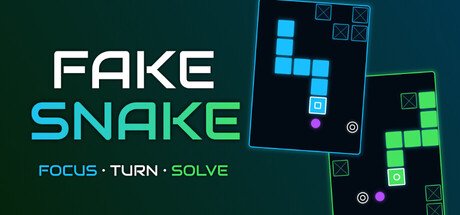 Fake Snake In-game content art | Generative AI was used only during early visual concepting and ideation for some marketing art directions. The game itself, its mechanics, levels, code, UI, and final gameplay assets are created and edited by the developer. | Narvio Games | - | Jul 8, 2026 | |
 Little Drone TuTuTu In-game content codetext | AI Assisted Coding
AI Assisted Localization | Illumina Games Co., Ltd. | - | Jul 8, 2026 | |
 Lord of Kensai In-game content text | During the Early Access period and onwards to launch, we will be integrating and testing AI technologies to create ongoing secondary content like daily and weekly quests, and the material surrounding those quests needed to communicate that to the gamer.
We expect these to significantly enhance the user experience for gamers when used as tools under the guidance of the development team. | WRKS Games Singapore | - | Jul 8, 2026 | |
 DELTA REVERSI Dev only code | This game utilizes AI support solely for system programming.
All other elements—such as music, illustrations, and design—are created by humans without AI assistance. | XEXTRA JAPAN | - | Jul 8, 2026 | |
 仓王 In-game content art | This game uses pre-generated AI-assisted artwork during development, including some character illustrations, item icons, background images, and store/marketing assets. All AI-assisted assets are reviewed, selected, and edited by the development team before being included in the game. The game does not use live generative AI during gameplay and does not connect to external AI services. | Skyofmine Studio | - | Jul 7, 2026 | |
 It Could Be Worse In-game content artcode | Some textures and some code has been created with AI assistance. | Gasoline Taste Studios | - | Jul 7, 2026 | |
 Bounty Hunters: The 4th Dimension Store/marketing art | IA was used for the 2d animation that Will be on the marketing video. | AntiCodec | - | Jul 7, 2026 | |
 Cyber Dive In-game content artaudiocode | AI tools were used as supportive tools during the development process, including assistance with code, visual assets, and music. All AI-assisted content was reviewed, edited, and integrated by our development team before being included in the game. | Babs Games | - | Jul 7, 2026 | |
 Meridian In-game content artaudiotextcode | AI was used to generate code, art, music and text. | Turn Based Hedgehog | - | Jul 7, 2026 | |
 Rouge Process Store/marketing art | Some of the 2D assets and Page Logo and Banners | Splice | - | Jul 6, 2026 | |
 花札夜行 In-game content artaudiotext | This game uses AI to generate back ground illustrations (except Characters), Music, Translatrion, and Scripts. | urur | - | Jul 6, 2026 | |
 Action & Automation In-game content artcodetext | Action & Automation is not only how the game plays, it is how the game was made.
As the game’s sole human developer, game director, and system architect, I designed the core gameplay systems, software architecture, worldbuilding, narrative framework, story design, and gameplay balance. That is the Action.
For the Automation, I deliberately pushed generative AI throughout the production pipeline, with quality and player experience as the only limits. Following my direction and specifications, AI produced much of the code, artwork, animation, VFX, and UI, and was used for text polishing and localization.
No generative AI model or external AI service runs during gameplay. The game requires no AI account, API key, subscription, or token credits. Any apparent AI thinking or reasoning is scripted or driven by conventional game AI systems.
Human-designed. AI-produced. That is Action & Automation. | pflovv | - | Jul 5, 2026 | |
 Netshell Live AI text | Netshell uses AI to power its characters. The NPCs you meet on the in-game forums and IRC read what is happening in your playthrough and respond in character, so their messages and forum posts are generated rather than pre-scripted, and each player's world unfolds differently.
All of this runs locally and offline: the AI models ship with the game and run on your machine. Netshell never connects to a third-party AI service such as ChatGPT or Claude. You can turn the AI off entirely, in which case the NPCs stop chatting and the game continues with its authored story.
Some Steam store and trailer assets were created with AI assistance and then edited/curated by the development team. During gameplay, Netshell only uses AI to generate in-character NPC text. | Beyond Logic Labs | - | Jul 5, 2026 | |
 My Brother Hacker In-game content art | This game uses images created with AI generation tools — including NPC photos and portraits, and some store and promotional artwork. All such content has been reviewed by the developer to ensure it contains no illegal or infringing material. | Citadel Protocol | - | Jul 5, 2026 | |
 Lady Legal Officer's Submission Training In-game content textart | The content in the game is planned and designed manually, assisted by generative AI tools, and finally processed and completed by humans. | OKE.X.Keven | - | Jul 5, 2026 | |
 Cargo Protocol: Cyberpunk Trains Dev only art | Some of the images in the game were generated using AI during the prototype stage. Such assets may be present in the game up until the release of the demo (inclusive). During the development process, we gradually get rid of generated assets and replace them with hand-made ones. By the time of the official release, all generated content will be removed. This is a normal process for developing an indie game. | Flat Lab | - | Jul 4, 2026 | |
 0N35H07 Dev only codeartaudiotext | I've used Claude Code for everything | watooh | - | Jul 4, 2026 | |
 CyberRunner: Data Dash In-game content art | Some assets/models and textures in this game were generated using artificial intelligence (AI) tools. | Playthrough Experience | - | Jul 4, 2026 | |
 Daemon Doors In-game content artcode | AI Used for 3D models and shader creation, UI Logic and Huge amount of Testing-player Bots. (This is a Solo Dev Game) | CARNIBORA GAMES | - | Jul 4, 2026 | |
 ECHO:VORTEX In-game content art | Some 2D store and marketing assets — such as store capsule images, achievement icons, and key art — were created using AI image-generation tools and then refined and composited by hand. All gameplay, code, level design, and game systems are made by the developer without generative AI. All AI-assisted assets are reviewed to ensure they are appropriate and comply with Steam's rules. | ghost08165 | - | Jul 3, 2026 | |
 The Singularity In-game content art | This game contains some AI-generated backgrounds and icons.
Apart from that, all card art, characters, and 3D models are hand-crafted. | CompileError | - | Jul 2, 2026 | |
 Huiyu AI Trip In-game content art | All visual assets in this game are pre-generated by artificial intelligence (AI). | Huiyu | - | Jun 30, 2026 | |
 Borrow or Rob In-game content artaudio | AI was used for Illustration, music. | Pirates of Wall street | - | Jun 30, 2026 | |
 Survival Code In-game content audio | Some sounds were created with AI assistance, and Claude Code helped support parts of the development process. Thank you for your understanding! | biluky | - | Jun 30, 2026 | |
 NETBREAK Store/marketing art | Main Steam Page graphics | Splice | - | Jun 29, 2026 | |
 Neno Havoc Store/marketing artcode | Generative AI was used during development to assist with polishing promotional illustrations and drafting portions of the game's logic code. Some manually drawn promotional artwork was refined with AI assistance to improve less polished areas. AI-assisted code was manually reviewed by the developer, integrated by hand, and verified through local builds and hands-on playtesting before use. The game does not include player-facing real-time AI generation. | Dusk Quill Studio | - | Jun 28, 2026 | |
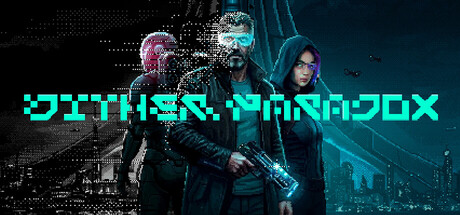 Dither Paradox In-game content artaudio | Dither Paradox is created and directed by Michał Kita. The game's final pixel art, animation, and visual design are made by hand, and every artistic and creative decision is made by people.
We use generative AI as a production tool that supports - but does not replace - this work. In the visual layer, AI is sometimes used during the concept and iteration stage - to explore ideas and variations - while the final art assets that ship in the game are made by hand. AI also assists in producing music and voiceover, which are then curated, edited, and approved by the team, as well as some promotional materials.
AI lets us reach a higher level of polish in less time, but authorship, art direction, and final responsibility for everything players see and hear remain with the people who make the game. | Negative Prompt Studio | - | Jun 28, 2026 | |
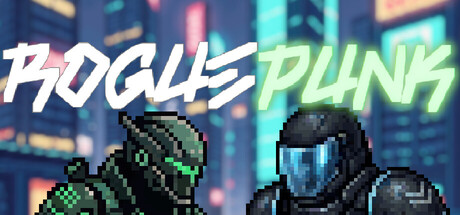 RoguePunk In-game content artaudio | RoguePunk is an independent project, and its visual and audio content including pixel-art characters, enemies, environments, music, and sound effects was created with the help of generative AI tools, then selected, arranged, edited, and integrated by hand to fit the game's world and feel.
I see these tools the way earlier developers saw new engines, samplers, and digital art software: as a way for solo developers to bring an ambitious, fully-realized world to players who might otherwise never get to see it. | Massif interactive | - | Jun 28, 2026 | |
 BRAYZ In-game content text | Used for text translation. | studio nu | - | Jun 28, 2026 | |
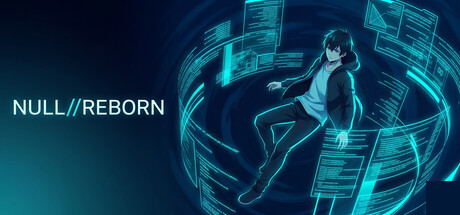 NULL//REBORN In-game content arttextaudiocode | NULL//REBORN was built with agentic AI as a creative partner throughout the entire pipeline.
I designed the vision, story outline, musical direction, and game logic — then used AI to bring each piece to life:
- generating the art,
- fleshing out the script,
- composing the music, and writing the code.
Every element was guided by human intent and shaped by AI execution. | SlothByte Games | - | Jun 28, 2026 | |
 Recognition In-game content art | Some artwork assets were generated and edited using AI tools. | Nexus Media | - | Jun 28, 2026 | |
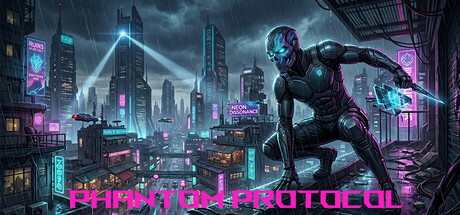 Phantom Protocol codeart | Artificial intelligence (AI) was leveraged for key aspects of the game's development, including in-game logic, support systems, and certain artistic assets. | PHANTOM PRODUCTIONS YAZILIM LIMITED SIRKETI | - | Jun 28, 2026 | |
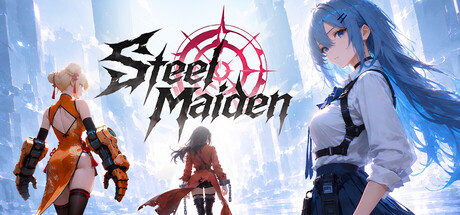 Steel Maiden In-game content audioart | AI-Generated Content Disclosure:
Pre-Generated Content: Generative AI tools were used to create the game's background music, and to generate source material for portions of the sound and art, refined by the developer.
No Real-Time Generation: This game does not feature any live or real-time AI content generation.
No External Connectivity: The game runs entirely locally and does not connect to external AI services or servers while playing. | Keicee | - | Jun 28, 2026 | |
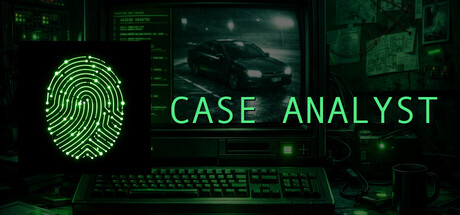 Case Analyst In-game content artaudio | The development of this game made use of AI-generated content. Specifically, some of the in-game images, video sequences and character voice-over were created with the help of generative AI tools. All AI-generated assets were reviewed, curated and edited by the development team before inclusion in the final product | Luca Panteghini | - | Jun 28, 2026 | |
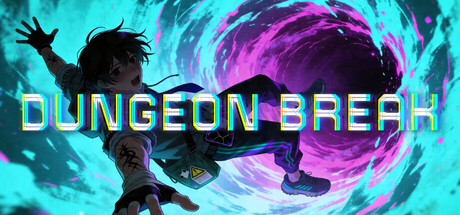 Dungeon Break In-game content artaudio | Digital assets such as sprites, SFX and music use generative AI. | ShadowBroker | - | Jun 28, 2026 | |
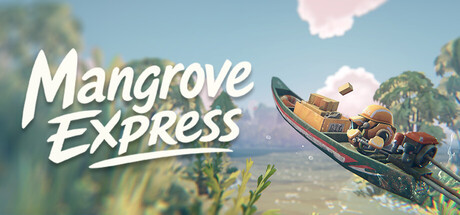 Mangrove Express In-game content arttextcode | As a small independent development team, we used generative AI as a supporting production tool during development.
All creative direction, game design, asset selection, editing, integration, and final approval were handled by the development team. AI-generated material was reviewed and modified by the developers before being included in the game.
The game does not generate AI content during gameplay. | Dig Up Indie | - | Jun 28, 2026 | |
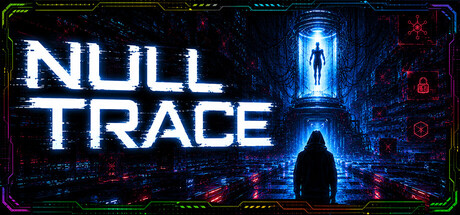 NULL TRACE Store/marketing arttext | Generative AI tools were used during the creation of certain marketing and promotional materials for the game, including concept artwork, logos, store page assets, and text drafts. All AI-generated content was reviewed, edited, and integrated by the developer before publication. | Andrei Uvarov | - | Jun 28, 2026 | |
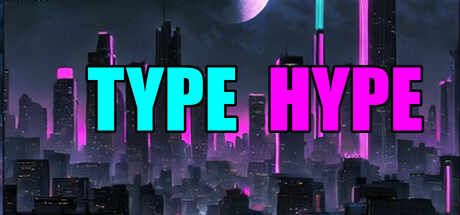 Type Hype In-game content artcode | TYPE HYPE's static visual assets — the main-menu skyline background, achievement icons (34 color + 34 grayscale variants = 68 PNGs), exhibition-level theme backgrounds (15 themes × 6 layer files = 90 PNGs), and Steam capsule backgrounds — were created with the assistance of generative AI image tools (primarily OpenAI's GPT image generation). All AI-generated assets were curated, selected, and approved by the developer. No AI runs at runtime in the shipped product. Music (59 tracks) is human-composed and sourced from Pixabay under the Pixabay Content License. Code was written collaboratively by the developer with an AI coding assistant. The game contains no AI-generated content shown to players during gameplay (procedural music layering is rule-based, not AI). | supergoodcorey | - | Jun 28, 2026 | |
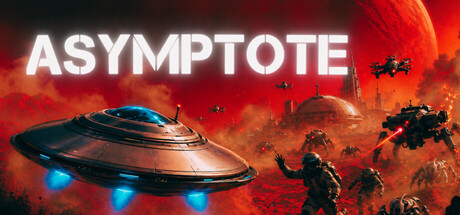 Asymptote In-game content art | Some of the art, including assets, in-game loading screens, and store capsules, was created or partially created using AI. | Crazish Games | - | Jun 28, 2026 | |
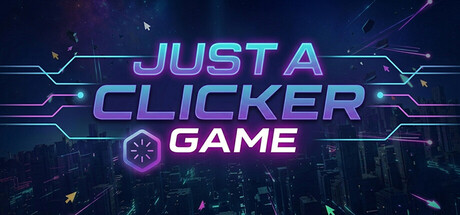 Just a Clicker Game In-game content arttextcode | AI Disclosure
This game was developed entirely with the assistance of large language models and generative AI tools. AI systems were used for graphic asset generation, concept art, narrative text drafting, lore writing, design review, creative critique, initial structural planning, code architecture, system design, feature implementation, iterative refinement, and debugging. All lore, mechanics, story, art, and game systems are pre-authored and fully static. No AI processing or generation occurs at runtime — the game runs entirely on pre-built code with no live model calls. This disclosure is provided in compliance with Steam's AI Content Policy and Valve developer transparency guidelines. | Mochi Fox Studios | - | Jun 28, 2026 | |
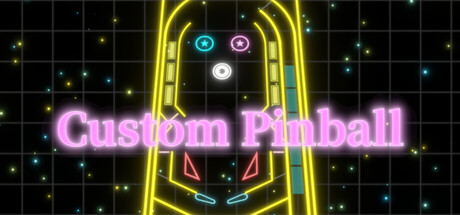 Custom Pinball In-game content arttext | Generative AI is used for creating certain in-game image assets and translating text, as well as for translating text on the store page. | Aria Works | - | Jun 28, 2026 | |
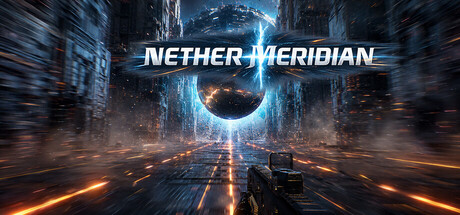 Nether Meridian In-game content art | This game contains AI-assisted artwork. | Conceptual Cage | - | Jun 28, 2026 | |
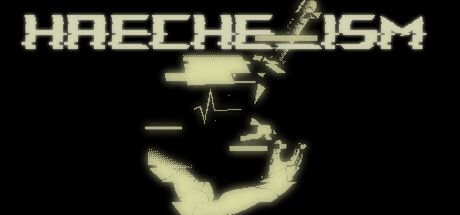 HAECHE_Ism Unclear text | Localizing | MinSuHong | - | Jun 27, 2026 |


