








Disclosure
This game makes use of generative AI as part of its creation process of art and localization.
- Creator
- Robo Goat
- Reviews
- -
- Added
- Sep 18, 2026
Public Steam disclosure research 25,383 disclosures tracked
Search developers’ Steam disclosures, compare classified AI use across games, and follow recorded changes. This index adds cross-game classifications and statistics to statements published on individual store pages.
Code help, debugging and other development work.
Capsule art, trailers and promotional material.
Pre-made art, audio, writing and other game assets.
Interactive or runtime AI features disclosed by the developer.
Groups reflect automatic analysis of public disclosures; mature records are excluded. These counts do not measure AI use across all of Steam. Missing or unclear statements cannot establish whether a game uses AI.
This game makes use of generative AI as part of its creation process of art and localization.
Generative AI was used to assist in the creation of selected Steam store promotional images, certain audio assets, and a limited number of 3D assets. No live-generated AI is used during gameplay.
Some pixel art, sound effects and music are AI-generated.
Grindveil's art is made with generative AI tools. We generate, then pick, crop, recolour and optimise every piece by hand before it ships, and we throw out the ones that do not fit. The same goes for part of the writing: item and location names, some of the lore in the in-game Codex, and the interface translations for our fourteen languages are drafted with AI help and reviewed by us. Nothing is generated while you play. No AI runs on your machine, nothing you type is sent to an AI service, and every image and every line of text in the game was made and checked before release.
Some of the content in Abyss Floors was created with the help of generative AI tools, always under the developer's direction and review: Text — Portions of the game's descriptive and flavor text (item and ability descriptions, interface copy, and atmospheric lore lines) were drafted with AI assistance and edited by the developer. Store & branding art — The store-page capsules, library images, and other branding graphics were produced with AI-assisted tools. Abyss Floors is a text- and table-driven simulation, so there is no AI-generated illustrated art in actual gameplay, and all screenshots on this page are captured directly from the live game. The game's design, balance, systems, and code are the developer's own, with AI used as a development aid rather than to generate gameplay content.
This game was developed with the assistance of AI tools, used to help generate some graphic elements and support code development.
Steam capsules are AI generated. SFXs are AI generated. Nothing else in the game is AI generated.
During the development of this title, generative AI was used as an assistive tool for writing some code, as well as for text polishing and translation. Other elements—including core artwork, character and environment designs, and the overall visual presentation—were created entirely by the developers themselves.
Some images and sounds were created with the help of AI.
AI tools were used during the development of Slot Crawler to assist in creating select visual assets and promotional materials. Every AI-assisted element was reviewed, refined, and integrated by the developer to ensure consistency with the game’s artistic direction and quality standards.
The background, as well as the mesh and base textures for the Matryoshka dolls, were created entirely by hand. Some of the Matryoshka patterns and the fang meshes were generated using AI, then however directed and revised by humans. AI tools were also used to assist with language localization.
Almost all of the art in the game has been created by Alexandr Elichev, the artist of the original Gloomhaven board game. A few missing art assets for summoned creatures for characters for this game were generated with AI. We hope to be able to replace these with official art as time progresses (and when I have a stable job to be able to pay for this).
AI generates a few images and icons, reviewed manually.
We build Last Treasure Online with AI tools. Much of the code is written with AI, including shaders, scripts that model props and furniture in Blender, and scripts that synthesize sound effects and ambience. Most text in the game is AI generated, but all names, personalities, schedules, stories, lore, knowledge, etc is strongly scaffolded and enforced by us as designers. In play, NPCs speak through an AI language model on our server in order to talk about hundreds of subjects in different ways depending on what they know about them, you, the world, etc.... The model only rewords lines and facts we wrote: it cannot invent places, items, prices or quests, and players never type text into it. No images, textures, 3D models, music or sounds come from diffusion image, 3D or audio models. Characters and clothing are hand-painted, and the world's textures are photographs.
Hell Healers features artwork developed with generative AI.
This game was developed solo by an independent developer. Some UI visuals and artwork used for the Steam store page were created with the help of generative AI. Original sound effects were also created with AI assistance to match the game's atmosphere. This content is fixed and built into the game. AI is not used to generate content in real time during gameplay.
Valdrys uses AI-generated content in one place: the login screen background, a single static image of a moonlit ridge over a conifer forest, generated with Google Gemini. It does not appear in gameplay. Everything else in the game is hand-drawn, generated procedurally by our own tools, or licensed from third-party artists under CC0, CC-BY or commercial licences. All of it is credited on the in-game Credits screen. Parts of the game's code were written with the help of an AI coding assistant. No AI-generated art, audio or written content ships in Valdrys beyond the single background image described above. Nothing in Valdrys generates content while the game is running.
Some promotional concept artwork was generated by AI, no AI is used in-game.
Parts of the content that ships with Nightfall were created with the help of generative AI tools. Artwork: the main menu illustration, the six hero portraits, and the four boss portraits. Music: all five soundtrack tracks were generated with Suno. This content was reviewed and selected by us before release. All in-game sprites, tilesets, animations, visual effects and user-interface art are licensed, human-made assets. No content is generated by AI while the game is running.
Generative AI was used during development to create and assist with some of the game's visual assets, including character artwork, event illustrations, backgrounds, and other graphical elements, as well as some of the music used in the game. AI-generated materials were reviewed, selected, and edited by the developer before being included in the game. Generative AI is not used to dynamically generate gameplay, dialogue, story content, visual assets, or music while the game is running.
The visual assets in Eras Showdown were created using generative AI: the icons for units, items and materials, the background images, and the user-interface graphics. Every result was selected, reworked and integrated into the game by hand. This content is pre-generated in full and ships with the installation. Eras Showdown does not generate any content via AI while playing, and it does not connect to any AI service.
Generative AI was used during development to create and assist with pre-generated 2D artwork, character portraits, selected UI and background artwork, achievement icons, Steam store and library marketing artwork, and portions of localization and text. All AI-assisted content was reviewed, selected, edited, and integrated by the developer. The game does not generate AI content during gameplay and does not connect to external AI services.
Vestibule's pixel art was generated with an AI art tool, with every design directed, refined, and hand-edited by the developer. Individual trailer and cinematic clips were generated with an AI video tool, built from the game's own artwork and developer-written scene descriptions — the final edit, scene sequencing, and music timing were done manually by the developer in After Effects. All game design, systems, writing, and code are original work.
Some store visuals (capsule art) were created using AI image generation tools. Game text translations for languages other than English/Turkish were done with the assistance of AI translation and manual review. Cutscenes and the visual slides featuring dialogue were created with the assistance of AI.
Generative AI was used to help draft some in-game text and Steam store / marketing copy. Selected upgrade card icons were purchased as AI-generated assets and then manually edited. All AI-assisted content is reviewed by the developer before shipping.
Some character, enemy, and environment sprites in this game were created with the assistance of AI image generation tools during development. All AI-generated content was reviewed and edited by the developers before inclusion.
The English and Turkish text in Slots & Skulls is written entirely by the developer. Gen AI was used only to translate in game and store text into the game's other supported languages. No AI tools were used to create any visual or audio asset: all art, animation, UI, music and sound effects are made by hand or licensed from human creators.
This game uses generative AI in the following areas: Art: Character sprites, background images, UI elements, and other visual assets were created with the assistance of generative AI tools. All generated assets were reviewed, edited, and adjusted by the developer before being used in the game. Localization: Store page text and in-game text in languages other than Japanese were translated with the assistance of generative AI, and reviewed before publication. Programming: Generative AI was used as a coding assistant during development. No AI-generated content is produced at runtime. All game content is fixed and pre-authored.
Pre-generated content only. No AI runs while the game is played. Some monster and boss sprites were generated with PixelLab (an AI pixel-art tool) and then hand-edited, cut into animation strips and cleaned up by the developer. A few background art pieces, such as arcade machine sheets and map-card thumbnails, were generated with Google Gemini and then reworked by hand. The music soundtrack was generated with Suno on a paid licence. Some store page art may be based on these assets. All gameplay code, the level design, the rest of the sprite art, UI, sound effects and all text were made by the developer without generative AI. The game does not generate any content at runtime.
Visual effects sheets used image generation LLMs, it is my policy to attempt to update these with human made assets in the future.
Ai tools have been used as part of production, with none used directly as final art.
Some of this game's written text, including this store page and some in-game descriptions, was drafted with the help of an AI assistant and then edited by hand. The rest is not AI-generated: the pixel art is hand-drawn or from licensed asset packs, the audio comes from a licensed sound pack, and every screenshot and capsule image is composed from real in-game captures. Nothing is generated while you play.
Grimhold's artwork is created by commissioned human artists, and its music is human-made licensed audio. Generative AI tools were used to assist in writing portions of the game's descriptive text and creature lore. All gameplay, code, and design are human-made. The game does not generate any AI content during play and does not connect to external AI services.
Generative AI tools were used to assist with some store marketing assets including capsule artwork, as well as a small number of in-game item icons and a loading screen. All AI-assisted assets were reviewed, edited and polished by hand before use and will be replaced at a later date.
This game uses generative AI to assist in the creation of chimera image assets and text content used in the game. Generative AI is also used to assist with game planning and design, programming and development, and translation into English. All AI-generated content and AI-assisted translation are produced during development. Generative AI is not used to generate new content during gameplay.
AI is used to generate concept art, 3D models, audio, and Steam store images. Models are manually refined and hand-textured. No AI content is generated during gameplay.
The illustrations in Dead Market — the 247 card images, the cutscene plates, the premises backdrops and the nine-slice chrome — were generated with image models during development, then selected, corrected, composed and integrated by hand against the game's own manifest. Everything that displays a live value is drawn procedurally in the engine rather than being an image. The spoken lines were synthesised from a written script, one voice per character, and edited into the game. Nothing is generated while the game runs. There is no model in the build, no network code and no telemetry.
We use AI to polish and iterate on the human prepared concepts, textures, sometimes the achieved final version is used in game. For game code, occasionally, we use a reliable snippet based generation, reviewed and ebmedded into the game by developers, for maximum stability.
Store page text (the short and long descriptions) was drafted with the help of a generative AI language model, then reviewed and edited by the developer before publication. All art and audio that ships inside the game is human-made and licensed: the creature-family icons are by Lorc and Delapouite from game-icons.net (CC BY 3.0), and the sound effects are by Kenney (CC0). The store and library capsule images were composed programmatically from the game's own icon. The game generates no content at runtime.
This game's art and code are creatively directed by a human developer (me), directing, refining, reviewing, and quality-checking every part across hundreds of hours of iteration. I build it with Claude AI as my tool. The visuals are not pre-made image files or AI-generated images. They are drawn by code at runtime (procedural rendering) using standard 2D canvas drawing commands, and Claude AI writes and brings that code to life. The store page and marketing images come from that same in-game rendering. The game does not include third-party copyrighted material.
Some static 2D artwork and store promotional images were created with the assistance of generative AI and were selected, edited, and integrated by the developer. The game does not use generative AI at runtime, does not generate content in real time, and does not transmit player data to AI services.
INK ABYSS WALKER was crafted by a single indie developer. During development, AI tools were used as an assist to produce quick, early drafts of some illustrations and text — helping an ink-soaked idea take shape as images and words more efficiently. The core gameplay, worldbuilding, card and number balance, narrative, and overall tone, however, were all led, iterated and finalised by hand by the developer. AI is a tool that helps an idea move faster — not the author of it. Everything you see was selected, refined and re-crafted by a person, to keep faith with the game's ink-wash spirit. Thank you to every walker who carries the lamp onward.
Generative AI tools were used during development to assist with the creation of a limited number of graphical assets and promotional materials. The selected content was reviewed, adapted, and integrated by the development team. The game does not use live-generated AI, and no content is generated while playing.
I am a professional artist who lost the majority of my vision many years ago. Now legally blind, I use AI to generate base images and I create what I call "Hybrid Art", in which I combine my own art and skills with the generations to still create art that I love. This technique has been used in Hex & Tonic for card art, store page art, etc. I hope it brings you as much joy as I got creating for you.
I leveraged AI tools to bring my game concept to life, with AI assistance in coding, artwork, and the Steam store page. I want to assure you that this game was built through genuine collaboration between myself and AI—working together to create a better, more enjoyable experience.
The soundtrack is AI generated with human modifications. Art, text, localizations, and store assets were made with AI assistance and human modifications. Nothing is generated at runtime, and the game never connects to an AI service.
Graphical assets were generated suing AI
Some UI elements had their concept art generated, then our artist carefully refined and and improved each part to ensure a cohesive experience.
Pre-generated: Some 2D illustrations and the pre-recorded narration were produced with AI tools and reviewed by the developers before inclusion. Live-generated: An on-device language model (no internet connection) writes in-game text such as narration, dialogue, and the names and lore of items, relics and skills, and selects among game-defined options for certain run content. Damage, stats, difficulty and progression are governed by the game's own rules. Generated text is checked before it is shown, and no art or audio is generated at runtime.
The store page capsule artwork was created using generative AI.
| Title⇅ | Disclosure | Creator⇅ | Src | Reviews⇅ | Added↓ |
|---|---|---|---|---|---|
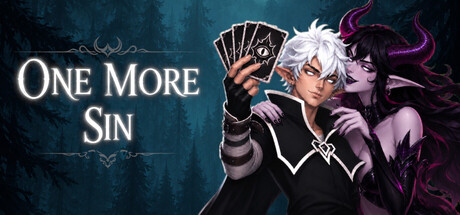 One More Sin In-game content arttext | This game makes use of generative AI as part of its creation process of art and localization. | Robo Goat | - | Sep 18, 2026 | |
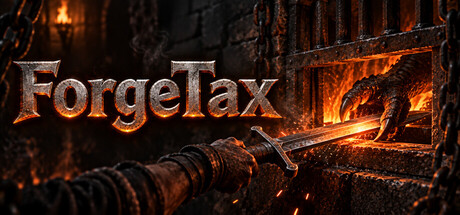 ForgeTax In-game content artaudio | Generative AI was used to assist in the creation of selected Steam store promotional images, certain audio assets, and a limited number of 3D assets. No live-generated AI is used during gameplay. | GraveYardDev | - | Sep 16, 2026 | |
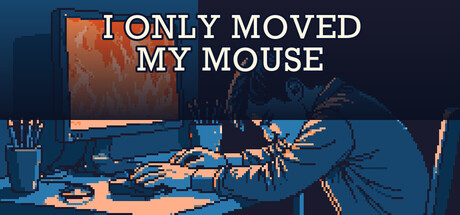 I Only Moved My Mouse In-game content artaudio | Some pixel art, sound effects and music are AI-generated. | Missroot | - | Sep 16, 2026 | |
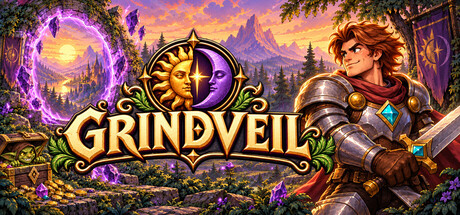 Grindveil In-game content arttext | Grindveil's art is made with generative AI tools. We generate, then pick, crop, recolour and optimise every piece by hand before it ships, and we throw out the ones that do not fit. The same goes for part of the writing: item and location names, some of the lore in the in-game Codex, and the interface translations for our fourteen languages are drafted with AI help and reviewed by us.
Nothing is generated while you play. No AI runs on your machine, nothing you type is sent to an AI service, and every image and every line of text in the game was made and checked before release. | Grindare Studio | - | Sep 16, 2026 | |
 Abyss Floors In-game content textart | Some of the content in Abyss Floors was created with the help of generative AI tools, always under the developer's direction and review:
Text — Portions of the game's descriptive and flavor text (item and ability descriptions, interface copy, and atmospheric lore lines) were drafted with AI assistance and edited by the developer.
Store & branding art — The store-page capsules, library images, and other branding graphics were produced with AI-assisted tools.
Abyss Floors is a text- and table-driven simulation, so there is no AI-generated illustrated art in actual gameplay, and all screenshots on this page are captured directly from the live game. The game's design, balance, systems, and code are the developer's own, with AI used as a development aid rather than to generate gameplay content. | Alerot | - | Sep 16, 2026 | |
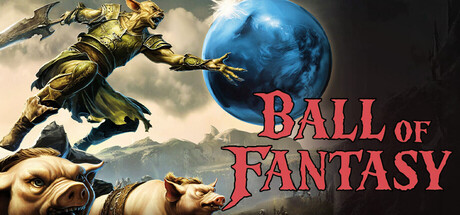 Ball of Fantasy Dev only artcode | This game was developed with the assistance of AI tools, used to help generate some graphic elements and support code development. | Super Space Grind | - | Sep 16, 2026 | |
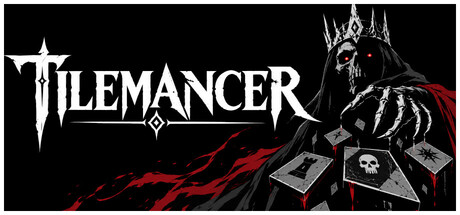 Tilemancer In-game content audioart | Steam capsules are AI generated.
SFXs are AI generated.
Nothing else in the game is AI generated. | geogear | - | Sep 16, 2026 | |
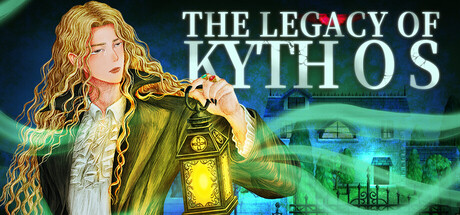 凯索斯之遗 In-game content codetext | During the development of this title, generative AI was used as an assistive tool for writing some code, as well as for text polishing and translation. Other elements—including core artwork, character and environment designs, and the overall visual presentation—were created entirely by the developers themselves. | The Silent Piper | - | Sep 16, 2026 | |
 Last Reach Unclear artaudio | Some images and sounds were created with the help of AI. | Greengage Games | - | Sep 16, 2026 | |
 Slot Crawler Store/marketing art | AI tools were used during the development of Slot Crawler to assist in creating select visual assets and promotional materials. Every AI-assisted element was reviewed, refined, and integrated by the developer to ensure consistency with the game’s artistic direction and quality standards. | Disco Studio | - | Sep 16, 2026 | |
 Matryoshka In-game content arttext | The background, as well as the mesh and base textures for the Matryoshka dolls, were created entirely by hand.
Some of the Matryoshka patterns and the fang meshes were generated using AI, then however directed and revised by humans.
AI tools were also used to assist with language localization. | flapper3 | - | Sep 16, 2026 | |
 The Crimson Scales In-game content art | Almost all of the art in the game has been created by Alexandr Elichev, the artist of the original Gloomhaven board game. A few missing art assets for summoned creatures for characters for this game were generated with AI. We hope to be able to replace these with official art as time progresses (and when I have a stable job to be able to pay for this). | Tall Tree | - | Sep 16, 2026 | |
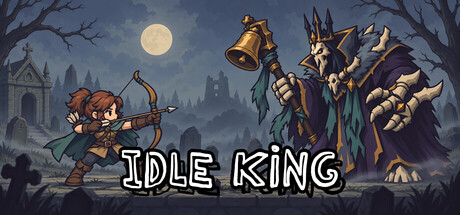 Idle King: Loot Together In-game content art | AI generates a few images and icons, reviewed manually. | PcZ Games | - | Sep 16, 2026 | |
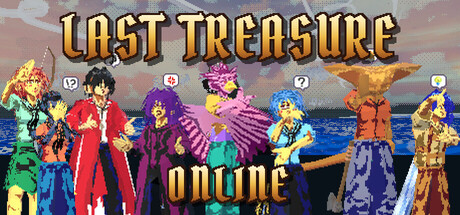 Last Treasure Online Live AI codetext | We build Last Treasure Online with AI tools. Much of the code is written with AI, including shaders, scripts that model props and furniture in Blender, and scripts that synthesize sound effects and ambience. Most text in the game is AI generated, but all names, personalities, schedules, stories, lore, knowledge, etc is strongly scaffolded and enforced by us as designers. In play, NPCs speak through an AI language model on our server in order to talk about hundreds of subjects in different ways depending on what they know about them, you, the world, etc.... The model only rewords lines and facts we wrote: it cannot invent places, items, prices or quests, and players never type text into it. No images, textures, 3D models, music or sounds come from diffusion image, 3D or audio models. Characters and clothing are hand-painted, and the world's textures are photographs. | dabsouljaboy | - | Sep 16, 2026 | |
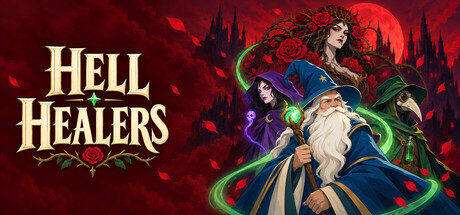 Hell Healers In-game content art | Hell Healers features artwork developed with generative AI. | Recoil Mojo | - | Sep 15, 2026 | |
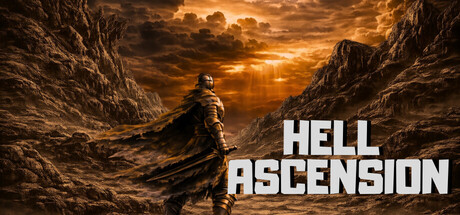 Hell Ascension In-game content artaudio | This game was developed solo by an independent developer. Some UI visuals and artwork used for the Steam store page were created with the help of generative AI. Original sound effects were also created with AI assistance to match the game's atmosphere. This content is fixed and built into the game.
AI is not used to generate content in real time during gameplay. | JehemStudio | - | Sep 15, 2026 | |
 Valdrys Store/marketing artcode | Valdrys uses AI-generated content in one place: the login screen
background, a single static image of a moonlit ridge over a conifer
forest, generated with Google Gemini. It does not appear in gameplay.
Everything else in the game is hand-drawn, generated procedurally by
our own tools, or licensed from third-party artists under CC0, CC-BY
or commercial licences. All of it is credited on the in-game Credits
screen.
Parts of the game's code were written with the help of an AI coding
assistant. No AI-generated art, audio or written content ships in
Valdrys beyond the single background image described above.
Nothing in Valdrys generates content while the game is running. | Valdrys Games | - | Sep 15, 2026 | |
 Wych Ring Store/marketing art | Some promotional concept artwork was generated by AI, no AI is used in-game. | Chad Steingraber | - | Sep 15, 2026 | |
 Nightfall In-game content artaudio | Parts of the content that ships with Nightfall were created with the help of generative AI tools. Artwork: the main menu illustration, the six hero portraits, and the four boss portraits. Music: all five soundtrack tracks were generated with Suno. This content was reviewed and selected by us before release. All in-game sprites, tilesets, animations, visual effects and user-interface art are licensed, human-made assets. No content is generated by AI while the game is running. | Percifali | - | Sep 15, 2026 | |
 Disrupt Destiny In-game content artaudio | Generative AI was used during development to create and assist with some of the game's visual assets, including character artwork, event illustrations, backgrounds, and other graphical elements, as well as some of the music used in the game. AI-generated materials were reviewed, selected, and edited by the developer before being included in the game.
Generative AI is not used to dynamically generate gameplay, dialogue, story content, visual assets, or music while the game is running. | Studio Huewel | - | Sep 15, 2026 | |
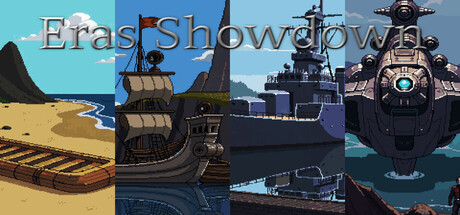 Eras Showdown In-game content art | The visual assets in Eras Showdown were created using generative AI: the icons for units, items and materials, the background images, and the user-interface graphics. Every result was selected, reworked and integrated into the game by hand.
This content is pre-generated in full and ships with the installation. Eras Showdown does not generate any content via AI while playing, and it does not connect to any AI service. | Marc Kausmann | - | Sep 14, 2026 | |
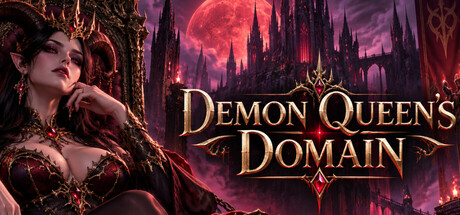 Demon Queen's Domain In-game content arttext | Generative AI was used during development to create and assist with pre-generated 2D artwork, character portraits, selected UI and background artwork, achievement icons, Steam store and library marketing artwork, and portions of localization and text. All AI-assisted content was reviewed, selected, edited, and integrated by the developer. The game does not generate AI content during gameplay and does not connect to external AI services. | Zeislus Studios | - | Sep 13, 2026 | |
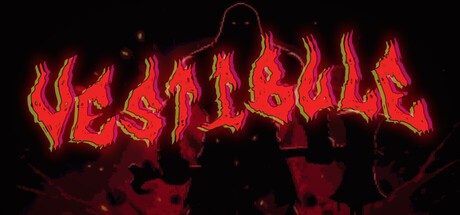 Vestibule In-game content art | Vestibule's pixel art was generated with an AI art tool, with every design directed, refined, and hand-edited by the developer. Individual trailer and cinematic clips were generated with an AI video tool, built from the game's own artwork and developer-written scene descriptions — the final edit, scene sequencing, and music timing were done manually by the developer in After Effects. All game design, systems, writing, and code are original work. | blightwork | - | Sep 13, 2026 | |
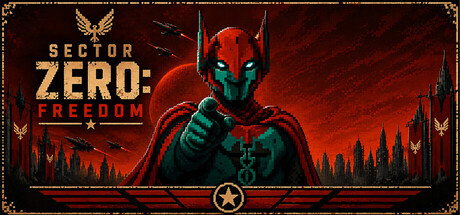 Sector Zero: Freedom In-game content arttext | Some store visuals (capsule art) were created using AI image generation tools.
Game text translations for languages other than English/Turkish were done with the assistance of AI translation and manual review.
Cutscenes and the visual slides featuring dialogue were created with the assistance of AI. | Shift Orbit Games | - | Sep 13, 2026 | |
 Riftmaw In-game content textart | Generative AI was used to help draft some in-game text and Steam store / marketing copy. Selected upgrade card icons were purchased as AI-generated assets and then manually edited. All AI-assisted content is reviewed by the developer before shipping. | Angersh | - | Sep 13, 2026 | |
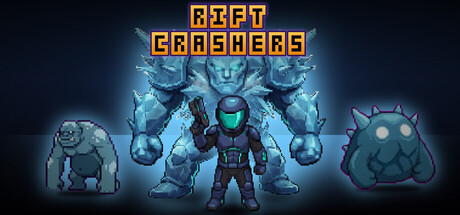 Rift Crashers In-game content art | Some character, enemy, and environment sprites in this game were created with the assistance of AI image generation tools during development. All AI-generated content was reviewed and edited by the developers before inclusion. | Tethered Rifts Studio, LLC | - | Sep 13, 2026 | |
 Slots & Skulls In-game content text | The English and Turkish text in Slots & Skulls is written entirely by the developer. Gen AI was used only to translate in game and store text into the game's other supported languages.
No AI tools were used to create any visual or audio asset: all art, animation, UI, music and sound effects are made by hand or licensed from human creators. | Trina Interactive | - | Sep 13, 2026 | |
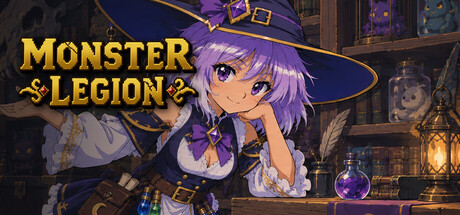 MonsterLegion textcode | This game uses generative AI in the following areas:
Art: Character sprites, background images, UI elements, and other
visual assets were created with the assistance of generative AI tools.
All generated assets were reviewed, edited, and adjusted by the
developer before being used in the game.
Localization: Store page text and in-game text in languages other
than Japanese were translated with the assistance of generative AI,
and reviewed before publication.
Programming: Generative AI was used as a coding assistant during
development.
No AI-generated content is produced at runtime. All game content
is fixed and pre-authored. | 反省文工房 | - | Sep 12, 2026 | |
 Sigma Survivor In-game content artaudiotext | Pre-generated content only. No AI runs while the game is played.
Some monster and boss sprites were generated with PixelLab (an AI pixel-art tool) and then hand-edited, cut into animation strips and cleaned up by the developer. A few background art pieces, such as arcade machine sheets and map-card thumbnails, were generated with Google Gemini and then reworked by hand. The music soundtrack was generated with Suno on a paid licence. Some store page art may be based on these assets.
All gameplay code, the level design, the rest of the sprite art, UI, sound effects and all text were made by the developer without generative AI. The game does not generate any content at runtime. | Pixelgore | - | Sep 12, 2026 | |
 Mendicant Sea In-game content art | Visual effects sheets used image generation LLMs, it is my policy to attempt to update these with human made assets in the future. | BLYTHE | - | Sep 12, 2026 | |
 Guilded Fools Dev only art | Ai tools have been used as part of production, with none used directly as final art. | toyari | - | Sep 12, 2026 | |
 Aspect Arena In-game content text | Some of this game's written text, including this store page and some in-game descriptions, was drafted with the help of an AI assistant and then edited by hand. The rest is not AI-generated: the pixel art is hand-drawn or from licensed asset packs, the audio comes from a licensed sound pack, and every screenshot and capsule image is composed from real in-game captures. Nothing is generated while you play. | Legium Games | - | Sep 12, 2026 | |
 Grimhold In-game content text | Grimhold's artwork is created by commissioned human artists, and its music is human-made licensed audio. Generative AI tools were used to assist in writing portions of the game's descriptive text and creature lore. All gameplay, code, and design are human-made. The game does not generate any AI content during play and does not connect to external AI services. | Elzerath Studio | - | Sep 12, 2026 | |
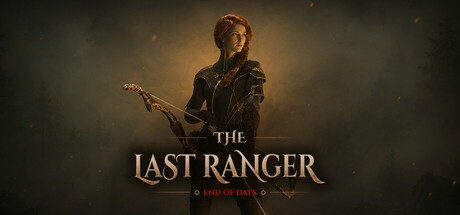 The Last Ranger In-game content art | Generative AI tools were used to assist with some store marketing assets including capsule artwork, as well as a small number of in-game item icons and a loading screen. All AI-assisted assets were reviewed, edited and polished by hand before use and will be replaced at a later date. | NoRestForTheBest | - | Sep 12, 2026 | |
 審査官の苦悩:Chimera Protocol In-game content arttext | This game uses generative AI to assist in the creation of chimera image assets and text content used in the game. Generative AI is also used to assist with game planning and design, programming and development, and translation into English. All AI-generated content and AI-assisted translation are produced during development. Generative AI is not used to generate new content during gameplay. | PaoPao Studio | - | Sep 12, 2026 | |
 The Last Shrinekeeper In-game content artaudio | AI is used to generate concept art, 3D models, audio, and Steam store images. Models are manually refined and hand-textured. No AI content is generated during gameplay. | Crescent Twilight Software | - | Sep 12, 2026 | |
 Dead Market In-game content art | The illustrations in Dead Market — the 247 card images, the cutscene plates, the premises backdrops and the nine-slice chrome — were generated with image models during development, then selected, corrected, composed and integrated by hand against the game's own manifest. Everything that displays a live value is drawn procedurally in the engine rather than being an image. The spoken lines were synthesised from a written script, one voice per character, and edited into the game.
Nothing is generated while the game runs. There is no model in the build, no network code and no telemetry. | Bartjuh3 | - | Sep 12, 2026 | |
 Runigrim In-game content artcode | We use AI to polish and iterate on the human prepared concepts, textures, sometimes the achieved final version is used in game.
For game code, occasionally, we use a reliable snippet based generation, reviewed and ebmedded into the game by developers, for maximum stability. | Labrintine | - | Sep 12, 2026 | |
 Idle Realms: Rise In-game content text | Store page text (the short and long descriptions) was drafted with the help of a generative AI language model, then reviewed and edited by the developer before publication.
All art and audio that ships inside the game is human-made and licensed: the creature-family icons are by Lorc and Delapouite from game-icons.net (CC BY 3.0), and the sound effects are by Kenney (CC0). The store and library capsule images were composed programmatically from the game's own icon.
The game generates no content at runtime. | Dragon Flame Games Studio | - | Sep 11, 2026 | |
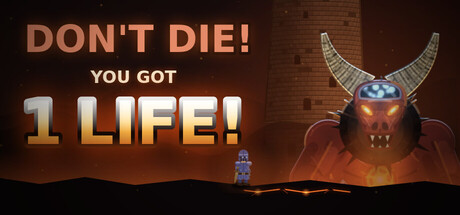 Don't Die! You got 1 Life! In-game content artcode | This game's art and code are creatively directed by a human developer (me), directing, refining, reviewing, and quality-checking every part across hundreds of hours of iteration. I build it with Claude AI as my tool. The visuals are not pre-made image files or AI-generated images. They are drawn by code at runtime (procedural rendering) using standard 2D canvas drawing commands, and Claude AI writes and brings that code to life. The store page and marketing images come from that same in-game rendering. The game does not include third-party copyrighted material. | Mackenzie Taylor | - | Sep 10, 2026 | |
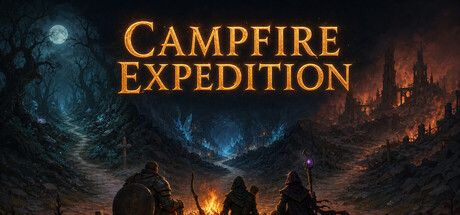 Campfire Expedition In-game content art | Some static 2D artwork and store promotional images were created with the assistance of generative AI and were selected, edited, and integrated by the developer. The game does not use generative AI at runtime, does not generate content in real time, and does not transmit player data to AI services. | 核桃小磐 | - | Sep 10, 2026 | |
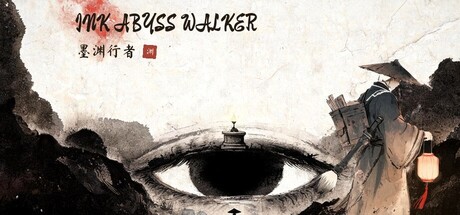 墨渊行者 INK ABYSS WALKER Dev only arttext | INK ABYSS WALKER was crafted by a single indie developer. During development, AI tools were used as an assist to produce quick, early drafts of some illustrations and text — helping an ink-soaked idea take shape as images and words more efficiently. The core gameplay, worldbuilding, card and number balance, narrative, and overall tone, however, were all led, iterated and finalised by hand by the developer. AI is a tool that helps an idea move faster — not the author of it. Everything you see was selected, refined and re-crafted by a person, to keep faith with the game's ink-wash spirit. Thank you to every walker who carries the lamp onward. | YukiMio Studio | - | Sep 10, 2026 | |
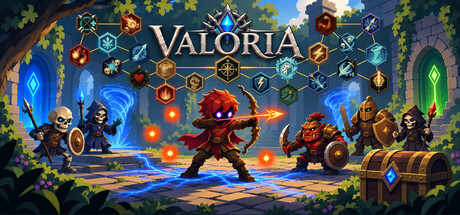 Valoria Store/marketing art | Generative AI tools were used during development to assist with the creation of a limited number of graphical assets and promotional materials. The selected content was reviewed, adapted, and integrated by the development team. The game does not use live-generated AI, and no content is generated while playing. | Shijou Dev | - | Sep 10, 2026 | |
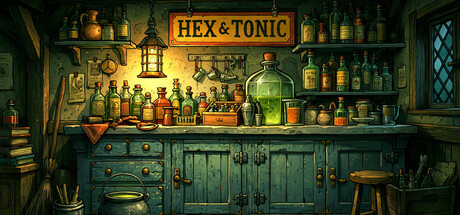 Hex & Tonic In-game content art | I am a professional artist who lost the majority of my vision many years ago. Now legally blind, I use AI to generate base images and I create what I call "Hybrid Art", in which I combine my own art and skills with the generations to still create art that I love. This technique has been used in Hex & Tonic for card art, store page art, etc. I hope it brings you as much joy as I got creating for you. | Lorewright Studios | - | Sep 10, 2026 | |
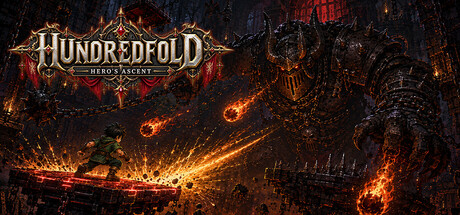 Hundredfold: Hero's Ascent Store/marketing artcodetext | I leveraged AI tools to bring my game concept to life, with AI assistance in coding, artwork, and the Steam store page. I want to assure you that this game was built through genuine collaboration between myself and AI—working together to create a better, more enjoyable experience. | 质数造物 Prime Factor | - | Sep 9, 2026 | |
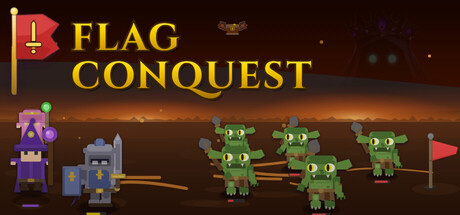 Flag Conquest In-game content audioarttext | The soundtrack is AI generated with human modifications. Art, text, localizations, and store assets were made with AI assistance and human modifications. Nothing is generated at runtime, and the game never connects to an AI service. | Karamilabs | - | Sep 9, 2026 | |
 The Kings Last Hand Unclear art | Graphical assets were generated suing AI | Skeleton Arm Studios | - | Sep 8, 2026 | |
 Dungeon Buster In-game content art | Some UI elements had their concept art generated, then our artist carefully refined and and improved each part to ensure a cohesive experience. | One Up Plus | - | Sep 8, 2026 | |
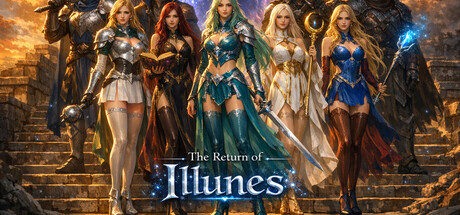 The Return of Illunes Live AI text | Pre-generated: Some 2D illustrations and the pre-recorded narration were produced with AI tools and reviewed by the developers before inclusion.
Live-generated: An on-device language model (no internet connection) writes in-game text such as narration, dialogue, and the names and lore of items, relics and skills, and selects among game-defined options for certain run content. Damage, stats, difficulty and progression are governed by the game's own rules. Generated text is checked before it is shown, and no art or audio is generated at runtime. | 14Dimension Enterprise | - | Sep 7, 2026 | |
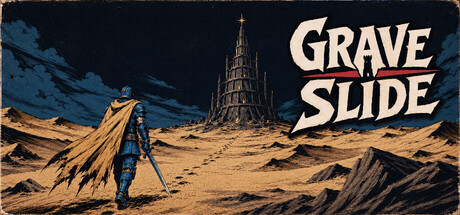 GRAVE SLIDE Store/marketing art | The store page capsule artwork was created using generative AI. | Hokkori Games | - | Sep 7, 2026 |


