Public Steam disclosure research25,376 disclosures tracked
Where do games disclose AI use?
Search developers’ Steam disclosures, compare classified AI use across
games, and follow recorded changes.
This index adds cross-game classifications and statistics to
statements published on individual store pages.
Groups reflect automatic analysis of public disclosures; mature records are excluded. These counts do not measure AI use across all of Steam.
Missing or unclear statements cannot establish whether a game uses AI.
Generative AI tools were used throughout development to assist in creating and refining game code, 2D artwork, UI assets, audio, music, and written content, and Steam promotional materials. All AI-assisted content included in the released product is selected, reviewed, integrated, and tested by the developer. The game does not use generative AI at runtime and does not generate content or code during gameplay.
The characters in Conversation Simulator are played live by an AI language model that runs entirely on your computer — no cloud AI service is involved. All character dialogue and end-of-session feedback is generated locally during play. A built-in safety policy that cannot be disabled keeps generated content within a PG/PG-13 boundary: no sexual content, no content involving minors, no impersonation of real people, no voice cloning, and no claims to be a real therapist, doctor, or lawyer. Self-harm and crisis topics are intercepted and answered with a resource message instead of AI-generated content.
This is a text-based game; the illustrative background images were created using a combination of AI technology and Photoshop, the character sprites were hand-drawn and colored using AI, and the music was composed and produced using AI tools.
After the creation of assets by an artist, the team used gen AI to generate backdrops for assets, and general backgrounds.
Gen AI was used to amalgamate artist created assets into grouped assets. E.g. the aliens which were created by the artist are then rendered together by AI for a promotional image.
This means only the back scape mainly promotional artwork and character backgrounds were generated by AI.
This game includes pre-generated AI-assisted visual/audio/text assets that were selected, edited, and integrated by the developer. The game does not use live-generated AI during play.
Pre-generated visual assets and localized text were created with the assistance of generative tools, then reviewed, edited, and integrated by the developer. The game does not generate content during gameplay.
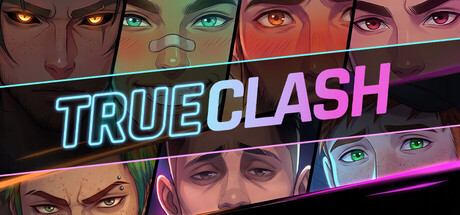
TrueClash uses generative AI as part of its art workflow: character art and backgrounds are initially generated with AI tools, then manually reviewed, edited, and refined by our team in order to maintain the game's consistent visual style.
AI tools were also used to assist with translation and as a development aid for coding.
Some of the licensed music tracks featured in the game may have been created with AI assistance by their respective artists.
To create realistic interrogation scenarios in this detective game, this game packages a local, offline LLM to serve as the brain of the NPC suspects. This allows the user to lead the investigation however they like. Generative AI was NOT used to create this game, but an LLM is featured as a main game mechanic in the form of freeform NPC conversation.
The development of Memento made use of generative AI tools across several stages of production. Cutscenes are created using AI-based video generation tools. Graphic elements such as environments, characters, and card illustrations were created or refined with the help of generative AI tools. Parts of the soundtrack and text were also produced with AI assistance. All content was manually selected, edited, and integrated by the developer.
Some in-game radio/music tracks may be created with generative AI tools. These tracks are selected, reviewed and integrated manually by the development team. No live AI generation is used during gameplay.
Pre-rendered AI imagery was used to create some background looping elements, for example an in-game TV screen. All other artwork, narrative and character art and animation is created by hand.
It was found that some character art pieces in the game used AI references after artists received explicit instruction and legal binding not to use AI.
This will be rectified in the future. I am committed to providing a game without AI usage.
The game logo was created with the assistance of generative AI and edited by the developer. AI was also used to assist with localization translations for other languages, which were reviewed and edited by the developer. No live-generated AI content is used during gameplay.
Generative AI tools were used to assist in the creation of selected promotional and store artwork. During gameplay, players can also optionally use generative AI to create custom word sets and hints.
All content in this game was created by a single developer using generative AI tools, under full human supervision.
The scenario and script were written by the developer (writing assistance: Claude). All theme song lyrics were written by the developer. Backgrounds, character sprites, the logo, and the OP/ED movies were generated with Leonardo AI, based on the developer's own character designs, compositions, and art direction. The music and theme songs were produced with Suno AI. All voice acting was generated with ElevenLabs; every line in all three languages (Japanese, English, and Simplified Chinese, approx. 1,900 lines each) was individually reviewed by the developer for pronunciation, acting, and emotional delivery, and only approved takes were used. Localization was assisted by Claude Code, with every translation reviewed by the developer. Programming was assisted by Claude Code.
The store page and marketing assets (capsule images, logo, trailers, etc.) were likewise created with Leonardo AI (imagery) and Suno AI (music). Screenshots and trailer footage are captures of the actual game (the game itself contains the AI-generated assets described above).
Every AI-generated asset was reviewed, selected, and corrected by the developer before use. No content is generated by AI at runtime. A breakdown of tools by production stage is included in the end credits.
Generative AI was used to create artwork for the title screen, lobby background, and some UI decorations. The generated images were selected, edited, and sliced by the development team before being integrated into the game. Generative AI was also used to assist with drafting and editing some mini-game prompts. The game does not use generative AI at runtime and does not connect to external AI services during play.
As this is a solo-developed project, I have utilized generative AI assistants for the writing, debugging, and structuring of the game's programming code.
Additionally, AI has been used in a very minor and complementary capacity for some secondary environmental visual elements. The vast majority of the core artistic assets, art direction, game design, 3D modeling, and overall experience have been entirely hand-crafted and assembled.
The AI model has been fine-tuned with multiple safety measures — including prompt restrictions, keyword filtering, and compliance safeguards — to ensure all generated content remains appropriate.
If you encounter any inappropriate or non-compliant content during gameplay, please report it to our support team, and we will promptly review and make the necessary adjustments.
Thank you for your understanding!
The game includes pre-generated visual and audio assets created with the assistance of generative AI tools. These include character artwork, environmental backgrounds, music, and singing vocals. All lyrics were written entirely by the developer without the use of generative AI, while the music and vocals were created through a collaborative process involving human creative direction and generative AI tools. All AI-assisted outputs were reviewed, selected, edited, and integrated by the developer. The game does not generate content during gameplay and does not send player input to any AI service.
The visual art assets in this game — including character and enemy portraits, item icons, environment/scene artwork, UI elements, the game icon, and the store/library capsule images — were created with the help of generative AI image tools during development. All of this content was manually reviewed, curated, and edited by the team. The game does not use generative AI in real time during gameplay.
AI tools were used to create pre-rendered assets during development, including background illustrations, item images, some video cutscenes, and background music. All AI-generated content was curated, edited, and integrated by the developer. The game does not generate any content at runtime (no live-generated AI content).
This game uses generative artificial intelligence (Midjourney) as a supporting tool in the production of some of its artwork and illustrations. All AI-generated content is selected, edited, and art-directed by the development team, which defines composition, style, and visual coherence before it is integrated into the game.
Generative AI tools were used during the production of the game as creative and technical support. This applies only to content prepared in advance during development.
AI was used in several areas, including:
Artwork and promotional materials — generating base images, character concepts, interface concepts, reference images, and materials later used as a foundation for manual editing or further production.
3D models — some models are created with the help of AI tools and an image-to-3D workflow, then selected, adjusted, and integrated into the game.
Voice acting — character voices are created using AI-based voice synthesis.
Code and production tools — AI assistants support coding, code analysis, refactoring, and optimization.
Design consultation — AI tools are used as support for analyzing ideas, designing interfaces, refining descriptions, and planning game systems.
The main concept of the game, story structure, quest dependencies, world direction, and dialogue content are created and supervised by the game’s author. Content created with the help of AI is selected, edited, and implemented manually.
The game does not contain AI-generated content created in real time during gameplay.
This game used AI tools to assist in generating some visual assets and code. All AI-generated content has been manually reviewed and edited by the developer to ensure quality.
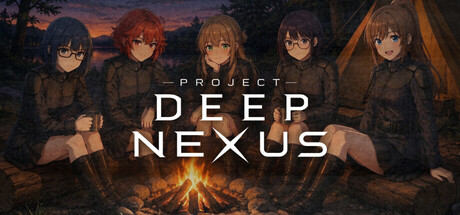
In the development of Project Deep Nexus, AI was utilized for several key components. This includes creating character and background artworks, as well as generating some music tracks. While the developer curated the plot and narrative, AI assisted in the process.
Some 2D character illustrations, backgrounds, and UI elements in this game were created with the help of generative AI tools during development, and then manually edited, refined, and reviewed by the developer.
During the development of this game, we used generative AI tools to assist with creating some background visuals and drafting initial narrative texts. All AI-generated content has been manually reviewed, edited, and adapted by our team to ensure it meets our quality standards and fits the game's creative vision. We take full responsibility for all final content presented in the game
Generative AI tools were used during development for photos and videos of characters, as well as for development support such as code suggestions and iteration.
All AI-assisted assets and code are fixed, reviewed, and integrated by the developer prior to release. The game does not use generative AI to produce live or dynamic content, text, images, audio, or code during gameplay.
Some store page text, marketing copy, and promotional planning materials for Black File were created with assistance from generative AI tools and reviewed, edited, and approved by the development team before publication. The game does not use generative AI to create content during gameplay.
The art, music, and writing in this game were created with AI tools during development, directed by the developer through written prompts. The development process is documented publicly, prompt by prompt. The shipped game contains no live or runtime AI generation — the in-game assistant “Aya” is a hand-authored, deterministic simulation, and the game makes no network or model calls during play.
This game includes pre-generated content made with the assistance of generative AI tools during development. AI tools were used to help create and iterate some static story illustrations, character and store-art references, voice and sound-effect materials, texture details, copy polishing, and localization drafts. All such content is selected, edited, assembled, and manually reviewed by the developer before shipping. The game does not connect to a live generative AI service during play and does not generate new player-facing AI content at runtime.
Generative AI tools were used during development to assist in the creation of some pre-generated visual assets, character voices, translations, and promotional materials. All AI-assisted content was reviewed, edited, and curated by the developer. The game does not generate AI content in real time during gameplay.
Some art assets, textures, and sound effects are created with the assistance of AI tools, then curated and edited by the developer. All game design, gameplay systems, code architecture, physics simulation, and mission design are human-made. No AI-generated content is created at runtime.
As a solo developer with a limited budget, I use AI tools to help produce some assets and sounds. This lets me keep my time focused where a solo dev's hours matter most — the core gameplay, the physics simulation, and mission design — while still delivering production quality that would normally require an extended team. Every AI-assisted asset is curated, edited, and integrated by hand.
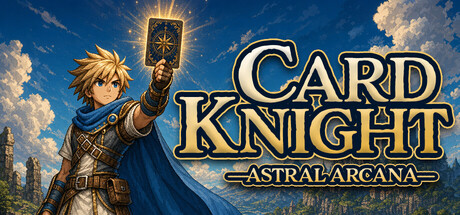
In order to realize my childhood dream of building this game, I have leveraged AI in every step of the development process, augmenting my capabilities as an engineer and visual designer by having AI generate some of the sprites, music, sound effects, voices, and code used to build this game.
I pledge that if Card Knight: Astral Arcana is successful, the sequel title will be brought to life by a team of human artists, composers, and programmers.
Generative AI was used during parts of the production process for the game’s graphics, music, and narrative content.
AI-generated outputs were edited, revised, and restructured by the developer and were not used in the game without modification.
The final gameplay experience, narrative structure, character portrayal, and presentation were designed, curated, and supervised by the developer.
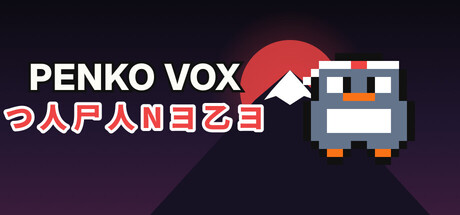
Penko Vox: Japanese uses local generative AI to power its immersive language learning experience. An integrated Large Language Model (LLM) acts as a native Japanese tutor, generating real-time dialogue based on user input, while a Neural Text-to-Speech (TTS) engine synthesizes high-fidelity Japanese audio for listening practice.
Generative artificial intelligence has been used to create and assist with pre-rendered graphic assets included in the final product. Specifically, it was employed to generate loading screen illustrations, the cover art design (acting as a filter), and sprites for certain enemies and minor environmental elements. All content was reviewed, edited, and statically packaged prior to distribution and use in the game.
Generative AI tools were used throughout development to assist in creating and refining game code, 2D artwork, UI assets, audio, music, and written content, and Steam promotional materials. All AI-assisted content included in the released product is selected, reviewed, integrated, and tested by the developer. The game does not use generative AI at runtime and does not generate content or code during gameplay.
The characters in Conversation Simulator are played live by an AI language model that runs entirely on your computer — no cloud AI service is involved. All character dialogue and end-of-session feedback is generated locally during play. A built-in safety policy that cannot be disabled keeps generated content within a PG/PG-13 boundary: no sexual content, no content involving minors, no impersonation of real people, no voice cloning, and no claims to be a real therapist, doctor, or lawyer. Self-harm and crisis topics are intercepted and answered with a resource message instead of AI-generated content.
This is a text-based game; the illustrative background images were created using a combination of AI technology and Photoshop, the character sprites were hand-drawn and colored using AI, and the music was composed and produced using AI tools.
After the creation of assets by an artist, the team used gen AI to generate backdrops for assets, and general backgrounds.
Gen AI was used to amalgamate artist created assets into grouped assets. E.g. the aliens which were created by the artist are then rendered together by AI for a promotional image.
This means only the back scape mainly promotional artwork and character backgrounds were generated by AI.
This game includes pre-generated AI-assisted visual/audio/text assets that were selected, edited, and integrated by the developer. The game does not use live-generated AI during play.
Pre-generated visual assets and localized text were created with the assistance of generative tools, then reviewed, edited, and integrated by the developer. The game does not generate content during gameplay.
TrueClash uses generative AI as part of its art workflow: character art and backgrounds are initially generated with AI tools, then manually reviewed, edited, and refined by our team in order to maintain the game's consistent visual style.
AI tools were also used to assist with translation and as a development aid for coding.
Some of the licensed music tracks featured in the game may have been created with AI assistance by their respective artists.
To create realistic interrogation scenarios in this detective game, this game packages a local, offline LLM to serve as the brain of the NPC suspects. This allows the user to lead the investigation however they like. Generative AI was NOT used to create this game, but an LLM is featured as a main game mechanic in the form of freeform NPC conversation.
The development of Memento made use of generative AI tools across several stages of production. Cutscenes are created using AI-based video generation tools. Graphic elements such as environments, characters, and card illustrations were created or refined with the help of generative AI tools. Parts of the soundtrack and text were also produced with AI assistance. All content was manually selected, edited, and integrated by the developer.
Some in-game radio/music tracks may be created with generative AI tools. These tracks are selected, reviewed and integrated manually by the development team. No live AI generation is used during gameplay.
Pre-rendered AI imagery was used to create some background looping elements, for example an in-game TV screen. All other artwork, narrative and character art and animation is created by hand.
It was found that some character art pieces in the game used AI references after artists received explicit instruction and legal binding not to use AI.
This will be rectified in the future. I am committed to providing a game without AI usage.
The game logo was created with the assistance of generative AI and edited by the developer. AI was also used to assist with localization translations for other languages, which were reviewed and edited by the developer. No live-generated AI content is used during gameplay.
Generative AI tools were used to assist in the creation of selected promotional and store artwork. During gameplay, players can also optionally use generative AI to create custom word sets and hints.
All content in this game was created by a single developer using generative AI tools, under full human supervision.
The scenario and script were written by the developer (writing assistance: Claude). All theme song lyrics were written by the developer. Backgrounds, character sprites, the logo, and the OP/ED movies were generated with Leonardo AI, based on the developer's own character designs, compositions, and art direction. The music and theme songs were produced with Suno AI. All voice acting was generated with ElevenLabs; every line in all three languages (Japanese, English, and Simplified Chinese, approx. 1,900 lines each) was individually reviewed by the developer for pronunciation, acting, and emotional delivery, and only approved takes were used. Localization was assisted by Claude Code, with every translation reviewed by the developer. Programming was assisted by Claude Code.
The store page and marketing assets (capsule images, logo, trailers, etc.) were likewise created with Leonardo AI (imagery) and Suno AI (music). Screenshots and trailer footage are captures of the actual game (the game itself contains the AI-generated assets described above).
Every AI-generated asset was reviewed, selected, and corrected by the developer before use. No content is generated by AI at runtime. A breakdown of tools by production stage is included in the end credits.
Generative AI was used to create artwork for the title screen, lobby background, and some UI decorations. The generated images were selected, edited, and sliced by the development team before being integrated into the game. Generative AI was also used to assist with drafting and editing some mini-game prompts. The game does not use generative AI at runtime and does not connect to external AI services during play.
As this is a solo-developed project, I have utilized generative AI assistants for the writing, debugging, and structuring of the game's programming code.
Additionally, AI has been used in a very minor and complementary capacity for some secondary environmental visual elements. The vast majority of the core artistic assets, art direction, game design, 3D modeling, and overall experience have been entirely hand-crafted and assembled.
The AI model has been fine-tuned with multiple safety measures — including prompt restrictions, keyword filtering, and compliance safeguards — to ensure all generated content remains appropriate.
If you encounter any inappropriate or non-compliant content during gameplay, please report it to our support team, and we will promptly review and make the necessary adjustments.
Thank you for your understanding!
The game includes pre-generated visual and audio assets created with the assistance of generative AI tools. These include character artwork, environmental backgrounds, music, and singing vocals. All lyrics were written entirely by the developer without the use of generative AI, while the music and vocals were created through a collaborative process involving human creative direction and generative AI tools. All AI-assisted outputs were reviewed, selected, edited, and integrated by the developer. The game does not generate content during gameplay and does not send player input to any AI service.
The visual art assets in this game — including character and enemy portraits, item icons, environment/scene artwork, UI elements, the game icon, and the store/library capsule images — were created with the help of generative AI image tools during development. All of this content was manually reviewed, curated, and edited by the team. The game does not use generative AI in real time during gameplay.
AI tools were used to create pre-rendered assets during development, including background illustrations, item images, some video cutscenes, and background music. All AI-generated content was curated, edited, and integrated by the developer. The game does not generate any content at runtime (no live-generated AI content).
This game uses generative artificial intelligence (Midjourney) as a supporting tool in the production of some of its artwork and illustrations. All AI-generated content is selected, edited, and art-directed by the development team, which defines composition, style, and visual coherence before it is integrated into the game.
Generative AI tools were used during the production of the game as creative and technical support. This applies only to content prepared in advance during development.
AI was used in several areas, including:
Artwork and promotional materials — generating base images, character concepts, interface concepts, reference images, and materials later used as a foundation for manual editing or further production.
3D models — some models are created with the help of AI tools and an image-to-3D workflow, then selected, adjusted, and integrated into the game.
Voice acting — character voices are created using AI-based voice synthesis.
Code and production tools — AI assistants support coding, code analysis, refactoring, and optimization.
Design consultation — AI tools are used as support for analyzing ideas, designing interfaces, refining descriptions, and planning game systems.
The main concept of the game, story structure, quest dependencies, world direction, and dialogue content are created and supervised by the game’s author. Content created with the help of AI is selected, edited, and implemented manually.
The game does not contain AI-generated content created in real time during gameplay.
This game used AI tools to assist in generating some visual assets and code. All AI-generated content has been manually reviewed and edited by the developer to ensure quality.
In the development of Project Deep Nexus, AI was utilized for several key components. This includes creating character and background artworks, as well as generating some music tracks. While the developer curated the plot and narrative, AI assisted in the process.
Some 2D character illustrations, backgrounds, and UI elements in this game were created with the help of generative AI tools during development, and then manually edited, refined, and reviewed by the developer.
During the development of this game, we used generative AI tools to assist with creating some background visuals and drafting initial narrative texts. All AI-generated content has been manually reviewed, edited, and adapted by our team to ensure it meets our quality standards and fits the game's creative vision. We take full responsibility for all final content presented in the game
Generative AI tools were used during development for photos and videos of characters, as well as for development support such as code suggestions and iteration.
All AI-assisted assets and code are fixed, reviewed, and integrated by the developer prior to release. The game does not use generative AI to produce live or dynamic content, text, images, audio, or code during gameplay.
Some store page text, marketing copy, and promotional planning materials for Black File were created with assistance from generative AI tools and reviewed, edited, and approved by the development team before publication. The game does not use generative AI to create content during gameplay.
The art, music, and writing in this game were created with AI tools during development, directed by the developer through written prompts. The development process is documented publicly, prompt by prompt. The shipped game contains no live or runtime AI generation — the in-game assistant “Aya” is a hand-authored, deterministic simulation, and the game makes no network or model calls during play.
This game includes pre-generated content made with the assistance of generative AI tools during development. AI tools were used to help create and iterate some static story illustrations, character and store-art references, voice and sound-effect materials, texture details, copy polishing, and localization drafts. All such content is selected, edited, assembled, and manually reviewed by the developer before shipping. The game does not connect to a live generative AI service during play and does not generate new player-facing AI content at runtime.
Generative AI tools were used during development to assist in the creation of some pre-generated visual assets, character voices, translations, and promotional materials. All AI-assisted content was reviewed, edited, and curated by the developer. The game does not generate AI content in real time during gameplay.
Some art assets, textures, and sound effects are created with the assistance of AI tools, then curated and edited by the developer. All game design, gameplay systems, code architecture, physics simulation, and mission design are human-made. No AI-generated content is created at runtime.
As a solo developer with a limited budget, I use AI tools to help produce some assets and sounds. This lets me keep my time focused where a solo dev's hours matter most — the core gameplay, the physics simulation, and mission design — while still delivering production quality that would normally require an extended team. Every AI-assisted asset is curated, edited, and integrated by hand.
In order to realize my childhood dream of building this game, I have leveraged AI in every step of the development process, augmenting my capabilities as an engineer and visual designer by having AI generate some of the sprites, music, sound effects, voices, and code used to build this game.
I pledge that if Card Knight: Astral Arcana is successful, the sequel title will be brought to life by a team of human artists, composers, and programmers.
Generative AI was used during parts of the production process for the game’s graphics, music, and narrative content.
AI-generated outputs were edited, revised, and restructured by the developer and were not used in the game without modification.
The final gameplay experience, narrative structure, character portrayal, and presentation were designed, curated, and supervised by the developer.
Penko Vox: Japanese uses local generative AI to power its immersive language learning experience. An integrated Large Language Model (LLM) acts as a native Japanese tutor, generating real-time dialogue based on user input, while a Neural Text-to-Speech (TTS) engine synthesizes high-fidelity Japanese audio for listening practice.
Generative artificial intelligence has been used to create and assist with pre-rendered graphic assets included in the final product. Specifically, it was employed to generate loading screen illustrations, the cover art design (acting as a filter), and sprites for certain enemies and minor environmental elements. All content was reviewed, edited, and statically packaged prior to distribution and use in the game.