








Disclosure
AI tools are used during development strictly to help optimize and debug code.
- Creator
- Batuhan Çağdaş
- Reviews
- -
- Added
- Aug 28, 2026
Public Steam disclosure research 25,376 disclosures tracked
Search developers’ Steam disclosures, compare classified AI use across games, and follow recorded changes. This index adds cross-game classifications and statistics to statements published on individual store pages.
Code help, debugging and other development work.
Capsule art, trailers and promotional material.
Pre-made art, audio, writing and other game assets.
Interactive or runtime AI features disclosed by the developer.
Groups reflect automatic analysis of public disclosures; mature records are excluded. These counts do not measure AI use across all of Steam. Missing or unclear statements cannot establish whether a game uses AI.
AI tools are used during development strictly to help optimize and debug code.
Some of the artwork in Scoundrel: The Descent, including the illustrated card art and background images, was created with the help of generative AI tools and then reviewed and edited by hand. No AI-generated content is produced while you play. If you would rather not see it, Settings includes a "No AI art" option that hides the card illustrations and shows only suit, rank, and frame.
There is some art work and pictures in the game that uses generative AI, not much though, also does not really affect the game play.
Generative AI was used to create portions of the promotional trailer. The game itself does not contain AI-generated 3D assets; its 3D assets are commercially licensed assets.
The vast majority of Dominar Sanctum has been created and developed without generative AI. Generative AI has only been used selectively for a small number of 2D icons, slide narration and a narrative voiceover, primarily for early prototyping and development. Even those icons have been manually reworked. These few AI-assisted assets are not representative of the game's overall art, design, programming, or development process. They may be replaced or further refined before the full release.
Text localization
Artificial intelligence was used to create the game's cover.
Placeholder art assets for the demo are ai-generated, but will be replaced with human art at the earliest reasonable opportunity.
Most of the game’s art, music, and other audiovisual assets were first generated with AI tools, then hand-picked, cropped, retouched, and reworked by the developer so they fit this game’s look, feel, and systems. Nothing is generated by AI while you play. Combat, cooking, exploration, and story presentation use only content that shipped with the game after that human edit pass.
Generative AI was used during development as a coding assistant and to assist with drafting and translating store-page and marketing text. Some pixel-art assets were rendered by deterministic drawing code written with AI assistance; the final images were not directly output by a text-to-image or diffusion model. All shipped and published content was reviewed and edited by the developer. No generative AI runs in the game, and no content is generated from player input.
This game was developed with the assistance of generative AI tools. Some graphical assets were created using AI and then reviewed, edited, and integrated by the developer. AI tools were also used to assist with writing code. All game design, gameplay mechanics, and final content decisions were made by the developer. The game does not generate AI content at runtime.
AI was used for inspiration in logos and lore refinement.
Ashen Wild was created almost exclusively with AI tools to generate the code and graphics, VFX, sound etc. The store page, website and other marketing materials were created using AI.
AI is used only for translation.
AI-assisted tools were used during the development of DarkDice in the following ways: Code development — AI coding assistants helped write and refactor portions of the game's codebase. Text editing — AI tools were used to proofread, polish, and tighten narrative and UI copy. Localization & Editing — AI is used to assist with the translation, text expansion, polishing, and style adjustment of game text between English and Chinese (Traditional/Simplified). Image generation — Some visual assets (case artwork, promotional images) were created using AI image-generation tools. No content is generated in real time during gameplay — every case is a fixed, pre-authored story; nothing changes between playthroughs.
Some of this game's art and audio assets were created using generative AI tools, from the studio's own prompts and under our tool licenses, then curated and edited by the team. All game code and text were written by hand.
Use of AI-generated content: solely for visual design. Most of the visuals were created using a generative artificial intelligence.
Some 2D artwork (key art, item icons, and UI art) was created using generative-AI tools, with human selection and editing.
As a solo developer, AI has been a big help in making the development of this game more efficient by assisting in, but not be the sole performer of: testing, performing repetitive and some programming tasks, brainstorming and discussions, translations and some design.
Some of the game's graphical assets are optimised with AI technology.
I use AI for translating.
Generative AI was used during development to create initial visual concepts and source imagery. These images were then substantially edited, redrawn, and altered by the developer before being included in the final game.
Characters and environments are human‑created. Some cutscenes, special effects and icons use AI-generated assets.
Artwork, music and parts of the text were created with AI tools and individually curated, refined and hand-fitted into the game by the developer. No AI content is generated at runtime.
The Rumble Pit is made by one person, and generative AI tools were part of how it was built. Music: the tracks you hear in the menus and in the twelve dungeons were generated with a local AI music model, from a written brief for each place, then cut, looped and mixed by hand. 2D art: the interface icons, the class and specialisation emblems, the dungeon thumbnails, the illustrated boss backdrops and the logo were produced with image generation tools, then cropped, cleaned up and colour-matched by hand. Text and code: much of the in-game text — talent names and descriptions, loot labels, boss briefings, the translation tables — and part of the source code were drafted with an AI assistant, then edited, tested and rewritten by hand. Not AI-generated: the 3D models and animations (licensed art packs), and the sound effects (CC0 libraries). Nothing is generated while you play. The game connects to no AI service and produces no new content at runtime — everything ships as a fixed file, checked before release.
Generative AI was used to create portions of music, icon art, and some textures.
AI was utilized as a supplementary tool for the creation of some art and promotional imagery. The core game experience is entirely hand-crafted using the Godot engine with original and licensed assets. All AI-generated marketing materials underwent human curation and post-processing to ensure visual consistency with the actual gameplay and compliance with platform guidelines.
Some of the visual assets in Champions of Thaloria were created with the help of generative AI tools during development. This includes parts of the store page artwork and trailer, along with a portion of the in-game 2D art such as item icons, avatar frames and class emblems. Every AI-assisted asset was selected, edited and assembled by hand before it went into the game, and all of it was reviewed by the developer. The game does not generate anything while you play. No content is created at runtime and no AI service is contacted during gameplay — everything ships with the game.
Art, textures, and sounds use both human work and AI generation.
This game uses generative AI as part of its development process. AI-assisted tools were used to help create and refine some visual assets, UI elements, icons, text drafts, and localization drafts. These materials were reviewed, edited, and integrated by the developer before being included in the game. The game does not generate new AI content in real time during gameplay. All content shown to players is pre-made, reviewed, and included as part of the game build.
This game uses generative AI tools in parts of its production. - Some 3D models: generated with AI tools as a base. Shape edits, UV unwrapping, texturing, rigging, animation and facial setup are done by the developer. - Some image assets such as textures: generated with AI tools, then applied and adjusted by the developer. - English text: machine-translated from the Japanese original and reviewed by the developer. Game design, systems, and gameplay tuning are all done by the developer.
Generative AI tools were used to assist in creating certain pre-rendered 2D assets, including achievement icons. These assets are static, were manually reviewed and edited before inclusion, and do not involve any live generation during gameplay. The game does not send player information to generative AI services.
AI tools were utilized to assist with testing processes and to generate localized store page descriptions.
This product uses generative AI extensively during development. Pre-generated AI-assisted content includes images, story text, code, music, and other game materials. All such content was reviewed, edited, and integrated by the developer before inclusion in the game and store materials. No live-generated AI content is used during gameplay, and the game does not connect to external AI services while running.
The game's code, in-game text (Korean and English), localization, and store page text were created with the assistance of AI tools (Anthropic Claude), under human direction and review. Pixel artwork and audio are produced by procedural generation scripts that were also written with AI assistance. No content is generated by AI at runtime.
Generative AI tools were used during development to create and assist with many of the game's visual assets, including character artwork, card illustrations, backgrounds, and UI elements. These assets were generated during development and are included in the game as pre-generated, static content. The game does not use generative AI to create content during gameplay.
Some of the image is generated by AI
Development used generative tools to assist with pre-generated pixel-art characters, environments, UI, effects and reference images (PixelLab and OpenAI image generation); pre-generated sound effects and voices (ElevenLabs); pre-generated music (Stable Audio); and portions of game code, tests and documentation (OpenAI Codex, Claude Code). Outputs were selected, edited, integrated and tested by the developer. The shipped game does not generate AI content at runtime and does not send player prompts to an AI service.
Generative AI tools were used during development to assist with selected pre-generated visual assets, promotional and store-page materials, and localization/text. All AI-assisted content was reviewed, edited, curated, and approved by the developer before inclusion. No generative AI is used during gameplay, and the game does not connect to external AI services while running.
Generating UI Images Used for program development
Selected visual assets and music tracks were created using generative AI tools as part of the production process. All AI-generated material was reviewed, curated, and integrated by the developer to ensure consistency with the game’s creative direction. No AI-generated content is produced during gameplay.
Generative sounds and pixel art effects.
Generative AI has been used to assist in the creation of certain promotional artwork and visual assets. AI tools have also been used during development to assist with programming, documentation, and iteration. All generated content has been reviewed, integrated, and validated by the developer before being included in the final product.
The visual art in Gearbound is made with PixelLab, an AI pixel-art tool. Every sprite, animation, tileset, background, prop, interface element and piece of marketing art was generated with PixelLab and then directed, edited and assembled by us. The music and sound effects are rendered by synthesis scripts that were written with AI assistance. No generative audio model was used, and nothing was sourced from a music-generation service. Nothing is generated by AI while you play. Every asset is finished and baked into the build before it ships, and the game makes no AI calls at runtime.
Generative AI was used for: - The game's logo and Steam store capsule artwork (image generation) - Translation of in-game text into Turkish, German, French and Spanish -AI-generated images were reviewed and edited before use.
We used AI tools to assist in drafting and refining parts of the game's store description and promotional texts
Some promotional materials for this game — including portions of the trailer and key art — were created with the assistance of generative AI tools. All such content is pre-generated, reviewed, and edited by the developer before publication. The game itself does not generate any content with AI at runtime.
Generative AI assisted selected pre-rendered visual assets, all reviewed by the developer. No AI content is generated during gameplay.
Generative AI is used in this game for localization. Text plays a supporting role here: the game has no story, dialogue or voice acting. Its text is limited to interface labels, node names and short stat descriptions, while the gameplay itself runs on numbers and visual language.
Generative AI tools were used during development to create and refine the promotional capsule art, library graphics, and marketing assets for the store page. The game itself does not contain or generate any AI content during gameplay.
| Title⇅ | Disclosure | Creator⇅ | Src | Reviews⇅ | Added↓ |
|---|---|---|---|---|---|
 Nightmare Company Dev only code | AI tools are used during development strictly to help optimize and debug code. | Batuhan Çağdaş | - | Aug 28, 2026 | |
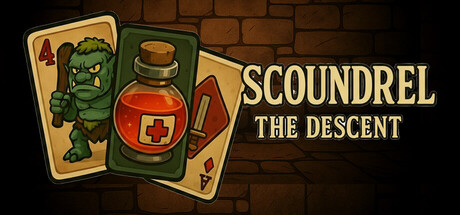 Scoundrel: The Descent In-game content art | Some of the artwork in Scoundrel: The Descent, including the illustrated card art and background images, was created with the help of generative AI tools and then reviewed and edited by hand. No AI-generated content is produced while you play. If you would rather not see it, Settings includes a "No AI art" option that hides the card illustrations and shows only suit, rank, and frame. | BetterSIM LLC | - | Aug 28, 2026 | |
 429 In-game content art | There is some art work and pictures in the game that uses generative AI, not much though, also does not really affect the game play. | ScreamingPie | - | Aug 28, 2026 | |
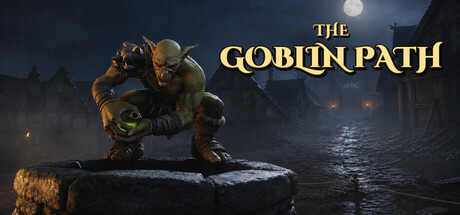 The Goblin Path Store/marketing art | Generative AI was used to create portions of the promotional trailer. The game itself does not contain AI-generated 3D assets; its 3D assets are commercially licensed assets. | muhohum | - | Aug 27, 2026 | |
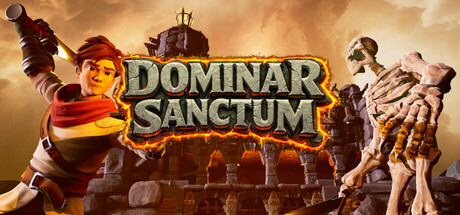 Dominar Sanctum In-game content arttextaudio | The vast majority of Dominar Sanctum has been created and developed without generative AI. Generative AI has only been used selectively for a small number of 2D icons, slide narration and a narrative voiceover, primarily for early prototyping and development. Even those icons have been manually reworked.
These few AI-assisted assets are not representative of the game's overall art, design, programming, or development process. They may be replaced or further refined before the full release. | Florisworlds GmbH | - | Aug 27, 2026 | |
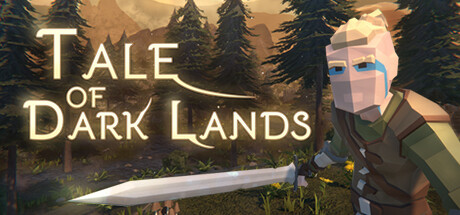 Tale of Dark Lands In-game content text | Text localization | Satur Entertainment | 35 | Aug 27, 2026 | |
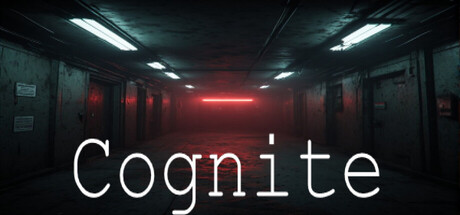 Cognite Store/marketing art | Artificial intelligence was used to create the game's cover. | Frosted Wings Studio | - | Aug 26, 2026 | |
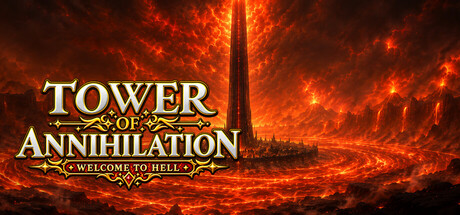 Tower of Annihilation: Welcome to Hell In-game content art | Placeholder art assets for the demo are ai-generated, but will be replaced with human art at the earliest reasonable opportunity. | Aaron Clark | - | Aug 26, 2026 | |
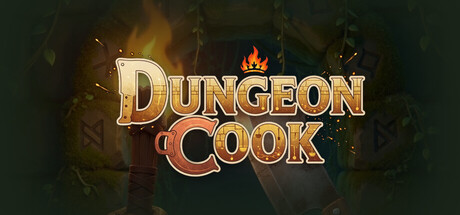 Dungeon Cook In-game content artaudio | Most of the game’s art, music, and other audiovisual assets were first generated with AI tools, then hand-picked, cropped, retouched, and reworked by the developer so they fit this game’s look, feel, and systems.
Nothing is generated by AI while you play. Combat, cooking, exploration, and story presentation use only content that shipped with the game after that human edit pass. | MY AR UNIPESSOAL LDA. | - | Aug 26, 2026 | |
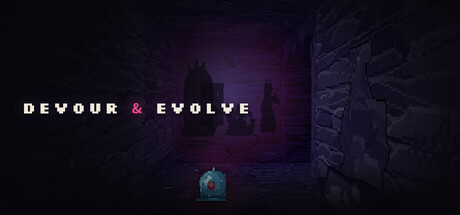 Devour & Evolve Dev only textcode | Generative AI was used during development as a coding assistant and to assist with drafting and translating store-page and marketing text. Some pixel-art assets were rendered by deterministic drawing code written with AI assistance; the final images were not directly output by a text-to-image or diffusion model. All shipped and published content was reviewed and edited by the developer. No generative AI runs in the game, and no content is generated from player input. | sasoriken-games | - | Aug 26, 2026 | |
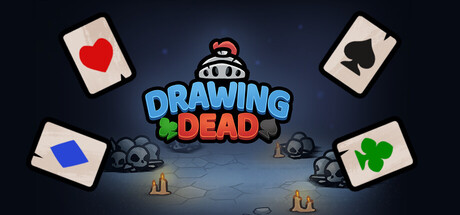 Drawing Dead In-game content artcode | This game was developed with the assistance of generative AI tools. Some graphical assets were created using AI and then reviewed, edited, and integrated by the developer. AI tools were also used to assist with writing code. All game design, gameplay mechanics, and final content decisions were made by the developer. The game does not generate AI content at runtime. | TuttiTeam | - | Aug 26, 2026 | |
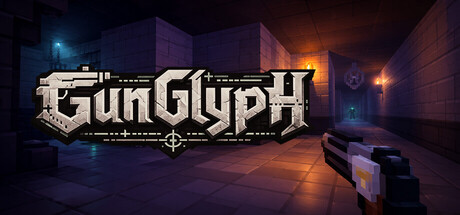 GunGlyph Unclear arttext | AI was used for inspiration in logos and lore refinement. | Aspect Digital Software Ltd | - | Aug 26, 2026 | |
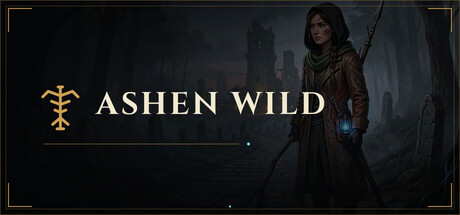 Ashen Wild In-game content artaudiocode | Ashen Wild was created almost exclusively with AI tools to generate the code and graphics, VFX, sound etc. The store page, website and other marketing materials were created using AI. | Game Genius Studio | - | Aug 26, 2026 | |
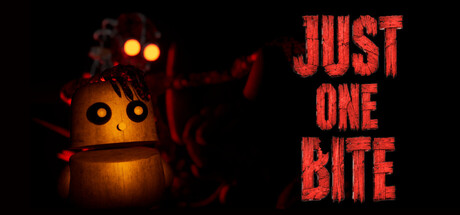 Just One Bite In-game content text | AI is used only for translation. | Opus Nine | - | Aug 26, 2026 | |
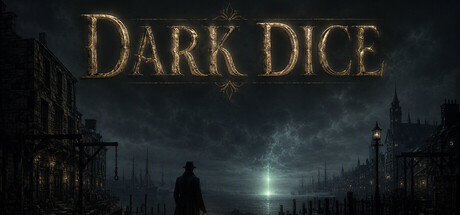 Dark Dice: Cthulhu Investigation Log In-game content arttextcode | AI-assisted tools were used during the development of DarkDice in the following ways:
Code development — AI coding assistants helped write and refactor portions of the game's codebase.
Text editing — AI tools were used to proofread, polish, and tighten narrative and UI copy.
Localization & Editing — AI is used to assist with the translation, text expansion, polishing, and style adjustment of game text between English and Chinese (Traditional/Simplified).
Image generation — Some visual assets (case artwork, promotional images) were created using AI image-generation tools.
No content is generated in real time during gameplay — every case is a fixed, pre-authored story; nothing changes between playthroughs. | Selig Interactive | - | Aug 25, 2026 | |
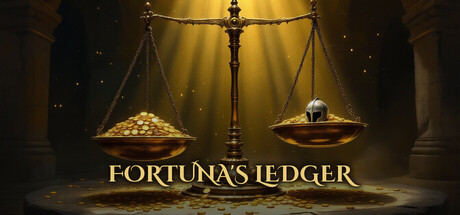 Fortuna's Ledger In-game content artaudio | Some of this game's art and audio assets were created using generative AI tools, from the studio's own prompts and under our tool licenses, then curated and edited by the team. All game code and text were written by hand. | Meridian Studios | - | Aug 25, 2026 | |
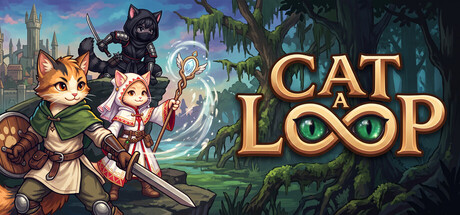 Cat a Loop In-game content art | Use of AI-generated content: solely for visual design. Most of the visuals were created using a generative artificial intelligence. | Kitten Purradise Studios | - | Aug 25, 2026 | |
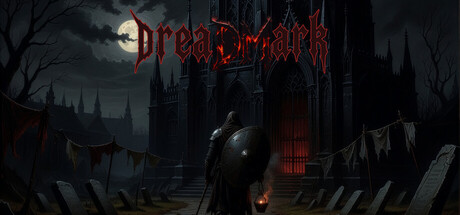 Dreadmark In-game content art | Some 2D artwork (key art, item icons, and UI art) was created using generative-AI tools, with human selection and editing. | Agentas | - | Aug 25, 2026 | |
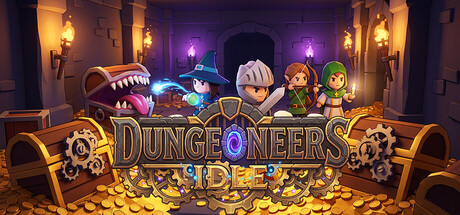 Dungeoneers Idle | As a solo developer, AI has been a big help in making the development of this game more efficient by assisting in, but not be the sole performer of: testing, performing repetitive and some programming tasks, brainstorming and discussions, translations and some design. | VindR Games | - | Aug 25, 2026 | |
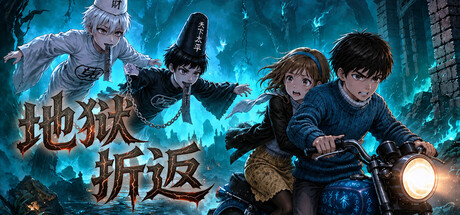 The Infernal Return In-game content art | Some of the game's graphical assets are optimised with AI technology. | Knifish Games | - | Aug 25, 2026 | |
 Endless Canvas Unclear text | I use AI for translating. | YSENStudio | - | Aug 24, 2026 | |
 Pawn of the Pit In-game content art | Generative AI was used during development to create initial visual concepts and source imagery. These images were then substantially edited, redrawn, and altered by the developer before being included in the final game. | ArdenGames | - | Aug 24, 2026 | |
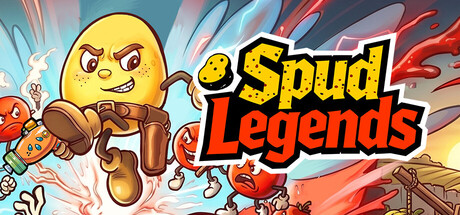 Spud Legends In-game content art | Characters and environments are human‑created. Some cutscenes, special effects and icons use AI-generated assets. | Beijing Gaishi Potato Technology Co., Ltd | - | Aug 23, 2026 | |
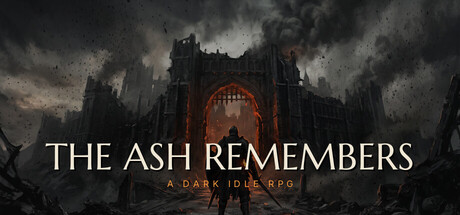 The Ash Remembers In-game content artaudiotext | Artwork, music and parts of the text were created with AI tools and individually curated, refined and hand-fitted into the game by the developer. No AI content is generated at runtime. | Veyr Works | - | Aug 22, 2026 | |
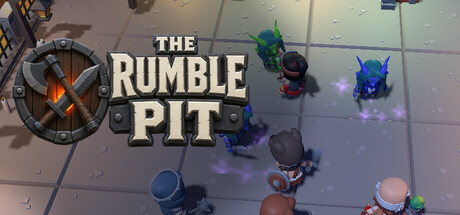 The Rumble Pit In-game content arttextaudiocode | The Rumble Pit is made by one person, and generative AI tools were part of how it was built.
Music: the tracks you hear in the menus and in the twelve dungeons were generated with a local AI music model, from a written brief for each place, then cut, looped and mixed by hand.
2D art: the interface icons, the class and specialisation emblems, the dungeon thumbnails, the illustrated boss backdrops and the logo were produced with image generation tools, then cropped, cleaned up and colour-matched by hand.
Text and code: much of the in-game text — talent names and descriptions, loot labels, boss briefings, the translation tables — and part of the source code were drafted with an AI assistant, then edited, tested and rewritten by hand.
Not AI-generated: the 3D models and animations (licensed art packs), and the sound effects (CC0 libraries).
Nothing is generated while you play. The game connects to no AI service and produces no new content at runtime — everything ships as a fixed file, checked before release. | Elliott Faucheux | - | Aug 22, 2026 | |
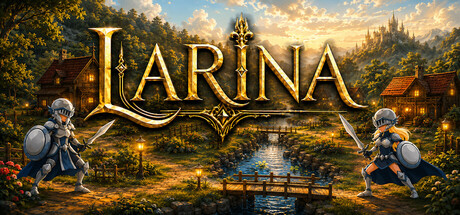 Larina In-game content audioart | Generative AI was used to create portions of music, icon art, and some textures. | Stefan Pulfer | - | Aug 22, 2026 | |
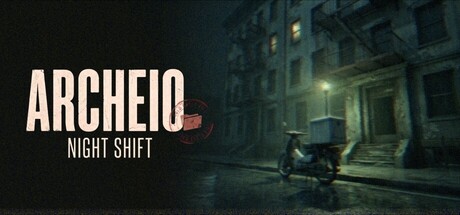 ARCHEIO: Night Shift In-game content art | AI was utilized as a supplementary tool for the creation of some art and promotional imagery. The core game experience is entirely hand-crafted using the Godot engine with original and licensed assets. All AI-generated marketing materials underwent human curation and post-processing to ensure visual consistency with the actual gameplay and compliance with platform guidelines. | IonianCore | - | Aug 22, 2026 | |
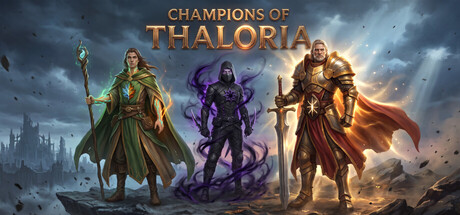 Champions Of Thaloria In-game content art | Some of the visual assets in Champions of Thaloria were created with the help
of generative AI tools during development. This includes parts of the store
page artwork and trailer, along with a portion of the in-game 2D art such as
item icons, avatar frames and class emblems.
Every AI-assisted asset was selected, edited and assembled by hand before it
went into the game, and all of it was reviewed by the developer.
The game does not generate anything while you play. No content is created at
runtime and no AI service is contacted during gameplay — everything ships
with the game. | Clive Production | - | Aug 22, 2026 | |
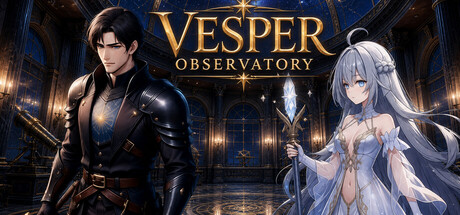 Vesper Observatory In-game content artaudio | Art, textures, and sounds use both human work and AI generation. | Vesper Stellar Games | - | Aug 22, 2026 | |
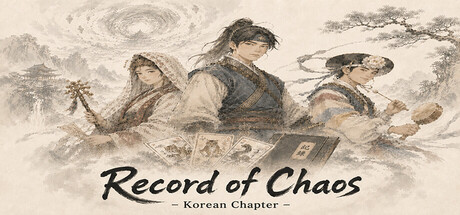 혼돈의 기록 -한국편- In-game content arttext | This game uses generative AI as part of its development process.
AI-assisted tools were used to help create and refine some visual assets, UI elements, icons, text drafts, and localization drafts. These materials were reviewed, edited, and integrated by the developer before being included in the game.
The game does not generate new AI content in real time during gameplay. All content shown to players is pre-made, reviewed, and included as part of the game build. | Sixstone Games | - | Aug 22, 2026 | |
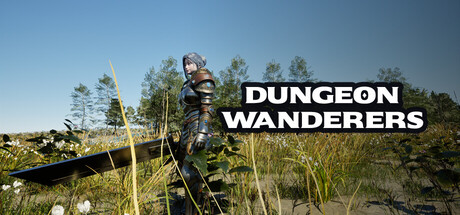 Dungeon Wanderers In-game content arttext | This game uses generative AI tools in parts of its production.
- Some 3D models: generated with AI tools as a base. Shape edits, UV unwrapping, texturing, rigging, animation and facial setup are done by the developer.
- Some image assets such as textures: generated with AI tools, then applied and adjusted by the developer.
- English text: machine-translated from the Japanese original and reviewed by the developer.
Game design, systems, and gameplay tuning are all done by the developer. | Yamakraft | - | Aug 22, 2026 | |
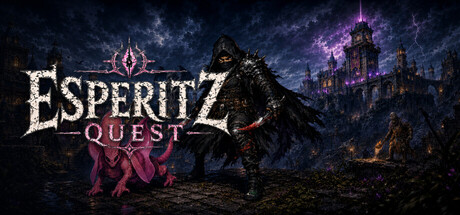 Esperitz Quest In-game content art | Generative AI tools were used to assist in creating certain pre-rendered 2D assets, including achievement icons. These assets are static, were manually reviewed and edited before inclusion, and do not involve any live generation during gameplay. The game does not send player information to generative AI services. | LoboCor Systems | - | Aug 22, 2026 | |
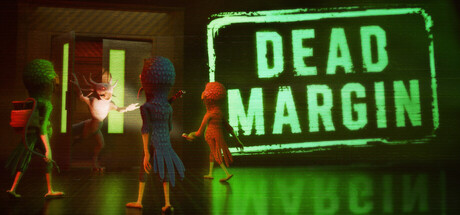 Dead Margin Store/marketing text | AI tools were utilized to assist with testing processes and to generate localized store page descriptions. | Bug Production | - | Aug 22, 2026 | |
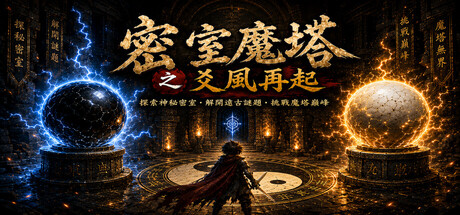 密室魔塔之爻風再起 In-game content arttextcodeaudio | This product uses generative AI extensively during development. Pre-generated AI-assisted content includes images, story text, code, music, and other game materials. All such content was reviewed, edited, and integrated by the developer before inclusion in the game and store materials. No live-generated AI content is used during gameplay, and the game does not connect to external AI services while running. | 玠子工作室 | - | Aug 22, 2026 | |
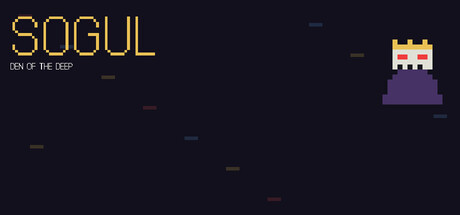 SOGUL: Den of the Deep In-game content arttextcode | The game's code, in-game text (Korean and English), localization, and store page text were created with the assistance of AI tools (Anthropic Claude), under human direction and review. Pixel artwork and audio are produced by procedural generation scripts that were also written with AI assistance. No content is generated by AI at runtime. | SoThanks Games | - | Aug 20, 2026 | |
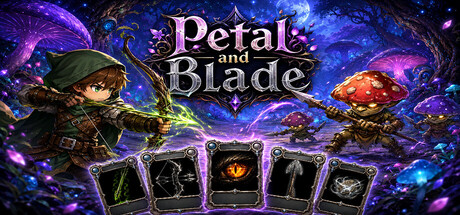 Petal and Blade In-game content art | Generative AI tools were used during development to create and assist with many of the game's visual assets, including character artwork, card illustrations, backgrounds, and UI elements. These assets were generated during development and are included in the game as pre-generated, static content. The game does not use generative AI to create content during gameplay. | Murat Akdogan | - | Aug 20, 2026 | |
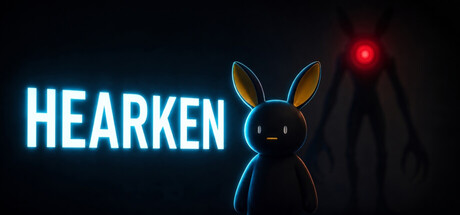 HEARKEN Unclear art | Some of the image is generated by AI | Alichal | - | Aug 20, 2026 | |
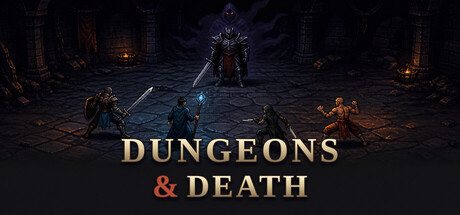 Dungeons & Death In-game content artaudiocode | Development used generative tools to assist with pre-generated pixel-art characters, environments, UI, effects and reference images (PixelLab and OpenAI image generation); pre-generated sound effects and voices (ElevenLabs); pre-generated music (Stable Audio); and portions of game code, tests and documentation (OpenAI Codex, Claude Code). Outputs were selected, edited, integrated and tested by the developer. The shipped game does not generate AI content at runtime and does not send player prompts to an AI service. | RatSlayerGames | - | Aug 20, 2026 | |
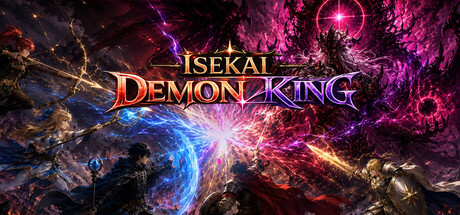 Isekai: Demon King In-game content arttext | Generative AI tools were used during development to assist with selected pre-generated visual assets, promotional and store-page materials, and localization/text. All AI-assisted content was reviewed, edited, curated, and approved by the developer before inclusion. No generative AI is used during gameplay, and the game does not connect to external AI services while running. | Jose Alonso Ugaz Diaz | - | Aug 20, 2026 | |
 Calc and Beat Dev only art | Generating UI Images
Used for program development | zakku3 | - | Aug 20, 2026 | |
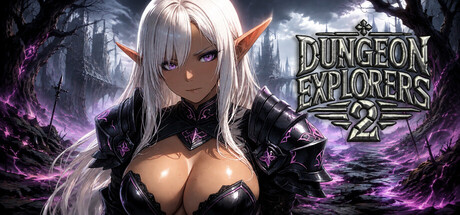 Dungeon Explorers 2 In-game content artaudio | Selected visual assets and music tracks were created using generative AI tools as part of the production process. All AI-generated material was reviewed, curated, and integrated by the developer to ensure consistency with the game’s creative direction. No AI-generated content is produced during gameplay. | C.M.Cas Games | - | Aug 20, 2026 | |
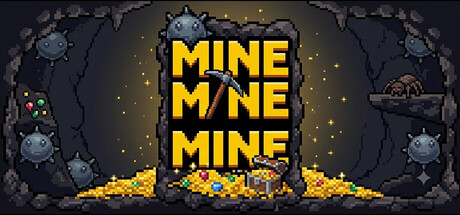 Mine Mine Mine Unclear audioart | Generative sounds and pixel art effects. | TEN Games | - | Aug 20, 2026 | |
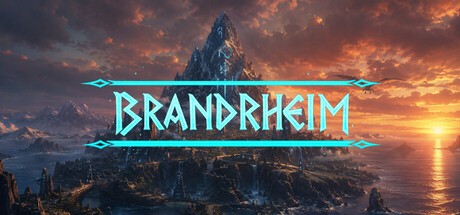 Brandrheim Store/marketing artcode | Generative AI has been used to assist in the creation of certain promotional artwork and visual assets. AI tools have also been used during development to assist with programming, documentation, and iteration. All generated content has been reviewed, integrated, and validated by the developer before being included in the final product. | Brandrheim Studios | - | Aug 20, 2026 | |
 Gearbound In-game content artaudio | The visual art in Gearbound is made with PixelLab, an AI pixel-art tool. Every sprite, animation, tileset, background, prop, interface element and piece of marketing art was generated with PixelLab and then directed, edited and assembled by us.
The music and sound effects are rendered by synthesis scripts that were written with AI assistance. No generative audio model was used, and nothing was sourced from a music-generation service.
Nothing is generated by AI while you play. Every asset is finished and baked into the build before it ships, and the game makes no AI calls at runtime. | Osaka Rock | - | Aug 19, 2026 | |
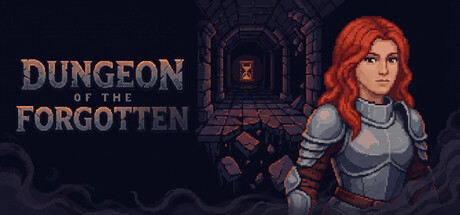 Dungeon of the Forgotten In-game content arttext | Generative AI was used for:
- The game's logo and Steam store capsule artwork (image generation)
- Translation of in-game text into Turkish, German, French and Spanish
-AI-generated images were reviewed and edited before use. | Berkay Turkmen | - | Aug 19, 2026 | |
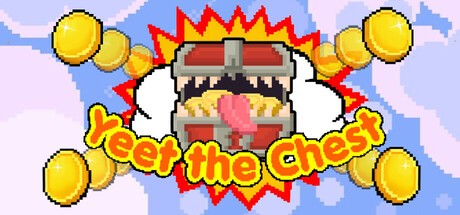 Yeet the Chest Store/marketing text | We used AI tools to assist in drafting and refining parts of the game's store description and promotional texts | GooseBumps | - | Aug 19, 2026 | |
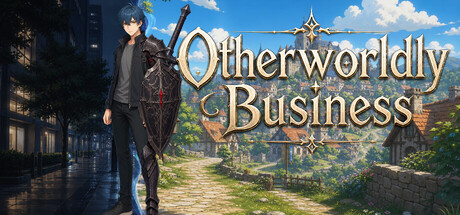 Otherworldly Business Store/marketing art | Some promotional materials for this game — including portions of the trailer and key art — were created with the assistance of generative AI tools. All such content is pre-generated, reviewed, and edited by the developer before publication. The game itself does not generate any content with AI at runtime. | Pinnah Studio | - | Aug 19, 2026 | |
 VEKARRA In-game content art | Generative AI assisted selected pre-rendered visual assets, all reviewed by the developer. No AI content is generated during gameplay. | Lamplight Studio | - | Aug 19, 2026 | |
 Path of Broken Builds In-game content text | Generative AI is used in this game for localization.
Text plays a supporting role here: the game has no story, dialogue or voice acting. Its text is limited to interface labels, node names and short stat descriptions, while the gameplay itself runs on numbers and visual language. | SadCrawler | - | Aug 17, 2026 | |
 Embermaze: Descent Store/marketing art | Generative AI tools were used during development to create and refine the promotional capsule art, library graphics, and marketing assets for the store page. The game itself does not contain or generate any AI content during gameplay. | Graeme Scott | - | Aug 17, 2026 |


