


Disclosure
Some sound effects, written content, and artwork were generated with AI and then manually edited and refined.
- Creator
- momorange
- Reviews
- -
- Added
- Jul 31, 2026
Public Steam disclosure research 27,953 disclosures tracked
Search developers’ Steam disclosures, compare classified AI use across games, and follow recorded changes. This index adds cross-game classifications and statistics to statements published on individual store pages.
Code help, debugging and other development work.
Capsule art, trailers and promotional material.
Pre-made art, audio, writing and other game assets.
Interactive or runtime AI features disclosed by the developer.
Groups reflect automatic analysis of public disclosures; mature records are excluded. These counts do not measure AI use across all of Steam. Missing or unclear statements cannot establish whether a game uses AI.
Some sound effects, written content, and artwork were generated with AI and then manually edited and refined.
applying filters and effect to artwork for promotional materials on the Steam page generating simple sounds/audio for later editing and mixing in Audacity
Tatomic was originally created in 2008 for the first-generation iPhone, with artwork designed for its 480 × 320 display. Generative AI was used only to upscale and recreate the original artwork at higher resolutions while preserving the game’s original visual style. No generative AI was used to create the game’s design, gameplay, sound effects, music, or original art direction.
Generative AI was used to help with localization.
Includes AI and handcrafted artwork and audio
The default tile look (Painted) was created with generative AI image tools, then curated, edited and integrated by the developer. That includes its terrain, figures, reefs and the Governor's Ball ballroom. The store capsule and marketing images were made the same way. The other tile looks in Settings (Painted: Pixel, Rich, Watercolour and Vector, the colour packs and Retro Teal) are drawn in code or come from CC0 packs, and the game can also be played in plain ASCII. The music and sound effects are rendered from code and CC0 recorded instruments. Portions of the game's code and text were written with AI coding assistance under full human review. The game does not generate any content with AI at runtime, and contains no AI chat features.
Generative AI was used in the creation of a small number of image assets included in this game.
Some of the game's artwork (such as background images) and store/marketing assets were created with the assistance of generative AI tools, and all of them were reviewed and adjusted by the developer. Some in-game descriptive texts were also drafted with AI assistance and manually verified. All AI-assisted content is pre-rendered — the game does not generate any content or code with AI during gameplay. Trailer narration uses VOICEVOX text-to-speech (VOICEVOX: Zundamon).
Syncline is developed by me — AI tools were used to assist with parts of development, including code, some text content (UI copy, tutorial hints, level descriptions, store page copy), localization/translations, and some audio. All such content was directed by me and reviewed/edited before being included. No content is generated by AI at runtime — everything players see, hear, and play is fixed at build time.
for language translations
Generative AI was used to assist with grammar and spelling checks for some in-game text, translate store page content, and generate some sound assets. All content was reviewed and approved by the developer before inclusion. The game does not use live-generated AI.
AI Disclosure: Music is Generated at least for now.
Some Music is generated. Thats it :)
Some 2D art assets in this game were created with the assistance of generative AI tools. All assets were reviewed and edited by the developer before inclusion. Parts of the in-game text localization were produced with the assistance of AI translation tools, then reviewed by the developer.
The development of Mind Against Fate utilized Artificial Intelligence (AI) tools to assist in the creation of specific pre-generated assets and coding workflows: - Visual Assets: The portraits for heroes and in-game item icons were initially generated using Kling.AI and Google generative tools, and were subsequently refined, detailed, and polished using graphic design software. - 3D Models: Certain 3D asset bases and models in the game were created with the assistance of Meshy.AI before being finalized and integrated into the game engine. - Coding Assistance: Development and implementation speed were enhanced using AI-assisted coding tools (Cursor AI utilizing Google Gemini and Anthropic Claude versions). We ensure that all generated content has been thoroughly reviewed and edited to meet quality standards, and contains no copyrighted or infringing materials.
AI was used to create some of the ingame pictograms and minor subelements in store art.
Some of Tapis's visual assets were created with the help of generative AI tools. These elements are produced ahead of time, then art-directed, selected and reworked by the studio to fit the game's world. No AI generates any content while you play: the gameplay, rules, balancing and all systems are entirely designed and hand-validated.
Topological Board Game used generative AI tools during development to assist with programming, documentation, store-page text, localization drafts, and design iteration. All AI-assisted material is reviewed and edited by the developer before being included in the game or store page. The game does not use generative AI to create live player-facing content during gameplay. It does not connect to external third-party AI services during normal gameplay. Local robot opponents, rule-based analysis, search, simulation, and self-play/research tools may be included, but these are gameplay/strategy systems rather than live generative AI content systems.
AI tools were used to create early drafts and a few base images for certain small visual elements, such as mission briefing cityscape thumbnails. Some initial sprite concepts were generated using AI. These assets were manually edited, adjusted, and integrated into the game’s visual style. No live generative AI is used during gameplay.
We're two people. We used PixelLab, an AI pixel art tool, for unit and hero sprites and some icons, and AI to help with the translations. The game itself, the design, the fights, the balance, we built ourselves.
The 2D visual assets (backgrounds, character art, non-gameplay store images and some UI elements) in this game were pre-generated using AI image generation tools during development and subsequently edited. All game mechanics, puzzle logic and game design were entirely created by a solo independent developer.
Salt and Soil uses generative AI during gameplay to create some Annual Family Council narrative text and structured choice outcomes based on the current campaign state. Generated council content is constrained by the game’s historical setting, family data, localization rules, and gameplay schema, then validated before it is shown to the player.
Generative AI was used only during early visual concepting and ideation for some marketing art directions. The game itself, its mechanics, levels, code, UI, and final gameplay assets are created and edited by the developer.
In order to realize my childhood dream of building this game, I have leveraged AI in every step of the development process, augmenting my capabilities as an engineer and visual designer by having AI generate some of the sprites, music, sound effects, voices, and code used to build this game. I pledge that if Card Knight: Astral Arcana is successful, the sequel title will be brought to life by a team of human artists, composers, and programmers.
Some music and assets in this game were created with generative AI tools, then manually reworked and adapted by the developer. The game design, code and integration are the developer's own work.
Generative AI tools were used to help create some of the 2D store and marketing graphics (e.g. store capsule images). These assets were reviewed and finalized by the developer, who holds the rights to use them. No generative AI is used for content inside the game, and no AI-generated content is produced live during gameplay.
Some images and code were created with the assistance of generative AI.
Some Assets, SFX, BGM and Artwork were used in the making of this game.
Command Doctrine uses generative AI to create some of the content you play. When you generate a scenario or a campaign, an AI model produces the map, the opposing forces, the objectives, and the written mission briefing from your prompt. AI is also used to write narrative battle reports, to create the images that accompany them, and to interpret the natural-language orders you give your units. This content is generated live by third-party AI services. We apply content moderation and input filtering to guard against inappropriate or unsafe output. Connects to 3rd-Party Service for AI Content Generation: Google Gemini
Some art, music, and 3D assets in this game were created with the help of generative AI tools. Every AI-generated asset was carefully reviewed, refined, and hand-curated by the developer to fit the game's art direction and tone. The game does not use any live-generated (runtime) AI content.
The visual art in Cat 3. The cat sprites, enemies, icons, relic, UI art, and the store/marketing images were created with the help of generative AI tools. I'm a solo developer and a programmer at heart: I can't draw, so I set up a local pixel-art generation pipeline to make the game's artwork. No AI-generated content is produced during gameplay.
During the development of Crossfall, generative AI is used as an auxiliary tool for creating game content. The following materials have been created or prepared with its help: Images. Some of the game’s visual content has been created using generative AI, including character images, as well as some sprites and icons. Other parts of the artwork were made manually. Text. AI helps me prepare some of the text content, including drafts of item names and descriptions, text for certain in-game events, as well as translation and localization of texts into other languages. Music. The game’s musical soundtrack was created using generative AI. All content generated with the help of AI is reviewed, selected, and, if necessary, refined by me before being added to the game. The game itself does not use generative AI during gameplay: no content is generated in real time on the player’s side, and the game does not require an internet connection or access to any AI services.
Artificial intelligence tools were used to create sound effects, textures, and images.
AI has been used to generate some graphics, music, and translations. As the story of this game may suggest, I understand (and even share) most of the criticisms regarding AI, but it is also a tool that has enabled small creators like myself to achieve bigger things that would have been difficult without it.
Generative AI tools were used to assist with translation/localization and parts of the in-game artwork production. No generative AI tools are used for sound effects, music, story content, or live-generated gameplay content.
Most of the game's artwork was created by commissioned artists. A small number of outsourced illustrations are currently under review, so the game has been disclosed as containing AI-generated artwork.
Some pre-rendered 2D artwork, icon, and UI/store visual assets were created or assisted with generative AI during development. The game does not generate AI content during gameplay and does not connect to an external AI service.
Parts of Word Puzzle Master were created with the help of generative AI tools, then reviewed, edited and assembled by the developer: • visual art — the ambient background images and the animated background loop • audio — background music and sound effects Generative AI is used only during development to produce these assets. The game does NOT use any AI at runtime — there is no live AI generation while you play. Puzzle word lists are hand-curated, and level layouts are produced by our own deterministic algorithm (not AI).
AI was used to create splash art and the game logo.The game does not generate AI content during gameplay.
Using AI BGM
Some images and sound have been generated with the assistance of AI.
Some assets *may* be AI. These assets were secured from a third party and I cannot confirm this, but if that's the kind of thing that bothers you, you may want to steer clear.
Localizing
Generative AI tools were used extensively during development to assist with the game's source code, background music, and sound effects.
This game uses generative AI tools as part of its development and content production process. AI-assisted workflows were used for selected visual assets, video materials, music or audio drafts, localization/text drafts, code assistance, and marketing/store page materials. All AI-assisted outputs are reviewed, edited, and integrated by the developer before inclusion. The game does not generate AI content during gameplay and does not connect to external AI services while the game is running.
Chessferatu Graphics were generated using AI tools. Codex was used in the process of creating and refining code and in the porting of the code to different systems (Mobile to PC).
Generative AI tools were used during the development of certain visual and promotional assets for this game. All final content was reviewed and curated by the developer.
All images and game sound tracks were generated using AI under creative vision of the developer.
This game uses generative artificial intelligence as part of the development process. AI tools were used to assist with creating certain visual assets and design elements. All AI-generated content has been reviewed, edited, and integrated by the developer to ensure quality and consistency. No AI is used during gameplay, and the player experience is entirely handcrafted.
All visual artwork in Altus Chess: Archaic Beginnings — piece designs, board and background art, and promotional/store imagery — was created using generative AI image tools, directed by the developer through human-written prompts based on the game's own pieces and concepts, then reviewed and edited by hand. No content is generated live during gameplay. The game's opponent is a proprietary, hand-built algorithmic chess engine, not generative AI.
| Title⇅ | Disclosure | Creator⇅ | Src | Reviews⇅ | Added↓ |
|---|---|---|---|---|---|
 Undermoon In-game content audiotextart | Some sound effects, written content, and artwork were generated with AI and then manually edited and refined. | momorange | - | Jul 31, 2026 | |
 Hellscums tactics In-game content artaudio | applying filters and effect to artwork for promotional materials on the Steam page
generating simple sounds/audio for later editing and mixing in Audacity | Iron Wolf Story | - | Jul 30, 2026 | |
 Tatomic In-game content art | Tatomic was originally created in 2008 for the first-generation iPhone, with artwork designed for its 480 × 320 display.
Generative AI was used only to upscale and recreate the original artwork at higher resolutions while preserving the game’s original visual style. No generative AI was used to create the game’s design, gameplay, sound effects, music, or original art direction. | nitzan.games LLC | - | Jul 30, 2026 | |
 Cubic Color Confusion In-game content text | Generative AI was used to help with localization. | eyesolated | - | Jul 30, 2026 | |
 Captive 3000 In-game content artaudio | Includes AI and handcrafted artwork and audio | Twin-FX | - | Jul 29, 2026 | |
 Caribbean Prospector In-game content arttextcode | The default tile look (Painted) was created with generative AI image tools, then curated, edited and integrated by the developer. That includes its terrain, figures, reefs and the Governor's Ball ballroom. The store capsule and marketing images were made the same way. The other tile looks in Settings (Painted: Pixel, Rich, Watercolour and Vector, the colour packs and Retro Teal) are drawn in code or come from CC0 packs, and the game can also be played in plain ASCII. The music and sound effects are rendered from code and CC0 recorded instruments. Portions of the game's code and text were written with AI coding assistance under full human review. The game does not generate any content with AI at runtime, and contains no AI chat features. | Denis Salanta | - | Jul 29, 2026 | |
 Slot & Dungeons In-game content art | Generative AI was used in the creation of a small number of image assets included in this game. | MUC GAMES | 257 | Jul 28, 2026 | |
 日本地図 都市パズル In-game content arttext | Some of the game's artwork (such as background images) and store/marketing assets were created with the assistance of generative AI tools, and all of them were reviewed and adjusted by the developer. Some in-game descriptive texts
were also drafted with AI assistance and manually verified. All AI-assisted content is pre-rendered — the game does not generate any content or code with AI during gameplay. Trailer narration uses VOICEVOX text-to-speech (VOICEVOX:
Zundamon). | LIMO | - | Jul 25, 2026 | |
 Syncline In-game content textcodeaudio | Syncline is developed by me — AI tools were used to assist with parts of development, including code, some text content (UI copy, tutorial hints, level descriptions, store page copy), localization/translations, and some audio. All such content was directed by me and reviewed/edited before being included. No content is generated by AI at runtime — everything players see, hear, and play is fixed at build time. | KCEDERLUND.DEV | - | Jul 23, 2026 | |
 Willcaster In-game content text | for language translations | Enes Altun | - | Jul 23, 2026 | |
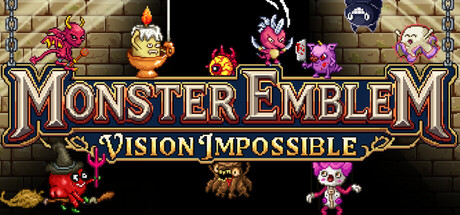 Monster Emblem: Vision Impossible In-game content textaudio | Generative AI was used to assist with grammar and spelling checks for some in-game text, translate store page content, and generate some sound assets. All content was reviewed and approved by the developer before inclusion. The game does not use live-generated AI. | Peepton | - | Jul 23, 2026 | |
 OddSpawns In-game content audio | AI Disclosure: Music is Generated at least for now. | Jake | - | Jul 22, 2026 | |
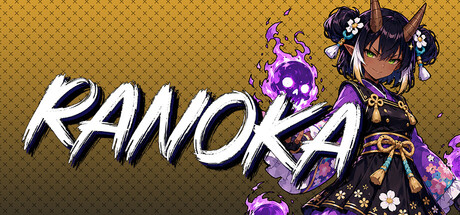 Ranoka In-game content audio | Some Music is generated. Thats it :) | Soul in a flask | - | Jul 22, 2026 | |
 KAREI - ENDLESS DEATH MATCH In-game content arttext | Some 2D art assets in this game were created with the assistance of generative AI tools. All assets were reviewed and edited by the developer before inclusion.
Parts of the in-game text localization were produced with the assistance of AI translation tools, then reviewed by the developer. | Phase Co., Ltd. | - | Jul 20, 2026 | |
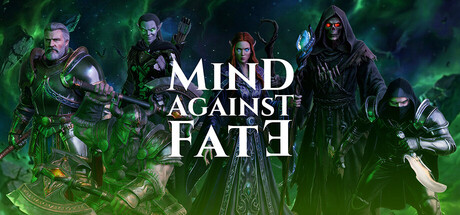 Mind Against Fate In-game content artcode | The development of Mind Against Fate utilized Artificial Intelligence (AI) tools to assist in the creation of specific pre-generated assets and coding workflows:
- Visual Assets: The portraits for heroes and in-game item icons were initially generated using Kling.AI and Google generative tools, and were subsequently refined, detailed, and polished using graphic design software.
- 3D Models: Certain 3D asset bases and models in the game were created with the assistance of Meshy.AI before being finalized and integrated into the game engine.
- Coding Assistance: Development and implementation speed were enhanced using AI-assisted coding tools (Cursor AI utilizing Google Gemini and Anthropic Claude versions).
We ensure that all generated content has been thoroughly reviewed and edited to meet quality standards, and contains no copyrighted or infringing materials. | Mind Against Fate | - | Jul 18, 2026 | |
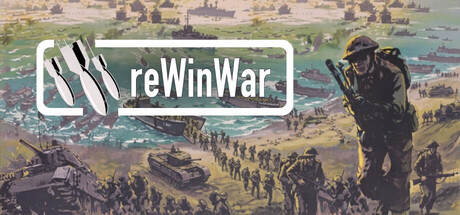 reWinWar In-game content art | AI was used to create some of the ingame pictograms and minor subelements in store art. | Oleksandr Hulchenko | - | Jul 18, 2026 | |
 Tapis In-game content art | Some of Tapis's visual assets were created with the help of generative AI tools. These elements are produced ahead of time, then art-directed, selected and reworked by the studio to fit the game's world. No AI generates any content while you play: the gameplay, rules, balancing and all systems are entirely designed and hand-validated. | Bellescene Studio | - | Jul 18, 2026 | |
 Topological Board Game In-game content codetext | Topological Board Game used generative AI tools during development to assist with programming, documentation, store-page text, localization drafts, and design iteration. All AI-assisted material is reviewed and edited by the developer before being included in the game or store page.
The game does not use generative AI to create live player-facing content during gameplay. It does not connect to external third-party AI services during normal gameplay. Local robot opponents, rule-based analysis, search, simulation, and self-play/research tools may be included, but these are gameplay/strategy systems rather than live generative AI content systems. | You-Xun Zhang | - | Jul 18, 2026 | |
 LockLine In-game content art | AI tools were used to create early drafts and a few base images for certain small visual elements, such as mission briefing cityscape thumbnails. Some initial sprite concepts were generated using AI. These assets were manually edited, adjusted, and integrated into the game’s visual style. No live generative AI is used during gameplay. | Wondered Off | - | Jul 17, 2026 | |
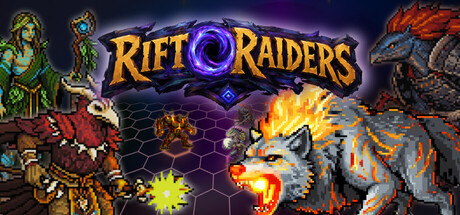 Rift Raiders In-game content arttext | We're two people. We used PixelLab, an AI pixel art tool, for unit and hero sprites and some icons, and AI to help with the translations. The game itself, the design, the fights, the balance, we built ourselves. | Gooder Games | - | Jul 15, 2026 | |
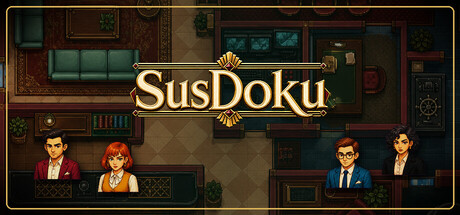 CluDoku In-game content art | The 2D visual assets (backgrounds, character art, non-gameplay store images and some UI elements) in this game were pre-generated using AI image generation tools during development and subsequently edited. All game mechanics, puzzle logic and game design were entirely created by a solo independent developer. | MyNeuronal | 40 | Jul 15, 2026 | |
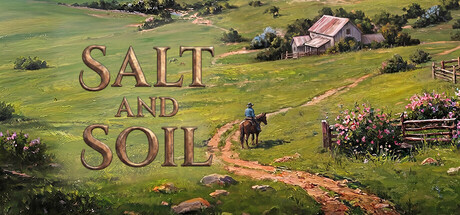 Salt and Soil Live AI text | Salt and Soil uses generative AI during gameplay to create some Annual Family Council narrative text and structured choice outcomes based on the current campaign state. Generated council content is constrained by the game’s historical setting, family data, localization rules, and gameplay schema, then validated before it is shown to the player. | DelosX | - | Jul 15, 2026 | |
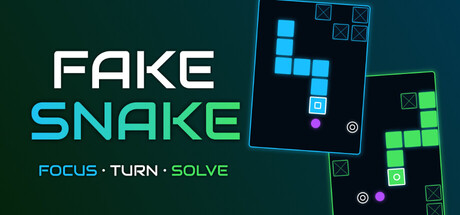 Fake Snake In-game content art | Generative AI was used only during early visual concepting and ideation for some marketing art directions. The game itself, its mechanics, levels, code, UI, and final gameplay assets are created and edited by the developer. | Narvio Games | - | Jul 8, 2026 | |
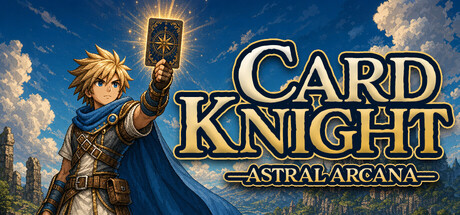 Card Knight: Astral Arcana In-game content artaudiocode | In order to realize my childhood dream of building this game, I have leveraged AI in every step of the development process, augmenting my capabilities as an engineer and visual designer by having AI generate some of the sprites, music, sound effects, voices, and code used to build this game.
I pledge that if Card Knight: Astral Arcana is successful, the sequel title will be brought to life by a team of human artists, composers, and programmers. | Bridgewalker Studios | - | Jul 8, 2026 | |
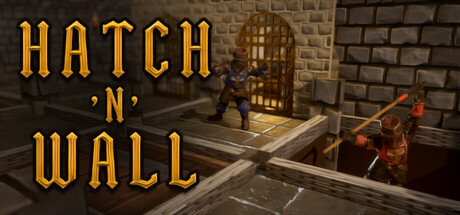 Hatch'n'Wall In-game content audioart | Some music and assets in this game were created with generative AI tools, then manually reworked and adapted by the developer. The game design, code and integration are the developer's own work. | Fromont Gaming | - | Jul 8, 2026 | |
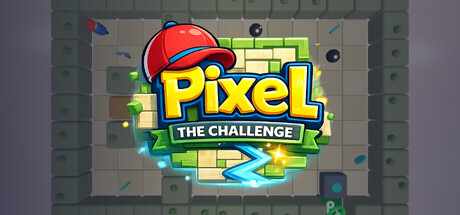 Pixel: The Challenge Store/marketing art | Generative AI tools were used to help create some of the 2D store and marketing graphics (e.g. store capsule images). These assets were reviewed and finalized by the developer, who holds the rights to use them. No generative AI is used for content inside the game, and no AI-generated content is produced live during gameplay. | pixelplenum.com | - | Jul 8, 2026 | |
 Stella Echoes Dev only codeart | Some images and code were created with the assistance of generative AI. | digsteel | - | Jul 7, 2026 | |
 Thugz VS Zombies audioart | Some Assets, SFX, BGM and Artwork were used in the making of this game. | UndaWirrld Arcade | - | Jul 7, 2026 | |
 Command Doctrine Live AI arttext | Command Doctrine uses generative AI to create some of the content you play. When you generate a scenario or a campaign, an AI model produces the map, the opposing forces, the objectives, and the written mission briefing from your prompt. AI is also used to write narrative battle reports, to create the images that accompany them, and to interpret the natural-language orders you give your units. This content is generated live by third-party AI services. We apply content moderation and input filtering to guard against inappropriate or unsafe output.
Connects to 3rd-Party Service for AI Content Generation: Google Gemini | ByteFlow | 20 | Jul 7, 2026 | |
 2point-1592 In-game content artaudio | Some art, music, and 3D assets in this game were created with the help of generative AI tools. Every AI-generated asset was carefully reviewed, refined, and hand-curated by the developer to fit the game's art direction and tone. The game does not use any live-generated (runtime) AI content. | bong24studio | - | Jul 7, 2026 | |
 Cat 3 In-game content art | The visual art in Cat 3. The cat sprites, enemies, icons, relic, UI art, and the store/marketing images were created with the help of generative AI tools. I'm a solo developer and a programmer at heart: I can't draw, so I set up a local pixel-art generation pipeline to make the game's artwork. No AI-generated content is produced during gameplay. | adoptedmouse | - | Jul 6, 2026 | |
 Crossfall In-game content arttextaudio | During the development of Crossfall, generative AI is used as an auxiliary tool for creating game content. The following materials have been created or prepared with its help:
Images. Some of the game’s visual content has been created using generative AI, including character images, as well as some sprites and icons. Other parts of the artwork were made manually.
Text. AI helps me prepare some of the text content, including drafts of item names and descriptions, text for certain in-game events, as well as translation and localization of texts into other languages.
Music. The game’s musical soundtrack was created using generative AI.
All content generated with the help of AI is reviewed, selected, and, if necessary, refined by me before being added to the game.
The game itself does not use generative AI during gameplay: no content is generated in real time on the player’s side, and the game does not require an internet connection or access to any AI services. | Nethound Games | - | Jul 5, 2026 | |
 FUNDAMENTA In-game content artaudio | Artificial intelligence tools were used to create sound effects, textures, and images. | Rangel Oblivion | - | Jul 3, 2026 | |
 Neural Drift In-game content artaudiotext | AI has been used to generate some graphics, music, and translations.
As the story of this game may suggest, I understand (and even share) most of the criticisms regarding AI, but it is also a tool that has enabled small creators like myself to achieve bigger things that would have been difficult without it. | Frédéric Julian | - | Jul 3, 2026 | |
 Super Kickmen In-game content arttext | Generative AI tools were used to assist with translation/localization and parts of the in-game artwork production.
No generative AI tools are used for sound effects, music, story content, or live-generated gameplay content. | Reeecook Studio | - | Jun 30, 2026 | |
 Horn of the Warlord In-game content art | Most of the game's artwork was created by commissioned artists. A small number of outsourced illustrations are currently under review, so the game has been disclosed as containing AI-generated artwork. | MagicKrol | - | Jun 29, 2026 | |
 Refund In-game content art | Some pre-rendered 2D artwork, icon, and UI/store visual assets were created or assisted with generative AI during development. The game does not generate AI content during gameplay and does not connect to an external AI service. | GuGuguagua | - | Jun 28, 2026 | |
 Word Puzzle Master In-game content artaudio | Parts of Word Puzzle Master were created with the help of generative AI tools,
then reviewed, edited and assembled by the developer:
• visual art — the ambient background images and the animated background loop
• audio — background music and sound effects
Generative AI is used only during development to produce these assets. The game
does NOT use any AI at runtime — there is no live AI generation while you play.
Puzzle word lists are hand-curated, and level layouts are produced by our own
deterministic algorithm (not AI). | Tilewise | 147 | Jun 28, 2026 | |
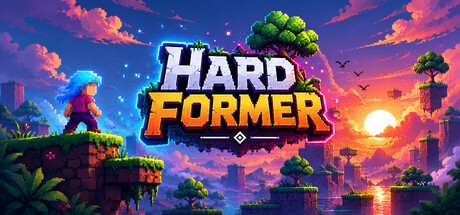 Hardformer Store/marketing art | AI was used to create splash art and the game logo.The game does not generate AI content during gameplay. | TurboForgeStudios | - | Jun 28, 2026 | |
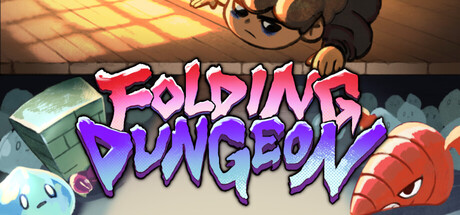 Folding Dungeon In-game content audio | Using AI BGM | Hamus Game Studio | - | Jun 28, 2026 | |
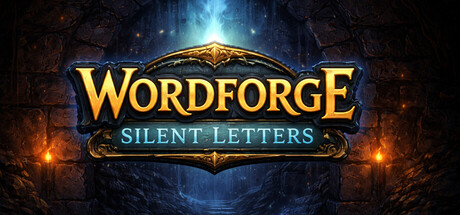 Wordforge: Silent Letters In-game content artaudio | Some images and sound have been generated with the assistance of AI. | Les Ganton | - | Jun 28, 2026 | |
 Null Horizon Unclear | Some assets *may* be AI. These assets were secured from a third party and I cannot confirm this, but if that's the kind of thing that bothers you, you may want to steer clear. | HopefullyHeroic | 30 | Jun 28, 2026 | |
 HAECHE_Ism Unclear text | Localizing | MinSuHong | - | Jun 27, 2026 | |
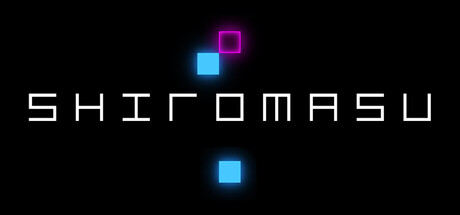 SHIROMASU In-game content audiocode | Generative AI tools were used extensively during development to assist with the game's source code, background music, and sound effects. | sasa | - | Jun 27, 2026 | |
 Three Kingdoms: March In-game content artaudiocodetext | This game uses generative AI tools as part of its development and content production process. AI-assisted workflows were used for selected visual assets, video materials, music or audio drafts, localization/text drafts, code assistance, and marketing/store page materials. All AI-assisted outputs are reviewed, edited, and integrated by the developer before inclusion.
The game does not generate AI content during gameplay and does not connect to external AI services while the game is running. | Doldori Games | 10 | Jun 27, 2026 | |
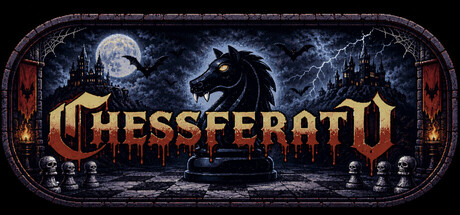 Chessferatu In-game content artcode | Chessferatu Graphics were generated using AI tools. Codex was used in the process of creating and refining code and in the porting of the code to different systems (Mobile to PC). | Half-Cocked Studios | - | Jun 27, 2026 | |
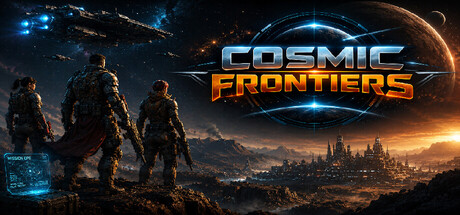 Cosmic Frontiers Episode Zero: Crash on Xylos-7 Store/marketing art | Generative AI tools were used during the development of certain visual and promotional assets for this game. All final content was reviewed and curated by the developer. | Sergeant Gunny Gaming | - | Jun 16, 2026 | |
 Tile Conquest In-game content artaudio | All images and game sound tracks were generated using AI under creative vision of the developer. | Jectvisor Games | - | Jun 16, 2026 | |
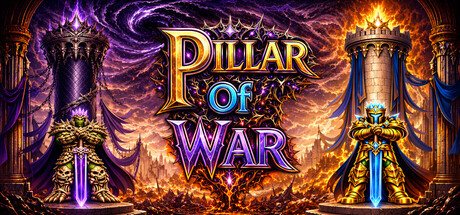 Pillar Of War In-game content art | This game uses generative artificial intelligence as part of the development process. AI tools were used to assist with creating certain visual assets and design elements. All AI-generated content has been reviewed, edited, and integrated by the developer to ensure quality and consistency.
No AI is used during gameplay, and the player experience is entirely handcrafted. | Wolf Ferrell | - | Jun 15, 2026 | |
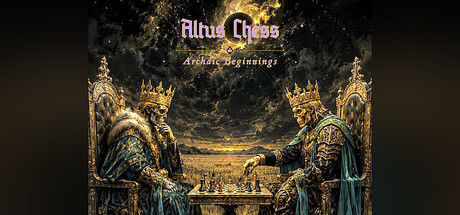 Altus Chess-Archaic Beginnings In-game content art | All visual artwork in Altus Chess: Archaic Beginnings — piece designs, board and background art, and promotional/store imagery — was created using generative AI image tools, directed by the developer through human-written prompts based on the game's own pieces and concepts, then reviewed and edited by hand. No content is generated live during gameplay. The game's opponent is a proprietary, hand-built algorithmic chess engine, not generative AI. | Anonymous | - | Jun 13, 2026 |


