Public Steam disclosure research25,376 disclosures tracked
Where do games disclose AI use?
Search developers’ Steam disclosures, compare classified AI use across
games, and follow recorded changes.
This index adds cross-game classifications and statistics to
statements published on individual store pages.
Groups reflect automatic analysis of public disclosures; mature records are excluded. These counts do not measure AI use across all of Steam.
Missing or unclear statements cannot establish whether a game uses AI.
Generative AI was used during development to assist with some pre-generated visual artwork. The development team reviewed and curated the AI-assisted artwork before including it in the game. No generative AI content is created during gameplay, and no player data or input is sent to an AI service.
AI was used for localization, while being manually reviewed, and as a time-saving step in the development of some image and model assets, for retopology, concepting, and inbetweening.
The game contains no unmodified AI outputs.
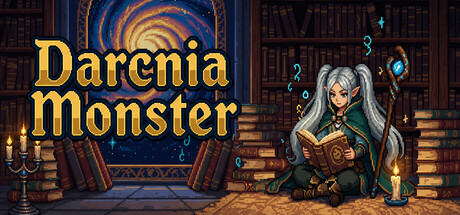
Darcnia Monster is made by a single independent developer. Some of the game's visual assets — background illustrations, cinematic scenes, and character and card artwork — were created with the help of generative AI image tools, and the in-game character voices were produced using AI voice synthesis. Every AI-assisted asset was hand-selected, edited, and integrated by the developer to match the game's art direction and story. No AI runs while you play: nothing is generated in real time, and no player data is ever sent to any AI service.
Generative AI was used to assist in the creation of character illustrations, selected artwork, store page assets, and localization. All AI-assisted content has been reviewed, edited, and integrated by the developer. The game does not use generative AI to create content during gameplay.
The creative direction of GAZE IN SHADOWS was developed and controlled entirely by our team, including its 1928 setting, story, characters, case design, gameplay, and film noir-inspired visual style.
Generative AI was used only as a supporting tool for early art exploration, asset refinement, and limited programming assistance. All AI-assisted content was manually reviewed, extensively revised, and finalized by our developers. AI was not involved in any core creative decisions.
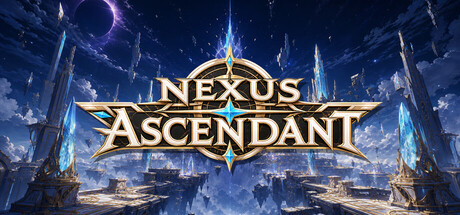
Nexus Ascendant contains pre-generated content created with the assistance of generative AI tools during development. This includes portions of the character and environment artwork, animated visual assets, user-interface graphics, gameplay textures, narrative writing, Japanese voice audio, and marketing materials. All AI-assisted content was selected, edited, reviewed, and integrated by the developer before inclusion. The game does not generate AI content during gameplay or transmit player data to generative AI services.
During the development process, certain 2D art assets, textures, and UI elements were generated or enhanced using generative AI tools to accelerate production. All final assets have been manually reviewed, edited, and verified by our team to ensure quality and compliance.
The cinematic artworks were created using AI and are based on my own concept sketches. They were used to reinforce the emotional atmosphere and my vision of the game world, while the game itself is designed entirely in hand-drawn pixel art.
AI was used for programming
When developing V.E.N.T. I used close to no generative AI tools, it was only used for production support. AI was used to assist with refining Danish to English translations for subtitles and store page text to make sure clarity and accuracy were good. I also used voice processing tools to modify my own recorded voice for in-game audio in order to protect personal privacy and strong lore consistency. No AI was used to generate core creative content such as story, gameplay systems, artwork, or level design.
Some in-game text and code were written with AI assistance during development. All content was reviewed, edited and approved by the developer before shipping. The game does not generate any content using AI at runtime and does not connect to any AI service.
I mostly use AI for debugging and I make it document my code for me. I've been using it for placeholder art but intend on replacing all, or at least most of them by release. I use it like a tool I can turn to for general tasks rather then a crutch that does everything.
Partial artwork uses generative AI assistance. Scripts are fully original written by the developer. Background music is CC0 public domain material, no in-game real-time AI generation.
This game includes optional local AI features:
Text Generation: A local language model periodically generates in-game short story events based on the player's typing activity.
Image Generation: A local image generation model may probabilistically generate illustrations for the corresponding story when a story event is triggered.
The AI features are purely an advanced option; whether you use them or not does not affect the core gameplay experience.
This is a visual novel independently developed by an individual with no budget. It is based on an existing novel, with parts of the narrative text synthesized and refined using AI, which has been repeatedly checked, edited, and approved by the developer. The game's scenes and character models are also AI-generated, and have undergone extensive debugging, deletion, revision, and final confirmation before release to ensure compliance and quality.
All art, music and story are 100% human created. All voice acting has a live voice actor recording/performance for every line of dialogue, voice changers were used on certain characters to pitch the sound higher or lower to better suit those specific characters. Some artist-created hand-painted assets were positioned into specific starting poses and ending poses, with in-between frames generated (affecting less-than 1% of the game animations, majority (99%) are animated by hand using 2D-bone-rigging and frame-by-frame animation), some generated in-between frames were then hand-painted over before being included in the game.
Some of this game's assets were made with the assistance of generative AI tools and were reviewed, curated and hand-finished by the developer. No content is generated while you play.
Some visual assets used in the game and its store presentation were created or refined with the assistance of generative AI and were subsequently reviewed, edited, and integrated by the developer. The game does not generate AI content during gameplay.
IRON EDEN uses AI as a development tool in a limited capacity.
AI has been used only for:
Programming assistance.
Sound effect generation.
All artwork, game design, mechanics, story, characters, worldbuilding, and visual assets were created by the developer.
Some of the game’s visual assets were created with the assistance of generative AI. All generated artwork is reviewed, edited, refined, and adapted by the development team to maintain a consistent visual identity and ensure that it matches the game’s artistic direction and design choices.
This approach was necessary due to the high cost of commissioning the full amount of artwork required from one or more professional artists or illustrators. Using AI-assisted tools helped keep the project financially viable, speed up production, and bring the game to players sooner while preserving a cohesive and recognizable style.
Some of the art in SoulForge Legends was created with the help of generative AI tools. All of it was generated during development, then reviewed, edited and assembled by hand before shipping. Nothing is generated live while you play, and the game never sends your input to an AI service.
Character portraits, scene art, and voice performances were generated with licensed AI tools (PixelLab, ElevenLabs) under paid subscriptions, then curated, edited, and directed by hand.
The soundtrack is built on the developer's original compositions, produced and arranged with Suno under a paid subscription.
All game design, writing, and code are human-made. No AI generation occurs at runtime.
FIRST LINE was designed and directed by its human developer: the gameplay systems, the mechanics, the narrative and every creative decision. The game's code — including the systems that render all visuals and synthesize all audio at runtime — was written with an AI coding assistant (Claude Code) under that direction. The English localization was also produced with AI assistance. No pre-generated AI images, audio, or video assets are included in the game. Parts of the store page text were also written with AI assistance.
Store artwork (capsules and icons) is likewise rendered by AI-written code under human direction.
Ice Coast Revival is built by a small team working with AI tools. Some pre-made content that ships with the game, including in-game text and some audio, was created with generative AI and then human-reviewed. All of it is fixed at build time: the game does not generate content live with AI while you play.
This game uses AI-assisted tools for selected art assets and animated content during development. All AI-assisted content has been reviewed and modified by the development team. The story, dialogue, and written content are fully created by the team, and the game does not include real-time AI interaction.
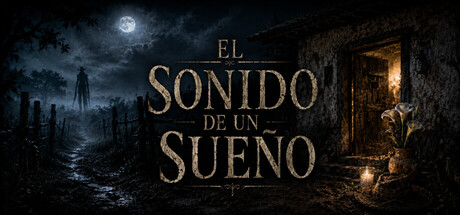
During the development of El sonido de un sueño, generative AI tools were used as support for the creation and prototyping of some game assets, including 3D models, visual elements, music and programming assistance. All AI-generated or AI-assisted content was reviewed, edited, integrated and manually adjusted by the development team before being included in the game.
The game does not use live generative AI during gameplay. No text, images, music, dialogue or narrative decisions are generated by AI while the player is playing.
Generative AI was used during development as a supporting tool to create secondary assets and assist with text revision. All AI-generated content was manually reviewed, edited, and integrated into the game engine to ensure the project's visual and gameplay consistency.
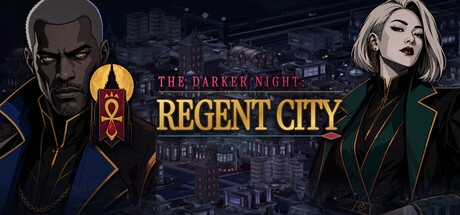
Regent City uses generative AI in parts of its production pipeline, including some character artwork and voice performances. All shipped assets are selected, edited, and art-directed by the solo developer to maintain a consistent visual and narrative identity.
This game uses generative AI tools during development to help create some character voice lines and cutscene video sequences. AI is not used to generate live, novel content during gameplay - all AI-assisted content is pre-produced and reviewed by the development team before shipping.
Generative AI tools were used throughout development to assist in creating and refining game code, 2D artwork, UI assets, audio, music, and written content, and Steam promotional materials. All AI-assisted content included in the released product is selected, reviewed, integrated, and tested by the developer. The game does not use generative AI at runtime and does not generate content or code during gameplay.
Generative AI was used throughout the development process. It was utilized alongside the developer to assist with tasks. Notably: debugging, localization, asset creation, and marketing materials. All AI-generated content was reviewed, edited, and integrated by the developer to ensure both quality and consistency standards were met.
During the process of production, generative AI may be used in following processes: coding and debugging, production of conceptual art of game assets, production of rough models of game assets, production of simple animation effects, restoration of image, audio or video quality, localization and translation. All AI generated game assets that appear directly in game are revised and finalized by real human artists.
After the creation of assets by an artist, the team used gen AI to generate backdrops for assets, and general backgrounds.
Gen AI was used to amalgamate artist created assets into grouped assets. E.g. the aliens which were created by the artist are then rendered together by AI for a promotional image.
This means only the back scape mainly promotional artwork and character backgrounds were generated by AI.
This game includes pre-generated AI-assisted visual/audio/text assets that were selected, edited, and integrated by the developer. The game does not use live-generated AI during play.
Some of the art and audio in The Ancient Caverns was created with the help of generative AI tools — including character and creature animations, item, weapon and environment art, and the musical soundtrack. All AI-assisted assets were reviewed, edited and integrated by the developer. The game does not generate any content with AI while you play; everything is fixed and created ahead of time.
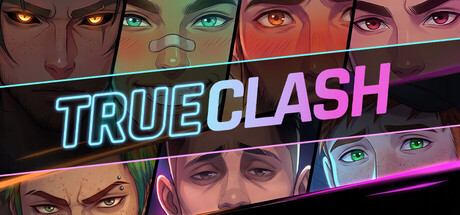
TrueClash uses generative AI as part of its art workflow: character art and backgrounds are initially generated with AI tools, then manually reviewed, edited, and refined by our team in order to maintain the game's consistent visual style.
AI tools were also used to assist with translation and as a development aid for coding.
Some of the licensed music tracks featured in the game may have been created with AI assistance by their respective artists.
Some pre-rendered UI art (menu borders and decorative icons) was created with the assistance of generative AI tools during development. No content is generated live during gameplay.
Used AI to generate concept ideas and take care of tedious tasks to speed up preproduction.
All assets, including store images and thumbnails, are NOT AI generated.
Images provided to us by Patron supporters may or may not have been created using artificial intelligence.
Portions of this game's art and audio were created using generative AI tools during development: card and character artwork, backgrounds and icons (including store page artwork), music, sound effects, and voice audio were AI-generated under human direction, then curated and edited by the developers. Game design, rules, code, card text and names, and all narrative writing are human-authored. Nothing is generated by AI while you play.
The background were generated using Midjourney, painted over and edited by the Lornn (https://lornn.itch.io/)
Backgrounds will be replaced with original artwork.
The development of Memento made use of generative AI tools across several stages of production. Cutscenes are created using AI-based video generation tools. Graphic elements such as environments, characters, and card illustrations were created or refined with the help of generative AI tools. Parts of the soundtrack and text were also produced with AI assistance. All content was manually selected, edited, and integrated by the developer.
Generative AI was used during development to assist with some pre-generated visual artwork. The development team reviewed and curated the AI-assisted artwork before including it in the game. No generative AI content is created during gameplay, and no player data or input is sent to an AI service.
AI was used for localization, while being manually reviewed, and as a time-saving step in the development of some image and model assets, for retopology, concepting, and inbetweening.
The game contains no unmodified AI outputs.
Darcnia Monster is made by a single independent developer. Some of the game's visual assets — background illustrations, cinematic scenes, and character and card artwork — were created with the help of generative AI image tools, and the in-game character voices were produced using AI voice synthesis. Every AI-assisted asset was hand-selected, edited, and integrated by the developer to match the game's art direction and story. No AI runs while you play: nothing is generated in real time, and no player data is ever sent to any AI service.
Generative AI was used to assist in the creation of character illustrations, selected artwork, store page assets, and localization. All AI-assisted content has been reviewed, edited, and integrated by the developer. The game does not use generative AI to create content during gameplay.
The creative direction of GAZE IN SHADOWS was developed and controlled entirely by our team, including its 1928 setting, story, characters, case design, gameplay, and film noir-inspired visual style.
Generative AI was used only as a supporting tool for early art exploration, asset refinement, and limited programming assistance. All AI-assisted content was manually reviewed, extensively revised, and finalized by our developers. AI was not involved in any core creative decisions.
Nexus Ascendant contains pre-generated content created with the assistance of generative AI tools during development. This includes portions of the character and environment artwork, animated visual assets, user-interface graphics, gameplay textures, narrative writing, Japanese voice audio, and marketing materials. All AI-assisted content was selected, edited, reviewed, and integrated by the developer before inclusion. The game does not generate AI content during gameplay or transmit player data to generative AI services.
During the development process, certain 2D art assets, textures, and UI elements were generated or enhanced using generative AI tools to accelerate production. All final assets have been manually reviewed, edited, and verified by our team to ensure quality and compliance.
The cinematic artworks were created using AI and are based on my own concept sketches. They were used to reinforce the emotional atmosphere and my vision of the game world, while the game itself is designed entirely in hand-drawn pixel art.
AI was used for programming
When developing V.E.N.T. I used close to no generative AI tools, it was only used for production support. AI was used to assist with refining Danish to English translations for subtitles and store page text to make sure clarity and accuracy were good. I also used voice processing tools to modify my own recorded voice for in-game audio in order to protect personal privacy and strong lore consistency. No AI was used to generate core creative content such as story, gameplay systems, artwork, or level design.
Some in-game text and code were written with AI assistance during development. All content was reviewed, edited and approved by the developer before shipping. The game does not generate any content using AI at runtime and does not connect to any AI service.
I mostly use AI for debugging and I make it document my code for me. I've been using it for placeholder art but intend on replacing all, or at least most of them by release. I use it like a tool I can turn to for general tasks rather then a crutch that does everything.
Partial artwork uses generative AI assistance. Scripts are fully original written by the developer. Background music is CC0 public domain material, no in-game real-time AI generation.
This game includes optional local AI features:
Text Generation: A local language model periodically generates in-game short story events based on the player's typing activity.
Image Generation: A local image generation model may probabilistically generate illustrations for the corresponding story when a story event is triggered.
The AI features are purely an advanced option; whether you use them or not does not affect the core gameplay experience.
This is a visual novel independently developed by an individual with no budget. It is based on an existing novel, with parts of the narrative text synthesized and refined using AI, which has been repeatedly checked, edited, and approved by the developer. The game's scenes and character models are also AI-generated, and have undergone extensive debugging, deletion, revision, and final confirmation before release to ensure compliance and quality.
All art, music and story are 100% human created. All voice acting has a live voice actor recording/performance for every line of dialogue, voice changers were used on certain characters to pitch the sound higher or lower to better suit those specific characters. Some artist-created hand-painted assets were positioned into specific starting poses and ending poses, with in-between frames generated (affecting less-than 1% of the game animations, majority (99%) are animated by hand using 2D-bone-rigging and frame-by-frame animation), some generated in-between frames were then hand-painted over before being included in the game.
Some of this game's assets were made with the assistance of generative AI tools and were reviewed, curated and hand-finished by the developer. No content is generated while you play.
Some visual assets used in the game and its store presentation were created or refined with the assistance of generative AI and were subsequently reviewed, edited, and integrated by the developer. The game does not generate AI content during gameplay.
IRON EDEN uses AI as a development tool in a limited capacity.
AI has been used only for:
Programming assistance.
Sound effect generation.
All artwork, game design, mechanics, story, characters, worldbuilding, and visual assets were created by the developer.
Some of the game’s visual assets were created with the assistance of generative AI. All generated artwork is reviewed, edited, refined, and adapted by the development team to maintain a consistent visual identity and ensure that it matches the game’s artistic direction and design choices.
This approach was necessary due to the high cost of commissioning the full amount of artwork required from one or more professional artists or illustrators. Using AI-assisted tools helped keep the project financially viable, speed up production, and bring the game to players sooner while preserving a cohesive and recognizable style.
Some of the art in SoulForge Legends was created with the help of generative AI tools. All of it was generated during development, then reviewed, edited and assembled by hand before shipping. Nothing is generated live while you play, and the game never sends your input to an AI service.
Character portraits, scene art, and voice performances were generated with licensed AI tools (PixelLab, ElevenLabs) under paid subscriptions, then curated, edited, and directed by hand.
The soundtrack is built on the developer's original compositions, produced and arranged with Suno under a paid subscription.
All game design, writing, and code are human-made. No AI generation occurs at runtime.
FIRST LINE was designed and directed by its human developer: the gameplay systems, the mechanics, the narrative and every creative decision. The game's code — including the systems that render all visuals and synthesize all audio at runtime — was written with an AI coding assistant (Claude Code) under that direction. The English localization was also produced with AI assistance. No pre-generated AI images, audio, or video assets are included in the game. Parts of the store page text were also written with AI assistance.
Store artwork (capsules and icons) is likewise rendered by AI-written code under human direction.
Ice Coast Revival is built by a small team working with AI tools. Some pre-made content that ships with the game, including in-game text and some audio, was created with generative AI and then human-reviewed. All of it is fixed at build time: the game does not generate content live with AI while you play.
This game uses AI-assisted tools for selected art assets and animated content during development. All AI-assisted content has been reviewed and modified by the development team. The story, dialogue, and written content are fully created by the team, and the game does not include real-time AI interaction.
During the development of El sonido de un sueño, generative AI tools were used as support for the creation and prototyping of some game assets, including 3D models, visual elements, music and programming assistance. All AI-generated or AI-assisted content was reviewed, edited, integrated and manually adjusted by the development team before being included in the game.
The game does not use live generative AI during gameplay. No text, images, music, dialogue or narrative decisions are generated by AI while the player is playing.
Generative AI was used during development as a supporting tool to create secondary assets and assist with text revision. All AI-generated content was manually reviewed, edited, and integrated into the game engine to ensure the project's visual and gameplay consistency.
Regent City uses generative AI in parts of its production pipeline, including some character artwork and voice performances. All shipped assets are selected, edited, and art-directed by the solo developer to maintain a consistent visual and narrative identity.
This game uses generative AI tools during development to help create some character voice lines and cutscene video sequences. AI is not used to generate live, novel content during gameplay - all AI-assisted content is pre-produced and reviewed by the development team before shipping.
Generative AI tools were used throughout development to assist in creating and refining game code, 2D artwork, UI assets, audio, music, and written content, and Steam promotional materials. All AI-assisted content included in the released product is selected, reviewed, integrated, and tested by the developer. The game does not use generative AI at runtime and does not generate content or code during gameplay.
Generative AI was used throughout the development process. It was utilized alongside the developer to assist with tasks. Notably: debugging, localization, asset creation, and marketing materials. All AI-generated content was reviewed, edited, and integrated by the developer to ensure both quality and consistency standards were met.
During the process of production, generative AI may be used in following processes: coding and debugging, production of conceptual art of game assets, production of rough models of game assets, production of simple animation effects, restoration of image, audio or video quality, localization and translation. All AI generated game assets that appear directly in game are revised and finalized by real human artists.
After the creation of assets by an artist, the team used gen AI to generate backdrops for assets, and general backgrounds.
Gen AI was used to amalgamate artist created assets into grouped assets. E.g. the aliens which were created by the artist are then rendered together by AI for a promotional image.
This means only the back scape mainly promotional artwork and character backgrounds were generated by AI.
This game includes pre-generated AI-assisted visual/audio/text assets that were selected, edited, and integrated by the developer. The game does not use live-generated AI during play.
Some of the art and audio in The Ancient Caverns was created with the help of generative AI tools — including character and creature animations, item, weapon and environment art, and the musical soundtrack. All AI-assisted assets were reviewed, edited and integrated by the developer. The game does not generate any content with AI while you play; everything is fixed and created ahead of time.
TrueClash uses generative AI as part of its art workflow: character art and backgrounds are initially generated with AI tools, then manually reviewed, edited, and refined by our team in order to maintain the game's consistent visual style.
AI tools were also used to assist with translation and as a development aid for coding.
Some of the licensed music tracks featured in the game may have been created with AI assistance by their respective artists.
Some pre-rendered UI art (menu borders and decorative icons) was created with the assistance of generative AI tools during development. No content is generated live during gameplay.
Used AI to generate concept ideas and take care of tedious tasks to speed up preproduction.
All assets, including store images and thumbnails, are NOT AI generated.
Images provided to us by Patron supporters may or may not have been created using artificial intelligence.
Portions of this game's art and audio were created using generative AI tools during development: card and character artwork, backgrounds and icons (including store page artwork), music, sound effects, and voice audio were AI-generated under human direction, then curated and edited by the developers. Game design, rules, code, card text and names, and all narrative writing are human-authored. Nothing is generated by AI while you play.
The background were generated using Midjourney, painted over and edited by the Lornn (https://lornn.itch.io/)
Backgrounds will be replaced with original artwork.
The development of Memento made use of generative AI tools across several stages of production. Cutscenes are created using AI-based video generation tools. Graphic elements such as environments, characters, and card illustrations were created or refined with the help of generative AI tools. Parts of the soundtrack and text were also produced with AI assistance. All content was manually selected, edited, and integrated by the developer.