Public Steam disclosure research25,512 disclosures tracked
Where do games disclose AI use?
Search developers’ Steam disclosures, compare classified AI use across
games, and follow recorded changes.
This index adds cross-game classifications and statistics to
statements published on individual store pages.
Groups reflect automatic analysis of public disclosures; mature records are excluded. These counts do not measure AI use across all of Steam.
Missing or unclear statements cannot establish whether a game uses AI.
Some of the text in this game was created with the help of generative AI tools.
- In-game text: Korean dialogue, stage narration and help text were drafted with an AI assistant, then rewritten and reviewed by the developer.
- Localization: the English text was produced with AI assistance and reviewed by the developer.
All artwork and UI icons are hand-authored by the developer, the sound effects are synthesized procedurally in code, and the background music is a licensed stock track. No AI runs during gameplay — all content is fixed at build time.
- Store page: the store description text was drafted with AI assistance and edited by the developer.
Generative AI was used during development to assist with the creation of some visual assets and marketing materials. All AI-assisted content used in the final game and on the Steam store page has been reviewed and edited by the developer.
Generative AI tools were used during development to create some of the game art assets, and written content and localization translations. AI tools were also used for coding assistance and debugging. The developer selected, adapted, and integrated these outputs into the game and its promotional materials. The game does not generate content using generative AI during gameplay or connect to external generative AI services.
Grindveil's art is made with generative AI tools. We generate, then pick, crop, recolour and optimise every piece by hand before it ships, and we throw out the ones that do not fit. The same goes for part of the writing: item and location names, some of the lore in the in-game Codex, and the interface translations for our fourteen languages are drafted with AI help and reviewed by us.
Nothing is generated while you play. No AI runs on your machine, nothing you type is sent to an AI service, and every image and every line of text in the game was made and checked before release.
This game uses generative AI in the creation of some 3D objects and some background music. These contents were generated and edited during development, and no content is generated by generative AI in real time during gameplay.
This game is handcrafted by indie developers. Generative tools were used only to support the creation of specific assets, while the final game reflects the developers’ own creative vision.
Generative AI tools were used in a limited capacity to assist with the creation and enhancement of certain 2D images and audio assets. No 3D models, animations, gameplay systems, or other game content were generated using AI.
Generative AI tools were used extensively during the development of this game. Some artwork, UI assets, written content, character voices, and localization were created with the assistance of generative AI and were subsequently selected, edited, integrated, and reviewed by the developer. All AI-generated content was created in advance during development; no AI content is generated live during gameplay.
Some of the content in Abyss Floors was created with the help of generative AI tools, always under the developer's direction and review:
Text — Portions of the game's descriptive and flavor text (item and ability descriptions, interface copy, and atmospheric lore lines) were drafted with AI assistance and edited by the developer.
Store & branding art — The store-page capsules, library images, and other branding graphics were produced with AI-assisted tools.
Abyss Floors is a text- and table-driven simulation, so there is no AI-generated illustrated art in actual gameplay, and all screenshots on this page are captured directly from the live game. The game's design, balance, systems, and code are the developer's own, with AI used as a development aid rather than to generate gameplay content.
Generative AI was used to create promotional artwork for the Steam store page, including capsule and library artwork, based on the visual style and screenshots of the game. The playable game content itself does not use live-generated AI content.
Meshy was used during production to assist in converting my hand-drawn character concepts into 3D avatars, which were then integrated, refined, and animated for the final game.
Generative AI was used as a supporting tool during the development of ARUS-1. Some 3D models, textures, and in-game and store artwork were created with these tools, then revised and integrated. No content is generated by AI during gameplay.
Some 3D models and textures in this game were created with the help of
generative AI tools. All AI-generated assets were
reviewed, edited, optimized and integrated manually by the developer.
The game does not generate any content live during gameplay.
Generative AI tools were used purely in the background to assist and speed up the production workflow as a solo developer, serving only as an aid during development.
The game itself including all gameplay, story, and core content is 100 percent created by human developers, with no AI generated content produced live.
This game uses generative AI tools to assist with the creation of some visual assets, promotional images, sound effects, and localization drafts. All AI-assisted content is reviewed, edited, and integrated by the developer before release. The game does not use generative AI to create real-time user-facing content during gameplay.
This game utilized generative AI tools to assist with code writing. All AI-generated content has been strictly tested, reviewed, and optimized to ensure game quality and stability.
Some 3D models and store page text were created with the assistance of generative AI tools, then reviewed and hand-tuned by the developer. No AI content is generated at runtime. All fishing data, depth charts, and gameplay systems were authored manually from real NOAA and fishery sources.
Some of the game's art assets, such as character and enemy models, portraits and icons, were created during development with the assistance of generative AI tools, and were then reviewed, curated and edited by the team. All AI-assisted content is pre-rendered: nothing is generated while the game is running.
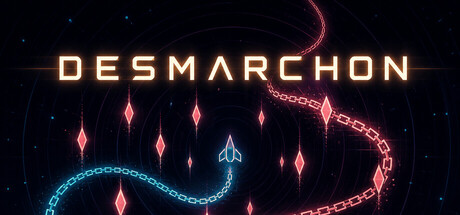
Desmarchon currently includes pre-generated AI images for the store page and achievement images, as well as AI-generated promotional artwork and icons, and some text. Everything has been reviewed by a human.
Generative AI tools were used to create photographic source images that were then painted over and edited in Photoshop for the game’s artwork, and to create the game’s background music. Generative AI also assisted with portions of the game’s written text and localization and with drafting and editing Steam store-page copy. All AI-assisted material was reviewed and incorporated into the final work by the developer. No content is generated during gameplay.
Generative AI was used during development to assist with some visual assets, text, and audio. No generative AI is used to generate content during gameplay.
Some character art and store artwork were created with generative AI tools and then human edited and composited. The game contains no AI generated content created at runtime.
Generative AI tools were used to assist in the production and refinement of selected promotional and marketing materials for United Football. AI-assisted outputs were reviewed and edited by the development team before use. Generative AI is not used to generate live gameplay content.
Xuanji · Diaochan uses a live generative AI to produce Diaochan's dialogue and spoken responses in real time. Every line of conversation and every spoken reply is generated by the model during play, not pre-written.
The character artwork, scene illustrations, music, and sound effects in this game are created by our team without generative AI.
Guardrails in place:
A historical-fiction persona that keeps Diaochan in character as a 2nd-century figure and prevents her from speaking as a modern AI assistant.
Retrieval-augmented responses grounded in a curated corpus of Han dynasty historical texts, so factual claims can be checked against primary sources.
Pre-filtering of user inputs and post-filtering of model outputs against blocklists for sexual, violent, and politically sensitive content.
An in-product report button on every response, plus mute and memory-reset controls.
Players can also report any in-game AI response they consider inappropriate through the Steam overlay.
Generative AI was used to assist in the creation of some promotional artwork for the Steam store page, including capsule and library artwork. AI is not used to generate content during gameplay.
We occasionally used generative AI as an assistive tool to refine certain visual assets, enhance texture resolutions, and process minor audio elements. These tools were used sparingly to support our production workflow, and all final content has been manually reviewed and polished by our team to ensure it meets our quality and legal standards.
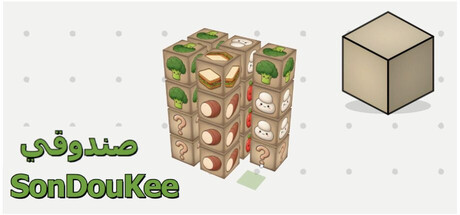
This game uses generative artificial intelligence to create some of its visual assets. Specifically, the food images and the number graphics featured in the game were generated using AI tools.
During the development of this title, generative AI was used as an assistive tool for writing some code, as well as for text polishing and translation. Other elements—including core artwork, character and environment designs, and the overall visual presentation—were created entirely by the developers themselves.
Generative AI was used during development to assist in the creation of some pre-generated visual and audio assets, as well as portions of promotional and store-page materials. All AI-assisted content is generated and reviewed during development and included as fixed content. No generative AI content is created during gameplay.
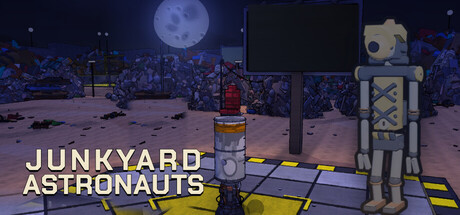
Junkyard Astronauts was developed with substantial help from an AI coding assistant (Claude), directed and reviewed by the developer. Specifically: the game's code was largely written with AI assistance; the 3D models, textures and yard layouts are produced by procedural generator scripts written with AI assistance; the sound effects are built from licensed, human-recorded sound libraries (Sonniss GDC bundles, Kenney) assembled and mixed by scripted tools written with AI assistance; the soundtrack is composed and rendered by a music engine written with AI assistance; parts of the store text and the achievement names were drafted with AI assistance. Everything was reviewed, edited and play-tested by the developer before shipping. No AI service is used during gameplay, and no content is generated at runtime. No AI-generated content imitates a real person or a third party's protected work.
Part of the audio in this game is generated with AI: the music and some of the sound effects.
Part of the source code was also created with the help of AI during development, particularly to generate certain portions of code, fix errors, and assist with the implementation of certain features. The code used in the game is then reviewed, modified, and integrated manually.
Everything else is handmade: the monsters are drawn by hand and then recreated in 3D, the textures are hand-painted and sometimes slightly enhanced, the 3D models are procedural, every line of text in the game is written by me, the farmer's voice is mine, etc.
Generative AI was used only to assist with the localization of in-game text. All AI-assisted translations are manually reviewed and edited by the developer before being included in the game. No generative AI is used to generate content during gameplay.
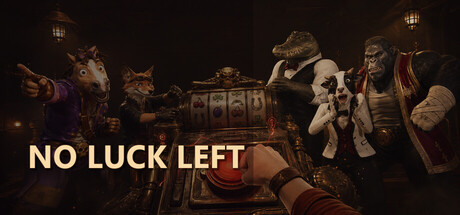
No Luck Left is developed by a solo developer. To help create the game's 3D character models within the scope of a one-person project, I used generative AI tools such as Meshy and TripoSR during development. The resulting pre-generated assets were selected, optimized and integrated into the game by me. No content is generated by AI during gameplay, and the game does not connect to an external AI service.
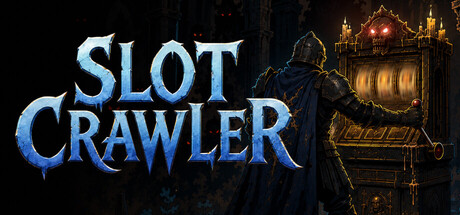
AI tools were used during the development of Slot Crawler to assist in creating select visual assets and promotional materials. Every AI-assisted element was reviewed, refined, and integrated by the developer to ensure consistency with the game’s artistic direction and quality standards.
Some of the text in this game was created with the help of generative AI tools.
- In-game text: Korean dialogue, stage narration and help text were drafted with an AI assistant, then rewritten and reviewed by the developer.
- Localization: the English text was produced with AI assistance and reviewed by the developer.
All artwork and UI icons are hand-authored by the developer, the sound effects are synthesized procedurally in code, and the background music is a licensed stock track. No AI runs during gameplay — all content is fixed at build time.
- Store page: the store description text was drafted with AI assistance and edited by the developer.
Generative AI was used during development to assist with the creation of some visual assets and marketing materials. All AI-assisted content used in the final game and on the Steam store page has been reviewed and edited by the developer.
Generative AI tools were used during development to create some of the game art assets, and written content and localization translations. AI tools were also used for coding assistance and debugging. The developer selected, adapted, and integrated these outputs into the game and its promotional materials. The game does not generate content using generative AI during gameplay or connect to external generative AI services.
Grindveil's art is made with generative AI tools. We generate, then pick, crop, recolour and optimise every piece by hand before it ships, and we throw out the ones that do not fit. The same goes for part of the writing: item and location names, some of the lore in the in-game Codex, and the interface translations for our fourteen languages are drafted with AI help and reviewed by us.
Nothing is generated while you play. No AI runs on your machine, nothing you type is sent to an AI service, and every image and every line of text in the game was made and checked before release.
This game uses generative AI in the creation of some 3D objects and some background music. These contents were generated and edited during development, and no content is generated by generative AI in real time during gameplay.
This game is handcrafted by indie developers. Generative tools were used only to support the creation of specific assets, while the final game reflects the developers’ own creative vision.
Generative AI tools were used in a limited capacity to assist with the creation and enhancement of certain 2D images and audio assets. No 3D models, animations, gameplay systems, or other game content were generated using AI.
Generative AI tools were used extensively during the development of this game. Some artwork, UI assets, written content, character voices, and localization were created with the assistance of generative AI and were subsequently selected, edited, integrated, and reviewed by the developer. All AI-generated content was created in advance during development; no AI content is generated live during gameplay.
Some of the content in Abyss Floors was created with the help of generative AI tools, always under the developer's direction and review:
Text — Portions of the game's descriptive and flavor text (item and ability descriptions, interface copy, and atmospheric lore lines) were drafted with AI assistance and edited by the developer.
Store & branding art — The store-page capsules, library images, and other branding graphics were produced with AI-assisted tools.
Abyss Floors is a text- and table-driven simulation, so there is no AI-generated illustrated art in actual gameplay, and all screenshots on this page are captured directly from the live game. The game's design, balance, systems, and code are the developer's own, with AI used as a development aid rather than to generate gameplay content.
Generative AI was used to create promotional artwork for the Steam store page, including capsule and library artwork, based on the visual style and screenshots of the game. The playable game content itself does not use live-generated AI content.
Meshy was used during production to assist in converting my hand-drawn character concepts into 3D avatars, which were then integrated, refined, and animated for the final game.
Generative AI was used as a supporting tool during the development of ARUS-1. Some 3D models, textures, and in-game and store artwork were created with these tools, then revised and integrated. No content is generated by AI during gameplay.
Some 3D models and textures in this game were created with the help of
generative AI tools. All AI-generated assets were
reviewed, edited, optimized and integrated manually by the developer.
The game does not generate any content live during gameplay.
Generative AI tools were used purely in the background to assist and speed up the production workflow as a solo developer, serving only as an aid during development.
The game itself including all gameplay, story, and core content is 100 percent created by human developers, with no AI generated content produced live.
This game uses generative AI tools to assist with the creation of some visual assets, promotional images, sound effects, and localization drafts. All AI-assisted content is reviewed, edited, and integrated by the developer before release. The game does not use generative AI to create real-time user-facing content during gameplay.
This game utilized generative AI tools to assist with code writing. All AI-generated content has been strictly tested, reviewed, and optimized to ensure game quality and stability.
Some 3D models and store page text were created with the assistance of generative AI tools, then reviewed and hand-tuned by the developer. No AI content is generated at runtime. All fishing data, depth charts, and gameplay systems were authored manually from real NOAA and fishery sources.
Some of the game's art assets, such as character and enemy models, portraits and icons, were created during development with the assistance of generative AI tools, and were then reviewed, curated and edited by the team. All AI-assisted content is pre-rendered: nothing is generated while the game is running.
Desmarchon currently includes pre-generated AI images for the store page and achievement images, as well as AI-generated promotional artwork and icons, and some text. Everything has been reviewed by a human.
Generative AI tools were used to create photographic source images that were then painted over and edited in Photoshop for the game’s artwork, and to create the game’s background music. Generative AI also assisted with portions of the game’s written text and localization and with drafting and editing Steam store-page copy. All AI-assisted material was reviewed and incorporated into the final work by the developer. No content is generated during gameplay.
Generative AI was used during development to assist with some visual assets, text, and audio. No generative AI is used to generate content during gameplay.
Some character art and store artwork were created with generative AI tools and then human edited and composited. The game contains no AI generated content created at runtime.
Generative AI tools were used to assist in the production and refinement of selected promotional and marketing materials for United Football. AI-assisted outputs were reviewed and edited by the development team before use. Generative AI is not used to generate live gameplay content.
Xuanji · Diaochan uses a live generative AI to produce Diaochan's dialogue and spoken responses in real time. Every line of conversation and every spoken reply is generated by the model during play, not pre-written.
The character artwork, scene illustrations, music, and sound effects in this game are created by our team without generative AI.
Guardrails in place:
A historical-fiction persona that keeps Diaochan in character as a 2nd-century figure and prevents her from speaking as a modern AI assistant.
Retrieval-augmented responses grounded in a curated corpus of Han dynasty historical texts, so factual claims can be checked against primary sources.
Pre-filtering of user inputs and post-filtering of model outputs against blocklists for sexual, violent, and politically sensitive content.
An in-product report button on every response, plus mute and memory-reset controls.
Players can also report any in-game AI response they consider inappropriate through the Steam overlay.
Generative AI was used to assist in the creation of some promotional artwork for the Steam store page, including capsule and library artwork. AI is not used to generate content during gameplay.
We occasionally used generative AI as an assistive tool to refine certain visual assets, enhance texture resolutions, and process minor audio elements. These tools were used sparingly to support our production workflow, and all final content has been manually reviewed and polished by our team to ensure it meets our quality and legal standards.
This game uses generative artificial intelligence to create some of its visual assets. Specifically, the food images and the number graphics featured in the game were generated using AI tools.
During the development of this title, generative AI was used as an assistive tool for writing some code, as well as for text polishing and translation. Other elements—including core artwork, character and environment designs, and the overall visual presentation—were created entirely by the developers themselves.
Generative AI was used during development to assist in the creation of some pre-generated visual and audio assets, as well as portions of promotional and store-page materials. All AI-assisted content is generated and reviewed during development and included as fixed content. No generative AI content is created during gameplay.
Junkyard Astronauts was developed with substantial help from an AI coding assistant (Claude), directed and reviewed by the developer. Specifically: the game's code was largely written with AI assistance; the 3D models, textures and yard layouts are produced by procedural generator scripts written with AI assistance; the sound effects are built from licensed, human-recorded sound libraries (Sonniss GDC bundles, Kenney) assembled and mixed by scripted tools written with AI assistance; the soundtrack is composed and rendered by a music engine written with AI assistance; parts of the store text and the achievement names were drafted with AI assistance. Everything was reviewed, edited and play-tested by the developer before shipping. No AI service is used during gameplay, and no content is generated at runtime. No AI-generated content imitates a real person or a third party's protected work.
Part of the audio in this game is generated with AI: the music and some of the sound effects.
Part of the source code was also created with the help of AI during development, particularly to generate certain portions of code, fix errors, and assist with the implementation of certain features. The code used in the game is then reviewed, modified, and integrated manually.
Everything else is handmade: the monsters are drawn by hand and then recreated in 3D, the textures are hand-painted and sometimes slightly enhanced, the 3D models are procedural, every line of text in the game is written by me, the farmer's voice is mine, etc.
Generative AI was used only to assist with the localization of in-game text. All AI-assisted translations are manually reviewed and edited by the developer before being included in the game. No generative AI is used to generate content during gameplay.
No Luck Left is developed by a solo developer. To help create the game's 3D character models within the scope of a one-person project, I used generative AI tools such as Meshy and TripoSR during development. The resulting pre-generated assets were selected, optimized and integrated into the game by me. No content is generated by AI during gameplay, and the game does not connect to an external AI service.
AI tools were used during the development of Slot Crawler to assist in creating select visual assets and promotional materials. Every AI-assisted element was reviewed, refined, and integrated by the developer to ensure consistency with the game’s artistic direction and quality standards.