Public Steam disclosure research25,514 disclosures tracked
Where do games disclose AI use?
Search developers’ Steam disclosures, compare classified AI use across
games, and follow recorded changes.
This index adds cross-game classifications and statistics to
statements published on individual store pages.
Groups reflect automatic analysis of public disclosures; mature records are excluded. These counts do not measure AI use across all of Steam.
Missing or unclear statements cannot establish whether a game uses AI.
AI Disclosure
Generative AI tools were used to assist with writing store page descriptions and game development. All gameplay content — including art, audio, maze generation, and game mechanics — is created programmatically through traditional algorithms and code.
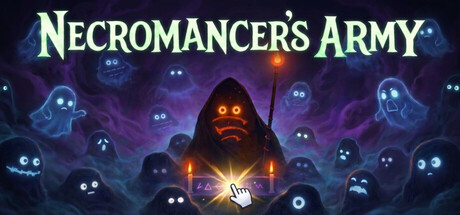
Necromancer's Army uses generative AI to assist with portions of the in-game soundtrack and certain Steam store marketing assets (such as capsule art and banners).
Localization for the game's 8 supported languages was created using AI-assisted translation and reviewed and refined by our team for overall accuracy and quality.
All in-game visuals are procedurally generated through deterministic algorithms and do not use machine learning or AI techniques. All narrative writing is fully authored by our team.
If the game finds its audience, we plan to replace these AI-assisted assets with original work commissioned from human artists, and have the localization reviewed by native speakers prior to full release.
During development, AI-assisted tools may have been used in a limited role for tasks such as concept support and writing assistance. These tools were used only to assist the development process. All final content choices, editing, implementation, and creative direction were carried out by the solo developer. The game does not include live-generated AI content during runtime.
Generative AI was used only in a limited capacity for some sound effects, translations, and Steam store page marketing assets.
The game does not contain any real-time AI-generated content during gameplay.
Some 2D artwork (concept art, item icons, environmental textures)
in this game was created with the assistance of generative AI tools,
then reviewed and edited by our art team before inclusion in the game.
All gameplay code, design, music, and sound effects were created by humans.
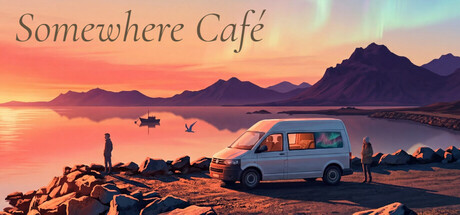
Somewhere Café features music generated with AI tools (Producer.ai / Lyria 3) under the creative direction of Icefield Settler Studio, and some visual assets created with Nano Banana 2. All content has been reviewed and curated by the development team.
Generative AI was used during the pre-production phase to create and refine visual concepts, character designs (including enemies and the protagonist), and environmental assets. All AI-generated content was further edited and processed by the developer to fit the game's unique pixel-art constructivist style. No AI content is generated live during gameplay.
The background music in this game was generated using Suno AI. Some sound effects were generated using ElevenLabs. All AI-generated assets were curated, edited, and finalized by the developer (W4S) as part of the production process. No AI-generated content is created at runtime — all assets are pre-produced and bundled with the game.
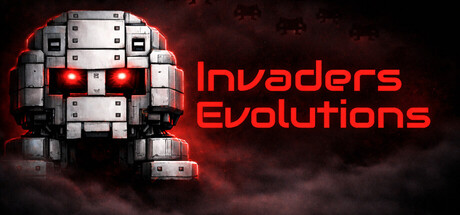
Invaders Evolutions was developed by a small team using AI-assisted tools to cover technical art skill gaps. This enabled us to create high-quality assets and focus on complex gameplay mechanics that wouldn't have been possible for us to produce manually. All AI-generated elements were curated, edited, and integrated under strict human direction to ensure a cohesive and polished final product.
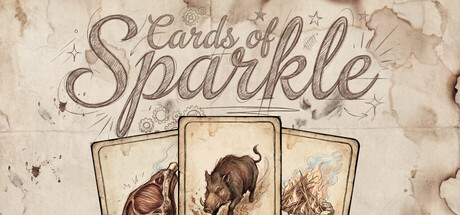
Partial card art, UI interface art and promotional image assets of this game were created with the assistance of AI tools. All AI-generated content has been manually reviewed, refined, and recreated by the development team, with the final presentation centered on human creation and without any copyright issues.
The game uses AI-assisted translation to localize in-game text into multiple languages. All other content is created by human developers using licensed assets.
This game includes some pre-generated images, textures, and videos, as well as AI-assisted translation of dialogue, created using AI tools during development.
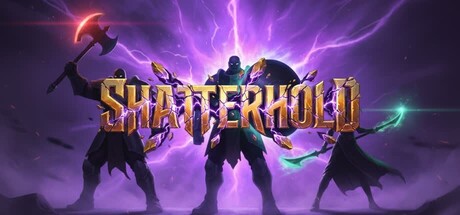
Shatterhold uses AI-generated art for environmental paintings, creature portraits, and music tracks. All gameplay mechanics, code, and game design are human-directed.
All store page and in-game translations were created with AI assistance as a starting point. As a solo developer, I only speak English and Ukrainian natively, so I recognize that AI translations may contain errors — I hope to improve them with native speaker feedback in the future.
Store page artwork was generated with AI image tools and then manually composed and edited by the developer.
AI used for artwork and logo that used in Steam page. In-game, placeholder narrative dialogue sounds are AI generated and will be replaced further in development.
Haunt & Hide uses generative AI for two pre-production assets that ship in the final game:
1. The game logo was created using ChatGPT / DALL-E image generation tools. It appears in menus, loading screens, and promotional materials.
2. Background music tracks were generated using Producer.ai (a generative AI music tool) and pre-rendered as standard audio files that ship with the game.
All other content is human-created: game code (C#/Unity), 3D assets (Synty Studios asset packs used under license), level design, game mechanics, UI layout, voice chat content (player-driven at runtime), and written text. No generative AI is used at runtime — the game does not call any AI services during gameplay. All AI-generated assets were reviewed and integrated by the developer.
Generative artificial intelligence was used during the development of this game to create some of the visual art, as well as some of the music and sound effects. AI-generated assets were reviewed/edited/finalized by a human before release.
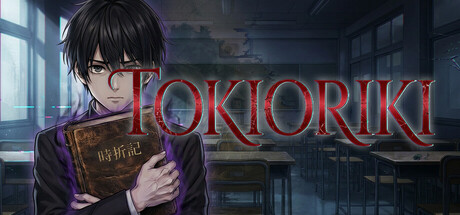
As a solo developer, my primary focus is on crafting the intricate story and branching narrative of this visual novel. To help bring the world of Chrono Mailbox to life, I utilized generative AI tools to assist in creating certain visual assets (such as character art) and background music soundtracks. All AI-generated content has been carefully curated, manually edited, and deeply integrated to ensure it perfectly serves the game's original vision and emotional tone.
Generative AI was used to assist in the creation of the game's codebase and logic. AI tools were also used to generate environmental art, background assets, and promotional marketing materials (including the Library Hero, Logo, and store page assets). All AI-generated content was reviewed and curated to ensure it meets quality standards and does not contain illegal or infringing material.
Pre-generated AI tools were utilized to create the foundation for the 2D background art, character sprites, and audio. All of these raw assets were then extensively edited, cropped, and manually integrated by hand to ensure they perfectly fit the game's mechanics, atmosphere, and engine requirements.
This game uses AI-generated voice acting for character dialogue and cutscenes. All AI-generated audio content was reviewed by the developer before inclusion in the game.
This game uses AI-generated imagery for promotional artwork and capsule images. All AI-generated visual content was reviewed by the developer before inclusion.
AI was used to generate the initial rough 3D base for the characters in the game. All further work, including detailing, texturing, and custom animations, was done completely by hand.
Questo gioco utilizza strumenti di intelligenza artificiale durante lo sviluppo. L’AI è stata utilizzata per supportare la creazione di alcune texture, suoni ed elementi visivi minori. Tutti i contenuti generati sono stati revisionati e modificati manualmente dallo sviluppatore per garantire qualità e coerenza con lo stile del gioco. Non è presente generazione AI in tempo reale durante il gameplay.
Generative AI was used to create some visual assets for the Steam Store Page (capsule images, promotional materials). All in-game art, gameplay mechanics, code, music, sound effects, and translations were created without generative AI.
Generative AI tools were used during development to assist with writing and debugging parts of the game code. Some visual or text assets may have been created or edited with the assistance of generative AI. The game does not use live generative AI during gameplay.
World maps in National Transit are created with procedural (algorithmic) generation — not AI. Terrain, rivers, coastlines, and city placement are generated algorithmically at the start of each playthrough.
Generative AI is used in the following place(s):
• Some of the in-game icons/2D art — a portion are AI-generated; the rest are hand-drawn.
In-game text is written by hand; localisation into other languages was produced with the help of machine/AI translation.
We have utilized AI tools during development to help make our peaceful sanctuary accessible to players worldwide in their native languages. All AI-assisted elements fall under pre-generated content:
In-Game Translations: Game texts and quests were translated from the Slovak original using AI. We actively work with community volunteers to review these. Any languages that have not yet undergone human verification are clearly marked within the game settings as AI/machine translations.
Marketing Copy: AI was used extensively to draft and translate store descriptions and marketing materials for international storefronts (without subsequent human verification).
The core game design, mechanics, storyline, and atmosphere are entirely our own original work. AI served purely as a technical tool to deliver faster localization.
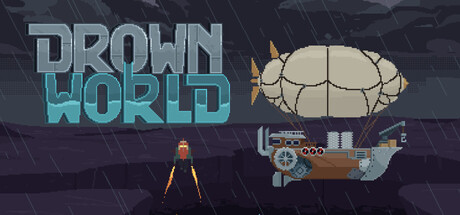
Some UI elements in Drown World (specifically element icons for water, fire, gas, and similar interactive particles) were created using generative AI tools and subsequently edited and refined. Since the element roster is still being finalised and expanded, these icons will be replaced with custom artwork once the full set is locked in. Music stems were generated using AI tools, then edited and arranged by the developer. Localisation was produced with the assistance of generative AI.
During early development, some voice lines are generated using AI technology as part of the prototyping process. These elements are subject to change and may be replaced with fully produced voice acting in future updates. The rest of the game content is created manually or using properly licensed assets.
AI Disclosure
Generative AI tools were used to assist with writing store page descriptions and game development. All gameplay content — including art, audio, maze generation, and game mechanics — is created programmatically through traditional algorithms and code.
Necromancer's Army uses generative AI to assist with portions of the in-game soundtrack and certain Steam store marketing assets (such as capsule art and banners).
Localization for the game's 8 supported languages was created using AI-assisted translation and reviewed and refined by our team for overall accuracy and quality.
All in-game visuals are procedurally generated through deterministic algorithms and do not use machine learning or AI techniques. All narrative writing is fully authored by our team.
If the game finds its audience, we plan to replace these AI-assisted assets with original work commissioned from human artists, and have the localization reviewed by native speakers prior to full release.
During development, AI-assisted tools may have been used in a limited role for tasks such as concept support and writing assistance. These tools were used only to assist the development process. All final content choices, editing, implementation, and creative direction were carried out by the solo developer. The game does not include live-generated AI content during runtime.
Generative AI was used only in a limited capacity for some sound effects, translations, and Steam store page marketing assets.
The game does not contain any real-time AI-generated content during gameplay.
Some 2D artwork (concept art, item icons, environmental textures)
in this game was created with the assistance of generative AI tools,
then reviewed and edited by our art team before inclusion in the game.
All gameplay code, design, music, and sound effects were created by humans.
Somewhere Café features music generated with AI tools (Producer.ai / Lyria 3) under the creative direction of Icefield Settler Studio, and some visual assets created with Nano Banana 2. All content has been reviewed and curated by the development team.
Generative AI was used during the pre-production phase to create and refine visual concepts, character designs (including enemies and the protagonist), and environmental assets. All AI-generated content was further edited and processed by the developer to fit the game's unique pixel-art constructivist style. No AI content is generated live during gameplay.
The background music in this game was generated using Suno AI. Some sound effects were generated using ElevenLabs. All AI-generated assets were curated, edited, and finalized by the developer (W4S) as part of the production process. No AI-generated content is created at runtime — all assets are pre-produced and bundled with the game.
Invaders Evolutions was developed by a small team using AI-assisted tools to cover technical art skill gaps. This enabled us to create high-quality assets and focus on complex gameplay mechanics that wouldn't have been possible for us to produce manually. All AI-generated elements were curated, edited, and integrated under strict human direction to ensure a cohesive and polished final product.
Partial card art, UI interface art and promotional image assets of this game were created with the assistance of AI tools. All AI-generated content has been manually reviewed, refined, and recreated by the development team, with the final presentation centered on human creation and without any copyright issues.
The game uses AI-assisted translation to localize in-game text into multiple languages. All other content is created by human developers using licensed assets.
This game includes some pre-generated images, textures, and videos, as well as AI-assisted translation of dialogue, created using AI tools during development.
Shatterhold uses AI-generated art for environmental paintings, creature portraits, and music tracks. All gameplay mechanics, code, and game design are human-directed.
All store page and in-game translations were created with AI assistance as a starting point. As a solo developer, I only speak English and Ukrainian natively, so I recognize that AI translations may contain errors — I hope to improve them with native speaker feedback in the future.
Store page artwork was generated with AI image tools and then manually composed and edited by the developer.
AI used for artwork and logo that used in Steam page. In-game, placeholder narrative dialogue sounds are AI generated and will be replaced further in development.
Haunt & Hide uses generative AI for two pre-production assets that ship in the final game:
1. The game logo was created using ChatGPT / DALL-E image generation tools. It appears in menus, loading screens, and promotional materials.
2. Background music tracks were generated using Producer.ai (a generative AI music tool) and pre-rendered as standard audio files that ship with the game.
All other content is human-created: game code (C#/Unity), 3D assets (Synty Studios asset packs used under license), level design, game mechanics, UI layout, voice chat content (player-driven at runtime), and written text. No generative AI is used at runtime — the game does not call any AI services during gameplay. All AI-generated assets were reviewed and integrated by the developer.
Generative artificial intelligence was used during the development of this game to create some of the visual art, as well as some of the music and sound effects. AI-generated assets were reviewed/edited/finalized by a human before release.
As a solo developer, my primary focus is on crafting the intricate story and branching narrative of this visual novel. To help bring the world of Chrono Mailbox to life, I utilized generative AI tools to assist in creating certain visual assets (such as character art) and background music soundtracks. All AI-generated content has been carefully curated, manually edited, and deeply integrated to ensure it perfectly serves the game's original vision and emotional tone.
Generative AI was used to assist in the creation of the game's codebase and logic. AI tools were also used to generate environmental art, background assets, and promotional marketing materials (including the Library Hero, Logo, and store page assets). All AI-generated content was reviewed and curated to ensure it meets quality standards and does not contain illegal or infringing material.
Pre-generated AI tools were utilized to create the foundation for the 2D background art, character sprites, and audio. All of these raw assets were then extensively edited, cropped, and manually integrated by hand to ensure they perfectly fit the game's mechanics, atmosphere, and engine requirements.
This game uses AI-generated voice acting for character dialogue and cutscenes. All AI-generated audio content was reviewed by the developer before inclusion in the game.
This game uses AI-generated imagery for promotional artwork and capsule images. All AI-generated visual content was reviewed by the developer before inclusion.
AI was used to generate the initial rough 3D base for the characters in the game. All further work, including detailing, texturing, and custom animations, was done completely by hand.
Questo gioco utilizza strumenti di intelligenza artificiale durante lo sviluppo. L’AI è stata utilizzata per supportare la creazione di alcune texture, suoni ed elementi visivi minori. Tutti i contenuti generati sono stati revisionati e modificati manualmente dallo sviluppatore per garantire qualità e coerenza con lo stile del gioco. Non è presente generazione AI in tempo reale durante il gameplay.
Generative AI was used to create some visual assets for the Steam Store Page (capsule images, promotional materials). All in-game art, gameplay mechanics, code, music, sound effects, and translations were created without generative AI.
Generative AI tools were used during development to assist with writing and debugging parts of the game code. Some visual or text assets may have been created or edited with the assistance of generative AI. The game does not use live generative AI during gameplay.
World maps in National Transit are created with procedural (algorithmic) generation — not AI. Terrain, rivers, coastlines, and city placement are generated algorithmically at the start of each playthrough.
Generative AI is used in the following place(s):
• Some of the in-game icons/2D art — a portion are AI-generated; the rest are hand-drawn.
In-game text is written by hand; localisation into other languages was produced with the help of machine/AI translation.
We have utilized AI tools during development to help make our peaceful sanctuary accessible to players worldwide in their native languages. All AI-assisted elements fall under pre-generated content:
In-Game Translations: Game texts and quests were translated from the Slovak original using AI. We actively work with community volunteers to review these. Any languages that have not yet undergone human verification are clearly marked within the game settings as AI/machine translations.
Marketing Copy: AI was used extensively to draft and translate store descriptions and marketing materials for international storefronts (without subsequent human verification).
The core game design, mechanics, storyline, and atmosphere are entirely our own original work. AI served purely as a technical tool to deliver faster localization.
Some UI elements in Drown World (specifically element icons for water, fire, gas, and similar interactive particles) were created using generative AI tools and subsequently edited and refined. Since the element roster is still being finalised and expanded, these icons will be replaced with custom artwork once the full set is locked in. Music stems were generated using AI tools, then edited and arranged by the developer. Localisation was produced with the assistance of generative AI.
During early development, some voice lines are generated using AI technology as part of the prototyping process. These elements are subject to change and may be replaced with fully produced voice acting in future updates. The rest of the game content is created manually or using properly licensed assets.