Public Steam disclosure research25,514 disclosures tracked
Where do games disclose AI use?
Search developers’ Steam disclosures, compare classified AI use across
games, and follow recorded changes.
This index adds cross-game classifications and statistics to
statements published on individual store pages.
Groups reflect automatic analysis of public disclosures; mature records are excluded. These counts do not measure AI use across all of Steam.
Missing or unclear statements cannot establish whether a game uses AI.
Generative AI (SoundID VoiceAI) was used to process recorded voice-acting performances for character dialogue and undead vocals. AI tools were also used in the creation of environmental textures and ambient sound layers."
Generative AI tools were used to assist with localization translations. All AI-generated translations were reviewed and edited by the development team.
Some visual assets used in the game’s store page and promotional materials were created with the assistance of generative AI tools. All gameplay content, writing, and narrative design are created by the developer.
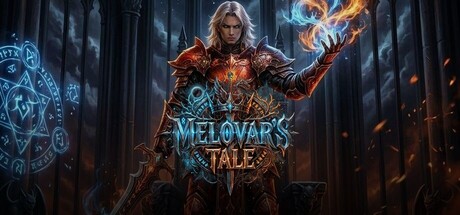
A lot of the artwork in Melovar's Tale, including the card, relic and character illustrations were created with the assistance of AI tools. All AI Generated items were reviewed, curated, and refined to ensure they meet the game visual and thematic standards. There isn't any AI content generated live during the game.
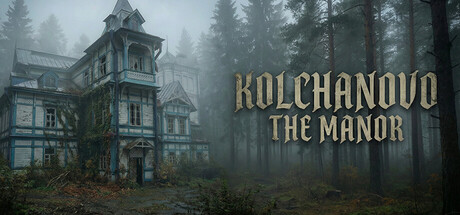
3D Models: Generative artificial intelligence is used to restore and recreate interior objects of the real building that were lost in the fire.
Images: The paintings inside the manor are real photographs of artworks that once hung inside, but they have been enhanced and restored.
Music & Sounds: Specially created to build a unique and immersive atmosphere.
Some store imagery (capsule art) was created with AI image generation tools. Game text translations for non-English/Turkish languages were assisted by AI translation, with manual review
Some artwork used in store page capsule images and card illustrations was created with the assistance of AI image generation tools. All AI-generated assets were reviewed, curated, and edited by the developer. No AI is used during gameplay.
As a solo developer, I utilize generative AI tools to assist in creating base 3D assets, environmental props, and certain 2D visual elements to streamline the development process. Additionally, AI is used to support the initial localization of game text, which is then manually reviewed and refined to ensure accuracy and cultural relevance. Every AI-assisted asset and text is carefully hand-edited to fit the game's specific art style and technical standards.
This game uses generative artificial intelligence to assist in writing portions of its code during development. All AI-generated content has been manually reviewed, modified, and tested by the development team to ensure the game's stability, security, and content compliance. No real-time AI content is generated during gameplay.
Some visual assets in this game were created with the assistance of AI tools. All content has been reviewed, curated, and integrated by the developer to ensure a cohesive gameplay experience.
Generative AI has been used for proofreading in-game and store texts. It has also been used to localize the game and as a voice-over in the cinematic trailer.
The game does not generate AI-created content dynamically during gameplay. Generative AI tools were used to assist with development. All final content was reviewed, edited, and approved by the developers.
I’m a good programmer, but a terrible artist. So some of the images were created with the help of AI. By the time of release, I’ll try to remove all AI-generated images from the Steam page and from some textures in the game.
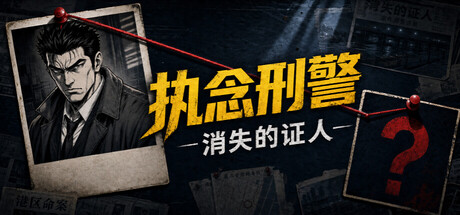
The game's narrative videos (including surveillance footage, dashcam recordings, interrogation replays, crime scene reconstructions, atmospheric establishing shots, etc.) are created using AI video generation tools such as Seedance 2.0 and Jimeng. Character sprites, character portraits, and scene backgrounds are generated using AI image tools banana2 and image2.
All AI-generated content has been manually curated, edited, and adjusted by developers before being integrated into the game, with full reviews conducted for copyright and compliance.
The screenplay, dialogue, level design, reasoning logic, programming code, and UI are all originally created by human developers. No AI models are invoked nor external AI services connected during gameplay.
Generative AI was used to create some in game visual assets. If you're interested in better understanding my position on GenAI please read my artist statement on the topic : https://ferdinanddervieux.com/artist-statement.html
Salvo uses generative AI in a limited, pre-rendered capacity:
• Voice Acting: NPC dialogue throughout the campaign is voiced using ElevenLabs text-to-speech technology. All voice lines are generated, reviewed, and bundled with the game during development. No voice synthesis occurs at runtime.
• Visual Assets: Select concept art, promotional materials, and supplementary illustrations (such as wiki imagery) were created with assistance from AI image generation tools and reviewed by the development team before inclusion.
• Marketing Materials: The game's trailer voiceover and certain store page assets were produced with AI assistance.
All AI-assisted content has been reviewed by the developer prior to release. The game does not generate, transmit, or produce any AI content during gameplay — all in-game audio, visuals, and text are pre-rendered and ship with the game.
This game uses generative AI tools to assist with the translation of text from German to English, as well as for proofreading and editing written content. All AI-assisted outputs are reviewed and refined by the developers to ensure quality and consistency.
Generative AI tools were used to assist in the conceptual design of the game's logo, as well as for translating and polishing in-game text and store page descriptions into multiple languages. All core visual assets, including the pixel art, character designs, and cover illustrations, are strictly and entirely hand-crafted by the human developer.
AI tools assisted with game design documentation, initial draft text content, and development planning. The initial AI-generated in-game texts have been replaced with hand-written translations (German complete; English replacement in progress). All in-game content is reviewed and curated by the developer. No AI is used during gameplay.
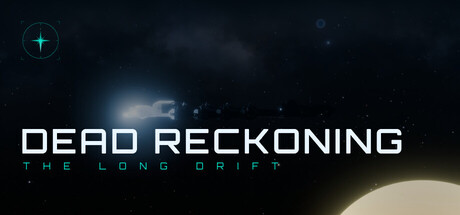
Dead Reckoning is written, and designed by one person. I want to be precise about where AI tools do and don't appear in it.
Creative content — no generative AI. All writing, narrative, and design is mine. I've worked as a technical writer for twelve years; the game's voice is my own. All art and visual assets are hand-made or licensed from named human artists. All music and sound effects are licensed from named human creators (public domain / Creative Commons) — none of it is AI-generated. This is a hard line and I intend to keep it.
Development & release tooling — where AI assists. I use AI in the engineering and release pipeline only, never to author the game itself:
- Coding assistance while writing the game's GDScript.
- An automated QA/test harness that plays the simulation thousands of times to catch crashes and balance regressions.
- Assistance in building linters (Valve YAML sheets) that check the project's text.
- Drafting and summarizing the release notes (patch notes) from the project's changelog.
None of this creates any of the writing, art, audio, or design inside the game.
Localization. The four translations (German, French, Italian, Spanish) are machine-translated by DeepL from my English source, with automated guards that fall back to English wherever a translation would break. This is an accessibility vs. quality decision, and I decided on the former. Proper localizations are planned and will be contracted out if the budget allows.
Generative AI tools were used during the development of this game to assist in the localization of in-game text and store page descriptions into multiple languages. All AI-assisted content has been thoroughly reviewed and curated by the developer to ensure it meets the creative vision and quality standards of the project.
Generative AI has been used to create some music and a small number of textures (in a limited way). It has also been used for translations and character voices.
I’m a solo developer and I use my own cat photography in the game. Some of those photos were transformed into in-game card art with generative AI. Both my original photography and the card art based on it are included in the game. Voice lines in the intro cinematic were also generated with AI. Generative AI is also used when generating stylized weapon & power-up cards. Final assets were selected and edited by the developer.
AI is used to generate some Steam store page assets, as well as some in-game icons and typography. All 3D assets and visual effects in the game are handcrafted and contain no AI-generated content.
Some 2D assets and audio used in the game were created with the assistance of AI tools and later reviewed, edited, and integrated by the developers as part of the final game content.
The Steam store page banners and promotional creatives for the app were created with the assistance of generative AI tools. The in-game assets were either created manually or edited afterwards, but the visual materials used for marketing (such as header images, capsules, and promotional banners) include AI-generated elements.
Generative AI (SoundID VoiceAI) was used to process recorded voice-acting performances for character dialogue and undead vocals. AI tools were also used in the creation of environmental textures and ambient sound layers."
Generative AI tools were used to assist with localization translations. All AI-generated translations were reviewed and edited by the development team.
Some visual assets used in the game’s store page and promotional materials were created with the assistance of generative AI tools. All gameplay content, writing, and narrative design are created by the developer.
A lot of the artwork in Melovar's Tale, including the card, relic and character illustrations were created with the assistance of AI tools. All AI Generated items were reviewed, curated, and refined to ensure they meet the game visual and thematic standards. There isn't any AI content generated live during the game.
3D Models: Generative artificial intelligence is used to restore and recreate interior objects of the real building that were lost in the fire.
Images: The paintings inside the manor are real photographs of artworks that once hung inside, but they have been enhanced and restored.
Music & Sounds: Specially created to build a unique and immersive atmosphere.
Some store imagery (capsule art) was created with AI image generation tools. Game text translations for non-English/Turkish languages were assisted by AI translation, with manual review
Some artwork used in store page capsule images and card illustrations was created with the assistance of AI image generation tools. All AI-generated assets were reviewed, curated, and edited by the developer. No AI is used during gameplay.
As a solo developer, I utilize generative AI tools to assist in creating base 3D assets, environmental props, and certain 2D visual elements to streamline the development process. Additionally, AI is used to support the initial localization of game text, which is then manually reviewed and refined to ensure accuracy and cultural relevance. Every AI-assisted asset and text is carefully hand-edited to fit the game's specific art style and technical standards.
This game uses generative artificial intelligence to assist in writing portions of its code during development. All AI-generated content has been manually reviewed, modified, and tested by the development team to ensure the game's stability, security, and content compliance. No real-time AI content is generated during gameplay.
Some visual assets in this game were created with the assistance of AI tools. All content has been reviewed, curated, and integrated by the developer to ensure a cohesive gameplay experience.
Generative AI has been used for proofreading in-game and store texts. It has also been used to localize the game and as a voice-over in the cinematic trailer.
The game does not generate AI-created content dynamically during gameplay. Generative AI tools were used to assist with development. All final content was reviewed, edited, and approved by the developers.
I’m a good programmer, but a terrible artist. So some of the images were created with the help of AI. By the time of release, I’ll try to remove all AI-generated images from the Steam page and from some textures in the game.
The game's narrative videos (including surveillance footage, dashcam recordings, interrogation replays, crime scene reconstructions, atmospheric establishing shots, etc.) are created using AI video generation tools such as Seedance 2.0 and Jimeng. Character sprites, character portraits, and scene backgrounds are generated using AI image tools banana2 and image2.
All AI-generated content has been manually curated, edited, and adjusted by developers before being integrated into the game, with full reviews conducted for copyright and compliance.
The screenplay, dialogue, level design, reasoning logic, programming code, and UI are all originally created by human developers. No AI models are invoked nor external AI services connected during gameplay.
Generative AI was used to create some in game visual assets. If you're interested in better understanding my position on GenAI please read my artist statement on the topic : https://ferdinanddervieux.com/artist-statement.html
Salvo uses generative AI in a limited, pre-rendered capacity:
• Voice Acting: NPC dialogue throughout the campaign is voiced using ElevenLabs text-to-speech technology. All voice lines are generated, reviewed, and bundled with the game during development. No voice synthesis occurs at runtime.
• Visual Assets: Select concept art, promotional materials, and supplementary illustrations (such as wiki imagery) were created with assistance from AI image generation tools and reviewed by the development team before inclusion.
• Marketing Materials: The game's trailer voiceover and certain store page assets were produced with AI assistance.
All AI-assisted content has been reviewed by the developer prior to release. The game does not generate, transmit, or produce any AI content during gameplay — all in-game audio, visuals, and text are pre-rendered and ship with the game.
This game uses generative AI tools to assist with the translation of text from German to English, as well as for proofreading and editing written content. All AI-assisted outputs are reviewed and refined by the developers to ensure quality and consistency.
Generative AI tools were used to assist in the conceptual design of the game's logo, as well as for translating and polishing in-game text and store page descriptions into multiple languages. All core visual assets, including the pixel art, character designs, and cover illustrations, are strictly and entirely hand-crafted by the human developer.
AI tools assisted with game design documentation, initial draft text content, and development planning. The initial AI-generated in-game texts have been replaced with hand-written translations (German complete; English replacement in progress). All in-game content is reviewed and curated by the developer. No AI is used during gameplay.
Dead Reckoning is written, and designed by one person. I want to be precise about where AI tools do and don't appear in it.
Creative content — no generative AI. All writing, narrative, and design is mine. I've worked as a technical writer for twelve years; the game's voice is my own. All art and visual assets are hand-made or licensed from named human artists. All music and sound effects are licensed from named human creators (public domain / Creative Commons) — none of it is AI-generated. This is a hard line and I intend to keep it.
Development & release tooling — where AI assists. I use AI in the engineering and release pipeline only, never to author the game itself:
- Coding assistance while writing the game's GDScript.
- An automated QA/test harness that plays the simulation thousands of times to catch crashes and balance regressions.
- Assistance in building linters (Valve YAML sheets) that check the project's text.
- Drafting and summarizing the release notes (patch notes) from the project's changelog.
None of this creates any of the writing, art, audio, or design inside the game.
Localization. The four translations (German, French, Italian, Spanish) are machine-translated by DeepL from my English source, with automated guards that fall back to English wherever a translation would break. This is an accessibility vs. quality decision, and I decided on the former. Proper localizations are planned and will be contracted out if the budget allows.
Generative AI tools were used during the development of this game to assist in the localization of in-game text and store page descriptions into multiple languages. All AI-assisted content has been thoroughly reviewed and curated by the developer to ensure it meets the creative vision and quality standards of the project.
Generative AI has been used to create some music and a small number of textures (in a limited way). It has also been used for translations and character voices.
I’m a solo developer and I use my own cat photography in the game. Some of those photos were transformed into in-game card art with generative AI. Both my original photography and the card art based on it are included in the game. Voice lines in the intro cinematic were also generated with AI. Generative AI is also used when generating stylized weapon & power-up cards. Final assets were selected and edited by the developer.
AI is used to generate some Steam store page assets, as well as some in-game icons and typography. All 3D assets and visual effects in the game are handcrafted and contain no AI-generated content.
Some 2D assets and audio used in the game were created with the assistance of AI tools and later reviewed, edited, and integrated by the developers as part of the final game content.
The Steam store page banners and promotional creatives for the app were created with the assistance of generative AI tools. The in-game assets were either created manually or edited afterwards, but the visual materials used for marketing (such as header images, capsules, and promotional banners) include AI-generated elements.