Public Steam disclosure research25,514 disclosures tracked
Where do games disclose AI use?
Search developers’ Steam disclosures, compare classified AI use across
games, and follow recorded changes.
This index adds cross-game classifications and statistics to
statements published on individual store pages.
Groups reflect automatic analysis of public disclosures; mature records are excluded. These counts do not measure AI use across all of Steam.
Missing or unclear statements cannot establish whether a game uses AI.
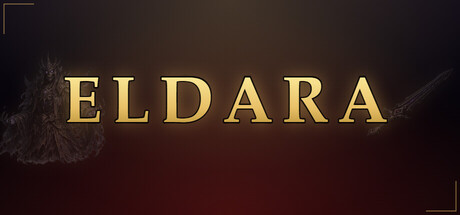
The development of Eldara incorporated AI-generated content. Specifically, AI image generation tools were used to create certain in-game visual assets, including monster portraits, pet illustrations, item icons, and character artwork.
All AI-generated assets were manually reviewed, curated, and integrated by the developer before inclusion in the final product. No real-world copyrighted artwork was intentionally used as input to the AI generation process.
No AI is used live during gameplay — all assets are pre-generated and shipped with the game. There is no live AI generation, AI dialogue, or AI-driven content while playing.
This game uses AI tools during development to assist with the creation of certain 3D models and prototyping. All gameplay design, final programming, balancing, creative direction, and system integration were carried out by the developer.
AI tools were used during the localization process and then manually reviewed by a human.
All in-game and promotional art was authored by a person and not made with generative AI.
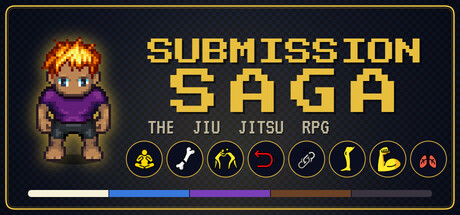
Some UI icons, character and creature sprites, and other in-game graphics in Submission Saga were created with the assistance of generative AI image tools (including Pixellab.ai), and portions of the store page text were drafted with AI writing assistance. Portions of the game's source code were also written with the assistance of an AI coding assistant. All AI-generated content was reviewed, edited, and curated by the developer before inclusion. No AI is used to generate content live during gameplay.
It was used solely as a tool to assist in adjusting the color palette in the localization of the text language and in the handcrafted capsule art we designed ourselves.
Both manual coding and coding using generative AI is included in this game. Some UI images were developed using generative AI as well as some in level images in the final level. Store presence images were developed using generative AI.
Some visual assets, promotional images, and text elements were created with the assistance of generative AI tools. The gameplay itself does not use live AI-generated content.
AI have been used to generate/improve a few posters and paints visible in the environnement. These images were first drawn by internal game artist of the team.
Voices have been generated with AI.
This game is a detective adventure in which the player investigates a murder in a small town.
An AI language model generates real-time dialogue when interacting with townspeople or interrogating suspects.
The AI creates dynamic and context-appropriate conversations based on each character’s personality and the situation.
All generated content is restricted to the game’s internal narrative and is filtered to prevent the inclusion of copyrighted material or inappropriate content.
AI-assisted tools were used during development to support some early exploration and temporary development content. Any AI-assisted assets were either replaced or refined by humans in order to maintain the creative and artistic vision of the development team.
The main theme song for Escape From Planet Pan features lyrics by Nob Studio and was composed using Suno AI.
All other assets were created traditionally.
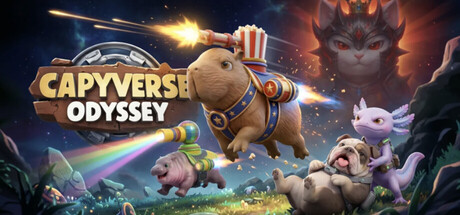
Some artwork in Capyverse Odyssey was created with assistance from generative AI tools and further refined, polished, and modified by the studio’s artists and development team. Final gameplay systems, design, programming, and core game content are developed by Metazooie Studios.
Some of the music in BomBom Saga is AI-Assisted. This means that the original composition — the soul of the track, the rhythm, lyrics, and beatbox — was 100% created by me.After creation, I used an AI music editing tool (fully licensed for commercial use) strictly to polish, enhance, and refine the instruments. The AI acted merely as a finalization tool, not a creator. No purely AI-generated content is present in the game. Furthermore, I conducted exhaustive copyright checks over several days to guarantee that all tracks are completely safe and free of any infringements.
This game uses generative AI to assist with the creation of pixel art assets (character sprites, projectiles, icons, capsule art) and to support code development. All generated content was reviewed, integrated, and finalized by the developer. No AI is used at runtime —
every asset is pre-generated and baked into the build. No player data is sent to AI services during gameplay.
This title uses generative AI tools as supporting tools in limited parts of development.The game design, animation, asset placement, implementation, direction, programming, writing, stage design, and overall creative decisions are handled by the developer.All AI-assisted content is pre-generated during development. The game does not generate AI content in real time during gameplay.[3D Models]- Tripo AIAI-generated models are used as a base for some 3D assets. The developer performs mesh editing, scaling, texture and normal map adjustments, placement, and in-game implementation.[Music & Sound]- SUNO AIUsed to assist music production based on the developer's original motifs, samples, and creative direction.- ElevenLabsUsed for sound effect generation.All AI-generated content is used within the scope permitted by each tool's commercial usage terms.
This game was developed with the assistance of AI-based tools for programming support, debugging, and general development assistance. All content, gameplay design, and final implementation were reviewed and integrated by the developer.
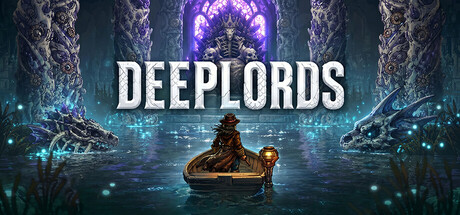
The static pixel art images of the creatures (Deeplords) and environmental elements were pre-generated using AI tools and subsequently animated with another AI tool based on the developer's specific directions. Leveraging 10 years of professional 3D modeling experience, these assets were then integrated as textures and sprites inside complex 3D environments and dioramas modeled manually by the developer in Blender and structured in Unity. The game's Unity C# scripts were pre-generated using AI co-pilot tools based on the precise gameplay logic requested by the developer, followed by extensive manual debugging, correction, and multi-turn optimization cycles. Lastly, the soundtrack and audio elements were pre-generated using AI tools based on specific genre and stylistic vibes provided by the developer, then manually reviewed and refined to perfectly fit the dark atmosphere of the individual biomes.
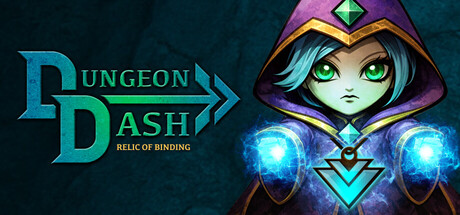
As a solo developer, I used every tool available to bring Dungeon Dash to life. The game design, mechanics, storyline, and level designs are entirely original, conceived long before AI tools entered the picture. The artwork combines hand drawn, stock, and AI generated assets, all of which have been further modified and animated by hand to fit the vision of the game.
Generative AI was used strictly during the pre-production and marketing phases to create corporate key art, capsule images, and promotional banners for the Steam store page. No AI-generated assets, code, or data are included within the game build itself.
Some store-page and marketing visual assets may be created or assisted with generative AI. The game itself does not generate AI content during gameplay.
This game is a solo development project created entirely by one person. All ideas, level design, 3D models, animations, visual assets, images, and core coding were made by hand and mind of the developer. Artificial intelligence was used only in a supportive role, specifically to assist with minor coding tasks and to generate certain sound effects. The creative vision, gameplay systems, and all visual content are original works produced directly by the developer.
AI tools are used in a limited capacity for language polishing and coding support. All story content, characters, and creative direction are created by the development team. No AI-generated voice acting, art, or music is used.
Some promotional and visual branding materials, including capsule artwork, logos, and application icons, were created or assisted using generative AI tools.
Partially. Galactic Tenebris Company believes in being transparent with the people who play our games. Here is an honest account of where AI tools contributed to this production:
— Some icons and UI elements, including weapon icons
— Organizing and structuring the scenario, narrative documents, and dialogue across the game's four regions
— Translation from Mr. M.'s private family dialect into English.
All 3D models were handcrafted by the developer. No textures were AI-generated. The music and sound effects were composed and not generated by AI tools.
Our position as a company is simple — we use AI only where we have no other means or resources available. Where human craft was possible, human craft was used.
Every creative decision — the story, the world, the characters, the quests, the writing — was made by the developer. The scenario and dialogues were authored by the developer and organised with AI assistance. The foundation of this game is firsthand experience. That part was not written by any tool.
— Mr. M., Owner of Galactic Tenebris Company
The development of Eldara incorporated AI-generated content. Specifically, AI image generation tools were used to create certain in-game visual assets, including monster portraits, pet illustrations, item icons, and character artwork.
All AI-generated assets were manually reviewed, curated, and integrated by the developer before inclusion in the final product. No real-world copyrighted artwork was intentionally used as input to the AI generation process.
No AI is used live during gameplay — all assets are pre-generated and shipped with the game. There is no live AI generation, AI dialogue, or AI-driven content while playing.
This game uses AI tools during development to assist with the creation of certain 3D models and prototyping. All gameplay design, final programming, balancing, creative direction, and system integration were carried out by the developer.
AI tools were used during the localization process and then manually reviewed by a human.
All in-game and promotional art was authored by a person and not made with generative AI.
Some UI icons, character and creature sprites, and other in-game graphics in Submission Saga were created with the assistance of generative AI image tools (including Pixellab.ai), and portions of the store page text were drafted with AI writing assistance. Portions of the game's source code were also written with the assistance of an AI coding assistant. All AI-generated content was reviewed, edited, and curated by the developer before inclusion. No AI is used to generate content live during gameplay.
It was used solely as a tool to assist in adjusting the color palette in the localization of the text language and in the handcrafted capsule art we designed ourselves.
Both manual coding and coding using generative AI is included in this game. Some UI images were developed using generative AI as well as some in level images in the final level. Store presence images were developed using generative AI.
Some visual assets, promotional images, and text elements were created with the assistance of generative AI tools. The gameplay itself does not use live AI-generated content.
AI have been used to generate/improve a few posters and paints visible in the environnement. These images were first drawn by internal game artist of the team.
Voices have been generated with AI.
This game is a detective adventure in which the player investigates a murder in a small town.
An AI language model generates real-time dialogue when interacting with townspeople or interrogating suspects.
The AI creates dynamic and context-appropriate conversations based on each character’s personality and the situation.
All generated content is restricted to the game’s internal narrative and is filtered to prevent the inclusion of copyrighted material or inappropriate content.
AI-assisted tools were used during development to support some early exploration and temporary development content. Any AI-assisted assets were either replaced or refined by humans in order to maintain the creative and artistic vision of the development team.
The main theme song for Escape From Planet Pan features lyrics by Nob Studio and was composed using Suno AI.
All other assets were created traditionally.
Some artwork in Capyverse Odyssey was created with assistance from generative AI tools and further refined, polished, and modified by the studio’s artists and development team. Final gameplay systems, design, programming, and core game content are developed by Metazooie Studios.
Some of the music in BomBom Saga is AI-Assisted. This means that the original composition — the soul of the track, the rhythm, lyrics, and beatbox — was 100% created by me.After creation, I used an AI music editing tool (fully licensed for commercial use) strictly to polish, enhance, and refine the instruments. The AI acted merely as a finalization tool, not a creator. No purely AI-generated content is present in the game. Furthermore, I conducted exhaustive copyright checks over several days to guarantee that all tracks are completely safe and free of any infringements.
This game uses generative AI to assist with the creation of pixel art assets (character sprites, projectiles, icons, capsule art) and to support code development. All generated content was reviewed, integrated, and finalized by the developer. No AI is used at runtime —
every asset is pre-generated and baked into the build. No player data is sent to AI services during gameplay.
This title uses generative AI tools as supporting tools in limited parts of development.The game design, animation, asset placement, implementation, direction, programming, writing, stage design, and overall creative decisions are handled by the developer.All AI-assisted content is pre-generated during development. The game does not generate AI content in real time during gameplay.[3D Models]- Tripo AIAI-generated models are used as a base for some 3D assets. The developer performs mesh editing, scaling, texture and normal map adjustments, placement, and in-game implementation.[Music & Sound]- SUNO AIUsed to assist music production based on the developer's original motifs, samples, and creative direction.- ElevenLabsUsed for sound effect generation.All AI-generated content is used within the scope permitted by each tool's commercial usage terms.
This game was developed with the assistance of AI-based tools for programming support, debugging, and general development assistance. All content, gameplay design, and final implementation were reviewed and integrated by the developer.
The static pixel art images of the creatures (Deeplords) and environmental elements were pre-generated using AI tools and subsequently animated with another AI tool based on the developer's specific directions. Leveraging 10 years of professional 3D modeling experience, these assets were then integrated as textures and sprites inside complex 3D environments and dioramas modeled manually by the developer in Blender and structured in Unity. The game's Unity C# scripts were pre-generated using AI co-pilot tools based on the precise gameplay logic requested by the developer, followed by extensive manual debugging, correction, and multi-turn optimization cycles. Lastly, the soundtrack and audio elements were pre-generated using AI tools based on specific genre and stylistic vibes provided by the developer, then manually reviewed and refined to perfectly fit the dark atmosphere of the individual biomes.
As a solo developer, I used every tool available to bring Dungeon Dash to life. The game design, mechanics, storyline, and level designs are entirely original, conceived long before AI tools entered the picture. The artwork combines hand drawn, stock, and AI generated assets, all of which have been further modified and animated by hand to fit the vision of the game.
Generative AI was used strictly during the pre-production and marketing phases to create corporate key art, capsule images, and promotional banners for the Steam store page. No AI-generated assets, code, or data are included within the game build itself.
Some store-page and marketing visual assets may be created or assisted with generative AI. The game itself does not generate AI content during gameplay.
This game is a solo development project created entirely by one person. All ideas, level design, 3D models, animations, visual assets, images, and core coding were made by hand and mind of the developer. Artificial intelligence was used only in a supportive role, specifically to assist with minor coding tasks and to generate certain sound effects. The creative vision, gameplay systems, and all visual content are original works produced directly by the developer.
AI tools are used in a limited capacity for language polishing and coding support. All story content, characters, and creative direction are created by the development team. No AI-generated voice acting, art, or music is used.
Some promotional and visual branding materials, including capsule artwork, logos, and application icons, were created or assisted using generative AI tools.
Partially. Galactic Tenebris Company believes in being transparent with the people who play our games. Here is an honest account of where AI tools contributed to this production:
— Some icons and UI elements, including weapon icons
— Organizing and structuring the scenario, narrative documents, and dialogue across the game's four regions
— Translation from Mr. M.'s private family dialect into English.
All 3D models were handcrafted by the developer. No textures were AI-generated. The music and sound effects were composed and not generated by AI tools.
Our position as a company is simple — we use AI only where we have no other means or resources available. Where human craft was possible, human craft was used.
Every creative decision — the story, the world, the characters, the quests, the writing — was made by the developer. The scenario and dialogues were authored by the developer and organised with AI assistance. The foundation of this game is firsthand experience. That part was not written by any tool.
— Mr. M., Owner of Galactic Tenebris Company