Public Steam disclosure research25,376 disclosures tracked
Where do games disclose AI use?
Search developers’ Steam disclosures, compare classified AI use across
games, and follow recorded changes.
This index adds cross-game classifications and statistics to
statements published on individual store pages.
Groups reflect automatic analysis of public disclosures; mature records are excluded. These counts do not measure AI use across all of Steam.
Missing or unclear statements cannot establish whether a game uses AI.
Generative AI was used to enhance marketing assets such as steam capsule & early sketch concept before offloaded & polished by Humans.
All gameplay, art, and final content remain crafted by Human.
An AI assistant (Anthropic's Claude) helped write the game's code and draft store/marketing text, all reviewed by the developer. All art is hand-made and procedurally rendered; all music and sound effects are human-created or licensed (CC0 / commissioned). No AI-generated art, audio, or voice ships in the game, and no AI content is generated during play.
Generative artificial intelligence has been used to create store page thumbnails based on the developer's scene work.
Generative artificial intelligence has been used by the developer to vastly improve the performance of the developers code with respect to loading times. The developer struggled for months to figure out how to reduce a 30 second+ loading time and thanks to the contributions of gen AI that has been brought down to 5 seconds.
This game uses AI-generated content in two areas: background music tracks were created using Mureka AI, and some pixel art assets were generated using PixelLab. All AI-generated content was reviewed, curated, and integrated by the developer.
Updated 8/24/2026 for Full Transparency:
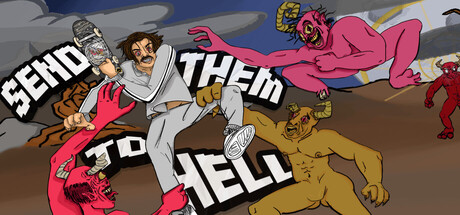
Send Them to Hell was built by a very small team with a very large appetite for demonic slaughter. Generative AI was used during development to create concept art and visual references for the graphic design team. These concepts were used as references during the creation and refinement of the game’s sprites and visual assets. The final assets were created and modified by the development team. The remainder of the artwork was created by human artists, who were compensated for their work and are credited in-game.
Pre-generated: Steam store capsule and library key art was created using OpenAI image generation and then cropped, titled, and prepared by the developer. No generative AI runs during gameplay.
This game uses generative AI as part of its art and localization pipeline. Specifically:
- Character portrait artwork: The hunters' painted bust portraits (shown on the character-select screen, and reused in store page capsule art and the trailer) were generated using a local Stable Diffusion XL model with a custom LoRA, then composited by hand into final scenes.
- Localization: UI text translations for French, German, Spanish (Spain), Spanish (Latin America), Portuguese (Brazil), Italian, Polish, and Turkish were produced with AI assistance and reviewed before shipping.
All AI-assisted content was reviewed by the development team before inclusion. No content is generated live or in response to player input during gameplay — all AI-assisted assets are fixed at build time.
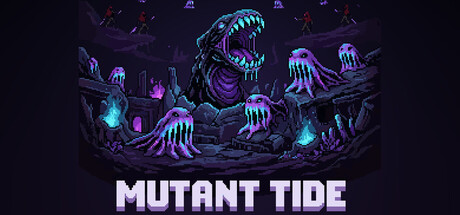
Some 2D art assets in MutantTide (including promotional key art) were created with the assistance of AI based pixel art tools. All game design, code, systems, and gameplay were hand crafted by the developer. No AI generated content is produced live during gameplay.
Some visual assets and audio assets used in this game were created or assisted using generative AI tools. All AI-generated content has been reviewed, edited, and integrated by the developer as part of the game's production process. The game does not generate content using AI during gameplay.
This game uses AI-generated content for marketing and
promotional materials, including the game trailer, teaser,
Steam capsule images, title images, and other marketing assets.
Most of the AI-generated images were additionally edited and
refined by our team using artistic and creative techniques
to better fit the game's visual style.
The AI-generated content is limited to external marketing
materials only. All actual gameplay, game mechanics, and
in-game content were created by the development team.
Generative AI was used during development to assist with portions of the game's artwork, Steam store assets, sound effects, and voice narration. All AI-assisted content has been reviewed, edited, and/or refined by the developer. No generative AI is used during gameplay.
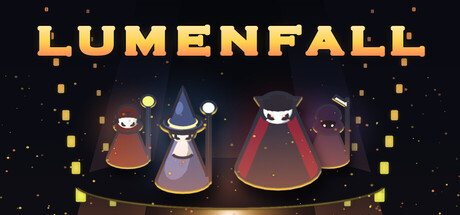
Lumenfall is built by a small studio using AI-assisted development tools. Some pre-generated content — including portions of the game's code, the store page text, and the 2D promotional/capsule artwork and achievement icons — was created with the help of AI tools, always under human direction and review. The game does not generate any content with AI at runtime; everything you play is fixed, hand-tuned content.
Some 2D art (sprites, icons, key art) was generated with a locally run image model, then hand-curated and edited by the developer. Sound effects and music were generated with local audio models and hand-picked. Everything shipped was reviewed by a human; the game performs no AI generation at runtime.
ERLIK is a solo-developed game: all game design, code, writing, balance and feel are handmade. Generative AI tools were used as part of the art production pipeline; every asset was then manually edited, curated and polished by the developer before entering the game. No content is generated while you play, everything is fixed at build time.
Some static store and marketing assets were created with AI-assisted tools, then reviewed, edited, and integrated by the developer. The game does not generate AI content during gameplay.
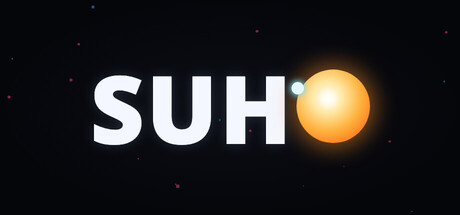
Suho's background music was produced with the help of a generative AI music tool, and some store-page text was drafted with AI assistance and edited by a human. We intend to replace the AI-generated music with commissioned, original music. All gameplay, game design, code, and in-game visual art are human-authored or rendered programmatically (not AI-generated), and no AI content is generated live during play - the soundtrack ships as fixed, pre-made audio files.
Several of the original tracks included with the base game were created with the help of AI tooling as was some of the initial iconography and translations.
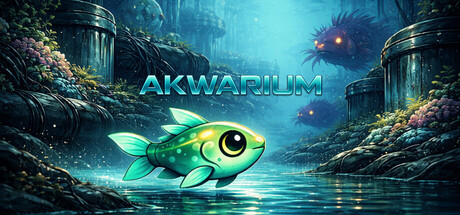
Some 2D artwork in Akwarium (characters, UI, environments, and store images) was created with generative AI tools, then reviewed and refined by the developer. No gameplay content is generated by AI in real time.
Some store page graphical assets and marketing images were created with generative AI and edited manually. The game itself does not use generative AI during gameplay.
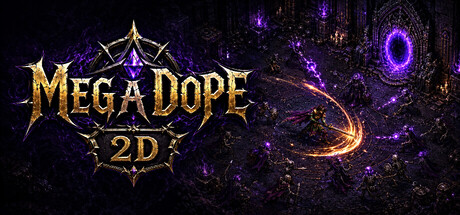
MegaDope 2D uses generative AI assisted tools during development to help create and refine visual assets, character and environment concepts, UI elements, music, sound effects, and promotional/trailer materials. All AI assisted assets are curated, edited, and implemented by the developer as part of the final game. The game does not currently generate new AI content live during gameplay.
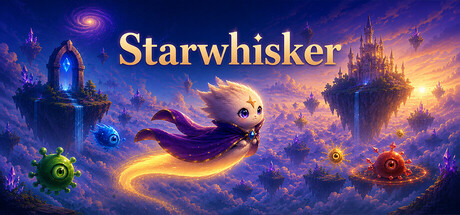
Starwhisker is a solo indie project. During early development, some placeholder assets and development materials were created with the assistance of AI tools to help prototype ideas quickly and focus resources on gameplay development.
As development continues, these assets are being progressively refined, replaced, or supplemented with original work created specifically for the game. The goal is to ensure Starwhisker develops its own distinct artistic identity while remaining transparent about the tools used during its creation.
AI-assisted tools were used to help create some ability icons and some HUD elements. The assets were reviewed and integrated into the game by the developers.
Generative AI (a large language model) was used to assist in drafting text content — store page descriptions, in-game text, and marketing copy — and to assist with code. All output was reviewed and edited by the developer. Game art is from licensed/CC0 asset packs and procedural rendering; audio is procedurally synthesized. No AI-generated imagery or audio ships in the game, and no AI is generated live at runtime.
This game may include pre-generated content created or assisted by generative artificial intelligence tools during development, mainly for support with visual materials, promotional text, localization/translation, and marketing assets.
All content included in the game and on the store page has been manually reviewed, edited, and approved by the development team before publication. The game does not use generative artificial intelligence in real time during gameplay, so no new AI-generated content is created while the user is playing.
The game does not use generative artificial intelligence in real time. No images, text, sounds, dialogue, missions, or any other content are generated by AI while the game is running.
Generative AI was used during development to assist with polishing promotional illustrations and drafting portions of the game's logic code. Some manually drawn promotional artwork was refined with AI assistance to improve less polished areas. AI-assisted code was manually reviewed by the developer, integrated by hand, and verified through local builds and hands-on playtesting before use. The game does not include player-facing real-time AI generation.
Generative AI was used to create some of the capsule and promotional artwork displayed on the game's Steam store page. All such artwork was reviewed and selected by the developer. No AI-generated content is created during gameplay.
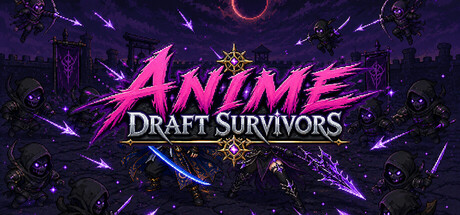
Some of the visual assets in Anime Draft Survivors — including character and enemy artwork, stage backgrounds, UI ornamentation, marketing/capsule images and some audio, were created with the help of generative AI image tools, then hand edited, composited, and integrated by the developer. All game code, design, and gameplay systems are human authored. All AI assisted content is pre-rendered and fixed in the build; the game does not generate any content live during gameplay.
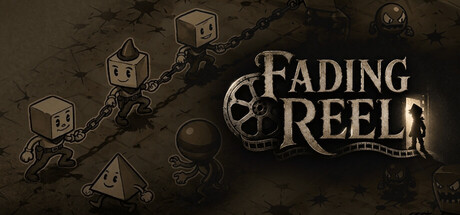
Fading Reel uses machine translation (automated translation software) to provide in-game interface text in languages other than English. English menus, upgrades, tutorials, and story intertitles were written by the developer; non-English versions were generated from that English source and may contain errors.
Game art, audio, gameplay, store screenshots, and the trailer were not created with generative AI.
During the development process of this game, generative AI (LLM) tools were utilized as a coding assistant in the coding and software architecture phases.
Some art and music in Cookiesaner were created with AI-assisted tools: Image generation for sprites and backdrops, and AI-assisted music, then curated, edited, and finished by the solo developer alongside hand-craft and original composition. No AI-generated content is created at runtime; every asset is fixed and reviewed before it ships.
Some Steam store page promotional images were created or edited with the assistance of generative AI tools. These assets are used only for store page or marketing presentation.
The playable game itself does not include generative AI features, does not connect to any AI service, and does not generate images, audio, text, or other content at runtime. No AI-generated images, audio, or text are included in the playable game build.
Generative AI was used to enhance marketing assets such as steam capsule & early sketch concept before offloaded & polished by Humans.
All gameplay, art, and final content remain crafted by Human.
An AI assistant (Anthropic's Claude) helped write the game's code and draft store/marketing text, all reviewed by the developer. All art is hand-made and procedurally rendered; all music and sound effects are human-created or licensed (CC0 / commissioned). No AI-generated art, audio, or voice ships in the game, and no AI content is generated during play.
Generative artificial intelligence has been used to create store page thumbnails based on the developer's scene work.
Generative artificial intelligence has been used by the developer to vastly improve the performance of the developers code with respect to loading times. The developer struggled for months to figure out how to reduce a 30 second+ loading time and thanks to the contributions of gen AI that has been brought down to 5 seconds.
This game uses AI-generated content in two areas: background music tracks were created using Mureka AI, and some pixel art assets were generated using PixelLab. All AI-generated content was reviewed, curated, and integrated by the developer.
Updated 8/24/2026 for Full Transparency:
Send Them to Hell was built by a very small team with a very large appetite for demonic slaughter. Generative AI was used during development to create concept art and visual references for the graphic design team. These concepts were used as references during the creation and refinement of the game’s sprites and visual assets. The final assets were created and modified by the development team. The remainder of the artwork was created by human artists, who were compensated for their work and are credited in-game.
Pre-generated: Steam store capsule and library key art was created using OpenAI image generation and then cropped, titled, and prepared by the developer. No generative AI runs during gameplay.
This game uses generative AI as part of its art and localization pipeline. Specifically:
- Character portrait artwork: The hunters' painted bust portraits (shown on the character-select screen, and reused in store page capsule art and the trailer) were generated using a local Stable Diffusion XL model with a custom LoRA, then composited by hand into final scenes.
- Localization: UI text translations for French, German, Spanish (Spain), Spanish (Latin America), Portuguese (Brazil), Italian, Polish, and Turkish were produced with AI assistance and reviewed before shipping.
All AI-assisted content was reviewed by the development team before inclusion. No content is generated live or in response to player input during gameplay — all AI-assisted assets are fixed at build time.
Some 2D art assets in MutantTide (including promotional key art) were created with the assistance of AI based pixel art tools. All game design, code, systems, and gameplay were hand crafted by the developer. No AI generated content is produced live during gameplay.
Some visual assets and audio assets used in this game were created or assisted using generative AI tools. All AI-generated content has been reviewed, edited, and integrated by the developer as part of the game's production process. The game does not generate content using AI during gameplay.
This game uses AI-generated content for marketing and
promotional materials, including the game trailer, teaser,
Steam capsule images, title images, and other marketing assets.
Most of the AI-generated images were additionally edited and
refined by our team using artistic and creative techniques
to better fit the game's visual style.
The AI-generated content is limited to external marketing
materials only. All actual gameplay, game mechanics, and
in-game content were created by the development team.
Generative AI was used during development to assist with portions of the game's artwork, Steam store assets, sound effects, and voice narration. All AI-assisted content has been reviewed, edited, and/or refined by the developer. No generative AI is used during gameplay.
Lumenfall is built by a small studio using AI-assisted development tools. Some pre-generated content — including portions of the game's code, the store page text, and the 2D promotional/capsule artwork and achievement icons — was created with the help of AI tools, always under human direction and review. The game does not generate any content with AI at runtime; everything you play is fixed, hand-tuned content.
Some 2D art (sprites, icons, key art) was generated with a locally run image model, then hand-curated and edited by the developer. Sound effects and music were generated with local audio models and hand-picked. Everything shipped was reviewed by a human; the game performs no AI generation at runtime.
ERLIK is a solo-developed game: all game design, code, writing, balance and feel are handmade. Generative AI tools were used as part of the art production pipeline; every asset was then manually edited, curated and polished by the developer before entering the game. No content is generated while you play, everything is fixed at build time.
Some static store and marketing assets were created with AI-assisted tools, then reviewed, edited, and integrated by the developer. The game does not generate AI content during gameplay.
Suho's background music was produced with the help of a generative AI music tool, and some store-page text was drafted with AI assistance and edited by a human. We intend to replace the AI-generated music with commissioned, original music. All gameplay, game design, code, and in-game visual art are human-authored or rendered programmatically (not AI-generated), and no AI content is generated live during play - the soundtrack ships as fixed, pre-made audio files.
Several of the original tracks included with the base game were created with the help of AI tooling as was some of the initial iconography and translations.
Some 2D artwork in Akwarium (characters, UI, environments, and store images) was created with generative AI tools, then reviewed and refined by the developer. No gameplay content is generated by AI in real time.
Some store page graphical assets and marketing images were created with generative AI and edited manually. The game itself does not use generative AI during gameplay.
MegaDope 2D uses generative AI assisted tools during development to help create and refine visual assets, character and environment concepts, UI elements, music, sound effects, and promotional/trailer materials. All AI assisted assets are curated, edited, and implemented by the developer as part of the final game. The game does not currently generate new AI content live during gameplay.
Starwhisker is a solo indie project. During early development, some placeholder assets and development materials were created with the assistance of AI tools to help prototype ideas quickly and focus resources on gameplay development.
As development continues, these assets are being progressively refined, replaced, or supplemented with original work created specifically for the game. The goal is to ensure Starwhisker develops its own distinct artistic identity while remaining transparent about the tools used during its creation.
AI-assisted tools were used to help create some ability icons and some HUD elements. The assets were reviewed and integrated into the game by the developers.
Generative AI (a large language model) was used to assist in drafting text content — store page descriptions, in-game text, and marketing copy — and to assist with code. All output was reviewed and edited by the developer. Game art is from licensed/CC0 asset packs and procedural rendering; audio is procedurally synthesized. No AI-generated imagery or audio ships in the game, and no AI is generated live at runtime.
This game may include pre-generated content created or assisted by generative artificial intelligence tools during development, mainly for support with visual materials, promotional text, localization/translation, and marketing assets.
All content included in the game and on the store page has been manually reviewed, edited, and approved by the development team before publication. The game does not use generative artificial intelligence in real time during gameplay, so no new AI-generated content is created while the user is playing.
The game does not use generative artificial intelligence in real time. No images, text, sounds, dialogue, missions, or any other content are generated by AI while the game is running.
Generative AI was used during development to assist with polishing promotional illustrations and drafting portions of the game's logic code. Some manually drawn promotional artwork was refined with AI assistance to improve less polished areas. AI-assisted code was manually reviewed by the developer, integrated by hand, and verified through local builds and hands-on playtesting before use. The game does not include player-facing real-time AI generation.
Generative AI was used to create some of the capsule and promotional artwork displayed on the game's Steam store page. All such artwork was reviewed and selected by the developer. No AI-generated content is created during gameplay.
Some of the visual assets in Anime Draft Survivors — including character and enemy artwork, stage backgrounds, UI ornamentation, marketing/capsule images and some audio, were created with the help of generative AI image tools, then hand edited, composited, and integrated by the developer. All game code, design, and gameplay systems are human authored. All AI assisted content is pre-rendered and fixed in the build; the game does not generate any content live during gameplay.
Fading Reel uses machine translation (automated translation software) to provide in-game interface text in languages other than English. English menus, upgrades, tutorials, and story intertitles were written by the developer; non-English versions were generated from that English source and may contain errors.
Game art, audio, gameplay, store screenshots, and the trailer were not created with generative AI.
During the development process of this game, generative AI (LLM) tools were utilized as a coding assistant in the coding and software architecture phases.
Some art and music in Cookiesaner were created with AI-assisted tools: Image generation for sprites and backdrops, and AI-assisted music, then curated, edited, and finished by the solo developer alongside hand-craft and original composition. No AI-generated content is created at runtime; every asset is fixed and reviewed before it ships.
Some Steam store page promotional images were created or edited with the assistance of generative AI tools. These assets are used only for store page or marketing presentation.
The playable game itself does not include generative AI features, does not connect to any AI service, and does not generate images, audio, text, or other content at runtime. No AI-generated images, audio, or text are included in the playable game build.