Public Steam disclosure research25,380 disclosures tracked
Where do games disclose AI use?
Search developers’ Steam disclosures, compare classified AI use across
games, and follow recorded changes.
This index adds cross-game classifications and statistics to
statements published on individual store pages.
Groups reflect automatic analysis of public disclosures; mature records are excluded. These counts do not measure AI use across all of Steam.
Missing or unclear statements cannot establish whether a game uses AI.
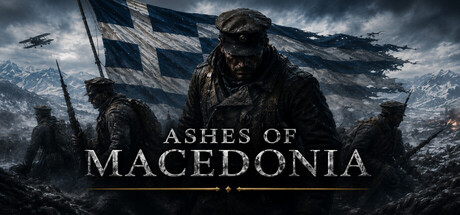
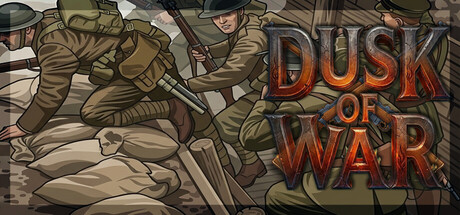
Some promotional and store page artwork used for marketing materials was created or assisted using generative AI tools. No generative AI is used during gameplay, and the game does not generate AI-created content for players.
Bear with me. As a solo-creator I really want to first focus on the game complex logic and its user interface and features, which are crucial to me to give you the best possible experience I can. So this game includes a small number of artworks and music tracks generated using AI tools, which where still edited and refined by me before being included in the final build. I'm working hard to make the game even better at every release. Thank you!
Some static art candidate assets were assisted by generative AI tools during development. Any such assets included in the game are manually reviewed, selected, edited, cleaned, style-matched, and checked before being shipped as fixed static game assets. The game does not use generative AI at runtime and does not generate text, images, audio, video, or other content in response to player input while the game is running.
We used generative AI tools to assist in creating in-game background illustrations. All AI-generated assets were pre-rendered during development and do not generate content in real-time.
Generative AI was used only during the early concept art and ideation phase to help explore visual directions and inspire the art team. Any AI-assisted concepts served solely as reference material. All final in-game artwork was created, substantially reworked, or manually produced by human artists. The game does not generate AI content during gameplay, and no live AI systems are used by players.
We used generative AI tools during development to create game icons. All assets were reviewed and integrated manually. The game does not generate content in real-time.
I am currently a solo developer working hard to bring this project to life. To keep development moving during the early stages, you will notice some placeholder character portraits and backgrounds that were AI-assisted.
My goal and commitment is to replace every piece of AI-generated content with custom-made, hand-crafted pixel art by the time of the official 1.0 release. All current monster designs, battle maps, and GUI elements are already original pixel artwork. I appreciate your patience as I work to ensure the final version of the game fully reflects my personal artistic vision!
We used a Gen AI powered tool to localize the following:
- (in some languages) In-game text
- (in some languages) Steam store descriptions
We plan to replace these with human translation and LQA when we can afford it.
Until then, we are using Gen AI temporarily.
This game is a solo-developed project. Generative AI tools were used as part of the production workflow, including assistance with code and base visual assets. No generative AI output is used as a final in-game asset – all assets were manually edited and finalized by the developer. All gameplay design, creative direction, balancing, and content decisions were made by the developer.
Some art assets, textures, and sound effects are created with the assistance of AI tools, then curated and edited by the developer. All game design, gameplay systems, code architecture, physics simulation, and mission design are human-made. No AI-generated content is created at runtime.
As a solo developer with a limited budget, I use AI tools to help produce some assets and sounds. This lets me keep my time focused where a solo dev's hours matter most — the core gameplay, the physics simulation, and mission design — while still delivering production quality that would normally require an extended team. Every AI-assisted asset is curated, edited, and integrated by hand.
Some text on this Steam store page and in related marketing materials was drafted with the help of
generative AI tools and then reviewed and edited by the developer. The game's artwork, characters,
animations, and audio are created by the developer and are not AI-generated. The game does not use
generative AI to create any content during gameplay.
Command Doctrine uses generative AI to create some of the content you play. When you generate a scenario or a campaign, an AI model produces the map, the opposing forces, the objectives, and the written mission briefing from your prompt. AI is also used to write narrative battle reports, to create the images that accompany them, and to interpret the natural-language orders you give your units. This content is generated live by third-party AI services. We apply content moderation and input filtering to guard against inappropriate or unsafe output.
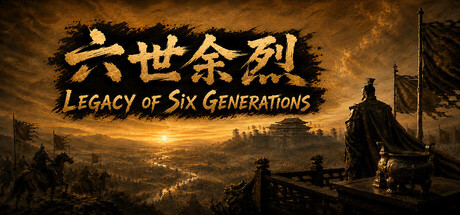
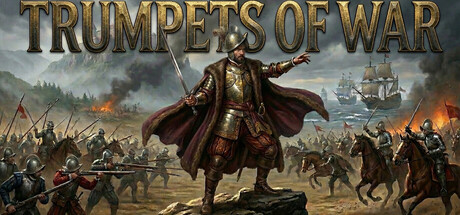
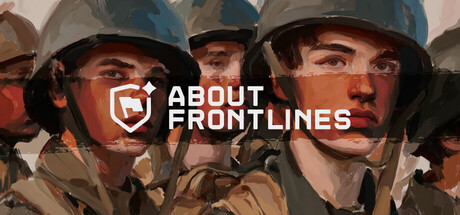
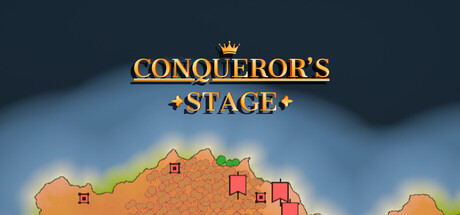
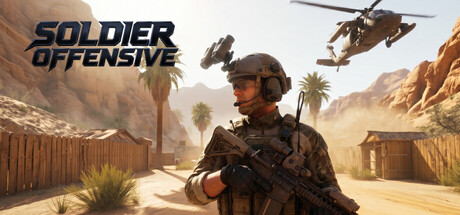
The capsule images and promotional artworks on the Steam store page of this game are AI-generated. All images have been manually adjusted in composition, refined in details and post-processed with text addition, without any copyrighted third-party materials. No real-time AI content generation during gameplay.
Generative artificial intelligence was employed during pre-production and development to create concept art, historical background illustrations, and compose the soundtrack. Additionally, AI was used to generate initial base meshes for select 3D models, which were then fully refined, textured, and optimized manually by the development team.
I have utilized AI tools to assist in the creation of some store page assets and in-game textures. These AI-generated elements were used as a foundational base, which were then heavily edited, polished, and manually integrated by me to ensure they align with the game's unique art style and technical requirements. No AI tools were used to generate the core gameplay logic or narrative content; their usage was strictly limited to the visual asset production pipeline.
AI image generation tools (ChatGPT/DALL-E) were used to create unit artwork, faction sprites, and promotional images for this game. No AI was used to generate game code, narrative text, or audio content.
Some promotional art assets and in-game
artwork were created with the assistance of AI image generation tools.
All AI-generated output was reviewed, edited, and curated by the development
team before inclusion.
Generative technologies are used in Korea. IL-2 Series as production tools for selected types of content: in-game radio communications, pilot portraits and images used in Career mode.
Radio communications use text-to-speech technology based on voice recordings made by our team and voice actors under the relevant agreements.
Pilot portraits and Career mode images are created with AI-assisted workflows based on our own assets, in-game screenshots, models, and historical references, then manually reviewed and refined by our artists.
Generative AI is not used as a replacement for creative direction. All such content is curated, checked, and finalized by the development team.
How is generative AI used in this game?
We utilized generative AI tools during the development of Threadstorm to assist with specific elements of the game's creation:
Art Assets: Some 2D sprites and visual elements within the game were created or refined using AI image generation tools. All generated assets were subsequently reviewed, edited, and curated by our team to ensure they fit the game's visual style.
Code Assistance: We utilized AI coding assistants (specifically GitHub Copilot) to help draft, optimize, and troubleshoot scripts for the Godot Engine, which helped streamline our development workflow.
All AI-assisted content has been thoroughly tested and integrated by the development team to ensure it aligns with our creative vision and quality standards.
Generative AI was used to assist in the creation of certain UI icons and interface artwork. All generated content was reviewed, modified, and integrated by the developer before being used in the game.
Most character avatars, icons and in-game buildings are generated or modified with AI tools. Building names and certain text content are AI-generated, while all remaining assets are manually created.
During the early stages of development, generative AI was used to create prototypes for some visual assets. These assets were manually redrawn and revised by the developer before being included in the game.
All materials and assets used in this game were created by hand. Generative AI tools were used only as a supportive enhancement tool, for example to refine, polish, or improve certain elements. The final content, including visual assets, story elements, audio direction, and overall creative design, remains the result of human creation and artistic direction.
Some assets in BRICK BUSTERS were created with the help of generative AI tools — including parts of the pixel art, some sound effects and music, and the translations of the in-game text. All AI-assisted content was reviewed and edited by hand before release.
Some visual assets, images, or concept materials used in this game are created with AI-assisted tools and further selected, adjusted, integrated, or refined by the author for use in the game's artistic presentation and content production.
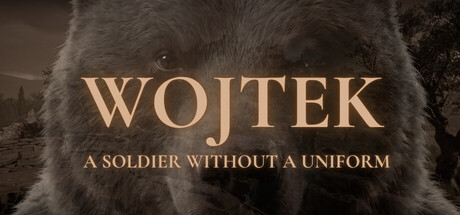
Generative AI technology was used to create high-quality voice-overs for the game's characters. This allowed this independent project to feature full voice acting, providing a more immersive narrative experience and bringing the historical journey of Wojtek the Bear to life. All AI-generated audio assets are pre-rendered and have been manually reviewed and edited to ensure high quality and consistency with the game's emotional tone.
Generative AI tools were used only to assist in the creation of certain store page and marketing images. No AI-generated content is created during gameplay, and the game does not use live AI systems or connect to external AI services while running.
Some AI-generated placeholder music and conceptual artwork were used during development and the promotional design process. All gameplay content, levels, story, characters, dialogue, and final implementation have been created, reviewed, and curated by the development team. Any AI-assisted content is subject to human oversight and modification prior to release.
During the development process, AI tools were used to assist in the design of some visual assets (such as UI elements and environmental textures) and in optimizing the coding structure. All AI-assisted content was reviewed and refined before being integrated into the final build
Some promotional and store page artwork used for marketing materials was created or assisted using generative AI tools. No generative AI is used during gameplay, and the game does not generate AI-created content for players.
Bear with me. As a solo-creator I really want to first focus on the game complex logic and its user interface and features, which are crucial to me to give you the best possible experience I can. So this game includes a small number of artworks and music tracks generated using AI tools, which where still edited and refined by me before being included in the final build. I'm working hard to make the game even better at every release. Thank you!
Some static art candidate assets were assisted by generative AI tools during development. Any such assets included in the game are manually reviewed, selected, edited, cleaned, style-matched, and checked before being shipped as fixed static game assets. The game does not use generative AI at runtime and does not generate text, images, audio, video, or other content in response to player input while the game is running.
We used generative AI tools to assist in creating in-game background illustrations. All AI-generated assets were pre-rendered during development and do not generate content in real-time.
Generative AI was used only during the early concept art and ideation phase to help explore visual directions and inspire the art team. Any AI-assisted concepts served solely as reference material. All final in-game artwork was created, substantially reworked, or manually produced by human artists. The game does not generate AI content during gameplay, and no live AI systems are used by players.
We used generative AI tools during development to create game icons. All assets were reviewed and integrated manually. The game does not generate content in real-time.
I am currently a solo developer working hard to bring this project to life. To keep development moving during the early stages, you will notice some placeholder character portraits and backgrounds that were AI-assisted.
My goal and commitment is to replace every piece of AI-generated content with custom-made, hand-crafted pixel art by the time of the official 1.0 release. All current monster designs, battle maps, and GUI elements are already original pixel artwork. I appreciate your patience as I work to ensure the final version of the game fully reflects my personal artistic vision!
We used a Gen AI powered tool to localize the following:
- (in some languages) In-game text
- (in some languages) Steam store descriptions
We plan to replace these with human translation and LQA when we can afford it.
Until then, we are using Gen AI temporarily.
This game is a solo-developed project. Generative AI tools were used as part of the production workflow, including assistance with code and base visual assets. No generative AI output is used as a final in-game asset – all assets were manually edited and finalized by the developer. All gameplay design, creative direction, balancing, and content decisions were made by the developer.
Some art assets, textures, and sound effects are created with the assistance of AI tools, then curated and edited by the developer. All game design, gameplay systems, code architecture, physics simulation, and mission design are human-made. No AI-generated content is created at runtime.
As a solo developer with a limited budget, I use AI tools to help produce some assets and sounds. This lets me keep my time focused where a solo dev's hours matter most — the core gameplay, the physics simulation, and mission design — while still delivering production quality that would normally require an extended team. Every AI-assisted asset is curated, edited, and integrated by hand.
Some text on this Steam store page and in related marketing materials was drafted with the help of
generative AI tools and then reviewed and edited by the developer. The game's artwork, characters,
animations, and audio are created by the developer and are not AI-generated. The game does not use
generative AI to create any content during gameplay.
Command Doctrine uses generative AI to create some of the content you play. When you generate a scenario or a campaign, an AI model produces the map, the opposing forces, the objectives, and the written mission briefing from your prompt. AI is also used to write narrative battle reports, to create the images that accompany them, and to interpret the natural-language orders you give your units. This content is generated live by third-party AI services. We apply content moderation and input filtering to guard against inappropriate or unsafe output.
The capsule images and promotional artworks on the Steam store page of this game are AI-generated. All images have been manually adjusted in composition, refined in details and post-processed with text addition, without any copyrighted third-party materials. No real-time AI content generation during gameplay.
Generative artificial intelligence was employed during pre-production and development to create concept art, historical background illustrations, and compose the soundtrack. Additionally, AI was used to generate initial base meshes for select 3D models, which were then fully refined, textured, and optimized manually by the development team.
I have utilized AI tools to assist in the creation of some store page assets and in-game textures. These AI-generated elements were used as a foundational base, which were then heavily edited, polished, and manually integrated by me to ensure they align with the game's unique art style and technical requirements. No AI tools were used to generate the core gameplay logic or narrative content; their usage was strictly limited to the visual asset production pipeline.
AI image generation tools (ChatGPT/DALL-E) were used to create unit artwork, faction sprites, and promotional images for this game. No AI was used to generate game code, narrative text, or audio content.
Some promotional art assets and in-game
artwork were created with the assistance of AI image generation tools.
All AI-generated output was reviewed, edited, and curated by the development
team before inclusion.
Generative technologies are used in Korea. IL-2 Series as production tools for selected types of content: in-game radio communications, pilot portraits and images used in Career mode.
Radio communications use text-to-speech technology based on voice recordings made by our team and voice actors under the relevant agreements.
Pilot portraits and Career mode images are created with AI-assisted workflows based on our own assets, in-game screenshots, models, and historical references, then manually reviewed and refined by our artists.
Generative AI is not used as a replacement for creative direction. All such content is curated, checked, and finalized by the development team.
How is generative AI used in this game?
We utilized generative AI tools during the development of Threadstorm to assist with specific elements of the game's creation:
Art Assets: Some 2D sprites and visual elements within the game were created or refined using AI image generation tools. All generated assets were subsequently reviewed, edited, and curated by our team to ensure they fit the game's visual style.
Code Assistance: We utilized AI coding assistants (specifically GitHub Copilot) to help draft, optimize, and troubleshoot scripts for the Godot Engine, which helped streamline our development workflow.
All AI-assisted content has been thoroughly tested and integrated by the development team to ensure it aligns with our creative vision and quality standards.
Generative AI was used to assist in the creation of certain UI icons and interface artwork. All generated content was reviewed, modified, and integrated by the developer before being used in the game.
Most character avatars, icons and in-game buildings are generated or modified with AI tools. Building names and certain text content are AI-generated, while all remaining assets are manually created.
During the early stages of development, generative AI was used to create prototypes for some visual assets. These assets were manually redrawn and revised by the developer before being included in the game.
All materials and assets used in this game were created by hand. Generative AI tools were used only as a supportive enhancement tool, for example to refine, polish, or improve certain elements. The final content, including visual assets, story elements, audio direction, and overall creative design, remains the result of human creation and artistic direction.
Some assets in BRICK BUSTERS were created with the help of generative AI tools — including parts of the pixel art, some sound effects and music, and the translations of the in-game text. All AI-assisted content was reviewed and edited by hand before release.
Some visual assets, images, or concept materials used in this game are created with AI-assisted tools and further selected, adjusted, integrated, or refined by the author for use in the game's artistic presentation and content production.
Generative AI technology was used to create high-quality voice-overs for the game's characters. This allowed this independent project to feature full voice acting, providing a more immersive narrative experience and bringing the historical journey of Wojtek the Bear to life. All AI-generated audio assets are pre-rendered and have been manually reviewed and edited to ensure high quality and consistency with the game's emotional tone.
Generative AI tools were used only to assist in the creation of certain store page and marketing images. No AI-generated content is created during gameplay, and the game does not use live AI systems or connect to external AI services while running.
Some AI-generated placeholder music and conceptual artwork were used during development and the promotional design process. All gameplay content, levels, story, characters, dialogue, and final implementation have been created, reviewed, and curated by the development team. Any AI-assisted content is subject to human oversight and modification prior to release.
During the development process, AI tools were used to assist in the design of some visual assets (such as UI elements and environmental textures) and in optimizing the coding structure. All AI-assisted content was reviewed and refined before being integrated into the final build