Public Steam disclosure research25,380 disclosures tracked
Where do games disclose AI use?
Search developers’ Steam disclosures, compare classified AI use across
games, and follow recorded changes.
This index adds cross-game classifications and statistics to
statements published on individual store pages.
Groups reflect automatic analysis of public disclosures; mature records are excluded. These counts do not measure AI use across all of Steam.
Missing or unclear statements cannot establish whether a game uses AI.
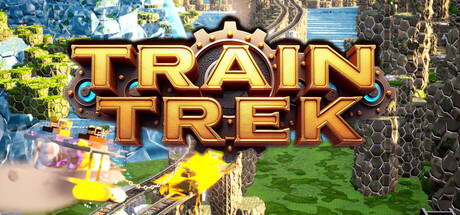
Train Trek uses generative AI in two ways.
During development we used AI tools to help make some assets: the user-interface art (HUD and menu icons, menu artwork, frames, button plates, mouse cursors), the instrumental soundtrack, and some sound effects. All of it was chosen, edited and finished by hand before it shipped. The 3D models are built procedurally by our own scripts, and the design, world generation and balancing are authored by hand. Parts of the source code were written with an AI coding assistant, reviewed and tested by the developer.
While you play, the game speaks using a text-to-speech model that ships inside the game and runs entirely on your own computer. It voices tutorial guidance, hints and menu narration instead of pre-recorded audio. It needs no internet connection, sends nothing anywhere, and never records or listens to you. It only reads lines we wrote and shipped with the game - it does not invent dialogue.
Some store and marketing artwork (capsule/header images) was created with AI image
tools and then reviewed and edited by the developer. Some in-game commander avatars
were also AI-assisted. The game does not generate any AI content live during play.
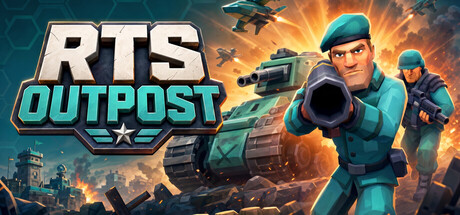
For complete transparency with our players, here is our stance on how this game is built:
1. Human Craftsmanship First
Human creativity and hands-on talent are always our highest priority. Where development is handled by skilled creators and artists, the work is crafted traditionally. AI is never used to replace active human contribution.
2. Bridging the Resource Gap
Where specialized resources, budgets, or personnel are missing, we use AI tools to bridge the gaps and keep development moving forward. As an independent project, we do not have the luxury of waiting on corporate budgets; we use every tool available to ensure the game actually gets finished and delivered to you.
3. Moving Forward, Never Backward
Our development philosophy is built on momentum. We will never delay updates, halt progress, or backtrack to remove or replace AI-assisted elements just to appease online discourse. If the game secures funding or high sales down the line, those resources will be used exclusively to hire real people to build new features, content, and expansions. We only move forward.
The Bottom Line
We refuse to let a lack of corporate backing stop us from making a great game. We choose to embrace the tools of the future to deliver a unique RTS experience today. If you value raw independent drive, transparency, and a studio focused entirely on delivering great gameplay "by any means necessary," thank you for your support.
Some art assets in this game were created during development with generative AI tools (ChatGPT, Google Gemini, and Leonardo.ai), then manually selected and adjusted by the developer before release.
Music and sound effects are sourced from CC0 assets on OpenGameArt.org and were not AI-generated.
Generative AI was used to assist in the creation of certain Steam store page artwork (excluding screenshots and trailers) and in the multilingual localization of the store page.
I used AI for some of the voice acting in the game. The selected voice models were shared by their respective voice actors through ElevenLabs.
There are propaganda posters in the game made with the help of AI.
Generative AI tools were used during development to create and refine some pre-generated visual assets, including character illustrations, office environments, decorative objects, and promotional artwork. All generated materials were manually selected, edited, integrated, and reviewed by the developer. The game does not generate any AI content while running.
Artificial intelligence was used to generate the base concepts for the characters and planets in the game. All generated assets were then significantly edited, refined, and finalized manually to fit the game's unique art style.
This game uses generative AI to assist with parts of the localization process. All AI-assisted translations are reviewed and edited by the developer before being included in the game.
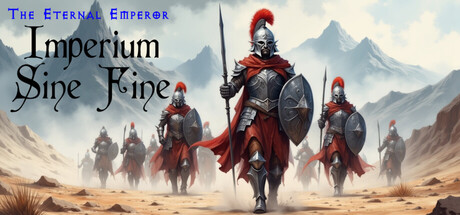
As a solo developer, I used generative AI tools to help create some of the game's icons, artwork, and written text, which I then reviewed and edited by hand. The game's design, code, and systems are my own work, and the world, its factions, and its story are built on lore I have developed across the Imperium Sine Fine saga. Nothing is AI-generated during gameplay.
1.Generative AI tools were used to assist in creating some in-game art assets.
2.Generative AI tools were used to assist in creating and debugging some in-game code.
Some 2D art assets (e.g. icons, store capsules, background art) were created with the help of generative AI image tools and then curated and edited by the developer. No AI-generated content is produced live during gameplay.
We used generative AI tools to assist in creating in-game background illustrations. All AI-generated assets were pre-rendered during development and do not generate content in real-time.
Generative AI-assisted tools were used as part of the development process for Xenogarden.
This includes support in creating and refining selected visual content such as concept art, artwork, textures, marketing materials and store page assets, as well as assistance with text, localization, sound/music ideas and creative drafts.
All content included in the game is pre-generated, selected, reviewed and curated. The game does not generate new AI content during gameplay and does not connect to external AI services during gameplay.
This game uses pre-generated generative AI content to assist with select 2D artwork, UI elements, and/or marketing materials. This content was reviewed and, where necessary, edited by the developer. No content is generated live by AI during gameplay.
This game uses generative AI tools in the creation of some visual assets, including certain artwork and promotional materials. All AI-generated content has been reviewed and modified by the development team to ensure consistency with the game’s art direction.
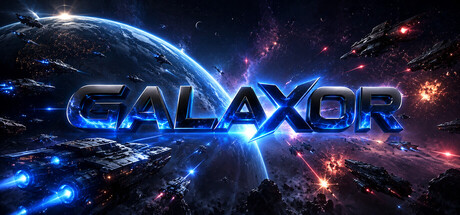
Galaxor uses generative AI tools to support the creation and revision of selected visual content, including icons, artwork, banners, store graphics and marketing materials. Generated content is reviewed, selected and, where necessary, manually adjusted before being used in the game or on the store page. No live-generated AI content is created during gameplay.
This game includes some pre-generated visual assets and music created with the help of AI tools during development. No AI content is generated live during gameplay.
Some art assets, textures, and sound effects are created with the assistance of AI tools, then curated and edited by the developer. All game design, gameplay systems, code architecture, physics simulation, and mission design are human-made. No AI-generated content is created at runtime.
As a solo developer with a limited budget, I use AI tools to help produce some assets and sounds. This lets me keep my time focused where a solo dev's hours matter most — the core gameplay, the physics simulation, and mission design — while still delivering production quality that would normally require an extended team. Every AI-assisted asset is curated, edited, and integrated by hand.
Slimeball Castle Wars was made by a solo developer with the help of generative AI tools. AI was used during development to help create:
Music and audio — background music tracks were made using AI music-generation tools.
Art and sprites — building art, unit sprites, and other in-game graphics were created or assisted with AI image tools.
In-game text — some descriptions and written content were drafted with AI assistance.
Code — parts of the game's code were written with the help of an AI coding assistant.
All AI-generated content in this game (including videos, store page images, background music, etc.) is generated by the developer locally using legally authorized AI tools, and has undergone deep manual modification, optimization, and integration.
We do not provide players with any AI generation tools or real-time generation features, so there is no risk of players generating copyrighted material.
All materials are created by the developer themselves or processed based on legally authorized resources, ensuring no infringement of any third-party copyrights.
All AI-assisted generated materials are manually reviewed and modified by the developer before use, ensuring that the final presented content complies with Steam content policies and copyright requirements;
Strictly avoid using copyrighted training data or materials as AI input;
The game does not contain any user-generated content (UGC) or AI generation tools, and players cannot generate new materials in the game;
If there are future updates, we will continue to comply with Steam's relevant rules and update the content questionnaire in a timely manner.
Action & Automation is not only how the game plays, it is how the game was made.
As the game’s sole human developer, game director, and system architect, I designed the core gameplay systems, software architecture, worldbuilding, narrative framework, story design, and gameplay balance. That is the Action.
For the Automation, I deliberately pushed generative AI throughout the production pipeline, with quality and player experience as the only limits. Following my direction and specifications, AI produced much of the code, artwork, animation, VFX, and UI, and was used for text polishing and localization.
No generative AI model or external AI service runs during gameplay. The game requires no AI account, API key, subscription, or token credits. Any apparent AI thinking or reasoning is scripted or driven by conventional game AI systems.
Human-designed. AI-produced. That is Action & Automation.
Generative AI was used during development to assist with creating some art assets, music, sound effects, gameplay prototypes, text, and code iteration. All AI-generated content used in the game has been manually reviewed, edited, integrated, and tested before inclusion.
Most character avatars, icons and in-game buildings are generated or modified with AI tools. Building names and certain text content are AI-generated, while all remaining assets are manually created.
During the early stages of development, generative AI was used to create prototypes for some visual assets. These assets were manually redrawn and revised by the developer before being included in the game.
Some visual assets, images, or concept materials used in this game are created with AI-assisted tools and further selected, adjusted, integrated, or refined by the author for use in the game's artistic presentation and content production.
The developer used generative AI tools during development to assist in creating pre-generated assets, including concept art for backgrounds and placeholder text assets. None of the AI content is generated in real-time during gameplay.
This game utilizes generative artificial intelligence tools in its development to assist our small team. Specifically, AI was used to help localize our Steam store listing text into multiple languages to reach a broader audience. Additionally, AI tools were used to help refine and format certain store promotional images and icons, which are strictly based on and adapted from our original, human-created hand-drawn concept art. No live-generated AI content is used during active gameplay.
Generative AI tools were used during development to assist with some pre-generated visual and text assets, including Steam store or marketing materials. All AI-assisted content is reviewed and included before release. The game does not generate new AI content during gameplay and does not connect to external AI services while running.
Some 2D art (icons and illustrations) was created with the help of generative AI tools and refined by the developer. No AI content is generated during gameplay.
This game uses generative AI tools as part of its development and content production process. AI-assisted workflows were used for selected visual assets, video materials, music or audio drafts, localization/text drafts, code assistance, and marketing/store page materials. All AI-assisted outputs are reviewed, edited, and integrated by the developer before inclusion.
The game does not generate AI content during gameplay and does not connect to external AI services while the game is running.
Some marketing and store page artwork (capsule
images, avatars and banners) were created with
the assistance of generative AI tools. Some
audio assets were also generated or assisted
with AI tools. All AI-generated assets are
reviewed and edited by the developer to ensure
quality and consistency with the game's
identity.
Train Trek uses generative AI in two ways.
During development we used AI tools to help make some assets: the user-interface art (HUD and menu icons, menu artwork, frames, button plates, mouse cursors), the instrumental soundtrack, and some sound effects. All of it was chosen, edited and finished by hand before it shipped. The 3D models are built procedurally by our own scripts, and the design, world generation and balancing are authored by hand. Parts of the source code were written with an AI coding assistant, reviewed and tested by the developer.
While you play, the game speaks using a text-to-speech model that ships inside the game and runs entirely on your own computer. It voices tutorial guidance, hints and menu narration instead of pre-recorded audio. It needs no internet connection, sends nothing anywhere, and never records or listens to you. It only reads lines we wrote and shipped with the game - it does not invent dialogue.
Some store and marketing artwork (capsule/header images) was created with AI image
tools and then reviewed and edited by the developer. Some in-game commander avatars
were also AI-assisted. The game does not generate any AI content live during play.
For complete transparency with our players, here is our stance on how this game is built:
1. Human Craftsmanship First
Human creativity and hands-on talent are always our highest priority. Where development is handled by skilled creators and artists, the work is crafted traditionally. AI is never used to replace active human contribution.
2. Bridging the Resource Gap
Where specialized resources, budgets, or personnel are missing, we use AI tools to bridge the gaps and keep development moving forward. As an independent project, we do not have the luxury of waiting on corporate budgets; we use every tool available to ensure the game actually gets finished and delivered to you.
3. Moving Forward, Never Backward
Our development philosophy is built on momentum. We will never delay updates, halt progress, or backtrack to remove or replace AI-assisted elements just to appease online discourse. If the game secures funding or high sales down the line, those resources will be used exclusively to hire real people to build new features, content, and expansions. We only move forward.
The Bottom Line
We refuse to let a lack of corporate backing stop us from making a great game. We choose to embrace the tools of the future to deliver a unique RTS experience today. If you value raw independent drive, transparency, and a studio focused entirely on delivering great gameplay "by any means necessary," thank you for your support.
Some art assets in this game were created during development with generative AI tools (ChatGPT, Google Gemini, and Leonardo.ai), then manually selected and adjusted by the developer before release.
Music and sound effects are sourced from CC0 assets on OpenGameArt.org and were not AI-generated.
Generative AI was used to assist in the creation of certain Steam store page artwork (excluding screenshots and trailers) and in the multilingual localization of the store page.
I used AI for some of the voice acting in the game. The selected voice models were shared by their respective voice actors through ElevenLabs.
There are propaganda posters in the game made with the help of AI.
Generative AI tools were used during development to create and refine some pre-generated visual assets, including character illustrations, office environments, decorative objects, and promotional artwork. All generated materials were manually selected, edited, integrated, and reviewed by the developer. The game does not generate any AI content while running.
Artificial intelligence was used to generate the base concepts for the characters and planets in the game. All generated assets were then significantly edited, refined, and finalized manually to fit the game's unique art style.
This game uses generative AI to assist with parts of the localization process. All AI-assisted translations are reviewed and edited by the developer before being included in the game.
As a solo developer, I used generative AI tools to help create some of the game's icons, artwork, and written text, which I then reviewed and edited by hand. The game's design, code, and systems are my own work, and the world, its factions, and its story are built on lore I have developed across the Imperium Sine Fine saga. Nothing is AI-generated during gameplay.
1.Generative AI tools were used to assist in creating some in-game art assets.
2.Generative AI tools were used to assist in creating and debugging some in-game code.
Some 2D art assets (e.g. icons, store capsules, background art) were created with the help of generative AI image tools and then curated and edited by the developer. No AI-generated content is produced live during gameplay.
We used generative AI tools to assist in creating in-game background illustrations. All AI-generated assets were pre-rendered during development and do not generate content in real-time.
Generative AI-assisted tools were used as part of the development process for Xenogarden.
This includes support in creating and refining selected visual content such as concept art, artwork, textures, marketing materials and store page assets, as well as assistance with text, localization, sound/music ideas and creative drafts.
All content included in the game is pre-generated, selected, reviewed and curated. The game does not generate new AI content during gameplay and does not connect to external AI services during gameplay.
This game uses pre-generated generative AI content to assist with select 2D artwork, UI elements, and/or marketing materials. This content was reviewed and, where necessary, edited by the developer. No content is generated live by AI during gameplay.
This game uses generative AI tools in the creation of some visual assets, including certain artwork and promotional materials. All AI-generated content has been reviewed and modified by the development team to ensure consistency with the game’s art direction.
Galaxor uses generative AI tools to support the creation and revision of selected visual content, including icons, artwork, banners, store graphics and marketing materials. Generated content is reviewed, selected and, where necessary, manually adjusted before being used in the game or on the store page. No live-generated AI content is created during gameplay.
This game includes some pre-generated visual assets and music created with the help of AI tools during development. No AI content is generated live during gameplay.
Some art assets, textures, and sound effects are created with the assistance of AI tools, then curated and edited by the developer. All game design, gameplay systems, code architecture, physics simulation, and mission design are human-made. No AI-generated content is created at runtime.
As a solo developer with a limited budget, I use AI tools to help produce some assets and sounds. This lets me keep my time focused where a solo dev's hours matter most — the core gameplay, the physics simulation, and mission design — while still delivering production quality that would normally require an extended team. Every AI-assisted asset is curated, edited, and integrated by hand.
Slimeball Castle Wars was made by a solo developer with the help of generative AI tools. AI was used during development to help create:
Music and audio — background music tracks were made using AI music-generation tools.
Art and sprites — building art, unit sprites, and other in-game graphics were created or assisted with AI image tools.
In-game text — some descriptions and written content were drafted with AI assistance.
Code — parts of the game's code were written with the help of an AI coding assistant.
All AI-generated content in this game (including videos, store page images, background music, etc.) is generated by the developer locally using legally authorized AI tools, and has undergone deep manual modification, optimization, and integration.
We do not provide players with any AI generation tools or real-time generation features, so there is no risk of players generating copyrighted material.
All materials are created by the developer themselves or processed based on legally authorized resources, ensuring no infringement of any third-party copyrights.
All AI-assisted generated materials are manually reviewed and modified by the developer before use, ensuring that the final presented content complies with Steam content policies and copyright requirements;
Strictly avoid using copyrighted training data or materials as AI input;
The game does not contain any user-generated content (UGC) or AI generation tools, and players cannot generate new materials in the game;
If there are future updates, we will continue to comply with Steam's relevant rules and update the content questionnaire in a timely manner.
Action & Automation is not only how the game plays, it is how the game was made.
As the game’s sole human developer, game director, and system architect, I designed the core gameplay systems, software architecture, worldbuilding, narrative framework, story design, and gameplay balance. That is the Action.
For the Automation, I deliberately pushed generative AI throughout the production pipeline, with quality and player experience as the only limits. Following my direction and specifications, AI produced much of the code, artwork, animation, VFX, and UI, and was used for text polishing and localization.
No generative AI model or external AI service runs during gameplay. The game requires no AI account, API key, subscription, or token credits. Any apparent AI thinking or reasoning is scripted or driven by conventional game AI systems.
Human-designed. AI-produced. That is Action & Automation.
Generative AI was used during development to assist with creating some art assets, music, sound effects, gameplay prototypes, text, and code iteration. All AI-generated content used in the game has been manually reviewed, edited, integrated, and tested before inclusion.
Most character avatars, icons and in-game buildings are generated or modified with AI tools. Building names and certain text content are AI-generated, while all remaining assets are manually created.
During the early stages of development, generative AI was used to create prototypes for some visual assets. These assets were manually redrawn and revised by the developer before being included in the game.
Some visual assets, images, or concept materials used in this game are created with AI-assisted tools and further selected, adjusted, integrated, or refined by the author for use in the game's artistic presentation and content production.
The developer used generative AI tools during development to assist in creating pre-generated assets, including concept art for backgrounds and placeholder text assets. None of the AI content is generated in real-time during gameplay.
This game utilizes generative artificial intelligence tools in its development to assist our small team. Specifically, AI was used to help localize our Steam store listing text into multiple languages to reach a broader audience. Additionally, AI tools were used to help refine and format certain store promotional images and icons, which are strictly based on and adapted from our original, human-created hand-drawn concept art. No live-generated AI content is used during active gameplay.
Generative AI tools were used during development to assist with some pre-generated visual and text assets, including Steam store or marketing materials. All AI-assisted content is reviewed and included before release. The game does not generate new AI content during gameplay and does not connect to external AI services while running.
Some 2D art (icons and illustrations) was created with the help of generative AI tools and refined by the developer. No AI content is generated during gameplay.
This game uses generative AI tools as part of its development and content production process. AI-assisted workflows were used for selected visual assets, video materials, music or audio drafts, localization/text drafts, code assistance, and marketing/store page materials. All AI-assisted outputs are reviewed, edited, and integrated by the developer before inclusion.
The game does not generate AI content during gameplay and does not connect to external AI services while the game is running.
Some marketing and store page artwork (capsule
images, avatars and banners) were created with
the assistance of generative AI tools. Some
audio assets were also generated or assisted
with AI tools. All AI-generated assets are
reviewed and edited by the developer to ensure
quality and consistency with the game's
identity.