Public Steam disclosure research25,380 disclosures tracked
Where do games disclose AI use?
Search developers’ Steam disclosures, compare classified AI use across
games, and follow recorded changes.
This index adds cross-game classifications and statistics to
statements published on individual store pages.
Groups reflect automatic analysis of public disclosures; mature records are excluded. These counts do not measure AI use across all of Steam.
Missing or unclear statements cannot establish whether a game uses AI.
The game's code was written with the help of an AI coding assistant, following the developer's design direction. Because the characters, arenas, materials and user interface are generated procedurally in code rather than authored as art assets, they are a result of that same process. The background music tracks were generated with Suno (commercial licence). Sound effects are licensed from Mixkit and Freesound. Nothing is generated by AI while the game is running.
During development, parts of Marsheez were made with generative AI: some of the source code was written with the help of an AI coding assistant, and some of the art and music were created with help of AI tools and then later edited by the developer. The game does not use any generative AI while you play.
Generative AI tools were used during development to assist with some visual assets, audio, and code. All content was reviewed, edited, and integrated by the developer. The game does not generate AI content during gameplay.
AI tools were used to draft store page text and to translate the in-game text into English, Japanese and Chinese.
AI was also used for part of the art.
All of this was reviewed and edited by the developers.
No AI-generated content is created while the game is running.
In early development, the game included some AI-generated graphical elements while I waited for a professional artist's work. I am now gradually integrating that work, but the process is not yet finished. AI also generated the game's English, German, and French localizations from the original Ukrainian text, and later proofread by a human.
ViewerFrenzy includes pre-generated AI-assisted music and selected visual assets created during development. These assets are reviewed and curated by the development team before inclusion in the game. The game does not use generative AI to create content during gameplay.
Generative AI tools were used to create voice-over content for the game. The generated voice content was reviewed and edited by the development team before being implemented in the game.
AI tools were used during development to assist with asset creation, texture generation, and development workflows. All AI-generated content was reviewed, modified, and curated by the development team.
We used Claude (Anthropic) during development for the following:
- Writing the store page description
- Assisting with the translation of in-game text
- Generating some simple in-game objects
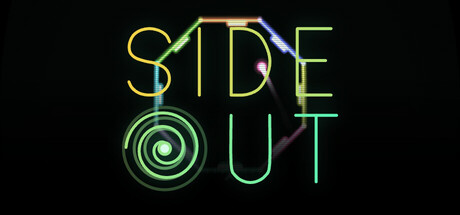
SIDE OUT was built with AI-assisted development tools. No artwork, audio, text or other content in the game is generated by AI. All visuals are drawn procedurally in code, and all store text is written by hand.
Artwork used on the Steam store page was created with the assistance of generative AI and was subsequently manually edited, refined, and improved. AI tools were also used to assist with the localization of the Steam store page.
Generative AI is used in this game for tasks such as music generation. As an indie game and a small software development studio, we simply do not have the budget to license a large number of well-known and popular songs. Unfortunately, nothing comes for free – so AI is used as an alternative.
AI is also used for tasks such as integrating graphics, music and beat analysis, and translating content. AI can complete time-consuming tasks within minutes that would otherwise take a human several hours.
No jobs are being replaced or put at risk through the use of AI in this project. This “crazy game” was still made with lots of love by humans. An AI probably would not have come up with a game idea like this anyway.
And because it fits the topic far too well: purely on principle, this disclosure text was of course also written with the help of AI.
Generative AI tools were used during development to assist with the localization of some in-game text and the creation of certain visual assets. All AI-assisted content was reviewed and edited by the developer before being included in the game.
We use generative AI for text only: writing this store page and translating the game's in-game text into the supported languages. Everything else, including all art, animation and audio, is made by hand, and no content is generated while you play.
Generative AI tools were used to assist with the enhancement of certain promotional images, store page artwork, and place holder UI promotional content including lighting, color grading, atmospheric effects, and visual cleanup.
The game's models, environments, gameplay systems, animations, and other in-game content are created by the developer. The game does not use live-generated AI during gameplay.
Some of this game's shipped assets were created with the assistance of generative AI and then manually curated and edited by the developers: background artwork (landscape silhouettes), the current music tracks (temporary, until our hand-crafted soundtrack is finished), and parts of the English localization. No content is generated by AI at runtime, and the game does not connect to any AI services.
Generative AI was used to create and/or assist with some promotional and marketing materials for the game, including store capsule artwork, cover images, and other store page visuals. Generative AI was not used to generate gameplay content or content during gameplay.
Generative AI was used during development to assist with the creation of some pre-generated assets. The game does not generate AI content during gameplay and does not connect to any external AI services.
Generative AI tools were used to assist in the creation and enhancement of selected promotional artwork and Store Page imagery. All generated materials were reviewed, edited, and curated by the development team. The game itself does not use generative AI to create content dynamically during gameplay.
Game Arena X uses AI-generated content only to a very limited extent. A small number of UI elements were initially created with the assistance of AI, after which they were extensively refined, adjusted, and customized by our in-house design team.
All other aspects of Game Arena X — including the platform’s concept, visual design, competitive systems, gameplay features, user experience, and overall development — are entirely original and created by our team.
Generative AI was used during development to create a small amount of temporary placeholder imagery. AI-generated content is limited to pre-generated visual assets and no AI content is generated during gameplay.
Parts of the written text on this store page were drafted with the help of an AI assistant and then reviewed and edited by us before publishing.
No generative AI is used inside the game itself. The artwork, audio and video in Dubbed are made by us or performed by the players, and nothing is generated at runtime.
This game uses an open-source language model (Qwen2.5) bundled with the game to generate real-time NPC dialogue and ambient chatter entirely offline on the player's own machine via llama.cpp. No external server, no third-party API, and no internet connection are required. Players can toggle this feature on or off. The model runs locally using the player's CPU — no data is uploaded, collected, stored, or used for training.
The text on this game's Steam store page was drafted with the help of generative AI and then edited by the developer. All in-game art, models, sounds and the game's logo are made by hand. No AI-generated content is produced while the game is running.
The game does not use AI while you play. Every sentence and every drawing you see in a match is made by the players in the room with you.
Some assets in this game were created with generative AI during development. The music was made with Suno as to avoid in copyright issues for streamers/clippers who play the game. Several pieces of cabin furniture and set dressing were generated with Meshy, and the logo and one in-game painting came from OpenAI image generation. The game's 13 language translations were AI-assisted.
Generative AI may have been used in creating pre-rendered content for this game. All such content is the result of a human-led artistic and creative process
Generative AI was used to create some temporary artwork for the Steam store page and related marketing materials while the game is still in production. These assets are reviewed and curated by the development team and WILL be replaced with final production artwork before release. Generative AI is not used to generate content during gameplay.
Generative AI tools were used during development to assist with the creation of selected promotional and visual assets. During gameplay, an AI-based analysis service may also be used to evaluate submitted player-created clay sculptures and determine how closely they match the given challenge.
The game's core visual presentation is built around human-created playable character sprite sheets and map artwork, while the level layouts and game design are created by the developer. Generative AI was used for selected pre-generated audio, localization, and supporting visual content such as the logo and key art. No generative AI content is generated during gameplay.
AI was used to create textures, some of the code, create a player model and rig it for animation. The sounds of footsteps, goals and ball bounces, albeit mastered, started as AI generated before being edited and mastered. Localization languages were also created by AI. (Therefore any corrections will be welcome)
Animations, music, game design, and all other elements of creativity are the work of a human exclusively.
Badgerworks Studios will never rely on AI for creativity, music, ideas for games, and once an artist has been hired, AI models either. Due to lack of in-house ability to rig models or create them from scratch, the current player model was generated and rigged (skeleton matched to model) by AI. Animations were hand made, but on the AI created and rigged model.
No AI, LLM, of frontier models are being called during game play nor will any introduced features be allowed to do so.
Some store-page text and marketing images (capsules, screenshots, and similar key art) were drafted or generated with generative AI, then selected and edited by the developer.
The game itself is a hand-authored Unreal Engine title. Combat, physics, and play are not generated by AI while you play. There is no live generative AI in the build.
If later updates include AI-assisted in-game art or audio, this notice will be updated.
Generative AI was used only for a small set of supporting assets — some interface icons, a few decorative visuals and some sound effects. It is not used while the game is running, and no part of the gameplay or the paintings depends on it.
Generative AI tools were used to help create some of the game's assets (such as certain textures, icons, and 3D models), some store page text, and store page artwork (capsules and library art). All AI-assisted content was directed, curated, and edited by the developer. No AI content is generated during gameplay.
The game's code was written with the help of an AI coding assistant, following the developer's design direction. Because the characters, arenas, materials and user interface are generated procedurally in code rather than authored as art assets, they are a result of that same process. The background music tracks were generated with Suno (commercial licence). Sound effects are licensed from Mixkit and Freesound. Nothing is generated by AI while the game is running.
During development, parts of Marsheez were made with generative AI: some of the source code was written with the help of an AI coding assistant, and some of the art and music were created with help of AI tools and then later edited by the developer. The game does not use any generative AI while you play.
Generative AI tools were used during development to assist with some visual assets, audio, and code. All content was reviewed, edited, and integrated by the developer. The game does not generate AI content during gameplay.
AI tools were used to draft store page text and to translate the in-game text into English, Japanese and Chinese.
AI was also used for part of the art.
All of this was reviewed and edited by the developers.
No AI-generated content is created while the game is running.
In early development, the game included some AI-generated graphical elements while I waited for a professional artist's work. I am now gradually integrating that work, but the process is not yet finished. AI also generated the game's English, German, and French localizations from the original Ukrainian text, and later proofread by a human.
ViewerFrenzy includes pre-generated AI-assisted music and selected visual assets created during development. These assets are reviewed and curated by the development team before inclusion in the game. The game does not use generative AI to create content during gameplay.
Generative AI tools were used to create voice-over content for the game. The generated voice content was reviewed and edited by the development team before being implemented in the game.
AI tools were used during development to assist with asset creation, texture generation, and development workflows. All AI-generated content was reviewed, modified, and curated by the development team.
We used Claude (Anthropic) during development for the following:
- Writing the store page description
- Assisting with the translation of in-game text
- Generating some simple in-game objects
SIDE OUT was built with AI-assisted development tools. No artwork, audio, text or other content in the game is generated by AI. All visuals are drawn procedurally in code, and all store text is written by hand.
Artwork used on the Steam store page was created with the assistance of generative AI and was subsequently manually edited, refined, and improved. AI tools were also used to assist with the localization of the Steam store page.
Generative AI is used in this game for tasks such as music generation. As an indie game and a small software development studio, we simply do not have the budget to license a large number of well-known and popular songs. Unfortunately, nothing comes for free – so AI is used as an alternative.
AI is also used for tasks such as integrating graphics, music and beat analysis, and translating content. AI can complete time-consuming tasks within minutes that would otherwise take a human several hours.
No jobs are being replaced or put at risk through the use of AI in this project. This “crazy game” was still made with lots of love by humans. An AI probably would not have come up with a game idea like this anyway.
And because it fits the topic far too well: purely on principle, this disclosure text was of course also written with the help of AI.
Generative AI tools were used during development to assist with the localization of some in-game text and the creation of certain visual assets. All AI-assisted content was reviewed and edited by the developer before being included in the game.
We use generative AI for text only: writing this store page and translating the game's in-game text into the supported languages. Everything else, including all art, animation and audio, is made by hand, and no content is generated while you play.
Generative AI tools were used to assist with the enhancement of certain promotional images, store page artwork, and place holder UI promotional content including lighting, color grading, atmospheric effects, and visual cleanup.
The game's models, environments, gameplay systems, animations, and other in-game content are created by the developer. The game does not use live-generated AI during gameplay.
Some of this game's shipped assets were created with the assistance of generative AI and then manually curated and edited by the developers: background artwork (landscape silhouettes), the current music tracks (temporary, until our hand-crafted soundtrack is finished), and parts of the English localization. No content is generated by AI at runtime, and the game does not connect to any AI services.
Generative AI was used to create and/or assist with some promotional and marketing materials for the game, including store capsule artwork, cover images, and other store page visuals. Generative AI was not used to generate gameplay content or content during gameplay.
Generative AI was used during development to assist with the creation of some pre-generated assets. The game does not generate AI content during gameplay and does not connect to any external AI services.
Generative AI tools were used to assist in the creation and enhancement of selected promotional artwork and Store Page imagery. All generated materials were reviewed, edited, and curated by the development team. The game itself does not use generative AI to create content dynamically during gameplay.
Game Arena X uses AI-generated content only to a very limited extent. A small number of UI elements were initially created with the assistance of AI, after which they were extensively refined, adjusted, and customized by our in-house design team.
All other aspects of Game Arena X — including the platform’s concept, visual design, competitive systems, gameplay features, user experience, and overall development — are entirely original and created by our team.
Generative AI was used during development to create a small amount of temporary placeholder imagery. AI-generated content is limited to pre-generated visual assets and no AI content is generated during gameplay.
Parts of the written text on this store page were drafted with the help of an AI assistant and then reviewed and edited by us before publishing.
No generative AI is used inside the game itself. The artwork, audio and video in Dubbed are made by us or performed by the players, and nothing is generated at runtime.
This game uses an open-source language model (Qwen2.5) bundled with the game to generate real-time NPC dialogue and ambient chatter entirely offline on the player's own machine via llama.cpp. No external server, no third-party API, and no internet connection are required. Players can toggle this feature on or off. The model runs locally using the player's CPU — no data is uploaded, collected, stored, or used for training.
The text on this game's Steam store page was drafted with the help of generative AI and then edited by the developer. All in-game art, models, sounds and the game's logo are made by hand. No AI-generated content is produced while the game is running.
The game does not use AI while you play. Every sentence and every drawing you see in a match is made by the players in the room with you.
Some assets in this game were created with generative AI during development. The music was made with Suno as to avoid in copyright issues for streamers/clippers who play the game. Several pieces of cabin furniture and set dressing were generated with Meshy, and the logo and one in-game painting came from OpenAI image generation. The game's 13 language translations were AI-assisted.
Generative AI may have been used in creating pre-rendered content for this game. All such content is the result of a human-led artistic and creative process
Generative AI was used to create some temporary artwork for the Steam store page and related marketing materials while the game is still in production. These assets are reviewed and curated by the development team and WILL be replaced with final production artwork before release. Generative AI is not used to generate content during gameplay.
Generative AI tools were used during development to assist with the creation of selected promotional and visual assets. During gameplay, an AI-based analysis service may also be used to evaluate submitted player-created clay sculptures and determine how closely they match the given challenge.
The game's core visual presentation is built around human-created playable character sprite sheets and map artwork, while the level layouts and game design are created by the developer. Generative AI was used for selected pre-generated audio, localization, and supporting visual content such as the logo and key art. No generative AI content is generated during gameplay.
AI was used to create textures, some of the code, create a player model and rig it for animation. The sounds of footsteps, goals and ball bounces, albeit mastered, started as AI generated before being edited and mastered. Localization languages were also created by AI. (Therefore any corrections will be welcome)
Animations, music, game design, and all other elements of creativity are the work of a human exclusively.
Badgerworks Studios will never rely on AI for creativity, music, ideas for games, and once an artist has been hired, AI models either. Due to lack of in-house ability to rig models or create them from scratch, the current player model was generated and rigged (skeleton matched to model) by AI. Animations were hand made, but on the AI created and rigged model.
No AI, LLM, of frontier models are being called during game play nor will any introduced features be allowed to do so.
Some store-page text and marketing images (capsules, screenshots, and similar key art) were drafted or generated with generative AI, then selected and edited by the developer.
The game itself is a hand-authored Unreal Engine title. Combat, physics, and play are not generated by AI while you play. There is no live generative AI in the build.
If later updates include AI-assisted in-game art or audio, this notice will be updated.
Generative AI was used only for a small set of supporting assets — some interface icons, a few decorative visuals and some sound effects. It is not used while the game is running, and no part of the gameplay or the paintings depends on it.
Generative AI tools were used to help create some of the game's assets (such as certain textures, icons, and 3D models), some store page text, and store page artwork (capsules and library art). All AI-assisted content was directed, curated, and edited by the developer. No AI content is generated during gameplay.