








Disclosure
Library Capsule Library Header Library Hero Library Logo Store Capsule Store Header can contain AI generated images.
- Creator
- Temel KIRCI
- Reviews
- -
- Added
- Sep 30, 2026
Public Steam disclosure research 25,380 disclosures tracked
Search developers’ Steam disclosures, compare classified AI use across games, and follow recorded changes. This index adds cross-game classifications and statistics to statements published on individual store pages.
Code help, debugging and other development work.
Capsule art, trailers and promotional material.
Pre-made art, audio, writing and other game assets.
Interactive or runtime AI features disclosed by the developer.
Groups reflect automatic analysis of public disclosures; mature records are excluded. These counts do not measure AI use across all of Steam. Missing or unclear statements cannot establish whether a game uses AI.
Library Capsule Library Header Library Hero Library Logo Store Capsule Store Header can contain AI generated images.
AI was used to help with the development process of the game, and was overseen by developers.
We use generative AI for coding and translation.
Pre-generated content only. No AI generated content is produced at runtime during gameplay. Some in-game text and its English localization were drafted with AI assistance and edited by the team. All art, including card art, backgrounds, icons and UI, is created by our artist. AI image tools were used as visual reference during concept work only; no AI generated image ships in the game. No AI models are used for music or sound effects.
The illustrated character portraits used as player avatars (also shown in our store and library artwork) were created with AI image generation (Google Gemini) and then cropped and adjusted by the developer. Some store text and interface translations were drafted with AI assistance. The game does not generate any AI content while you play.
I use AI to assist in coding, and some skill icons for combat/talent trees; however all character sprites/animations are hand animated. Using AI allows me to make a game with all of the ideas I have and transform them into something tangible, and viewable. The goal is simple, create a fun game that people enjoy playing.
This game was made with the help of generative AI tools. The in-game relic, element, rune and skill icons are AI-generated. The tutorial illustrations were AI-generated and then edited by hand. Some sound effects, and the localization of the interface text into the game's supported languages, were produced with AI assistance. Some of the source code was also written with AI tools. All of it was reviewed and adjusted by a human before release. Nothing is generated while you play, and the game never connects to any external AI service.
Generative AI tools were used during the development of SCRAPBOX to assist with programming, UI design, voice acting, music, and the creation of some 3D models and other game assets. The game does not generate AI content during gameplay.
AI is used throughout game development.
Hero Chains of Destiny includes pre-generated content created with the assistance of generative AI tools during development. This includes selected artwork, music, and sound effects. All generated content is reviewed, curated, and approved by the developer before being included in the game.
AI was used for some translations and music.
AI is used solely to assist with development, such as for some localization and the creation of internal tools. The game does not include any features that automatically generate content in real-time during gameplay.
AI tools assisted historical card wording, interface and rules text, Japanese translations, and original procedural game and marketing artwork. Cards include source references. No generative AI runs during gameplay.
Generative AI tools were used during development to assist with localization, programming, and store/marketing text. All AI-assisted output was reviewed, edited, and integrated by the developer. The game does not use generative AI at runtime and does not generate live AI content.
AI assisted in the design of some game artwork
This game used generative AI for asset creation during development. The HQ statue's 3D model was created with Meshy AI, and background music was composed with Suno AI. Most in-game icons and images were created using Google Gemini and ChatGPT.
AI-generated content is used exclusively for promotional/store library imagery (e.g. store capsule and library artwork). No in-game assets — textures, models, environments, weapons, or character art used during gameplay — are AI-generated. All gameplay-facing art is sourced from licensed marketplace asset packs or created manually.
Generative AI tools were used during development to help create portions of the artwork and promotional imagery, prerecorded voice-over, and some game text and localization. These materials are prepared in advance. The game does not generate AI content during gameplay or connect to external generative AI services.
Some audio assets and marketing materials were produced with generative AI tools. All gameplay, code and design are hand-authored.
CHESS: ARCADE uses generative AI for its 2D artwork and for its music. The illustrated assets — move callouts, effect overlays, chess piece sets, UI plates, the title graphic and the game icon — were generated with GPT Image 2 from prompts we wrote and iterated on ourselves. Every generated image then goes through our own import pipeline (trim, alpha normalisation, correction onto the game's fixed palette, downscale), is reviewed in the running game by hand, and is reworked or discarded when it misses. All of it ships as fixed image files inside the build. The soundtrack was composed with generative AI: the melodies, harmony and arrangements were written with AI assistance, then reviewed, edited and mixed by hand. The game ships no audio files and uses no AI audio model — the score exists as note data that the game's own synthesiser renders procedurally at first launch. Twelve of the tracks are arrangements of public-domain classical themes; the rest are original. Nothing is generated while you play, and the game never connects to an AI service. The opponent is a classical alpha-beta chess engine with a hand-written evaluation and opening book, and the puzzles come from the public Lichess puzzle database, verified against that engine. No player input, game data or personal data is ever sent to an AI model.
No art or audio in DEAD TIME is AI-generated: the music and sound effects are CC0 files from Freesound and Kenney, the characters and animations come from Adobe Mixamo, and every set, prop and the logo itself are drawn procedurally by the game's own code. Generative AI was used as a writing assistant for text: the host's lines, the rules manual, the interface strings, their translation into the game's 12 languages, and this store description. Nothing is generated while you play, and the game never connects to an AI service.
AI tools were used as supportive tools during the development process, including assistance with code, and music. All AI-assisted content was reviewed, edited, and integrated by our development team before being included in the game.
Localisation was done through AI.
Generative AI tools were used to assist in creating some of this game's artwork and store page imagery, and to assist with translating its text into the supported languages. All translations were reviewed before shipping. No content is generated by AI during gameplay.
Generative AI tools were used during development to help write portions of the game's code and create some UI elements and store promotional materials. These materials were created before release. The game does not generate content with AI during gameplay.
Generative AI tools were used during development to create or assist with pre-made visual artwork, interface artwork and icons, procedural 3D modeling scripts, prerecorded faction voice lines, sound effects, and music. This includes voice lines and sound effects generated with ElevenLabs. These assets are prepared and integrated into the game before release. The game does not generate AI content during play or connect to an AI generation service. Computer-controlled opponents use scripted game logic.
AI was used in developing game mechanics, primarily coding. Human reviewed code.
Some promotional artwork and visual assets were created with the assistance of generative AI and have been reviewed, refined, and integrated by the developer. No generative AI is used during gameplay.
AI tools were used in the development of this project
Some visual assets used on the Gunsfield store page and promotional materials were created or assisted using generative AI tools.
- Localization (translation) of in-game text from the original Japanese into [English, Chinese, etc.]The original Japanese text was written by the developer without AI. All AI-generated translations were reviewed and adjusted by the developer before being included in the game. If you find any translation issues, please let us know via the Steam discussions.
As with most VTT systems, users are welcome to import assets made anywhere. Phroller makes it easier than ever. You can just drag the image or model files into the VTT directly from your browser or file system! I want to encourage supporting real artists where we can though. As such I do my best to collaborate with real creatives on the vast Phroller libraries. Each one of the assets in the library has a field showing the artist behind it. If you like their work, please consider checking them out. Many of them are open for commissions as well! However, I cannot guarantee that assets or part of those assets were created with no AI use at all. A large amount of the assets are made before 2022 though, so we should be safe there. While I do my best to make Phroller as user friendly as possible, it does still require a ton of instructions and manuals. Frontier models are used to keep some of the text up to date across rapid early access development. Sorry if it sounds robotic!
Generative AI tools were used during development to create and revise some character artwork, backgrounds, icons, visual-effect assets, and promotional images, and to assist with localization. These assets and texts are prepared before release. The game does not generate AI content during gameplay or connect to a generative AI service during gameplay.
This game uses generative AI for the translations into all languages other than Japanese, the background music and some sound effects, and some of the artwork and icons. In the Comeback Challenge, an external AI service is used to judge whether an answer correctly names the prompt. The only player data sent to the AI is the text of the answer, and only a correct/incorrect result is returned. The AI does not generate or display any text or images during gameplay.
Generative AI was used during development for a small number of visual assets and background music. All AI-generated content was carefully directed, reviewed, and edited by the developer to maintain the game's quality, consistency, and artistic vision. No AI-generated content is created during gameplay.
Generative AI was used as a production aid for some images, music, localization, and related content. All generated materials were reviewed and edited by the developer before being used in the game or related assets. No AI-generated content is created during gameplay.
The game's user-interface text was written in English and Thai by the developer. The other 12 language files (interface and subtitles) were machine-translated with an AI language model, then reviewed and corrected by the developer. No artwork, music, sound, characters, game rules, or store assets were generated by AI. The game does not generate any content with AI at runtime and does not connect to any AI service.
Parts of this game's content were produced with generative AI tools. No content is generated at runtime. Every asset shipped with the game was produced, reviewed and approved prior to release.
Generative AI was used during development to assist in creating and modifying some visual assets, including characters, monsters, environments, items, and promotional images for the store page. Some in-game music was also created using generative AI. These materials were selected and integrated into the game and promotional content by the development team.
Some in-game artwork, such as fish, poles and quest art, is made with the help of AI image tools, then selected and edited by our team. Some forum replies from in-game characters are AI-assisted and reviewed before they are posted. Nothing is generated live during gameplay.
Some promotional artwork for this game (such as the store capsule image) was created with the help of generative AI tools and then edited by hand. All in-game content — 3D models, animations, sound effects, interface and code — was created without generative AI. The game does not use AI during gameplay and does not connect to any external AI service.
Generative AI tools were used during development to create portions of the game's visual artwork, sound effects, music, and localized text, as well as promotional artwork for the Steam store page. This includes pre-rendered background illustrations, promotional capsule images, audio assets, and AI-generated translations.
AI was used for three things only: the first draft of the character models, the two main-menu music tracks, and the game and studio logos. No AI runs while you play. Everything you actually play was designed, built and balanced by the developer: the growing-tagger rule and the charged slap at the heart of the game; 6 game modes; 12 maps that each play by their own rules — a rolling ship, a flooding water tower, an arena that collapses ring by ring, lava that launches you skyward; 10 characters with 10 distinct powers, tuned one by one; bots with three difficulty levels that make the game fully playable solo; 2–10 player online play; a level and shop progression; match photos, match history and replays; and a 15-language localization. The character models were then hand-edited, rigged, height-matched and animated by the developer. The trailer and all screenshots are real gameplay. Sound effects and fonts come from CC0 / open-licensed sources.
Artificial intelligence support has been utilized for technical and visual assets.
We use generative AI for player-facing content: in-game art (sprites, UI, backgrounds) and marketing (Steam capsules, store images). Some store-page translations may also be AI-assisted. We select, review, and place everything ourselves — nothing is generated while the game is running. Gameplay, timing, and controls are designed by us. AI coding tools are used internally only and do not create runtime game content.
The main menu music is an AI generated version of an Australian classic. This can be toggled off.
We use AI for the marketing images on the store page.
The core gameplay mechanics, 3D models, scene designs, and overall project were developed entirely by us. Generative AI tools were utilized for editing select promotional store page visuals and as assisting coding tools during the development process.
Generative AI was used to create some visual assets and music for TellioBall. No generative AI is used during gameplay.
Pre-generated generative AI was used in the development of game code, visual assets, character portraits, promotional artwork, and portions of text and localization.
| Title⇅ | Disclosure | Creator⇅ | Src | Reviews⇅ | Added↓ |
|---|---|---|---|---|---|
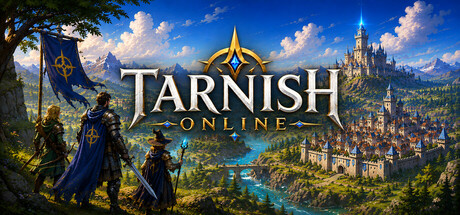 Tarnish Online Store/marketing art | Library Capsule
Library Header
Library Hero
Library Logo
Store Capsule
Store Header can contain AI generated images. | Temel KIRCI | - | Sep 30, 2026 | |
 Racket Club Live Dev only | AI was used to help with the development process of the game, and was overseen by developers. | Reaper Studios | - | Sep 30, 2026 | |
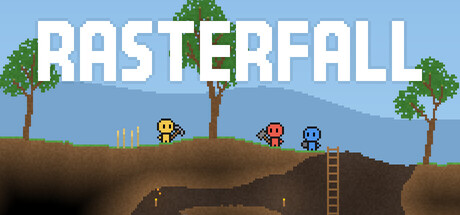 Rasterfall Dev only codetext | We use generative AI for coding and translation. | Ota Mato | - | Sep 30, 2026 | |
 DiceZ Royale In-game content textart | Pre-generated content only. No AI generated content is produced at runtime during gameplay.
Some in-game text and its English localization were drafted with AI assistance and edited by the team.
All art, including card art, backgrounds, icons and UI, is created by our artist. AI image tools were used as visual reference during concept work only; no AI generated image ships in the game. No AI models are used for music or sound effects. | Zeroot Studios | - | Sep 30, 2026 | |
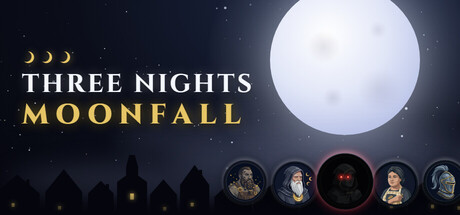 Three Nights: Moonfall In-game content arttext | The illustrated character portraits used as player avatars (also shown in our store and library artwork) were created with AI image generation (Google Gemini) and then cropped and adjusted by the developer. Some store text and interface translations were drafted with AI assistance. The game does not generate any AI content while you play. | Diay Games | - | Sep 30, 2026 | |
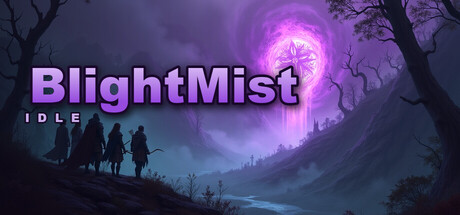 BlightMist Idle In-game content artcode | I use AI to assist in coding, and some skill icons for combat/talent trees; however all character sprites/animations are hand animated. Using AI allows me to make a game with all of the ideas I have and transform them into something tangible, and viewable. The goal is simple, create a fun game that people enjoy playing. | AzureMistKingdom | - | Sep 30, 2026 | |
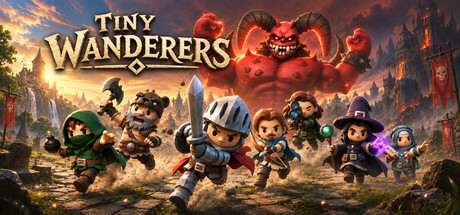 小小行者 In-game content artaudiotextcode | This game was made with the help of generative AI tools. The in-game relic, element, rune and skill icons are AI-generated. The tutorial illustrations were AI-generated and then edited by hand. Some sound effects, and the localization of the interface text into the game's supported languages, were produced with AI assistance. Some of the source code was also written with AI tools. All of it was reviewed and adjusted by a human before release. Nothing is generated while you play, and the game never connects to any external AI service. | TPAI Entertainment | - | Sep 29, 2026 | |
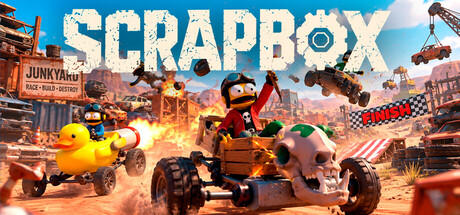 SCRAPBOX In-game content artaudiocode | Generative AI tools were used during the development of SCRAPBOX to assist with programming, UI design, voice acting, music, and the creation of some 3D models and other game assets. The game does not generate AI content during gameplay. | HFM Games | - | Sep 29, 2026 | |
 PWC Simulator Unclear | AI is used throughout game development. | Sender Jim's | - | Sep 29, 2026 | |
 Hero Chains of Destiny In-game content artaudio | Hero Chains of Destiny includes pre-generated content created with the assistance of generative AI tools during development. This includes selected artwork, music, and sound effects. All generated content is reviewed, curated, and approved by the developer before being included in the game. | TavernCatGames | - | Sep 29, 2026 | |
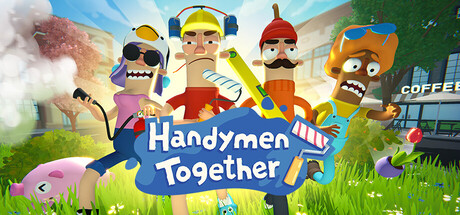 Handymen Together In-game content textaudio | AI was used for some translations and music. | Simplicity Games | - | Sep 29, 2026 | |
 俺たちのボトルフリップ : Flip or Fade In-game content text | AI is used solely to assist with development, such as for some localization and the creation of internal tools.
The game does not include any features that automatically generate content in real-time during gameplay. | Unagi Tech | - | Sep 29, 2026 | |
 Dates at the Table In-game content textart | AI tools assisted historical card wording, interface and rules text, Japanese translations, and original procedural game and marketing artwork. Cards include source references. No generative AI runs during gameplay. | Luka Yeaman | - | Sep 28, 2026 | |
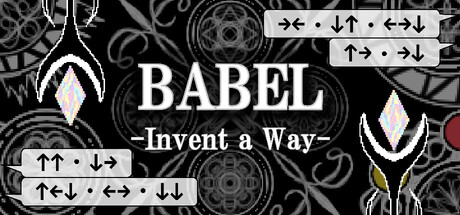 BABEL: Invent a Way Store/marketing textcode | Generative AI tools were used during development to assist with localization, programming, and store/marketing text. All AI-assisted output was reviewed, edited, and integrated by the developer. The game does not use generative AI at runtime and does not generate live AI content. | NthAxs | - | Sep 28, 2026 | |
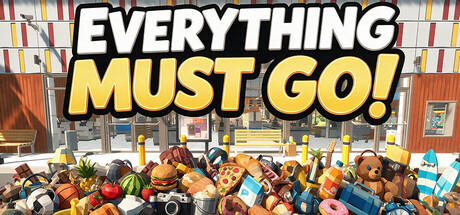 Everything Must Go! In-game content art | AI assisted in the design of some game artwork | WU QIUDONG | - | Sep 28, 2026 | |
 PanzerCity In-game content artaudio | This game used generative AI for asset creation during development. The HQ statue's 3D model was created with Meshy AI, and background music was composed with Suno AI. Most in-game icons and images were created using Google Gemini and ChatGPT. | Columbidae Games | - | Sep 28, 2026 | |
 GRID OPS art | AI-generated content is used exclusively for promotional/store
library imagery (e.g. store capsule and library artwork). No
in-game assets — textures, models, environments, weapons, or
character art used during gameplay — are AI-generated. All
gameplay-facing art is sourced from licensed marketplace asset
packs or created manually. | XYNDICATE | - | Sep 28, 2026 | |
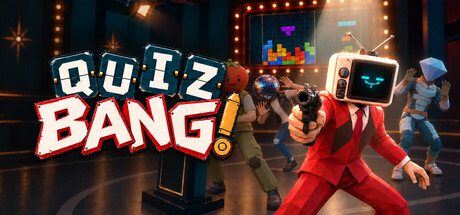 Quiz Bang! In-game content artaudiotext | Generative AI tools were used during development to help create portions of the artwork and promotional imagery, prerecorded voice-over, and some game text and localization. These materials are prepared in advance. The game does not generate AI content during gameplay or connect to external generative AI services. | Joyolt Studio | - | Sep 28, 2026 | |
 Ground Ops: Turnaround In-game content audio | Some audio assets and marketing materials were produced with generative AI tools. All gameplay, code and design are hand-authored. | Ailora Limited | - | Sep 28, 2026 | |
 Chess:Arcade In-game content artaudio | CHESS: ARCADE uses generative AI for its 2D artwork and for its music.
The illustrated assets — move callouts, effect overlays, chess piece sets, UI plates, the title graphic and the game icon — were generated with GPT Image 2 from prompts we wrote and iterated on ourselves. Every generated image then goes through our own import pipeline (trim, alpha normalisation, correction onto the game's fixed palette, downscale), is reviewed in the running game by hand, and is reworked or discarded when it misses. All of it ships as fixed image files inside the build.
The soundtrack was composed with generative AI: the melodies, harmony and arrangements were written with AI assistance, then reviewed, edited and mixed by hand. The game ships no audio files and uses no AI audio model — the score exists as note data that the game's own synthesiser renders procedurally at first launch. Twelve of the tracks are arrangements of public-domain classical themes; the rest are original.
Nothing is generated while you play, and the game never connects to an AI service. The opponent is a classical alpha-beta chess engine with a hand-written evaluation and opening book, and the puzzles come from the public Lichess puzzle database, verified against that engine. No player input, game data or personal data is ever sent to an AI model. | Knurzel | - | Sep 28, 2026 | |
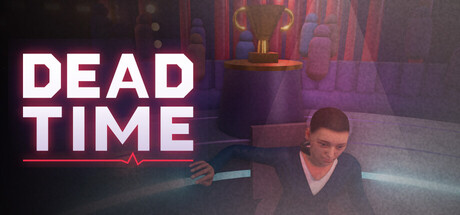 DEAD TIME In-game content text | No art or audio in DEAD TIME is AI-generated: the music and sound effects are CC0 files from Freesound and Kenney, the characters and animations come from Adobe Mixamo, and every set, prop and the logo itself are drawn procedurally by the game's own code.
Generative AI was used as a writing assistant for text: the host's lines, the rules manual, the interface strings, their translation into the game's 12 languages, and this store description. Nothing is generated while you play, and the game never connects to an AI service. | Sheep Arcade | - | Sep 28, 2026 | |
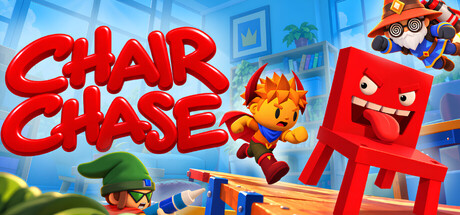 Chair Chase In-game content audio | AI tools were used as supportive tools during the development process, including assistance with code, and music. All AI-assisted content was reviewed, edited, and integrated by our development team before being included in the game. | Babs Games | - | Sep 28, 2026 | |
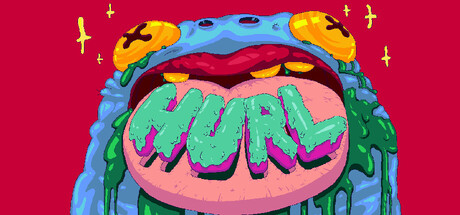 Hurl In-game content text | Localisation was done through AI. | Kiss A Fish | - | Sep 28, 2026 | |
 Pedal Pedal Pedal Store/marketing arttext | Generative AI tools were used to assist in creating some of this game's artwork and store page imagery, and to assist with translating its text into the supported languages. All translations were reviewed before shipping.
No content is generated by AI during gameplay. | Downward Dog Games | - | Sep 28, 2026 | |
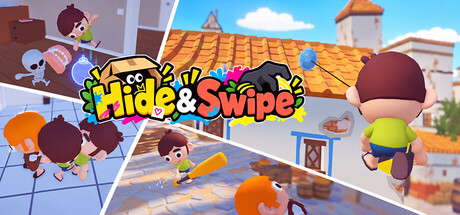 Hide & Swipe Store/marketing codeart | Generative AI tools were used during development to help write portions of the game's code and create some UI elements and store promotional materials. These materials were created before release. The game does not generate content with AI during gameplay. | AWeekGame | - | Sep 28, 2026 | |
 Rampartloom: PvP Tower Defense In-game content artaudio | Generative AI tools were used during development to create or assist with pre-made visual artwork, interface artwork and icons, procedural 3D modeling scripts, prerecorded faction voice lines, sound effects, and music. This includes voice lines and sound effects generated with ElevenLabs. These assets are prepared and integrated into the game before release. The game does not generate AI content during play or connect to an AI generation service. Computer-controlled opponents use scripted game logic. | Mumin Bayar | - | Sep 28, 2026 | |
 Not Musical Chairs Dev only code | AI was used in developing game mechanics, primarily coding. Human reviewed code. | CCG | - | Sep 28, 2026 | |
 Battle Quads Store/marketing art | Some promotional artwork and visual assets were created with the assistance of generative AI and have been reviewed, refined, and integrated by the developer. No generative AI is used during gameplay. | Millenary Games | - | Sep 28, 2026 | |
 tiny desktop pals Unclear | AI tools were used in the development of this project | Penyo | 15 | Sep 28, 2026 | |
 Gunsfield Store/marketing art | Some visual assets used on the Gunsfield store page and promotional materials were created or assisted using generative AI tools. | 047 Game Studios | - | Sep 28, 2026 | |
 AQUA FALL In-game content text | - Localization (translation) of in-game text from the original Japanese into [English, Chinese, etc.]The original Japanese text was written by the developer without AI. All AI-generated translations were reviewed and adjusted by the developer before being included in the game. If you find any translation issues, please let us know via the Steam discussions. | tatsumaki games | - | Sep 28, 2026 | |
 Phroller Dev only text | As with most VTT systems, users are welcome to import assets made anywhere. Phroller makes it easier than ever. You can just drag the image or model files into the VTT directly from your browser or file system!
I want to encourage supporting real artists where we can though. As such I do my best to collaborate with real creatives on the vast Phroller libraries. Each one of the assets in the library has a field showing the artist behind it. If you like their work, please consider checking them out. Many of them are open for commissions as well! However, I cannot guarantee that assets or part of those assets were created with no AI use at all. A large amount of the assets are made before 2022 though, so we should be safe there.
While I do my best to make Phroller as user friendly as possible, it does still require a ton of instructions and manuals. Frontier models are used to keep some of the text up to date across rapid early access development. Sorry if it sounds robotic! | Phroller.com | - | Sep 28, 2026 | |
 Roll Pick Go! In-game content arttext | Generative AI tools were used during development to create and revise some character artwork, backgrounds, icons, visual-effect assets, and promotional images, and to assist with localization. These assets and texts are prepared before release. The game does not generate AI content during gameplay or connect to a generative AI service during gameplay. | GGMCO | - | Sep 27, 2026 | |
 Suspencil Live AI audioarttext | This game uses generative AI for the translations into all languages other than Japanese, the background music and some sound effects, and some of the artwork and icons.
In the Comeback Challenge, an external AI service is used to judge whether an answer correctly names the prompt. The only player data sent to the AI is the text of the answer, and only a correct/incorrect result is returned. The AI does not generate or display any text or images during gameplay. | KUROKIRI GAMES | - | Sep 27, 2026 | |
 Path & Match In-game content artaudio | Generative AI was used during development for a small number of visual assets and background music. All AI-generated content was carefully directed, reviewed, and edited by the developer to maintain the game's quality, consistency, and artistic vision. No AI-generated content is created during gameplay. | RK9 Games | - | Sep 27, 2026 | |
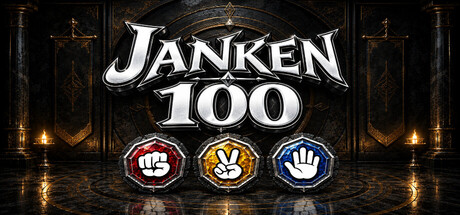 JANKEN 100 In-game content artaudiotext | Generative AI was used as a production aid for some images, music, localization, and related content. All generated materials were reviewed and edited by the developer before being used in the game or related assets. No AI-generated content is created during gameplay. | LACADA | - | Sep 27, 2026 | |
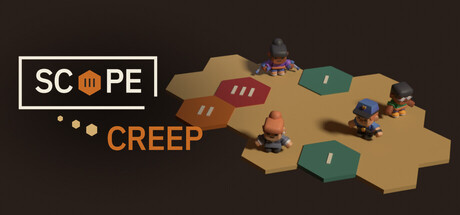 Scope Creep In-game content text | The game's user-interface text was written in English and Thai by the developer. The other 12 language files (interface and subtitles) were machine-translated with an AI language model, then reviewed and corrected by the developer. No artwork, music, sound, characters, game rules, or store assets were generated by AI. The game does not generate any content with AI at runtime and does not connect to any AI service. | NAMEMYZ | - | Sep 27, 2026 | |
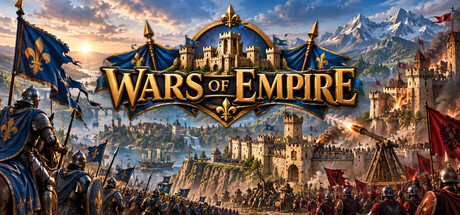 Wars of Empire In-game content | Parts of this game's content were produced with generative AI tools.
No content is generated at runtime. Every asset shipped with the game was produced, reviewed and approved prior to release. | A.Gökhan SATMAN | - | Sep 27, 2026 | |
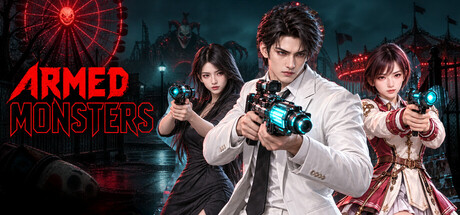 Armed Monsters In-game content artaudio | Generative AI was used during development to assist in creating and modifying some visual assets, including characters, monsters, environments, items, and promotional images for the store page. Some in-game music was also created using generative AI. These materials were selected and integrated into the game and promotional content by the development team. | 蛋生遊戲 | - | Sep 27, 2026 | |
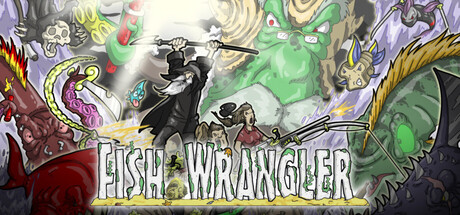 Fish Wrangler In-game content arttext | Some in-game artwork, such as fish, poles and quest art, is made with the help of AI image tools, then selected and edited by our team. Some forum replies from in-game characters are AI-assisted and reviewed before they are posted. Nothing is generated live during gameplay. | Fish Wrangler, Inc. | - | Sep 27, 2026 | |
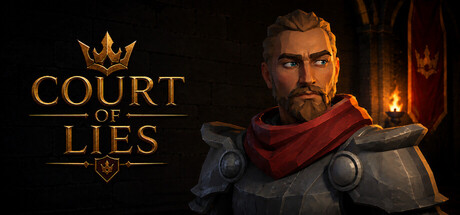 Court of Lies art | Some promotional artwork for this game (such as the store capsule image)
was created with the help of generative AI tools and then edited by hand.
All in-game content — 3D models, animations, sound effects, interface and
code — was created without generative AI. The game does not use AI during
gameplay and does not connect to any external AI service. | TAMGA Games | - | Sep 27, 2026 | |
 水球啪啦 In-game content artaudiotext | Generative AI tools were used during development to create portions of the game's visual artwork, sound effects, music, and localized text, as well as promotional artwork for the Steam store page. This includes pre-rendered background illustrations, promotional capsule images, audio assets, and AI-generated translations. | 蛋生遊戲(eggdiygames) | - | Sep 27, 2026 | |
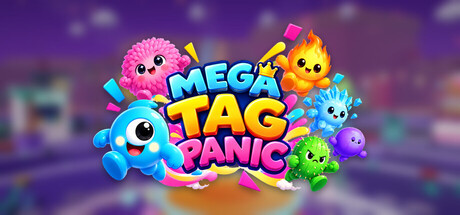 MEGA TAG PANIC In-game content artaudiotext | AI was used for three things only: the first draft of the character models, the two main-menu music tracks, and the game and studio logos. No AI runs while you play.
Everything you actually play was designed, built and balanced by the developer: the growing-tagger rule and the charged slap at the heart of the game; 6 game modes; 12 maps that each play by their own rules — a rolling ship, a flooding water tower, an arena that collapses ring by ring, lava that launches you skyward; 10 characters with 10 distinct powers, tuned one by one; bots with three difficulty levels that make the game fully playable solo; 2–10 player online play; a level and shop progression; match photos, match history and replays; and a 15-language localization. The character models were then hand-edited, rigged, height-matched and animated by the developer. The trailer and all screenshots are real gameplay. Sound effects and fonts come from CC0 / open-licensed sources. | Big Dot Games | - | Sep 27, 2026 | |
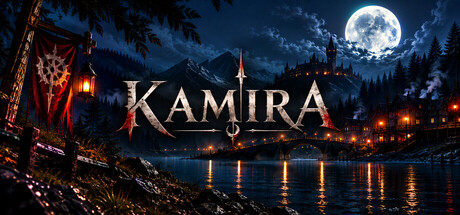 Kamira In-game content art | Artificial intelligence support has been utilized for technical and visual assets. | Daymark Studio | - | Sep 27, 2026 | |
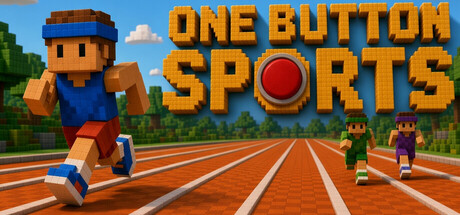 One Button Sports In-game content arttextcode | We use generative AI for player-facing content: in-game art (sprites, UI, backgrounds) and marketing (Steam capsules, store images). Some store-page translations may also be AI-assisted. We select, review, and place everything ourselves — nothing is generated while the game is running. Gameplay, timing, and controls are designed by us. AI coding tools are used internally only and do not create runtime game content. | Pixelated Games | - | Sep 27, 2026 | |
 Marco, Polo, SHOTGUN! In-game content audio | The main menu music is an AI generated version of an Australian classic. This can be toggled off. | Red Dave | - | Sep 27, 2026 | |
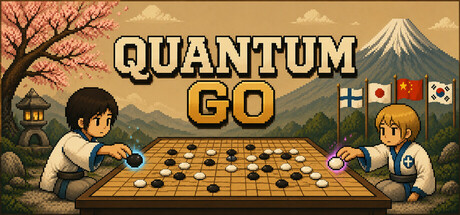 Quantum Go Store/marketing art | We use AI for the marketing images on the store page. | Macauley Coggins | - | Sep 27, 2026 | |
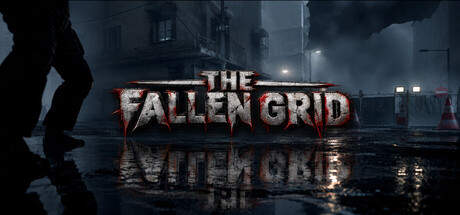 The Fallen Grid Store/marketing artcode | The core gameplay mechanics, 3D models, scene designs, and overall project were developed entirely by us. Generative AI tools were utilized for editing select promotional store page visuals and as assisting coding tools during the development process. | KPCDigital | - | Sep 27, 2026 | |
 TellioBall In-game content artaudio | Generative AI was used to create some visual assets and music for TellioBall. No generative AI is used during gameplay. | Mehmet Emin Tellioglu | - | Sep 27, 2026 | |
 Thirst or Bust In-game content artcodetext | Pre-generated generative AI was used in the development of game code, visual assets, character portraits, promotional artwork, and portions of text and localization. | XiaoFei | - | Sep 27, 2026 |


