Public Steam disclosure research25,380 disclosures tracked
Where do games disclose AI use?
Search developers’ Steam disclosures, compare classified AI use across
games, and follow recorded changes.
This index adds cross-game classifications and statistics to
statements published on individual store pages.
Groups reflect automatic analysis of public disclosures; mature records are excluded. These counts do not measure AI use across all of Steam.
Missing or unclear statements cannot establish whether a game uses AI.
Generative AI tools were used during development to assist with some promotional artwork and written content. All AI-assisted material was reviewed and edited by the developer before inclusion. Apple Catcher does not use generative AI at runtime, and no content is generated during gameplay.
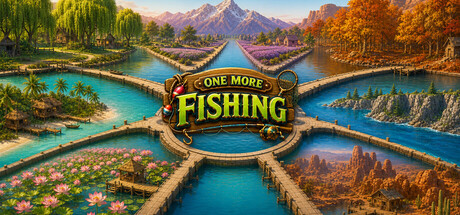
One More Fishing contains selected pre-generated content created or refined with generative AI tools during development. This includes selected in-game artwork and UI assets, selected Steam store and marketing artwork, audio assets such as music, ambience, sound effects and selected character voice lines, plus assistance with narrative and quest drafting and localization. All shipped content is selected, edited and integrated before release.
The game does not use live-generated AI. It does not contact generative AI services while running and does not send player prompts or player data to such services. At runtime it only loads, selects, animates, processes and mixes fixed content prepared before shipping.
I mostly use AI for debugging and I make it document my code for me. I've been using it for placeholder art but intend on replacing all, or at least most of them by release. I use it like a tool I can turn to for general tasks rather then a crutch that does everything.
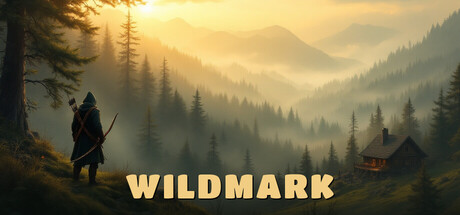
Wildmark was made by one person. The story and all of its dialogue are my own, written by me. But without a studio's budget to commission artists, composers, and voice actors, I used generative AI tools to help create much of what you see. Nothing ships as a raw, untouched generation: every asset was hand-directed, chosen, refined, and assembled to fit a single cohesive, hand-crafted style and world, and reviewed by me to make sure it belonged. In the end, what matters is whether the game is enjoyable and worth your time, not which tools helped build it.
I’m a web designer by day, and making a game has been a childhood dream of mine. I used generative AI as part of my development process, including helping with code, visual and audio assets. Every asset included in the final game was personally selected, refined by hand, placed, and directed by me to match the game’s overall vision.
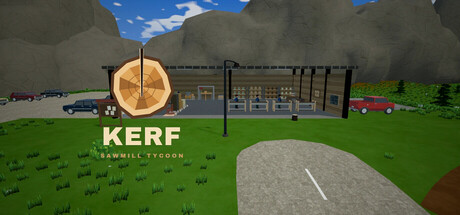
Kerf - Sawmill Tycoon was made almost entirely with AI tools. The developer directed the work, chose what went into the game and approved every result, but did not model, rig or write code by hand. What that means for the content that ships in the game:
- Code: written by an AI coding assistant.
- Characters: generated by an AI 3D tool from AI-generated reference images, then rigged and set up in the game by the AI assistant.
- Other 3D models: some came from an AI 3D tool - a vehicle and environment props such as rocks, mountains and bushes. The rest, including the valley, the buildings, the machines and the trees, were built in 3D software by the AI assistant writing scripts.
- Animation: all character animation was generated with an AI motion tool.
- Music: all of the in-game music was generated with an AI music tool.
- Sound: some sound effects were generated with an AI sound tool; the rest were sourced from sound libraries by the developer.
- Text: the in-game text was written with AI assistance, and the translations from English and Polish into the other 13 supported languages were made with AI.
Everything was reviewed and approved by the developer before release.
No content is generated by AI while the game is running. The Twitch integration only displays messages typed by real viewers.
This game contains pre-rendered AI-assisted artwork and marketing assets that were reviewed and edited by the developer. No live AI-generated content is produced during gameplay.
Some visual assets in this demo are AI-generated placeholders, used temporarily due to budget constraints as a solo developer. These are planned to be replaced with final hand-crafted art before the game's full release.
BirdBots uses generative AI tools during development to assist in the creation of certain promotional images, visual concepts, illustrations, and marketing materials. All AI-generated content has been reviewed, edited, and integrated by the developer. AI is not used during gameplay and does not affect the game's mechanics.
All art, music and story are 100% human created. All voice acting has a live voice actor recording/performance for every line of dialogue, voice changers were used on certain characters to pitch the sound higher or lower to better suit those specific characters. Some artist-created hand-painted assets were positioned into specific starting poses and ending poses, with in-between frames generated (affecting less-than 1% of the game animations, majority (99%) are animated by hand using 2D-bone-rigging and frame-by-frame animation), some generated in-between frames were then hand-painted over before being included in the game.
Generative AI was used during development to assist in creating certain visual assets, initial 3D model concepts, and the composition of some melodies. All AI-generated content was manually reviewed, edited, refined, and integrated into the game by the developer. All gameplay systems, programming, balancing and game design were created manually. No generative AI is used during gameplay.
ChatGPT generative AI was used to create the images used in the menu buttons. All graphics in the store, Logo, Hero image etc, were also generated by ChatGPT.
Generative AI has only been used in the process of localization to serve our international players. We are trying our best to minimalize through out the process of localization.
Ice Coast Revival is built by a small team working with AI tools. Some pre-made content that ships with the game, including in-game text and some audio, was created with generative AI and then human-reviewed. All of it is fixed at build time: the game does not generate content live with AI while you play.
AI tools were used during development to assist with programming and debugging. All game design, mechanics, artwork, audio, and final implementation decisions were created and managed by the developer.
This game uses pre-generated AI-assisted content. The base concepts, 3D geometry, textures, and some source animation data for the male and female player characters were created with Tencent Hunyuan 3D Studio. The development team subsequently performed extensive manual editing and integration, including topology and rigging adjustments, animation processing, hand replacement, material work, and technical review. No content is generated by AI during
Pre-generated content:AI tools were used to generate 2D artwork and visual assets for the game's intro sequence. All AI-generated content has been thoroughly reviewed, curated, and does not contain any illegal or infringing material.
Some of this game's assets were made with the assistance of generative AI tools and were reviewed, curated and hand-finished by the developer. No content is generated while you play.
Most of the art for Hive & Harvest has been initially generated by AI models, which has then been manually edited to achieve the desired tessellation look.
Coding of the game involved AI models for the purpose of quality control.
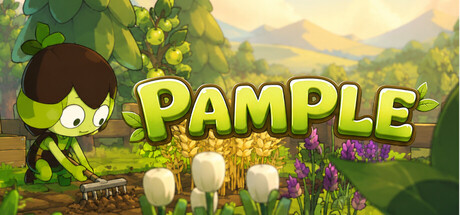
Some images and UI elements in Pample were created with the help of generative AI tools. The rest of the game's content was made by the developer, and all AI-assisted assets were reviewed and curated by hand.
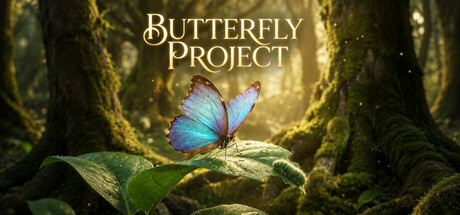
Some visual assets in Butterfly Project (such as backgrounds and illustrations) were created with the assistance of generative AI tools, then selected and integrated by the developer. Gameplay, systems, and overall design are human-made.
Generative AI was used during development to create some of the pre-generated images included in the game. All AI-generated content is created in advance and included as static game assets. The game does not generate AI content during gameplay.
Generative AI tools were used to assist with drafting and editing Steam store page text and marketing copy. The game does not use generative AI to create live gameplay content.
Some objects, textures, images, and audio assets in this game were created or enhanced using generative artificial intelligence. All AI-generated content has been reviewed, edited, and integrated by the developer as part of the game's artistic vision.
Some store page promotional artwork may include AI generated or AI-assisted elements. These materials are limited to store/marketing presentation assets and are not part of the gameplay content.
About the Use of AI in the Game
AI-assisted tools have been used in various aspects of this project's development process.
Programming: AI-assisted tools were used during the development of game systems, user interfaces, and various technical features. The generated code was reviewed, edited, tested, and adapted to the project's needs by the development team.
Visuals: AI tools were used in the creation of certain concept designs, environment artwork, and visual content. However, all content was reviewed, refined, and adapted to fit the artistic direction of the project by the development team.
Creative Process: The development process generally follows three stages. First, the game concept, environment designs, and core creative decisions are created by the team. AI tools are then used to generate alternative ideas, variations, and more detailed iterations of existing concepts. Finally, all results are reviewed, refined, and improved through manual quality control processes.
For example, some environment designs begin with compositions and layouts created by the team. AI tools may then be used to assist with additional detailing, after which the final adjustments and refinements are completed manually.
Our goal is to use AI as a tool that supports the creative process while ensuring that all creative decisions, project direction, and final quality control remain under human supervision.
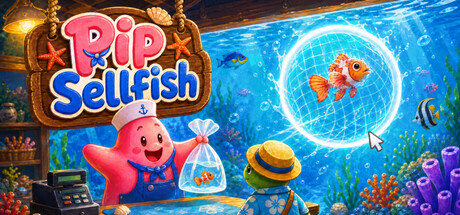
Pip Sellfish is made by one person. I used generative AI tools during development to help create some of the game's assets, such as artwork and music, every asset was hand-picked and integrated by me. No AI is used at runtime: nothing is generated while you play.
Promotional artwork, Steam capsules, and certain marketing images were created with the assistance of generative AI and then reviewed, edited, and curated by PhoenixGold Game Studios. All gameplay, code, mechanics, characters, and in-game content were designed and implemented by the development team.
During the development of this game, some 3D scene models were created with the assistance of the Rodin AI Hyper tool. All AI-generated base models have undergone manual adjustment, optimization, and review by our development team to ensure they conform to the game’s artistic style and quality standards
Generative AI tools were used during development to assist with selected pre-generated visual assets, promotional artwork, store-page materials, text, and code. All AI-assisted content was reviewed and edited by the developer before inclusion. The game does not generate AI content while running.
Generative tools were used to create and refine selected 2D illustrations, music, sound effects, localization, and store text. All materials were reviewed and edited by the developer. The game does not generate content using AI or connect to generative AI services during gameplay.
Generative AI tools were used during development to assist with some promotional artwork and written content. All AI-assisted material was reviewed and edited by the developer before inclusion. Apple Catcher does not use generative AI at runtime, and no content is generated during gameplay.
One More Fishing contains selected pre-generated content created or refined with generative AI tools during development. This includes selected in-game artwork and UI assets, selected Steam store and marketing artwork, audio assets such as music, ambience, sound effects and selected character voice lines, plus assistance with narrative and quest drafting and localization. All shipped content is selected, edited and integrated before release.
The game does not use live-generated AI. It does not contact generative AI services while running and does not send player prompts or player data to such services. At runtime it only loads, selects, animates, processes and mixes fixed content prepared before shipping.
I mostly use AI for debugging and I make it document my code for me. I've been using it for placeholder art but intend on replacing all, or at least most of them by release. I use it like a tool I can turn to for general tasks rather then a crutch that does everything.
Wildmark was made by one person. The story and all of its dialogue are my own, written by me. But without a studio's budget to commission artists, composers, and voice actors, I used generative AI tools to help create much of what you see. Nothing ships as a raw, untouched generation: every asset was hand-directed, chosen, refined, and assembled to fit a single cohesive, hand-crafted style and world, and reviewed by me to make sure it belonged. In the end, what matters is whether the game is enjoyable and worth your time, not which tools helped build it.
I’m a web designer by day, and making a game has been a childhood dream of mine. I used generative AI as part of my development process, including helping with code, visual and audio assets. Every asset included in the final game was personally selected, refined by hand, placed, and directed by me to match the game’s overall vision.
Kerf - Sawmill Tycoon was made almost entirely with AI tools. The developer directed the work, chose what went into the game and approved every result, but did not model, rig or write code by hand. What that means for the content that ships in the game:
- Code: written by an AI coding assistant.
- Characters: generated by an AI 3D tool from AI-generated reference images, then rigged and set up in the game by the AI assistant.
- Other 3D models: some came from an AI 3D tool - a vehicle and environment props such as rocks, mountains and bushes. The rest, including the valley, the buildings, the machines and the trees, were built in 3D software by the AI assistant writing scripts.
- Animation: all character animation was generated with an AI motion tool.
- Music: all of the in-game music was generated with an AI music tool.
- Sound: some sound effects were generated with an AI sound tool; the rest were sourced from sound libraries by the developer.
- Text: the in-game text was written with AI assistance, and the translations from English and Polish into the other 13 supported languages were made with AI.
Everything was reviewed and approved by the developer before release.
No content is generated by AI while the game is running. The Twitch integration only displays messages typed by real viewers.
This game contains pre-rendered AI-assisted artwork and marketing assets that were reviewed and edited by the developer. No live AI-generated content is produced during gameplay.
Some visual assets in this demo are AI-generated placeholders, used temporarily due to budget constraints as a solo developer. These are planned to be replaced with final hand-crafted art before the game's full release.
BirdBots uses generative AI tools during development to assist in the creation of certain promotional images, visual concepts, illustrations, and marketing materials. All AI-generated content has been reviewed, edited, and integrated by the developer. AI is not used during gameplay and does not affect the game's mechanics.
All art, music and story are 100% human created. All voice acting has a live voice actor recording/performance for every line of dialogue, voice changers were used on certain characters to pitch the sound higher or lower to better suit those specific characters. Some artist-created hand-painted assets were positioned into specific starting poses and ending poses, with in-between frames generated (affecting less-than 1% of the game animations, majority (99%) are animated by hand using 2D-bone-rigging and frame-by-frame animation), some generated in-between frames were then hand-painted over before being included in the game.
Generative AI was used during development to assist in creating certain visual assets, initial 3D model concepts, and the composition of some melodies. All AI-generated content was manually reviewed, edited, refined, and integrated into the game by the developer. All gameplay systems, programming, balancing and game design were created manually. No generative AI is used during gameplay.
ChatGPT generative AI was used to create the images used in the menu buttons. All graphics in the store, Logo, Hero image etc, were also generated by ChatGPT.
Generative AI has only been used in the process of localization to serve our international players. We are trying our best to minimalize through out the process of localization.
Ice Coast Revival is built by a small team working with AI tools. Some pre-made content that ships with the game, including in-game text and some audio, was created with generative AI and then human-reviewed. All of it is fixed at build time: the game does not generate content live with AI while you play.
AI tools were used during development to assist with programming and debugging. All game design, mechanics, artwork, audio, and final implementation decisions were created and managed by the developer.
This game uses pre-generated AI-assisted content. The base concepts, 3D geometry, textures, and some source animation data for the male and female player characters were created with Tencent Hunyuan 3D Studio. The development team subsequently performed extensive manual editing and integration, including topology and rigging adjustments, animation processing, hand replacement, material work, and technical review. No content is generated by AI during
Pre-generated content:AI tools were used to generate 2D artwork and visual assets for the game's intro sequence. All AI-generated content has been thoroughly reviewed, curated, and does not contain any illegal or infringing material.
Some of this game's assets were made with the assistance of generative AI tools and were reviewed, curated and hand-finished by the developer. No content is generated while you play.
Most of the art for Hive & Harvest has been initially generated by AI models, which has then been manually edited to achieve the desired tessellation look.
Coding of the game involved AI models for the purpose of quality control.
Some images and UI elements in Pample were created with the help of generative AI tools. The rest of the game's content was made by the developer, and all AI-assisted assets were reviewed and curated by hand.
Some visual assets in Butterfly Project (such as backgrounds and illustrations) were created with the assistance of generative AI tools, then selected and integrated by the developer. Gameplay, systems, and overall design are human-made.
Generative AI was used during development to create some of the pre-generated images included in the game. All AI-generated content is created in advance and included as static game assets. The game does not generate AI content during gameplay.
Generative AI tools were used to assist with drafting and editing Steam store page text and marketing copy. The game does not use generative AI to create live gameplay content.
Some objects, textures, images, and audio assets in this game were created or enhanced using generative artificial intelligence. All AI-generated content has been reviewed, edited, and integrated by the developer as part of the game's artistic vision.
Some store page promotional artwork may include AI generated or AI-assisted elements. These materials are limited to store/marketing presentation assets and are not part of the gameplay content.
About the Use of AI in the Game
AI-assisted tools have been used in various aspects of this project's development process.
Programming: AI-assisted tools were used during the development of game systems, user interfaces, and various technical features. The generated code was reviewed, edited, tested, and adapted to the project's needs by the development team.
Visuals: AI tools were used in the creation of certain concept designs, environment artwork, and visual content. However, all content was reviewed, refined, and adapted to fit the artistic direction of the project by the development team.
Creative Process: The development process generally follows three stages. First, the game concept, environment designs, and core creative decisions are created by the team. AI tools are then used to generate alternative ideas, variations, and more detailed iterations of existing concepts. Finally, all results are reviewed, refined, and improved through manual quality control processes.
For example, some environment designs begin with compositions and layouts created by the team. AI tools may then be used to assist with additional detailing, after which the final adjustments and refinements are completed manually.
Our goal is to use AI as a tool that supports the creative process while ensuring that all creative decisions, project direction, and final quality control remain under human supervision.
Pip Sellfish is made by one person. I used generative AI tools during development to help create some of the game's assets, such as artwork and music, every asset was hand-picked and integrated by me. No AI is used at runtime: nothing is generated while you play.
Promotional artwork, Steam capsules, and certain marketing images were created with the assistance of generative AI and then reviewed, edited, and curated by PhoenixGold Game Studios. All gameplay, code, mechanics, characters, and in-game content were designed and implemented by the development team.
During the development of this game, some 3D scene models were created with the assistance of the Rodin AI Hyper tool. All AI-generated base models have undergone manual adjustment, optimization, and review by our development team to ensure they conform to the game’s artistic style and quality standards
Generative AI tools were used during development to assist with selected pre-generated visual assets, promotional artwork, store-page materials, text, and code. All AI-assisted content was reviewed and edited by the developer before inclusion. The game does not generate AI content while running.
Generative tools were used to create and refine selected 2D illustrations, music, sound effects, localization, and store text. All materials were reviewed and edited by the developer. The game does not generate content using AI or connect to generative AI services during gameplay.