








Disclosure
Generative AI tools were used in the creation of certain assets for Camedieo. Each was reviewed, reworked and integrated by us so the finished product holds a single consistent direction.
- Creator
- TrivialPlanet
- Reviews
- -
- Added
- Sep 3, 2026
Public Steam disclosure research 25,380 disclosures tracked
Search developers’ Steam disclosures, compare classified AI use across games, and follow recorded changes. This index adds cross-game classifications and statistics to statements published on individual store pages.
Code help, debugging and other development work.
Capsule art, trailers and promotional material.
Pre-made art, audio, writing and other game assets.
Interactive or runtime AI features disclosed by the developer.
Groups reflect automatic analysis of public disclosures; mature records are excluded. These counts do not measure AI use across all of Steam. Missing or unclear statements cannot establish whether a game uses AI.
Generative AI tools were used in the creation of certain assets for Camedieo. Each was reviewed, reworked and integrated by us so the finished product holds a single consistent direction.
Generative AI was used during development to assist with portions of pre-generated in-game artwork and Steam store/marketing artwork. All outputs were reviewed, cleaned, composited, color-adjusted, and quality-checked by the development team. The game does not generate AI content at runtime.
Our team uses AI tools to help develop some in-game and marketing content.
Art and Code! Baby Art and Code! ...it's the end of the world as we know it...and I feel fine.
Some of Crashborn's art, audio and base 3D models were created with generative AI tools and edited by hand. They are placeholders being replaced with work from dedicated artists ahead of the 1.0 release. The game does not generate content at runtime.
Artificial intelligence has been used solely to generate certain 2D icons used in the game's menus, such as icons for weapon upgrades, artifacts, and similar elements. AI has not been used under any circumstances to generate 3D models, user interfaces, in-game menus, weapons, enemies, environments, animations, VFX, or any other playable content or assets. The use of AI is strictly limited to specific 2D icons of a visual and informational nature within the interface.
We use about 15 seconds of AI footage in our trailer. All assets in the game are human authored. We also use a local, small and offline LLM (meaning: no data ever leaves your computer, and it does not cause significant performance drops) as a Director that controls: enemy spawn and frequency of challenges, essentially choosing when to press with difficulty and when to hold the challenge based on parameters such as player frustration, boredom and an emergence metric. This mechanic does not generate any text, narrative or story: it is just a mechanic that controls game balance to ensure the best challenge. And you can turn it off on the settings menu, if you want.
Some 2D visual assets were created with assistance from generative AI, then manually edited and polished by the developer. No AI-generated content is created during gameplay.
Generative AI tools were used during development to assist with creating some music and UI graphic assets, as well as to provide coding suggestions and troubleshooting support. All AI-assisted content was reviewed, edited where necessary, and integrated by the developer. The game does not generate AI content during gameplay.
Generative AI was used to create certain promotional artwork for the Steam store page, including capsule images and the community icon. These assets were reviewed and edited by the developer. The game itself does not contain AI-generated artwork, audio, narrative, localization, or live-generated AI content.
some images and sprites was generated with A.I.
Pre-generated 2D marketing artwork and Steam store assets were created with assistance from OpenAI image-generation tools during development. All outputs were reviewed and selected by the developer. The game itself does not include AI-generated content, generate AI content at runtime, or connect to AI services.
AI powers real-time dialogue and responses from fictional in-game characters, allowing them to react dynamically to player conversations and actions.
Protocell's soundtrack was generated with an AI music tool, and a few interface layouts were explored with the help of AI image tool. Everything else — the code, the design, the pixel art and the procedurally generated creatures — is hand-crafted or produced by the game's own engine. No generative AI runs in real time while you play.
Daily code audits using AI, mainly focussed on optimization. Some hud art is generated as concept art, then altered or remade to specifically fit the game theme. We plan to replace all before release. Actual building blocks and pixelart is partly bought from isometric art sellers and most of them recrafted by hand. No AI content is generated during gameplay.
Generative AI tools were used during development to assist with creating and refining select 2D artwork, icons, and marketing materials, as well as game and marketing copy localization. All AI-assisted content is reviewed, edited, and curated by the developer before being included in the game. Soulstonia does not use generative AI to create content live during gameplay.
ART AND AUDIO: no generative image or audio models were used. Every texture, sprite, visual effect and musical note in Mool: Chroma is generated at runtime by the game's own code. The build ships no audio files at all, and the only image files it ships are the bitmap font atlases used to draw text. The store page artwork is rendered by that same code. The code itself was written with AI assistance and reviewed by the developer. TEXT: AI tools were used to help write text. Some in-game narrative and flavor text was drafted with AI assistance, and the game's non-English translations (Korean, Japanese, Simplified Chinese, German, French, Spanish - Latin America, Portuguese - Brazil, Russian) were AI-generated. All of it was reviewed and edited by the developer before shipping. Nothing is generated live during gameplay.
This game uses Eleven Labs to generate certain sound effects. All other content — including art, models, music, writing, and gameplay — is entirely hand‑made and does not use AI.
Generative AI has been used during the early stages of development to create temporary placeholder content, primarily to support production and prototyping. This content is intended to be temporary and is planned to be replaced with final assets specifically created for the game as development progresses.
Lateral Crawl will launch in Early Access. The Early Access build will contain some AI-generated and developer-edited sound effects, which are planned to be replaced before the 1.0 release.
Generative AI tools were used during development of this game. 2D art, including character illustrations and in-game documents and photographs, was created with image generation tools, then edited and composed by hand. Some 3D props and environment models were created with a model generation service, then adjusted for the game. Background music was created with a music generation service. Sound effects are not generated; they are openly licensed recordings that we processed ourselves. AI coding tools assisted with writing and reviewing code. All final decisions and edits are made by the developer. Every generated asset was selected and reworked by a person before it went into the game.
Some pre-rendered artwork — event illustrations, key art, and store capsule images — was created with the assistance of generative AI tools, then selected, edited, and composited by the developer. Localization drafts were produced with AI translation tools and reviewed by the developer. All in-game unit, UI, and map art uses licensed, human-made asset packs. No content is generated by AI at runtime.
This game generates content with AI, entirely on your machine: an embedded, frozen local model writes and illustrates the "Book" of each run (texts and fictional game covers). No internet connection is required, no data is collected, and nothing is generated by external services. The game's translations were AI-assisted, then human-reviewed.
AI assisted coding
Pre-generated AI was used for parts of the soundtrack and abstract store artwork. All content was selected and edited by the developer. No AI content is generated during gameplay.
We use generative AI to assist in the development of the game, including for coding and visual assets.
AI was used to write code and structure ideas. For art and music it wasn't used.
To streamline development and enhance our creative vision, generative AI technologies were utilized in the following areas during the production of this game: Programming & Development Support: AI tools assisted in drafting source code and verifying game logic. Art & Visual Assets: AI tools were used to assist with concept art and base background materials, all of which were manually retouched, processed, and reconstructed. Music: AI tools were used to assist in arranging and producing original tracks, followed by manual editing and mastering. All AI-assisted assets have been carefully curated, modified, and reviewed manually by the developer prior to integration into the game. The game does not feature any live-generated AI content during gameplay, and development strictly adheres to all applicable legal standards and Steam's content guidelines.
Generative AI tools were used during development to create portions of the game’s artwork and sound.
The game was developed with the help of AI. The background music soundtrack is AI-generated: the pieces were created with a locally run music model, then curated and edited by hand. Puzzles, game design and gameplay are human-made.
AI tools were used to draft store page text and to translate the in-game text into English, Japanese and Chinese. AI was also used for part of the art. All of this was reviewed and edited by the developers. No AI-generated content is created while the game is running.
Some of this game's 2D art (such as item icons and UI illustrations) was created with the help of generative AI, and AI was also used to help write and translate some in-game and store page text. All of it was reviewed and finalized by the developer, and no content is generated by AI while you play.
AI tools were used during development as a learning and support aid. They helped me understand development workflows, troubleshoot technical problems, explore gameplay and UI ideas, and create early concept images used as visual references. All final decisions, implementation, balancing, and content selection were handled and reviewed by me. No AI content is generated during gameplay.
Some of the content in Dawnheart Keepers was created with the help of generative AI tools during development. All of it was made before release: the game does not generate anything with AI while you play, and it never connects to an AI service. What that covers: - Illustrated art - menu and story backgrounds, story scenes, the world map, character and tower portraits, and the upgrade-card plates - was made with image-generation models run locally on the developer's own machine, from prompts the developer wrote. - The English and Hebrew voice-over was generated with ElevenLabs from scripts written by the developer. - Sound effects were generated from written prompts, or synthesised procedurally in code. All of it was reviewed, edited, curated and tested by the developer before it shipped, and the same applies to the trailer and store art. The music is not AI-generated. It is written as code and synthesised by the game itself while you play, the way game soundtracks were built before recorded audio.
Generative AI tools assisted with selected pre-generated UI artwork and sound/music effects. All generated assets were reviewed and edited by the development team.
Coding help when programming the game.
The development of this game makes extensive use of generative AI. AI tools were used to help create the game's art and visual assets, sound and music, text and narrative, code, and localization. All AI-assisted content is reviewed by our team before release to ensure quality and appropriateness.
AI has been used to generate artwork for this game.
Generative AI tools were used for localization, marketing images, intro video, and some graphical assets.
This game uses generative AI tools during development to assist with the creation of certain visual assets. All content is reviewed and curated by the development team to ensure quality and consistency with the game's vision.
The AI coworkers in this game are voiced by a machine (TTS), and their dialogue was really written by AI together with self portraits, on purpose and under human review. The slop is diegetic. The code was written with AI agents and reviewed by the last human in that loop, the developer. That is also the plot. No AI runs at runtime. Everything was baked and reviewed before shipping.
Art direction steered asset creation, SFX, store capsule artwork and the logo were produced with generative AI assistance then hand-edited. No generative AI runs at runtime; the game generates no content live.
Generative AI is used to assist with the translation and localization of in-game text and Steam store page content from the original Japanese into other supported languages.
Generative AI was used during development to assist in creating some pre-generated visual artwork and illustrative assets, including artwork used within the Chronicle system. All AI-assisted content is created and reviewed during development and is included in the game as finished assets. Echo Harvest does not use generative AI to create content dynamically during gameplay.
Environments and environmental artwork are not created using generative AI. Generative AI is used as part of the early development workflow for prototyping some creature artwork, which is going to be replaced during development.
Generative AI was used to assist in creating a small number of icons.
We used AI tools in two places during development, and in neither of them to replace creative work. Our French, Spanish, Italian, Japanese and Korean localisations are made using AI. We also used AI assistance while writing and restructuring parts of our codebase. Everything players see and hear — art, animation, sound, music, game design and all original writing — was made by people.
Generative AI is used in a supplementary capacity, at two points. First, as a drafting step for some of the game's 2D illustrations: every such asset is then rebuilt through our own production pipeline — reduced to a strict 1-bit black-and-white format, curated, and animated frame by frame with in-house tools — so that it matches our art direction. Second, the game is written in French, and its translations into the eight other supported languages are AI-assisted. No generative AI runs in the game itself: all content ships fixed with the build.
Some of the 2D artwork in this game — character portraits, monster illustrations, board tiles, backgrounds and store art — was created with the help of generative AI image tools, then reviewed, edited and assembled by the developer. All generated assets were checked before shipping. The game does not generate any content live during play: everything is pre-rendered and included in the build. Game design, rules, code, text and level layout were authored by the developer.
Generative AI was used to assist with selected store artwork and localization. All generated content was reviewed and integrated by the developer.
| Title⇅ | Disclosure | Creator⇅ | Src | Reviews⇅ | Added↓ |
|---|---|---|---|---|---|
 Camedieo In-game content art | Generative AI tools were used in the creation of certain assets for Camedieo.
Each was reviewed, reworked and integrated by us so the finished product holds a single consistent direction. | TrivialPlanet | - | Sep 3, 2026 | |
 BALLRENA In-game content art | Generative AI was used during development to assist with portions of pre-generated in-game artwork and Steam store/marketing artwork. All outputs were reviewed, cleaned, composited, color-adjusted, and quality-checked by the development team. The game does not generate AI content at runtime. | vampireblackcat | - | Sep 3, 2026 | |
 ShootyCraft Unclear | Our team uses AI tools to help develop some in-game and marketing content. | Main Tank Software | - | Sep 3, 2026 | |
 Peasants in a Hole Unclear | Art and Code! Baby Art and Code!
...it's the end of the world as we know it...and I feel fine. | Zeus | - | Sep 3, 2026 | |
 Crashborn In-game content artaudio | Some of Crashborn's art, audio and base 3D models were created with generative AI tools and edited by hand. They are placeholders being replaced with work from dedicated artists ahead of the 1.0 release. The game does not generate content at runtime. | Rukium Labs | - | Sep 3, 2026 | |
 Kharvalen In-game content art | Artificial intelligence has been used solely to generate certain 2D icons used in the game's menus, such as icons for weapon upgrades, artifacts, and similar elements.
AI has not been used under any circumstances to generate 3D models, user interfaces, in-game menus, weapons, enemies, environments, animations, VFX, or any other playable content or assets.
The use of AI is strictly limited to specific 2D icons of a visual and informational nature within the interface. | Lisarde | - | Sep 3, 2026 | |
 Seven Blasphemies code | We use about 15 seconds of AI footage in our trailer. All assets in the game are human authored.
We also use a local, small and offline LLM (meaning: no data ever leaves your computer, and it does not cause significant performance drops) as a Director that controls: enemy spawn and frequency of challenges, essentially choosing when to press with difficulty and when to hold the challenge based on parameters such as player frustration, boredom and an emergence metric.
This mechanic does not generate any text, narrative or story: it is just a mechanic that controls game balance to ensure the best challenge. And you can turn it off on the settings menu, if you want. | Crit42 Studio | - | Sep 3, 2026 | |
 Level Up, Tiny King! In-game content art | Some 2D visual assets were created with assistance from generative AI, then manually edited and polished by the developer. No AI-generated content is created during gameplay. | Warband & Magic | - | Sep 2, 2026 | |
 That Cloud Looks Like In-game content audioartcode | Generative AI tools were used during development to assist with creating some music and UI graphic assets, as well as to provide coding suggestions and troubleshooting support. All AI-assisted content was reviewed, edited where necessary, and integrated by the developer. The game does not generate AI content during gameplay. | GamJangJangi | - | Sep 1, 2026 | |
 Aer Isles In-game content art | Generative AI was used to create certain promotional artwork for the Steam store page, including capsule images and the community icon. These assets were reviewed and edited by the developer. The game itself does not contain AI-generated artwork, audio, narrative, localization, or live-generated AI content. | Jonathan Dev | - | Sep 1, 2026 | |
 G.O.T. In-game content art | some images and sprites was generated with A.I. | Nexforge | - | Sep 1, 2026 | |
 一千万次反弹 Store/marketing art | Pre-generated 2D marketing artwork and Steam store assets were created with assistance from OpenAI image-generation tools during development. All outputs were reviewed and selected by the developer. The game itself does not include AI-generated content, generate AI content at runtime, or connect to AI services. | BATTLE LAB | - | Sep 1, 2026 | |
 Scam With Your Friends Live AI text | AI powers real-time dialogue and responses from fictional in-game characters, allowing them to react dynamically to player conversations and actions. | JakeHub | - | Sep 1, 2026 | |
 Protocell In-game content audioart | Protocell's soundtrack was generated with an AI music tool, and a few interface layouts were explored with the help of AI image tool. Everything else — the code, the design, the pixel art and the procedurally generated creatures — is hand-crafted or produced by the game's own engine. No generative AI runs in real time while you play. | Lejiww | - | Sep 1, 2026 | |
 Forgotten Towns Dev only artcode | Daily code audits using AI, mainly focussed on optimization.
Some hud art is generated as concept art, then altered or remade to specifically fit the game theme. We plan to replace all before release.
Actual building blocks and pixelart is partly bought from isometric art sellers and most of them recrafted by hand.
No AI content is generated during gameplay. | Taffee Software | - | Sep 1, 2026 | |
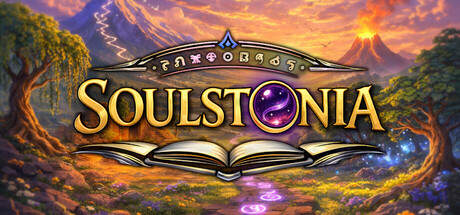 Soulstonia In-game content arttext | Generative AI tools were used during development to assist with creating and refining select 2D artwork, icons, and marketing materials, as well as game and marketing copy localization. All AI-assisted content is reviewed, edited, and curated by the developer before being included in the game. Soulstonia does not use generative AI to create content live during gameplay. | Gabriel's Games | - | Sep 1, 2026 | |
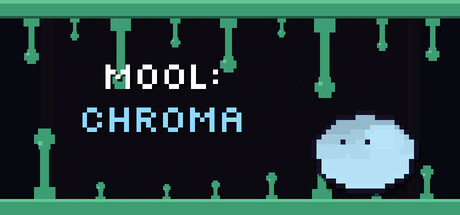 Mool: Chroma In-game content artaudiotext | ART AND AUDIO: no generative image or audio models were used. Every texture, sprite, visual effect and musical note in Mool: Chroma is generated at runtime by the game's own code. The build ships no audio files at all, and the only image files it ships are the bitmap font atlases used to draw text. The store page artwork is rendered by that same code. The code itself was written with AI assistance and reviewed by the developer.
TEXT: AI tools were used to help write text. Some in-game narrative and flavor text was drafted with AI assistance, and the game's non-English translations (Korean, Japanese, Simplified Chinese, German, French, Spanish - Latin America, Portuguese - Brazil, Russian) were AI-generated. All of it was reviewed and edited by the developer before shipping.
Nothing is generated live during gameplay. | jwl works | - | Aug 31, 2026 | |
 Penthouse In-game content audio | This game uses Eleven Labs to generate certain sound effects. All other content — including art, models, music, writing, and gameplay — is entirely hand‑made and does not use AI. | ElectricVan | - | Aug 31, 2026 | |
 Tobamacco Defense Dev only | Generative AI has been used during the early stages of development to create temporary placeholder content, primarily to support production and prototyping. This content is intended to be temporary and is planned to be replaced with final assets specifically created for the game as development progresses. | Tarodev | - | Aug 31, 2026 | |
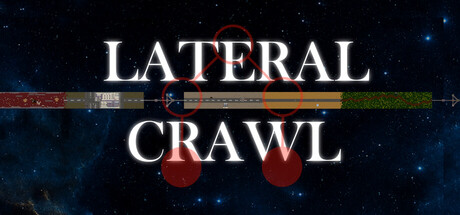 Lateral Crawl In-game content audio | Lateral Crawl will launch in Early Access. The Early Access build will contain some AI-generated and developer-edited sound effects, which are planned to be replaced before the 1.0 release. | Gideon X | - | Aug 31, 2026 | |
 Civil Twilight In-game content artaudiocode | Generative AI tools were used during development of this game.
2D art, including character illustrations and in-game documents and photographs, was created with image generation tools, then edited and composed by hand.
Some 3D props and environment models were created with a model generation service, then adjusted for the game.
Background music was created with a music generation service. Sound effects are not generated; they are openly licensed recordings that we processed ourselves.
AI coding tools assisted with writing and reviewing code. All final decisions and edits are made by the developer.
Every generated asset was selected and reworked by a person before it went into the game. | faanaworks | - | Aug 31, 2026 | |
 LINE WARLORD In-game content arttext | Some pre-rendered artwork — event illustrations, key art, and store capsule images — was created with the assistance of generative AI tools, then selected, edited, and composited by the developer. Localization drafts were produced with AI translation tools and reviewed by the developer. All in-game unit, UI, and map art uses licensed, human-made asset packs. No content is generated by AI at runtime. | Nestward | - | Aug 31, 2026 | |
 Milesyon In-game content arttext | This game generates content with AI, entirely on your machine: an embedded, frozen local model writes and illustrates the "Book" of each run (texts and fictional game covers). No internet connection is required, no data is collected, and nothing is generated by external services. The game's translations were AI-assisted, then human-reviewed. | Studio Milesyon | - | Aug 31, 2026 | |
 Things That Happen on the Map - Realm Simulator Dev only code | AI assisted coding | Lysemin | - | Aug 29, 2026 | |
 Dialshift In-game content audioart | Pre-generated AI was used for parts of the soundtrack and abstract store artwork. All content was selected and edited by the developer. No AI content is generated during gameplay. | Georg Konrad | - | Aug 29, 2026 | |
 Hexwell Dev only artcode | We use generative AI to assist in the development of the game, including for coding and visual assets. | Torpedo Penguin | - | Aug 29, 2026 | |
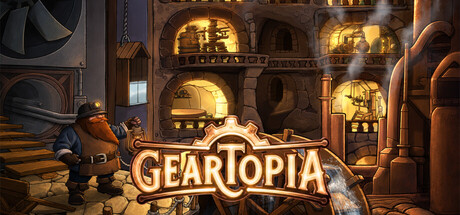 GearTopia Dev only code | AI was used to write code and structure ideas.
For art and music it wasn't used. | Fornax Games | - | Aug 29, 2026 | |
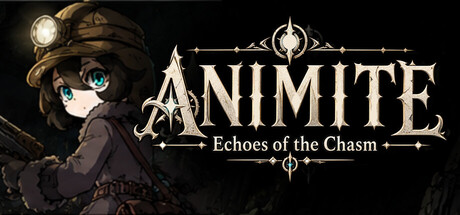 ANIMITE Echoes of the Chasm In-game content artaudiocode | To streamline development and enhance our creative vision, generative AI technologies were utilized in the following areas during the production of this game:
Programming & Development Support: AI tools assisted in drafting source code and verifying game logic.
Art & Visual Assets: AI tools were used to assist with concept art and base background materials, all of which were manually retouched, processed, and reconstructed.
Music: AI tools were used to assist in arranging and producing original tracks, followed by manual editing and mastering.
All AI-assisted assets have been carefully curated, modified, and reviewed manually by the developer prior to integration into the game. The game does not feature any live-generated AI content during gameplay, and development strictly adheres to all applicable legal standards and Steam's content guidelines. | Motaro | - | Aug 29, 2026 | |
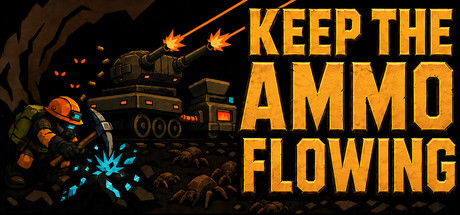 Keep The Ammo Flowing In-game content artaudio | Generative AI tools were used during development to create portions of the game’s artwork and sound. | YCF Productions | - | Aug 29, 2026 | |
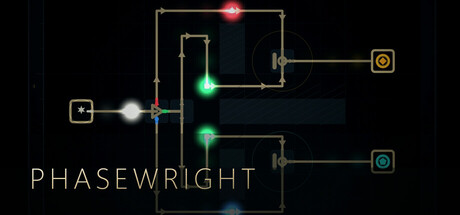 Phasewright In-game content audio | The game was developed with the help of AI. The background music soundtrack is AI-generated: the pieces were created with a locally run music model, then curated and edited by hand. Puzzles, game design and gameplay are human-made. | Lucaren | - | Aug 29, 2026 | |
 Dungeon Miner In-game content arttext | AI tools were used to draft store page text and to translate the in-game text into English, Japanese and Chinese.
AI was also used for part of the art.
All of this was reviewed and edited by the developers.
No AI-generated content is created while the game is running. | hummmmmmm | - | Aug 29, 2026 | |
 Marisa! Banquet Cooking Bonanza! In-game content arttext | Some of this game's 2D art (such as item icons and UI illustrations) was created with the help of generative AI, and AI was also used to help write and translate some in-game and store page text. All of it was reviewed and finalized by the developer, and no content is generated by AI while you play. | FIVE DUCK GAMES | - | Aug 29, 2026 | |
 Railhold Dev only art | AI tools were used during development as a learning and support aid. They helped me understand development workflows, troubleshoot technical problems, explore gameplay and UI ideas, and create early concept images used as visual references. All final decisions, implementation, balancing, and content selection were handled and reviewed by me. No AI content is generated during gameplay. | Veten | - | Aug 29, 2026 | |
 Dawnheart Keepers In-game content artaudiotext | Some of the content in Dawnheart Keepers was created with the help of generative AI tools during development. All of it was made before release: the game does not generate anything with AI while you play, and it never connects to an AI service.
What that covers:
- Illustrated art - menu and story backgrounds, story scenes, the world map, character and tower portraits, and the upgrade-card plates - was made with image-generation models run locally on the developer's own machine, from prompts the developer wrote.
- The English and Hebrew voice-over was generated with ElevenLabs from scripts written by the developer.
- Sound effects were generated from written prompts, or synthesised procedurally in code.
All of it was reviewed, edited, curated and tested by the developer before it shipped, and the same applies to the trailer and store art.
The music is not AI-generated. It is written as code and synthesised by the game itself while you play, the way game soundtracks were built before recorded audio. | ssj2rich | - | Aug 29, 2026 | |
 KleptoMagia In-game content artaudio | Generative AI tools assisted with selected pre-generated UI artwork and sound/music effects.
All generated assets were reviewed and edited by the development team. | Casual Ties Studio | - | Aug 29, 2026 | |
 Salvage Run Dev only code | Coding help when programming the game. | Odin's Beard Software | - | Aug 29, 2026 | |
 Reaper GoStop In-game content artaudiotextcode | The development of this game makes extensive use of generative AI. AI tools were used to help create the game's art and visual assets, sound and music, text and narrative, code, and localization. All AI-assisted content is reviewed by our team before release to ensure quality and appropriateness. | Beaver Studio | - | Aug 29, 2026 | |
 Trials Of The Void In-game content art | AI has been used to generate artwork for this game. | Farya Wolyo Studios | - | Aug 29, 2026 | |
 Dead March: Dark Lord Rising In-game content textart | Generative AI tools were used for localization, marketing images, intro video, and some graphical assets. | Imaginary | - | Aug 29, 2026 | |
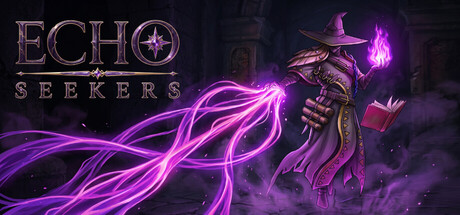 Echo Seekers In-game content art | This game uses generative AI tools during development to assist with the creation of certain visual assets. All content is reviewed and curated by the development team to ensure quality and consistency with the game's vision. | Grey Tactics | - | Aug 28, 2026 | |
 Agents! Please? In-game content textartaudio | The AI coworkers in this game are voiced by a machine (TTS), and their dialogue was really written by AI together with self portraits, on purpose and under human review. The slop is diegetic. The code was written with AI agents and reviewed by the last human in that loop, the developer. That is also the plot. No AI runs at runtime. Everything was baked and reviewed before shipping. | KIB Games | - | Aug 28, 2026 | |
 Tumble Tavern Store/marketing art | Art direction steered asset creation, SFX, store capsule artwork and the logo were produced with generative AI assistance then hand-edited. No generative AI runs at runtime; the game generates no content live. | Guildhelm Studios Ltd | - | Aug 28, 2026 | |
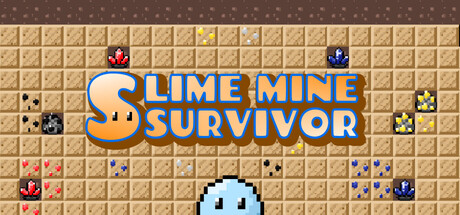 Slime Mine Survivor In-game content text | Generative AI is used to assist with the translation and localization of in-game text and Steam store page content from the original Japanese into other supported languages. | Hassaku | - | Aug 28, 2026 | |
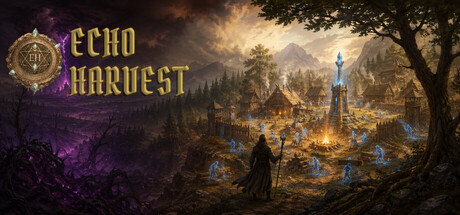 Echo Harvest In-game content art | Generative AI was used during development to assist in creating some pre-generated visual artwork and illustrative assets, including artwork used within the Chronicle system. All AI-assisted content is created and reviewed during development and is included in the game as finished assets. Echo Harvest does not use generative AI to create content dynamically during gameplay. | SchismProducts | - | Aug 28, 2026 | |
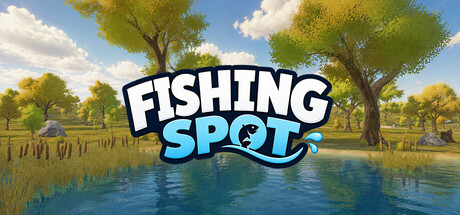 Fishing Spot Dev only art | Environments and environmental artwork are not created using generative AI.
Generative AI is used as part of the early development workflow for prototyping some creature artwork, which is going to be replaced during development. | Float Dev | - | Aug 28, 2026 | |
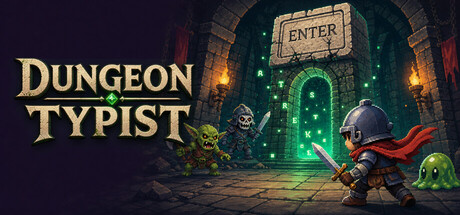 Dungeon Typist In-game content art | Generative AI was used to assist in creating a small number of icons. | IDfeng | - | Aug 28, 2026 | |
 Confined Space - Module Madness In-game content textcode | We used AI tools in two places during development, and in neither of them to replace creative work.
Our French, Spanish, Italian, Japanese and Korean localisations are made using AI. We also used AI assistance while writing and restructuring parts of our codebase.
Everything players see and hear — art, animation, sound, music, game design and all original writing — was made by people. | Confined Space Crew | - | Aug 28, 2026 | |
 Randventure In-game content arttext | Generative AI is used in a supplementary capacity, at two points. First, as a drafting step for some of the game's 2D illustrations: every such asset is then rebuilt through our own production pipeline — reduced to a strict 1-bit black-and-white format, curated, and animated frame by frame with in-house tools — so that it matches our art direction. Second, the game is written in French, and its translations into the eight other supported languages are AI-assisted. No generative AI runs in the game itself: all content ships fixed with the build. | Epreyn | - | Aug 28, 2026 | |
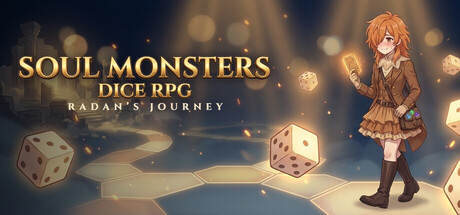 Soul Monsters: Dice RPG - Radan's Journey In-game content art | Some of the 2D artwork in this game — character portraits, monster illustrations, board tiles, backgrounds and store art — was created with the help of generative AI image tools, then reviewed, edited and assembled by the developer. All generated assets were checked before shipping. The game does not generate any content live during play: everything is pre-rendered and included in the build. Game design, rules, code, text and level layout were authored by the developer. | Industrial Miracle | - | Aug 28, 2026 | |
 ALL EYES ON ME In-game content arttext | Generative AI was used to assist with selected store artwork and localization. All generated content was reviewed and integrated by the developer. | GRUND | - | Aug 28, 2026 |


