Public Steam disclosure research25,380 disclosures tracked
Where do games disclose AI use?
Search developers’ Steam disclosures, compare classified AI use across
games, and follow recorded changes.
This index adds cross-game classifications and statistics to
statements published on individual store pages.
Groups reflect automatic analysis of public disclosures; mature records are excluded. These counts do not measure AI use across all of Steam.
Missing or unclear statements cannot establish whether a game uses AI.
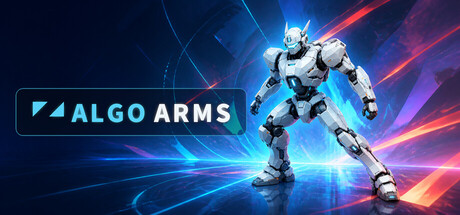
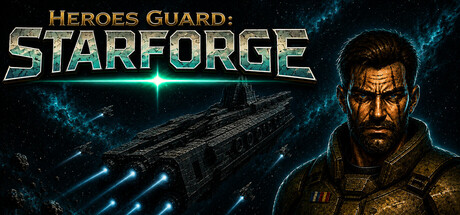
Generative AI was used as a development tool for this game. An AI assistant helped with programming, game design iteration, and text translation, always under the developer's direction and review. Some 3D models, such as mech parts, are based on assets created with generative AI tools and then adjusted and integrated by the developer. No content is generated by AI during gameplay: enemy behavior is not generative AI, but the same deterministic node-based algorithms that players build themselves.
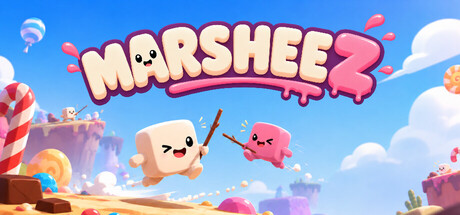
During development, parts of Marsheez were made with generative AI: some of the source code was written with the help of an AI coding assistant, and some of the art and music were created with help of AI tools and then later edited by the developer. The game does not use any generative AI while you play.
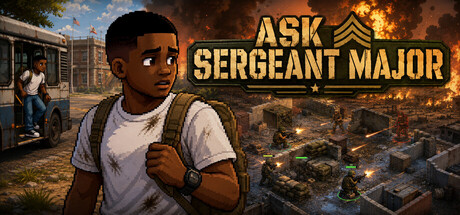
A lot of the artwork here was created with AI and only detailed and fixed by human hands. The voice acting, music, and soundtrack as well. The code and writing are all human-made.
AI tools were used during development as a learning and support aid. They helped me understand development workflows, troubleshoot technical problems, explore gameplay and UI ideas, and create early concept images used as visual references. All final decisions, implementation, balancing, and content selection were handled and reviewed by me. No AI content is generated during gameplay.
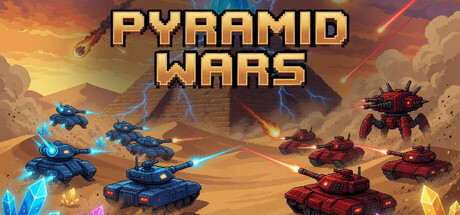
The code, menu, graphics, artwork, effects, localization, sounds and music of Pyramid Wars is vibe coded.
The cover image, shop- and library art is AI generated.
We employ generative AI technologies during the creation of some illustrations and music. All elements that make up the core and essence of the game are still done by us - the devs.
This game uses generative AI tools during development to assist with the creation of certain visual assets. All content is reviewed and curated by the development team to ensure quality and consistency with the game's vision.
Generative AI tools were used to create voice-over content for the game. The generated voice content was reviewed and edited by the development team before being implemented in the game.
AI tools were used during development to assist with asset creation, texture generation, and development workflows. All AI-generated content was reviewed, modified, and curated by the development team.
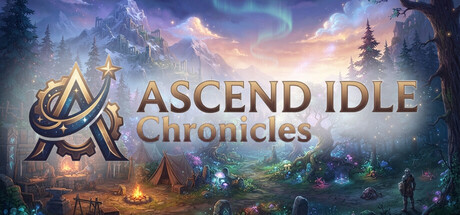
Some of the promotional artwork, store page banners, and/or trailer visuals for Ascend Idle: Chronicles were created with the assistance of Generative AI tools. The core game code and design were developed entirely by hand as a solo project.
A moonlighting project from a husband and father of two, where late evenings and early mornings were made a little easier by generative AI tooling. The game's art, the pilot voice-over, and the music all started as AI-generated assets that I then reviewed, edited, and shaped into the game. The direction and the decisions are mine; nothing is generated while you play. Always open to constructive feedback.
I’m a solo developer doing my first-ever coding project. With no prior coding experience, I relied heavily on tons of tutorials to write the code and used AI to assist when troubleshooting some bugs. I also used AI to generate some of the project's visual content and images but mainly tried to use actual human work. It's been a massive learning experience, so thanks for your time, and I hope you can enjoy my project :)
Generative AI tools were used during development to assist with the creation of some visual assets, written content, and localization used in the game and related store materials. All AI-assisted content was reviewed and, where necessary, edited by the developer before release. The game does not generate AI content during gameplay and does not rely on external AI services while being played.
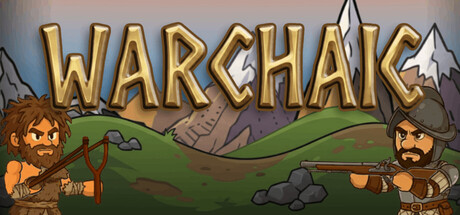
Generative AI was used to assist in the creation of some visual assets, UI elements, sound effects, and music featured in Warchaic. Software development was handled by our development team, while animations and visual effects (VFX) were either created by our team or sourced from licensed asset packages.
Generative AI was used during development to assist in creating some pre-generated 2D artwork and written text used in the game. All AI-assisted content was reviewed, edited, and integrated by the developers. The game does not use generative AI to create new content at runtime.
This game makes limited, supplementary use of generative AI tools during development. The primary uses are programming assistance (such as debugging), certain image and audio assets, and assistance with translating text into English.
Generated image and audio assets are not used as-is. The development team reviews their content and makes additions, revisions, edits, and other adjustments to ensure that they are appropriately refined and fit the game.
For text translated with the assistance of generative AI, the development team reviews the context and content and makes any necessary revisions before using it in the game. Please note that generative AI does not generate any game content during gameplay.
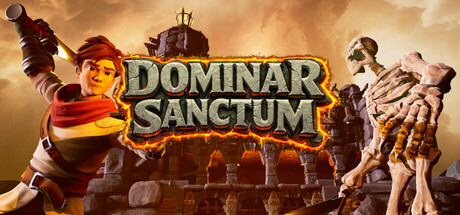
The vast majority of Dominar Sanctum has been created and developed without generative AI. Generative AI has only been used selectively for a small number of 2D icons, slide narration and a narrative voiceover, primarily for early prototyping and development. Even those icons have been manually reworked.
These few AI-assisted assets are not representative of the game's overall art, design, programming, or development process. They may be replaced or further refined before the full release.
Generative AI was used during development as a coding assistant and to assist with drafting and translating store-page and marketing text. Some pixel-art assets were rendered by deterministic drawing code written with AI assistance; the final images were not directly output by a text-to-image or diffusion model. All shipped and published content was reviewed and edited by the developer. No generative AI runs in the game, and no content is generated from player input.
Generative AI was used during development as a coding assistant and to assist with drafting and translating store-page and marketing text. Some pixel-art assets were rendered by deterministic drawing code written with AI assistance; the final images were not directly output by a text-to-image or diffusion model. All shipped and published content was reviewed and edited by the developer. No generative AI runs in the game, and no content is generated from player input.
This game was developed with the assistance of generative AI tools. Some graphical assets were created using AI and then reviewed, edited, and integrated by the developer. AI tools were also used to assist with writing code. All game design, gameplay mechanics, and final content decisions were made by the developer. The game does not generate AI content at runtime.
This game has been developed using AI programming agents, and also contains audio and image files generated by AI. No AI contents are generated during gameplay.
During development, generative tools were used for selected textures and supporting visual elements in the game and store artwork. These assets were reviewed and integrated by the developer. All content is fixed in the shipped game; nothing is generated during gameplay.
This game includes AI-generated voice performances for certain characters. Players have the option to disable AI-generated voices in the game settings. During development, AI-assisted tools were also used as part of the concept and reference creation process for some visual assets. Final in-game artwork has been substantially modified or created by the development team and is not presented as raw AI-generated content.
Ages TD was made with the help of generative AI tools. All AI-generated content is
pre-generated during development, reviewed and edited by the developer; nothing is
generated live while you play.
- Some 3D models and their textures (enemies, towers, props) — generated with Meshy,
then edited and integrated by the developer.
- Music — generated with Suno from prompts written by the developer.
- Cutscene illustrations and store page artwork — created with AI image tools,
then edited by the developer.
- Parts of the in-game dialogue and hint texts — drafted with AI assistance and
rewritten by the developer.
There is no AI-generated voice acting in the game.
Some of this game's assets were made with the assistance of generative AI tools and were reviewed, curated and hand-finished by the developer. No content is generated while you play.
Some of this game's pre-generated assets were created by Meridian Studios using generative AI tools, from our own prompts and under our licenses: 2D art (illustrations, backgrounds, character and enemy tokens, icons, and store art) generated with FLUX via the Replicate API, and a portion of the sound effects generated with ElevenLabs. All AI-assisted assets were reviewed, curated, and integrated by the studio. No AI-generated content is produced live during gameplay, and no player data is sent to any AI service.
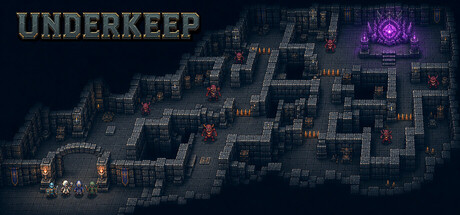
Underkeep's visual assets — character and monster sprites, traps, tiles, effects, UI art, and store artwork — were produced using generative AI image tools. The developer selected, adjusted, and quality-checked every asset before it went into the game.
The English and Spanish text was machine-translated from the original Korean.
Parts of the source code were written with an AI coding assistant, under the developer's direction and review.
Music and sound effects are not AI-generated. They are human-made CC0 assets from Kenney and OpenGameArt, and the in-game font (Galmuri) is a human-made open-source font.
Underkeep does not use generative AI while you play. The game runs fully offline and generates no content at runtime.
We use generative AI in two limited ways.
Translation. Simplified Chinese, German, Japanese, and Brazilian Portuguese were machine-translated so the story reaches more players. English, Turkish, French, and Spanish were localized by our international friends and us. However, AI translation can miss nuance, so we warmly welcome player feedback to improve it.
Placeholder art. Three images are AI-generated: the Prologue background and the Mentor and Player portraits. They are placeholders. We believe in human expression and will replace them with commissioned art once the game has an audience.
Everything else (code, design, and all other artwork) is made by human hands.
Generative AI was used as a development tool for this game. An AI assistant helped with programming, game design iteration, and text translation, always under the developer's direction and review. Some 3D models, such as mech parts, are based on assets created with generative AI tools and then adjusted and integrated by the developer. No content is generated by AI during gameplay: enemy behavior is not generative AI, but the same deterministic node-based algorithms that players build themselves.
During development, parts of Marsheez were made with generative AI: some of the source code was written with the help of an AI coding assistant, and some of the art and music were created with help of AI tools and then later edited by the developer. The game does not use any generative AI while you play.
A lot of the artwork here was created with AI and only detailed and fixed by human hands. The voice acting, music, and soundtrack as well. The code and writing are all human-made.
AI tools were used during development as a learning and support aid. They helped me understand development workflows, troubleshoot technical problems, explore gameplay and UI ideas, and create early concept images used as visual references. All final decisions, implementation, balancing, and content selection were handled and reviewed by me. No AI content is generated during gameplay.
The code, menu, graphics, artwork, effects, localization, sounds and music of Pyramid Wars is vibe coded.
The cover image, shop- and library art is AI generated.
We employ generative AI technologies during the creation of some illustrations and music. All elements that make up the core and essence of the game are still done by us - the devs.
This game uses generative AI tools during development to assist with the creation of certain visual assets. All content is reviewed and curated by the development team to ensure quality and consistency with the game's vision.
Generative AI tools were used to create voice-over content for the game. The generated voice content was reviewed and edited by the development team before being implemented in the game.
AI tools were used during development to assist with asset creation, texture generation, and development workflows. All AI-generated content was reviewed, modified, and curated by the development team.
Some of the promotional artwork, store page banners, and/or trailer visuals for Ascend Idle: Chronicles were created with the assistance of Generative AI tools. The core game code and design were developed entirely by hand as a solo project.
A moonlighting project from a husband and father of two, where late evenings and early mornings were made a little easier by generative AI tooling. The game's art, the pilot voice-over, and the music all started as AI-generated assets that I then reviewed, edited, and shaped into the game. The direction and the decisions are mine; nothing is generated while you play. Always open to constructive feedback.
I’m a solo developer doing my first-ever coding project. With no prior coding experience, I relied heavily on tons of tutorials to write the code and used AI to assist when troubleshooting some bugs. I also used AI to generate some of the project's visual content and images but mainly tried to use actual human work. It's been a massive learning experience, so thanks for your time, and I hope you can enjoy my project :)
Generative AI tools were used during development to assist with the creation of some visual assets, written content, and localization used in the game and related store materials. All AI-assisted content was reviewed and, where necessary, edited by the developer before release. The game does not generate AI content during gameplay and does not rely on external AI services while being played.
Generative AI was used to assist in the creation of some visual assets, UI elements, sound effects, and music featured in Warchaic. Software development was handled by our development team, while animations and visual effects (VFX) were either created by our team or sourced from licensed asset packages.
Generative AI was used during development to assist in creating some pre-generated 2D artwork and written text used in the game. All AI-assisted content was reviewed, edited, and integrated by the developers. The game does not use generative AI to create new content at runtime.
This game makes limited, supplementary use of generative AI tools during development. The primary uses are programming assistance (such as debugging), certain image and audio assets, and assistance with translating text into English.
Generated image and audio assets are not used as-is. The development team reviews their content and makes additions, revisions, edits, and other adjustments to ensure that they are appropriately refined and fit the game.
For text translated with the assistance of generative AI, the development team reviews the context and content and makes any necessary revisions before using it in the game. Please note that generative AI does not generate any game content during gameplay.
The vast majority of Dominar Sanctum has been created and developed without generative AI. Generative AI has only been used selectively for a small number of 2D icons, slide narration and a narrative voiceover, primarily for early prototyping and development. Even those icons have been manually reworked.
These few AI-assisted assets are not representative of the game's overall art, design, programming, or development process. They may be replaced or further refined before the full release.
Generative AI was used during development as a coding assistant and to assist with drafting and translating store-page and marketing text. Some pixel-art assets were rendered by deterministic drawing code written with AI assistance; the final images were not directly output by a text-to-image or diffusion model. All shipped and published content was reviewed and edited by the developer. No generative AI runs in the game, and no content is generated from player input.
Generative AI was used during development as a coding assistant and to assist with drafting and translating store-page and marketing text. Some pixel-art assets were rendered by deterministic drawing code written with AI assistance; the final images were not directly output by a text-to-image or diffusion model. All shipped and published content was reviewed and edited by the developer. No generative AI runs in the game, and no content is generated from player input.
This game was developed with the assistance of generative AI tools. Some graphical assets were created using AI and then reviewed, edited, and integrated by the developer. AI tools were also used to assist with writing code. All game design, gameplay mechanics, and final content decisions were made by the developer. The game does not generate AI content at runtime.
This game has been developed using AI programming agents, and also contains audio and image files generated by AI. No AI contents are generated during gameplay.
During development, generative tools were used for selected textures and supporting visual elements in the game and store artwork. These assets were reviewed and integrated by the developer. All content is fixed in the shipped game; nothing is generated during gameplay.
This game includes AI-generated voice performances for certain characters. Players have the option to disable AI-generated voices in the game settings. During development, AI-assisted tools were also used as part of the concept and reference creation process for some visual assets. Final in-game artwork has been substantially modified or created by the development team and is not presented as raw AI-generated content.
Ages TD was made with the help of generative AI tools. All AI-generated content is
pre-generated during development, reviewed and edited by the developer; nothing is
generated live while you play.
- Some 3D models and their textures (enemies, towers, props) — generated with Meshy,
then edited and integrated by the developer.
- Music — generated with Suno from prompts written by the developer.
- Cutscene illustrations and store page artwork — created with AI image tools,
then edited by the developer.
- Parts of the in-game dialogue and hint texts — drafted with AI assistance and
rewritten by the developer.
There is no AI-generated voice acting in the game.
Some of this game's assets were made with the assistance of generative AI tools and were reviewed, curated and hand-finished by the developer. No content is generated while you play.
Some of this game's pre-generated assets were created by Meridian Studios using generative AI tools, from our own prompts and under our licenses: 2D art (illustrations, backgrounds, character and enemy tokens, icons, and store art) generated with FLUX via the Replicate API, and a portion of the sound effects generated with ElevenLabs. All AI-assisted assets were reviewed, curated, and integrated by the studio. No AI-generated content is produced live during gameplay, and no player data is sent to any AI service.
Underkeep's visual assets — character and monster sprites, traps, tiles, effects, UI art, and store artwork — were produced using generative AI image tools. The developer selected, adjusted, and quality-checked every asset before it went into the game.
The English and Spanish text was machine-translated from the original Korean.
Parts of the source code were written with an AI coding assistant, under the developer's direction and review.
Music and sound effects are not AI-generated. They are human-made CC0 assets from Kenney and OpenGameArt, and the in-game font (Galmuri) is a human-made open-source font.
Underkeep does not use generative AI while you play. The game runs fully offline and generates no content at runtime.
We use generative AI in two limited ways.
Translation. Simplified Chinese, German, Japanese, and Brazilian Portuguese were machine-translated so the story reaches more players. English, Turkish, French, and Spanish were localized by our international friends and us. However, AI translation can miss nuance, so we warmly welcome player feedback to improve it.
Placeholder art. Three images are AI-generated: the Prologue background and the Mentor and Player portraits. They are placeholders. We believe in human expression and will replace them with commissioned art once the game has an audience.
Everything else (code, design, and all other artwork) is made by human hands.