Public Steam disclosure research25,380 disclosures tracked
Where do games disclose AI use?
Search developers’ Steam disclosures, compare classified AI use across
games, and follow recorded changes.
This index adds cross-game classifications and statistics to
statements published on individual store pages.
Groups reflect automatic analysis of public disclosures; mature records are excluded. These counts do not measure AI use across all of Steam.
Missing or unclear statements cannot establish whether a game uses AI.
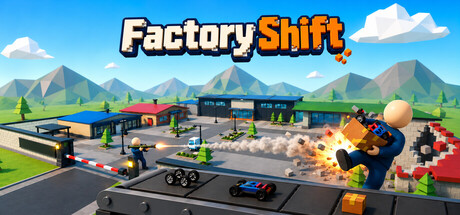
Generative AI tools were used during development to assist with programming, localization, and the creation or refinement of some 3D models and animations. All AI-assisted content is reviewed, edited, and integrated by the developer before being included in the game. The game does not use generative AI at runtime or generate live content for players.
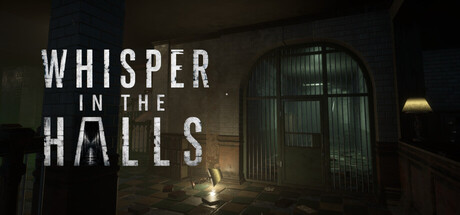
AI is used in early visual concept explorations for certain environments.
Every aspect of the game at runtime including the story, visuals, environments, dialogues and music is all handcrafted with utmost human care.
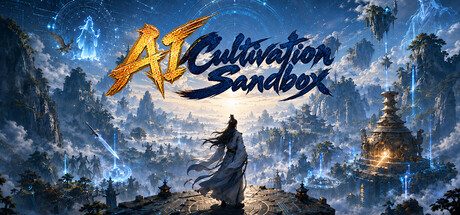
AI Cultivation Sandbox uses generative AI technology to assist in creating game content.
The AI systems in the game may generate or assist with generating character backgrounds, character dialogue, world events, story content, and visual assets.
AI-generated content is guided by game systems and safety mechanisms to create a more dynamic and personalized cultivation world experience.
Generative AI tools were used during development to assist with some visual assets and written content. All AI-assisted content was reviewed and edited.
This game is handcrafted by indie developers. Generative tools were used only to support the creation of specific assets, while the final game reflects the developers’ own creative vision.
Some 3D models and textures in this game were created with the help of
generative AI tools. All AI-generated assets were
reviewed, edited, optimized and integrated manually by the developer.
The game does not generate any content live during gameplay.
Generative AI tools were used purely in the background to assist and speed up the production workflow as a solo developer, serving only as an aid during development.
The game itself including all gameplay, story, and core content is 100 percent created by human developers, with no AI generated content produced live.
This game utilized generative AI tools to assist with code writing. All AI-generated content has been strictly tested, reviewed, and optimized to ensure game quality and stability.
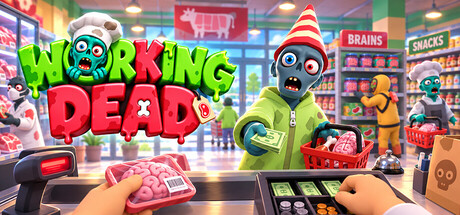
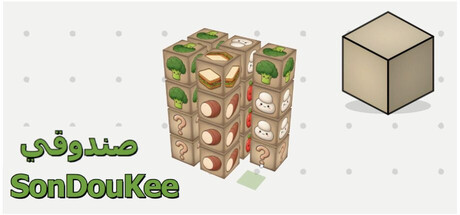
This game uses generative artificial intelligence to create some of its visual assets. Specifically, the food images and the number graphics featured in the game were generated using AI tools.
During the development of this title, generative AI was used as an assistive tool for writing some code, as well as for text polishing and translation. Other elements—including core artwork, character and environment designs, and the overall visual presentation—were created entirely by the developers themselves.
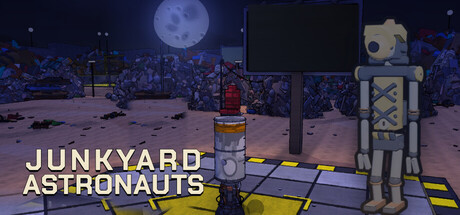
Junkyard Astronauts was developed with substantial help from an AI coding assistant (Claude), directed and reviewed by the developer. Specifically: the game's code was largely written with AI assistance; the 3D models, textures and yard layouts are produced by procedural generator scripts written with AI assistance; the sound effects are built from licensed, human-recorded sound libraries (Sonniss GDC bundles, Kenney) assembled and mixed by scripted tools written with AI assistance; the soundtrack is composed and rendered by a music engine written with AI assistance; parts of the store text and the achievement names were drafted with AI assistance. Everything was reviewed, edited and play-tested by the developer before shipping. No AI service is used during gameplay, and no content is generated at runtime. No AI-generated content imitates a real person or a third party's protected work.
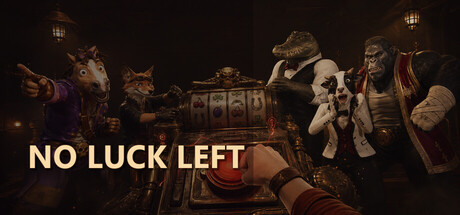
No Luck Left is developed by a solo developer. To help create the game's 3D character models within the scope of a one-person project, I used generative AI tools such as Meshy and TripoSR during development. The resulting pre-generated assets were selected, optimized and integrated into the game by me. No content is generated by AI during gameplay, and the game does not connect to an external AI service.
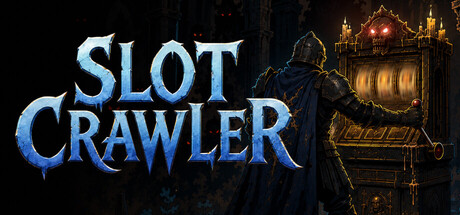
AI tools were used during the development of Slot Crawler to assist in creating select visual assets and promotional materials. Every AI-assisted element was reviewed, refined, and integrated by the developer to ensure consistency with the game’s artistic direction and quality standards.
Generative AI tools were used during development to help produce some of the game's sprite art and to assist with translations for some of the supported languages. All AI-assisted content was reviewed and edited by the developer before being included in the game.
AI was used as a coding assistant during development, and for translations.
I’m a software engineer with 25 years of programming experience. I used AI to help with technical implementation while I focused on the game’s design, systems, balance, and overall feel.
Generative AI tools were used as development aids to help draft and iterate on portions of the game’s code, written content, and Steam store description. All AI-assisted material was reviewed, modified, and approved by the developer. The game does not use live-generated AI during gameplay.
AI coding assistance was used in developing some parts of the game's code and in drafting in-game text, all of it directed and reviewed by the developer.
Generative AI was used to assist in creating some visual artwork and environmental assets, including the sun, clouds, rainbow, and trees. These assets are pre-generated and included as part of the game's visuals. AI is not used to generate content dynamically during gameplay and does not affect the game's gameplay mechanics.
Generative AI was used for some store pageimages, store page localization and translation, as well as some in-game art assets, localization, translation, and music.
This game may include developer-directed generative AI content used during development for select visual assets, concept art, marketing materials, store/community artwork, placeholder imagery, and/or edited production assets.
All AI-assisted content is reviewed, selected, edited, and implemented by the developer. The game does not use live generative AI to create gameplay, dialogue, or player-facing content at runtime.
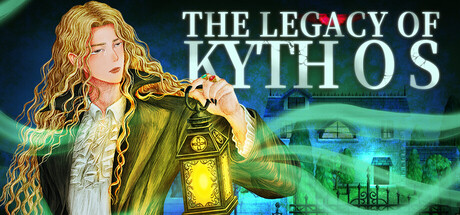
All textual copy, dialogue, and scripts in this game are entirely handcrafted and written by the developer without the use of AI. The background music and sound effects are licensed from Pixabay under commercial-use terms. Generative AI (Leonardo.ai) was utilized strictly to pre-generate initial CG illustrations and concept art, which were subsequently edited and refined manually by the developer before being built into the game.
Generative AI was used to assist in the creation of some graphical and marketing assets for the game and its Steam store page. All AI-assisted content was reviewed and selected by the developer before being included in the final product.
Generative AI tools were used to assist in the creation or editing of certain visual assets, promotional materials, cinematic elements, draft copy, and audio elements.
All final outputs were reviewed and selected by the development team, and were revised where necessary before being incorporated into the game and related materials.
Generative AI is not used during gameplay, and the game does not connect to any generative AI services.
Some of the images used in the game were created with generative AI tools. However, all questions, answer choices, facts, and other written content were created and edited by humans.
Generative AI tools were used during development to assist with programming, localization, and the creation or refinement of some 3D models and animations. All AI-assisted content is reviewed, edited, and integrated by the developer before being included in the game. The game does not use generative AI at runtime or generate live content for players.
AI is used in early visual concept explorations for certain environments.
Every aspect of the game at runtime including the story, visuals, environments, dialogues and music is all handcrafted with utmost human care.
AI Cultivation Sandbox uses generative AI technology to assist in creating game content.
The AI systems in the game may generate or assist with generating character backgrounds, character dialogue, world events, story content, and visual assets.
AI-generated content is guided by game systems and safety mechanisms to create a more dynamic and personalized cultivation world experience.
Generative AI tools were used during development to assist with some visual assets and written content. All AI-assisted content was reviewed and edited.
This game is handcrafted by indie developers. Generative tools were used only to support the creation of specific assets, while the final game reflects the developers’ own creative vision.
Some 3D models and textures in this game were created with the help of
generative AI tools. All AI-generated assets were
reviewed, edited, optimized and integrated manually by the developer.
The game does not generate any content live during gameplay.
Generative AI tools were used purely in the background to assist and speed up the production workflow as a solo developer, serving only as an aid during development.
The game itself including all gameplay, story, and core content is 100 percent created by human developers, with no AI generated content produced live.
This game utilized generative AI tools to assist with code writing. All AI-generated content has been strictly tested, reviewed, and optimized to ensure game quality and stability.
This game uses generative artificial intelligence to create some of its visual assets. Specifically, the food images and the number graphics featured in the game were generated using AI tools.
During the development of this title, generative AI was used as an assistive tool for writing some code, as well as for text polishing and translation. Other elements—including core artwork, character and environment designs, and the overall visual presentation—were created entirely by the developers themselves.
Junkyard Astronauts was developed with substantial help from an AI coding assistant (Claude), directed and reviewed by the developer. Specifically: the game's code was largely written with AI assistance; the 3D models, textures and yard layouts are produced by procedural generator scripts written with AI assistance; the sound effects are built from licensed, human-recorded sound libraries (Sonniss GDC bundles, Kenney) assembled and mixed by scripted tools written with AI assistance; the soundtrack is composed and rendered by a music engine written with AI assistance; parts of the store text and the achievement names were drafted with AI assistance. Everything was reviewed, edited and play-tested by the developer before shipping. No AI service is used during gameplay, and no content is generated at runtime. No AI-generated content imitates a real person or a third party's protected work.
No Luck Left is developed by a solo developer. To help create the game's 3D character models within the scope of a one-person project, I used generative AI tools such as Meshy and TripoSR during development. The resulting pre-generated assets were selected, optimized and integrated into the game by me. No content is generated by AI during gameplay, and the game does not connect to an external AI service.
AI tools were used during the development of Slot Crawler to assist in creating select visual assets and promotional materials. Every AI-assisted element was reviewed, refined, and integrated by the developer to ensure consistency with the game’s artistic direction and quality standards.
Generative AI tools were used during development to help produce some of the game's sprite art and to assist with translations for some of the supported languages. All AI-assisted content was reviewed and edited by the developer before being included in the game.
AI was used as a coding assistant during development, and for translations.
I’m a software engineer with 25 years of programming experience. I used AI to help with technical implementation while I focused on the game’s design, systems, balance, and overall feel.
Generative AI tools were used as development aids to help draft and iterate on portions of the game’s code, written content, and Steam store description. All AI-assisted material was reviewed, modified, and approved by the developer. The game does not use live-generated AI during gameplay.
AI coding assistance was used in developing some parts of the game's code and in drafting in-game text, all of it directed and reviewed by the developer.
Generative AI was used to assist in creating some visual artwork and environmental assets, including the sun, clouds, rainbow, and trees. These assets are pre-generated and included as part of the game's visuals. AI is not used to generate content dynamically during gameplay and does not affect the game's gameplay mechanics.
Generative AI was used for some store pageimages, store page localization and translation, as well as some in-game art assets, localization, translation, and music.
This game may include developer-directed generative AI content used during development for select visual assets, concept art, marketing materials, store/community artwork, placeholder imagery, and/or edited production assets.
All AI-assisted content is reviewed, selected, edited, and implemented by the developer. The game does not use live generative AI to create gameplay, dialogue, or player-facing content at runtime.
All textual copy, dialogue, and scripts in this game are entirely handcrafted and written by the developer without the use of AI. The background music and sound effects are licensed from Pixabay under commercial-use terms. Generative AI (Leonardo.ai) was utilized strictly to pre-generate initial CG illustrations and concept art, which were subsequently edited and refined manually by the developer before being built into the game.
Generative AI was used to assist in the creation of some graphical and marketing assets for the game and its Steam store page. All AI-assisted content was reviewed and selected by the developer before being included in the final product.
Generative AI tools were used to assist in the creation or editing of certain visual assets, promotional materials, cinematic elements, draft copy, and audio elements.
All final outputs were reviewed and selected by the development team, and were revised where necessary before being incorporated into the game and related materials.
Generative AI is not used during gameplay, and the game does not connect to any generative AI services.
Some of the images used in the game were created with generative AI tools. However, all questions, answer choices, facts, and other written content were created and edited by humans.