Public Steam disclosure research25,380 disclosures tracked
Where do games disclose AI use?
Search developers’ Steam disclosures, compare classified AI use across
games, and follow recorded changes.
This index adds cross-game classifications and statistics to
statements published on individual store pages.
Groups reflect automatic analysis of public disclosures; mature records are excluded. These counts do not measure AI use across all of Steam.
Missing or unclear statements cannot establish whether a game uses AI.
Character portraits and some narrative text were created with AI tool assistance during development. Game design, story direction, building sprites, music, and sound effects are human-authored. All content is reviewed and approved by the developer.
This game used generative AI as an auxiliary tool during development, mainly for early concept references, draft store assets, text drafts, and code-related development assistance. All final content used in the game and on the store page has been reviewed, edited, integrated, and approved by the development team. The game does not use generative AI services during gameplay and does not generate images, audio, text, code, or other content in real time based on player input.
This game used generative AI tools during development to assist with the creation and iteration of some visual assets, text and code. All AI-assisted content was reviewed, edited and manually implemented by the developer. The game does not generate AI content during gameplay.
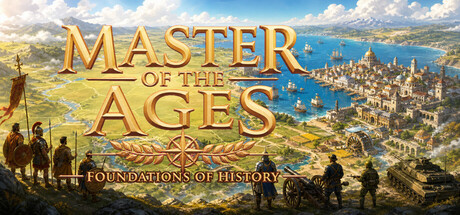
Master of the Ages is a grand strategy game engineered by a solo developer with 15+ years of senior software engineering and programming competition experience. To achieve grand-strategy scale as a single creator, a generative AI workflow was utilized to co-design the code architecture and write the codebase under the developer's supervision, backed by a rigorous framework of over 2,500 automated tests to catch edge-case bugs and prevent regressions during development. Generative AI was also used to produce all player-facing graphics (including all unit, building, and technology assets) and generate the historical text layers.
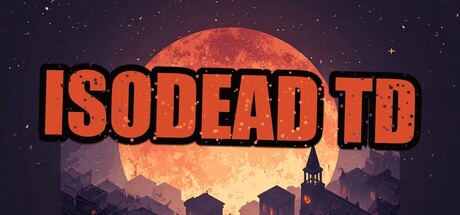
A handful of store and marketing assets for IsoDead TD — achievement icons, store and library capsule artwork, and the stylized lettering used in the trailer — were created with the assistance of generative AI tools and then reviewed and edited by the developer. All in-game content (pixel art, animation, music, code, and gameplay) is hand-crafted without generative AI, and no AI-generated content is created while the game is running.
Generative AI was used to create initial game art concepts and certain marketing materials. Final in-game assets were reviewed and modified by the development team.
AI tools were used to assist with code generation. All visual art is hand-drawn by the developer. All AI-assisted content has been manually reviewed and refined.
We are very sorry. We have used AI assistance in the development of our code and some art assets. If any of our players feel uncomfortable with this, we fully understand.
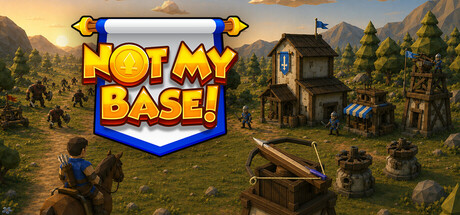
Some visual assets in Not My Base! — including selected icons and splash screen artwork — were created or assisted using Generative Artificial Intelligence tools.
All AI-generated content was reviewed, edited, and integrated by the developer to fit the game’s artistic style and gameplay needs.
Some of the music in BomBom Saga is AI-Assisted. This means that the original composition — the soul of the track, the rhythm, lyrics, and beatbox — was 100% created by me.After creation, I used an AI music editing tool (fully licensed for commercial use) strictly to polish, enhance, and refine the instruments. The AI acted merely as a finalization tool, not a creator. No purely AI-generated content is present in the game. Furthermore, I conducted exhaustive copyright checks over several days to guarantee that all tracks are completely safe and free of any infringements.
There's a local Large Language Model that integrates with the game's systems and is used primarily for but not limited to dialogue generation.
Several other uses are planned, including localization.
AI has been used for coding and in a limited capacity for creating placeholder assets that will be replaced at a later date.
This game includes some content created with the assistance of generative AI tools, including limited portions of code and certain visual assets.
All AI‑assisted content has been strictly reviewed, edited, and integrated by the developer to ensure quality, consistency and used only as supportive resources.
The developers describe how their game uses AI Generated Content like this:
We used generative AI to help create the level layouts and parts of the game code. Everything was then tweaked, edited, and put together by us.
All gameplay and design decisions are fully human-made.
Temporary pre-rendered visual assets were created with the assistance of generative AI tools. The game does not use generative AI during gameplay and does not connect to external AI services while running.
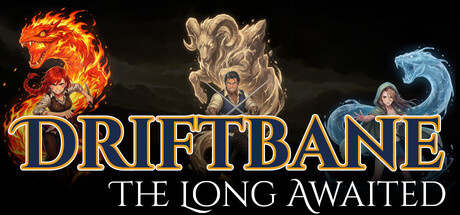
Driftbane: The Long Awaited uses generative AI tools during development for some character art, 3D character base meshes, music tracks, and as a coding assistant. The developer refines, integrates, and curates AI outputs by hand. All creative direction, narrative, design decisions, and gameplay are authored by the developer. No AI content runs at runtime in the game.
Logo and store header is AI generated, as I am utterly, completely broke. This will be replaced if magically I earn enough money at some point to actually hire someone (which I strongly doubt due to the niche market of this project).
This product uses pre-generated AI-assisted content created during development, including selected visual assets, localization support, store text support, and voice lines. All AI-assisted content is reviewed and edited by the developer before being included in the game.
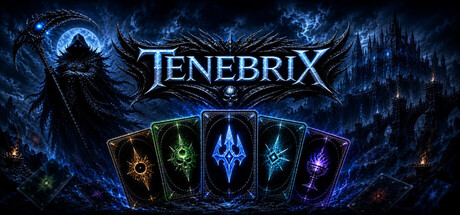
AI tools were used as part of the development process for Tenebrix, primarily to assist with early concept exploration, visual ideation, and asset prototyping. These tools helped accelerate iteration during the design phase, allowing for rapid testing of themes, compositions, and stylistic direction.
All AI-assisted content was reviewed, refined, and integrated manually to ensure consistency with the game’s vision and quality standards. Final assets, gameplay systems, and overall design were shaped through hands-on development and creative direction.
AI was used as a tool to support development—not as a replacement for it.
Different Ai tools used in creating artwork for the game, audio tracks, being a single developer utilizing different tools to help accomplish the same goal.
Some visual assets and materials used in the game were created or enhanced with the help of AI tools during development.
All AI-assisted content was reviewed, edited, and integrated by the developer.
The game does not use AI to generate content during gameplay.
In order to provide accessibility, AI was used to create the narration for the tutorial and encyclopaedia. Also some of the background and encyclopaedia images were generated using AI, but will be replaced for 1.0 launch.
Some visual, audio, and narrative assets in We Die Below were created using AI-assisted tools as part of the development process. All such content was reviewed, edited, and refined by the development team to ensure consistency and quality.
Storefront and Marketing Materials: Generative AI was used to assist in drafting, refining, and localizing the text content for the Steam store page and promotional descriptions.
In-Game Content: All final visual assets, code, and audio within the game have been created and designed by our development team. There is no AI-generated content produced in real-time during gameplay.
Generative AI was used during the development process to create character illustrations for the cards. All AI-generated content has been reviewed, manually refined, and edited by our team to ensure it does not include any illegal or infringing material.
Generative AI tools were used as development assistance for code prototyping, design iteration, selected promotional/store artwork, and AI-generated trailer music. The final game content is reviewed, edited, integrated, and curated by the developer.
The game does not use live generative AI during gameplay. No runtime AI-generated text, images, audio, or dialogue are produced for players.
All visual assets and sound effects in this game were created with the assistance of AI generation tools, then curated and integrated by the developer.
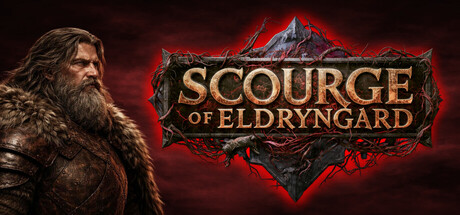
Scourge of Eldryngard was developed independently by a single person. I utilized generative AI tools under my creative direction for the creation of assets, music, voice acting, translation, and technical support, all via paid commercial licenses. All content underwent rigorous manual editing and review to ensure technical cohesion and originality. There is no real-time AI generation during gameplay.
The game uses AI-assisted translation to localize in-game text into multiple languages. All other content is created by human developers using licensed assets.
Character portraits and some narrative text were created with AI tool assistance during development. Game design, story direction, building sprites, music, and sound effects are human-authored. All content is reviewed and approved by the developer.
This game used generative AI as an auxiliary tool during development, mainly for early concept references, draft store assets, text drafts, and code-related development assistance. All final content used in the game and on the store page has been reviewed, edited, integrated, and approved by the development team. The game does not use generative AI services during gameplay and does not generate images, audio, text, code, or other content in real time based on player input.
This game used generative AI tools during development to assist with the creation and iteration of some visual assets, text and code. All AI-assisted content was reviewed, edited and manually implemented by the developer. The game does not generate AI content during gameplay.
Master of the Ages is a grand strategy game engineered by a solo developer with 15+ years of senior software engineering and programming competition experience. To achieve grand-strategy scale as a single creator, a generative AI workflow was utilized to co-design the code architecture and write the codebase under the developer's supervision, backed by a rigorous framework of over 2,500 automated tests to catch edge-case bugs and prevent regressions during development. Generative AI was also used to produce all player-facing graphics (including all unit, building, and technology assets) and generate the historical text layers.
A handful of store and marketing assets for IsoDead TD — achievement icons, store and library capsule artwork, and the stylized lettering used in the trailer — were created with the assistance of generative AI tools and then reviewed and edited by the developer. All in-game content (pixel art, animation, music, code, and gameplay) is hand-crafted without generative AI, and no AI-generated content is created while the game is running.
Generative AI was used to create initial game art concepts and certain marketing materials. Final in-game assets were reviewed and modified by the development team.
AI tools were used to assist with code generation. All visual art is hand-drawn by the developer. All AI-assisted content has been manually reviewed and refined.
We are very sorry. We have used AI assistance in the development of our code and some art assets. If any of our players feel uncomfortable with this, we fully understand.
Some visual assets in Not My Base! — including selected icons and splash screen artwork — were created or assisted using Generative Artificial Intelligence tools.
All AI-generated content was reviewed, edited, and integrated by the developer to fit the game’s artistic style and gameplay needs.
Some of the music in BomBom Saga is AI-Assisted. This means that the original composition — the soul of the track, the rhythm, lyrics, and beatbox — was 100% created by me.After creation, I used an AI music editing tool (fully licensed for commercial use) strictly to polish, enhance, and refine the instruments. The AI acted merely as a finalization tool, not a creator. No purely AI-generated content is present in the game. Furthermore, I conducted exhaustive copyright checks over several days to guarantee that all tracks are completely safe and free of any infringements.
There's a local Large Language Model that integrates with the game's systems and is used primarily for but not limited to dialogue generation.
Several other uses are planned, including localization.
AI has been used for coding and in a limited capacity for creating placeholder assets that will be replaced at a later date.
This game includes some content created with the assistance of generative AI tools, including limited portions of code and certain visual assets.
All AI‑assisted content has been strictly reviewed, edited, and integrated by the developer to ensure quality, consistency and used only as supportive resources.
The developers describe how their game uses AI Generated Content like this:
We used generative AI to help create the level layouts and parts of the game code. Everything was then tweaked, edited, and put together by us.
All gameplay and design decisions are fully human-made.
Temporary pre-rendered visual assets were created with the assistance of generative AI tools. The game does not use generative AI during gameplay and does not connect to external AI services while running.
Driftbane: The Long Awaited uses generative AI tools during development for some character art, 3D character base meshes, music tracks, and as a coding assistant. The developer refines, integrates, and curates AI outputs by hand. All creative direction, narrative, design decisions, and gameplay are authored by the developer. No AI content runs at runtime in the game.
Logo and store header is AI generated, as I am utterly, completely broke. This will be replaced if magically I earn enough money at some point to actually hire someone (which I strongly doubt due to the niche market of this project).
This product uses pre-generated AI-assisted content created during development, including selected visual assets, localization support, store text support, and voice lines. All AI-assisted content is reviewed and edited by the developer before being included in the game.
AI tools were used as part of the development process for Tenebrix, primarily to assist with early concept exploration, visual ideation, and asset prototyping. These tools helped accelerate iteration during the design phase, allowing for rapid testing of themes, compositions, and stylistic direction.
All AI-assisted content was reviewed, refined, and integrated manually to ensure consistency with the game’s vision and quality standards. Final assets, gameplay systems, and overall design were shaped through hands-on development and creative direction.
AI was used as a tool to support development—not as a replacement for it.
Different Ai tools used in creating artwork for the game, audio tracks, being a single developer utilizing different tools to help accomplish the same goal.
Some visual assets and materials used in the game were created or enhanced with the help of AI tools during development.
All AI-assisted content was reviewed, edited, and integrated by the developer.
The game does not use AI to generate content during gameplay.
In order to provide accessibility, AI was used to create the narration for the tutorial and encyclopaedia. Also some of the background and encyclopaedia images were generated using AI, but will be replaced for 1.0 launch.
Some visual, audio, and narrative assets in We Die Below were created using AI-assisted tools as part of the development process. All such content was reviewed, edited, and refined by the development team to ensure consistency and quality.
Storefront and Marketing Materials: Generative AI was used to assist in drafting, refining, and localizing the text content for the Steam store page and promotional descriptions.
In-Game Content: All final visual assets, code, and audio within the game have been created and designed by our development team. There is no AI-generated content produced in real-time during gameplay.
Generative AI was used during the development process to create character illustrations for the cards. All AI-generated content has been reviewed, manually refined, and edited by our team to ensure it does not include any illegal or infringing material.
Generative AI tools were used as development assistance for code prototyping, design iteration, selected promotional/store artwork, and AI-generated trailer music. The final game content is reviewed, edited, integrated, and curated by the developer.
The game does not use live generative AI during gameplay. No runtime AI-generated text, images, audio, or dialogue are produced for players.
All visual assets and sound effects in this game were created with the assistance of AI generation tools, then curated and integrated by the developer.
Scourge of Eldryngard was developed independently by a single person. I utilized generative AI tools under my creative direction for the creation of assets, music, voice acting, translation, and technical support, all via paid commercial licenses. All content underwent rigorous manual editing and review to ensure technical cohesion and originality. There is no real-time AI generation during gameplay.
The game uses AI-assisted translation to localize in-game text into multiple languages. All other content is created by human developers using licensed assets.