








Disclosure
Some art assets, sound effects and narrative materials were pre‑generated with AI tools during development. No AI‑generated content is created in real‑time during gameplay.
- Creator
- Dissonance Nexus
- Reviews
- -
- Added
- Sep 11, 2026
Public Steam disclosure research 25,380 disclosures tracked
Search developers’ Steam disclosures, compare classified AI use across games, and follow recorded changes. This index adds cross-game classifications and statistics to statements published on individual store pages.
Code help, debugging and other development work.
Capsule art, trailers and promotional material.
Pre-made art, audio, writing and other game assets.
Interactive or runtime AI features disclosed by the developer.
Groups reflect automatic analysis of public disclosures; mature records are excluded. These counts do not measure AI use across all of Steam. Missing or unclear statements cannot establish whether a game uses AI.
Some art assets, sound effects and narrative materials were pre‑generated with AI tools during development. No AI‑generated content is created in real‑time during gameplay.
A large language model was used to translate the product page.
Since we’re a very small team, we use generative AI for a small part of the development process, for example, to create graphical placeholders like icons or background images, or to localize newly added text. The vast majority of the game was localized by humans; only new text is machine-translated in order to include as many players as possible. The voice in the game is text-to-speech, not AI.
Some voice lines, sound effects, and music in the game and its trailer were created with generative AI tools (ElevenLabs, Suno), then reviewed, edited, and finalized by the developer. No content is generated by AI during gameplay.
AI tools were used during development to assist with parts of the workflow, including code, materials, graphics, and other production tasks. All generated content was reviewed, adjusted, integrated, and refined as part of the game’s development process.
Generative AI was used in the development of this game. No generative AI runs during gameplay, and the game does not connect to any external AI service.
AI has been used to help develop the game's cover art.
Some of the game's 2D art — backgrounds, obstacle textures, sticker illustrations and the logo — was created with the help of generative AI tools during development. All of it was reviewed, edited and assembled by the developer. Part of the game's source code was also written with AI assistance. The game itself contains no AI models and generates nothing at runtime: every asset ships as a fixed file.
We used AI as a “support tool” in the creation of in-store visuals and certain in-game UI elements. We use AI solely as a support tool. We never leave the entire process to AI for any task.
I used generative AI to create the logo and a few promotional assets for the game.
Generative AI tools (such as Gemini) were used during development to assist in creating graphic design elements for in-game parody VHS cover art and store page graphic assets. All AI-generated artwork was manually curated, edited, and formatted into final 3D texture maps for the game's assets.
Generative AI was used during development to create some character, environment, and prop models, as well as music, sound effects, character voiceovers, and UI assets. These AI-generated assets were subsequently edited and refined by the development team before being integrated into the game.
Since I'm working on the game by oneself, I use AI for some 3D models and some instruments (synthesizers, pads) in the music tracks.
This game's text localization into multiple languages was assisted by AI translation tools. Three background music tracks, licensed from Pixabay, were AI-created or AI-modified by their original creators. All other artwork, audio, and game assets are human-made or sourced from licensed marketplaces — no other AI-generated content is used.
AI was used for some translations, music, and visual assets. The game does not create AI-generated content during gameplay, and AI was not used to write the game’s code.
I started this project completely from scratch and have spent a lot of time developing and refining it. Claude Code AI was used to help me with certain tasks, such as implementing the save system, menus, and scoring system. However, the AI did not build the game for me. I was responsible for the overall development, design, integration, testing, debugging, and all the decisions made throughout the project. The entire project was developed in Unreal Engine 5.8, primarily using C++ with a few Blueprints. Despite what you may sometimes hear, using AI does not mean that the work is done for you. It can be a useful tool, but you still need to understand what you are doing, integrate the code into your project, fix issues, test everything, and spend many hours making the final result work properly.
You used ChatGPT-generated images for the logo, menu backgrounds and store capsules.
Generative AI tools were used in the development of this game, including character art and sprites, backgrounds and environment art, sound effects and music, in-game text and narrative content, and store page assets such as screenshots and marketing images. All AI-assisted content was reviewed and curated by the developer before being included in the game.
Some game assets — including weapon/UI icons, character voice lines, and key art — were created with the assistance of generative AI tools. All AI-generated content was reviewed and edited by the development team.
Generative AI tools were used to assist in the creation of some pre-generated visual assets, character elements, voice-over, music, localization and promotional text. Some of these assets were further edited and refined by the developer before being included in the final game.
Some art and audio in Bunker And Friends was produced with generative AI tools during development. This includes store and marketing artwork — the key art, store capsules, and logo elements — and some sound effects and music. All of it was generated ahead of time and ships as fixed assets. The game does not generate any content using AI while you play, and it does not connect to any external AI service during gameplay.
All final visuals of the game are created and finalized by our art team. AI-assisted tools are used only during the early concept and ideation stages. All visual assets in the final version are manually created, refined, and finalized by our artists.
Some pre-rendered art assets (enemy and background artwork) and localization were created with generative AI tools under human direction, then manually cleaned up and integrated by the developers. Development used AI-assisted coding tools. No content is AI-generated at runtime.
Generative AI tools were used in a limited capacity during development.
This game features background music and select code that were created with the help of AI tools.
This game was developed with AI coding agents (Anthropic Claude / OpenAI Codex). All in-game pixel art (ingredients, relics, character faces, UI) is rendered by drawing code and pixel-placement scripts written by these agents; no diffusion/image-generation model output is included. Music and SFX are procedurally generated at runtime from AI-assisted code. In-game text, store page copy, and translations into 10 languages were produced with AI assistance and reviewed by the developer. Trailer scripts and captions were also AI-assisted. All content has been reviewed by the developer.
Developed and tested under human creative direction with generative AI assistance for game code, audio and promo materials. Some skin patterns for customization of character and ball were AI generated. Maps, 3D assets and animations were bought from artists. The game does not use live-generated AI during gameplay.
Some visual assets in Pousse Pousse were created with the assistance of generative AI tools during development. No AI-generated content is created during gameplay.
This game used generative AI during development as a programming aid, assisting with the writing, debugging, and optimization of portions of the source code. All AI-assisted code was reviewed, edited, and tested by the developer before inclusion.
Generative AI was used to assist with drafting and translating written text for the Steam store page and some in-game text. All AI-assisted text is reviewed and edited by the developer before use. No generative AI is used during gameplay, and the game contains no live-generated AI content.
in-game texts, news localization, promotional pictures
Generative AI tools were used to assist in the creation of some visual assets, 3D assets, and music used in the game. All AI-assisted content was reviewed, edited, and integrated by the developer before being included in the final game.
i used ai for some images
Generative AI tools were used during development to assist with creating and refining some visual concepts and game assets. AI was also used as a development aid for tasks such as prototyping and programming assistance. All generated content was reviewed, selected, and integrated by the developer, and the game does not generate AI content during normal gameplay
Some store and menu text was drafted with AI help. No AI art, no AI music, no AI at runtime.
AI is used for programming assistance, for generating in-game sound effects and music, and for drafting store page text. All 3D art assets and level design are created by hand in Blender.
Some promotional artwork and store page text were created with the help of generative AI and edited by hand. The game itself does not use AI at runtime and does not connect to any AI service.
An AI coding assistant was used while developing Orrery to write and review source code, and to draft the text of this store page. No artwork, audio, or in-app content is AI-generated: the planetary surface maps are re-projected NASA and USGS imagery from Solar System Scope, every position is computed from published JPL and Hipparcos data, and the store images are captured from the running program by a script. Nothing is generated by AI while the program runs.
Generative AI tools were used during the development process to assist with writing script dialogues and to generate background music and songs for the game. All AI assets were pre-generated prior to release, and no AI content is generated in real time during gameplay.
Generative AI was used as an assistive tool during the development of ASTROLANDER. It helped accelerate certain prototyping phases, explore concept art ideas, and experiment with programming solutions. All assets integrated into the game were modified or recreated by the developer to align with the project's art direction and gameplay.
Some visual assets and promotional materials were created or assisted using generative AI tools and have been reviewed, modified, and integrated by the developer. All gameplay, programming, level design, and game logic were created and implemented by the developer.
The majority of this game is hand-coded. AI support was used to generate code for CPU player states, modify/rearrange UI elements, create custom shaders, and generate the main menu background image.
Generative AI was used during development to assist with the creation of some promotional and marketing materials, including the game's capsule artwork and logo. These materials were reviewed, edited, and finalized by the development team. Generative AI is not used to generate content dynamically during gameplay.
All artwork in this game was created using generative AI.
The game's artwork (character illustrations, moons, and UI images) and portions of the game code were created with the assistance of generative AI tools, and were then reviewed and edited by the developer. All AI-assisted content is pre-rendered; the game does not generate any content with AI at runtime.
AI assistance (a large language model) was used to translate the store page description into English. No in-game assets — 3D models, textures, music, or sound — were created using generative AI.
Generative AI is used to draft the written text on this store page and in our announcement and update posts. A human reads, edits and approves every line before it is published. AI coding assistants are also used while building the game. The game itself does not generate any content with AI while you play, and it does not connect to any AI service.
The music, a few sound effects. And very few of the menus have been created using AI. I know that many communities hate games with AI. And yes, lads, I’ve used it. But I can assure you that 90 per cent of the game has been lovingly crafted by a developer.
Translation of the store page from Japanese to English.
The ship and part artwork was generated with AI, then hand-edited and traced by me into the sprites and collision shapes the game actually uses. Nothing generative runs while you play. There is no AI service wired into the build, and the game never calls one. The music is licensed from real artists, and the sound effects come out of a script I wrote. Neither is AI. I want to replace the AI art with work from real artists before Early Access ends. I am not going to promise a date for that, but it is what I am working toward.
| Title⇅ | Disclosure | Creator⇅ | Src | Reviews⇅ | Added↓ |
|---|---|---|---|---|---|
 Stellar Office artaudiotext | Some art assets, sound effects and narrative materials were pre‑generated with AI tools during development. No AI‑generated content is created in real‑time during gameplay. | Dissonance Nexus | - | Sep 11, 2026 | |
 Fallgrade In-game content text | A large language model was used to translate the product page. | vladkudas | - | Sep 11, 2026 | |
 Professional Ship Simulator In-game content arttext | Since we’re a very small team, we use generative AI for a small part of the development process, for example, to create graphical placeholders like icons or background images, or to localize newly added text. The vast majority of the game was localized by humans; only new text is machine-translated in order to include as many players as possible.
The voice in the game is text-to-speech, not AI. | SWE Systems | - | Sep 11, 2026 | |
 Don't tread on cat In-game content audio | Some voice lines, sound effects, and music in the game and its trailer were
created with generative AI tools (ElevenLabs, Suno), then reviewed, edited,
and finalized by the developer. No content is generated by AI during gameplay. | Aleksandr Mihhailovski | - | Sep 11, 2026 | |
 Sediment Dev only codeart | AI tools were used during development to assist with parts of the workflow, including code, materials, graphics, and other production tasks. All generated content was reviewed, adjusted, integrated, and refined as part of the game’s development process. | skeleton picture | - | Sep 10, 2026 | |
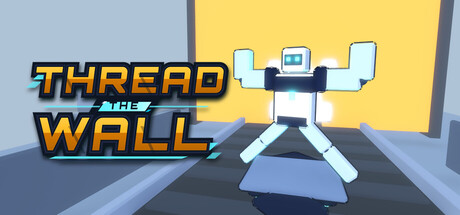 Thread the Wall Dev only | Generative AI was used in the development of this game.
No generative AI runs during gameplay, and the game does not connect to any
external AI service. | Plain Studio | - | Sep 10, 2026 | |
 Gold Digging Simulator Store/marketing art | AI has been used to help develop the game's cover art. | Hard Shark Games | - | Sep 10, 2026 | |
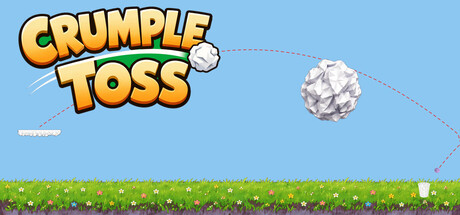 Crumple Toss | Some of the game's 2D art — backgrounds, obstacle textures, sticker
illustrations and the logo — was created with the help of generative AI
tools during development. All of it was reviewed, edited and assembled by
the developer. Part of the game's source code was also written with AI
assistance. The game itself contains no AI models and generates nothing at
runtime: every asset ships as a fixed file. | Petro Game Studio | - | Sep 10, 2026 | |
 CarCrash.Tube: Car Crash Simulator In-game content art | We used AI as a “support tool” in the creation of in-store visuals and certain in-game UI elements. We use AI solely as a support tool. We never leave the entire process to AI for any task. | Queen | - | Sep 10, 2026 | |
 O.G.T Store/marketing art | I used generative AI to create the logo and a few promotional assets for the game. | Alex Falx | - | Sep 10, 2026 | |
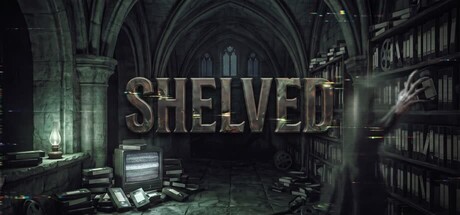 Shelved In-game content art | Generative AI tools (such as Gemini) were used during development to assist in creating graphic design elements for in-game parody VHS cover art and store page graphic assets. All AI-generated artwork was manually curated, edited, and formatted into final 3D texture maps for the game's assets. | Wet Toast Studio | - | Sep 10, 2026 | |
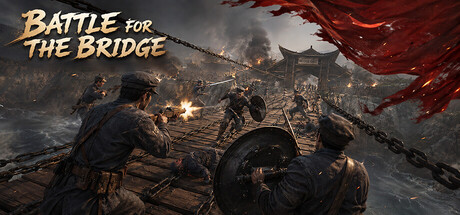 夺桥之战 In-game content artaudiotext | Generative AI was used during development to create some character, environment, and prop models, as well as music, sound effects, character voiceovers, and UI assets. These AI-generated assets were subsequently edited and refined by the development team before being integrated into the game. | 烩设计 | - | Sep 10, 2026 | |
 ClusterForce In-game content artaudio | Since I'm working on the game by oneself, I use AI for some 3D models and some instruments (synthesizers, pads) in the music tracks. | Team ClusterForce | - | Sep 10, 2026 | |
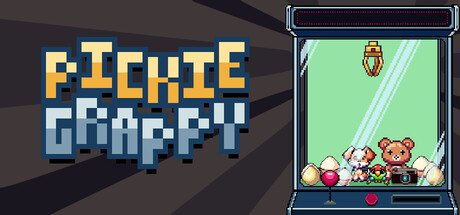 Pickie Grappy In-game content textaudio | This game's text localization into multiple languages was assisted by AI translation tools. Three background music tracks, licensed from Pixabay, were AI-created or AI-modified by their original creators. All other artwork, audio, and game assets are human-made or sourced from licensed marketplaces — no other AI-generated content is used. | Orlando Frozo | - | Sep 10, 2026 | |
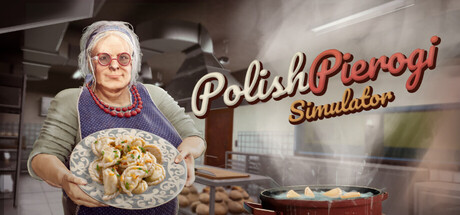 Polish Pierogi In-game content textaudioart | AI was used for some translations, music, and visual assets. The game does not create AI-generated content during gameplay, and AI was not used to write the game’s code. | Babuszka Games | - | Sep 10, 2026 | |
 PotionsTidy Dev only code | I started this project completely from scratch and have spent a lot of time developing and refining it.
Claude Code AI was used to help me with certain tasks, such as implementing the save system, menus, and scoring system. However, the AI did not build the game for me. I was responsible for the overall development, design, integration, testing, debugging, and all the decisions made throughout the project.
The entire project was developed in Unreal Engine 5.8, primarily using C++ with a few Blueprints.
Despite what you may sometimes hear, using AI does not mean that the work is done for you. It can be a useful tool, but you still need to understand what you are doing, integrate the code into your project, fix issues, test everything, and spend many hours making the final result work properly. | Olivier RAYON | - | Sep 9, 2026 | |
 Golazo Store/marketing art | You used ChatGPT-generated images for the logo, menu backgrounds and store capsules. | Softlookup | - | Sep 9, 2026 | |
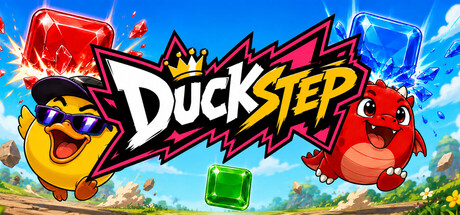 Duckstep In-game content artaudiotext | Generative AI tools were used in the development of this game, including character art and sprites, backgrounds and environment art, sound effects and music, in-game text and narrative content, and store page assets such as screenshots and marketing images. All AI-assisted content was reviewed and curated by the developer before being included in the game. | Birdie Games | - | Sep 9, 2026 | |
 SPEARHEAD In-game content artaudio | Some game assets — including weapon/UI icons, character voice lines, and key art — were created with the
assistance of generative AI tools. All AI-generated content was reviewed and edited by the development team. | greenlightstudio | - | Sep 9, 2026 | |
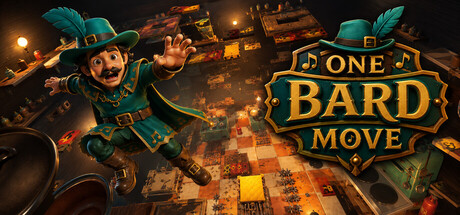 One Bard Move In-game content artaudiotext | Generative AI tools were used to assist in the creation of some pre-generated visual assets, character elements, voice-over, music, localization and promotional text. Some of these assets were further edited and refined by the developer before being included in the final game. | Syserino | - | Sep 9, 2026 | |
 Bunker And Friends In-game content artaudio | Some art and audio in Bunker And Friends was produced with generative AI tools during development. This includes store and marketing artwork — the key art, store capsules, and logo elements — and some sound effects and music. All of it was generated ahead of time and ships as fixed assets. The game does not generate any content using AI while you play, and it does not connect to any external AI service during gameplay. | We Game at Noon | - | Sep 9, 2026 | |
 Scratch Tickets With Your Friends 🎰 Dev only art | All final visuals of the game are created and finalized by our art team. AI-assisted tools are used only during the early concept and ideation stages. All visual assets in the final version are manually created, refined, and finalized by our artists. | Yet Another Publisher | - | Sep 9, 2026 | |
 Last Haul In-game content arttext | Some pre-rendered art assets (enemy and background artwork) and localization were created with generative AI tools under human direction, then manually cleaned up and integrated by the developers. Development used AI-assisted coding tools. No content is AI-generated at runtime. | Eryk Włoszczyński | - | Sep 9, 2026 | |
 Cursor Charm Dev only | Generative AI tools were used in a limited capacity during development. | ShadowPane | 11 | Sep 8, 2026 | |
 文景相生 In-game content audiocode | This game features background music and select code that were created with the help of AI tools. | Prisme | - | Sep 7, 2026 | |
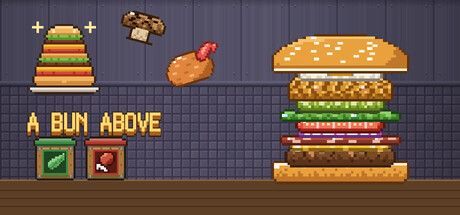 いただきバーガー In-game content artaudiotextcode | This game was developed with AI coding agents (Anthropic Claude / OpenAI Codex). All in-game pixel art (ingredients, relics, character faces, UI) is rendered by drawing code and pixel-placement scripts written by these agents; no diffusion/image-generation model output is included. Music and SFX are procedurally generated at runtime from AI-assisted code. In-game text, store page copy, and translations into 10 languages were produced with AI assistance and reviewed by the developer. Trailer scripts and captions were also AI-assisted. All content has been reviewed by the developer. | NoZworks | - | Sep 7, 2026 | |
 Pigeon Ball In-game content artaudiocode | Developed and tested under human creative direction with generative AI assistance for game code, audio and promo materials. Some skin patterns for customization of character and ball were AI generated. Maps, 3D assets and animations were bought from artists. The game does not use live-generated AI during gameplay. | PB Interactive | - | Sep 7, 2026 | |
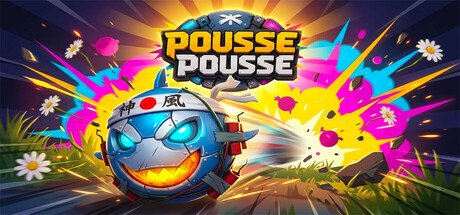 Pousse Pousse In-game content art | Some visual assets in Pousse Pousse were created with the assistance of generative AI tools during development. No AI-generated content is created during gameplay. | Two NPCs | - | Sep 7, 2026 | |
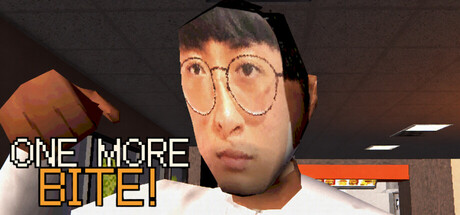 ONE MORE BITE! Dev only code | This game used generative AI during development as a programming aid, assisting with the writing, debugging, and optimization of portions of the source code. All AI-assisted code was reviewed, edited, and tested by the developer before inclusion. | MusuGame | - | Sep 7, 2026 | |
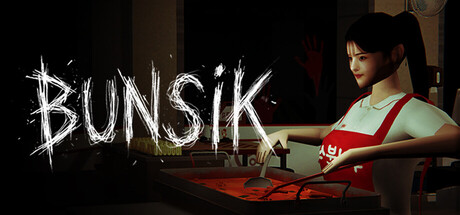 BUNSIK In-game content text | Generative AI was used to assist with drafting and translating written text for the Steam store page and some in-game text. All AI-assisted text is reviewed and edited by the developer before use. No generative AI is used during gameplay, and the game contains no live-generated AI content. | Playnova Studio | - | Sep 7, 2026 | |
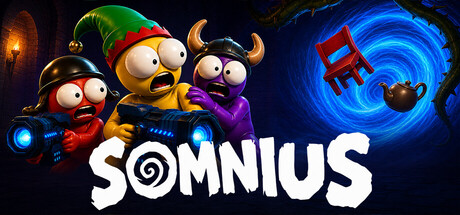 SOMNIUS In-game content textart | in-game texts, news localization, promotional pictures | STFGames | - | Sep 7, 2026 | |
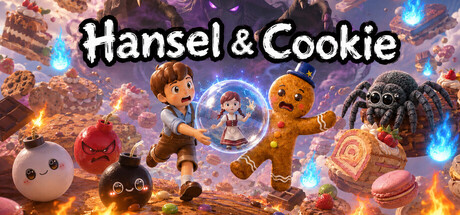 Hansel & Cookie In-game content artaudio | Generative AI tools were used to assist in the creation of some visual assets, 3D assets, and music used in the game. All AI-assisted content was reviewed, edited, and integrated by the developer before being included in the final game. | JAEYOUNG LEE | - | Sep 6, 2026 | |
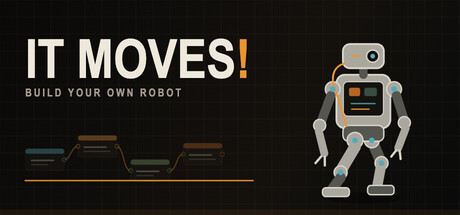 itmoves Unclear art | i used ai for some images | Catchy | - | Sep 6, 2026 | |
 BumpBall In-game content artcode | Generative AI tools were used during development to assist with creating and refining some visual concepts and game assets. AI was also used as a development aid for tasks such as prototyping and programming assistance. All generated content was reviewed, selected, and integrated by the developer, and the game does not generate AI content during normal gameplay | SometimesGood | - | Sep 6, 2026 | |
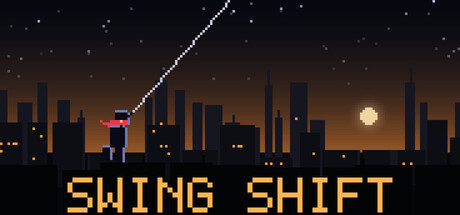 Swing Shift Store/marketing text | Some store and menu text was drafted with AI help. No AI art, no AI music, no AI at runtime. | Spatter Studios | - | Sep 6, 2026 | |
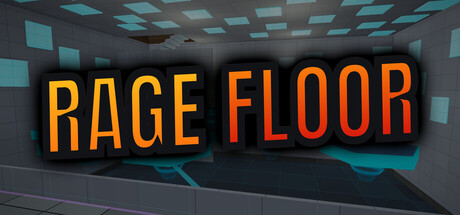 Rage Floor In-game content audiotextcode | AI is used for programming assistance, for generating in-game sound effects and music, and for drafting store page text. All 3D art assets and level design are created by hand in Blender. | Amisos Games | - | Sep 6, 2026 | |
 FEEDSTOCK text | Some promotional artwork and store page text were created with the help of
generative AI and edited by hand. The game itself does not use AI at runtime
and does not connect to any AI service. | Ahaha studio | - | Sep 6, 2026 | |
 Orrery: Live Solar System Wallpaper Store/marketing codetext | An AI coding assistant was used while developing Orrery to write and review source code, and to draft the text of this store page. No artwork, audio, or in-app content is AI-generated: the planetary surface maps are re-projected NASA and USGS imagery from Solar System Scope, every position is computed from published JPL and Hipparcos data, and the store images are captured from the running program by a script. Nothing is generated by AI while the program runs. | plawanzz | - | Sep 6, 2026 | |
 BIG BANG TO US In-game content textaudio | Generative AI tools were used during the development process to assist with writing script dialogues and to generate background music and songs for the game. All AI assets were pre-generated prior to release, and no AI content is generated in real time during gameplay. | phyilm | - | Sep 6, 2026 | |
 Astrolander Dev only artcode | Generative AI was used as an assistive tool during the development of ASTROLANDER. It helped accelerate certain prototyping phases, explore concept art ideas, and experiment with programming solutions. All assets integrated into the game were modified or recreated by the developer to align with the project's art direction and gameplay. | SpaghetGames | - | Sep 6, 2026 | |
 Hill Highway In-game content art | Some visual assets and promotional materials were created or assisted using generative AI tools and have been reviewed, modified, and integrated by the developer.
All gameplay, programming, level design, and game logic were created and implemented by the developer. | Geet | - | Sep 6, 2026 | |
 Moon Basketball In-game content codeart | The majority of this game is hand-coded. AI support was used to generate code for CPU player states, modify/rearrange UI elements, create custom shaders, and generate the main menu background image. | ZenChild | - | Sep 6, 2026 | |
 MAGNET Store/marketing art | Generative AI was used during development to assist with the creation of some promotional and marketing materials, including the game's capsule artwork and logo. These materials were reviewed, edited, and finalized by the development team. Generative AI is not used to generate content dynamically during gameplay. | Caen Studio | - | Sep 4, 2026 | |
 Muscle Girl Lexy: My Personal Trainer In-game content art | All artwork in this game was created using generative AI. | KXMstudio | - | Sep 4, 2026 | |
 天使の月配送 - Angel's Moon Delivery In-game content artcode | The game's artwork (character illustrations, moons, and UI images) and portions of the game code were created with the assistance of generative AI tools, and were then reviewed and edited by the developer. All AI-assisted content is pre-rendered; the game does not generate any content with AI at runtime. | neo studio | - | Sep 4, 2026 | |
 Personal Racing Store/marketing text | AI assistance (a large language model) was used to translate the store page description into English. No in-game assets — 3D models, textures, music, or sound — were created using generative AI. | Dídac | - | Sep 4, 2026 | |
 Heads Up, Chefs! Store/marketing textcode | Generative AI is used to draft the written text on this store page and in our announcement and update posts. A human reads, edits and approves every line before it is published. AI coding assistants are also used while building the game. The game itself does not generate any content with AI while you play, and it does not connect to any AI service. | Rühat Bilal Bilici | - | Sep 4, 2026 | |
 Zero Hour Deadfront In-game content audioart | The music, a few sound effects. And very few of the menus have been created using AI. I know that many communities hate games with AI. And yes, lads, I’ve used it. But I can assure you that 90 per cent of the game has been lovingly crafted by a developer. | Lunar Bytes Games | - | Sep 4, 2026 | |
 Circle to another motion general | Translation of the store page from Japanese to English. | Hakomast | - | Sep 4, 2026 | |
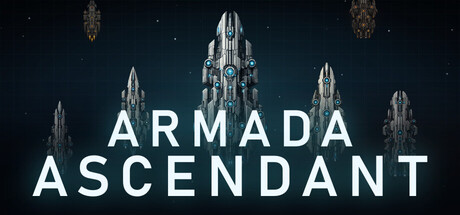 Armada Ascendant In-game content art | The ship and part artwork was generated with AI, then hand-edited and traced by me into the sprites and collision shapes the game actually uses.
Nothing generative runs while you play. There is no AI service wired into the build, and the game never calls one.
The music is licensed from real artists, and the sound effects come out of a script I wrote. Neither is AI.
I want to replace the AI art with work from real artists before Early Access ends. I am not going to promise a date for that, but it is what I am working toward. | aeronothis | - | Sep 4, 2026 |


