


Disclosure
Some localization, marketing material and some art are drafted with AI first then brought to its final version.
- Creator
- Imponix Game Studio
- Reviews
- -
- Added
- Sep 16, 2026
Public Steam disclosure research 26,629 disclosures tracked
Search developers’ Steam disclosures, compare classified AI use across games, and follow recorded changes. This index adds cross-game classifications and statistics to statements published on individual store pages.
Code help, debugging and other development work.
Capsule art, trailers and promotional material.
Pre-made art, audio, writing and other game assets.
Interactive or runtime AI features disclosed by the developer.
Groups reflect automatic analysis of public disclosures; mature records are excluded. These counts do not measure AI use across all of Steam. Missing or unclear statements cannot establish whether a game uses AI.
Some localization, marketing material and some art are drafted with AI first then brought to its final version.
Designed and directed by one person. Every ship, station and planet is rendered in code, with no AI images. The soundtrack was made with Suno, an AI music tool, directed by the developer, and ships as fixed audio files. The story comes from the developer. AI helped turn it into text, tidy it up and translate the store page, like a very overqualified spell check. Nothing is generated by AI while you play.
Developer Note on AI Assistance: Gods of the Arena: Blood & Sand is crafted using a hybrid development approach, combining human game design, rigorous combat programming, and hand-tuned mechanics with generative AI tools for concept ideation and visual asset workflows.
Generative AI tools were used during development to assist in creating some pre-generated visual assets and background music. All AI-assisted content was reviewed and selected by the development team before being included in the game. Arcane Library does not generate AI content during gameplay and does not connect to external AI services while running.
The promotional poster of the store utilized AI technology.
Generative AI tools assisted with programming and the code used to create some in-game assets, as well as drafting and translating the store description and creating title lettering for store and library artwork. Screenshots and capsule backgrounds are captured directly from gameplay. The game does not generate AI content during play.
Art assets (backgrounds, capybara and object sprites, capsules, icon), the store trailer footage, sound effects, ambience and music were generated with AI tools (image and video generation, PixelLab, ElevenLabs) from the developer's own references and direction, then cropped, scaled, palette-snapped and composed by hand-written code. The translations of the game and store texts into languages other than Portuguese and English were produced with AI and reviewed by the developer. All code, game design, writing and the original Portuguese and English texts are human-made. The game does not generate any content at runtime.
We use generative AI to assist with visuals, writing, and translation. No generative AI is used during gameplay.
Generative AI was used to create some visual assets for NINEWROUGHT, including artwork used in the game and its Steam store and marketing materials.
Generative AI assisted with development-time content, including procedural visual assets and pre-written store-page text. Content is prepared before release; the game does not generate AI content during gameplay or connect to an external AI service.
Hedge Knight features artwork developed with generative AI.
Pre-generated AI tools were used during development to assist in creating an original instrumental Halloween background music track and certain marketing artwork. The game does not generate AI content while running.
Generative AI was used to help create capsule and library artwork, store descriptions, and screenshot accessibility text. The game itself does not use generative AI.
Pocket Manager is designed and directed by one person. Generative AI was used as a production tool throughout development: the game's code was written with AI assistance under direct human design and review, and some visual and audio assets were AI-generated before being selected and hand-edited to fit the game's art direction. Every system, rule and piece of content was specified, tested and signed off by a human before shipping. Nothing is generated while you play — the build is fixed and identical for every player.
AI-assisted tools supported the creation of visual concepts.
Generative AI tools were used during development to assist with drafting and reviewing some interface text, Italian, English and Spanish localization, and the creation or editing of certain graphical elements included in the game. All outputs were selected, reviewed and, where necessary, modified by the developer. The game does not use AI services or generate content through AI while running.
We used AI for composing music themes for the game, as well as for some graphic elements, like for example the trailer.
Generative AI was used to assist in the creation of selected Steam store promotional images, certain audio assets, and a limited number of 3D assets. AI tools were also used to assist with translation and localization. No live-generated AI is used during gameplay.
Ai were used to assist with translating text into multiple language
This game began with my idea, brought to life over many weeks using generative AI to create its code, artwork, audio, and promotional materials. These tools made it possible for me to build the game without a programming background. All AI-generated content was created during development. The game does not generate AI content while you build towards your achievements.
Generative AI was used to assist in creating some of the game's illustrations and in developing certain tools used during production.
The Therapist was developed with the assistance of generative AI tools. AI was used to assist with programming and to generate certain visual and audio assets included in the game. The game's core concept, narrative direction, game design, mechanics, and creative direction were conceived and developed by the game's creator. AI-generated assets were selected, edited, integrated, and directed as part of the game's overall creative process.
As a small development team of just two people, we used generative AI tools in limited cases to assist with the production of certain visual assets and help manage the scope of development. All AI-assisted assets were carefully reviewed, edited, refined, and finalized by us to fit the game's established art style and direction. Generative AI was used as a supporting tool during development, rather than to define the creative direction of the game.
We use AI tools to assist with translations and to support our development process. Some graphics are currently AI-generated placeholders, which will be gradually replaced with original, human-made artwork.
AI optimizes core logic and resource management.
Generative AI was used during development for some card artwork, textures, sound effects, text, and translations. These are fixed, pre-generated assets. No generative AI runs during gameplay.
Generative AI tools were used during development to assist with some visual assets and written content. All AI-assisted content was reviewed and edited.
Some prototype artwork, including enemy and environment assets, was generated with AI tools and subsequently refined by the developer.
We only use AI to create capsules and artworks. All gameplay elements and mechanics are entirely handcrafted.
Some graphical assets of the game like cat characters are made using generative artificial intelligence.
We are using AI to help write, structure, and/or review written code by the team. Some of the artwork in this game was produced with the help of generative AI tools.
Generative AI was used extensively during development to assist with localization, text review, and selected production/reference workflows. All code and most image assets and models were created with generative AI. All AI-assisted content included in the game was reviewed and curated by the developer. The game does not use live generative AI during gameplay.
Generative AI tools were used during development to assist with selected visual assets, written content, localization, and other parts of the production process. All AI-assisted content was reviewed, edited, and integrated by the developer. No generative AI content is created during gameplay.
Starbloom Ranch features artwork developed with generative AI.
Some of the text in this game was created with the help of generative AI tools. - In-game text: Korean dialogue, stage narration and help text were drafted with an AI assistant, then rewritten and reviewed by the developer. - Localization: the English text was produced with AI assistance and reviewed by the developer. All artwork and UI icons are hand-authored by the developer, the sound effects are synthesized procedurally in code, and the background music is a licensed stock track. No AI runs during gameplay — all content is fixed at build time. - Store page: the store description text was drafted with AI assistance and edited by the developer.
Part of the modeling was done using AI-generated technology.
The 3D model are made by AI
I use generative AI for localization.
Generative AI was used during development to assist with the creation of some visual assets and marketing materials. All AI-assisted content used in the final game and on the Steam store page has been reviewed and edited by the developer.
The visual assets and text content in this game were generated or assisted by AI tools during development. All AI-generated content is pre-rendered; there is no real-time AI generation during gameplay.
Generative AI tools were used during development to create some of the game art assets, and written content and localization translations. AI tools were also used for coding assistance and debugging. The developer selected, adapted, and integrated these outputs into the game and its promotional materials. The game does not generate content using generative AI during gameplay or connect to external generative AI services.
Grindveil's art is made with generative AI tools. We generate, then pick, crop, recolour and optimise every piece by hand before it ships, and we throw out the ones that do not fit. The same goes for part of the writing: item and location names, some of the lore in the in-game Codex, and the interface translations for our fourteen languages are drafted with AI help and reviewed by us. Nothing is generated while you play. No AI runs on your machine, nothing you type is sent to an AI service, and every image and every line of text in the game was made and checked before release.
During development, generative AI was used to assist in creating selected game images and promotional artwork, including library images, the game logo, and capsule art. All AI-generated images were manually reviewed, edited, and unified in style by the development team. All in-game code, gameplay systems, audio, and text were created by hand. The game itself does not generate, display, or depend on any AI content at runtime.
This game uses generative AI in the creation of some 3D objects and some background music. These contents were generated and edited during development, and no content is generated by generative AI in real time during gameplay.
Generative AI tools were used in a limited capacity to assist with the creation and enhancement of certain 2D images and audio assets. No 3D models, animations, gameplay systems, or other game content were generated using AI.
Generative AI tools were used extensively during the development of this game. Some artwork, UI assets, written content, character voices, and localization were created with the assistance of generative AI and were subsequently selected, edited, integrated, and reviewed by the developer. All AI-generated content was created in advance during development; no AI content is generated live during gameplay.
Some of the content in Abyss Floors was created with the help of generative AI tools, always under the developer's direction and review: Text — Portions of the game's descriptive and flavor text (item and ability descriptions, interface copy, and atmospheric lore lines) were drafted with AI assistance and edited by the developer. Store & branding art — The store-page capsules, library images, and other branding graphics were produced with AI-assisted tools. Abyss Floors is a text- and table-driven simulation, so there is no AI-generated illustrated art in actual gameplay, and all screenshots on this page are captured directly from the live game. The game's design, balance, systems, and code are the developer's own, with AI used as a development aid rather than to generate gameplay content.
Generative AI was used to create promotional artwork for the Steam store page, including capsule and library artwork, based on the visual style and screenshots of the game. The playable game content itself does not use live-generated AI content.
Meshy was used during production to assist in converting my hand-drawn character concepts into 3D avatars, which were then integrated, refined, and animated for the final game.
This game was developed with the assistance of AI tools, used to help generate some graphic elements and support code development.
| Title⇅ | Disclosure | Creator⇅ | Src | Reviews⇅ | Added↓ |
|---|---|---|---|---|---|
 NOEMA In-game content arttext | Some localization, marketing material and some art are drafted with AI first then brought to its final version. | Imponix Game Studio | - | Sep 16, 2026 | |
 SALVOR ADRIFT In-game content audiotext | Designed and directed by one person. Every ship, station and planet is rendered in code, with no AI images. The soundtrack was made with Suno, an AI music tool, directed by the developer, and ships as fixed audio files. The story comes from the developer. AI helped turn it into text, tidy it up and translate the store page, like a very overqualified spell check. Nothing is generated by AI while you play. | Undock | - | Sep 16, 2026 | |
 Gods of the Arena: Blood & Sand Dev only art | Developer Note on AI Assistance: Gods of the Arena: Blood & Sand is crafted using a hybrid development approach, combining human game design, rigorous combat programming, and hand-tuned mechanics with generative AI tools for concept ideation and visual asset workflows. | Aeterna Nexus | - | Sep 16, 2026 | |
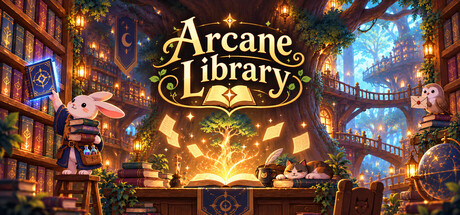 Arcane Library In-game content artaudio | Generative AI tools were used during development to assist in creating some pre-generated visual assets and background music. All AI-assisted content was reviewed and selected by the development team before being included in the game. Arcane Library does not generate AI content during gameplay and does not connect to external AI services while running. | DDUCKD4K | - | Sep 16, 2026 | |
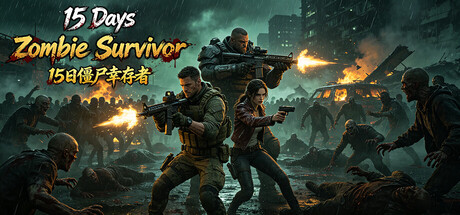 15日僵尸幸存者 Store/marketing art | The promotional poster of the store utilized AI technology. | UUGame1993 | - | Sep 16, 2026 | |
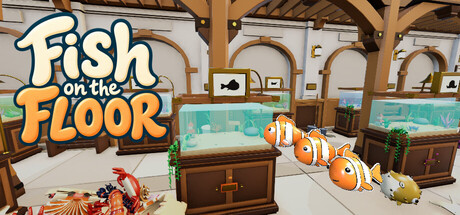 Fish on the Floor In-game content codetextart | Generative AI tools assisted with programming and the code used to create some in-game assets, as well as drafting and translating the store description and creating title lettering for store and library artwork. Screenshots and capsule backgrounds are captured directly from gameplay. The game does not generate AI content during play. | Free Dust | - | Sep 16, 2026 | |
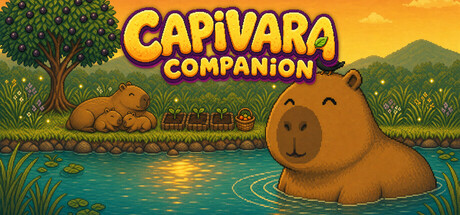 Capivara Companion In-game content artaudiotext | Art assets (backgrounds, capybara and object sprites, capsules, icon), the store trailer footage, sound effects, ambience and music were generated with AI tools (image and video generation, PixelLab, ElevenLabs) from the developer's own references and direction, then cropped, scaled, palette-snapped and composed by hand-written code. The translations of the game and store texts into languages other than Portuguese and English were produced with AI and reviewed by the developer. All code, game design, writing and the original Portuguese and English texts are human-made. The game does not generate any content at runtime. | Dotsmith | - | Sep 16, 2026 | |
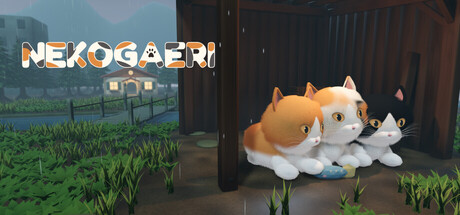 NEKOGAERI Store/marketing arttext | We use generative AI to assist with visuals, writing, and translation. No generative AI is used during gameplay. | soyukke | - | Sep 16, 2026 | |
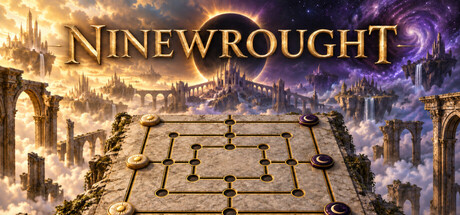 Ninewrought: Nine Men's Morris In-game content art | Generative AI was used to create some visual assets for NINEWROUGHT, including artwork used in the game and its Steam store and marketing materials. | Nine Gates Studio | - | Sep 16, 2026 | |
 VACATION Store/marketing arttext | Generative AI assisted with development-time content, including procedural visual assets and pre-written store-page text. Content is prepared before release; the game does not generate AI content during gameplay or connect to an external AI service. | SLOPWORKS | - | Sep 16, 2026 | |
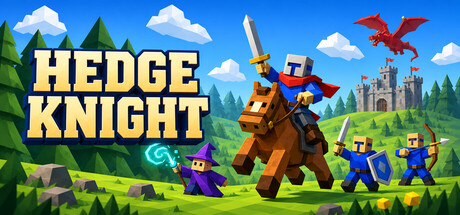 Hedge Knight In-game content art | Hedge Knight features artwork developed with generative AI. | Recoil Mojo | - | Sep 16, 2026 | |
 Seasonal Reset: Halloween Edition In-game content audioart | Pre-generated AI tools were used during development to assist in creating an original instrumental Halloween background music track and certain marketing artwork. The game does not generate AI content while running. | Budder Technology LLC | - | Sep 16, 2026 | |
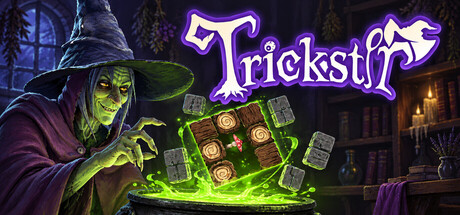 Trickstir Store/marketing arttext | Generative AI was used to help create capsule and library artwork, store descriptions, and screenshot accessibility text. The game itself does not use generative AI. | Trickstir | - | Sep 16, 2026 | |
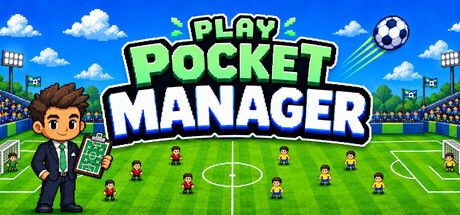 Play Pocket Manager In-game content artaudiocode | Pocket Manager is designed and directed by one person. Generative AI was used as a production tool throughout development: the game's code was written with AI assistance under direct human design and review, and some visual and audio assets were AI-generated before being selected and hand-edited to fit the game's art direction.
Every system, rule and piece of content was specified, tested and signed off by a human before shipping. Nothing is generated while you play — the build is fixed and identical for every player. | Buckminster Interactive | - | Sep 16, 2026 | |
 Blood Volley Dev only art | AI-assisted tools supported the creation of visual concepts. | Psy Indi Games | - | Sep 16, 2026 | |
 Calcio Totale In-game content textart | Generative AI tools were used during development to assist with drafting and reviewing some interface text, Italian, English and Spanish localization, and the creation or editing of certain graphical elements included in the game. All outputs were selected, reviewed and, where necessary, modified by the developer. The game does not use AI services or generate content through AI while running. | Eleòra | - | Sep 16, 2026 | |
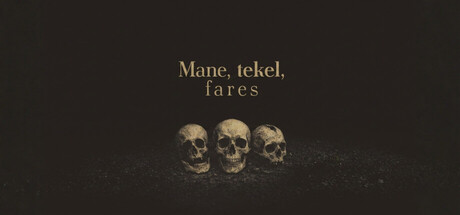 Mane, Tekel, Fares In-game content audioart | We used AI for composing music themes for the game, as well as for some graphic elements, like for example the trailer. | Insiters Juliusz Peta | - | Sep 16, 2026 | |
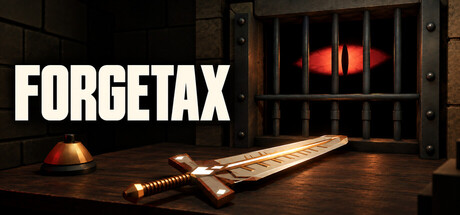 ForgeTax In-game content artaudiotext | Generative AI was used to assist in the creation of selected Steam store promotional images, certain audio assets, and a limited number of 3D assets. AI tools were also used to assist with translation and localization. No live-generated AI is used during gameplay. | GraveYardDev | 1.1k | Sep 16, 2026 | |
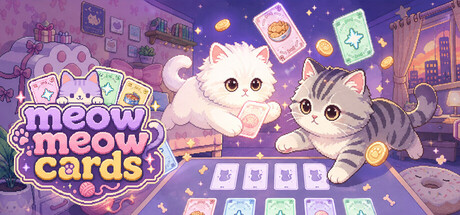 喵喵牌 In-game content text | Ai were used to assist with translating text into multiple language | cczzqsll | - | Sep 16, 2026 | |
 Thumb Hiker In-game content artaudiocode | This game began with my idea, brought to life over many weeks using generative AI to create its code, artwork, audio, and promotional materials. These tools made it possible for me to build the game without a programming background.
All AI-generated content was created during development. The game does not generate AI content while you build towards your achievements. | Sandbox Vibes | - | Sep 16, 2026 | |
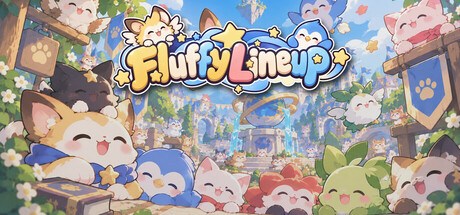 Fluffy Lineup In-game content art | Generative AI was used to assist in creating some of the game's illustrations and in developing certain tools used during production. | Yustar | - | Sep 16, 2026 | |
 The Therapist In-game content artaudiocode | The Therapist was developed with the assistance of generative AI tools. AI was used to assist with programming and to generate certain visual and audio assets included in the game. The game's core concept, narrative direction, game design, mechanics, and creative direction were conceived and developed by the game's creator. AI-generated assets were selected, edited, integrated, and directed as part of the game's overall creative process. | Restless, LLC | - | Sep 16, 2026 | |
 Somewhere Else In-game content art | As a small development team of just two people, we used generative AI tools in limited cases to assist with the production of certain visual assets and help manage the scope of development.
All AI-assisted assets were carefully reviewed, edited, refined, and finalized by us to fit the game's established art style and direction. Generative AI was used as a supporting tool during development, rather than to define the creative direction of the game. | Milecode | - | Sep 16, 2026 | |
 Nightcup In-game content textart | We use AI tools to assist with translations and to support our development process. Some graphics are currently AI-generated placeholders, which will be gradually replaced with original, human-made artwork. | Teshi Games | - | Sep 16, 2026 | |
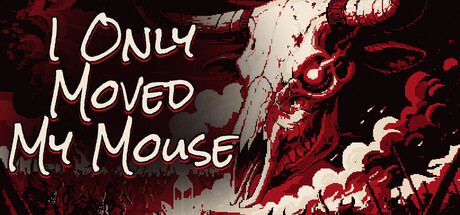 I Only Moved My Mouse Dev only code | AI optimizes core logic and resource management. | Missroot | - | Sep 16, 2026 | |
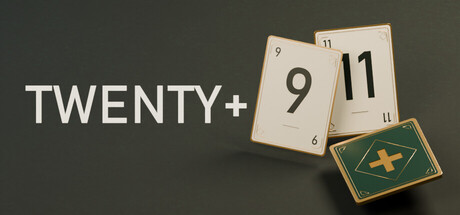 TWENTY+ In-game content artaudiotext | Generative AI was used during development for some card artwork, textures, sound effects, text, and translations. These are fixed, pre-generated assets. No generative AI runs during gameplay. | rpaka-farm | - | Sep 16, 2026 | |
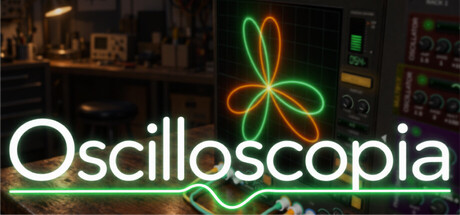 Oscilloscopia Unclear arttext | Generative AI tools were used during development to assist with some visual assets and written content. All AI-assisted content was reviewed and edited. | Imbölt | - | Sep 16, 2026 | |
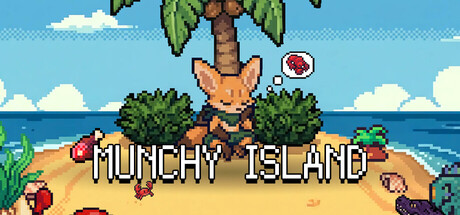 暴食海岛 Munchy Island In-game content art | Some prototype artwork, including enemy and environment assets, was generated with AI tools and subsequently refined by the developer. | clownpiece | - | Sep 16, 2026 | |
 Pore Panic Store/marketing art | We only use AI to create capsules and artworks. All gameplay elements and mechanics are entirely handcrafted. | Redcontroller Interactive | - | Sep 16, 2026 | |
 Cat Omni: Card Cats In-game content art | Some graphical assets of the game like cat characters are made using generative artificial intelligence. | DIONYSIOS DIAMANTOPOULOS | - | Sep 16, 2026 | |
 Genesis Core In-game content artcode | We are using AI to help write, structure, and/or review written code by the team. Some of the artwork in this game was produced with the help of generative AI tools. | Sunday's Playground | - | Sep 16, 2026 | |
 Last Copy In-game content textartcode | Generative AI was used extensively during development to assist with localization, text review, and selected production/reference workflows. All code and most image assets and models were created with generative AI. All AI-assisted content included in the game was reviewed and curated by the developer. The game does not use live generative AI during gameplay. | Casdera Labs | - | Sep 16, 2026 | |
 The Only Eye: Arcane Legacy In-game content arttext | Generative AI tools were used during development to assist with selected visual assets, written content, localization, and other parts of the production process. All AI-assisted content was reviewed, edited, and integrated by the developer. No generative AI content is created during gameplay. | Bitroot Studios | - | Sep 16, 2026 | |
 Starbloom Ranch In-game content art | Starbloom Ranch features artwork developed with generative AI. | Recoil Mojo | - | Sep 16, 2026 | |
 폴더 탈출 In-game content text | Some of the text in this game was created with the help of generative AI tools.
- In-game text: Korean dialogue, stage narration and help text were drafted with an AI assistant, then rewritten and reviewed by the developer.
- Localization: the English text was produced with AI assistance and reviewed by the developer.
All artwork and UI icons are hand-authored by the developer, the sound effects are synthesized procedurally in code, and the background music is a licensed stock track. No AI runs during gameplay — all content is fixed at build time.
- Store page: the store description text was drafted with AI assistance and edited by the developer. | TeamCrux | - | Sep 16, 2026 | |
 After closing In-game content art | Part of the modeling was done using AI-generated technology. | FANGYAOYUE | - | Sep 16, 2026 | |
 Zombie Day Protocol In-game content art | The 3D model are made by AI | Haodex Games | - | Sep 16, 2026 | |
 ノルヴェール戦記-紫水晶の旅物語- In-game content text | I use generative AI for localization. | cement | - | Sep 16, 2026 | |
 Pull Until It Breaks Store/marketing art | Generative AI was used during development to assist with the creation of some visual assets and marketing materials. All AI-assisted content used in the final game and on the Steam store page has been reviewed and edited by the developer. | Crimson Cloud Games | - | Sep 16, 2026 | |
 孙割不相信眼泪 In-game content arttext | The visual assets and text content in this game were generated or assisted by AI tools during development. All AI-generated content is pre-rendered; there is no real-time AI generation during gameplay. | ZikL | - | Sep 16, 2026 | |
 Clog&Order In-game content arttext | Generative AI tools were used during development to create some of the game art assets, and written content and localization translations. AI tools were also used for coding assistance and debugging. The developer selected, adapted, and integrated these outputs into the game and its promotional materials. The game does not generate content using generative AI during gameplay or connect to external generative AI services. | Taoji Games | - | Sep 16, 2026 | |
 Grindveil In-game content arttext | Grindveil's art is made with generative AI tools. We generate, then pick, crop, recolour and optimise every piece by hand before it ships, and we throw out the ones that do not fit. The same goes for part of the writing: item and location names, some of the lore in the in-game Codex, and the interface translations for our fourteen languages are drafted with AI help and reviewed by us.
Nothing is generated while you play. No AI runs on your machine, nothing you type is sent to an AI service, and every image and every line of text in the game was made and checked before release. | Grindare Studio | - | Sep 16, 2026 | |
 柴科夫派对 Store/marketing art | During development, generative AI was used to assist in creating selected game images and promotional artwork, including library images, the game logo, and capsule art. All AI-generated images were manually reviewed, edited, and unified in style by the development team. All in-game code, gameplay systems, audio, and text were created by hand. The game itself does not generate, display, or depend on any AI content at runtime. | Monster Reborn | - | Sep 16, 2026 | |
 超エキサイトボール In-game content artaudio | This game uses generative AI in the creation of some 3D objects and some background music. These contents were generated and edited during development, and no content is generated by generative AI in real time during gameplay. | ARAKI | - | Sep 16, 2026 | |
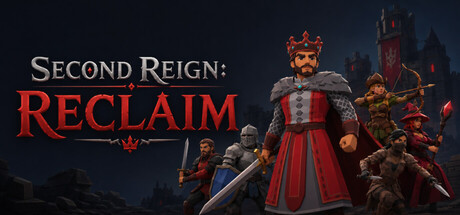 Second Reign: Reclaim In-game content artaudio | Generative AI tools were used in a limited capacity to assist with the creation and enhancement of certain 2D images and audio assets. No 3D models, animations, gameplay systems, or other game content were generated using AI. | ThunderRQN Games | - | Sep 16, 2026 | |
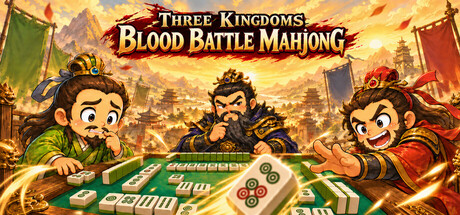 Three Kingdoms: Blood Battle Mahjong In-game content arttextaudio | Generative AI tools were used extensively during the development of this game. Some artwork, UI assets, written content, character voices, and localization were created with the assistance of generative AI and were subsequently selected, edited, integrated, and reviewed by the developer. All AI-generated content was created in advance during development; no AI content is generated live during gameplay. | Three Kingdoms Mahjong Team | - | Sep 16, 2026 | |
 Abyss Floors In-game content textart | Some of the content in Abyss Floors was created with the help of generative AI tools, always under the developer's direction and review:
Text — Portions of the game's descriptive and flavor text (item and ability descriptions, interface copy, and atmospheric lore lines) were drafted with AI assistance and edited by the developer.
Store & branding art — The store-page capsules, library images, and other branding graphics were produced with AI-assisted tools.
Abyss Floors is a text- and table-driven simulation, so there is no AI-generated illustrated art in actual gameplay, and all screenshots on this page are captured directly from the live game. The game's design, balance, systems, and code are the developer's own, with AI used as a development aid rather than to generate gameplay content. | Alerot | 16 | Sep 16, 2026 | |
 Lost & Found Store/marketing art | Generative AI was used to create promotional artwork for the Steam store page, including capsule and library artwork, based on the visual style and screenshots of the game. The playable game content itself does not use live-generated AI content. | Adam Perkins | - | Sep 16, 2026 | |
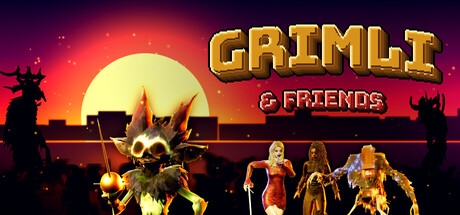 Grimli & Friends In-game content art | Meshy was used during production to assist in converting my hand-drawn character concepts into 3D avatars, which were then integrated, refined, and animated for the final game. | JoyMandate | - | Sep 16, 2026 | |
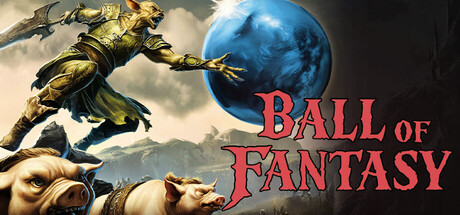 Ball of Fantasy Dev only artcode | This game was developed with the assistance of AI tools, used to help generate some graphic elements and support code development. | Super Space Grind | - | Sep 16, 2026 |


