





Disclosure
This game utilizes pre-generated AI tools to create SFXs, music, UI images, texts, and one 3D model. Some of which are edited and all of which are selected with care.
- Creator
- LeonGrayJ
- Reviews
- -
- Added
- Aug 19, 2026
Public Steam disclosure research 25,710 disclosures tracked
Search developers’ Steam disclosures, compare classified AI use across games, and follow recorded changes. This index adds cross-game classifications and statistics to statements published on individual store pages.
Code help, debugging and other development work.
Capsule art, trailers and promotional material.
Pre-made art, audio, writing and other game assets.
Interactive or runtime AI features disclosed by the developer.
Groups reflect automatic analysis of public disclosures; mature records are excluded. These counts do not measure AI use across all of Steam. Missing or unclear statements cannot establish whether a game uses AI.
This game utilizes pre-generated AI tools to create SFXs, music, UI images, texts, and one 3D model. Some of which are edited and all of which are selected with care.
AI was used to generate some of the assets and most of the code.
We used AI tools to assist in drafting and refining parts of the game's store description and promotional texts
This game uses generative‑AI technology to create part of the in‑game assets, art and content. All AI‑generated content has been reviewed and adjusted by human developers.
Pre-generated only. Nothing is generated live while the game runs, and the game makes no network calls of any kind. 2D card illustrations were produced with an AI image tool from hand-written art-direction prompts, then cropped, recoloured and composited by hand into the game's painted card frames. A small number of 3D prop meshes were produced with an image-to-3D model (Microsoft TRELLIS, MIT licensed) and edited before use; most world geometry is built procedurally in code rather than generated. Ambient beds and music were produced with an AI music tool against a fixed written spec (key of D, 72 BPM, fades in from silence, no climax) and are mixed and crossfaded by the game's own audio code. All code, game design, UI layout, in-game text and store text are human-authored. Some combat sound effects are CC0 samples from Freesound. No player data is sent to any AI service.
本作では、ゲーム内アセットおよびストアページ用グラフィックアセットの制作に、生成AIツールを使用しています。 すべての生成物は開発者が確認・調整のうえ使用しています。
Some promotional materials for this game — including portions of the trailer and key art — were created with the assistance of generative AI tools. All such content is pre-generated, reviewed, and edited by the developer before publication. The game itself does not generate any content with AI at runtime.
AI tools were used for some initial concept designs. All final in-game assets, characters and scenes have been extensively hand-edited, redrawn and post-processed by the developer to achieve a consistent hand-drawn comic style.
I've been developing this game solo for three years now. Honestly, some of the models I made myself were just too ugly, and I was getting completely burned out. So, I had to use AI for just a couple of the models just to get it done.
Generative AI tools were used during development to assist in the creation of some visual assets. All AI-assisted content is pre-generated and included as part of the game. The game does not generate AI content during gameplay.
Quarter Mile contains no AI-generated art, music, voice or in-game text. Every visual in the game is rendered in real time from geometry and materials authored by hand in code — there are no image assets. Every sound is synthesized by the game while you play, from a physical model of the engine; no audio files ship with the game. All car data and track layouts are hand-authored. The store page capsule art and screenshots are rendered by the game itself, using the same renderer that draws the game — they are not concept art, not painted, and not AI-generated. The game description and other store page text were written with the assistance of an AI writing assistant, and portions of the game's source code were written with the assistance of an AI coding assistant. All of it was reviewed and edited by the developer. The game does not use generative AI at runtime. Nothing is generated while you play, there is no network connection of any kind, and the game is fully playable offline.
Store art work has been generated using AI.
AI was used to assist with text creation and translation / localization.
Localization, some descriptions
AI assistance was used to translate the user interface and this store page into non-English languages. The artwork, trailers, and original English text were created by the developer.
AI was used to create graphical assets used in the game.
Generative AI was used during development to create and iterate on selected pre-rendered 2D artwork, environmental textures, decals, and billboard/sign graphics. These assets were selected, edited, processed, and integrated by the developer. No AI content is generated during gameplay, and the game does not connect to external AI services.
Some of the art in this game was made with the help of generative AI. The voxel character portraits were generated from written prompts using an AI image generator, then cut out, colour-corrected, posed and animated by hand by the developer. The store page capsules and the achievement icons are composed from that same character art. Parts of the store page text, and the game's translations into its eight supported languages, were produced with AI assistance and reviewed by the developer. No generative AI runs while you play — nothing is generated in real time. The patrons' behaviour is ordinary game AI: hand-written rules and probability tables. The music and every sound effect are not AI-generated; they are synthesised procedurally.
Cosmo Corgis is designed and directed by one person. During development, AI tools were used as a production assistant — helping write and test the game's code and assisting with portions of the 3D asset work, always under the developer's direction. The music and sound effects were generated with AI tools. Every design decision, and the game's look and feel, are the developer's own. Nothing is generated by AI while you play: everything in the game ships fixed and tested.
The game code, art, and sound was all generated by a combination of Generative AI tools.
Some visual assets and background music included in this game were created using generative AI tools and have been reviewed, edited, and integrated by the developer.
AI tools are used to develop game content.
Generative AI tools were used during the development process to assist in creating pre-rendered concept art and promotional visual elements.
Pregenerated AI audio tools were used during development to generate character voice lines and background music tracks. All visual art, graphics, puzzle task and animations were created by hand without generative AI.
Some parts of the Cellarer were made with the help of generative AI tools: portions of the source code, some of the in-game icons and sfx / vfx, some store and marketing text, and some marketing artwork and assets were AI-assisted, then reviewed, edited and integrated by hand before shipping. The game itself contains nothing live-generated — no AI runs while you play, and the game never connects to an AI service.
Generative AI was used during development to assist with writing and improving parts of the game code. All AI-assisted code was reviewed, edited, and integrated by the development team.
The game's visual assets (mascot design, logo, character art, store graphics, and in-game sprites) were created with the help of an AI image generator and were then selected, edited, and prepared by us for use in the game. This is exclusively pre-generated, fixed content – no content is generated by AI in real time while the game is being played.
Art and sound is made using AI.
Wyrdane uses AI-generated artwork for its card illustrations. As a solo developer working without a starting budget, this is a pragmatic choice to bring the game's world to life and test its mechanics without a professional illustration budget. If the project finds its audience, the goal is to progressively replace these visuals with artwork made by human illustrators. Game design, card balance, game mechanics, world-building, and creative direction are entirely human-made. AI is a production tool, not the creator of this game.
I am a solo indie developer with little coding experience. AI has helped me with the programming in my game, which has allowed me to build this game for you all. Game Development is a big passion of mine, and I could not do it without the assistance of AI.
All visual assets, audio, course designs / implementations are human created. The aim was to ensure all creative elements were human created with the majority coming from the original Xbox Indie Game. Generative AI was used to port between the now defunct Xbox Indie (XGFW) platform to a modern platform (MonoGame) and to move to modern graphics cards (shaders). It was also used to add additional, optional, CRT visual modes and to do non-creative changes including identifying and resolving bugs and optimising play to improve framerate and minimum requirements.
Generative AI was used during development to create some concept art, early promotional images, certain 3D assets, and UI illustrations. All AI-generated content was reviewed, edited, and integrated by the developer. The game does not use AI-generated content during gameplay.
Penguin Fury uses generative AI tools for part of its content. Localization: The game is available in 39 languages. The original text was written by the developer. The translations were produced with AI translation tools and reviewed before release. Art: Some achievement icons and character/UI artwork were created with the help of AI image tools and then edited by the developer. Store page: Some of the text and images on this store page were created with AI assistance and edited by the developer. No AI content is generated while you play. Everything in the game is created in advance and shipped with the build.
AI tools were used during development in two areas. Code: an AI coding assistant helped write and refactor GDScript source; all output was reviewed and edited by the developer before being committed. UI design: interface layouts were prototyped as HTML mockups with AI assistance, then redrawn and implemented by hand as Godot scenes — no AI-produced file ships in the build. All art and music in the game were created by people. Sound effects are generated procedurally by a hand-written synthesis script (numpy waveform synthesis, no models or samples involved). Fonts are open-licensed, human-designed typefaces.
Some of SALTWRATH's audio and store artwork was created using generative AI tools and then edited by hand. The music and sound effects were generated with Suno, then trimmed, mixed and levelled manually before being used in the game. Some store page and capsule artwork was generated with an AI image tool and edited before use. The game itself does not use generative AI while you play. Nothing is generated live during a run, no content changes between playthroughs because of AI, and no player input is ever sent to an AI service.
IA used to code the game and some in-game voices.
AI has been used to localize page descriptions into some languages. Generative translation will eventually be replaced by human translation.
Various visual assets and promotional materials for Get Outta My Gut were created with the assistance of generative AI tools. All AI-generated content was reviewed, refined, and integrated by the developer to ensure consistency with the game's artistic direction and quality standards.
Final decisions made by human hands and brains. Project is AI tools friendly
Generative AI tools, including Claude and Codex, were used during development to assist with programming, game logic, written content, and other development tasks. All AI-assisted output was reviewed, edited, and integrated by the developer before inclusion in the final product. The game does not generate AI content during gameplay and does not connect to external generative AI services at runtime.
all the pictures are generated by artificial intelligence.
2D item and character sprites in this game were created using generative AI image tools and then manually reviewed, edited, curated, and integrated by the developer. In-game item names and their translations were also produced with AI assistance and manually checked. All AI-generated content was created during development (pre-generated); the game does not generate any content live while playing.
AI was used to assist with base image generation, all in-game assets were edited manually prior to implementation.
Generative AI tools were used during development to assist with creating certain in-game visual assets, concept art, and UI elements. All AI-generated content has been reviewed, curated, and integrated manually by the developer.
The title screen background (empty arena seats) is the only AI generated content.
This game uses generative AI as a production tool for certain visual art and music assets. All AI-assisted content has been reviewed and refined by the developer. No generative AI is used during gameplay. All puzzles, investigation mechanics, and gameplay systems are designed and implemented by the developer.
NovaShift: Universe uses AI-generated art. Some 2D artwork — enemy, boss and item sprites for several game universes, boss projectile sprites, and store/marketing images (capsules, key art, logo) — was created with the assistance of AI image-generation tools, then curated, edited, transparency-cleaned and integrated by the developer. All gameplay code, procedural art, audio and game design are human-made. No content is generated by AI at runtime; players never interact with a live AI system.
This game uses generative AI during development to create some image assets, music assets, and text drafts. All generated content was reviewed by the developer and edited or processed as necessary before being included in the game. The game does not generate content using generative AI during gameplay.
As a solo developer, this game utilizes generative AI tools to assist in the creation of certain assets—including game dialogue, artwork, and audio elements—which are then carefully edited, refined, and polished by the developer.
Generating three-view images for 3D model creation, generating 3D models, and generating videos for use in live streaming.
| Title⇅ | Disclosure | Creator⇅ | Src | Reviews⇅ | Added↓ |
|---|---|---|---|---|---|
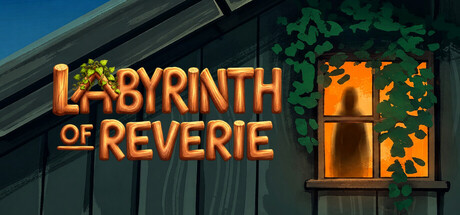 Labyrinth of Reverie In-game content audioarttext | This game utilizes pre-generated AI tools to create SFXs, music, UI images, texts, and one 3D model. Some of which are edited and all of which are selected with care. | LeonGrayJ | - | Aug 19, 2026 | |
 Prevail In-game content artcode | AI was used to generate some of the assets and most of the code. | Alboc Studios | - | Aug 19, 2026 | |
 Yeet the Chest Store/marketing text | We used AI tools to assist in drafting and refining parts of the game's store description and promotional texts | GooseBumps | - | Aug 19, 2026 | |
 无为修仙传 In-game content art | This game uses generative‑AI technology to create part of the in‑game assets, art and content. All AI‑generated content has been reviewed and adjusted by human developers. | Programmer Xiaohui | - | Aug 19, 2026 | |
 The Offering In-game content artaudio | Pre-generated only. Nothing is generated live while the game runs, and the game makes no network calls of any kind.
2D card illustrations were produced with an AI image tool from hand-written art-direction prompts, then cropped, recoloured and composited by hand into the game's painted card frames. A small number of 3D prop meshes were produced with an image-to-3D model (Microsoft TRELLIS, MIT licensed) and edited before use; most world geometry is built procedurally in code rather than generated. Ambient beds and music were produced with an AI music tool against a fixed written spec (key of D, 72 BPM, fades in from silence, no climax) and are mixed and crossfaded by the game's own audio code.
All code, game design, UI layout, in-game text and store text are human-authored. Some combat sound effects are CC0 samples from Freesound.
No player data is sent to any AI service. | Duskmothgames | - | Aug 19, 2026 | |
 隔離病院 In-game content art | 本作では、ゲーム内アセットおよびストアページ用グラフィックアセットの制作に、生成AIツールを使用しています。
すべての生成物は開発者が確認・調整のうえ使用しています。 | ASINOURA | - | Aug 19, 2026 | |
 Otherworldly Business Store/marketing art | Some promotional materials for this game — including portions of the trailer and key art — were created with the assistance of generative AI tools. All such content is pre-generated, reviewed, and edited by the developer before publication. The game itself does not generate any content with AI at runtime. | Pinnah Studio | - | Aug 19, 2026 | |
 The Rift Trader In-game content art | AI tools were used for some initial concept designs. All final in-game assets, characters and scenes have been extensively hand-edited, redrawn and post-processed by the developer to achieve a consistent hand-drawn comic style. | Tremolo Games | - | Aug 19, 2026 | |
 Egg Rush In-game content art | I've been developing this game solo for three years now. Honestly, some of the models I made myself were just too ugly, and I was getting completely burned out. So, I had to use AI for just a couple of the models just to get it done. | EggRush | - | Aug 19, 2026 | |
 RPG System In-game content art | Generative AI tools were used during development to assist in the creation of some visual assets. All AI-assisted content is pre-generated and included as part of the game. The game does not generate AI content during gameplay. | J&V ENTERTAINMENT LTDA | - | Aug 19, 2026 | |
 Quarter Mile Dev only codetext | Quarter Mile contains no AI-generated art, music, voice or in-game text.
Every visual in the game is rendered in real time from geometry and materials authored by hand in code — there are no image assets. Every sound is synthesized by the game while you play, from a physical model of the engine; no audio files ship with the game. All car data and track layouts are hand-authored.
The store page capsule art and screenshots are rendered by the game itself, using the same renderer that draws the game — they are not concept art, not painted, and not AI-generated.
The game description and other store page text were written with the assistance of an AI writing assistant, and portions of the game's source code were written with the assistance of an AI coding assistant. All of it was reviewed and edited by the developer.
The game does not use generative AI at runtime. Nothing is generated while you play, there is no network connection of any kind, and the game is fully playable offline. | nitzan.games LLC | - | Aug 19, 2026 | |
 Salt & Schooners Store/marketing art | Store art work has been generated using AI. | Clayton Games | - | Aug 19, 2026 | |
 Castle-O In-game content text | AI was used to assist with text creation and translation / localization. | Orbis Fabula | - | Aug 19, 2026 | |
 Banshee Protocol In-game content text | Localization, some descriptions | Ivan Pichugin | - | Aug 19, 2026 | |
 Phluxel In-game content text | AI assistance was used to translate the user interface and this store page into non-English languages. The artwork, trailers, and original English text were created by the developer. | ErinWave | - | Aug 19, 2026 | |
 좀비 프린세스 In-game content art | AI was used to create graphical assets used in the game. | fairx | - | Aug 19, 2026 | |
 Last Man Running In-game content art | Generative AI was used during development to create and iterate on selected pre-rendered 2D artwork, environmental textures, decals, and billboard/sign graphics. These assets were selected, edited, processed, and integrated by the developer. No AI content is generated during gameplay, and the game does not connect to external AI services. | ROBOTA | - | Aug 19, 2026 | |
 Casino Dealer Simulator In-game content arttext | Some of the art in this game was made with the help of generative AI. The voxel character portraits were generated from written prompts using an AI image generator, then cut out, colour-corrected, posed and animated by hand by the developer. The store page capsules and the achievement icons are composed from that same character art. Parts of the store page text, and the game's translations into its eight supported languages, were produced with AI assistance and reviewed by the developer.
No generative AI runs while you play — nothing is generated in real time. The patrons' behaviour is ordinary game AI: hand-written rules and probability tables. The music and every sound effect are not AI-generated; they are synthesised procedurally. | Umbriel Games | - | Aug 19, 2026 | |
 Cosmo Corgis In-game content artaudiocode | Cosmo Corgis is designed and directed by one person. During development, AI tools were used as a production assistant — helping write and test the game's code and assisting with portions of the 3D asset work, always under the developer's direction. The music and sound effects were generated with AI tools. Every design decision, and the game's look and feel, are the developer's own. Nothing is generated by AI while you play: everything in the game ships fixed and tested. | Bad Llama Studios | - | Aug 19, 2026 | |
 Table of War In-game content artaudiocode | The game code, art, and sound was all generated by a combination of Generative AI tools. | Densanon | - | Aug 19, 2026 | |
 DOO DOO Town Saver In-game content artaudio | Some visual assets and background music included in this game were created using generative AI tools and have been reviewed, edited, and integrated by the developer. | Doo Doo Oppa | - | Aug 19, 2026 | |
 牌武者 Unclear | AI tools are used to develop game content. | JZ3003 | - | Aug 19, 2026 | |
 The Last Curse In-game content art | Generative AI tools were used during the development process to assist in creating pre-rendered concept art and promotional visual elements. | Aurex Studio | - | Aug 19, 2026 | |
 Life of Pawn: Chocolate and Marshmallow In-game content audio | Pregenerated AI audio tools were used during development to generate character voice lines and background music tracks. All visual art, graphics, puzzle task and animations were created by hand without generative AI. | BrokenTeaCups | - | Aug 19, 2026 | |
 the Cellarer In-game content arttextcode | Some parts of the Cellarer were made with the help of generative AI tools: portions of the source code, some of the in-game icons and sfx / vfx, some store and marketing text, and some marketing artwork and assets were AI-assisted, then reviewed, edited and integrated by hand before shipping. The game itself contains nothing live-generated — no AI runs while you play, and the game never connects to an AI service. | Quiescent Works | - | Aug 19, 2026 | |
 Project Ricochet Dev only code | Generative AI was used during development to assist with writing and improving parts of the game code. All AI-assisted code was reviewed, edited, and integrated by the development team. | ExertionGame | - | Aug 19, 2026 | |
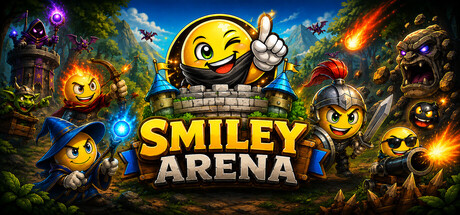 Smiley Arena In-game content art | The game's visual assets (mascot design, logo, character art, store graphics, and in-game sprites) were created with the help of an AI image generator and were then selected, edited, and prepared by us for use in the game. This is exclusively pre-generated, fixed content – no content is generated by AI in real time while the game is being played. | Smartstift | - | Aug 19, 2026 | |
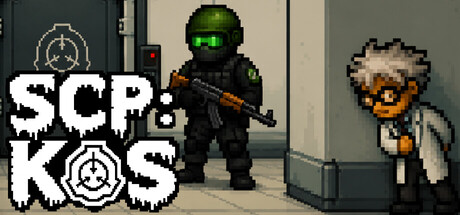 SCP: KOS In-game content artaudio | Art and sound is made using AI. | butterbug | - | Aug 19, 2026 | |
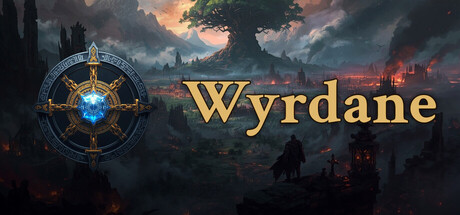 Wyrdane In-game content art | Wyrdane uses AI-generated artwork for its card illustrations. As a solo developer working without a starting budget, this is a pragmatic choice to bring the game's world to life and test its mechanics without a professional illustration budget. If the project finds its audience, the goal is to progressively replace these visuals with artwork made by human illustrators.
Game design, card balance, game mechanics, world-building, and creative direction are entirely human-made. AI is a production tool, not the creator of this game. | Amnertaris | - | Aug 19, 2026 | |
 LIMINAL ROOMS Dev only code | I am a solo indie developer with little coding experience. AI has helped me with the programming in my game, which has allowed me to build this game for you all. Game Development is a big passion of mine, and I could not do it without the assistance of AI. | brissanna | - | Aug 19, 2026 | |
 Glow Arcade Racer Dev only codeart | All visual assets, audio, course designs / implementations are human created. The aim was to ensure all creative elements were human created with the majority coming from the original Xbox Indie Game.
Generative AI was used to port between the now defunct Xbox Indie (XGFW) platform to a modern platform (MonoGame) and to move to modern graphics cards (shaders). It was also used to add additional, optional, CRT visual modes and to do non-creative changes including identifying and resolving bugs and optimising play to improve framerate and minimum requirements. | Ben Saich | - | Aug 19, 2026 | |
 Snowed In Store/marketing art | Generative AI was used during development to create some concept art, early promotional images, certain 3D assets, and UI illustrations. All AI-generated content was reviewed, edited, and integrated by the developer. The game does not use AI-generated content during gameplay. | Eredzhepov Rustam | - | Aug 19, 2026 | |
 Penguin Fury In-game content textart | Penguin Fury uses generative AI tools for part of its content.
Localization: The game is available in 39 languages. The original text was
written by the developer. The translations were produced with AI translation
tools and reviewed before release.
Art: Some achievement icons and character/UI artwork were created with the help
of AI image tools and then edited by the developer.
Store page: Some of the text and images on this store page were created with AI
assistance and edited by the developer.
No AI content is generated while you play. Everything in the game is created in
advance and shipped with the build. | exklusiva | - | Aug 19, 2026 | |
 memory cafe Dev only codeart | AI tools were used during development in two areas. Code: an AI coding assistant helped write and refactor GDScript source; all output was reviewed and edited by the developer before being committed. UI design: interface layouts were prototyped as HTML mockups with AI assistance, then redrawn and implemented by hand as Godot scenes — no AI-produced file ships in the build.
All art and music in the game were created by people. Sound effects are generated procedurally by a hand-written synthesis script (numpy waveform synthesis, no models or samples involved). Fonts are open-licensed, human-designed typefaces. | Twiggy gaming | - | Aug 19, 2026 | |
 SALTWRATH In-game content audioart | Some of SALTWRATH's audio and store artwork was created using generative AI tools and then edited by hand. The music and sound effects were generated with Suno, then trimmed, mixed and levelled manually before being used in the game. Some store page and capsule artwork was generated with an AI image tool and edited before use.
The game itself does not use generative AI while you play. Nothing is generated live during a run, no content changes between playthroughs because of AI, and no player input is ever sent to an AI service. | cfdev | - | Aug 19, 2026 | |
 Laser Connect In-game content codeaudio | IA used to code the game and some in-game voices. | JorgeCosta | - | Aug 19, 2026 | |
 I Hear the Forest In-game content text | AI has been used to localize page descriptions into some languages. Generative translation will eventually be replaced by human translation. | Podoba Interactive | - | Aug 19, 2026 | |
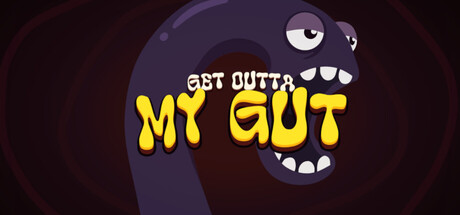 Get Outta My Gut Store/marketing art | Various visual assets and promotional materials for Get Outta My Gut were created with the assistance of generative AI tools.
All AI-generated content was reviewed, refined, and integrated by the developer to ensure consistency with the game's artistic direction and quality standards. | INDIE-SQUID | - | Aug 19, 2026 | |
 Missile Arsenal Simulator Dev only | Final decisions made by human hands and brains. Project is AI tools friendly | Tea & Cake Games | - | Aug 19, 2026 | |
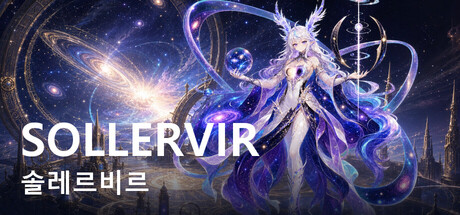 sollervir Dev only codetext | Generative AI tools, including Claude and Codex, were used during development to assist with programming, game logic, written content, and other development tasks. All AI-assisted output was reviewed, edited, and integrated by the developer before inclusion in the final product. The game does not generate AI content during gameplay and does not connect to external generative AI services at runtime. | leonardocode | - | Aug 19, 2026 | |
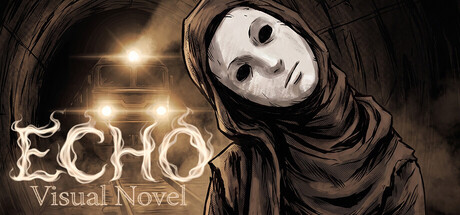 Visual Novel: ECHO Store/marketing art | all the pictures are generated by artificial intelligence. | Reanim Games | - | Aug 19, 2026 | |
 Cozy Home Designer In-game content arttext | 2D item and character sprites in this game were created using generative AI image tools and then manually reviewed, edited, curated, and integrated by the developer. In-game item names and their translations were also produced with AI assistance and manually checked. All AI-generated content was created during development (pre-generated); the game does not generate any content live while playing. | Jonas Tag | - | Aug 19, 2026 | |
 Open Headcount: A Corporate-Hell Roguelike In-game content art | AI was used to assist with base image generation, all in-game assets were edited manually prior to implementation. | Platyware | - | Aug 19, 2026 | |
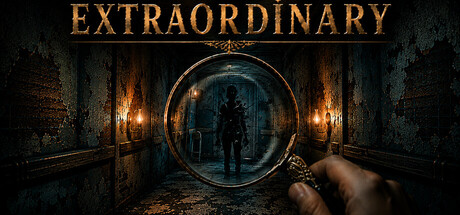 Extraordinary In-game content art | Generative AI tools were used during development to assist with creating certain in-game visual assets, concept art, and UI elements. All AI-generated content has been reviewed, curated, and integrated manually by the developer. | Cengiz İnançlı | - | Aug 19, 2026 | |
 Indoor Football Manager 2 In-game content art | The title screen background (empty arena seats) is the only AI generated content. | Statline Studios | - | Aug 19, 2026 | |
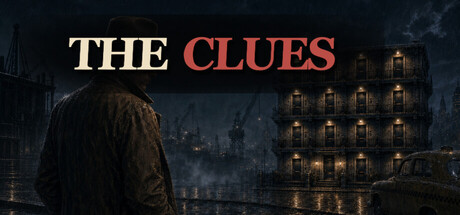 The Clues In-game content artaudio | This game uses generative AI as a production tool for certain visual art and music assets. All AI-assisted content has been reviewed and refined by the developer. No generative AI is used during gameplay. All puzzles, investigation mechanics, and gameplay systems are designed and implemented by the developer. | Knotwise Games | - | Aug 19, 2026 | |
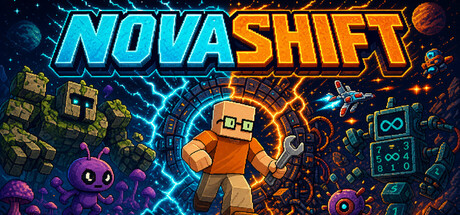 NovaShift: Universe In-game content art | NovaShift: Universe uses AI-generated art. Some 2D artwork — enemy, boss and item sprites for several game universes, boss projectile sprites, and store/marketing images (capsules, key art, logo) — was created with the assistance of AI image-generation tools, then curated, edited, transparency-cleaned and integrated by the developer. All gameplay code, procedural art, audio and game design are human-made. No content is generated by AI at runtime; players never interact with a live AI system. | Candan26 | - | Aug 19, 2026 | |
 PIYO PIYO CHICKEN In-game content artaudiotext | This game uses generative AI during development to create some image assets, music assets, and text drafts. All generated content was reviewed by the developer and edited or processed as necessary before being included in the game. The game does not generate content using generative AI during gameplay. | Ferdy Fennec | - | Aug 19, 2026 | |
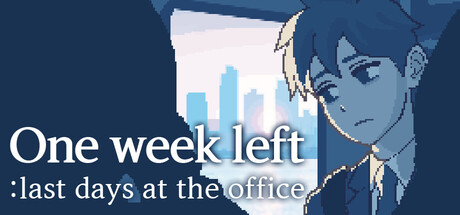 One Week Left In-game content arttextaudio | As a solo developer, this game utilizes generative AI tools to assist in the creation of certain assets—including game dialogue, artwork, and audio elements—which are then carefully edited, refined, and polished by the developer. | yongdustudio | - | Aug 19, 2026 | |
 VTuberオリキャラメーカー Dev only art | Generating three-view images for 3D model creation, generating 3D models, and generating videos for use in live streaming. | Sumeragi | - | Aug 19, 2026 |


