Public Steam disclosure research25,376 disclosures tracked
Where do games disclose AI use?
Search developers’ Steam disclosures, compare classified AI use across
games, and follow recorded changes.
This index adds cross-game classifications and statistics to
statements published on individual store pages.
Groups reflect automatic analysis of public disclosures; mature records are excluded. These counts do not measure AI use across all of Steam.
Missing or unclear statements cannot establish whether a game uses AI.
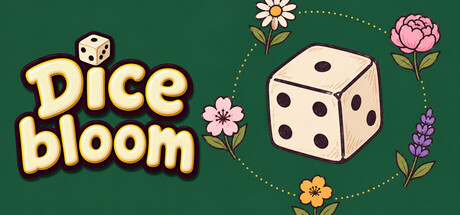
The game's art (plants, items, menu illustrations, store art) was made with the help of image generation tools and then edited and assembled by the developer. No AI content is generated while you play.
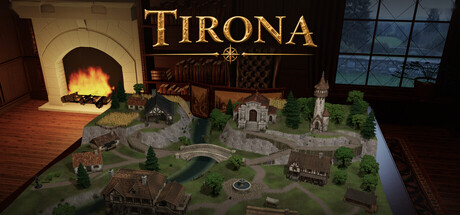
Tirona's development used AI tools for much of its 2D artwork (character portraits, card and scene illustrations, quest illustrations), some 3D models, the music (ElevenLabs) and the character voice performers' reference voices. All of it was selected, edited and placed by the developer, and ships as fixed game content.
While you play, a third-party large language model writes the narration and the dialogue of non-player characters in response to what you type or say. Character voices are synthesised locally on your PC from the generated text. You can optionally generate a portrait for your character from your creation choices.
The AI never decides the rules: dice, hit points, gold, items, experience, spells and quest progress change only through the game's own systems. Romance is opt-in, and anything sexual fades to black.
-AI was used in limited capacity during development to assist with lighting effects and animation assets. These outputs were reviewed, edited, and integrated by the development team. AI is not used to generate content dynamically during gameplay, and the game does not use live AI systems to create images, audio, text, animations, or other player-facing content.
Full disclaimer - Some code, artworks have been AI generated, through a custom model trained on images that were built specifically for the game with the kind assistance of a graphic designer friend of mine. I'm a solo dev with limited budget and I'm doing this out of passion - I just wouldn't have been able to build it without these tools
Generative AI tools were used during development to create 2D illustrations for in-game cards, environmental backgrounds, and store capsule graphics. All generated art assets have been curated, manually edited, and adapted for the game, ensuring they contain no copyrighted or infringing material.
Generative AI tools assisted with programming and development of The Construction Game and were used to create some promotional images. The game does not use generative AI to create content during gameplay.
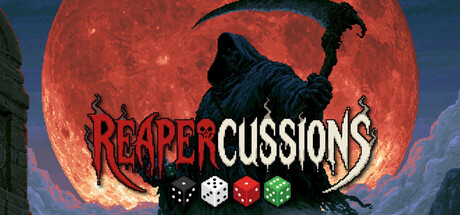
AI tools were used to help create some of the content, which was then selected and edited by the developer: the store page capsule and library images, the achievement icons, some item art, the Reaper cutscene videos, and some voice lines. Most in-game art, sound effects and fonts come from licensed asset packs, and the game's design, writing and rules are hand-crafted by a game designer.
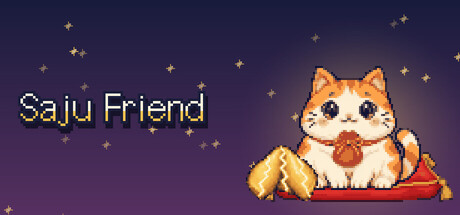
Some 2D pixel-art sprites and illustrations (fortune-game icons, items and backgrounds) were created with the help of AI image tools (PixelLab) and then edited and curated by our developer. All game text, fortune logic, code, sound and the cat character animations are made by the developer or licensed (CC0/OFL).
Generative AI assisted with pre-generated branding, Steam capsule and library artwork, store descriptions and translations. No content is generated by AI during gameplay.
Generative AI assisted with portions of the artwork, audio, code, and store promotional materials during development. These outputs were reviewed, adjusted, and integrated by the development team.
AI was used to generate the art, music, sound effects, the captains' short vocal reactions, the game text and the translations, all curated and reviewed by hand. Nothing is generated at runtime.
This game uses generative AI to help create pre-rendered store artwork, chapter illustrations, background music, and the official trailer. Game logic was drafted with AI assistance and reviewed by the developer.
All level design, gameplay mechanics, and in-game text are hand-authored. No copyrighted third-party material was used in any AI output.
The translations of this game into English, Spanish, Portuguese, Russian and Chinese were produced with the help of a large language model, working from the German original. The Spanish, Portuguese, Russian and Chinese versions are machine-made and are marked as beta inside the game. The text of this store page and the captions in the trailer were written the same way.
No image, no sound and no music in this game is AI-generated. The symbols come from historical alchemical plates, the witches from the Wellcome Collection, the cauldron from the Smithsonian, the reeds from an 1885 plant atlas.
Generative AI was used for reference images for some 3D models, materials and images, and store artwork. Certain portions of tooling workflows for asset creation are driven by AI agents. AI was also used to assist with written text and translations. All AI-assisted content, including AI-generated translations, was reviewed, edited, and approved by the development team before being included in the final game. No content is generated by AI during gameplay.
Pre-generated content only; nothing is generated at runtime. Some sound effects, Some textures and images, The in-game dialogue and the Spanish/English texts were written with the help of an AI assistant and reviewed by the developer.
Dicebound uses generative AI as part of the development process for some pre-generated content. This includes certain visual assets and promotional/store materials, as well as some drafting support for interface text and localization. All AI-assisted content has been reviewed, edited, and curated by the developer before being included in the game or on the store page. Dicebound does not use live generative AI during gameplay, and players cannot generate content through AI in-game.
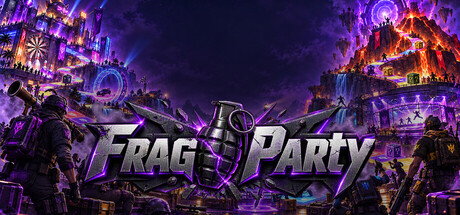
Parts of Frag Party's artwork and translated text were produced with generative AI tools.
Artwork: the promotional key art that the store capsules are composed from, and a small number of
static wallpaper images used as backdrops behind a few of the challenges.
Text: the non-English interface translations (Spanish, French, Portuguese, Russian, Arabic and
Simplified Chinese). English is the original and was written by hand.
Everything else is human-made: all gameplay and code, the 3D characters, weapons and environments,
animation, interface layout and audio. Nothing is generated while you play, and the game does not
connect to any AI service.
Pre-generated content only. No AI generated content is produced at runtime during gameplay.
Some in-game text and its English localization were drafted with AI assistance and edited by the team.
All art, including card art, backgrounds, icons and UI, is created by our artist. AI image tools were used as visual reference during concept work only; no AI generated image ships in the game. No AI models are used for music or sound effects.
Some UI icons were generated using AI, then refined by our artists to suit the UI. All other artwork was created by hand. No AI content is generated during gameplay.
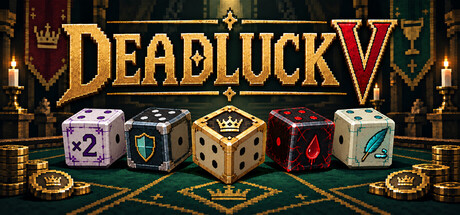
DEADLUCK V was created using generative AI, including its artwork, music, sound effects and written content. This content was generated during development. The game does not generate AI content or connect to AI services during gameplay.
As with most VTT systems, users are welcome to import assets made anywhere. Phroller makes it easier than ever. You can just drag the image or model files into the VTT directly from your browser or file system!
I want to encourage supporting real artists where we can though. As such I do my best to collaborate with real creatives on the vast Phroller libraries. Each one of the assets in the library has a field showing the artist behind it. If you like their work, please consider checking them out. Many of them are open for commissions as well! However, I cannot guarantee that assets or part of those assets were created with no AI use at all. A large amount of the assets are made before 2022 though, so we should be safe there.
While I do my best to make Phroller as user friendly as possible, it does still require a ton of instructions and manuals. Frontier models are used to keep some of the text up to date across rapid early access development. Sorry if it sounds robotic!
The game's user-interface text was written in English and Thai by the developer. The other 12 language files (interface and subtitles) were machine-translated with an AI language model, then reviewed and corrected by the developer. No artwork, music, sound, characters, game rules, or store assets were generated by AI. The game does not generate any content with AI at runtime and does not connect to any AI service.
Generative AI tools were used during development to help create artwork, including character and environment art, music, voice narration, story text, and promotional materials. These are pre-generated assets included in the game or its marketing. The game does not generate AI content during gameplay or connect to external AI services while playing.
Pre-generated content only, nothing is generated while you play. All image motifs (130 modifier cards, 44 enemy portraits, 24 dice, 5 items, 7 set emblems, the title logo) were generated with Google's Gemini image model from written prompts and then hand-reduced to the game's palette and pixel size. Music: the fight track was generated with Suno, the title, boss and shop tracks with Eleven Music (ElevenLabs). Thirteen sound effects (boss entrance, curse, win, loss, dice shaking, dice landing, clicks, coins) were generated with ElevenLabs Sound Generation; all remaining sounds are synthesized in code. Rules, code, texts and translations were written by the developer, with AI assistance during development.
In-game icons and background assets were generated with AI and then manually adjusted
Promotional images and promotional videos were generated with AI and then manually adjusted
All 2D artwork (characters, board, keeper portraits, medals, and store assets) was created with generative AI tools under the developer's direction and curation. The pipa melody was performed and recorded live by a human musician (the developer's wife); the surrounding arrangement was AI-assisted. Game design, writing, and code are human-authored with AI assistance. Localization into 17 languages was AI-assisted with human review. The game contains no live/runtime AI generation.
Artificial Intelligence was used to assist for the art, music, and development as this was built by a single person working a full time job. Your support is appreciated and we understand if this does not align with your values.
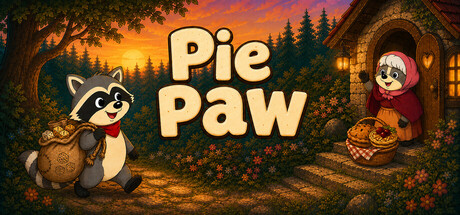
Pie Paw includes pre-generated, AI-assisted artwork used in the game and on the Steam store page. All such content is created before release, then reviewed, selected, and edited by the development team. The game does not use generative AI during gameplay and does not connect to external AI services.
This game uses AI-generated content for some background music, sound effects, and artwork/visual assets. All other content, including game design and code, was created by the developer.
Some store artwork (capsules, hero art, page background) was created with generative AI and then edited by hand. All in-game art, audio and text are hand-made or licensed. The game does not generate any content at runtime.
AI was used to assist with artwork as I am a solo dev with a very limited budget, however all final assets integrated into the game were manually refined and processed. All instances of AI will be removed as sales open up
Some marketing artwork for the store page (the capsule's sky, city backdrop, rain and lettering layers) was produced with generative image tools (OpenAI image generation, Google Gemini) and then composited and edited by hand. A few placeholder textures currently in the build (the city seen through the office window and its signs, and the sample sheets in the customization menu) were AI-generated and are scheduled to be replaced with licensed or hand-made art before release. AI coding and writing assistants were used during development for parts of the source code, documentation and drafts of store text; all game rules, design decisions and final art direction are the developer's own. The game does not generate content with AI at runtime.
Some of the artwork, audio, text, and program code in this game were created with the assistance of generative AI tools and were reviewed, edited, and integrated by the developer. The game does not use generative AI to create content in real time during gameplay.
Tumble's visual art (character and charm illustrations, backdrops, item sprites, and store capsule art) was generated with Google's Gemini image models and then selected, cropped, retouched, colour-matched and in many cases regenerated by hand against a fixed reference style until it fit the game. Music and sound effects were generated with Suno under a commercial licence, then cut, mixed and placed by hand.
The game's design, rules, balance, and code are not generated content. Every mechanic, number and line of player-facing text was written, tested and revised by the developer, including through automated balance simulation and four rounds of human playtesting.
No content is generated live during play. Nothing in Tumble is produced at runtime by an AI model; the game runs entirely offline with no model calls of any kind.
Generative AI tools were used in the creation of certain assets for Camedieo.
Each was reviewed, reworked and integrated by us so the finished product holds a single consistent direction.
Art direction steered asset creation, SFX, store capsule artwork and the logo were produced with generative AI assistance then hand-edited. No generative AI runs at runtime; the game generates no content live.
Some of the 2D artwork in this game — character portraits, monster illustrations, board tiles, backgrounds and store art — was created with the help of generative AI image tools, then reviewed, edited and assembled by the developer. All generated assets were checked before shipping. The game does not generate any content live during play: everything is pre-rendered and included in the build. Game design, rules, code, text and level layout were authored by the developer.
AI (WAN 2.2) was used to help generate idle animation frames from 100% original, human-made art. All animations were reviewed and curated by the developer before being included in the game.
Some visual assets used in the game and its promotional materials were created with the assistance of generative AI. The game does not generate AI content at runtime.
The game's art (plants, items, menu illustrations, store art) was made with the help of image generation tools and then edited and assembled by the developer. No AI content is generated while you play.
Tirona's development used AI tools for much of its 2D artwork (character portraits, card and scene illustrations, quest illustrations), some 3D models, the music (ElevenLabs) and the character voice performers' reference voices. All of it was selected, edited and placed by the developer, and ships as fixed game content.
While you play, a third-party large language model writes the narration and the dialogue of non-player characters in response to what you type or say. Character voices are synthesised locally on your PC from the generated text. You can optionally generate a portrait for your character from your creation choices.
The AI never decides the rules: dice, hit points, gold, items, experience, spells and quest progress change only through the game's own systems. Romance is opt-in, and anything sexual fades to black.
-AI was used in limited capacity during development to assist with lighting effects and animation assets. These outputs were reviewed, edited, and integrated by the development team. AI is not used to generate content dynamically during gameplay, and the game does not use live AI systems to create images, audio, text, animations, or other player-facing content.
Full disclaimer - Some code, artworks have been AI generated, through a custom model trained on images that were built specifically for the game with the kind assistance of a graphic designer friend of mine. I'm a solo dev with limited budget and I'm doing this out of passion - I just wouldn't have been able to build it without these tools
Generative AI tools were used during development to create 2D illustrations for in-game cards, environmental backgrounds, and store capsule graphics. All generated art assets have been curated, manually edited, and adapted for the game, ensuring they contain no copyrighted or infringing material.
Generative AI tools assisted with programming and development of The Construction Game and were used to create some promotional images. The game does not use generative AI to create content during gameplay.
AI tools were used to help create some of the content, which was then selected and edited by the developer: the store page capsule and library images, the achievement icons, some item art, the Reaper cutscene videos, and some voice lines. Most in-game art, sound effects and fonts come from licensed asset packs, and the game's design, writing and rules are hand-crafted by a game designer.
Some 2D pixel-art sprites and illustrations (fortune-game icons, items and backgrounds) were created with the help of AI image tools (PixelLab) and then edited and curated by our developer. All game text, fortune logic, code, sound and the cat character animations are made by the developer or licensed (CC0/OFL).
Generative AI assisted with pre-generated branding, Steam capsule and library artwork, store descriptions and translations. No content is generated by AI during gameplay.
Generative AI assisted with portions of the artwork, audio, code, and store promotional materials during development. These outputs were reviewed, adjusted, and integrated by the development team.
AI was used to generate the art, music, sound effects, the captains' short vocal reactions, the game text and the translations, all curated and reviewed by hand. Nothing is generated at runtime.
This game uses generative AI to help create pre-rendered store artwork, chapter illustrations, background music, and the official trailer. Game logic was drafted with AI assistance and reviewed by the developer.
All level design, gameplay mechanics, and in-game text are hand-authored. No copyrighted third-party material was used in any AI output.
The translations of this game into English, Spanish, Portuguese, Russian and Chinese were produced with the help of a large language model, working from the German original. The Spanish, Portuguese, Russian and Chinese versions are machine-made and are marked as beta inside the game. The text of this store page and the captions in the trailer were written the same way.
No image, no sound and no music in this game is AI-generated. The symbols come from historical alchemical plates, the witches from the Wellcome Collection, the cauldron from the Smithsonian, the reeds from an 1885 plant atlas.
Generative AI was used for reference images for some 3D models, materials and images, and store artwork. Certain portions of tooling workflows for asset creation are driven by AI agents. AI was also used to assist with written text and translations. All AI-assisted content, including AI-generated translations, was reviewed, edited, and approved by the development team before being included in the final game. No content is generated by AI during gameplay.
Pre-generated content only; nothing is generated at runtime. Some sound effects, Some textures and images, The in-game dialogue and the Spanish/English texts were written with the help of an AI assistant and reviewed by the developer.
Dicebound uses generative AI as part of the development process for some pre-generated content. This includes certain visual assets and promotional/store materials, as well as some drafting support for interface text and localization. All AI-assisted content has been reviewed, edited, and curated by the developer before being included in the game or on the store page. Dicebound does not use live generative AI during gameplay, and players cannot generate content through AI in-game.
Parts of Frag Party's artwork and translated text were produced with generative AI tools.
Artwork: the promotional key art that the store capsules are composed from, and a small number of
static wallpaper images used as backdrops behind a few of the challenges.
Text: the non-English interface translations (Spanish, French, Portuguese, Russian, Arabic and
Simplified Chinese). English is the original and was written by hand.
Everything else is human-made: all gameplay and code, the 3D characters, weapons and environments,
animation, interface layout and audio. Nothing is generated while you play, and the game does not
connect to any AI service.
Pre-generated content only. No AI generated content is produced at runtime during gameplay.
Some in-game text and its English localization were drafted with AI assistance and edited by the team.
All art, including card art, backgrounds, icons and UI, is created by our artist. AI image tools were used as visual reference during concept work only; no AI generated image ships in the game. No AI models are used for music or sound effects.
Some UI icons were generated using AI, then refined by our artists to suit the UI. All other artwork was created by hand. No AI content is generated during gameplay.
DEADLUCK V was created using generative AI, including its artwork, music, sound effects and written content. This content was generated during development. The game does not generate AI content or connect to AI services during gameplay.
As with most VTT systems, users are welcome to import assets made anywhere. Phroller makes it easier than ever. You can just drag the image or model files into the VTT directly from your browser or file system!
I want to encourage supporting real artists where we can though. As such I do my best to collaborate with real creatives on the vast Phroller libraries. Each one of the assets in the library has a field showing the artist behind it. If you like their work, please consider checking them out. Many of them are open for commissions as well! However, I cannot guarantee that assets or part of those assets were created with no AI use at all. A large amount of the assets are made before 2022 though, so we should be safe there.
While I do my best to make Phroller as user friendly as possible, it does still require a ton of instructions and manuals. Frontier models are used to keep some of the text up to date across rapid early access development. Sorry if it sounds robotic!
The game's user-interface text was written in English and Thai by the developer. The other 12 language files (interface and subtitles) were machine-translated with an AI language model, then reviewed and corrected by the developer. No artwork, music, sound, characters, game rules, or store assets were generated by AI. The game does not generate any content with AI at runtime and does not connect to any AI service.
Generative AI tools were used during development to help create artwork, including character and environment art, music, voice narration, story text, and promotional materials. These are pre-generated assets included in the game or its marketing. The game does not generate AI content during gameplay or connect to external AI services while playing.
Pre-generated content only, nothing is generated while you play. All image motifs (130 modifier cards, 44 enemy portraits, 24 dice, 5 items, 7 set emblems, the title logo) were generated with Google's Gemini image model from written prompts and then hand-reduced to the game's palette and pixel size. Music: the fight track was generated with Suno, the title, boss and shop tracks with Eleven Music (ElevenLabs). Thirteen sound effects (boss entrance, curse, win, loss, dice shaking, dice landing, clicks, coins) were generated with ElevenLabs Sound Generation; all remaining sounds are synthesized in code. Rules, code, texts and translations were written by the developer, with AI assistance during development.
In-game icons and background assets were generated with AI and then manually adjusted
Promotional images and promotional videos were generated with AI and then manually adjusted
All 2D artwork (characters, board, keeper portraits, medals, and store assets) was created with generative AI tools under the developer's direction and curation. The pipa melody was performed and recorded live by a human musician (the developer's wife); the surrounding arrangement was AI-assisted. Game design, writing, and code are human-authored with AI assistance. Localization into 17 languages was AI-assisted with human review. The game contains no live/runtime AI generation.
Artificial Intelligence was used to assist for the art, music, and development as this was built by a single person working a full time job. Your support is appreciated and we understand if this does not align with your values.
Pie Paw includes pre-generated, AI-assisted artwork used in the game and on the Steam store page. All such content is created before release, then reviewed, selected, and edited by the development team. The game does not use generative AI during gameplay and does not connect to external AI services.
This game uses AI-generated content for some background music, sound effects, and artwork/visual assets. All other content, including game design and code, was created by the developer.
Some store artwork (capsules, hero art, page background) was created with generative AI and then edited by hand. All in-game art, audio and text are hand-made or licensed. The game does not generate any content at runtime.
AI was used to assist with artwork as I am a solo dev with a very limited budget, however all final assets integrated into the game were manually refined and processed. All instances of AI will be removed as sales open up
Some marketing artwork for the store page (the capsule's sky, city backdrop, rain and lettering layers) was produced with generative image tools (OpenAI image generation, Google Gemini) and then composited and edited by hand. A few placeholder textures currently in the build (the city seen through the office window and its signs, and the sample sheets in the customization menu) were AI-generated and are scheduled to be replaced with licensed or hand-made art before release. AI coding and writing assistants were used during development for parts of the source code, documentation and drafts of store text; all game rules, design decisions and final art direction are the developer's own. The game does not generate content with AI at runtime.
Some of the artwork, audio, text, and program code in this game were created with the assistance of generative AI tools and were reviewed, edited, and integrated by the developer. The game does not use generative AI to create content in real time during gameplay.
Tumble's visual art (character and charm illustrations, backdrops, item sprites, and store capsule art) was generated with Google's Gemini image models and then selected, cropped, retouched, colour-matched and in many cases regenerated by hand against a fixed reference style until it fit the game. Music and sound effects were generated with Suno under a commercial licence, then cut, mixed and placed by hand.
The game's design, rules, balance, and code are not generated content. Every mechanic, number and line of player-facing text was written, tested and revised by the developer, including through automated balance simulation and four rounds of human playtesting.
No content is generated live during play. Nothing in Tumble is produced at runtime by an AI model; the game runs entirely offline with no model calls of any kind.
Generative AI tools were used in the creation of certain assets for Camedieo.
Each was reviewed, reworked and integrated by us so the finished product holds a single consistent direction.
Art direction steered asset creation, SFX, store capsule artwork and the logo were produced with generative AI assistance then hand-edited. No generative AI runs at runtime; the game generates no content live.
Some of the 2D artwork in this game — character portraits, monster illustrations, board tiles, backgrounds and store art — was created with the help of generative AI image tools, then reviewed, edited and assembled by the developer. All generated assets were checked before shipping. The game does not generate any content live during play: everything is pre-rendered and included in the build. Game design, rules, code, text and level layout were authored by the developer.
AI (WAN 2.2) was used to help generate idle animation frames from 100% original, human-made art. All animations were reviewed and curated by the developer before being included in the game.
Some visual assets used in the game and its promotional materials were created with the assistance of generative AI. The game does not generate AI content at runtime.