Public Steam disclosure research25,376 disclosures tracked
Where do games disclose AI use?
Search developers’ Steam disclosures, compare classified AI use across
games, and follow recorded changes.
This index adds cross-game classifications and statistics to
statements published on individual store pages.
Groups reflect automatic analysis of public disclosures; mature records are excluded. These counts do not measure AI use across all of Steam.
Missing or unclear statements cannot establish whether a game uses AI.
Generative AI tools were used to create music and visual artwork, including store and promotional images. These assets were generated before release and selected by the developer. No AI content is generated during gameplay.
Generative AI tools were used during development to create certain content included with the game:
Visual Art: Store/capsule art, character portraits, icons, UI illustrations, map visuals, and textures.
Audio: Narrator voiceovers generated using text-to-speech (TTS) tools, and select ambient sounds.
Music: A portion of the in-game music was generated using AI music tools.
Most of the 3D models appearing in this game, including the main protagonist and various objects, were generated and modeled using generative AI tools. While some of the programming code was also generated with the assistance of generative AI (such as Gemini), all tasks—including implementation, fine-tuning gameplay behaviors, overall game design, and adjustments—were carried out manually by a solo human developer.
Game text and translations were created with the help of AI tools. The public build has no AI voices; it has no voice acting yet. The art is not made with generative AI: it comes from free CC0 asset packs plus shapes and textures built in code. Sound effects are synthesized by our own scripts. Nothing is generated by AI while you play.
Some of the game's 3D models and artwork were created with the help of generative AI tools and then cleaned up and edited by hand. Parts of the store page text were drafted with AI assistance. The game does not generate any AI content while you play.
This game includes AI-generated content created during development.
Character portraits, illustrations and store artwork were generated with an image model and curated by the developer. Background music was generated with Google Lyria and contains SynthID watermarking.
Translations were produced with AI assistance. No AI content is generated while you play.
Generative AI tools were used during development to assist in creating pre-generated content included in the game and its Steam store presence. This includes selected in-game UI icons, unit and building artwork, other visual assets, Steam capsule and library artwork, promotional/store graphics, and AI-assisted localization and translated text. All AI-assisted content is pre-generated, reviewed, and manually selected by the developer before inclusion. The game does not use generative AI to generate content or code during gameplay and does not connect to external generative AI services while running.
AI-based coding assistants were used to help write this game's source code during development. The game contains no generative AI at runtime: the entire simulated world is created by deterministic, hand-authored procedural generation from a seed, not by AI.
Some 3D models were generated with AI tools (Meshy) and manually processed. Some in-game posters and paintings are AI-generated images. Store capsule artwork was generated with AI tools and edited by the developer. All AI-generated content was reviewed by the developer.
Parts of the artwork were created with generative AI tools and then retouched by hand: several background illustrations, the title logo, and the store page capsule images.
Text outside Japanese — the in-game English and the store page translations — was produced with the help of AI.
Nothing is generated by AI while the game is running.
The game uses static images and UI elements (including a cryptocurrency exchange chart) generated with AI tools. These assets were manually post-processed and integrated into the game. All game code, mechanics, audio, and original level design were created by the studio without AI generation.
Some of the art assets in this work are created using Image2.5, including but not limited to partial store page images, in-game scene graphics, loading screens, and select item icons.
Our team uses generative AI tools to assist with parts of the game's artwork, including some in-game art and store page images, and with first-pass translation of in-game text. All AI-assisted art and translations are reviewed, edited, and finalized by our team. Music and sound effects do not use AI. We hold the necessary rights to all content shipped in this game. No content is generated by AI at runtime.
The packaged offline model generates diplomatic communications and makes faction decisions from structured game state with curated personalities. Generative AI was used to assist in creating some pre-rendered artwork, including environment backgrounds, menu and branding art, icons, and promotional/title-card images. These assets were reviewed and integrated by the developer. Game does not connect to external AI services.
AI-assisted tools were used during the development of this game to help with portions of the programming process, the creation of some visual assets, and certain audio assets. All AI-assisted content was reviewed, refined, and integrated by the development team before release. The game does not use generative AI to create content during gameplay and does not rely on external AI services while running.
The visual assets in the game are generated using AI, including UI elements, map backgrounds, equipment icons, in-game items, and character animations.
The programming code of the game is generated using AI.
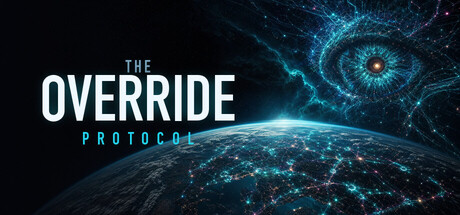
OVERRIDE ships some assets that were created with generative AI tools during development and are included pre-rendered in the game: part of the 2D artwork (store and library capsules, background images, and stylized fictional character portraits) and parts of the music/soundtrack. All game design, simulation, code, and in-game text are authored by the developer. The game does not generate any content live during play and does not connect to any external AI service.
Generative AI tools were used during the creation of some soundtracks for the game. All AI-generated audio assets have been carefully selected, reviewed, and edited to align with the game's atmosphere and aesthetic.
Some sound effects in this game were created with the help of generative AI tools, and edited by hand afterwards. All other assets — art, models, animation and design — were made or licensed by the developer without generative AI.
Some graphic and sound assets included in the game were created using generative AI tools during development. The game does not use real-time generative AI and does not connect to external AI services during gameplay.
All spoken roles were performed by the developer, Morph. Those recordings were then transformed into different character voices and accents using AI voice conversion and further processed with Logic Pro.
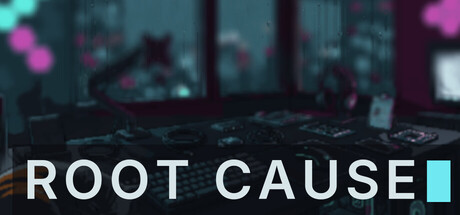
Root Cause is utilizes AI assets in the game. This content, when utilized, is generated during development, then curated, edited, and committed to the project before release. Nothing is generated while the game is running.
Items that may be generated:
Illustrated art.
UI/Interfaces
Icon Sets
Sounds and Music
Dialogue, case briefings, case content, and interface copy
Generative Al was used only to assist in creating two small decorative images displayed in picture frames in the game. All other game content, including the story, dialogue, gameplay, environments, assets, artwork, and promotional materials, was created by TommyXplore."
Generative AI tools were used to create selected pre-generated visual concept art and marketing assets. All AI-assisted material is created before release and reviewed by the development team. The game does not generate AI content during gameplay and does not connect to external AI services during play.
Some of this game's content was created with generative AI tools and then reviewed and edited by the developer. This includes visual assets (2D art, 3D models and characters), some in-game text and localization, and some audio. No content is generated by AI during gameplay.
Pre-rendered AI imagery was used to create some background looping elements, for example an in-game TV screen. All other artwork, narrative and character art and animation is created by hand.
Generative AI tools were used to assist in the creation of selected promotional and store artwork. During gameplay, players can also optionally use generative AI to create custom word sets and hints.
Generative AI tools were used during development to assist with creating some concept art, graphical assets, and text for the game and its Steam store page. All generated content was reviewed, edited, and integrated by the developer. No generative AI is used during gameplay.
Generative AI tools were used as an aid in creating this store page description and its translations into each language (all reviewed and edited by the developer).
quietd does not generate any content using AI during gameplay, and it does not connect to any external AI services.
AI was used to generate images depicting illegal substances and highly disturbing situations presented in the game. The Steam capsule and cover images were also generated using AI.
Generative AI was used as an assistant during development for drafting and editing store-page text, brainstorming, and code assistance. Final game assets, gameplay, implementation, and creative direction are reviewed and edited by the developer. No live-generated AI content is used during gameplay.
Artificial intelligence (AI) was leveraged for key aspects of the game's development, including in-game logic, support systems, and certain artistic assets.
Generative AI tools (including Tripo3D and Meshy) were used during development to generate base 3D models for characters and environment assets, which were then manually adjusted and refined. AI tools were also used to create ambient background textures for marketing materials and Steam capsule illustrations. No live-generated AI content is used during runtime.
Some visual assets used for HackMeNow’s Steam store page, community assets, and marketing materials were created with the assistance of generative AI tools and then reviewed/selected by the developer.
The game itself does not use live generative AI during gameplay. No AI system generates player-facing text, images, audio, code, missions, or other dynamic content while the game is being played.
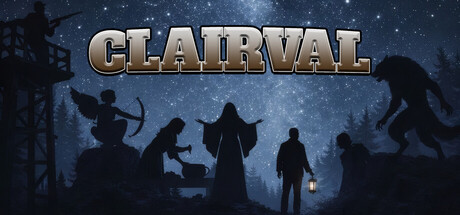
Clairval uses AI in the following limited ways:
1) Optional AI bot players: When a game host enables "Allow AI players", the server may fill empty seats with computer-controlled bot accounts at game start. These bots follow scripted server-side game logic (votes, night actions, chat). They are not powered by generative AI or large language models, and they do not learn from player conversations.
2) AI-generated visual assets (optional): Some provisional role card illustrations (placeholder JPG artwork) were created with AI-assisted tools during development. Final redrafted role cards (PNG) are human-made and always shown. Players can disable display of AI-generated placeholder art at any time in Account Settings → "Display AI-generated content?" (default: hidden until the player opts in).
Clairval does not use generative AI to create in-match dialogue, role assignments, game outcomes, moderation decisions, or real-time gameplay content. All core game rules and results are determined by the game server.
Some artworks on the gameplay to explain the story are generated by A.I with the developer's own detailed ideas.
Other works like coding, sound effects, map design, character design are by the developers.
Some designs use A.I to support of the creation, but they are customized, re-designed by the develooper.
The game DOES NOT include live-generated AI systems, chatbots, player-facing AI generation, or runtime generation of text, images, audio, or dialogue.
Some trivia questions were generated with the assistance of AI tools. However, all questions and answers have been manually reviewed, edited, and fact-checked by me before being included.
Generative AI tools were used to create music and visual artwork, including store and promotional images. These assets were generated before release and selected by the developer. No AI content is generated during gameplay.
Generative AI tools were used during development to create certain content included with the game:
Visual Art: Store/capsule art, character portraits, icons, UI illustrations, map visuals, and textures.
Audio: Narrator voiceovers generated using text-to-speech (TTS) tools, and select ambient sounds.
Music: A portion of the in-game music was generated using AI music tools.
Most of the 3D models appearing in this game, including the main protagonist and various objects, were generated and modeled using generative AI tools. While some of the programming code was also generated with the assistance of generative AI (such as Gemini), all tasks—including implementation, fine-tuning gameplay behaviors, overall game design, and adjustments—were carried out manually by a solo human developer.
Game text and translations were created with the help of AI tools. The public build has no AI voices; it has no voice acting yet. The art is not made with generative AI: it comes from free CC0 asset packs plus shapes and textures built in code. Sound effects are synthesized by our own scripts. Nothing is generated by AI while you play.
Some of the game's 3D models and artwork were created with the help of generative AI tools and then cleaned up and edited by hand. Parts of the store page text were drafted with AI assistance. The game does not generate any AI content while you play.
This game includes AI-generated content created during development.
Character portraits, illustrations and store artwork were generated with an image model and curated by the developer. Background music was generated with Google Lyria and contains SynthID watermarking.
Translations were produced with AI assistance. No AI content is generated while you play.
Generative AI tools were used during development to assist in creating pre-generated content included in the game and its Steam store presence. This includes selected in-game UI icons, unit and building artwork, other visual assets, Steam capsule and library artwork, promotional/store graphics, and AI-assisted localization and translated text. All AI-assisted content is pre-generated, reviewed, and manually selected by the developer before inclusion. The game does not use generative AI to generate content or code during gameplay and does not connect to external generative AI services while running.
AI-based coding assistants were used to help write this game's source code during development. The game contains no generative AI at runtime: the entire simulated world is created by deterministic, hand-authored procedural generation from a seed, not by AI.
Some 3D models were generated with AI tools (Meshy) and manually processed. Some in-game posters and paintings are AI-generated images. Store capsule artwork was generated with AI tools and edited by the developer. All AI-generated content was reviewed by the developer.
Parts of the artwork were created with generative AI tools and then retouched by hand: several background illustrations, the title logo, and the store page capsule images.
Text outside Japanese — the in-game English and the store page translations — was produced with the help of AI.
Nothing is generated by AI while the game is running.
The game uses static images and UI elements (including a cryptocurrency exchange chart) generated with AI tools. These assets were manually post-processed and integrated into the game. All game code, mechanics, audio, and original level design were created by the studio without AI generation.
Some of the art assets in this work are created using Image2.5, including but not limited to partial store page images, in-game scene graphics, loading screens, and select item icons.
Our team uses generative AI tools to assist with parts of the game's artwork, including some in-game art and store page images, and with first-pass translation of in-game text. All AI-assisted art and translations are reviewed, edited, and finalized by our team. Music and sound effects do not use AI. We hold the necessary rights to all content shipped in this game. No content is generated by AI at runtime.
The packaged offline model generates diplomatic communications and makes faction decisions from structured game state with curated personalities. Generative AI was used to assist in creating some pre-rendered artwork, including environment backgrounds, menu and branding art, icons, and promotional/title-card images. These assets were reviewed and integrated by the developer. Game does not connect to external AI services.
AI-assisted tools were used during the development of this game to help with portions of the programming process, the creation of some visual assets, and certain audio assets. All AI-assisted content was reviewed, refined, and integrated by the development team before release. The game does not use generative AI to create content during gameplay and does not rely on external AI services while running.
The visual assets in the game are generated using AI, including UI elements, map backgrounds, equipment icons, in-game items, and character animations.
The programming code of the game is generated using AI.
OVERRIDE ships some assets that were created with generative AI tools during development and are included pre-rendered in the game: part of the 2D artwork (store and library capsules, background images, and stylized fictional character portraits) and parts of the music/soundtrack. All game design, simulation, code, and in-game text are authored by the developer. The game does not generate any content live during play and does not connect to any external AI service.
Generative AI tools were used during the creation of some soundtracks for the game. All AI-generated audio assets have been carefully selected, reviewed, and edited to align with the game's atmosphere and aesthetic.
Some sound effects in this game were created with the help of generative AI tools, and edited by hand afterwards. All other assets — art, models, animation and design — were made or licensed by the developer without generative AI.
Some graphic and sound assets included in the game were created using generative AI tools during development. The game does not use real-time generative AI and does not connect to external AI services during gameplay.
All spoken roles were performed by the developer, Morph. Those recordings were then transformed into different character voices and accents using AI voice conversion and further processed with Logic Pro.
Root Cause is utilizes AI assets in the game. This content, when utilized, is generated during development, then curated, edited, and committed to the project before release. Nothing is generated while the game is running.
Items that may be generated:
Illustrated art.
UI/Interfaces
Icon Sets
Sounds and Music
Dialogue, case briefings, case content, and interface copy
Generative Al was used only to assist in creating two small decorative images displayed in picture frames in the game. All other game content, including the story, dialogue, gameplay, environments, assets, artwork, and promotional materials, was created by TommyXplore."
Generative AI tools were used to create selected pre-generated visual concept art and marketing assets. All AI-assisted material is created before release and reviewed by the development team. The game does not generate AI content during gameplay and does not connect to external AI services during play.
Some of this game's content was created with generative AI tools and then reviewed and edited by the developer. This includes visual assets (2D art, 3D models and characters), some in-game text and localization, and some audio. No content is generated by AI during gameplay.
Pre-rendered AI imagery was used to create some background looping elements, for example an in-game TV screen. All other artwork, narrative and character art and animation is created by hand.
Generative AI tools were used to assist in the creation of selected promotional and store artwork. During gameplay, players can also optionally use generative AI to create custom word sets and hints.
Generative AI tools were used during development to assist with creating some concept art, graphical assets, and text for the game and its Steam store page. All generated content was reviewed, edited, and integrated by the developer. No generative AI is used during gameplay.
Generative AI tools were used as an aid in creating this store page description and its translations into each language (all reviewed and edited by the developer).
quietd does not generate any content using AI during gameplay, and it does not connect to any external AI services.
AI was used to generate images depicting illegal substances and highly disturbing situations presented in the game. The Steam capsule and cover images were also generated using AI.
Generative AI was used as an assistant during development for drafting and editing store-page text, brainstorming, and code assistance. Final game assets, gameplay, implementation, and creative direction are reviewed and edited by the developer. No live-generated AI content is used during gameplay.
Artificial intelligence (AI) was leveraged for key aspects of the game's development, including in-game logic, support systems, and certain artistic assets.
Generative AI tools (including Tripo3D and Meshy) were used during development to generate base 3D models for characters and environment assets, which were then manually adjusted and refined. AI tools were also used to create ambient background textures for marketing materials and Steam capsule illustrations. No live-generated AI content is used during runtime.
Some visual assets used for HackMeNow’s Steam store page, community assets, and marketing materials were created with the assistance of generative AI tools and then reviewed/selected by the developer.
The game itself does not use live generative AI during gameplay. No AI system generates player-facing text, images, audio, code, missions, or other dynamic content while the game is being played.
Clairval uses AI in the following limited ways:
1) Optional AI bot players: When a game host enables "Allow AI players", the server may fill empty seats with computer-controlled bot accounts at game start. These bots follow scripted server-side game logic (votes, night actions, chat). They are not powered by generative AI or large language models, and they do not learn from player conversations.
2) AI-generated visual assets (optional): Some provisional role card illustrations (placeholder JPG artwork) were created with AI-assisted tools during development. Final redrafted role cards (PNG) are human-made and always shown. Players can disable display of AI-generated placeholder art at any time in Account Settings → "Display AI-generated content?" (default: hidden until the player opts in).
Clairval does not use generative AI to create in-match dialogue, role assignments, game outcomes, moderation decisions, or real-time gameplay content. All core game rules and results are determined by the game server.
Some artworks on the gameplay to explain the story are generated by A.I with the developer's own detailed ideas.
Other works like coding, sound effects, map design, character design are by the developers.
Some designs use A.I to support of the creation, but they are customized, re-designed by the develooper.
The game DOES NOT include live-generated AI systems, chatbots, player-facing AI generation, or runtime generation of text, images, audio, or dialogue.
Some trivia questions were generated with the assistance of AI tools. However, all questions and answers have been manually reviewed, edited, and fact-checked by me before being included.