Public Steam disclosure research25,376 disclosures tracked
Where do games disclose AI use?
Search developers’ Steam disclosures, compare classified AI use across
games, and follow recorded changes.
This index adds cross-game classifications and statistics to
statements published on individual store pages.
Groups reflect automatic analysis of public disclosures; mature records are excluded. These counts do not measure AI use across all of Steam.
Missing or unclear statements cannot establish whether a game uses AI.
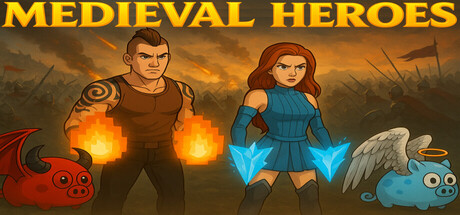
Some in-game text (event and dilemma card writing, UI copy) and the store description were drafted with AI assistance and then reviewed and edited by the developer. The game's non-English translations (French, Italian, German, Spanish, Portuguese-Brazil, Polish, Ukrainian, Japanese) were AI-translated drafts and are being reviewed. No AI generates content while the game is running, and the game makes no network calls to AI services. The logo/key art was created with AI image tools and edited by the developer
We used AI tools to assist with parts of development: writing some of the game code, changing the colors of existing 2D textures, and localizing the game's text into other languages. All AI-assisted results were reviewed and edited by our team.
The remake's 3D robots, arenas and animation were produced with AI-assisted generation tools (image-to-3D and image generation) from the original game's designs, then authored, repaired and reviewed by hand in Blender and Unreal. The menu art shown in HD is AI-remastered from the original game's pictures, and the store page artwork was AI-generated from renders of our in-game robots. All AI content is pre-made during development; nothing is generated while you play. The music and sound effects are the original recordings, remastered without AI.
Generative AI was used during development to assist in creating some pre-generated game assets, such as sound effects and visual content. No AI-generated content is created during gameplay.
Tug-O-War Wrestling uses a locally-run AI model (Llama) to control enemy wrestler behaviour and decision-making during matches. This AI is not used to generate any art, audio, dialogue, or other player-facing content - all in-game content is human-created.
Generative AI was used to assist in creating certain decorative user interface elements, and background graphics. All gameplay systems, mechanics, programming, game design, and core game content were created and curated by the development team.
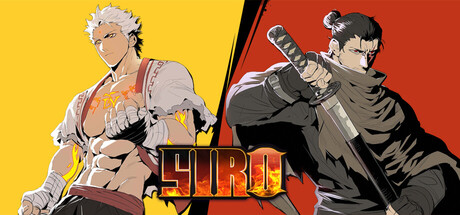
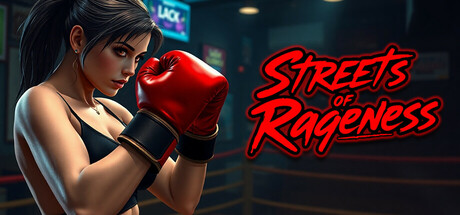
We used generative AI on fighter portraits for deeper immersion and as a pre-production tool for early concept layouts. From there, all character assets and visual elements were extensively edited and manually hand-painted by human artists to ensure high visual quality and artistic control.
This game was built in a basement by a dad of 3 with claude, gemini, grok, copilot and chat gpt, all pitched in with various parts. some of the backgrounds and icons atrwork had ai refinement in the process but were all reformatted and redrawn as conceptualized by dev
Ridiculous Games employs artists, designers and programmers to make our games. We used generative AI to help create this game. It's part of what lets a small team build a game like this. We believe in being transparent about the tools we use, but they're only tools. Every part of this game is reviewed, refined, and curated by our team to meet our creative vision and quality standards, and we hope you'll enjoy the game for the experience it delivers.
LLM coding tools were used to assist programming and for localizing text into non-English languages. No AI tools were used in the art process, audio, game design, or balancing. No version prior to 0.9 contained LLM output.
Generative Artificial Intelligence used in this game includes:
- Sound Effects (SFX)
- BGM cover (AI covers based on medley composed by Author)
- Refining textures, icons
Generative AI was used in a limited, assistive role during development. All final content has been curated, refined, and approved by the developer to meet the game’s creative direction and quality expectations.
Generative artificial intelligence tools were used to assist with creating and iterating on some audio, visual, and code assets. All AI-assisted content was manually reviewed, edited, and integrated by the developer.
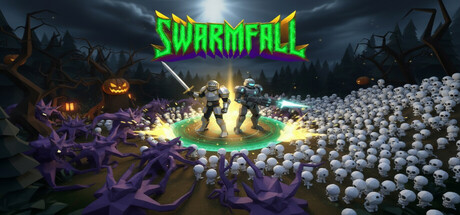
SWARMFALL uses generative AI only for the following 2D images:
Hero icons / profile pictures displayed in the UI and on the store page
Some marketing assets (Steam capsules, banners) and trailer music
All other content — 3D character models, levels, environments, gameplay mechanics and code — was created by hand in Blender or built from royalty-free assets, with no AI. No content is generated by AI during gameplay or in real-time.
Game Demon uses large language models (Llama 3.1/3.3 via Groq API, plus optional local Ollama inference) to generate coaching text in real time from the user's match data. Vision models analyze user-sampled frames. No user content is sent to third parties without explicit opt-in. No generative images or audio in final output.
"During the development process, we used generative AI tools solely to assist in creating icons for in-game upgrades. All AI-generated assets have been manually refined by our development team to ensure they align with our creative vision and the game's overall aesthetic."
I'm a solo game developer. I use AI for checking spelling, grammar, some text generation for in-game item description, marketing material to make sure the English content is well presented to the players. Because English is not my native langue.
Some store artwork and promotional images were created with the assistance of AI image generation tools. All game logic, commentary text, fight simulation, and gameplay content are authored by the developer using traditional programming — no generative AI is used during gameplay.
This game uses generative artificial intelligence to enhance visual design and branding assets.
Specifically, AI-assisted tools were used to create promotional images such as logos, capsule art, and background illustrations. These assets were refined and directed by the developer to match the game’s theme and tone. No generative AI is used in gameplay, character behavior, or user-generated content.
The translations in this game (excluding English and Polish) were prepared with the assistance of artificial intelligence. Each text has been verified and edited by the developer.
Some of the promotional and storefront images were created with AI tools and then refined by hand. All of the in-game assets were designed by a 3D artist.
The app was developed through both my own coding effort, as well as back and forth coding prompts with ChatGPT 5. Additionally, art assets were generated through use of ChatGPT 5.
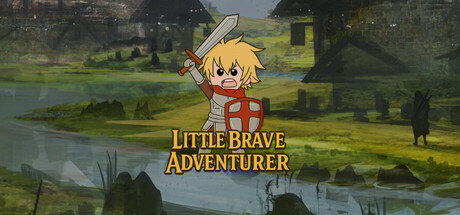
Main logo picture is AI adjusted.
However, The rest of the pictures like the adventurer inside the game after selection like The player character and monsters are fully hand drawn by a person I know.
Background pictures might have AI in them as i didnt make them but they are free pictures to use. (Ive checked this before adding them into the game)
The game dont use any AI to sort itself or any fighting mechanic in the game as ive made the code myself.
AI tools were used to help generate some visual assets and store page materials (images and text). The developer curated, modified, and finalized all content to ensure it fits the game’s style and design.
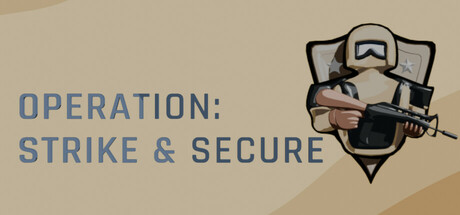
Operation: Strike & Secure uses generative artificial intelligence to create certain visual elements, including the background image of its main menu. This image was generated using an AI tool to bring a unique and immersive aesthetic to the game interface. However, no AI is used to generate real-time content during gameplay, and all other visual and mechanical elements were created and verified by the development team. The AI-generated image meets copyright requirements and has been carefully checked to ensure it fits the theme and atmosphere of the game.
Our game does not use AI in gameplay, character behavior, or system design.
A small portion of the game's artwork was created using AI-assisted tools during the development process.
All other assets and content were manually created by our team.
Some in-game text (event and dilemma card writing, UI copy) and the store description were drafted with AI assistance and then reviewed and edited by the developer. The game's non-English translations (French, Italian, German, Spanish, Portuguese-Brazil, Polish, Ukrainian, Japanese) were AI-translated drafts and are being reviewed. No AI generates content while the game is running, and the game makes no network calls to AI services. The logo/key art was created with AI image tools and edited by the developer
We used AI tools to assist with parts of development: writing some of the game code, changing the colors of existing 2D textures, and localizing the game's text into other languages. All AI-assisted results were reviewed and edited by our team.
The remake's 3D robots, arenas and animation were produced with AI-assisted generation tools (image-to-3D and image generation) from the original game's designs, then authored, repaired and reviewed by hand in Blender and Unreal. The menu art shown in HD is AI-remastered from the original game's pictures, and the store page artwork was AI-generated from renders of our in-game robots. All AI content is pre-made during development; nothing is generated while you play. The music and sound effects are the original recordings, remastered without AI.
Generative AI was used during development to assist in creating some pre-generated game assets, such as sound effects and visual content. No AI-generated content is created during gameplay.
Tug-O-War Wrestling uses a locally-run AI model (Llama) to control enemy wrestler behaviour and decision-making during matches. This AI is not used to generate any art, audio, dialogue, or other player-facing content - all in-game content is human-created.
Generative AI was used to assist in creating certain decorative user interface elements, and background graphics. All gameplay systems, mechanics, programming, game design, and core game content were created and curated by the development team.
We used generative AI on fighter portraits for deeper immersion and as a pre-production tool for early concept layouts. From there, all character assets and visual elements were extensively edited and manually hand-painted by human artists to ensure high visual quality and artistic control.
This game was built in a basement by a dad of 3 with claude, gemini, grok, copilot and chat gpt, all pitched in with various parts. some of the backgrounds and icons atrwork had ai refinement in the process but were all reformatted and redrawn as conceptualized by dev
Ridiculous Games employs artists, designers and programmers to make our games. We used generative AI to help create this game. It's part of what lets a small team build a game like this. We believe in being transparent about the tools we use, but they're only tools. Every part of this game is reviewed, refined, and curated by our team to meet our creative vision and quality standards, and we hope you'll enjoy the game for the experience it delivers.
LLM coding tools were used to assist programming and for localizing text into non-English languages. No AI tools were used in the art process, audio, game design, or balancing. No version prior to 0.9 contained LLM output.
Generative Artificial Intelligence used in this game includes:
- Sound Effects (SFX)
- BGM cover (AI covers based on medley composed by Author)
- Refining textures, icons
Generative AI was used in a limited, assistive role during development. All final content has been curated, refined, and approved by the developer to meet the game’s creative direction and quality expectations.
Generative artificial intelligence tools were used to assist with creating and iterating on some audio, visual, and code assets. All AI-assisted content was manually reviewed, edited, and integrated by the developer.
SWARMFALL uses generative AI only for the following 2D images:
Hero icons / profile pictures displayed in the UI and on the store page
Some marketing assets (Steam capsules, banners) and trailer music
All other content — 3D character models, levels, environments, gameplay mechanics and code — was created by hand in Blender or built from royalty-free assets, with no AI. No content is generated by AI during gameplay or in real-time.
Game Demon uses large language models (Llama 3.1/3.3 via Groq API, plus optional local Ollama inference) to generate coaching text in real time from the user's match data. Vision models analyze user-sampled frames. No user content is sent to third parties without explicit opt-in. No generative images or audio in final output.
"During the development process, we used generative AI tools solely to assist in creating icons for in-game upgrades. All AI-generated assets have been manually refined by our development team to ensure they align with our creative vision and the game's overall aesthetic."
I'm a solo game developer. I use AI for checking spelling, grammar, some text generation for in-game item description, marketing material to make sure the English content is well presented to the players. Because English is not my native langue.
Some store artwork and promotional images were created with the assistance of AI image generation tools. All game logic, commentary text, fight simulation, and gameplay content are authored by the developer using traditional programming — no generative AI is used during gameplay.
This game uses generative artificial intelligence to enhance visual design and branding assets.
Specifically, AI-assisted tools were used to create promotional images such as logos, capsule art, and background illustrations. These assets were refined and directed by the developer to match the game’s theme and tone. No generative AI is used in gameplay, character behavior, or user-generated content.
The translations in this game (excluding English and Polish) were prepared with the assistance of artificial intelligence. Each text has been verified and edited by the developer.
Some of the promotional and storefront images were created with AI tools and then refined by hand. All of the in-game assets were designed by a 3D artist.
The app was developed through both my own coding effort, as well as back and forth coding prompts with ChatGPT 5. Additionally, art assets were generated through use of ChatGPT 5.
Main logo picture is AI adjusted.
However, The rest of the pictures like the adventurer inside the game after selection like The player character and monsters are fully hand drawn by a person I know.
Background pictures might have AI in them as i didnt make them but they are free pictures to use. (Ive checked this before adding them into the game)
The game dont use any AI to sort itself or any fighting mechanic in the game as ive made the code myself.
AI tools were used to help generate some visual assets and store page materials (images and text). The developer curated, modified, and finalized all content to ensure it fits the game’s style and design.
Operation: Strike & Secure uses generative artificial intelligence to create certain visual elements, including the background image of its main menu. This image was generated using an AI tool to bring a unique and immersive aesthetic to the game interface. However, no AI is used to generate real-time content during gameplay, and all other visual and mechanical elements were created and verified by the development team. The AI-generated image meets copyright requirements and has been carefully checked to ensure it fits the theme and atmosphere of the game.
Our game does not use AI in gameplay, character behavior, or system design.
A small portion of the game's artwork was created using AI-assisted tools during the development process.
All other assets and content were manually created by our team.