








Disclosure
AI used for graphics, translations, and sounds.
- Creator
- Kemonocept
- Reviews
- -
- Added
- Oct 12, 2026
Public Steam disclosure research 25,497 disclosures tracked
Search developers’ Steam disclosures, compare classified AI use across games, and follow recorded changes. This index adds cross-game classifications and statistics to statements published on individual store pages.
Code help, debugging and other development work.
Capsule art, trailers and promotional material.
Pre-made art, audio, writing and other game assets.
Interactive or runtime AI features disclosed by the developer.
Groups reflect automatic analysis of public disclosures; mature records are excluded. These counts do not measure AI use across all of Steam. Missing or unclear statements cannot establish whether a game uses AI.
AI used for graphics, translations, and sounds.
Lore is currently AI-written while in development and for the demo release; exclusively human-written lore is expected for the final release.
This game uses generative AI for the translations into all languages other than Japanese, the background music and some sound effects, and some of the artwork and icons. In the Comeback Challenge, an external AI service is used to judge whether an answer correctly names the prompt. The only player data sent to the AI is the text of the answer, and only a correct/incorrect result is returned. The AI does not generate or display any text or images during gameplay.
Generative AI was used during development to assist in creating and refining some pre-generated artwork, audio elements, text, and localized text. All content included with the game was selected, edited, and reviewed by the developer. The game does not generate AI content during gameplay and does not connect to external AI services.
Some visual assets and store-related materials for this game were created with generative AI assistance, then reviewed and edited by humans before inclusion. In-game opponents use traditional search and position evaluation; moves are not generated by generative AI at runtime.
AI tools were used to assist in creating some visual assets and sound effects for this game.
The Game Logo was inspired by AI, everything else is procedurally generated shapes through code.
Crie au loup is made with AI, from the first prototype to the illustrations. That is not a manufacturing detail: it is as much the project as the game itself. My role is not a craftsman's: I painted no card, and I did not write the code line by line. I designed the system, I direct it, I arbitrate and I verify. Deciding what makes it into the game, what gets redone, what gets cut: that is production work, and it is mine. What is generated: the creature and location artwork, the interface, a large share of the code and the writing. What is measured rather than assumed: card balance, computed over thousands of simulated matches before every update. What is verified: the historical sources behind every legend, published one by one on the official site, where you can open them and prove me wrong. What is never generated is your match. No image, no text and no game decision comes out of a model while you play: the engine is deterministic, and the solo opponent is a classic program applying the rules. Crie au loup is one of the projects I run around generative AI, and the only one you can play. The making-of is documented without varnish in the devlog on the official site.
Generative AI tools were used during development to create the artwork and audio used throughout the game. The generated assets were reviewed, selected, edited as needed, and incorporated into the final game by the developer.
This game uses generative AI to create some character sprites, event CGs, backgrounds, and other in-game images. Some translations are also created using generative AI. These AI-generated assets are used as part of the game's content, as well as in images displayed on the game's store page. The game does not use generative AI to generate content in real time based on player input.
Generative AI was used near the end of the development process to make the colored fur on the wolves seen in the cinematic video and also used side by side with the developer to create a simple but clean UI (user interface).
Some card artwork, character illustrations, and marketing text were created with the assistance of generative AI tools, then reviewed, edited, and curated by the developer. All game design and code direction is human-led. No AI content is generated live during gameplay.
The images of the improvements, the owl and part of soundtrack were created using artificial intelligence.
Generative AI tools are used to create some background images and marketing materials, as well as to assist with the animation production process. The final assets are adjusted by the development team.
Pueblo Duerme uses generative AI during gameplay to create short in-game text chat messages for bot players in social deduction matches. The game includes local Qwen3 GGUF models that run on the player's PC through a local llama-server process, with Quality and Performance modes available in the settings menu. Player messages are not sent to an external AI service. The system is limited to gameplay dialogue and uses validation and fallback responses to keep messages within the game's rules.
Generative AI has been used when creating some of the images in the menu and as well as when editing some parts of the audio tracks.
Most art has been hand-crafted but some art has been assisted by generative AI. Art assisted by generative AI includes UI Icons, monsters, items and marketing promotional art. All ingame art has been finalized by hand.
English (AI Disclosure) This game includes AI-assisted NPC dialogue and text generation to create dynamic conversations and world events. AI-generated text is reviewed and integrated by the developer before release. The game does not generate images, audio, or code on the player's device. AI is used to enhance dialogue variety and immersive world interactions while core gameplay, progression, and game systems are designed by the developer.
Godwright ships some generative-AI content, all pre-rendered (baked into the build, never live-generated): Localization: the non-English UI text (Simplified Chinese, Spanish, Portuguese-BR, Russian, German, French, Japanese, Korean, Turkish, Indonesian) was machine-translated.
AI tools were used during development to assist with writing and improving the game’s C# code. All AI-assisted code was reviewed, manually adjusted, and fully tested by the developer. No AI is used during gameplay, and no AI-generated assets (such as images or sounds) are included in the final game
The game uses AI for art assets and development.
AI assisted in the game design and development.
AI generates a few images and icons, reviewed manually.
| Title⇅ | Disclosure | Creator⇅ | Src | Reviews⇅ | Added↓ |
|---|---|---|---|---|---|
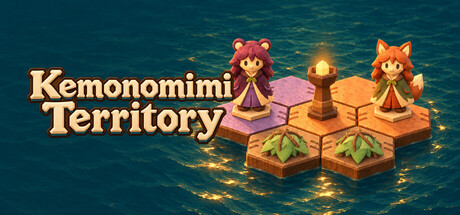 Kemonomimi Territory In-game content arttextaudio | AI used for graphics, translations, and sounds. | Kemonocept | - | Oct 12, 2026 | |
 Stake In-game content text | Lore is currently AI-written while in development and for the demo release; exclusively human-written lore is expected for the final release. | HessTech Games | - | Oct 1, 2026 | |
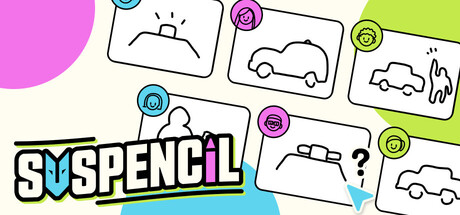 Suspencil Live AI audioarttext | This game uses generative AI for the translations into all languages other than Japanese, the background music and some sound effects, and some of the artwork and icons.
In the Comeback Challenge, an external AI service is used to judge whether an answer correctly names the prompt. The only player data sent to the AI is the text of the answer, and only a correct/incorrect result is returned. The AI does not generate or display any text or images during gameplay. | KUROKIRI GAMES | - | Sep 27, 2026 | |
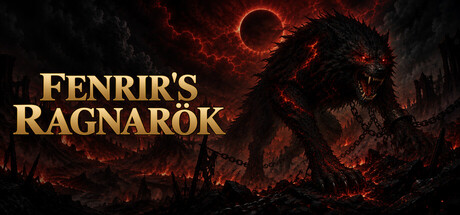 Fenrir's Ragnarök In-game content artaudiotext | Generative AI was used during development to assist in creating and refining some pre-generated artwork, audio elements, text, and localized text. All content included with the game was selected, edited, and reviewed by the developer. The game does not generate AI content during gameplay and does not connect to external AI services. | IndigoTales | - | Sep 25, 2026 | |
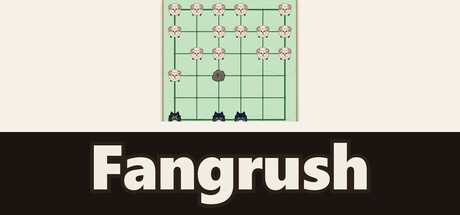 Fangrush In-game content art | Some visual assets and store-related materials for this game were created with generative AI assistance, then reviewed and edited by humans before inclusion. In-game opponents use traditional search and position evaluation; moves are not generated by generative AI at runtime. | Fangrush | - | Sep 24, 2026 | |
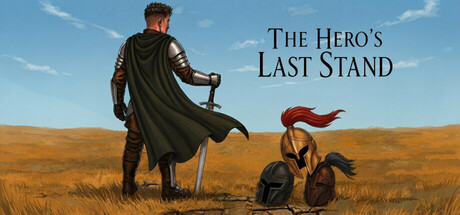 The Hero's Last Stand In-game content artaudio | AI tools were used to assist in creating some visual assets and sound effects for this game. | WolfSword Studio | - | Sep 24, 2026 | |
 Last Ranger Store/marketing art | The Game Logo was inspired by AI, everything else is procedurally generated shapes through code. | Aspect Digital Software Ltd | - | Sep 6, 2026 | |
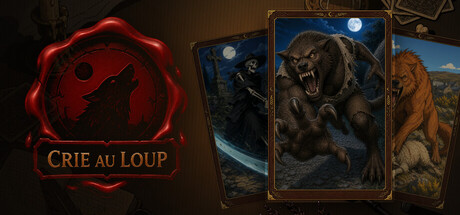 Crie au loup In-game content arttextcode | Crie au loup is made with AI, from the first prototype to the illustrations. That is not a manufacturing detail: it is as much the project as the game itself.
My role is not a craftsman's: I painted no card, and I did not write the code line by line. I designed the system, I direct it, I arbitrate and I verify. Deciding what makes it into the game, what gets redone, what gets cut: that is production work, and it is mine.
What is generated: the creature and location artwork, the interface, a large share of the code and the writing. What is measured rather than assumed: card balance, computed over thousands of simulated matches before every update. What is verified: the historical sources behind every legend, published one by one on the official site, where you can open them and prove me wrong.
What is never generated is your match. No image, no text and no game decision comes out of a model while you play: the engine is deterministic, and the solo opponent is a classic program applying the rules.
Crie au loup is one of the projects I run around generative AI, and the only one you can play. The making-of is documented without varnish in the devlog on the official site. | NXUS | - | Sep 3, 2026 | |
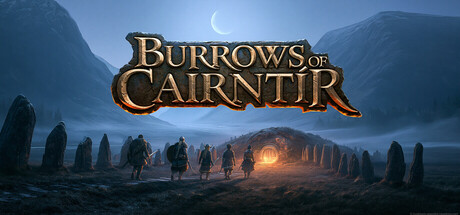 Burrows of Cairntir In-game content artaudio | Generative AI tools were used during development to create the artwork and audio used throughout the game. The generated assets were reviewed, selected, edited as needed, and incorporated into the final game by the developer. | Cairntir Games | - | Sep 1, 2026 | |
 LUNATIC CAMPUS In-game content arttext | This game uses generative AI to create some character sprites, event CGs, backgrounds, and other in-game images. Some translations are also created using generative AI. These AI-generated assets are used as part of the game's content, as well as in images displayed on the game's store page. The game does not use generative AI to generate content in real time based on player input. | Studio Dogjira | - | Sep 1, 2026 | |
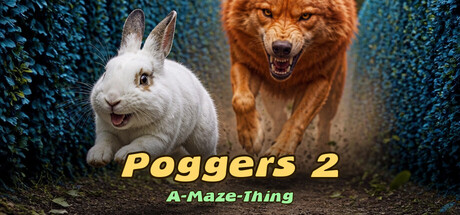 Poggers 2 In-game content art | Generative AI was used near the end of the development process to make the colored fur on the wolves seen in the cinematic video and also used side by side with the developer to create a simple but clean UI (user interface). | ZaxtorGameS | - | Aug 23, 2026 | |
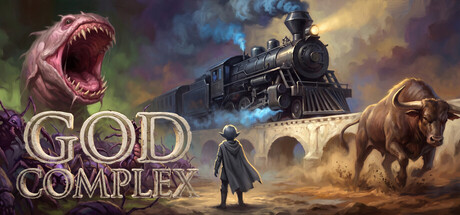 God Complex In-game content arttext | Some card artwork, character illustrations, and marketing text were created with the assistance of generative AI tools, then reviewed, edited, and curated by the developer. All game design and code direction is human-led. No AI content is generated live during gameplay. | Escaping Inevitability Games | - | Aug 22, 2026 | |
 SOVA NA SKAKALKE In-game content artaudio | The images of the improvements, the owl and part of soundtrack were created using artificial intelligence. | Quiet River | - | Aug 8, 2026 | |
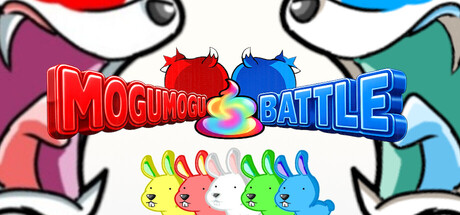 モグモグ!クソバトル In-game content art | Generative AI tools are used to create some background images and marketing materials, as well as to assist with the animation production process. The final assets are adjusted by the development team. | BoreBoreKick | - | Jul 18, 2026 | |
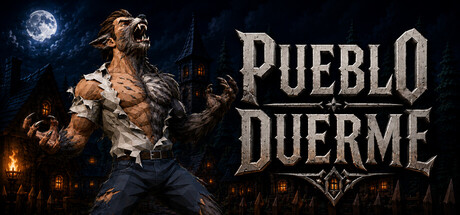 Pueblo Duerme Live AI text | Pueblo Duerme uses generative AI during gameplay to create short in-game text chat messages for bot players in social deduction matches. The game includes local Qwen3 GGUF models that run on the player's PC through a local llama-server process, with Quality and Performance modes available in the settings menu. Player messages are not sent to an external AI service. The system is limited to gameplay dialogue and uses validation and fallback responses to keep messages within the game's rules. | D-Games | - | Jul 13, 2026 | |
 Giraffe Champion 3: Halloween Party & The Ghost Guitar In-game content artaudio | Generative AI has been used when creating some of the images in the menu and as well as when editing some parts of the audio tracks. | John Ramstedt | - | Jul 7, 2026 | |
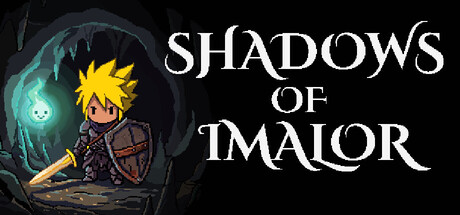 Shadows of Imalor In-game content art | Most art has been hand-crafted but some art has been assisted by generative AI. Art assisted by generative AI includes UI Icons, monsters, items and marketing promotional art. All ingame art has been finalized by hand. | Edling Interactive | - | Jul 7, 2026 | |
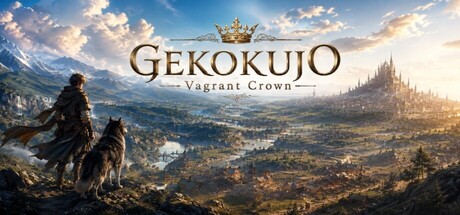 GEKOKUJO: Vagrant Crown Live AI text | English (AI Disclosure)
This game includes AI-assisted NPC dialogue and text generation to create dynamic conversations and world events. AI-generated text is reviewed and integrated by the developer before release.
The game does not generate images, audio, or code on the player's device. AI is used to enhance dialogue variety and immersive world interactions while core gameplay, progression, and game systems are designed by the developer. | Shirokuro Games | - | Jul 2, 2026 | |
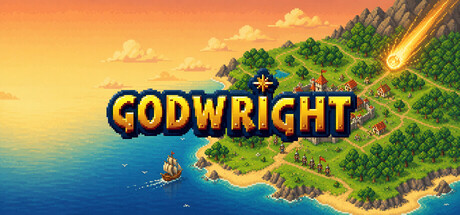 GodWright In-game content text | Godwright ships some generative-AI content, all pre-rendered (baked into the build, never live-generated):
Localization: the non-English UI text (Simplified Chinese, Spanish, Portuguese-BR, Russian, German, French, Japanese, Korean, Turkish, Indonesian) was machine-translated. | Jace Sleeman | - | Jun 27, 2026 | |
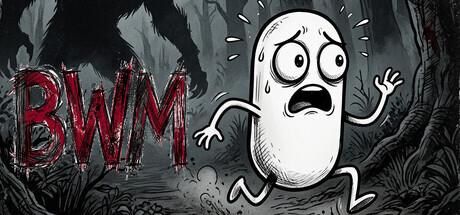 BWM Dev only code | AI tools were used during development to assist with writing and improving the game’s C# code. All AI-assisted code was reviewed, manually adjusted, and fully tested by the developer. No AI is used during gameplay, and no AI-generated assets (such as images or sounds) are included in the final game | as | - | Jun 3, 2026 | |
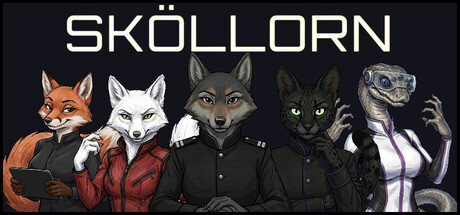 Skollorn In-game content art | The game uses AI for art assets and development. | Fenris Labs | 31 | May 23, 2026 | |
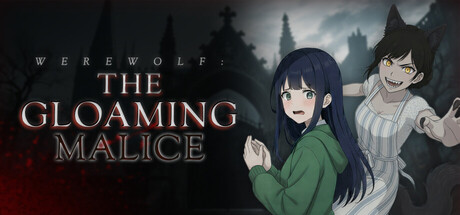 Werewolf: The Gloaming Malice Unclear | AI assisted in the game design and development. | Werewolves Malice | - | Mar 18, 2026 | |
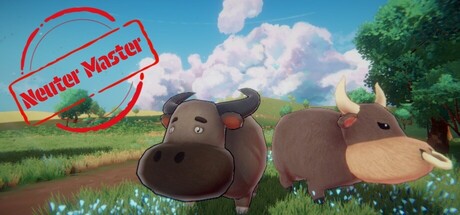 Neuter Master In-game content art | AI generates a few images and icons, reviewed manually. | PcZ Games | 29 | Mar 18, 2026 |


