Public Steam disclosure research25,497 disclosures tracked
Where do games disclose AI use?
Search developers’ Steam disclosures, compare classified AI use across
games, and follow recorded changes.
This index adds cross-game classifications and statistics to
statements published on individual store pages.
Groups reflect automatic analysis of public disclosures; mature records are excluded. These counts do not measure AI use across all of Steam.
Missing or unclear statements cannot establish whether a game uses AI.
RealSub uses AI technology as its core function: it runs speech-recognition and voice-activity-detection models (OpenAI Whisper via faster-whisper, and Silero VAD) locally on the user's own computer to turn audio the user is already playing into live subtitles. If the user enables translation, the recognized subtitle text is sent to the translation service the user selected (Microsoft Translator by default, or an OpenAI-compatible LLM endpoint, DeepL, or a translation server the user runs locally) and the returned translation is displayed. Audio is never uploaded.
The subtitles and translations produced this way are generated at runtime, from the user's own audio, and are shown only to that user on their own screen. RealSub does not generate art, music, voice-over, or narrative content, and it does not share generated text with other users or publish it anywhere.
None of the shipped content assets are generated by AI: interface text, icons, store artwork, screenshots and video are written, laid out or recorded by us. The store capsules are programmatic layouts, and the demo footage is real screen recording of licensed material.
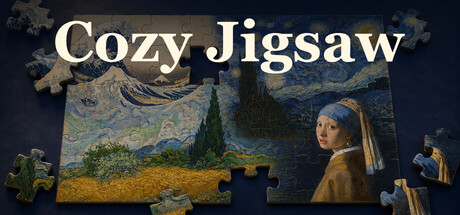
Generative AI was used to assist in creating store promotional artwork, drafting artwork descriptions, and translating interface and notebook text. The paintings used as puzzles are existing historical artworks, not AI-generated images. The game does not generate AI content during gameplay or connect to external AI services.
This game uses generative AI in the following ways:
Music — tracks were built from AI-generated material, then edited and arranged by hand.
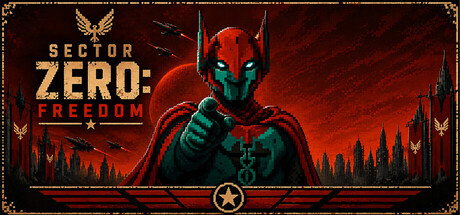
Title artwork — an AI-generated rough was used as reference and redrawn by hand as pixel art.
English localization — the English text was machine-translated and then reviewed and corrected by the developer.
Code — parts of the game's code were written with AI assistance.
Everything else is made by the developer by hand: all 145 in-game icons, every UI image, the cigarette package illustrations, and the achievement icons.
This game’s player-facing art, writing, and audio were created with generative AI and then selected, edited, and directed by the developer. Store images and trailers use the same pre-generated assets. No content is generated live during gameplay.
I use AI tools mostly for generating code and audio clips. I also use AI at times for image-editing. I write all the dialogue for the characters - but all the voices inside the game are generated by AI.
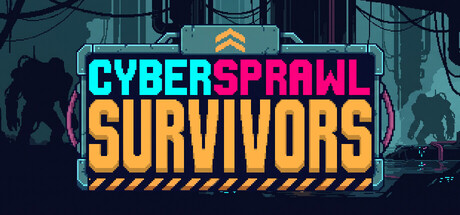
CyberSprawl: Survivors contains pre-generated visual art, written content, sound effects, and other assets created or assisted with generative AI tools, then curated and integrated by the development team. Generative AI also assists development, including code. No AI generates content during gameplay, and the game does not connect to external AI services while you play.
The following content was created with the help of AI tools:
- Store capsule images and banners
- Stage map images
- Translations into localized languages
- Steam achievement icons
All AI-generated content was reviewed by our development team before being added to the game and store page.
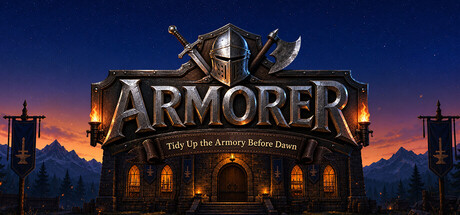
Some of this game's content was created with the assistance of generative AI tools and was then reviewed, edited and curated by the developer. This includes a portion of the 3D weapon and armor models (generated with AI 3D tools and hand-adjusted), the game logo and store/marketing artwork (AI image tools), and the translation of interface text into languages other than Turkish and English. No content is generated by AI at runtime and the game does not connect to any AI service.
All historical data is researched and verified by the developer from published records. Some in-game descriptive text (event descriptions, class histories) and the player's guide were drafted with AI assistance under the developer's editorial control and review. No AI-generated artwork, audio or photographs are used.
Some of this game's content was created with the assistance of generative AI tools and was then reviewed, edited and curated by the developer. This includes a portion of the 3D shoe models (generated with AI 3D tools and hand-adjusted), the game logo and store/marketing artwork (AI image tools), and the translation of interface text into languages other than Turkish and English. No content is generated by AI at runtime and the game does not connect to any AI service.
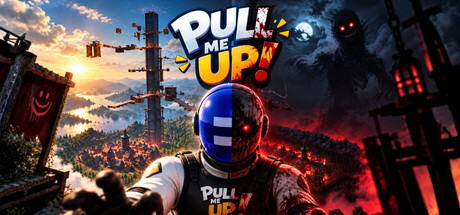
Generative AI was used during the development of Pull Me Up! to create some pre-generated content, including artwork used on the Steam store page, certain UI artwork in the game, and some written store page content. All AI-generated content was reviewed and integrated by the developer as part of the final game and store presentation.
Some store visuals (capsule art) were created using AI image generation tools.
Game text translations for languages other than English/Turkish were done with the assistance of AI translation and manual review.
Cutscenes and the visual slides featuring dialogue were created with the assistance of AI.
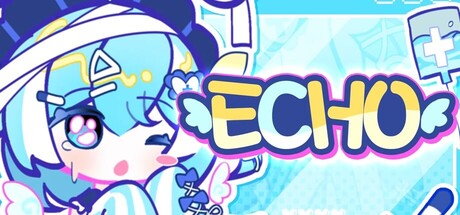
Generative AI was used to assist with localization and some written text, and to create selected artwork for official Steam Workshop content, including the abstract fallback cover in PULSE INDEX. ECHO does not generate content with AI during use or connect to external AI services during use.
Generative AI was used to help draft some in-game text and Steam store / marketing copy. Selected upgrade card icons were purchased as AI-generated assets and then manually edited. All AI-assisted content is reviewed by the developer before shipping.
Some of this game's content was created with the assistance of generative AI tools during development: portions of the game's code, some text, and music tracks, and is reviewed by the developer before shipping. The game does not generate AI content at runtime.
Vectorline uses on-device AI for its optional voice features. When you speak commands to aircraft, a local speech-recognition model transcribes your voice into ATC instructions. Pilot and controller radio readbacks are spoken aloud using a local neural text-to-speech model. Both models run entirely on your own machine — no audio, text, or data is ever sent to an external server, and no internet connection is required for these features. The spoken content is limited to standard air-traffic-control phraseology generated by the simulator itself.
You can disable these features in the settings without impacting gameplay.
AI was used to assist with localization of the game's store page into additional languages as a placeholder until I am able to hire a localization team. All localized text was reviewed and edited before publication.
Generative AI (Google Gemini) was used to draft, translate, and refine the store descriptions and in-game text based on the developer's concepts. Every output was reviewed and edited by the developer to ensure accuracy and alignment with the game's vision.
The English and Turkish text in Slots & Skulls is written entirely by the developer. Gen AI was used only to translate in game and store text into the game's other supported languages.
No AI tools were used to create any visual or audio asset: all art, animation, UI, music and sound effects are made by hand or licensed from human creators.
I (Sean) use AI coding assistants: GitHub Copilot and Claude Code. I've written software for years and I teach games programming at university, and I use AI tools the way I use a profiler or a compiler. They helped build web tools Dave and I use to balance the ecosystem across long simulations, they're very good at finding edge-case bugs (I'm looking at you, pathing system), and they write the boilerplate for things like save states and UI. I never ship code I haven't read and thoroughly tested.
No content in this game is AI-generated, and no generative AI runs while you play.
Every sound, art and music asset in this game was made by a human. The game started out as the idea of “Asset Safari” around the concept of buying sprite packs from artists, which is what we have done. The music, sound and writing is also all human generated.
This game does not use live-generated AI during gameplay.
Some pre-generated content in the game was created with assistance from generative AI tools during development, including portions of written text, game data, music arrangement ideas, and pixel-art implementation support. All such content was reviewed, edited, and integrated by the developer before being included in the game.
Generative AI assisted with localization, text and promotional artwork during development. RaceLineCalc does not generate AI content at runtime or connect to generative AI services during use. Racing lines are calculated by numerical optimization using physical models.
Generative AI was used to draft text only: the in-game interface strings, the achievement names and descriptions, their translations into 13 non-English languages, and this store page. All of it was reviewed and edited by the developer before release.
No AI-generated images, audio or video are used. This game ships with no image or audio files at all — every shape, sound and note is produced by the game's own code at run time.
Nothing is generated while you play. The game makes no network calls and contacts no AI service.
Generative AI tools were used to create some visual assets for the game and its promotional materials, and to assist with writing and translating the store page descriptions. This content is prepared in advance. The game does not use generative AI to create content during gameplay.
AI was used to help code the game, and some of the in-game text was generated by it (and checked my grammar). I love video games, but I work in the financial universe, so without AI I would not be able to mechanically develop the game and do all the steps as a solo project. (Kudos to solo developers pre-AI, next level people)
Some marketing artwork for the store page (the capsule's sky, city backdrop, rain and lettering layers) was produced with generative image tools (OpenAI image generation, Google Gemini) and then composited and edited by hand. A few placeholder textures currently in the build (the city seen through the office window and its signs, and the sample sheets in the customization menu) were AI-generated and are scheduled to be replaced with licensed or hand-made art before release. AI coding and writing assistants were used during development for parts of the source code, documentation and drafts of store text; all game rules, design decisions and final art direction are the developer's own. The game does not generate content with AI at runtime.
Generative AI was used during development to assist with in-game text and translations, under the developer’s direction. The game does not generate AI content during gameplay or connect to external AI services.
Generative AI tools were used throughout development to create all of the game's visual art assets and program code, as well as localization and promotional materials. All outputs were directed, reviewed, edited, tested, and integrated under the developer's supervision. The game does not generate AI content during gameplay or connect to external AI services.
Parts of this store page description, along with the in-game achievement names and descriptions, were drafted with the help of an AI assistant and then reviewed and edited by the developer. All artwork, animation, music, sound design, level design and gameplay content in Boomfrog was made by hand or generated procedurally in code. The game does not use generative AI while you play. Nothing in Boomfrog is created or altered by AI at runtime.
This game uses generative AI in the following areas:
Art: Character sprites, background images, UI elements, and other
visual assets were created with the assistance of generative AI tools.
All generated assets were reviewed, edited, and adjusted by the
developer before being used in the game.
Localization: Store page text and in-game text in languages other
than Japanese were translated with the assistance of generative AI,
and reviewed before publication.
Programming: Generative AI was used as a coding assistant during
development.
No AI-generated content is produced at runtime. All game content
is fixed and pre-authored.
Generative AI was used to assist in the creation of character illustrations and some in-game text. All AI-assisted content was reviewed, edited, and integrated by the developer. No generative AI is used during gameplay or at runtime.
Generative AI tools were used during development to assist with selected localization text, graphical/promotional assets, and portions of user-facing content. All AI-assisted material was manually reviewed, edited where necessary, and approved by the developer before release. The developer remains responsible for all shipped content and has reviewed the included materials for suitability and rights compliance.
Generative AI tools were used to assist in the creation or editing of certain visual assets, promotional materials, cinematic elements, draft copy, and audio elements.
All final outputs were reviewed and selected by the development team, and were revised where necessary before being incorporated into the game and related materials.
Generative AI is not used during gameplay, and the game does not connect to any generative AI services.
Pre-generated generative AI was used during development to assist with the creation and refinement of some 2D pixel-art assets, including characters, animals, equipment, environments, and user-interface elements, as well as localized text. All AI-assisted content was reviewed, edited, and integrated by the developer. The game does not use live-generated AI and does not generate content during gameplay.
The original game design, mechanics, and core concept were created by the developer. However, the majority of in-game assets—including code, 3D visuals, sound effects, and UI elements—were generated or assisted by generative AI tools. The developer curated, edited, assembled, and implemented all AI-generated content to realize the intended gameplay experience.
Pre-generated content only. No AI runs while the game is played.
Some monster and boss sprites were generated with PixelLab (an AI pixel-art tool) and then hand-edited, cut into animation strips and cleaned up by the developer. A few background art pieces, such as arcade machine sheets and map-card thumbnails, were generated with Google Gemini and then reworked by hand. The music soundtrack was generated with Suno on a paid licence. Some store page art may be based on these assets.
All gameplay code, the level design, the rest of the sprite art, UI, sound effects and all text were made by the developer without generative AI. The game does not generate any content at runtime.
This game uses a large language model to generate the AI companion’s dialogue and ending titles in real time. Dialogue responses are generated based on player input and conversation context. Generative AI tools were also used to help create or edit some store and promotional artwork and assist with text translation and localization.
Some of the game's 2D art, character voice acting, and localization content utilized generative AI assistance during production. All related content was generated and manually reviewed before release; no generative AI-generated content will be used during gameplay.
We used generative AI tools during development to assist with some pre-rendered content: drafting store page text, producing UI layout mockups and some UI sprite assets, and generating base meshes for a portion of 3D props (which were then reviewed and edited by the team). All gameplay, code logic, and final art direction were created and approved by the developers. The game does not generate any content with AI at runtime.
RealSub uses AI technology as its core function: it runs speech-recognition and voice-activity-detection models (OpenAI Whisper via faster-whisper, and Silero VAD) locally on the user's own computer to turn audio the user is already playing into live subtitles. If the user enables translation, the recognized subtitle text is sent to the translation service the user selected (Microsoft Translator by default, or an OpenAI-compatible LLM endpoint, DeepL, or a translation server the user runs locally) and the returned translation is displayed. Audio is never uploaded.
The subtitles and translations produced this way are generated at runtime, from the user's own audio, and are shown only to that user on their own screen. RealSub does not generate art, music, voice-over, or narrative content, and it does not share generated text with other users or publish it anywhere.
None of the shipped content assets are generated by AI: interface text, icons, store artwork, screenshots and video are written, laid out or recorded by us. The store capsules are programmatic layouts, and the demo footage is real screen recording of licensed material.
Generative AI was used to assist in creating store promotional artwork, drafting artwork descriptions, and translating interface and notebook text. The paintings used as puzzles are existing historical artworks, not AI-generated images. The game does not generate AI content during gameplay or connect to external AI services.
This game uses generative AI in the following ways:
Music — tracks were built from AI-generated material, then edited and arranged by hand.
Title artwork — an AI-generated rough was used as reference and redrawn by hand as pixel art.
English localization — the English text was machine-translated and then reviewed and corrected by the developer.
Code — parts of the game's code were written with AI assistance.
Everything else is made by the developer by hand: all 145 in-game icons, every UI image, the cigarette package illustrations, and the achievement icons.
This game’s player-facing art, writing, and audio were created with generative AI and then selected, edited, and directed by the developer. Store images and trailers use the same pre-generated assets. No content is generated live during gameplay.
I use AI tools mostly for generating code and audio clips. I also use AI at times for image-editing. I write all the dialogue for the characters - but all the voices inside the game are generated by AI.
CyberSprawl: Survivors contains pre-generated visual art, written content, sound effects, and other assets created or assisted with generative AI tools, then curated and integrated by the development team. Generative AI also assists development, including code. No AI generates content during gameplay, and the game does not connect to external AI services while you play.
The following content was created with the help of AI tools:
- Store capsule images and banners
- Stage map images
- Translations into localized languages
- Steam achievement icons
All AI-generated content was reviewed by our development team before being added to the game and store page.
Some of this game's content was created with the assistance of generative AI tools and was then reviewed, edited and curated by the developer. This includes a portion of the 3D weapon and armor models (generated with AI 3D tools and hand-adjusted), the game logo and store/marketing artwork (AI image tools), and the translation of interface text into languages other than Turkish and English. No content is generated by AI at runtime and the game does not connect to any AI service.
All historical data is researched and verified by the developer from published records. Some in-game descriptive text (event descriptions, class histories) and the player's guide were drafted with AI assistance under the developer's editorial control and review. No AI-generated artwork, audio or photographs are used.
Some of this game's content was created with the assistance of generative AI tools and was then reviewed, edited and curated by the developer. This includes a portion of the 3D shoe models (generated with AI 3D tools and hand-adjusted), the game logo and store/marketing artwork (AI image tools), and the translation of interface text into languages other than Turkish and English. No content is generated by AI at runtime and the game does not connect to any AI service.
Generative AI was used during the development of Pull Me Up! to create some pre-generated content, including artwork used on the Steam store page, certain UI artwork in the game, and some written store page content. All AI-generated content was reviewed and integrated by the developer as part of the final game and store presentation.
Some store visuals (capsule art) were created using AI image generation tools.
Game text translations for languages other than English/Turkish were done with the assistance of AI translation and manual review.
Cutscenes and the visual slides featuring dialogue were created with the assistance of AI.
Generative AI was used to assist with localization and some written text, and to create selected artwork for official Steam Workshop content, including the abstract fallback cover in PULSE INDEX. ECHO does not generate content with AI during use or connect to external AI services during use.
Generative AI was used to help draft some in-game text and Steam store / marketing copy. Selected upgrade card icons were purchased as AI-generated assets and then manually edited. All AI-assisted content is reviewed by the developer before shipping.
Some of this game's content was created with the assistance of generative AI tools during development: portions of the game's code, some text, and music tracks, and is reviewed by the developer before shipping. The game does not generate AI content at runtime.
Vectorline uses on-device AI for its optional voice features. When you speak commands to aircraft, a local speech-recognition model transcribes your voice into ATC instructions. Pilot and controller radio readbacks are spoken aloud using a local neural text-to-speech model. Both models run entirely on your own machine — no audio, text, or data is ever sent to an external server, and no internet connection is required for these features. The spoken content is limited to standard air-traffic-control phraseology generated by the simulator itself.
You can disable these features in the settings without impacting gameplay.
AI was used to assist with localization of the game's store page into additional languages as a placeholder until I am able to hire a localization team. All localized text was reviewed and edited before publication.
Generative AI (Google Gemini) was used to draft, translate, and refine the store descriptions and in-game text based on the developer's concepts. Every output was reviewed and edited by the developer to ensure accuracy and alignment with the game's vision.
The English and Turkish text in Slots & Skulls is written entirely by the developer. Gen AI was used only to translate in game and store text into the game's other supported languages.
No AI tools were used to create any visual or audio asset: all art, animation, UI, music and sound effects are made by hand or licensed from human creators.
I (Sean) use AI coding assistants: GitHub Copilot and Claude Code. I've written software for years and I teach games programming at university, and I use AI tools the way I use a profiler or a compiler. They helped build web tools Dave and I use to balance the ecosystem across long simulations, they're very good at finding edge-case bugs (I'm looking at you, pathing system), and they write the boilerplate for things like save states and UI. I never ship code I haven't read and thoroughly tested.
No content in this game is AI-generated, and no generative AI runs while you play.
Every sound, art and music asset in this game was made by a human. The game started out as the idea of “Asset Safari” around the concept of buying sprite packs from artists, which is what we have done. The music, sound and writing is also all human generated.
This game does not use live-generated AI during gameplay.
Some pre-generated content in the game was created with assistance from generative AI tools during development, including portions of written text, game data, music arrangement ideas, and pixel-art implementation support. All such content was reviewed, edited, and integrated by the developer before being included in the game.
Generative AI assisted with localization, text and promotional artwork during development. RaceLineCalc does not generate AI content at runtime or connect to generative AI services during use. Racing lines are calculated by numerical optimization using physical models.
Generative AI was used to draft text only: the in-game interface strings, the achievement names and descriptions, their translations into 13 non-English languages, and this store page. All of it was reviewed and edited by the developer before release.
No AI-generated images, audio or video are used. This game ships with no image or audio files at all — every shape, sound and note is produced by the game's own code at run time.
Nothing is generated while you play. The game makes no network calls and contacts no AI service.
Generative AI tools were used to create some visual assets for the game and its promotional materials, and to assist with writing and translating the store page descriptions. This content is prepared in advance. The game does not use generative AI to create content during gameplay.
AI was used to help code the game, and some of the in-game text was generated by it (and checked my grammar). I love video games, but I work in the financial universe, so without AI I would not be able to mechanically develop the game and do all the steps as a solo project. (Kudos to solo developers pre-AI, next level people)
Some marketing artwork for the store page (the capsule's sky, city backdrop, rain and lettering layers) was produced with generative image tools (OpenAI image generation, Google Gemini) and then composited and edited by hand. A few placeholder textures currently in the build (the city seen through the office window and its signs, and the sample sheets in the customization menu) were AI-generated and are scheduled to be replaced with licensed or hand-made art before release. AI coding and writing assistants were used during development for parts of the source code, documentation and drafts of store text; all game rules, design decisions and final art direction are the developer's own. The game does not generate content with AI at runtime.
Generative AI was used during development to assist with in-game text and translations, under the developer’s direction. The game does not generate AI content during gameplay or connect to external AI services.
Generative AI tools were used throughout development to create all of the game's visual art assets and program code, as well as localization and promotional materials. All outputs were directed, reviewed, edited, tested, and integrated under the developer's supervision. The game does not generate AI content during gameplay or connect to external AI services.
Parts of this store page description, along with the in-game achievement names and descriptions, were drafted with the help of an AI assistant and then reviewed and edited by the developer. All artwork, animation, music, sound design, level design and gameplay content in Boomfrog was made by hand or generated procedurally in code. The game does not use generative AI while you play. Nothing in Boomfrog is created or altered by AI at runtime.
This game uses generative AI in the following areas:
Art: Character sprites, background images, UI elements, and other
visual assets were created with the assistance of generative AI tools.
All generated assets were reviewed, edited, and adjusted by the
developer before being used in the game.
Localization: Store page text and in-game text in languages other
than Japanese were translated with the assistance of generative AI,
and reviewed before publication.
Programming: Generative AI was used as a coding assistant during
development.
No AI-generated content is produced at runtime. All game content
is fixed and pre-authored.
Generative AI was used to assist in the creation of character illustrations and some in-game text. All AI-assisted content was reviewed, edited, and integrated by the developer. No generative AI is used during gameplay or at runtime.
Generative AI tools were used during development to assist with selected localization text, graphical/promotional assets, and portions of user-facing content. All AI-assisted material was manually reviewed, edited where necessary, and approved by the developer before release. The developer remains responsible for all shipped content and has reviewed the included materials for suitability and rights compliance.
Generative AI tools were used to assist in the creation or editing of certain visual assets, promotional materials, cinematic elements, draft copy, and audio elements.
All final outputs were reviewed and selected by the development team, and were revised where necessary before being incorporated into the game and related materials.
Generative AI is not used during gameplay, and the game does not connect to any generative AI services.
Pre-generated generative AI was used during development to assist with the creation and refinement of some 2D pixel-art assets, including characters, animals, equipment, environments, and user-interface elements, as well as localized text. All AI-assisted content was reviewed, edited, and integrated by the developer. The game does not use live-generated AI and does not generate content during gameplay.
The original game design, mechanics, and core concept were created by the developer. However, the majority of in-game assets—including code, 3D visuals, sound effects, and UI elements—were generated or assisted by generative AI tools. The developer curated, edited, assembled, and implemented all AI-generated content to realize the intended gameplay experience.
Pre-generated content only. No AI runs while the game is played.
Some monster and boss sprites were generated with PixelLab (an AI pixel-art tool) and then hand-edited, cut into animation strips and cleaned up by the developer. A few background art pieces, such as arcade machine sheets and map-card thumbnails, were generated with Google Gemini and then reworked by hand. The music soundtrack was generated with Suno on a paid licence. Some store page art may be based on these assets.
All gameplay code, the level design, the rest of the sprite art, UI, sound effects and all text were made by the developer without generative AI. The game does not generate any content at runtime.
This game uses a large language model to generate the AI companion’s dialogue and ending titles in real time. Dialogue responses are generated based on player input and conversation context. Generative AI tools were also used to help create or edit some store and promotional artwork and assist with text translation and localization.
Some of the game's 2D art, character voice acting, and localization content utilized generative AI assistance during production. All related content was generated and manually reviewed before release; no generative AI-generated content will be used during gameplay.
We used generative AI tools during development to assist with some pre-rendered content: drafting store page text, producing UI layout mockups and some UI sprite assets, and generating base meshes for a portion of 3D props (which were then reviewed and edited by the team). All gameplay, code logic, and final art direction were created and approved by the developers. The game does not generate any content with AI at runtime.