








Disclosure
AI was used to assist with the translation of the game's text into supported languages. No generative AI was used to create the game's art, music, or other game content.
- Creator
- Lunaris Aeterna
- Reviews
- -
- Added
- Sep 4, 2026
Public Steam disclosure research 25,380 disclosures tracked
Search developers’ Steam disclosures, compare classified AI use across games, and follow recorded changes. This index adds cross-game classifications and statistics to statements published on individual store pages.
Code help, debugging and other development work.
Capsule art, trailers and promotional material.
Pre-made art, audio, writing and other game assets.
Interactive or runtime AI features disclosed by the developer.
Groups reflect automatic analysis of public disclosures; mature records are excluded. These counts do not measure AI use across all of Steam. Missing or unclear statements cannot establish whether a game uses AI.
AI was used to assist with the translation of the game's text into supported languages. No generative AI was used to create the game's art, music, or other game content.
Some of this game's assets were made with the assistance of generative AI tools and were reviewed, curated and hand-finished by the developer. No content is generated while you play.
Some of this game's assets were made with the assistance of generative AI tools and were reviewed, curated and hand-finished by the developer. No content is generated while you play.
Generative AI tools were used during development to create and refine some pre-generated content. Codex was used for parts of the 3D model work, GPT Image was used to generate parts of the user interface, and AI tools assisted with some text and some Steam store and marketing visuals. These assets were reviewed and integrated by the developer. No audio or music was created with generative AI. The game does not generate AI content during gameplay.
Generative AI was used during development to assist in creating some pre-generated content, including certain visual assets, music and sound assets, as well as some text and localization content. All such content was generated during development and was reviewed, selected, edited, adjusted, and integrated by the developer before being included in the game. The game does not use generative AI at runtime and does not generate new text, images, audio, or other game content dynamically in response to player input.
We use AI to generate songs
The music, a few sound effects. And very few of the menus have been created using AI. I know that many communities hate games with AI. And yes, lads, I’ve used it. But I can assure you that 90 per cent of the game has been lovingly crafted by a developer.
We used generative AI tools (such as Claude) during development to assist with creating certain in-game assets, textures, or text elements. All AI-generated content has been reviewed, selected, and integrated by human creators into the final game.
Some of the artwork, audio, text, and program code in this game were created with the assistance of generative AI tools and were reviewed, edited, and integrated by the developer. The game does not use generative AI to create content in real time during gameplay.
Parts of this game were made with the help of generative AI tools. AI assistance was used for the source code, the in-game and store text, the store and library artwork, and the music and sound effects. Everything generated was reviewed and edited by the developer before it shipped. Nothing is generated while you play: the game ships fixed assets and makes no calls to any AI service.
Some static art used OpenAI; no runtime AI.
AI was used to create the full scores from chords and melody provided to create retro feel. All art and animations were drawn meticulously character by character using a personal editor I made, but I drew inspiration from generative AI to get the right feel or angles.
Visual Assets: As a solo developer, I use generative AI to create initial variations for scenery, textures, character sprites, and UI. No raw AI output ships in the game — every asset is hand-edited, composited, and cleaned up to match the game's aesthetic. Music: The soundtrack and ambient music are created with AI audio tools, then curated and sequenced into a cohesive, atmospheric score.
AI was used to translate in-game text into other languages
Our team uses generative AI tools For Marketing/Promotional Images and some in game assets.
Some of the 3D character models in Glims were made with the help of generative AI: reference art was produced with an AI image tool and turned into 3D meshes with Meshy. Every model was then cleaned up, re-rigged, animated and hand-tuned by us, and all game code, design, UI art and animation work is human-made. No generative AI runs while you play — nothing is generated live.
Some 2D artwork was created with the assistance of AI image-generation tools (the mascot character portrait, generated with Recraft and then hand-edited; it appears in-game and in store artwork). All gameplay, code, design, text and audio are made by hand. The game does not use live/runtime AI generation.
During the development process, we may use procedural- and AI-based tools to assist with content creation. In all such cases, the final product reflects the creativity and expression of our own development team.
Guildfire uses pre-generated AI-assisted content in parts of its visual art, localization, sound effects, and soundtrack. AI-generated material is manually selected, edited, and integrated by the developer. No generative AI is used during gameplay, and the game does not connect to external AI services at runtime.
Tumble's visual art (character and charm illustrations, backdrops, item sprites, and store capsule art) was generated with Google's Gemini image models and then selected, cropped, retouched, colour-matched and in many cases regenerated by hand against a fixed reference style until it fit the game. Music and sound effects were generated with Suno under a commercial licence, then cut, mixed and placed by hand. The game's design, rules, balance, and code are not generated content. Every mechanic, number and line of player-facing text was written, tested and revised by the developer, including through automated balance simulation and four rounds of human playtesting. No content is generated live during play. Nothing in Tumble is produced at runtime by an AI model; the game runs entirely offline with no model calls of any kind.
Some pre-rendered store and marketing artwork uses generative AI assistance. The game does not use live-generated AI during gameplay.
We used Artificial Intelligence tools as an aid during development and in the creation of some game content. All AI-assisted material was personally reviewed and adjusted by our team, who were involved throughout every stage of the creative process.
Final Night Firefight uses generative AI tools during development to assist with the creation of some pre-generated game artwork, visual assets and music. I review, edit, and integrate all AI-assisted content as part of the game's development process. The game does not generate AI content live during gameplay.
AI was used in the game production process
AI tools were used during the creation of draft visual assets. All AI-generated material is reviewed, edited, and manually refined by professional artists before being included in the final product.
Generative AI tools were used in the creation of certain assets for Camedieo. Each was reviewed, reworked and integrated by us so the finished product holds a single consistent direction.
We used AI tool to assist with localization and translation. ChatGPT Images 2.0 was used to assist in generating concept art and backgrounds.
Generative AI was used during development to assist in creating some 2D art assets, including scene backgrounds, character and monster artwork, UI elements, and icons for items, equipment, skills, and status effects. Generative AI was also used to assist in drafting some in-game text. All AI-assisted content was selected, edited, post-processed, and integrated by the developer. The game does not use generative AI at runtime and does not generate content in real time in response to player input.
The game does not generate any content with AI at runtime. Some illustrations and some in-game artwork were pre-generated using generative AI image tools, then curated, edited and integrated by our team. All game design, code, writing and final art direction are human-made.
This game includes some pre-generated AI-assisted visual and audio content. It does not use live AI generation at runtime
Hostile Boards uses AI-generated content minimally, primarily for image creation and touch-ups in some of our visual assets. All AI-generated images are based on original designs and concepts created by our team. No live AI content generation or dynamic AI use occurs during gameplay
Generative AI was used during development to assist with portions of pre-generated in-game artwork and Steam store/marketing artwork. All outputs were reviewed, cleaned, composited, color-adjusted, and quality-checked by the development team. The game does not generate AI content at runtime.
Some character artwork was developed from AI-assisted concept images, then rebuilt and refined by the developer through 3D modelling and a deterministic No generative AI is used while the game is running.
Some of Crashborn's art, audio and base 3D models were created with generative AI tools and edited by hand. They are placeholders being replaced with work from dedicated artists ahead of the 1.0 release. The game does not generate content at runtime.
Artificial intelligence has been used solely to generate certain 2D icons used in the game's menus, such as icons for weapon upgrades, artifacts, and similar elements. AI has not been used under any circumstances to generate 3D models, user interfaces, in-game menus, weapons, enemies, environments, animations, VFX, or any other playable content or assets. The use of AI is strictly limited to specific 2D icons of a visual and informational nature within the interface.
We use about 15 seconds of AI footage in our trailer. All assets in the game are human authored. We also use a local, small and offline LLM (meaning: no data ever leaves your computer, and it does not cause significant performance drops) as a Director that controls: enemy spawn and frequency of challenges, essentially choosing when to press with difficulty and when to hold the challenge based on parameters such as player frustration, boredom and an emergence metric. This mechanic does not generate any text, narrative or story: it is just a mechanic that controls game balance to ensure the best challenge. And you can turn it off on the settings menu, if you want.
As a solo developer, AI has been used as a tool to get the game where it is today. Primary used as a tool to help with areas of development and certain text generations. No art or music was generated by AI. 95% of the artwork in the game is procedurally generated by code, while the rest is hand done by me. The music was also created by me specifically for the game. AI was used in places like name and description generations for items in the game as well as some text areas within the tutorial coach text to help guide players through the initial stages of the game.
Game art and character designs were crafted with the assistance of AI generation tools.
The game was made with the Godot Engine and Cursor IDE.
Localization into some supported languages was created with a mix of Community members and machine generation and reviewed by the developer. The developer is actively seeking to replace any machine-generated localization over time.
Generative AI tools were used during development to assist with prototyping and writing portions of the game's code and Blueprint logic. AI-generated images were also used as source material for some Niagara visual effects. All AI-assisted content was reviewed, modified, and integrated by the development team.
Generative AI was used only to create the images used for in-game upgrades. All other game assets and content were created without generative AI.
Some visual assets in this game — including character portraits, illustrations, and marketing images — were created with the assistance of generative AI tools. All AI-generated material was reviewed, edited, and finalized by the developer. No AI content is generated during gameplay.
AI was used to help program the game. All art, assets, and game design decisions did not use any AI.
Generative AI was used to assist in creating pre-generated artwork, animation, audio, dialogue, and localization. All content was reviewed and edited by the developer. No AI is used at runtime.
Generative AI tools were used during development as part of the production workflow for pre-generated visual, 3D, audio, written, and localization content included in the game. All final content was selected, reviewed, edited, adapted, and integrated as part of the game's development process. No generative AI systems run during gameplay and no content is generated dynamically for players.
The background image was generated using AI.
Generative AI tools were used during development to assist with the creation of game content. All generated products are carefully reviewed, edited, and assembled by the development team.
Generative AI tools have been used as support in the development of this game. They were primarily used for programming, translations, and some background and art elements. All content has been manually reviewed and approved before being included in the game.
Parts of Fluxgates were built with AI assistance, and all of it is fixed content baked into the build - nothing is generated while you play. Code: Some of the game's source was written with an AI coding assistant, reviewed, edited and tested by the developer before shipping. Text: English and French interface strings and node descriptions were drafted with AI help and edited by hand. No AI generated art or audio. Every visual is drawn by the interface itself, and every sound and music track is synthesised procedurally by a script in the project. The game runs fully offline. No AI model runs at runtime, and no data leaves your machine.
| Title⇅ | Disclosure | Creator⇅ | Src | Reviews⇅ | Added↓ |
|---|---|---|---|---|---|
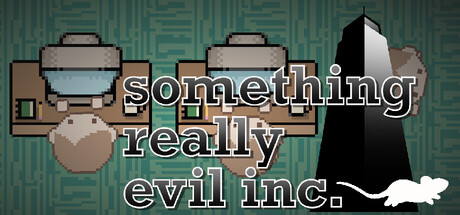 Something Really Evil Inc. In-game content text | AI was used to assist with the translation of the game's text into supported languages. No generative AI was used to create the game's art, music, or other game content. | Lunaris Aeterna | - | Sep 4, 2026 | |
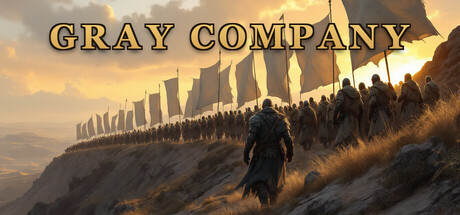 Gray Company In-game content art | Some of this game's assets were made with the assistance of generative AI tools and were reviewed, curated and hand-finished by the developer. No content is generated while you play. | Meridian Studios | - | Sep 4, 2026 | |
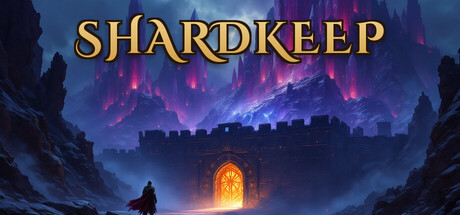 Shardkeep In-game content art | Some of this game's assets were made with the assistance of generative AI tools and were reviewed, curated and hand-finished by the developer. No content is generated while you play. | Meridian Studios | - | Sep 4, 2026 | |
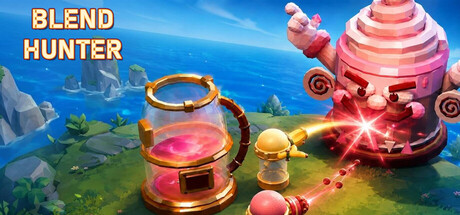 Blend Hunter: Smoothie Bullet Heaven In-game content arttext | Generative AI tools were used during development to create and refine some pre-generated content. Codex was used for parts of the 3D model work, GPT Image was used to generate parts of the user interface, and AI tools assisted with some text and some Steam store and marketing visuals. These assets were reviewed and integrated by the developer. No audio or music was created with generative AI. The game does not generate AI content during gameplay. | NAN LOGIC LLC | - | Sep 4, 2026 | |
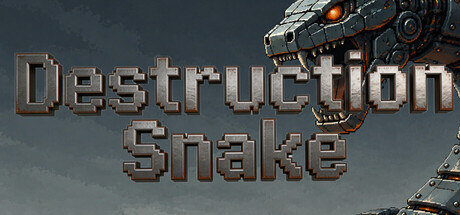 Destruction Snake In-game content artaudiotext | Generative AI was used during development to assist in creating some pre-generated content, including certain visual assets, music and sound assets, as well as some text and localization content. All such content was generated during development and was reviewed, selected, edited, adjusted, and integrated by the developer before being included in the game.
The game does not use generative AI at runtime and does not generate new text, images, audio, or other game content dynamically in response to player input. | 林栖者游戏 | - | Sep 4, 2026 | |
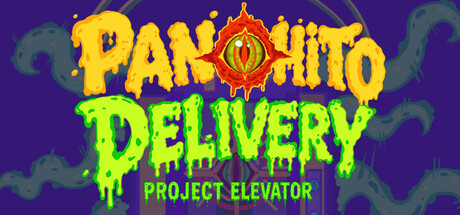 Panchito Delivery: Project Elevator In-game content audio | We use AI to generate songs | Pigeon-G | - | Sep 4, 2026 | |
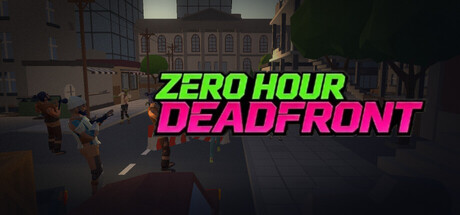 Zero Hour Deadfront In-game content audioart | The music, a few sound effects. And very few of the menus have been created using AI. I know that many communities hate games with AI. And yes, lads, I’ve used it. But I can assure you that 90 per cent of the game has been lovingly crafted by a developer. | Lunar Bytes Games | - | Sep 4, 2026 | |
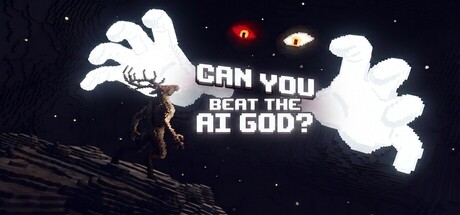 Can You Beat The AI God? In-game content arttext | We used generative AI tools (such as Claude) during development to assist with creating certain in-game assets, textures, or text elements. All AI-generated content has been reviewed, selected, and integrated by human creators into the final game. | Radaruss | - | Sep 4, 2026 | |
 骰御三军:三国 In-game content artaudiotextcode | Some of the artwork, audio, text, and program code in this game were created with the assistance of generative AI tools and were reviewed, edited, and integrated by the developer. The game does not use generative AI to create content in real time during gameplay. | 青岚 | - | Sep 4, 2026 | |
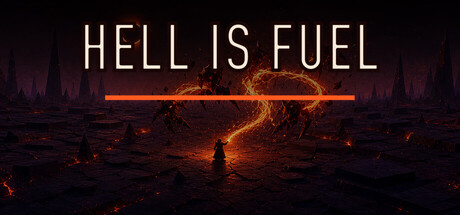 HELL IS FUEL In-game content arttextaudiocode | Parts of this game were made with the help of generative AI tools. AI assistance was used for the source code, the in-game and store text, the store and library artwork, and the music and sound effects. Everything generated was reviewed and edited by the developer before it shipped. Nothing is generated while you play: the game ships fixed assets and makes no calls to any AI service. | GlobalTech LLC | - | Sep 4, 2026 | |
 Noodle Go! In-game content art | Some static art used OpenAI; no runtime AI. | Mala Games | - | Sep 4, 2026 | |
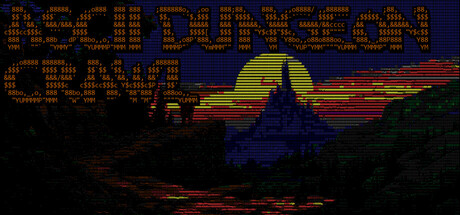 ASCII Dungeon Crawl In-game content audioart | AI was used to create the full scores from chords and melody provided to create retro feel. All art and animations were drawn meticulously character by character using a personal editor I made, but I drew inspiration from generative AI to get the right feel or angles. | Andrew Bellinger | - | Sep 4, 2026 | |
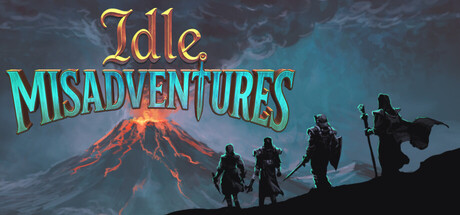 Idle Misadventures In-game content artaudio | Visual Assets: As a solo developer, I use generative AI to create initial variations for scenery, textures, character sprites, and UI. No raw AI output ships in the game — every asset is hand-edited, composited, and cleaned up to match the game's aesthetic.
Music: The soundtrack and ambient music are created with AI audio tools, then curated and sequenced into a cohesive, atmospheric score. | Double Trouble Games | - | Sep 4, 2026 | |
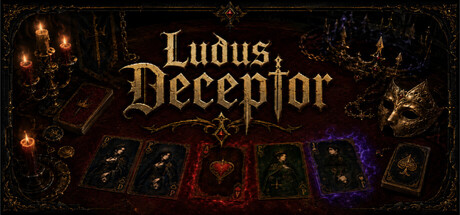 Ludus Deceptor In-game content text | AI was used to translate in-game text into other languages | Ginser | - | Sep 4, 2026 | |
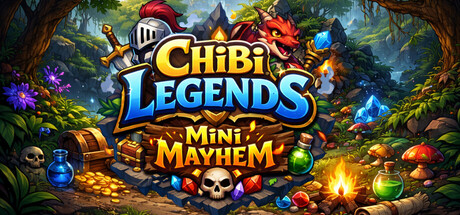 Chibi Legends: Mini Mayhem In-game content art | Our team uses generative AI tools For Marketing/Promotional Images and some in game assets. | Could Care Less | - | Sep 3, 2026 | |
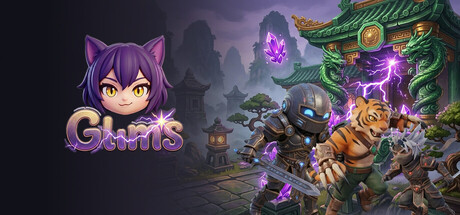 Glims In-game content art | Some of the 3D character models in Glims were made with the help of generative AI: reference art was produced with an AI image tool and turned into 3D meshes with Meshy. Every model was then cleaned up, re-rigged, animated and hand-tuned by us, and all game code, design, UI art and animation work is human-made. No generative AI runs while you play — nothing is generated live. | Matheuzera Games | - | Sep 3, 2026 | |
 Garito In-game content art | Some 2D artwork was created with the assistance of AI image-generation tools (the mascot character portrait, generated with Recraft and then hand-edited; it appears in-game and in store artwork). All gameplay, code, design, text and audio are made by hand. The game does not use live/runtime AI generation. | Railoop | - | Sep 3, 2026 | |
 Ultracapitalism Dev only | During the development process, we may use procedural- and AI-based tools to assist with content creation. In all such cases, the final product reflects the creativity and expression of our own development team. | Andrew Brown | - | Sep 3, 2026 | |
 Guildfire In-game content arttextaudio | Guildfire uses pre-generated AI-assisted content in parts of its visual art, localization, sound effects, and soundtrack. AI-generated material is manually selected, edited, and integrated by the developer. No generative AI is used during gameplay, and the game does not connect to external AI services at runtime. | Carlos Zúñiga | - | Sep 3, 2026 | |
 Tumble: A Cozy Dice Roguelite In-game content artaudiotext | Tumble's visual art (character and charm illustrations, backdrops, item sprites, and store capsule art) was generated with Google's Gemini image models and then selected, cropped, retouched, colour-matched and in many cases regenerated by hand against a fixed reference style until it fit the game. Music and sound effects were generated with Suno under a commercial licence, then cut, mixed and placed by hand.
The game's design, rules, balance, and code are not generated content. Every mechanic, number and line of player-facing text was written, tested and revised by the developer, including through automated balance simulation and four rounds of human playtesting.
No content is generated live during play. Nothing in Tumble is produced at runtime by an AI model; the game runs entirely offline with no model calls of any kind. | Colin Bish | - | Sep 3, 2026 | |
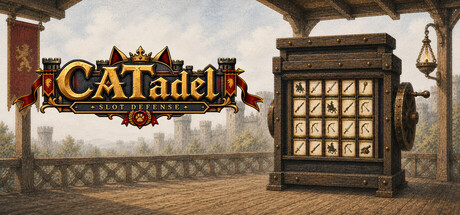 Catadel: Slot Defense Store/marketing art | Some pre-rendered store and marketing artwork uses generative AI assistance. The game does not use live-generated AI during gameplay. | DRAGONSTEP STUDIO | - | Sep 3, 2026 | |
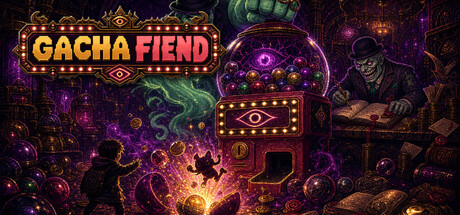 Gacha Fiend Unclear | We used Artificial Intelligence tools as an aid during development and in the creation of some game content. All AI-assisted material was personally reviewed and adjusted by our team, who were involved throughout every stage of the creative process. | dotsmith | - | Sep 3, 2026 | |
 Final Night Firefight In-game content artaudio | Final Night Firefight uses generative AI tools during development to assist with the creation of some pre-generated game artwork, visual assets and music. I review, edit, and integrate all AI-assisted content as part of the game's development process. The game does not generate AI content live during gameplay. | Avanti Stark | - | Sep 3, 2026 | |
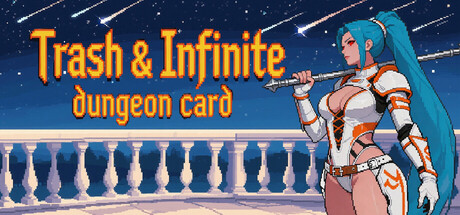 Trash & Infinite: Dungeon Card Unclear | AI was used in the game production process | Ti-Silver Wing | - | Sep 3, 2026 | |
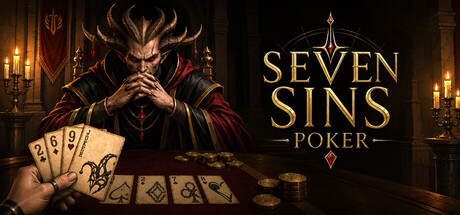 Seven Sins Poker In-game content art | AI tools were used during the creation of draft visual assets. All AI-generated material is reviewed, edited, and manually refined by professional artists before being included in the final product. | Scy Score Games | - | Sep 3, 2026 | |
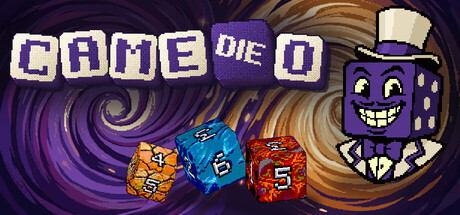 Camedieo In-game content art | Generative AI tools were used in the creation of certain assets for Camedieo.
Each was reviewed, reworked and integrated by us so the finished product holds a single consistent direction. | TrivialPlanet | - | Sep 3, 2026 | |
 Coinfetti In-game content textart | We used AI tool to assist with localization and translation. ChatGPT Images 2.0 was used to assist in generating concept art and backgrounds. | Cash Flow Games | - | Sep 3, 2026 | |
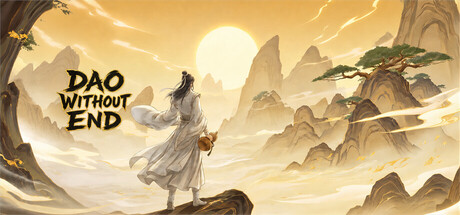 无尽仙路Dao Without End In-game content arttext | Generative AI was used during development to assist in creating some 2D art assets, including scene backgrounds, character and monster artwork, UI elements, and icons for items, equipment, skills, and status effects. Generative AI was also used to assist in drafting some in-game text. All AI-assisted content was selected, edited, post-processed, and integrated by the developer. The game does not use generative AI at runtime and does not generate content in real time in response to player input. | Dreamin Studio | - | Sep 3, 2026 | |
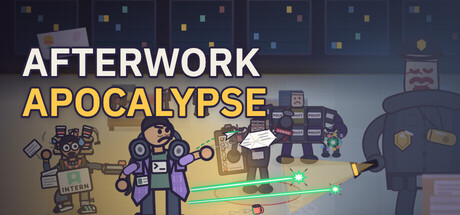 Afterwork Apocalypse In-game content art | The game does not generate any content with AI at runtime. Some illustrations and some in-game artwork were pre-generated using generative AI image tools, then curated, edited and integrated by our team. All game design, code, writing and final art direction are human-made. | Main Thread Games | - | Sep 3, 2026 | |
 The Burrow Takes Heaven In-game content artaudio | This game includes some pre-generated AI-assisted visual and audio content. It does not use live AI generation at runtime | Group Link: https://steamcommunity.com/groups/beardoandsonogames | - | Sep 3, 2026 | |
 Hostile Boards In-game content art | Hostile Boards uses AI-generated content minimally, primarily for image creation and touch-ups in some of our visual assets. All AI-generated images are based on original designs and concepts created by our team. No live AI content generation or dynamic AI use occurs during gameplay | ChessFinity | - | Sep 3, 2026 | |
 BALLRENA In-game content art | Generative AI was used during development to assist with portions of pre-generated in-game artwork and Steam store/marketing artwork. All outputs were reviewed, cleaned, composited, color-adjusted, and quality-checked by the development team. The game does not generate AI content at runtime. | vampireblackcat | - | Sep 3, 2026 | |
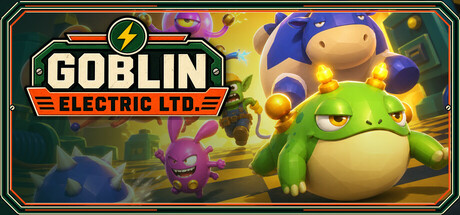 GOBLIN ELECTRIC LTD. In-game content art | Some character artwork was developed from AI-assisted concept images, then
rebuilt and refined by the developer through 3D modelling and a deterministic
No generative AI is used while the game is running. | SIU FAI CHUI | - | Sep 3, 2026 | |
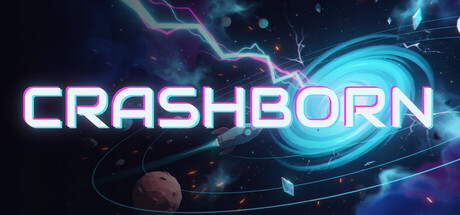 Crashborn In-game content artaudio | Some of Crashborn's art, audio and base 3D models were created with generative AI tools and edited by hand. They are placeholders being replaced with work from dedicated artists ahead of the 1.0 release. The game does not generate content at runtime. | Rukium Labs | - | Sep 3, 2026 | |
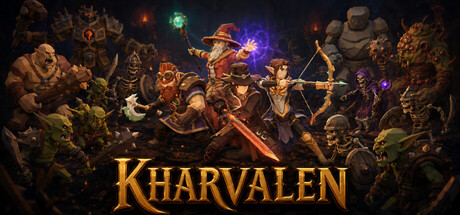 Kharvalen In-game content art | Artificial intelligence has been used solely to generate certain 2D icons used in the game's menus, such as icons for weapon upgrades, artifacts, and similar elements.
AI has not been used under any circumstances to generate 3D models, user interfaces, in-game menus, weapons, enemies, environments, animations, VFX, or any other playable content or assets.
The use of AI is strictly limited to specific 2D icons of a visual and informational nature within the interface. | Lisarde | - | Sep 3, 2026 | |
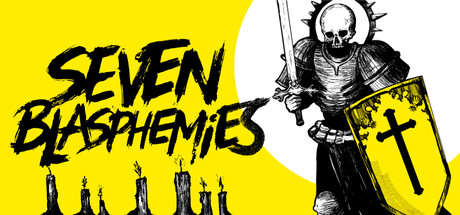 Seven Blasphemies code | We use about 15 seconds of AI footage in our trailer. All assets in the game are human authored.
We also use a local, small and offline LLM (meaning: no data ever leaves your computer, and it does not cause significant performance drops) as a Director that controls: enemy spawn and frequency of challenges, essentially choosing when to press with difficulty and when to hold the challenge based on parameters such as player frustration, boredom and an emergence metric.
This mechanic does not generate any text, narrative or story: it is just a mechanic that controls game balance to ensure the best challenge. And you can turn it off on the settings menu, if you want. | Crit42 Studio | - | Sep 3, 2026 | |
 Vectorfall In-game content text | As a solo developer, AI has been used as a tool to get the game where it is today. Primary used as a tool to help with areas of development and certain text generations.
No art or music was generated by AI. 95% of the artwork in the game is procedurally generated by code, while the rest is hand done by me. The music was also created by me specifically for the game.
AI was used in places like name and description generations for items in the game as well as some text areas within the tutorial coach text to help guide players through the initial stages of the game. | Nubgamerz | - | Sep 3, 2026 | |
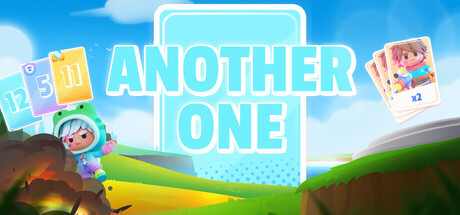 Another One In-game content art | Game art and character designs were crafted with the assistance of AI generation tools. | Giacomo Daniele Nicotra | - | Sep 3, 2026 | |
 Pinball Hero general | The game was made with the Godot Engine and Cursor IDE. | Luke6B | - | Sep 3, 2026 | |
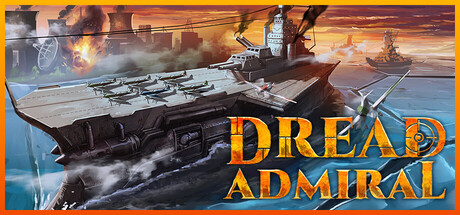 Dread Admiral In-game content text | Localization into some supported languages was created with a mix of Community members and machine generation and reviewed by the developer.
The developer is actively seeking to replace any machine-generated localization over time. | Tescrin Games | - | Sep 2, 2026 | |
 Project N In-game content artcode | Generative AI tools were used during development to assist with prototyping and writing portions of the game's code and Blueprint logic. AI-generated images were also used as source material for some Niagara visual effects. All AI-assisted content was reviewed, modified, and integrated by the development team. | Meeiron Studio | - | Sep 2, 2026 | |
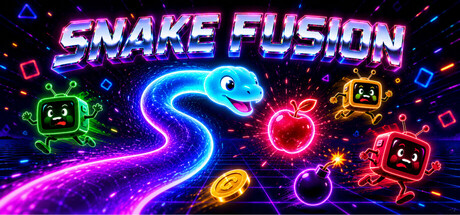 Snake Fusion In-game content art | Generative AI was used only to create the images used for in-game upgrades. All other game assets and content were created without generative AI. | AndKGames | - | Sep 2, 2026 | |
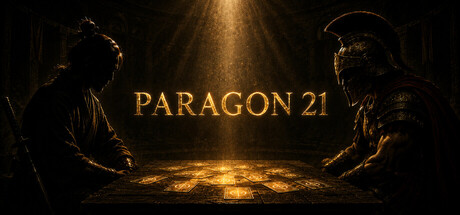 PARAGON 21 In-game content art | Some visual assets in this game — including character portraits, illustrations, and marketing images — were created with the assistance of generative AI tools. All AI-generated material was reviewed, edited, and finalized by the developer. No AI content is generated during gameplay. | ANIMAL-Z | - | Sep 1, 2026 | |
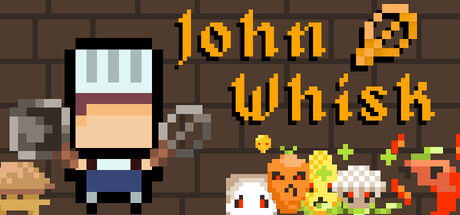 John Whisk Dev only code | AI was used to help program the game. All art, assets, and game design decisions did not use any AI. | Magirush | - | Sep 1, 2026 | |
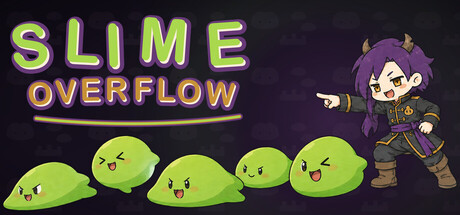 SLIME OVERFLOW In-game content artaudiotext | Generative AI was used to assist in creating pre-generated artwork, animation, audio, dialogue, and localization. All content was reviewed and edited by the developer. No AI is used at runtime. | YOO Makes Games | - | Sep 1, 2026 | |
 Overround In-game content artaudiotext | Generative AI tools were used during development as part of the production workflow for pre-generated visual, 3D, audio, written, and localization content included in the game. All final content was selected, reviewed, edited, adapted, and integrated as part of the game's development process. No generative AI systems run during gameplay and no content is generated dynamically for players. | RottenLuck Studio | - | Sep 1, 2026 | |
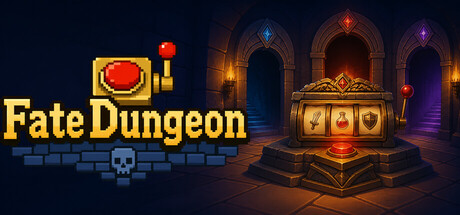 命运地牢 Store/marketing art | The background image was generated using AI. | Mutual Fun Studio | - | Sep 1, 2026 | |
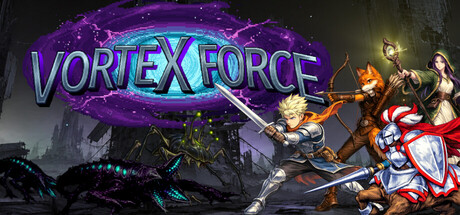 Vortex Force Unclear | Generative AI tools were used during development to assist with the creation of game content. All generated products are carefully reviewed, edited, and assembled by the development team. | tachyonFlux | - | Sep 1, 2026 | |
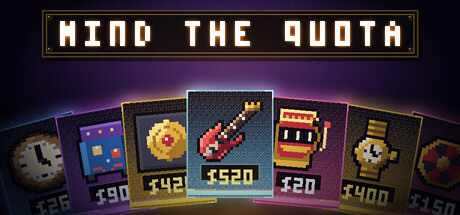 Mind The Quota In-game content arttext | Generative AI tools have been used as support in the development of this game. They were primarily used for programming, translations, and some background and art elements. All content has been manually reviewed and approved before being included in the game. | MISHOWARE | - | Sep 1, 2026 | |
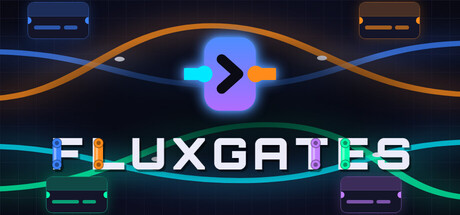 Fluxgates In-game content textcode | Parts of Fluxgates were built with AI assistance, and all of it is fixed content baked into the build - nothing is generated while you play.
Code: Some of the game's source was written with an AI coding assistant, reviewed, edited and tested by the developer before shipping.
Text: English and French interface strings and node descriptions were drafted with AI help and edited by hand.
No AI generated art or audio. Every visual is drawn by the interface itself, and every sound and music track is synthesised procedurally by a script in the project.
The game runs fully offline. No AI model runs at runtime, and no data leaves your machine. | Mouniou | - | Sep 1, 2026 |


