


Disclosure
I use AI for Japanese-to-English translation.
- Creator
- Hakomast
- Reviews
- -
- Added
- Sep 4, 2026
Public Steam disclosure research 26,750 disclosures tracked
Search developers’ Steam disclosures, compare classified AI use across games, and follow recorded changes. This index adds cross-game classifications and statistics to statements published on individual store pages.
Code help, debugging and other development work.
Capsule art, trailers and promotional material.
Pre-made art, audio, writing and other game assets.
Interactive or runtime AI features disclosed by the developer.
Groups reflect automatic analysis of public disclosures; mature records are excluded. These counts do not measure AI use across all of Steam. Missing or unclear statements cannot establish whether a game uses AI.
I use AI for Japanese-to-English translation.
Artificial intelligence tools were utilized solely in the creation of certain promotional materials, including the game logo and Steam library artwork.
During the development of the application, artificial intelligence was utilized to generate supporting utility code and translate user interface localization options into different languages.
"This game uses generative artificial intelligence (AI) in the development process to assist with creating certain visual and audio assets."
The ship and part artwork was generated with AI, then hand-edited and traced by me into the sprites and collision shapes the game actually uses. Nothing generative runs while you play. There is no AI service wired into the build, and the game never calls one. The music is licensed from real artists, and the sound effects come out of a script I wrote. Neither is AI. I want to replace the AI art with work from real artists before Early Access ends. I am not going to promise a date for that, but it is what I am working toward.
I used AI to build Mix Painter
Generative AI tools were used to assist in the creation of certain pre-generated 2D artwork and visual assets during development. AI-assisted artwork is reviewed, edited, and integrated by the development team to maintain the game's intended visual style and quality. No generative AI content is created live during gameplay
Some of the artwork, audio, text, and program code in this game were created with the assistance of generative AI tools and were reviewed, edited, and integrated by the developer. The game does not use generative AI to create content in real time during gameplay.
Artificial intelligence helped write the script
Some assets, translations, artwork, and scripts were generated with AI.
Some of PitWal's artwork and store images were made with help from AI tools and then finished by a person. PitWal's in-app commentary lines were also written with help from AI during development and ship as a fixed set. While you play, PitWal picks from those prewritten lines and fills in your own numbers from your own driving. PitWal does not run any AI while you play and does not send your data to any AI service. If you want, PitWal lets you connect your own AI assistant, such as Claude or a coding agent local or paid, to read your own data on your own machine. That is optional, uses your own tool, and is never required to use PitWal.
Hi everyone. I want to be open about how this game was made and why generative AI was used. Aika Was Supposed to Die began as a story that I wrote and developed over more than two years. The world, characters, dialogue, themes, and narrative direction were all written by me. I cared deeply about this story, and eventually I felt that a visual novel would be the best way to bring it to life. As an independent developer working with a limited budget, hiring a full team of artists is not financially possible for me right now. I greatly value human-made art and the work of professional artists. I am also a 3D artist who works with Unreal Engine, so this is something I genuinely care about. Rather than leave the story untold, I chose to use generative AI as part of the visual production process. The game’s images and video assets were created with the assistance of generative AI tools. However, I did not want that to become an excuse for delivering something careless or low-quality. In fact, having access to these tools encouraged me to be as ambitious as possible with the project. I created and refined a large number of images and animated sequences to give the game a richer and more cinematic presentation. Every asset was carefully directed, selected, edited, revised, and manually integrated into the story, with the goal of providing players with a cohesive, polished, and emotionally engaging experience. The writing, narrative design, scene direction, timing, editing, and final creative decisions were all handled by humans. Generative AI was used as a production tool, not as a replacement for authorship, creative direction, or care. No AI content is generated during gameplay. If the game becomes successful enough to support a larger production, I would love to work with professional artists on future chapters. Until then, this approach has allowed me to share a story that means a great deal to me while doing everything within my reach to make the final experience cohesive, personal, and emotionally meaningful. Thank you for giving this story a chance.
Generative AI was used to assist in creating certain 2D graphical assets / UI icons / background art in the game.
Generative AI tools were used during development to assist with the creation of some visual assets and development materials. All AI-assisted content was reviewed and integrated by the developer. No generative AI is used during gameplay.
The store page and library artwork (capsule images, library hero, and the game logo) were created using a generative AI image tool, then cropped, colour-corrected and composited by hand to meet Steam's asset specifications. No AI-generated content ships inside the game itself. All in-game visuals, audio, shaders and level layout are generated procedurally by the game's own code, or hand-written.
As an individual developer, during development of this game, AI tools were heavily used. I disclose this honestly and transparently. 1. In-Game Assets Illustrations & Art: Unit portraits and the opening cinematic illustrations were generated using AI image models, then manually curated, retouched, and unified in style. All assets were human-reviewed under strict art direction to ensure historical tone and consistency. Opening Cinematic: Subtle motion effects on the illustrations were produced with an AI image-to-video model and assembled by using the Remotion pipeline. Background Music: The soundtrack was generated by an AI music model in multiple takes, then human-selected, mixed, and mastered. Telegram Voice-overs: The historical telegram voice-overs in-game were synthesized by an AI TTS system. Each character's reference voice was human-approved through listening tests before use. 2. Development Assistance Code: Game code was written and debugged with the aid of AI coding assistants. All code was human-reviewed and validated through automated testing. Localization: The game supports Simplified Chinese, Traditional Chinese, and English. The English text was AI-drafted and human-proofread. 3. What Is NOT AI-Generated Historical Text: The telegrams in-game are taken from historical archives, 34 are verbatim transcriptions of the original documents, and 12 were written based on the sources. They were not AI-generated. Terrain & Map: The battlefield map was procedurally rendered from real elevation data (SRTM), not generated by AI. Game Balance & Statistics: Troop strength, Unit Introduction, and values were researched and set manually from historical sources, cross-checked for accuracy and play balance.
AI Disclosure WinterCore is a solo-developed game created over four years. Generative AI was used during development to create a small number of visual assets and selected promotional artwork. All AI-generated assets were subsequently edited, refined, and adapted by the developer to fit WinterCore’s art direction and overall visual style. The game’s core design, programming, story, gameplay, and final implementation were created by the developer. The project also includes licensed assets and creative works from independent artists and creators, who are credited accordingly.
We use AI tools as part of our developer workflow, in some cases for generative textures, 2D or 3D placeholders, in other cases for actual designs to be used in the game, this can also be a mix of both.
Marketing Material
Generative AI tools were used during development to assist in the creation of selected background images, illustrations, character assets, UI assets, rhythm game music, and background music. These are pre-generated assets included with the game. No generative AI is used to create content during gameplay, and the game does not connect to external AI services while being played.
AI-assisted development tools were used during production to help write game code, in-game text, and the English localization. All AI-assisted content was reviewed and tested by the developer.
Generative AI used for Audio narration
Some scenes cleaned up
Generative AI tools were used during development to assist with the creation of some character illustrations, visual art assets, and portions of the game’s code. All AI-assisted content was reviewed, edited, and integrated by the development team before being included in the final product. The game does not use generative AI to create content in real time during gameplay.
Generative AI tools were used during development to enhance and refine selected existing in-game artwork and music. These assets were not generated from scratch; AI was used only as part of the editing and improvement process. All AI-assisted outputs were reviewed and approved by the developer. The game does not generate AI content at runtime.
During the visual development process, I used generative AI tools (Leonardo AI, ChatGPT, etc.) to generate initial concept art and ideas. Using these concepts as a foundation, I manually redrew and refined every pixel in Aseprite, split them into layers for parallax effects, and converted them into functional game assets for Unity. — Esra Soner (Catstanbul's Developer)
Parts of this game were made with the help of generative AI tools. AI assistance was used for the source code, the in-game and store text, the store and library artwork, and the music and sound effects. Everything generated was reviewed and edited by the developer before it shipped. Nothing is generated while you play: the game ships fixed assets and makes no calls to any AI service.
Artificial intelligence was used as a development assistant to generate the game's source code, as well as to write and translate the interface text (localization).
Epoch Studio is a private writing and worldbuilding studio. When you ask it to, it can generate text suggestions and illustrations to help you develop your own manuscript. All generation runs locally on your own machine using bundled, permissively-licensed AI models — or optional cloud providers you connect with your own API key. Nothing is generated on its own: every suggestion is a deliberate action you take, and you review, edit, and decide what becomes part of your book. Your writing never leaves your device and is never used to train any AI model.
Game code and ui was assisted with Claude
Some, unavoidable, AI was used to generate this game. It's my first and it's just me.
AI helps us bring our creative ideas to life. In true indie fashion, we are two starving game developers—figuratively, and occasionally quite literally. It’s the only way for us to produce the art we need while saving our remaining coins for developing the game. If the budget grows, we’ll consider buying the better cheese from the local market.
this game is made by ai
A large chunk of the netcode was ai assisted as well as many in game features
Towards the end of development, we used modern tools to find bugs faster and further improve the player experience. Some graphics are still temporary and will be replaced with original artwork before the full release. These tools will continue to support testing, bug hunting, and technical optimization.
Generative AI tools were used during development to assist with early visual concepts, selected promotional artwork, and development support. All AI-assisted materials included in the final product were reviewed, edited, and integrated by the developer. The game does not generate AI content during gameplay and does not send player input to external generative AI services.
Generative AI tools were used during development to assist with programming, debugging, and selected visual and marketing assets. All AI-assisted code and content were reviewed, tested, and edited by the developer. No content is generated during gameplay.
This game was developed with the assistance of generative AI tools. AI was used during development to help write and refactor portions of the game's code, and to assist with design iteration. Some in-game assets (such as placeholder art, sound effects, or text) may have been created or refined with AI assistance. All AI-assisted content was reviewed and edited by the developer before inclusion. The game does not generate any content using AI at runtime, and no live AI features are present in the released product.
Some static art used OpenAI; no runtime AI.
AI was used to create the full scores from chords and melody provided to create retro feel. All art and animations were drawn meticulously character by character using a personal editor I made, but I drew inspiration from generative AI to get the right feel or angles.
We use ai only for storepage assets
Generative AI tools were used during development to assist with portions of the game's code and some in-game text, including interface descriptions and procedural name pools. All AI-assisted content was reviewed, edited, and tested by the developer before inclusion.
Visual Assets: As a solo developer, I use generative AI to create initial variations for scenery, textures, character sprites, and UI. No raw AI output ships in the game — every asset is hand-edited, composited, and cleaned up to match the game's aesthetic. Music: The soundtrack and ambient music are created with AI audio tools, then curated and sequenced into a cohesive, atmospheric score.
Brainrot Fire uses generative AI to assist with translating in-game text and interface content into multiple languages, helping us support a wider range of players around the world.
Shirt Happens! was made with the help of generative AI. We used it to write and review code, to bring the game's mechanics online, to support our UI work, to generate visual assets and reference images for our 2D and 3D art, to draft written text including parts of this store page, and as a sounding board for design ideas. Everything it produced was reviewed, edited and finished by us before it shipped.
Neural Defense was developed by a five-person indie team using a combination of hand-crafted work and generative AI tools. Generative AI was used during development to assist with music composition, concept art, portions of the game's code, and the editing and expansion of some narrative text. All final in-game assets — including 3D models, textures, and visual art seen during gameplay — were hand-crafted by the studio's artists. No content or code is generated live during gameplay; everything was created, reviewed, and finalized by the team prior to release.
AI was used to translate in-game text into other languages
Generative AI was used during the development of this game. AI-assisted tools were used to create or assist with visual assets, UI elements, backgrounds, in-game text, localization, and portions of the game's code and development process. Music used in the game was not generated by AI. All AI-assisted content was created during development. The game does not use generative AI to create content in real time during gameplay.
Dream Simulators uses generative AI to create dynamic dialogue, story continuations, characters, missions, and narrative events based on player input and the active Lore system. Each Expansion Pack features its own world, Lore, characters, and adventures, creating a unique storytelling experience. The AI also generates creative scene descriptions and prompts that players can use as inspiration for creating images and videos. Because the experience is driven by player input, generated content may vary between playthroughs.
This game uses generative AI-assisted tools for certain visual assets and promotional materials, including some artwork shown in the store page and trailer. All AI-assisted content has been reviewed, selected, edited, and integrated by the developer.
| Title⇅ | Disclosure | Creator⇅ | Src | Reviews⇅ | Added↓ |
|---|---|---|---|---|---|
 Circle to another motion In-game content text | I use AI for Japanese-to-English translation. | Hakomast | - | Sep 4, 2026 | |
 Megastore Chaos Store/marketing art | Artificial intelligence tools were utilized solely in the creation of certain promotional materials, including the game logo and Steam library artwork. | Dynamic Dice | 79 | Sep 4, 2026 | |
 PixageFX Nodes In-game content textcode | During the development of the application, artificial intelligence was utilized to generate supporting utility code and translate user interface localization options into different languages. | LizardWish | - | Sep 4, 2026 | |
 Echoes of Aether In-game content artaudio | "This game uses generative artificial intelligence (AI) in the development process to assist with creating certain visual and audio assets." | SiRang | - | Sep 4, 2026 | |
 Armada Ascendant In-game content art | The ship and part artwork was generated with AI, then hand-edited and traced by me into the sprites and collision shapes the game actually uses.
Nothing generative runs while you play. There is no AI service wired into the build, and the game never calls one.
The music is licensed from real artists, and the sound effects come out of a script I wrote. Neither is AI.
I want to replace the AI art with work from real artists before Early Access ends. I am not going to promise a date for that, but it is what I am working toward. | aeronothis | - | Sep 4, 2026 | |
 Mix Painter Unclear | I used AI to build Mix Painter | Daniel Mor | - | Sep 4, 2026 | |
 Bridge Of The Wild In-game content art | Generative AI tools were used to assist in the creation of certain pre-generated 2D artwork and visual assets during development. AI-assisted artwork is reviewed, edited, and integrated by the development team to maintain the game's intended visual style and quality. No generative AI content is created live during gameplay | Favor Games | - | Sep 4, 2026 | |
 骰御三军:三国 In-game content artaudiotextcode | Some of the artwork, audio, text, and program code in this game were created with the assistance of generative AI tools and were reviewed, edited, and integrated by the developer. The game does not use generative AI to create content in real time during gameplay. | 青岚 | - | Sep 4, 2026 | |
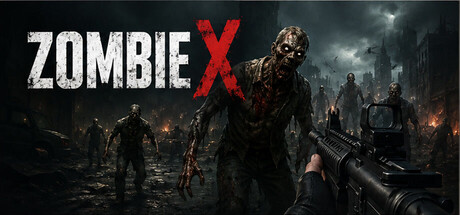 Zombie X Unclear text | Artificial intelligence helped write the script | Zombie GG | - | Sep 4, 2026 | |
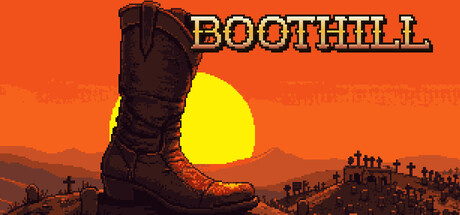 Boothill In-game content arttextcode | Some assets, translations, artwork, and scripts were generated with AI. | Theodore Scott Spence | - | Sep 4, 2026 | |
 PitWal In-game content text | Some of PitWal's artwork and store images were made with help from AI tools and then finished by a person. PitWal's in-app commentary lines were also written with help from AI during development and ship as a fixed set. While you play, PitWal picks from those prewritten lines and fills in your own numbers from your own driving.
PitWal does not run any AI while you play and does not send your data to any AI service. If you want, PitWal lets you connect your own AI assistant, such as Claude or a coding agent local or paid, to read your own data on your own machine. That is optional, uses your own tool, and is never required to use PitWal. | PitWal | - | Sep 4, 2026 | |
 Aika Was Supposed to Die In-game content art | Hi everyone. I want to be open about how this game was made and why generative AI was used.
Aika Was Supposed to Die began as a story that I wrote and developed over more than two years. The world, characters, dialogue, themes, and narrative direction were all written by me. I cared deeply about this story, and eventually I felt that a visual novel would be the best way to bring it to life.
As an independent developer working with a limited budget, hiring a full team of artists is not financially possible for me right now. I greatly value human-made art and the work of professional artists. I am also a 3D artist who works with Unreal Engine, so this is something I genuinely care about.
Rather than leave the story untold, I chose to use generative AI as part of the visual production process. The game’s images and video assets were created with the assistance of generative AI tools. However, I did not want that to become an excuse for delivering something careless or low-quality. In fact, having access to these tools encouraged me to be as ambitious as possible with the project.
I created and refined a large number of images and animated sequences to give the game a richer and more cinematic presentation. Every asset was carefully directed, selected, edited, revised, and manually integrated into the story, with the goal of providing players with a cohesive, polished, and emotionally engaging experience.
The writing, narrative design, scene direction, timing, editing, and final creative decisions were all handled by humans. Generative AI was used as a production tool, not as a replacement for authorship, creative direction, or care. No AI content is generated during gameplay.
If the game becomes successful enough to support a larger production, I would love to work with professional artists on future chapters. Until then, this approach has allowed me to share a story that means a great deal to me while doing everything within my reach to make the final experience cohesive, personal, and emotionally meaningful.
Thank you for giving this story a chance. | AGA PRODUCOES LTDA | - | Sep 4, 2026 | |
 Roll them all In-game content art | Generative AI was used to assist in creating certain 2D graphical assets / UI icons / background art in the game. | Plantaznik_CZ | - | Sep 4, 2026 | |
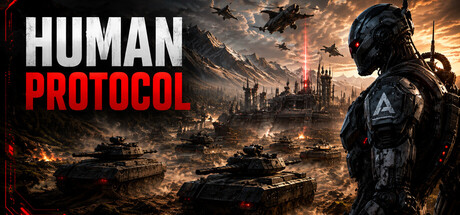 Human Protocol Dev only art | Generative AI tools were used during development to assist with the creation of some visual assets and development materials. All AI-assisted content was reviewed and integrated by the developer. No generative AI is used during gameplay. | IONAR Studio Games | - | Sep 4, 2026 | |
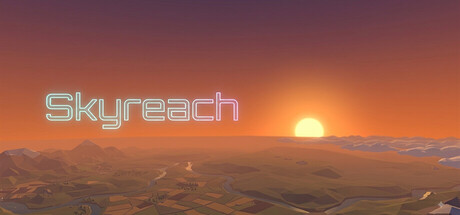 Skyreach Store/marketing art | The store page and library artwork (capsule images, library hero, and the game
logo) were created using a generative AI image tool, then cropped, colour-corrected
and composited by hand to meet Steam's asset specifications.
No AI-generated content ships inside the game itself. All in-game visuals, audio,
shaders and level layout are generated procedurally by the game's own code, or
hand-written. | John | - | Sep 4, 2026 | |
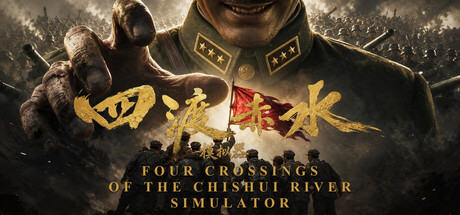 四渡赤水模拟器 Four Crossings of the ChiShui River Simulator In-game content artaudiotext | As an individual developer, during development of this game, AI tools were heavily used. I disclose this honestly and transparently.
1. In-Game Assets
Illustrations & Art: Unit portraits and the opening cinematic illustrations were generated using AI image models, then manually curated, retouched, and unified in style. All assets were human-reviewed under strict art direction to ensure historical tone and consistency.
Opening Cinematic: Subtle motion effects on the illustrations were produced with an AI image-to-video model and assembled by using the Remotion pipeline.
Background Music: The soundtrack was generated by an AI music model in multiple takes, then human-selected, mixed, and mastered.
Telegram Voice-overs: The historical telegram voice-overs in-game were synthesized by an AI TTS system. Each character's reference voice was human-approved through listening tests before use.
2. Development Assistance
Code: Game code was written and debugged with the aid of AI coding assistants. All code was human-reviewed and validated through automated testing.
Localization: The game supports Simplified Chinese, Traditional Chinese, and English. The English text was AI-drafted and human-proofread.
3. What Is NOT AI-Generated
Historical Text: The telegrams in-game are taken from historical archives, 34 are verbatim transcriptions of the original documents, and 12 were written based on the sources. They were not AI-generated.
Terrain & Map: The battlefield map was procedurally rendered from real elevation data (SRTM), not generated by AI.
Game Balance & Statistics: Troop strength, Unit Introduction, and values were researched and set manually from historical sources, cross-checked for accuracy and play balance. | Han | - | Sep 4, 2026 | |
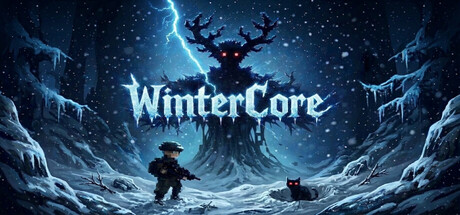 WinterCore Store/marketing art | AI Disclosure
WinterCore is a solo-developed game created over four years. Generative AI was used during development to create a small number of visual assets and selected promotional artwork. All AI-generated assets were subsequently edited, refined, and adapted by the developer to fit WinterCore’s art direction and overall visual style.
The game’s core design, programming, story, gameplay, and final implementation were created by the developer. The project also includes licensed assets and creative works from independent artists and creators, who are credited accordingly. | DARKDUST INTERACTIVE | - | Sep 4, 2026 | |
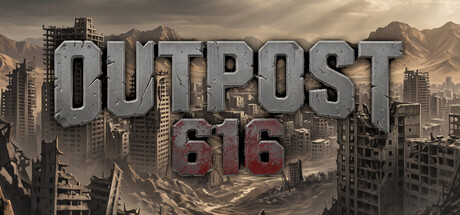 Outpost 616 In-game content art | We use AI tools as part of our developer workflow, in some cases for generative textures, 2D or 3D placeholders, in other cases for actual designs to be used in the game, this can also be a mix of both. | Furious AS | - | Sep 4, 2026 | |
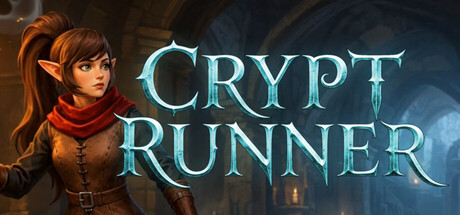 Crypt Runner Store/marketing arttext | Marketing Material | Midnight Raven Games LLC | - | Sep 4, 2026 | |
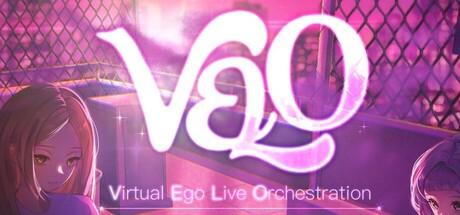 V.E.L.O. In-game content artaudio | Generative AI tools were used during development to assist in the creation of selected background images, illustrations, character assets, UI assets, rhythm game music, and background music. These are pre-generated assets included with the game. No generative AI is used to create content during gameplay, and the game does not connect to external AI services while being played. | PROJECT: V.E.L.O. | - | Sep 4, 2026 | |
 PALM CITY In-game content text | AI-assisted development tools were used during production to help write game code, in-game text, and the English localization. All AI-assisted content was reviewed and tested by the developer. | ELVORIS | - | Sep 4, 2026 | |
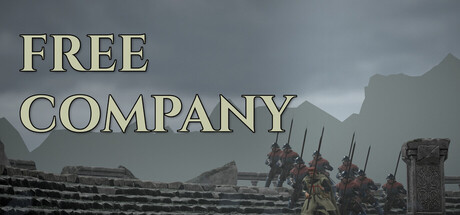 Free Company In-game content audio | Generative AI used for Audio narration | Refx7 Games | - | Sep 4, 2026 | |
 Vacation Adventures: Park Ranger Mega Bundle Unclear art | Some scenes cleaned up | Casual Arts | - | Sep 4, 2026 | |
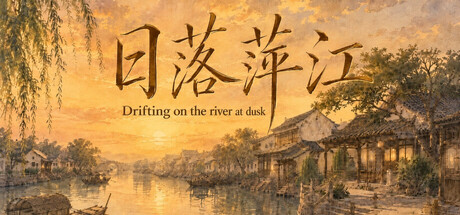 日落萍江 In-game content artcode | Generative AI tools were used during development to assist with the creation of some character illustrations, visual art assets, and portions of the game’s code. All AI-assisted content was reviewed, edited, and integrated by the development team before being included in the final product. The game does not use generative AI to create content in real time during gameplay. | 大狙 | - | Sep 4, 2026 | |
 Click Start In-game content artaudio | Generative AI tools were used during development to enhance and refine selected existing in-game artwork and music. These assets were not generated from scratch; AI was used only as part of the editing and improvement process. All AI-assisted outputs were reviewed and approved by the developer. The game does not generate AI content at runtime. | Tech-AM Studio | - | Sep 4, 2026 | |
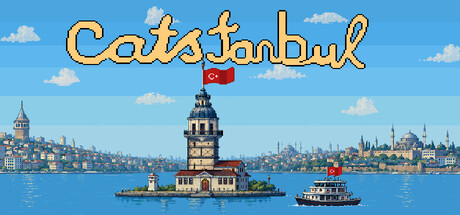 Catstanbul Dev only art | During the visual development process, I used generative AI tools (Leonardo AI, ChatGPT, etc.) to generate initial concept art and ideas. Using these concepts as a foundation, I manually redrew and refined every pixel in Aseprite, split them into layers for parallax effects, and converted them into functional game assets for Unity.
— Esra Soner (Catstanbul's Developer) | Esra Soner | - | Sep 4, 2026 | |
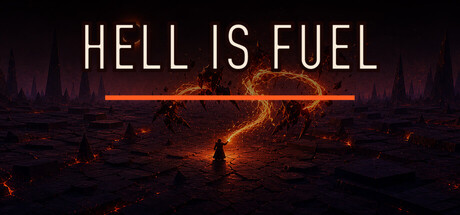 HELL IS FUEL In-game content arttextaudiocode | Parts of this game were made with the help of generative AI tools. AI assistance was used for the source code, the in-game and store text, the store and library artwork, and the music and sound effects. Everything generated was reviewed and edited by the developer before it shipped. Nothing is generated while you play: the game ships fixed assets and makes no calls to any AI service. | GlobalTech LLC | - | Sep 4, 2026 | |
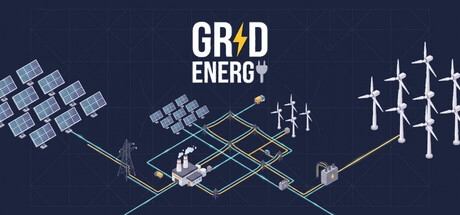 GridEnergy In-game content codetext | Artificial intelligence was used as a development assistant to generate the game's source code, as well as to write and translate the interface text (localization). | General Studios | - | Sep 4, 2026 | |
 Epoch Studio Dev only textart | Epoch Studio is a private writing and worldbuilding studio. When you ask it to, it can generate text suggestions and illustrations to help you develop your own manuscript. All generation runs locally on your own machine using bundled, permissively-licensed AI models — or optional cloud providers you connect with your own API key. Nothing is generated on its own: every suggestion is a deliberate action you take, and you review, edit, and decide what becomes part of your book. Your writing never leaves your device and is never used to train any AI model. | Epoch Works LLC | - | Sep 4, 2026 | |
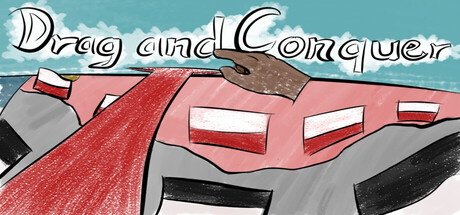 Drag and Conquer Dev only code | Game code and ui was assisted with Claude | Grawr | - | Sep 4, 2026 | |
 Kamikaze Dolphin Unclear | Some, unavoidable, AI was used to generate this game. It's my first and it's just me. | MuldersreVenge | - | Sep 4, 2026 | |
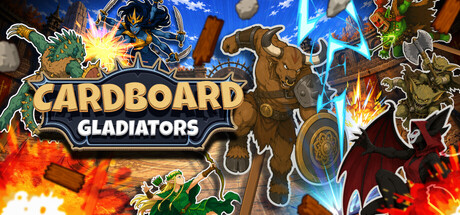 Cardboard Gladiators Unclear | AI helps us bring our creative ideas to life. In true indie fashion, we are two starving game developers—figuratively, and occasionally quite literally. It’s the only way for us to produce the art we need while saving our remaining coins for developing the game. If the budget grows, we’ll consider buying the better cheese from the local market. | 150 Beanies | - | Sep 4, 2026 | |
 mechakucha pakurion Unclear | this game is made by ai | KCKCKCKC | - | Sep 4, 2026 | |
 Anispo In-game content code | A large chunk of the netcode was ai assisted as well as many in game features | Devin Nickell | - | Sep 4, 2026 | |
 VOID CLICKER: Infinite Prestige Dev only | Towards the end of development, we used modern tools to find bugs faster and further improve the player experience. Some graphics are still temporary and will be replaced with original artwork before the full release. These tools will continue to support testing, bug hunting, and technical optimization. | TrashPanda Interactive | - | Sep 4, 2026 | |
 复苏王国 Store/marketing art | Generative AI tools were used during development to assist with early visual concepts, selected promotional artwork, and development support. All AI-assisted materials included in the final product were reviewed, edited, and integrated by the developer. The game does not generate AI content during gameplay and does not send player input to external generative AI services. | 1+1=2 | - | Sep 4, 2026 | |
 Dodgeball Bash Store/marketing artcode | Generative AI tools were used during development to assist with programming, debugging, and selected visual and marketing assets. All AI-assisted code and content were reviewed, tested, and edited by the developer. No content is generated during gameplay. | SaltyGames | - | Sep 4, 2026 | |
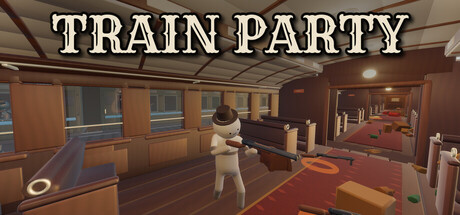 Train Party In-game content artaudiotextcode | This game was developed with the assistance of generative AI tools. AI was used during development to help write and refactor portions of the game's code, and to assist with design iteration. Some in-game assets (such as placeholder art, sound effects, or text) may have been created or refined with AI assistance. All AI-assisted content was reviewed and edited by the developer before inclusion. The game does not generate any content using AI at runtime, and no live AI features are present in the released product. | PTLH | - | Sep 4, 2026 | |
 Noodle Go! In-game content art | Some static art used OpenAI; no runtime AI. | Mala Games | - | Sep 4, 2026 | |
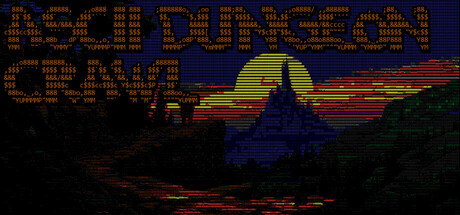 ASCII Dungeon Crawl In-game content audioart | AI was used to create the full scores from chords and melody provided to create retro feel. All art and animations were drawn meticulously character by character using a personal editor I made, but I drew inspiration from generative AI to get the right feel or angles. | Andrew Bellinger | - | Sep 4, 2026 | |
 Beellionaire Idle In-game content arttext | We use ai only for storepage assets | Ravenholm Interactive | - | Sep 4, 2026 | |
 装甲生涯 In-game content textcode | Generative AI tools were used during development to assist with portions of the game's code and some in-game text, including interface descriptions and procedural name pools. All AI-assisted content was reviewed, edited, and tested by the developer before inclusion. | FurAnt | - | Sep 4, 2026 | |
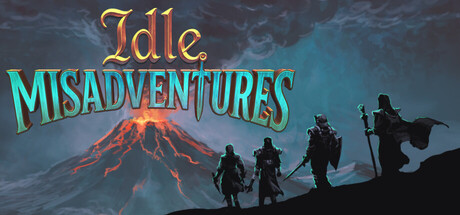 Idle Misadventures In-game content artaudio | Visual Assets: As a solo developer, I use generative AI to create initial variations for scenery, textures, character sprites, and UI. No raw AI output ships in the game — every asset is hand-edited, composited, and cleaned up to match the game's aesthetic.
Music: The soundtrack and ambient music are created with AI audio tools, then curated and sequenced into a cohesive, atmospheric score. | Double Trouble Games | - | Sep 4, 2026 | |
 Brainrot Fire In-game content text | Brainrot Fire uses generative AI to assist with translating in-game text and interface content into multiple languages, helping us support a wider range of players around the world. | Rixn Games | - | Sep 4, 2026 | |
 Shirt Happens! Dev only arttextcode | Shirt Happens! was made with the help of generative AI. We used it to write and review
code, to bring the game's mechanics online, to support our UI work, to generate visual
assets and reference images for our 2D and 3D art, to draft written text including parts
of this store page, and as a sounding board for design ideas. Everything it produced was
reviewed, edited and finished by us before it shipped. | Duigrind | - | Sep 4, 2026 | |
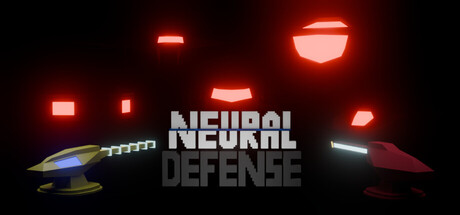 Neural Defense In-game content audioarttextcode | Neural Defense was developed by a five-person indie team using a combination of hand-crafted work and generative AI tools. Generative AI was used during development to assist with music composition, concept art, portions of the game's code, and the editing and expansion of some narrative text. All final in-game assets — including 3D models, textures, and visual art seen during gameplay — were hand-crafted by the studio's artists. No content or code is generated live during gameplay; everything was created, reviewed, and finalized by the team prior to release. | Synapse Game Studios | - | Sep 4, 2026 | |
 Ludus Deceptor In-game content text | AI was used to translate in-game text into other languages | Ginser | - | Sep 4, 2026 | |
 Your Liar In-game content arttextcode | Generative AI was used during the development of this game. AI-assisted tools were used to create or assist with visual assets, UI elements, backgrounds, in-game text, localization, and portions of the game's code and development process. Music used in the game was not generated by AI.
All AI-assisted content was created during development. The game does not use generative AI to create content in real time during gameplay. | MAgaming | - | Sep 4, 2026 | |
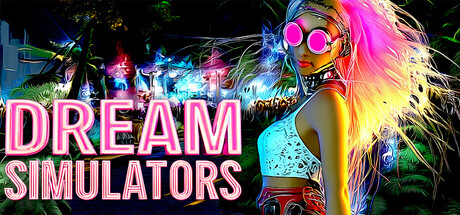 Dream Simulators Live AI text | Dream Simulators uses generative AI to create dynamic dialogue, story continuations, characters, missions, and narrative events based on player input and the active Lore system. Each Expansion Pack features its own world, Lore, characters, and adventures, creating a unique storytelling experience. The AI also generates creative scene descriptions and prompts that players can use as inspiration for creating images and videos. Because the experience is driven by player input, generated content may vary between playthroughs. | Angelkiss Games | - | Sep 4, 2026 | |
 Sudoku Solace In-game content art | This game uses generative AI-assisted tools for certain visual assets and promotional materials, including some artwork shown in the store page and trailer. All AI-assisted content has been reviewed, selected, edited, and integrated by the developer. | Bonzeux | - | Sep 4, 2026 |


