Public Steam disclosure research25,380 disclosures tracked
Where do games disclose AI use?
Search developers’ Steam disclosures, compare classified AI use across
games, and follow recorded changes.
This index adds cross-game classifications and statistics to
statements published on individual store pages.
Groups reflect automatic analysis of public disclosures; mature records are excluded. These counts do not measure AI use across all of Steam.
Missing or unclear statements cannot establish whether a game uses AI.
Generative AI was used to help draft some in-game text and Steam store / marketing copy. Selected upgrade card icons were purchased as AI-generated assets and then manually edited. All AI-assisted content is reviewed by the developer before shipping.
We used AI tools during development: part of the source code was written with an AI
assistant, and part of the pixel art was generated with PixelLab. Everything was
reviewed, edited and tested by the developer by hand. The game generates nothing at
runtime — all content is fixed in the build and identical for every player.
Some character, enemy, and environment sprites in this game were created with the assistance of AI image generation tools during development. All AI-generated content was reviewed and edited by the developers before inclusion.
The English and Turkish text in Slots & Skulls is written entirely by the developer. Gen AI was used only to translate in game and store text into the game's other supported languages.
No AI tools were used to create any visual or audio asset: all art, animation, UI, music and sound effects are made by hand or licensed from human creators.
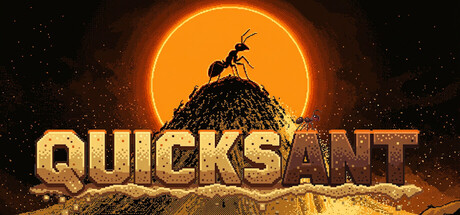
I (Sean) use AI coding assistants: GitHub Copilot and Claude Code. I've written software for years and I teach games programming at university, and I use AI tools the way I use a profiler or a compiler. They helped build web tools Dave and I use to balance the ecosystem across long simulations, they're very good at finding edge-case bugs (I'm looking at you, pathing system), and they write the boilerplate for things like save states and UI. I never ship code I haven't read and thoroughly tested.
No content in this game is AI-generated, and no generative AI runs while you play.
Every sound, art and music asset in this game was made by a human. The game started out as the idea of “Asset Safari” around the concept of buying sprite packs from artists, which is what we have done. The music, sound and writing is also all human generated.
Generative AI was used to assist in the creation of some graphical and marketing assets for the game and its Steam store page. All AI-assisted content was reviewed and selected by the developer before being included in the final product.
The coding process used artificial intelligence, to allow the creator to focus on the creative aspects of game development. All art, story, mechanics, balancing, and creative direction is human-made.
This game uses generative AI in the following areas:
Art: Character sprites, background images, UI elements, and other
visual assets were created with the assistance of generative AI tools.
All generated assets were reviewed, edited, and adjusted by the
developer before being used in the game.
Localization: Store page text and in-game text in languages other
than Japanese were translated with the assistance of generative AI,
and reviewed before publication.
Programming: Generative AI was used as a coding assistant during
development.
No AI-generated content is produced at runtime. All game content
is fixed and pre-authored.
This game uses AI-generated images for some of its backgrounds, obstacles, collectible items, UI, fonts, logo, and visual effects, and an AI-generated sound effect on the results screen. Character designs were primarily hand-drawn by REBORNSMITH's designers, with generative AI used as an assistive tool in places. Generative AI tools were also used for some of the background music and parts of the promotional trailer. All AI-assisted content was reviewed and edited by our team. The game does not generate any images, audio, or text with AI during gameplay.
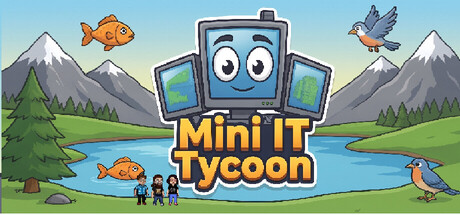
Generative AI was used during development to assist in creating some pre-generated 2D artwork, including backgrounds, characters, fish/creatures, logos, and some marketing artwork. Generated assets were reviewed, selected, edited, and integrated by the developer. The game does not use generative AI to create content during gameplay.
Pre-generated generative AI was used during development to assist with the creation and refinement of some 2D pixel-art assets, including characters, animals, equipment, environments, and user-interface elements, as well as localized text. All AI-assisted content was reviewed, edited, and integrated by the developer. The game does not use live-generated AI and does not generate content during gameplay.
Pre-generated content only. No AI runs while the game is played.
Some monster and boss sprites were generated with PixelLab (an AI pixel-art tool) and then hand-edited, cut into animation strips and cleaned up by the developer. A few background art pieces, such as arcade machine sheets and map-card thumbnails, were generated with Google Gemini and then reworked by hand. The music soundtrack was generated with Suno on a paid licence. Some store page art may be based on these assets.
All gameplay code, the level design, the rest of the sprite art, UI, sound effects and all text were made by the developer without generative AI. The game does not generate any content at runtime.
Some of this game's written text, including this store page and some in-game descriptions, was drafted with the help of an AI assistant and then edited by hand. The rest is not AI-generated: the pixel art is hand-drawn or from licensed asset packs, the audio comes from a licensed sound pack, and every screenshot and capsule image is composed from real in-game captures. Nothing is generated while you play.
Grimhold's artwork is created by commissioned human artists, and its music is human-made licensed audio. Generative AI tools were used to assist in writing portions of the game's descriptive text and creature lore. All gameplay, code, and design are human-made. The game does not generate any AI content during play and does not connect to external AI services.
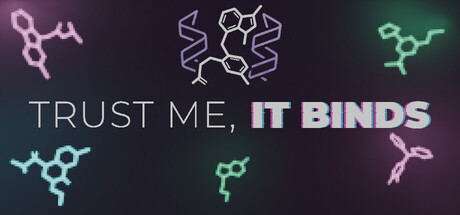
The game uses generative AI to create molecular structures during gameplay. Molecules are procedurally generated by a generative AI model embedded locally within the game and operating as part of the game’s molecular design system.
The in-game generative AI system is used exclusively for molecular structure generation and does not generate dialogue, artwork, music, or other narrative content during gameplay.
During development, generative AI tools were used to assist with artwork preparation, text polishing, and UI code development.
Some of this game's artwork - the Steam achievement icons and a number of interface icons - was created with a generative image model, then hand-selected, cropped and colour-matched by the developer. In-game text and the English localisation were also drafted with AI assistance and reviewed by the developer. The game does not generate any content while you play, and it does not connect to any AI service.
Generative AI tools were used as development assistance, including support for programming, text editing, brainstorming, and localization. The game's visual artwork and assets are created by the developer and do not use AI-generated images. Story concepts and final creative decisions are made and edited by the developer.
Some of the original art in this game (the bonus cards, bomb card, curse card, crimson paulownia card, soiled card back, pixel card back, two reward chest frames, and combination popup frame) was created using AI-assisted procedural generation scripts. The store capsules, icon, and trailer are derived from this in-game art and are therefore covered by this disclosure.
All supported languages other than Korean (including English) were translated using AI translation tools, then checked through machine back-translation and additional review.
Some voice lines, sound effects, and music in the game and its trailer were
created with generative AI tools (ElevenLabs, Suno), then reviewed, edited,
and finalized by the developer. No content is generated by AI during gameplay.
WICKLING was built with AI assistance. Generative AI was used during development to help write the game's code, its pixel art, its level layouts and some of its writing, and to help produce this store page and its artwork.
The soundtrack is not AI-generated. Every note is a hand-written 2A03 chiptune, synthesised by the game as it runs rather than played back from audio files, which is why the horror systems can bend the music live.
Nothing in WICKLING is generated while you play. Every level, sprite, line of text and piece of music is fixed and identical for every player, and the game makes no network requests of any kind.
Generative AI is used as part of the development process for character illustrations, background images, background music (BGM), the implementation of custom gameplay systems, and user interface (UI) elements.
AI tools were used during development to assist with parts of the workflow, including code, materials, graphics, and other production tasks. All generated content was reviewed, adjusted, integrated, and refined as part of the game’s development process.
Some 2D art in this game was created with the assistance of AI image generation tools and then curated, pixel-processed and hand-corrected by the developer: backgrounds, story cutscene illustrations, card art, the title logo, and the Steam store assets. All game design, systems, balance, code and the original Korean script were written by the developer. The nine non-Korean localizations were produced with AI translation assistance and then reviewed and corrected in-game. The game does not generate any content with AI while you play, and it never connects to an AI service.
Some pre-rendered 2D art (monster sprites, character illustrations) was first generated with AI image tools and then hand-edited and pixel-cleaned by the developer. Parts of the in-game text and its EN/RU/JA localization were drafted with AI assistance and reviewed by the developer. No content is generated by AI while the game runs. Game design, systems and code are human-authored.
일부 2D 아트(몬스터 스프라이트·캐릭터 일러스트)는 AI 이미지 도구로 초안을 만든 뒤 개발자가 손으로 수정·정리했습니다. 게임 내 글 일부와 EN/RU/JA 번역은 AI 보조로 초안을 쓰고 개발자가 검토했습니다. 게임 실행 중 AI 가 생성하는 콘텐츠는 없습니다.
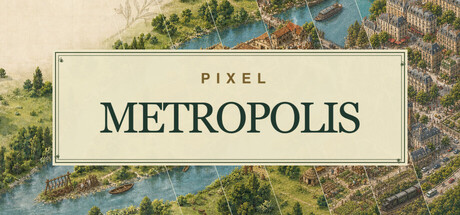
Pixel Metropolis is a human-designed, AI-implemented game. As its sole human creator, I am responsible for the game’s design, systems, architecture, quality assurance, extensive testing, art direction, and sound direction.
Codex, primarily using OpenAI’s GPT-5.6 Sol model, has generated all of the game’s code and has been used to direct the creation and implementation of its visual and sound assets. The only non-generated assets are a small selection of CC0 sounds.
Parts of this game's text were created with the assistance of generative AI: the translation of the interface into several of its 13 supported languages, and portions of the store page text. All in-game art, music and sound effects are procedurally generated by hand-written code, not by AI, and no AI-generated content is created while you play.
Generative AI was used to help draft some in-game text and Steam store / marketing copy. Selected upgrade card icons were purchased as AI-generated assets and then manually edited. All AI-assisted content is reviewed by the developer before shipping.
We used AI tools during development: part of the source code was written with an AI
assistant, and part of the pixel art was generated with PixelLab. Everything was
reviewed, edited and tested by the developer by hand. The game generates nothing at
runtime — all content is fixed in the build and identical for every player.
Some character, enemy, and environment sprites in this game were created with the assistance of AI image generation tools during development. All AI-generated content was reviewed and edited by the developers before inclusion.
The English and Turkish text in Slots & Skulls is written entirely by the developer. Gen AI was used only to translate in game and store text into the game's other supported languages.
No AI tools were used to create any visual or audio asset: all art, animation, UI, music and sound effects are made by hand or licensed from human creators.
I (Sean) use AI coding assistants: GitHub Copilot and Claude Code. I've written software for years and I teach games programming at university, and I use AI tools the way I use a profiler or a compiler. They helped build web tools Dave and I use to balance the ecosystem across long simulations, they're very good at finding edge-case bugs (I'm looking at you, pathing system), and they write the boilerplate for things like save states and UI. I never ship code I haven't read and thoroughly tested.
No content in this game is AI-generated, and no generative AI runs while you play.
Every sound, art and music asset in this game was made by a human. The game started out as the idea of “Asset Safari” around the concept of buying sprite packs from artists, which is what we have done. The music, sound and writing is also all human generated.
Generative AI was used to assist in the creation of some graphical and marketing assets for the game and its Steam store page. All AI-assisted content was reviewed and selected by the developer before being included in the final product.
The coding process used artificial intelligence, to allow the creator to focus on the creative aspects of game development. All art, story, mechanics, balancing, and creative direction is human-made.
This game uses generative AI in the following areas:
Art: Character sprites, background images, UI elements, and other
visual assets were created with the assistance of generative AI tools.
All generated assets were reviewed, edited, and adjusted by the
developer before being used in the game.
Localization: Store page text and in-game text in languages other
than Japanese were translated with the assistance of generative AI,
and reviewed before publication.
Programming: Generative AI was used as a coding assistant during
development.
No AI-generated content is produced at runtime. All game content
is fixed and pre-authored.
This game uses AI-generated images for some of its backgrounds, obstacles, collectible items, UI, fonts, logo, and visual effects, and an AI-generated sound effect on the results screen. Character designs were primarily hand-drawn by REBORNSMITH's designers, with generative AI used as an assistive tool in places. Generative AI tools were also used for some of the background music and parts of the promotional trailer. All AI-assisted content was reviewed and edited by our team. The game does not generate any images, audio, or text with AI during gameplay.
Generative AI was used during development to assist in creating some pre-generated 2D artwork, including backgrounds, characters, fish/creatures, logos, and some marketing artwork. Generated assets were reviewed, selected, edited, and integrated by the developer. The game does not use generative AI to create content during gameplay.
Pre-generated generative AI was used during development to assist with the creation and refinement of some 2D pixel-art assets, including characters, animals, equipment, environments, and user-interface elements, as well as localized text. All AI-assisted content was reviewed, edited, and integrated by the developer. The game does not use live-generated AI and does not generate content during gameplay.
Pre-generated content only. No AI runs while the game is played.
Some monster and boss sprites were generated with PixelLab (an AI pixel-art tool) and then hand-edited, cut into animation strips and cleaned up by the developer. A few background art pieces, such as arcade machine sheets and map-card thumbnails, were generated with Google Gemini and then reworked by hand. The music soundtrack was generated with Suno on a paid licence. Some store page art may be based on these assets.
All gameplay code, the level design, the rest of the sprite art, UI, sound effects and all text were made by the developer without generative AI. The game does not generate any content at runtime.
Some of this game's written text, including this store page and some in-game descriptions, was drafted with the help of an AI assistant and then edited by hand. The rest is not AI-generated: the pixel art is hand-drawn or from licensed asset packs, the audio comes from a licensed sound pack, and every screenshot and capsule image is composed from real in-game captures. Nothing is generated while you play.
Grimhold's artwork is created by commissioned human artists, and its music is human-made licensed audio. Generative AI tools were used to assist in writing portions of the game's descriptive text and creature lore. All gameplay, code, and design are human-made. The game does not generate any AI content during play and does not connect to external AI services.
The game uses generative AI to create molecular structures during gameplay. Molecules are procedurally generated by a generative AI model embedded locally within the game and operating as part of the game’s molecular design system.
The in-game generative AI system is used exclusively for molecular structure generation and does not generate dialogue, artwork, music, or other narrative content during gameplay.
During development, generative AI tools were used to assist with artwork preparation, text polishing, and UI code development.
Some of this game's artwork - the Steam achievement icons and a number of interface icons - was created with a generative image model, then hand-selected, cropped and colour-matched by the developer. In-game text and the English localisation were also drafted with AI assistance and reviewed by the developer. The game does not generate any content while you play, and it does not connect to any AI service.
Generative AI tools were used as development assistance, including support for programming, text editing, brainstorming, and localization. The game's visual artwork and assets are created by the developer and do not use AI-generated images. Story concepts and final creative decisions are made and edited by the developer.
Some of the original art in this game (the bonus cards, bomb card, curse card, crimson paulownia card, soiled card back, pixel card back, two reward chest frames, and combination popup frame) was created using AI-assisted procedural generation scripts. The store capsules, icon, and trailer are derived from this in-game art and are therefore covered by this disclosure.
All supported languages other than Korean (including English) were translated using AI translation tools, then checked through machine back-translation and additional review.
Some voice lines, sound effects, and music in the game and its trailer were
created with generative AI tools (ElevenLabs, Suno), then reviewed, edited,
and finalized by the developer. No content is generated by AI during gameplay.
WICKLING was built with AI assistance. Generative AI was used during development to help write the game's code, its pixel art, its level layouts and some of its writing, and to help produce this store page and its artwork.
The soundtrack is not AI-generated. Every note is a hand-written 2A03 chiptune, synthesised by the game as it runs rather than played back from audio files, which is why the horror systems can bend the music live.
Nothing in WICKLING is generated while you play. Every level, sprite, line of text and piece of music is fixed and identical for every player, and the game makes no network requests of any kind.
Generative AI is used as part of the development process for character illustrations, background images, background music (BGM), the implementation of custom gameplay systems, and user interface (UI) elements.
AI tools were used during development to assist with parts of the workflow, including code, materials, graphics, and other production tasks. All generated content was reviewed, adjusted, integrated, and refined as part of the game’s development process.
Some 2D art in this game was created with the assistance of AI image generation tools and then curated, pixel-processed and hand-corrected by the developer: backgrounds, story cutscene illustrations, card art, the title logo, and the Steam store assets. All game design, systems, balance, code and the original Korean script were written by the developer. The nine non-Korean localizations were produced with AI translation assistance and then reviewed and corrected in-game. The game does not generate any content with AI while you play, and it never connects to an AI service.
Some pre-rendered 2D art (monster sprites, character illustrations) was first generated with AI image tools and then hand-edited and pixel-cleaned by the developer. Parts of the in-game text and its EN/RU/JA localization were drafted with AI assistance and reviewed by the developer. No content is generated by AI while the game runs. Game design, systems and code are human-authored.
일부 2D 아트(몬스터 스프라이트·캐릭터 일러스트)는 AI 이미지 도구로 초안을 만든 뒤 개발자가 손으로 수정·정리했습니다. 게임 내 글 일부와 EN/RU/JA 번역은 AI 보조로 초안을 쓰고 개발자가 검토했습니다. 게임 실행 중 AI 가 생성하는 콘텐츠는 없습니다.
Pixel Metropolis is a human-designed, AI-implemented game. As its sole human creator, I am responsible for the game’s design, systems, architecture, quality assurance, extensive testing, art direction, and sound direction.
Codex, primarily using OpenAI’s GPT-5.6 Sol model, has generated all of the game’s code and has been used to direct the creation and implementation of its visual and sound assets. The only non-generated assets are a small selection of CC0 sounds.
Parts of this game's text were created with the assistance of generative AI: the translation of the interface into several of its 13 supported languages, and portions of the store page text. All in-game art, music and sound effects are procedurally generated by hand-written code, not by AI, and no AI-generated content is created while you play.