Public Steam disclosure research25,383 disclosures tracked
Where do games disclose AI use?
Search developers’ Steam disclosures, compare classified AI use across
games, and follow recorded changes.
This index adds cross-game classifications and statistics to
statements published on individual store pages.
Groups reflect automatic analysis of public disclosures; mature records are excluded. These counts do not measure AI use across all of Steam.
Missing or unclear statements cannot establish whether a game uses AI.
Some graphics, illustrations, and text used in the game were pre-generated with the help of generative AI during development and were subsequently reviewed, selected, and edited by the developer. No content is generated by AI during gameplay.
Some art and audio in Bunker And Friends was produced with generative AI tools during development. This includes store and marketing artwork — the key art, store capsules, and logo elements — and some sound effects and music. All of it was generated ahead of time and ships as fixed assets. The game does not generate any content using AI while you play, and it does not connect to any external AI service during gameplay.
Generative AI-assisted tools were used during production to create and refine pre-generated visual artwork, synthesized voice-over, and elements of the narrative and English localization. All materials were reviewed and edited by the development team before inclusion. The game does not generate content during gameplay and does not connect to third-party AI services.
Some pre-rendered art assets (enemy and background artwork) and localization were created with generative AI tools under human direction, then manually cleaned up and integrated by the developers. Development used AI-assisted coding tools. No content is AI-generated at runtime.
Parts of this product were produced with the help of generative AI. The HTML, CSS, JavaScript and shader code of the bundled wallpapers, the store page text and its translations were drafted with AI assistance and reviewed by a person before release.
The application itself does not use generative AI at runtime. It generates no content while you use it, and nothing you do in Wallpaper — hardware readings, settings, your own photos and videos — is sent to any AI model or to any server. Everything stays on your PC.
This game uses generative artificial intelligence to assist with story planning, writing, and editing, as well as to create character artwork, backgrounds, event illustrations, music, and selected sound effects. All generated content was reviewed, selected, revised, and edited by the developer before being incorporated into the game.
All AI-generated content was created in advance during development. The game does not generate new content while you play, and no player input or personal information is sent to any generative AI service.
AI tools were used to assist with localizing the interface text into the game's 11 supported languages. All artwork, music, sound and game design are human-made.
Stillayer uses AI-assisted tools during development for some pre-generated content: the ambient sound bed (the background audio pad) was created with AI audio generation and then hand-edited by the developer; the interface text and store descriptions were written and localized into multiple languages with AI assistance and reviewed by the developer. All visuals — the desktop scenes, light pools and animations — are hand-coded procedural graphics with no AI-generated artwork. Stillayer does not generate any content at runtime, contains no live AI features, and works fully offline.
The developer of The Grotto Index used generative AI tools during development to help create some of the game's visual assets, including specimen pixel art and illustrations. All AI-assisted content was reviewed, edited, and curated by the developer before being included in the game. No content is generated by AI during gameplay — every puzzle, image, and piece of text in the shipped game is fixed and was finalized before release.
Generative AI tools were used during development to assist with brainstorming and editing some mission and other written content. All generated suggestions were reviewed and edited by me before inclusion in the game.
Some visual assets in the game were created with the assistance of generative AI tools. All gameplay systems, mechanics, and interactive content were developed by the team.
Pre-generated: Some 2D illustrations and the pre-recorded narration were produced with AI tools and reviewed by the developers before inclusion.
Live-generated: An on-device language model (no internet connection) writes in-game text such as narration, dialogue, and the names and lore of items, relics and skills, and selects among game-defined options for certain run content. Damage, stats, difficulty and progression are governed by the game's own rules. Generated text is checked before it is shown, and no art or audio is generated at runtime.
The bartender's side of every conversation is generated live, while you play, by a language model that ships inside the game and runs on your own computer. Nothing you type or say is sent anywhere. There is no account, no server, and no internet connection required — the game works with the network unplugged. When the character speaks her lines aloud, that audio is synthesised locally by the same install.
Everything else in the game is authored by hand: the world and its writing, the cast of regulars, the drink recipes, the art, and the rules the bartender plays by.
Because her dialogue is generated rather than scripted, it cannot be listed in advance. The controls on it are: a fixed authored prompt that defines the character, the setting, and what she will and will not do; a filtered generation pipeline; and a specific model chosen and regression-tested against an automated suite of behavioural checks before it ships. Anything the character has remembered about you can be viewed and permanently deleted from inside the game at any time.
The code, the in-game text and its translations into six languages were written with the help of an AI assistant, then reviewed and edited by the developer.
No images or audio were AI-generated: all artwork is built from licensed photography, a licensed typeface and licensed icons, and all sound comes from a licensed royalty-free library. Full credits are in the game.
Nothing is generated while you play — the game makes no network requests at all.
Generative AI tools were used during development to assist with some in-game artwork, promotional/store artwork, and several music tracks. All AI-assisted content was reviewed and approved by the developer before use. The game does not use generative AI during runtime.
AI tools were used during development solely to assist with coding, including identifying and fixing bugs and making minor code corrections and improvements. AI does not generate any content for players during gameplay.
Quiet Sky uses generative AI during gameplay to simulate evolving societies and create narrative observation reports, summaries, Companion responses, and optional report illustrations based on the current simulation and the player’s decisions. The Steam desktop edition runs the included generative models locally on the player’s computer. Generated results vary between campaigns.
Some of the textures and images in this game were created with the help of generative AI tools, and AI tools also assisted with the game's localization and store page text. All of this content was reviewed and edited by the developer before release.
This game includes AI-assisted, human-curated and edited artwork (tile art, actor sprites, and other visual assets). All AI-generated art was reviewed, edited, and approved by the developer before being included. An LLM was used to co-author most code changes. An LLM was used to proof and ideate some of the dialog in the game. All dialog was curated and approved by a human.
Generative AI was used to assist with drafting and translating written text for the Steam store page and some in-game text. All AI-assisted text is reviewed and edited by the developer before use. No generative AI is used during gameplay, and the game contains no live-generated AI content.
Generative AI was used during development to assist with the creation of selected UI graphics, localization, and text content. All AI-assisted content was reviewed and edited by the developer before being included in the final product. The game does not generate AI content during gameplay.
AI tools were used during development as a programming and brainstorming assistant: the game's code were written with AI assistance under my direction and review, and I used AI to talk through design ideas. All art, audio, and text in the game itself are either hand-made, procedurally generated by the game's own code, or sourced from credited CC0 asset packs (big thanks to Kenney Vleugels).
Some store page and marketing artwork (including capsule images) was created with generative AI tools. Gameplay, trailers, and screenshots are captured from the game itself. The game does not use generative AI during play and does not connect to external AI services.
Generative AI tools were used to assist in the creation of some visual assets, 3D assets, and music used in the game. All AI-assisted content was reviewed, edited, and integrated by the developer before being included in the final game.
Generative AI tools assisted with some pre-generated artwork, localization, and written copy during development. All included outputs were selected, reviewed, and edited by the developer before shipping. The game does not generate AI content during gameplay and does not connect to external AI services.
Some in-game images, such as backgrounds and props, were created with generative AI (Adobe Firefly) and then edited and adjusted before use. All character illustrations and key art are hand-drawn. The scenario and in-game text are based on human-created concepts and structure; AI was used to assist with early drafts, and all final content was edited and finalized by hand. AI tools were also used to assist programming during development.
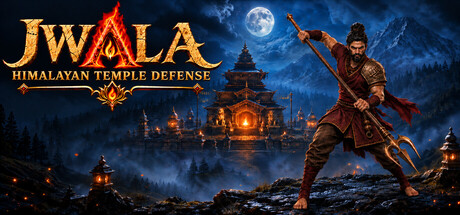
Generative AI tools were used during development to help create visual assets for this game, including character art, environments such as the temple, weapons, and other in-game artwork, as well as store and marketing images (capsule art, logo, and store background). All AI-assisted content was reviewed, edited, and finalized by the developer, who holds the rights to use it. No AI-generated content is created live during gameplay.
Generative AI was used to assist in the creation of some pre-generated visual assets, including character models, props, environmental assets, and textures. All AI-assisted content was reviewed, edited, and integrated into the game by the developer. The game does not generate AI content during gameplay.
Generative AI assistance was used during the development of selected visual assets and localized text. The developer directed the creative approach, selected and edited the results, reviewed the translations, and adapted all assisted content for use in the game.
The voice acting of President Grump, the game's fictional parody character, is pre-generated with AI voice generation tools. The shipped game does not generate any content with AI while you play.
The game's art and sound are drawn and synthesised in code at runtime rather than shipped as asset files, and that code was written with AI coding assistance under human direction. No AI runs while the game is playing. The soundtrack is licensed human-authored works.
The character illustrations and their animation frames were created with the assistance of image-generation AI (Stable Diffusion), then manually layered, retouched and reviewed by the developer. All other content — game design, code, music, sound effects and text — is made by humans. No AI content is generated at runtime.
Some cinematic shots in the trailer were created with generative AI tools, and the trailer narration uses an AI-generated voice. The library banner image is derived from one of those trailer shots. All gameplay, in-game assets, and other store images were created without generative AI.
Some promotional artwork and store page text were created with the help of
generative AI and edited by hand. The game itself does not use AI at runtime
and does not connect to any AI service.
Some graphics, illustrations, and text used in the game were pre-generated with the help of generative AI during development and were subsequently reviewed, selected, and edited by the developer. No content is generated by AI during gameplay.
Some art and audio in Bunker And Friends was produced with generative AI tools during development. This includes store and marketing artwork — the key art, store capsules, and logo elements — and some sound effects and music. All of it was generated ahead of time and ships as fixed assets. The game does not generate any content using AI while you play, and it does not connect to any external AI service during gameplay.
Generative AI-assisted tools were used during production to create and refine pre-generated visual artwork, synthesized voice-over, and elements of the narrative and English localization. All materials were reviewed and edited by the development team before inclusion. The game does not generate content during gameplay and does not connect to third-party AI services.
Some pre-rendered art assets (enemy and background artwork) and localization were created with generative AI tools under human direction, then manually cleaned up and integrated by the developers. Development used AI-assisted coding tools. No content is AI-generated at runtime.
Parts of this product were produced with the help of generative AI. The HTML, CSS, JavaScript and shader code of the bundled wallpapers, the store page text and its translations were drafted with AI assistance and reviewed by a person before release.
The application itself does not use generative AI at runtime. It generates no content while you use it, and nothing you do in Wallpaper — hardware readings, settings, your own photos and videos — is sent to any AI model or to any server. Everything stays on your PC.
This game uses generative artificial intelligence to assist with story planning, writing, and editing, as well as to create character artwork, backgrounds, event illustrations, music, and selected sound effects. All generated content was reviewed, selected, revised, and edited by the developer before being incorporated into the game.
All AI-generated content was created in advance during development. The game does not generate new content while you play, and no player input or personal information is sent to any generative AI service.
AI tools were used to assist with localizing the interface text into the game's 11 supported languages. All artwork, music, sound and game design are human-made.
Stillayer uses AI-assisted tools during development for some pre-generated content: the ambient sound bed (the background audio pad) was created with AI audio generation and then hand-edited by the developer; the interface text and store descriptions were written and localized into multiple languages with AI assistance and reviewed by the developer. All visuals — the desktop scenes, light pools and animations — are hand-coded procedural graphics with no AI-generated artwork. Stillayer does not generate any content at runtime, contains no live AI features, and works fully offline.
The developer of The Grotto Index used generative AI tools during development to help create some of the game's visual assets, including specimen pixel art and illustrations. All AI-assisted content was reviewed, edited, and curated by the developer before being included in the game. No content is generated by AI during gameplay — every puzzle, image, and piece of text in the shipped game is fixed and was finalized before release.
Generative AI tools were used during development to assist with brainstorming and editing some mission and other written content. All generated suggestions were reviewed and edited by me before inclusion in the game.
Some visual assets in the game were created with the assistance of generative AI tools. All gameplay systems, mechanics, and interactive content were developed by the team.
Pre-generated: Some 2D illustrations and the pre-recorded narration were produced with AI tools and reviewed by the developers before inclusion.
Live-generated: An on-device language model (no internet connection) writes in-game text such as narration, dialogue, and the names and lore of items, relics and skills, and selects among game-defined options for certain run content. Damage, stats, difficulty and progression are governed by the game's own rules. Generated text is checked before it is shown, and no art or audio is generated at runtime.
The bartender's side of every conversation is generated live, while you play, by a language model that ships inside the game and runs on your own computer. Nothing you type or say is sent anywhere. There is no account, no server, and no internet connection required — the game works with the network unplugged. When the character speaks her lines aloud, that audio is synthesised locally by the same install.
Everything else in the game is authored by hand: the world and its writing, the cast of regulars, the drink recipes, the art, and the rules the bartender plays by.
Because her dialogue is generated rather than scripted, it cannot be listed in advance. The controls on it are: a fixed authored prompt that defines the character, the setting, and what she will and will not do; a filtered generation pipeline; and a specific model chosen and regression-tested against an automated suite of behavioural checks before it ships. Anything the character has remembered about you can be viewed and permanently deleted from inside the game at any time.
The code, the in-game text and its translations into six languages were written with the help of an AI assistant, then reviewed and edited by the developer.
No images or audio were AI-generated: all artwork is built from licensed photography, a licensed typeface and licensed icons, and all sound comes from a licensed royalty-free library. Full credits are in the game.
Nothing is generated while you play — the game makes no network requests at all.
Generative AI tools were used during development to assist with some in-game artwork, promotional/store artwork, and several music tracks. All AI-assisted content was reviewed and approved by the developer before use. The game does not use generative AI during runtime.
AI tools were used during development solely to assist with coding, including identifying and fixing bugs and making minor code corrections and improvements. AI does not generate any content for players during gameplay.
Quiet Sky uses generative AI during gameplay to simulate evolving societies and create narrative observation reports, summaries, Companion responses, and optional report illustrations based on the current simulation and the player’s decisions. The Steam desktop edition runs the included generative models locally on the player’s computer. Generated results vary between campaigns.
Some of the textures and images in this game were created with the help of generative AI tools, and AI tools also assisted with the game's localization and store page text. All of this content was reviewed and edited by the developer before release.
This game includes AI-assisted, human-curated and edited artwork (tile art, actor sprites, and other visual assets). All AI-generated art was reviewed, edited, and approved by the developer before being included. An LLM was used to co-author most code changes. An LLM was used to proof and ideate some of the dialog in the game. All dialog was curated and approved by a human.
Generative AI was used to assist with drafting and translating written text for the Steam store page and some in-game text. All AI-assisted text is reviewed and edited by the developer before use. No generative AI is used during gameplay, and the game contains no live-generated AI content.
Generative AI was used during development to assist with the creation of selected UI graphics, localization, and text content. All AI-assisted content was reviewed and edited by the developer before being included in the final product. The game does not generate AI content during gameplay.
AI tools were used during development as a programming and brainstorming assistant: the game's code were written with AI assistance under my direction and review, and I used AI to talk through design ideas. All art, audio, and text in the game itself are either hand-made, procedurally generated by the game's own code, or sourced from credited CC0 asset packs (big thanks to Kenney Vleugels).
Some store page and marketing artwork (including capsule images) was created with generative AI tools. Gameplay, trailers, and screenshots are captured from the game itself. The game does not use generative AI during play and does not connect to external AI services.
Generative AI tools were used to assist in the creation of some visual assets, 3D assets, and music used in the game. All AI-assisted content was reviewed, edited, and integrated by the developer before being included in the final game.
Generative AI tools assisted with some pre-generated artwork, localization, and written copy during development. All included outputs were selected, reviewed, and edited by the developer before shipping. The game does not generate AI content during gameplay and does not connect to external AI services.
Some in-game images, such as backgrounds and props, were created with generative AI (Adobe Firefly) and then edited and adjusted before use. All character illustrations and key art are hand-drawn. The scenario and in-game text are based on human-created concepts and structure; AI was used to assist with early drafts, and all final content was edited and finalized by hand. AI tools were also used to assist programming during development.
Generative AI tools were used during development to help create visual assets for this game, including character art, environments such as the temple, weapons, and other in-game artwork, as well as store and marketing images (capsule art, logo, and store background). All AI-assisted content was reviewed, edited, and finalized by the developer, who holds the rights to use it. No AI-generated content is created live during gameplay.
Generative AI was used to assist in the creation of some pre-generated visual assets, including character models, props, environmental assets, and textures. All AI-assisted content was reviewed, edited, and integrated into the game by the developer. The game does not generate AI content during gameplay.
Generative AI assistance was used during the development of selected visual assets and localized text. The developer directed the creative approach, selected and edited the results, reviewed the translations, and adapted all assisted content for use in the game.
The voice acting of President Grump, the game's fictional parody character, is pre-generated with AI voice generation tools. The shipped game does not generate any content with AI while you play.
The game's art and sound are drawn and synthesised in code at runtime rather than shipped as asset files, and that code was written with AI coding assistance under human direction. No AI runs while the game is playing. The soundtrack is licensed human-authored works.
The character illustrations and their animation frames were created with the assistance of image-generation AI (Stable Diffusion), then manually layered, retouched and reviewed by the developer. All other content — game design, code, music, sound effects and text — is made by humans. No AI content is generated at runtime.
Some cinematic shots in the trailer were created with generative AI tools, and the trailer narration uses an AI-generated voice. The library banner image is derived from one of those trailer shots. All gameplay, in-game assets, and other store images were created without generative AI.
Some promotional artwork and store page text were created with the help of
generative AI and edited by hand. The game itself does not use AI at runtime
and does not connect to any AI service.