








Disclosure
Some of the text descriptions on the game’s store page, certain in-game localization texts, and some images used in the test version were generated with the help of AI technology.
- Creator
- KBZ Studio
- Reviews
- -
- Added
- Jun 3, 2026
Public Steam disclosure research 25,383 disclosures tracked
Search developers’ Steam disclosures, compare classified AI use across games, and follow recorded changes. This index adds cross-game classifications and statistics to statements published on individual store pages.
Code help, debugging and other development work.
Capsule art, trailers and promotional material.
Pre-made art, audio, writing and other game assets.
Interactive or runtime AI features disclosed by the developer.
Groups reflect automatic analysis of public disclosures; mature records are excluded. These counts do not measure AI use across all of Steam. Missing or unclear statements cannot establish whether a game uses AI.
Some of the text descriptions on the game’s store page, certain in-game localization texts, and some images used in the test version were generated with the help of AI technology.
Generative AI was used only during production for early concept exploration and the creation of some promotional asset drafts. The game does not use generative AI during gameplay. All core in-game assets were manually reviewed, edited, and reworked by human artists.
The static pixel art images of the creatures (Deeplords) and environmental elements were pre-generated using AI tools and subsequently animated with another AI tool based on the developer's specific directions. Leveraging 10 years of professional 3D modeling experience, these assets were then integrated as textures and sprites inside complex 3D environments and dioramas modeled manually by the developer in Blender and structured in Unity. The game's Unity C# scripts were pre-generated using AI co-pilot tools based on the precise gameplay logic requested by the developer, followed by extensive manual debugging, correction, and multi-turn optimization cycles. Lastly, the soundtrack and audio elements were pre-generated using AI tools based on specific genre and stylistic vibes provided by the developer, then manually reviewed and refined to perfectly fit the dark atmosphere of the individual biomes.
This game uses generative artificial intelligence (AI) to create some of its visual art assets. Certain in-game images and illustrations were partially generated with the assistance of AI-based painting tools.
Kingdom of Ashes uses generative AI for select visual assets: • Character portraits, enemy sprites, card illustrations, and background art were generated using Microsoft Copilot and then curated, composited, and refined by the developer for use in the game. All gameplay code, mechanics, narrative text, and game design were created by the developer. No AI content is generated live during gameplay, and the game does not connect to any third-party AI service at runtime — all AI-generated visuals were finalized during development and ship as static assets.
Generative AI was used to create artwork for the game, including visual assets seen by players and/or promotional materials. All AI-generated artwork was reviewed, selected, and edited by the developer before inclusion. The game does not generate AI content live during gameplay.
We're a small indie team, and we used generative AI to help make some of the art in Last Ember — card illustrations, backgrounds, character portraits, and a few short animations. We also used it on a handful of sound effects. Everything you see and hear in the game was picked, edited, and signed off by us. The game itself doesn't run any AI while you play — what ships is what you get.
AI was used to generate in-game visuals and texts.
Some visual assets and promotional/store artwork were created or assisted with generative AI tools during development and then manually edited, selected, and assembled by the developer. The game does not use live generative AI during gameplay. Gameplay code, online services, scoring, achievements, purchases, and multiplayer rules are developer-authored.
This game includes pre-generated AI-assisted assets created during development, including selected background music and some visual art assets. All AI-assisted content was reviewed, curated, and edited by the developer before inclusion in the game. The game does not use live generative AI during gameplay.
- Two in-game images have been upscaled/enhanced using generative AI: the NeuroLink portrait and one UI border asset. - Achievement icon art is AI assisted. While we prefer to avoid the use of generative AI, its limited use helped improve presentation given the constraints of our team.
Generative AI tools were used during the development process to assist in 2D artwork (such as UI elements, icons, and promotional images). All AI-generated assets are pre-rendered and have been manually reviewed and modified by the developer before being integrated into the final game.
Beyond the Fracture contains both pre-generated and live-generated AI content. Pre-generated AI content: Some visual, audio, and voice assets were generated with AI tools during development and reviewed, edited, and curated by the developers before being included in the game. This includes selected construct opponent portraits, spoken name clips, character histories, and HERALD-7 commentary voice clips in German and English. Live-generated AI content: During first-time onboarding, the game uses external AI services to generate three candidate player identities live. Each identity includes a generated profile portrait and a generated spoken name introduction. The profile portraits are additionally guided by internal short character descriptions generated from predefined archetypes and prompt templates. This live generation is constrained by predefined prompts, fixed character archetypes, a controlled name system, and no free-form text input from players. The player selects one of the three generated identities. The chosen identity cannot be changed during the current Playtest, and repeated regeneration is not available during normal gameplay. No live AI generation occurs during normal matches after onboarding.
Some artwork and visual assets in Crowned, including card illustrations and background graphics, were created with the assistance of generative AI tools. All content was reviewed, curated and integrated by the developer.
Some game and store page text or visual assets were created or refined with generative AI during development. This content is pre-generated and included in the shipped game or store materials. The game does not generate AI content during gameplay and does not connect to external AI services during gameplay.
All in-game assets are AI-generated and then undergo secondary processing.
Programs, localization, and some posters.
We use AI assistance for translation and dictionary creation. Everything is ultimately reviewed by humans, so you can rest assured.
Certain visual assets were created with the assistance of generative AI.
The capsule art includes developer-created imagery that was enhanced and polished using generative AI tools.
uses midjourney for the pictures used on cards and the pictures for each cat. claude for code assistance or guidance.
Vibe Coded 4x Lite Strategy Game, With Ai Generated images. But hand made UI, Story & Voicelines and Sound Effects
In this work, we used AI tools to create some of the artwork and music, and to assist in translating text into multiple languages.
This game uses generative AI technology to assist in creating some 2D art assets. All content has been reviewed and edited by humans to ensure it meets our design specifications and is free from inappropriate material.
During the development of Days Of Reckoning, generative artificial intelligence is used as a supportive tool in certain parts of production. AI has been used primarily for: creating visual references and concept ideas assisting with marketing materials (e.g., text, scripts) experimenting with certain audio or atmospheric elements All content included in the final version of the game is reviewed, refined, and approved by the developer. Generative AI is not used to generate content in real time during gameplay and does not directly influence gameplay mechanics or in-game systems.
WW2 historical photos colorized by AI
Translations made with IA
Part of the assets are AI-generated.
本作では、ゲーム内で生成AIを多分に使用しています
This game includes pre-generated content created with the assistance of generative AI tools during development. AI tools were used to assist with some 2D visual assets, icons, background concept art, text drafting/localization, and programming support. All AI-assisted content is reviewed, edited, and integrated by the developer before being included in the game or store materials. The game does not use live generative AI during gameplay.
This game was developed with AI assistance. Some visual assets, icons, promotional artwork, in-game text content, and portions of the source code were generated or refined using AI tools. Core game design, mechanics balancing, and final creative direction were handled by a human developer.
AI was used during development to assist with code generation, some graphical assets, and selected music or audio elements. All content was reviewed and edited by the developer before being included in the game.
AI tools were used to generate some images (mostly cards), which were then edited by hand before being included in the game or its marketing.
Some art assets and music in this game were created with the assistance of artificial intelligence.
Some of game art and music is basically IA generated and them modified by designers to match some quality standards
ARB: Alien Races Battle is developed by a solo human author (Raphael Tremblay) with assistance from Anthropic's Claude AI as a coding, art, and writing collaborator throughout production. Specifically: - Some pixel-art unit sprites, ability icons, and UI elements were generated as SVG code with Claude's help, then reviewed, edited, and approved by the developer. - In-game ability descriptions, Field Manual codex entries, and supplementary lore text were written with Claude as a writing collaborator, all building on the existing canon of The Alien Races Book (a separate, fully human-authored book by the same author that predates this game by years). - Game code (gameplay engine, multiplayer infrastructure, UI logic) was developed with Claude as a coding-pair assistant. Every piece of AI-assisted content was reviewed and edited by the human developer before shipping. The game's core IP — the 60+ documented alien races, their homeworlds, and their first-contact records — comes from The Alien Races Book and is entirely human-authored. ARB does not use AI to generate content live during gameplay. All in-game content (units, sprites, abilities, sound, text, music) is finalized at build time and shipped as static assets.
Generative AI tools were used as part of the development workflow for programming assistance, debugging support, implementation planning, and visual refinement. AI-assisted visual workflows were used to explore, refine, or produce some visual elements. All such content was reviewed and integrated manually by the developer. Waywardens does not use live generative AI during gameplay. The game does not generate AI content at runtime and does not send player input to AI services.
Some of the images were made using artificial intelligence.
AI tools were used as a support during development. - Assistance with coding and English localization - Some character artwork was initially sketched by the developer, then refined using AI tools and further manually adjusted All final content was reviewed and edited by the developer.
Character portraits, world objects, and background artwork utilize generative AI as a foundational base. However, every visual asset undergoes heavy, manual editing and refinement through multiple iterations by myself to achieve the game's specific art style.
Some visual assets and materials used in the game were created or enhanced with the help of AI tools during development. All AI-assisted content was reviewed, edited, and integrated by the developer. The game does not use AI to generate content during gameplay.
The game uses a generative AI model to evaluate the sentences players construct during verbal battles. The AI analyzes the player's input sentence for grammatical coherence and contextual appropriateness, and returns a grade (e.g., 'Good', 'Great', 'Excellent'). The raw AI output is not displayed to players — only the graded result affects gameplay. No AI-generated text, images, or audio is shown directly to the player.
Heart Duels is a solo-developed game. I use AI-assisted tools for some art and audio. All assets are curated and integrated by me to create a cohesive experience.
This game uses generative AI tools as part of the creative process, primarily during the creation of certain visual and musical elements. All assets have been manually edited, adapted and integrated by the developer to ensure artistic consistency and quality within the game.
Cover art and localizations were made with the help of generative artificial intelligence.
Images on the playing cards and translations into multiple languages.
The capsule artwork on your store page is created using generative AI.
All in-game visual art assets in this title — including item icons, equipment artwork, character portraits, story illustrations, and UI decorative elements (frames, icons, and background textures) — are produced using OpenAI's ChatGPT image generation and xAI's Grok image generation API as core tools within our ink-wash and gongbi-style art pipeline. Every generated asset is reviewed, curated, manually retouched, and compositionally adjusted by the developer before being incorporated into the game. No real person's likeness has been used. The game's source code is written by the developer, Kevin Chen, with OpenAI Codex and Anthropic Claude Code used as coding assistants during development. In-game narrative and dialogue text are written by the developer, with portions assisted by Anthropic Claude for polishing and proofreading.
Gridholm uses AI-generated imagery for its card art, champion portraits, and 3D models. As the sole developer, it's how I bring a full 250+ card game to life with a cohesive, painterly dark-fantasy look.
I used AI to learn how to make this and to test for Linux, SteamOS and MacOS compatability.
| Title⇅ | Disclosure | Creator⇅ | Src | Reviews⇅ | Added↓ |
|---|---|---|---|---|---|
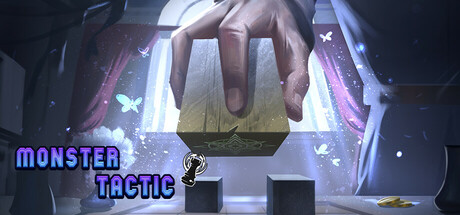 Monster Tactic In-game content textart | Some of the text descriptions on the game’s store page, certain in-game localization texts, and some images used in the test version were generated with the help of AI technology. | KBZ Studio | - | Jun 3, 2026 | |
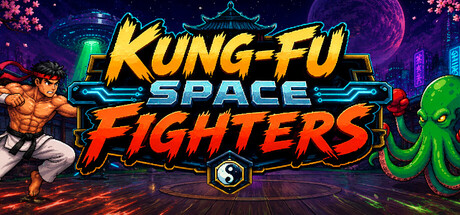 Kung-Fu Space Fighters In-game content art | Generative AI was used only during production for early concept exploration and the creation of some promotional asset drafts. The game does not use generative AI during gameplay. All core in-game assets were manually reviewed, edited, and reworked by human artists. | FunFactor | - | May 23, 2026 | |
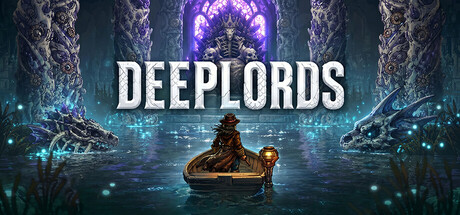 Deeplords In-game content artaudiocode | The static pixel art images of the creatures (Deeplords) and environmental elements were pre-generated using AI tools and subsequently animated with another AI tool based on the developer's specific directions. Leveraging 10 years of professional 3D modeling experience, these assets were then integrated as textures and sprites inside complex 3D environments and dioramas modeled manually by the developer in Blender and structured in Unity. The game's Unity C# scripts were pre-generated using AI co-pilot tools based on the precise gameplay logic requested by the developer, followed by extensive manual debugging, correction, and multi-turn optimization cycles. Lastly, the soundtrack and audio elements were pre-generated using AI tools based on specific genre and stylistic vibes provided by the developer, then manually reviewed and refined to perfectly fit the dark atmosphere of the individual biomes. | Deeplords Studio | - | May 23, 2026 | |
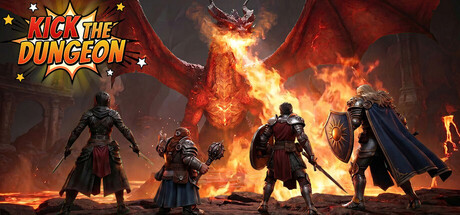 Kick The Dungeon In-game content art | This game uses generative artificial intelligence (AI) to create some of its visual art assets. Certain in-game images and illustrations were partially generated with the assistance of AI-based painting tools. | Fortuity Studio | - | May 23, 2026 | |
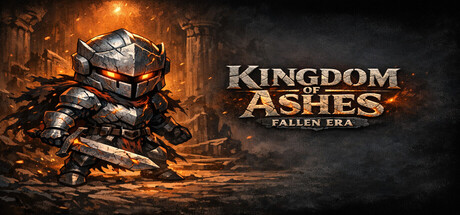 Kingdom of Ashes - Fallen Era In-game content art | Kingdom of Ashes uses generative AI for select visual assets:
• Character portraits, enemy sprites, card illustrations, and background art were generated using Microsoft Copilot and then curated, composited, and refined by the developer for use in the game.
All gameplay code, mechanics, narrative text, and game design were created by the developer. No AI content is generated live during gameplay, and the game does not connect to any third-party AI service at runtime — all AI-generated visuals were finalized during development and ship as static assets. | ArcadeDeck | - | May 23, 2026 | |
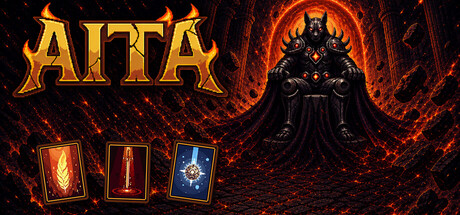 AITA: The Dark Domain In-game content art | Generative AI was used to create artwork for the game, including visual assets seen by players and/or promotional materials. All AI-generated artwork was reviewed, selected, and edited by the developer before inclusion. The game does not generate AI content live during gameplay. | Tommyruin | - | May 23, 2026 | |
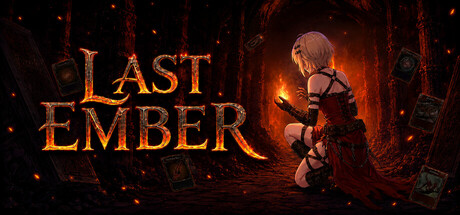 Last Ember In-game content artaudio | We're a small indie team, and we used generative AI to help make some of the art in Last Ember — card illustrations, backgrounds, character portraits, and a few short animations. We also used it on a handful of sound effects. Everything you see and hear in the game was picked, edited, and signed off by us. The game itself doesn't run any AI while you play — what ships is what you get. | Last Ember | - | May 23, 2026 | |
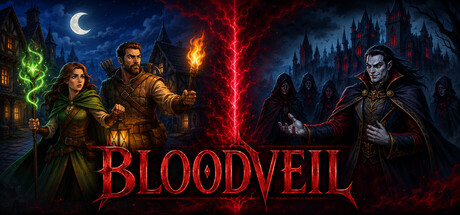 BloodVeil In-game content arttext | AI was used to generate in-game visuals and texts. | Newgate Games | - | May 23, 2026 | |
 Are You A Pilot In-game content art | Some visual assets and promotional/store artwork were created or assisted with generative AI tools during development and then manually edited, selected, and assembled by the developer. The game does not use live generative AI during gameplay. Gameplay code, online services, scoring, achievements, purchases, and multiplayer rules are developer-authored. | Carlos Fierro | - | May 23, 2026 | |
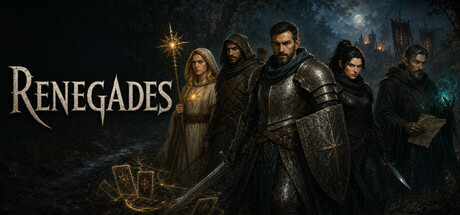 Renegades In-game content audioart | This game includes pre-generated AI-assisted assets created during development, including selected background music and some visual art assets. All AI-assisted content was reviewed, curated, and edited by the developer before inclusion in the game. The game does not use live generative AI during gameplay. | Asarion Games | - | May 23, 2026 | |
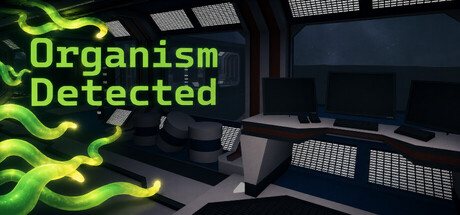 Organism Detected In-game content art | - Two in-game images have been upscaled/enhanced using generative AI: the NeuroLink portrait and one UI border asset.
- Achievement icon art is AI assisted.
While we prefer to avoid the use of generative AI, its limited use helped improve presentation given the constraints of our team. | Yulari Games | - | May 23, 2026 | |
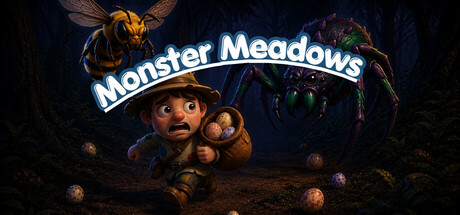 Monster Meadows In-game content art | Generative AI tools were used during the development process to assist in 2D artwork (such as UI elements, icons, and promotional images). All AI-generated assets are pre-rendered and have been manually reviewed and modified by the developer before being integrated into the final game. | Aysimus Games | - | May 23, 2026 | |
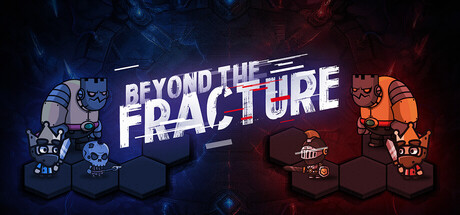 Beyond the Fracture Live AI artaudiotext | Beyond the Fracture contains both pre-generated and live-generated AI content.
Pre-generated AI content:
Some visual, audio, and voice assets were generated with AI tools during development and reviewed, edited, and curated by the developers before being included in the game. This includes selected construct opponent portraits, spoken name clips, character histories, and HERALD-7 commentary voice clips in German and English.
Live-generated AI content:
During first-time onboarding, the game uses external AI services to generate three candidate player identities live. Each identity includes a generated profile portrait and a generated spoken name introduction. The profile portraits are additionally guided by internal short character descriptions generated from predefined archetypes and prompt templates.
This live generation is constrained by predefined prompts, fixed character archetypes, a controlled name system, and no free-form text input from players. The player selects one of the three generated identities. The chosen identity cannot be changed during the current Playtest, and repeated regeneration is not available during normal gameplay.
No live AI generation occurs during normal matches after onboarding. | Turning Rook Games | - | May 23, 2026 | |
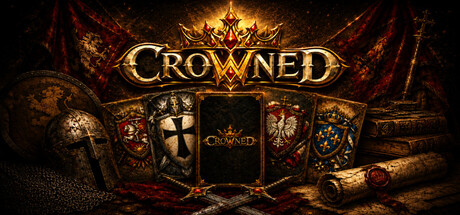 Crowned art | Some artwork and visual assets in Crowned, including
card illustrations and background graphics, were created with the assistance of generative AI tools. All content was
reviewed, curated and integrated by the developer. | Stonepath Games | - | May 23, 2026 | |
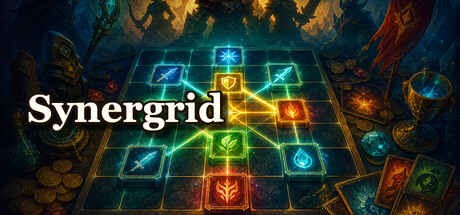 Synergrid In-game content textart | Some game and store page text or visual assets were created or refined with generative AI during development. This content is pre-generated and included in the shipped game or store materials. The game does not generate AI content during gameplay and does not connect to external AI services during gameplay. | Synergrid Studio | - | May 23, 2026 | |
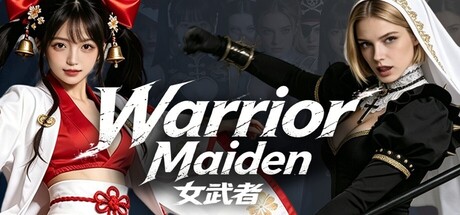 女武者 In-game content artaudiocodetext | All in-game assets are AI-generated and then undergo secondary processing. | MYSTERY CROWN | - | May 23, 2026 | |
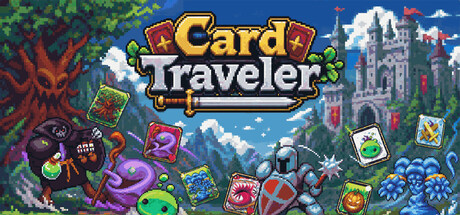 Card Traveler In-game content textart | Programs, localization, and some posters. | YAoGuang | - | May 23, 2026 | |
 WORJONG In-game content text | We use AI assistance for translation and dictionary creation.
Everything is ultimately reviewed by humans, so you can rest assured. | Circle KEN | - | May 23, 2026 | |
 War in Asia In-game content art | Certain visual assets were created with the assistance of generative AI. | Bufo Studio | - | May 23, 2026 | |
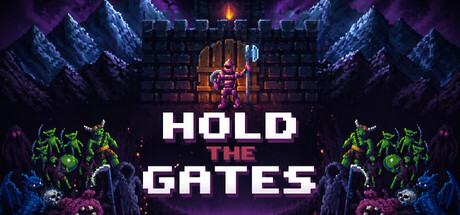 Hold The Gates Store/marketing art | The capsule art includes developer-created imagery that was enhanced and polished using generative AI tools. | DragonSmashStudios | - | May 23, 2026 | |
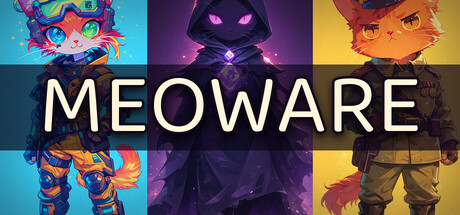 Meoware In-game content artcode | uses midjourney for the pictures used on cards and the pictures for each cat. claude for code assistance or guidance. | Gamer Games LLC | - | May 23, 2026 | |
 Mind Prison: The Last War In-game content art | Vibe Coded 4x Lite Strategy Game, With Ai Generated images. But hand made UI, Story & Voicelines and Sound Effects | Rotten Sewer Productions | - | May 23, 2026 | |
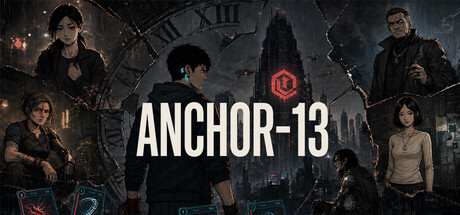 ANCHOR-13 In-game content artaudiotext | In this work, we used AI tools to create some of the artwork and music, and to assist in translating text into multiple languages. | Hyaline Games | - | May 23, 2026 | |
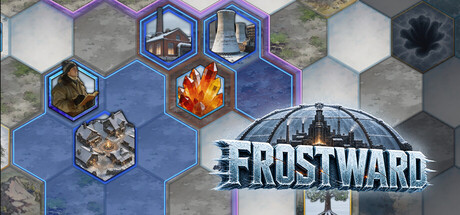 Frostward In-game content art | This game uses generative AI technology to assist in creating some 2D art assets. All content has been reviewed and edited by humans to ensure it meets our design specifications and is free from inappropriate material. | KoPoint Games | - | May 23, 2026 | |
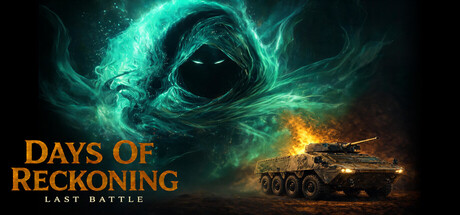 Days Of Reckoning: Last Battle In-game content arttextaudio | During the development of Days Of Reckoning, generative artificial intelligence is used as a supportive tool in certain parts of production.
AI has been used primarily for:
creating visual references and concept ideas
assisting with marketing materials (e.g., text, scripts)
experimenting with certain audio or atmospheric elements
All content included in the final version of the game is reviewed, refined, and approved by the developer.
Generative AI is not used to generate content in real time during gameplay and does not directly influence gameplay mechanics or in-game systems. | Nice 2 Have | - | May 23, 2026 | |
 Air War General - WW2 Air Force Wargame Store/marketing art | WW2 historical photos colorized by AI | Panzer Airlines | - | May 23, 2026 | |
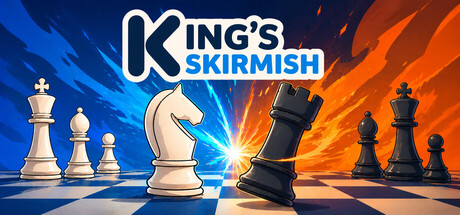 King's Skirmish In-game content text | Translations made with IA | Cobem | - | May 23, 2026 | |
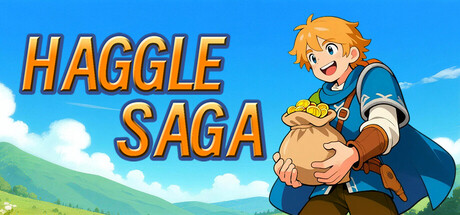 万宝商会 In-game content | Part of the assets are AI-generated. | RiteCraft Games | - | May 23, 2026 | |
 断光のウルバスティア Live AI text | 本作では、ゲーム内で生成AIを多分に使用しています | ワイズ万 | - | May 23, 2026 | |
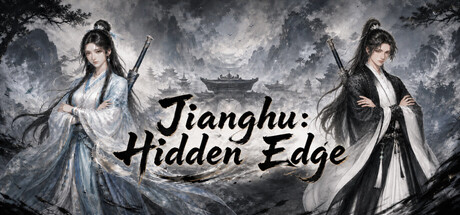 江湖藏锋 In-game content arttextcode | This game includes pre-generated content created with the assistance of generative AI tools during development. AI tools were used to assist with some 2D visual assets, icons, background concept art, text drafting/localization, and programming support.
All AI-assisted content is reviewed, edited, and integrated by the developer before being included in the game or store materials. The game does not use live generative AI during gameplay. | machi_studio | - | May 23, 2026 | |
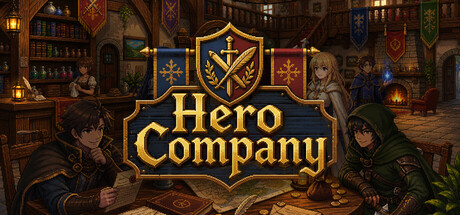 Hero Company In-game content arttextcode | This game was developed with AI assistance. Some visual assets, icons, promotional artwork, in-game text content, and portions of the source code were generated or refined using AI tools. Core game design, mechanics balancing, and final creative direction were handled by a human developer. | Pana Pororo | - | May 23, 2026 | |
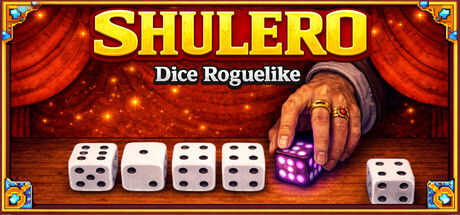 SHULERO – Dice Roguelike In-game content artaudiocode | AI was used during development to assist with code generation, some graphical assets, and selected music or audio elements. All content was reviewed and edited by the developer before being included in the game. | Airem | - | May 23, 2026 | |
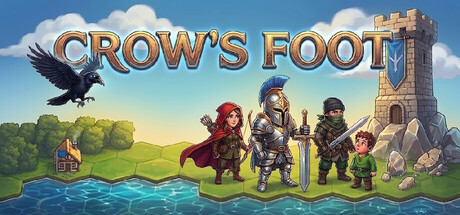 Crow's Foot In-game content art | AI tools were used to generate some images (mostly cards), which were then edited by hand before being included in the game or its marketing. | Thelix | - | May 23, 2026 | |
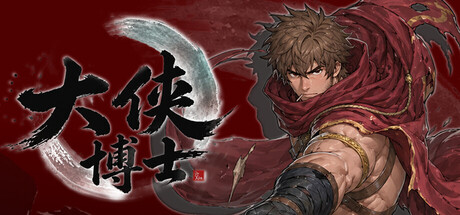 大侠博士 In-game content artaudio | Some art assets and music in this game were created with the assistance of artificial intelligence. | 一刀叔 | - | May 23, 2026 | |
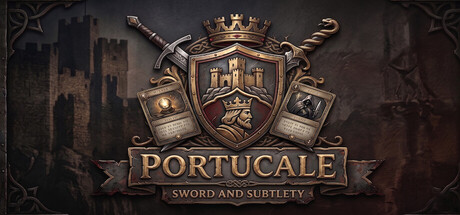 Portucale Sword and Subtlety In-game content artaudio | Some of game art and music is basically IA generated and them modified by designers to match some quality standards | Pedro Nuno Lemos | - | May 23, 2026 | |
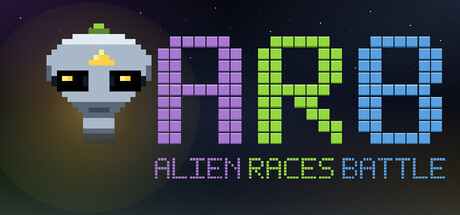 ARB: Alien Races Battle In-game content arttextcode | ARB: Alien Races Battle is developed by a solo human author (Raphael Tremblay) with assistance from Anthropic's Claude AI as a coding, art, and writing collaborator throughout production. Specifically:
- Some pixel-art unit sprites, ability icons, and UI elements were generated as SVG code with Claude's help, then reviewed, edited, and approved by the developer.
- In-game ability descriptions, Field Manual codex entries, and supplementary lore text were written with Claude as a writing collaborator, all building on the existing canon of The Alien Races Book (a separate, fully human-authored book by the same author that predates this game by years).
- Game code (gameplay engine, multiplayer infrastructure, UI logic) was developed with Claude as a coding-pair assistant.
Every piece of AI-assisted content was reviewed and edited by the human developer before shipping. The game's core IP — the 60+ documented alien races, their homeworlds, and their first-contact records — comes from The Alien Races Book and is entirely human-authored.
ARB does not use AI to generate content live during gameplay. All in-game content (units, sprites, abilities, sound, text, music) is finalized at build time and shipped as static assets. | Raphael Tremblay | - | May 23, 2026 | |
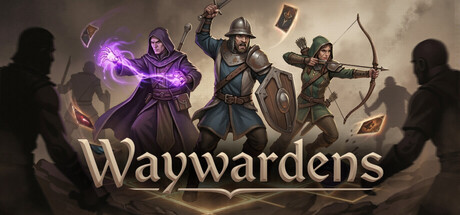 Waywardens Dev only artcode | Generative AI tools were used as part of the development workflow for programming assistance, debugging support, implementation planning, and visual refinement.
AI-assisted visual workflows were used to explore, refine, or produce some visual elements. All such content was reviewed and integrated manually by the developer.
Waywardens does not use live generative AI during gameplay. The game does not generate AI content at runtime and does not send player input to AI services. | Meehnior | - | May 23, 2026 | |
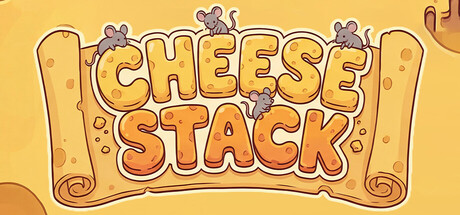 Cheese Stack Store/marketing art | Some of the images were made using artificial intelligence. | Allegory Team | 19 | May 23, 2026 | |
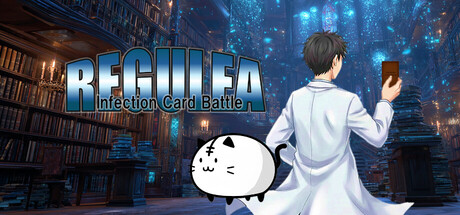 Regulea: Infection Card Wars In-game content arttextcode | AI tools were used as a support during development.
- Assistance with coding and English localization
- Some character artwork was initially sketched by the developer, then refined using AI tools and further manually adjusted
All final content was reviewed and edited by the developer. | TBCATGAMES | - | May 23, 2026 | |
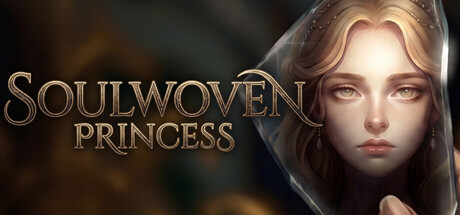 Soulwoven Princess In-game content art | Character portraits, world objects, and background artwork utilize generative AI as a foundational base. However, every visual asset undergoes heavy, manual editing and refinement through multiple iterations by myself to achieve the game's specific art style. | Past Tense GO | - | May 23, 2026 | |
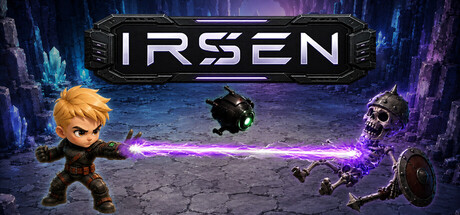 Irsen In-game content art | Some visual assets and materials used in the game were created or enhanced with the help of AI tools during development.
All AI-assisted content was reviewed, edited, and integrated by the developer.
The game does not use AI to generate content during gameplay. | Datchannin | - | May 23, 2026 | |
 Prison Queen Live AI text | The game uses a generative AI model to evaluate the sentences players construct during verbal battles. The AI analyzes the player's input sentence for grammatical coherence and contextual appropriateness, and returns a grade (e.g., 'Good', 'Great', 'Excellent'). The raw AI output is not displayed to players — only the graded result affects gameplay. No AI-generated text, images, or audio is shown directly to the player. | Sassy Bananas | - | May 23, 2026 | |
 Heart Duels In-game content artaudio | Heart Duels is a solo-developed game. I use AI-assisted tools for some art and audio. All assets are curated and integrated by me to create a cohesive experience. | Encased Heart | - | May 23, 2026 | |
 Hollow Descent In-game content artaudio | This game uses generative AI tools as part of the creative process, primarily during the creation of certain visual and musical elements.
All assets have been manually edited, adapted and integrated by the developer to ensure artistic consistency and quality within the game. | Hollow Descent Studio | - | May 23, 2026 | |
 Chess 2 Store/marketing arttext | Cover art and localizations were made with the help of generative artificial intelligence. | Proper Puppy | - | May 23, 2026 | |
 Match Cards: Football In-game content arttext | Images on the playing cards and translations into multiple languages. | PlayeRom | - | May 23, 2026 | |
 西游释厄传 Store/marketing art | The capsule artwork on your store page is created using generative AI. | 班超工作室 | - | May 23, 2026 | |
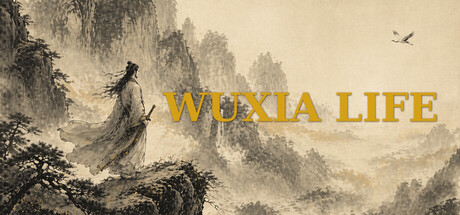 武俠人生 In-game content arttextcode | All in-game visual art assets in this title — including item icons, equipment artwork, character portraits, story illustrations, and UI decorative elements (frames, icons, and background textures) — are produced using OpenAI's ChatGPT image generation and xAI's Grok image generation API as core tools within our ink-wash and gongbi-style art pipeline. Every generated asset is reviewed, curated, manually retouched, and compositionally adjusted by the developer before being incorporated into the game. No real person's likeness has been used.
The game's source code is written by the developer, Kevin Chen, with OpenAI Codex and Anthropic Claude Code used as coding assistants during development. In-game narrative and dialogue text are written by the developer, with portions assisted by Anthropic Claude for polishing and proofreading. | 肉's Lab | - | May 23, 2026 | |
 Gridholm In-game content art | Gridholm uses AI-generated imagery for its card art, champion portraits, and 3D models. As the sole developer, it's how I bring a full 250+ card game to life with a cohesive, painterly dark-fantasy look. | Logos Nova | - | May 23, 2026 | |
 Minesweeper: Unlimited Expansion Dev only code | I used AI to learn how to make this and to test for Linux, SteamOS and MacOS compatability. | Hugh | - | May 23, 2026 |


