Public Steam disclosure research25,376 disclosures tracked
Where do games disclose AI use?
Search developers’ Steam disclosures, compare classified AI use across
games, and follow recorded changes.
This index adds cross-game classifications and statistics to
statements published on individual store pages.
Groups reflect automatic analysis of public disclosures; mature records are excluded. These counts do not measure AI use across all of Steam.
Missing or unclear statements cannot establish whether a game uses AI.
Some ambient audio in this game — background crowd voices and station announcements — is generated using neural text-to-speech. All visual art, music, and narrative writing are human-authored or made with traditional, non-generative tools.
AI coding assistants were used during development to help create and edit portions of the code and player-facing implementation that ship with the game. The game's 2D artwork was not created by an image-generation model. All AI-assisted outputs were reviewed, edited, and integrated by the developer. The game does not use generative AI at runtime.
This game is made by a single dev, and sold for a fair price. In order to do that this dev needed the help of AI. So some pre-rendered assets in this game were created with the help of generative AI tools, always under my direction and with every asset reviewed by me the developer: certain illustrations, backdrops, and UI art; some music tracks and sound effects; and character voice lines generated via text-to-speech from scripts written by me the developer. The game design, the gameplay, physics, and large parts of the code are entirely human-made, and no AI content is generated at runtime.
The English localization of Channel 453 was produced through a combination of human translation and editing.
Some sections of the game, including portions of the demo, were translated by a human translator.
For a limited number of sections in the full game, generative AI tools were used only as a first-pass aid for English localization and language editing. These tools were not used to create the original scenario or characters.
All AI-assisted English text was subsequently reviewed, revised, and polished by humans before being included in the final game.
We are providing this information on Steam in the interest of transparency and to help players make an informed decision about the game.
To avoid any misunderstanding: this refers to a test-stage build. The final release will be provided with fully human-translated localization alongside the finalized store page update.
This game was made by a two-person team specializing in storytelling. The entire narrative, all gameplay systems, UI, animations, core sound and game design were built entirely by our team. AI was used to generate some of audio and graphical assets due to the limited resources. Scenario was originally written in Ukrainian language, so translations might have minor mistakes. Thank you for your understanding.
The creative direction of GAZE IN SHADOWS was developed and controlled entirely by our team, including its 1928 setting, story, characters, case design, gameplay, and film noir-inspired visual style.
Generative AI was used only as a supporting tool for early art exploration, asset refinement, and limited programming assistance. All AI-assisted content was manually reviewed, extensively revised, and finalized by our developers. AI was not involved in any core creative decisions.
Precinct 2099 uses generative AI as a production tool. Part of the visual material (backgrounds, character art and store images) and the music were created with AI tools and then selected, edited and art-directed by hand by our team. Some of the localisation work is AI-assisted. The story, script, characters and game design are written by humans. The game does not generate any content live while you play: everything ships pre-generated with the build.
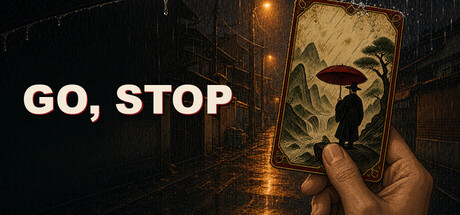
All 2D artwork (hwatu card illustrations, character portraits, backgrounds) and music tracks were created using generative AI tools, then curated, edited, and assembled by the developer. All AI content is pre-rendered during development — nothing is generated live at runtime. Localization was machine-assisted and human-reviewed. Store page assets were produced the same way.
AI was primarily used to assist in the creation of the game's music and sound effects. Most of the music tracks and sound effects were generated using AI tools and then edited and adapted for use in the game.
All visual assets, characters, environments, puzzles, story, and gameplay mechanics were created and designed manually by the developer.
This game uses generative AI to create part of its content:
- Art and sprites: generated with AI tools and manually edited in Photoshop.
- Intro cinematic: generated with Google Veo 3 and Flow, then edited.
- Some sound effects: generated or processed with AI tools, combined with recorded and licensed library sounds.
- Code assistance: parts of development were assisted by language models (Claude).
All AI-generated content was reviewed, edited, and approved by the developer. The game does NOT use AI at runtime: all content is pre-rendered.
Generative AI tools were used to create selected pre-generated visual concept art and marketing assets. All AI-assisted material is created before release and reviewed by the development team. The game does not generate AI content during gameplay and does not connect to external AI services during play.
Parts of this game's artwork and audio were created with the help of generative AI tools and then selected, edited and assembled by hand. This covers the comic panels, the character portraits, the store and library artwork, and the music and sound effects. No content is generated while the game is running.
The development of The Rug Racket used generative AI tools to assist in creating some of the content included in the game, such as art assets, as well as in the creation of the game's store page and marketing materials. All AI-assisted content was reviewed by the development team prior to release.
The game's 2D artwork (character portraits, scenes, backgrounds) and music were created with generative AI tools, then curated and edited by the developer. Parts of the game's code and narrative text were written with AI assistance, under human direction, review and rewriting. All AI-assisted content is pre-generated during development: nothing is generated by AI while you play.
Generative artificial intelligence has been used to generate store page thumbnails based on the developers artwork. All in game artwork has been drawn by hand by the developer.
Some store page text, marketing copy, and promotional planning materials for Black File were created with assistance from generative AI tools and reviewed, edited, and approved by the development team before publication. The game does not use generative AI to create content during gameplay.
This game makes use of generative AI as part of the creative pipeline across art, text, sound, and voice. None of it is dumped in raw — every asset is curated, edited, and reworked by hand, and every line of dialogue is agonized over until it earns its place. AI is a tool here, not the author; the taste, the pacing, and the final call on what stays are all made by people. The codebase, in the interest of full honesty, is held together with AI-assisted spaghetti and sheer willpower — but it works, and every line is reviewed before shipping.
Pre-generated AI content: character art, backgrounds, icons and key art images, music and sound effects, and portions of the story text were created with generative AI tools (Google Gemini, fal.ai, Anthropic Claude) and were reviewed and edited by the developers. No AI content is generated at runtime.
Netshell uses AI to power its characters. The NPCs you meet on the in-game forums and IRC read what is happening in your playthrough and respond in character, so their messages and forum posts are generated rather than pre-scripted, and each player's world unfolds differently.
All of this runs locally and offline: the AI models ship with the game and run on your machine. Netshell never connects to a third-party AI service such as ChatGPT or Claude. You can turn the AI off entirely, in which case the NPCs stop chatting and the game continues with its authored story.
Some Steam store and trailer assets were created with AI assistance and then edited/curated by the development team. During gameplay, Netshell only uses AI to generate in-character NPC text.
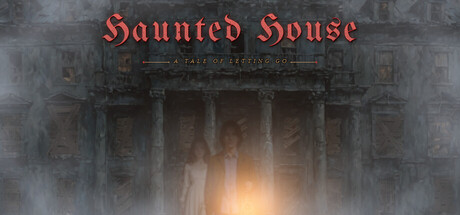
Approximately 90% of Haunted House's content (art, text, narrative, game design, and code) is AI-generated, using ComfyUI / Stable Diffusion with custom LoRA, LLMs, and AI coding assistants. All AI outputs are reviewed, edited, and integrated by Hoppy, the sole developer. Music and sound effects are licensed, not AI-generated. No voice acting. Final creative direction and decisions are by Hoppy.
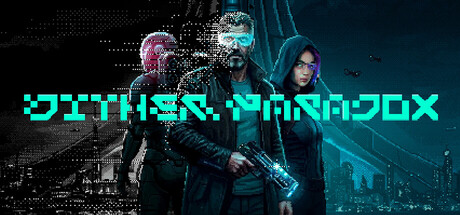
Dither Paradox is created and directed by Michał Kita. The game's final pixel art, animation, and visual design are made by hand, and every artistic and creative decision is made by people.
We use generative AI as a production tool that supports - but does not replace - this work. In the visual layer, AI is sometimes used during the concept and iteration stage - to explore ideas and variations - while the final art assets that ship in the game are made by hand. AI also assists in producing music and voiceover, which are then curated, edited, and approved by the team, as well as some promotional materials.
AI lets us reach a higher level of polish in less time, but authorship, art direction, and final responsibility for everything players see and hear remain with the people who make the game.
This game uses generative AI tools to assist in the creation of visual assets (characters, backgrounds) and narrative content. All AI-generated content has been reviewed and curated by the development team to ensure it meets our quality and safety standards.
AI-Generated Content Disclosure:
Pre-Generated Content: Generative AI tools were used to create the game's background music, and to generate source material for portions of the sound and art, refined by the developer.
No Real-Time Generation: This game does not feature any live or real-time AI content generation.
No External Connectivity: The game runs entirely locally and does not connect to external AI services or servers while playing.
The development of this game made use of AI-generated content. Specifically, some of the in-game images, video sequences and character voice-over were created with the help of generative AI tools. All AI-generated assets were reviewed, curated and edited by the development team before inclusion in the final product
The developer used generative AI tools during the development process to assist in creating visual assets and concept art. All content in the final game is pre-rendered and static; the game does not generate new content in real-time or connect to external AI services during execution.
Art assets in this game, such as achievement icons, were created with the assistance of GPT-based image generation tools. The background music was composed using Suno AI. All AI-generated content has been reviewed and approved by human developers.
Hollow Signal contains pre-generated AI-assisted content, including portions of visual artwork, promotional imagery, and certain game assets. All content has been reviewed, curated, edited, and integrated into the final game by the solo developer.
Character portraits, UI icons, and background art in this game were generated using AI image tools (Google Gemini) and then edited, composited, and finalized by the developer. Music and sound effects were AI-generated (Suno / ElevenLabs) and edited by the developer. AI (Claude Code) was also used as a coding assistant during development. No AI content is generated live during gameplay — all assets are fixed and authored before release.
Some ambient audio in this game — background crowd voices and station announcements — is generated using neural text-to-speech. All visual art, music, and narrative writing are human-authored or made with traditional, non-generative tools.
AI coding assistants were used during development to help create and edit portions of the code and player-facing implementation that ship with the game. The game's 2D artwork was not created by an image-generation model. All AI-assisted outputs were reviewed, edited, and integrated by the developer. The game does not use generative AI at runtime.
This game is made by a single dev, and sold for a fair price. In order to do that this dev needed the help of AI. So some pre-rendered assets in this game were created with the help of generative AI tools, always under my direction and with every asset reviewed by me the developer: certain illustrations, backdrops, and UI art; some music tracks and sound effects; and character voice lines generated via text-to-speech from scripts written by me the developer. The game design, the gameplay, physics, and large parts of the code are entirely human-made, and no AI content is generated at runtime.
The English localization of Channel 453 was produced through a combination of human translation and editing.
Some sections of the game, including portions of the demo, were translated by a human translator.
For a limited number of sections in the full game, generative AI tools were used only as a first-pass aid for English localization and language editing. These tools were not used to create the original scenario or characters.
All AI-assisted English text was subsequently reviewed, revised, and polished by humans before being included in the final game.
We are providing this information on Steam in the interest of transparency and to help players make an informed decision about the game.
To avoid any misunderstanding: this refers to a test-stage build. The final release will be provided with fully human-translated localization alongside the finalized store page update.
This game was made by a two-person team specializing in storytelling. The entire narrative, all gameplay systems, UI, animations, core sound and game design were built entirely by our team. AI was used to generate some of audio and graphical assets due to the limited resources. Scenario was originally written in Ukrainian language, so translations might have minor mistakes. Thank you for your understanding.
The creative direction of GAZE IN SHADOWS was developed and controlled entirely by our team, including its 1928 setting, story, characters, case design, gameplay, and film noir-inspired visual style.
Generative AI was used only as a supporting tool for early art exploration, asset refinement, and limited programming assistance. All AI-assisted content was manually reviewed, extensively revised, and finalized by our developers. AI was not involved in any core creative decisions.
Precinct 2099 uses generative AI as a production tool. Part of the visual material (backgrounds, character art and store images) and the music were created with AI tools and then selected, edited and art-directed by hand by our team. Some of the localisation work is AI-assisted. The story, script, characters and game design are written by humans. The game does not generate any content live while you play: everything ships pre-generated with the build.
All 2D artwork (hwatu card illustrations, character portraits, backgrounds) and music tracks were created using generative AI tools, then curated, edited, and assembled by the developer. All AI content is pre-rendered during development — nothing is generated live at runtime. Localization was machine-assisted and human-reviewed. Store page assets were produced the same way.
AI was primarily used to assist in the creation of the game's music and sound effects. Most of the music tracks and sound effects were generated using AI tools and then edited and adapted for use in the game.
All visual assets, characters, environments, puzzles, story, and gameplay mechanics were created and designed manually by the developer.
This game uses generative AI to create part of its content:
- Art and sprites: generated with AI tools and manually edited in Photoshop.
- Intro cinematic: generated with Google Veo 3 and Flow, then edited.
- Some sound effects: generated or processed with AI tools, combined with recorded and licensed library sounds.
- Code assistance: parts of development were assisted by language models (Claude).
All AI-generated content was reviewed, edited, and approved by the developer. The game does NOT use AI at runtime: all content is pre-rendered.
Generative AI tools were used to create selected pre-generated visual concept art and marketing assets. All AI-assisted material is created before release and reviewed by the development team. The game does not generate AI content during gameplay and does not connect to external AI services during play.
Parts of this game's artwork and audio were created with the help of generative AI tools and then selected, edited and assembled by hand. This covers the comic panels, the character portraits, the store and library artwork, and the music and sound effects. No content is generated while the game is running.
The development of The Rug Racket used generative AI tools to assist in creating some of the content included in the game, such as art assets, as well as in the creation of the game's store page and marketing materials. All AI-assisted content was reviewed by the development team prior to release.
The game's 2D artwork (character portraits, scenes, backgrounds) and music were created with generative AI tools, then curated and edited by the developer. Parts of the game's code and narrative text were written with AI assistance, under human direction, review and rewriting. All AI-assisted content is pre-generated during development: nothing is generated by AI while you play.
Generative artificial intelligence has been used to generate store page thumbnails based on the developers artwork. All in game artwork has been drawn by hand by the developer.
Some store page text, marketing copy, and promotional planning materials for Black File were created with assistance from generative AI tools and reviewed, edited, and approved by the development team before publication. The game does not use generative AI to create content during gameplay.
This game makes use of generative AI as part of the creative pipeline across art, text, sound, and voice. None of it is dumped in raw — every asset is curated, edited, and reworked by hand, and every line of dialogue is agonized over until it earns its place. AI is a tool here, not the author; the taste, the pacing, and the final call on what stays are all made by people. The codebase, in the interest of full honesty, is held together with AI-assisted spaghetti and sheer willpower — but it works, and every line is reviewed before shipping.
Pre-generated AI content: character art, backgrounds, icons and key art images, music and sound effects, and portions of the story text were created with generative AI tools (Google Gemini, fal.ai, Anthropic Claude) and were reviewed and edited by the developers. No AI content is generated at runtime.
Netshell uses AI to power its characters. The NPCs you meet on the in-game forums and IRC read what is happening in your playthrough and respond in character, so their messages and forum posts are generated rather than pre-scripted, and each player's world unfolds differently.
All of this runs locally and offline: the AI models ship with the game and run on your machine. Netshell never connects to a third-party AI service such as ChatGPT or Claude. You can turn the AI off entirely, in which case the NPCs stop chatting and the game continues with its authored story.
Some Steam store and trailer assets were created with AI assistance and then edited/curated by the development team. During gameplay, Netshell only uses AI to generate in-character NPC text.
Approximately 90% of Haunted House's content (art, text, narrative, game design, and code) is AI-generated, using ComfyUI / Stable Diffusion with custom LoRA, LLMs, and AI coding assistants. All AI outputs are reviewed, edited, and integrated by Hoppy, the sole developer. Music and sound effects are licensed, not AI-generated. No voice acting. Final creative direction and decisions are by Hoppy.
Dither Paradox is created and directed by Michał Kita. The game's final pixel art, animation, and visual design are made by hand, and every artistic and creative decision is made by people.
We use generative AI as a production tool that supports - but does not replace - this work. In the visual layer, AI is sometimes used during the concept and iteration stage - to explore ideas and variations - while the final art assets that ship in the game are made by hand. AI also assists in producing music and voiceover, which are then curated, edited, and approved by the team, as well as some promotional materials.
AI lets us reach a higher level of polish in less time, but authorship, art direction, and final responsibility for everything players see and hear remain with the people who make the game.
This game uses generative AI tools to assist in the creation of visual assets (characters, backgrounds) and narrative content. All AI-generated content has been reviewed and curated by the development team to ensure it meets our quality and safety standards.
AI-Generated Content Disclosure:
Pre-Generated Content: Generative AI tools were used to create the game's background music, and to generate source material for portions of the sound and art, refined by the developer.
No Real-Time Generation: This game does not feature any live or real-time AI content generation.
No External Connectivity: The game runs entirely locally and does not connect to external AI services or servers while playing.
The development of this game made use of AI-generated content. Specifically, some of the in-game images, video sequences and character voice-over were created with the help of generative AI tools. All AI-generated assets were reviewed, curated and edited by the development team before inclusion in the final product
The developer used generative AI tools during the development process to assist in creating visual assets and concept art. All content in the final game is pre-rendered and static; the game does not generate new content in real-time or connect to external AI services during execution.
Art assets in this game, such as achievement icons, were created with the assistance of GPT-based image generation tools. The background music was composed using Suno AI. All AI-generated content has been reviewed and approved by human developers.
Hollow Signal contains pre-generated AI-assisted content, including portions of visual artwork, promotional imagery, and certain game assets. All content has been reviewed, curated, edited, and integrated into the final game by the solo developer.
Character portraits, UI icons, and background art in this game were generated using AI image tools (Google Gemini) and then edited, composited, and finalized by the developer. Music and sound effects were AI-generated (Suno / ElevenLabs) and edited by the developer. AI (Claude Code) was also used as a coding assistant during development. No AI content is generated live during gameplay — all assets are fixed and authored before release.