








Disclosure
Some of the artwork was generated using AI.
- Creator
- Lin Shun
- Reviews
- -
- Added
- Sep 4, 2026
Public Steam disclosure research 25,394 disclosures tracked
Search developers’ Steam disclosures, compare classified AI use across games, and follow recorded changes. This index adds cross-game classifications and statistics to statements published on individual store pages.
Code help, debugging and other development work.
Capsule art, trailers and promotional material.
Pre-made art, audio, writing and other game assets.
Interactive or runtime AI features disclosed by the developer.
Groups reflect automatic analysis of public disclosures; mature records are excluded. These counts do not measure AI use across all of Steam. Missing or unclear statements cannot establish whether a game uses AI.
Some of the artwork was generated using AI.
Some 2D art in Kyle Coral — including certain background/scene art and store and marketing images — is created with the help of generative AI image tools and then reviewed and edited by the developer. The game's core gameplay visuals are generated procedurally in code.
Some of the artwork was created using AI tools. The code was also reviewed with, or assisted by, AI. If the concept finds its audience, we intend to pay an artist to produce artwork that is not AI-generated. Artists who would like to be part of the project are welcome to join us.
Some of this game's assets were made with the assistance of generative AI tools and were reviewed, curated and hand-finished by the developer. No content is generated while you play.
Generative AI was used to assist in the creation of certain visual and audio elements of the game. AI tools were also used during development to assist with programming and other development tasks.
Part of the UI, along with all character, monster and item icons, text translations, background music and some sound effects in this game are AI‑generated.
All artwork in this game was created using generative AI.
Generative AI tools were used during development to create and refine some pre-generated content. Codex was used for parts of the 3D model work, GPT Image was used to generate parts of the user interface, and AI tools assisted with some text and some Steam store and marketing visuals. These assets were reviewed and integrated by the developer. No audio or music was created with generative AI. The game does not generate AI content during gameplay.
游戏中的部分音乐使用AI辅助生成
Some images
We use AI to generate songs
Pre-generated AI content: Generative AI tools were used extensively during development to create and assist with artwork, game assets, music, written content, and promotional materials. AI-assisted development tools were also used. All content in the final game was reviewed and curated by the development team. The game does not generate AI content during gameplay.
Some of the 2D art and textures in this game were created with the help of generative AI tools. Generative AI was also used to assist with writing and translating parts of the in-game text. All AI-assisted content was reviewed and edited by the developer before release. No content is generated by AI while you play.
This game uses generative AI for some background images and landscape assets. All AI-generated materials are reviewed and edited by the developer before being used in the game. Generative AI is not used during gameplay, and the game does not connect to external AI services to generate content.
Generative AI tools were used to assist in the creation of certain pre-generated 2D artwork and visual assets during development. AI-assisted artwork is reviewed, edited, and integrated by the development team to maintain the game's intended visual style and quality. No generative AI content is created live during gameplay
Hi everyone. I want to be open about how this game was made and why generative AI was used. Aika Was Supposed to Die began as a story that I wrote and developed over more than two years. The world, characters, dialogue, themes, and narrative direction were all written by me. I cared deeply about this story, and eventually I felt that a visual novel would be the best way to bring it to life. As an independent developer working with a limited budget, hiring a full team of artists is not financially possible for me right now. I greatly value human-made art and the work of professional artists. I am also a 3D artist who works with Unreal Engine, so this is something I genuinely care about. Rather than leave the story untold, I chose to use generative AI as part of the visual production process. The game’s images and video assets were created with the assistance of generative AI tools. However, I did not want that to become an excuse for delivering something careless or low-quality. In fact, having access to these tools encouraged me to be as ambitious as possible with the project. I created and refined a large number of images and animated sequences to give the game a richer and more cinematic presentation. Every asset was carefully directed, selected, edited, revised, and manually integrated into the story, with the goal of providing players with a cohesive, polished, and emotionally engaging experience. The writing, narrative design, scene direction, timing, editing, and final creative decisions were all handled by humans. Generative AI was used as a production tool, not as a replacement for authorship, creative direction, or care. No AI content is generated during gameplay. If the game becomes successful enough to support a larger production, I would love to work with professional artists on future chapters. Until then, this approach has allowed me to share a story that means a great deal to me while doing everything within my reach to make the final experience cohesive, personal, and emotionally meaningful. Thank you for giving this story a chance.
The store page and library artwork (capsule images, library hero, and the game logo) were created using a generative AI image tool, then cropped, colour-corrected and composited by hand to meet Steam's asset specifications. No AI-generated content ships inside the game itself. All in-game visuals, audio, shaders and level layout are generated procedurally by the game's own code, or hand-written.
We use AI tools as part of our developer workflow, in some cases for generative textures, 2D or 3D placeholders, in other cases for actual designs to be used in the game, this can also be a mix of both.
Marketing Material
Generative AI tools were used during development to assist in the creation of selected background images, illustrations, character assets, UI assets, rhythm game music, and background music. These are pre-generated assets included with the game. No generative AI is used to create content during gameplay, and the game does not connect to external AI services while being played.
AI-assisted development tools were used during production to help write game code, in-game text, and the English localization. All AI-assisted content was reviewed and tested by the developer.
Some scenes cleaned up
Generative AI tools were used during development to enhance and refine selected existing in-game artwork and music. These assets were not generated from scratch; AI was used only as part of the editing and improvement process. All AI-assisted outputs were reviewed and approved by the developer. The game does not generate AI content at runtime.
During the visual development process, I used generative AI tools (Leonardo AI, ChatGPT, etc.) to generate initial concept art and ideas. Using these concepts as a foundation, I manually redrew and refined every pixel in Aseprite, split them into layers for parallax effects, and converted them into functional game assets for Unity. — Esra Soner (Catstanbul's Developer)
Visual Assets: As a solo developer, I use generative AI to create initial variations for scenery, textures, character sprites, and UI. No raw AI output ships in the game — every asset is hand-edited, composited, and cleaned up to match the game's aesthetic. Music: The soundtrack and ambient music are created with AI audio tools, then curated and sequenced into a cohesive, atmospheric score.
Some UI designs in the game are generated using AI
部分背景音乐由人工智能生成。
Generative artificial intelligence was used to generate some marketing materials such as capsule art as well as some icons.
Eternal Rift Defense uses AI-assisted tools during development to help generate and refine certain code, audio, visual assets, and design elements. All AI-assisted content is reviewed, modified, and validated by the developers to ensure quality, security, and consistency with the game’s design.
Generative AI tools were used during development to assist with the creation and iteration of some visual assets and promotional artwork. All final assets are curated, reviewed and further edited or iterated on by the developer. AI-assisted development tools are also used for programming. No AI-generated content is created during gameplay.
AI is used only for text translation/localization (in-game and store page), with every line reviewed and edited by the developer. No AI-generated graphics, music, audio, or live content generation are used in the game.
AI-assistive tools were used for development support, including prototyping, coding, testing, documentation, and workflows; all player-facing creative content such as Art, UI, VFX, music, voice acting, and marketing materials was created by human developers and artists.
Generative AI tools were used during the development of Don't Fall Down as an assistive tool for development
Our team uses generative AI tools For Marketing/Promotional Images and some in game assets.
The store artwork (capsules and key art) was generated with an image model and then composed, cropped and combined with our own logo by hand. The game's ambient background music tracks were generated with an AI music tool and edited afterwards.
Generative AI was used during development to assist with visual concept exploration and the creation of certain pre-generated art assets. No generative AI content is generated during gameplay.
Generative AI was used only to assist with drafting and translating written text for the Steam store page. No in-game artwork, audio, gameplay assets, or runtime content is generated by AI.
Steam Store page logo and cover art made with ai tools
Assistance with the development of: - Custom procedural 2D animation rig. - Reinforcement learning (RL) layer for player and NPC animations in hand-authored 2D environments. - Base designs for sprites and backgrounds (further iterated by hand using digital editing software like photoshop) No ai tools were used in any capacity for writing or story elements, voice acting, music, or anywhere else.
Some background art, still images, videos, and music were created with the assistance of generative AI tools; every asset was reviewed and curated by the developer. During gameplay, callers' dialogue is performed by an AI language model running entirely on the player's PC — fully offline, with no external AI service. The AI performs characters only within hand-written script boundaries, all story outcomes are decided by deterministic game logic, and generated text is filtered before display. Voice input is transcribed locally and never leaves your machine.
English — artwork (yes, pre-generated): Visual art (scene backgrounds, character art, GUI covers, and visual FX) was drafted with generative image models, then human-reviewed, cropped, and accepted into the shipping game. Store capsules and library art produced the same way are included in this disclosure. Unreviewed generator output is not shipped. English — writing (human, not AI narrative): All narrative, dialogue, in-game text, and store copy are human-written. This game is not an AI-authored story. Planned English localization is human-translated, not model-generated. English — audio / runtime (so reviewers do not assume the rest): Audio is CC0 / public-domain / project-synthesized sound effects. There is no voice acting and no generative AI voice. The game does not call generative models at runtime.
During the development of *A Bad Dream: Trypophobia*, generative AI was used as a supporting tool to create and refine certain textures, 3D models, and visual elements, as well as to assist in programming specific systems. All content was manually reviewed, edited, configured, and integrated by Big Mount Interactive. The game does not generate content via AI during gameplay, nor does it connect to external AI services.
Some images and audio assets are AI‑generated.
SpaceBuddies uses generative AI tools during development to create pre-rendered content included in the game and on this store page. AI was used to help produce some 3D models (Rodin), marketing/game imagery (ChatGPT), sound effects (Eleven Labs), and background music (Suno). All AI-generated assets were reviewed and edited by the development team before release. This game does not use generative AI to create content during gameplay, and it does not connect to third-party AI services while you play.
AI was used to assist in coding, as this is my first multiplayer game.
AI was used during development, particularly to assist in creating and refining some artwork and audio assets. All content was reviewed, selected, improved upon, and integrated manually. This game does not generate AI content during gameplay. I'm not a good artist or audio producer but using current tools lets me deliver what I think is a fun game that I wouldn't be able to deliver at anywhere near the same quality without them. Fortress Breaker is still very much a one person project, just one with great tools.
Generative AI tools were used during development to assist with creating promotional images for the Steam store page, early concept art, and voiceovers for character dialogues. No AI content is generated in real-time during gameplay. All in-game models, code, and environments were manually created, processed, and integrated by the developer.
Blood Vaults was independently developed by Cryptwake Studios with limited assistance from generative AI tools. These tools were used as part of the development workflow to assist with select visual assets, content, and development materials. The game’s design, systems, mechanics, direction, and implementation are developer-created. Any AI-assisted content appearing in the final game is reviewed, modified where appropriate, and integrated by the developer.
This game features generative artificial intelligence was used to generate artwork and images.
Generative AI was used strictly for the creation of marketing materials and store page capsule artwork. All in-game assets, including pixel art character sprites, environment tiles, animations, music, and source code, were 100% human-created.
| Title⇅ | Disclosure | Creator⇅ | Src | Reviews⇅ | Added↓ |
|---|---|---|---|---|---|
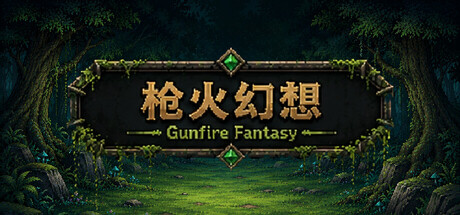 枪火幻想 In-game content art | Some of the artwork was generated using AI. | Lin Shun | - | Sep 4, 2026 | |
 Kyle Coral In-game content artcode | Some 2D art in Kyle Coral — including certain background/scene art and store and marketing images — is created with the help of generative AI image tools and then reviewed and edited by the developer. The game's core gameplay visuals are generated procedurally in code. | Clover Meadow Games | - | Sep 4, 2026 | |
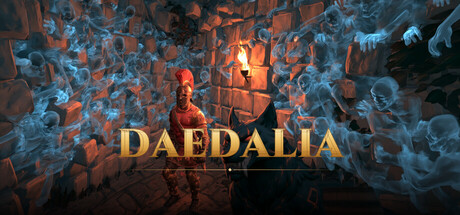 Daedalia In-game content artcode | Some of the artwork was created using AI tools. The code was also reviewed with, or assisted by, AI.
If the concept finds its audience, we intend to pay an artist to produce artwork that is not AI-generated. Artists who would like to be part of the project are welcome to join us. | HYB | - | Sep 4, 2026 | |
 EMBERDEEP In-game content art | Some of this game's assets were made with the assistance of generative AI tools and were reviewed, curated and hand-finished by the developer. No content is generated while you play. | Meridian Studios | - | Sep 4, 2026 | |
 Last Train to Yotsuya In-game content artaudiocode | Generative AI was used to assist in the creation of certain visual and audio elements of the game. AI tools were also used during development to assist with programming and other development tasks. | DadooloveitStudio | - | Sep 4, 2026 | |
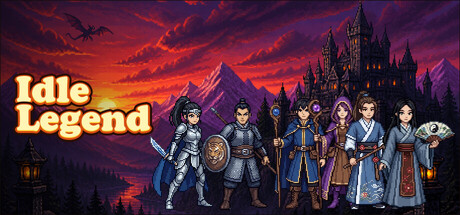 热血挂机 artaudiotext | Part of the UI, along with all character, monster and item icons, text translations, background music and some sound effects in this game are AI‑generated. | MagicJellyGames | - | Sep 4, 2026 | |
 Muscle Girl Lexy: My Personal Trainer In-game content art | All artwork in this game was created using generative AI. | KXMstudio | - | Sep 4, 2026 | |
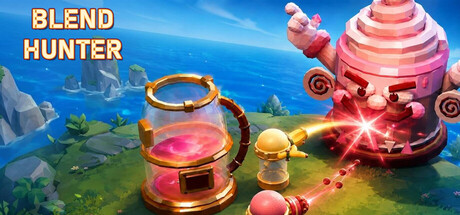 Blend Hunter: Smoothie Bullet Heaven In-game content arttext | Generative AI tools were used during development to create and refine some pre-generated content. Codex was used for parts of the 3D model work, GPT Image was used to generate parts of the user interface, and AI tools assisted with some text and some Steam store and marketing visuals. These assets were reviewed and integrated by the developer. No audio or music was created with generative AI. The game does not generate AI content during gameplay. | NAN LOGIC LLC | - | Sep 4, 2026 | |
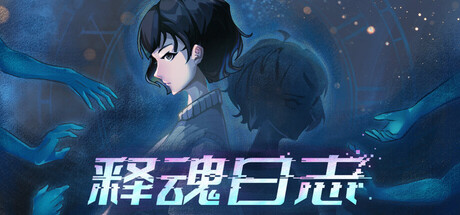 Soul Protocol In-game content audio | 游戏中的部分音乐使用AI辅助生成 | 街角制作组 | - | Sep 4, 2026 | |
 MEANINGLESS Unclear art | Some images | VIRGO GAMES | - | Sep 4, 2026 | |
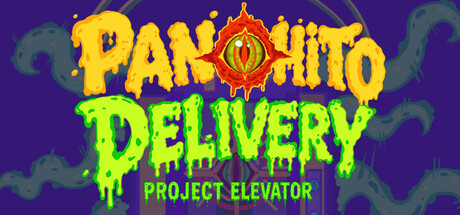 Panchito Delivery: Project Elevator In-game content audio | We use AI to generate songs | Pigeon-G | - | Sep 4, 2026 | |
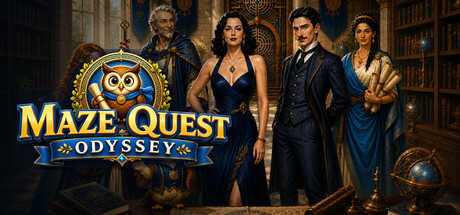 Maze Quest Odyssey In-game content artaudiotext | Pre-generated AI content: Generative AI tools were used extensively during development to create and assist with artwork, game assets, music, written content, and promotional materials. AI-assisted development tools were also used. All content in the final game was reviewed and curated by the development team. The game does not generate AI content during gameplay. | Mammoth Club | - | Sep 4, 2026 | |
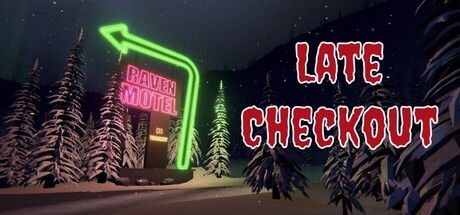 Late Checkout In-game content arttext | Some of the 2D art and textures in this game were created with the help of generative AI tools. Generative AI was also used to assist with writing and translating parts of the in-game text. All AI-assisted content was reviewed and edited by the developer before release. No content is generated by AI while you play. | Ninety Pines | - | Sep 4, 2026 | |
 日本四季百景 In-game content art | This game uses generative AI for some background images and landscape assets. All AI-generated materials are reviewed and edited by the developer before being used in the game. Generative AI is not used during gameplay, and the game does not connect to external AI services to generate content. | BLOOMPICTURE STUDIO | - | Sep 4, 2026 | |
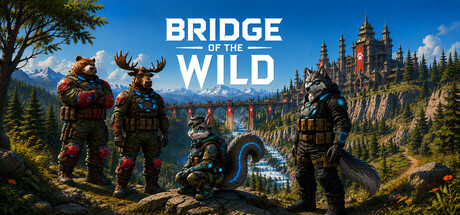 Bridge Of The Wild In-game content art | Generative AI tools were used to assist in the creation of certain pre-generated 2D artwork and visual assets during development. AI-assisted artwork is reviewed, edited, and integrated by the development team to maintain the game's intended visual style and quality. No generative AI content is created live during gameplay | Favor Games | - | Sep 4, 2026 | |
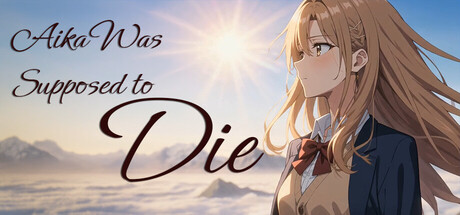 Aika Was Supposed to Die In-game content art | Hi everyone. I want to be open about how this game was made and why generative AI was used.
Aika Was Supposed to Die began as a story that I wrote and developed over more than two years. The world, characters, dialogue, themes, and narrative direction were all written by me. I cared deeply about this story, and eventually I felt that a visual novel would be the best way to bring it to life.
As an independent developer working with a limited budget, hiring a full team of artists is not financially possible for me right now. I greatly value human-made art and the work of professional artists. I am also a 3D artist who works with Unreal Engine, so this is something I genuinely care about.
Rather than leave the story untold, I chose to use generative AI as part of the visual production process. The game’s images and video assets were created with the assistance of generative AI tools. However, I did not want that to become an excuse for delivering something careless or low-quality. In fact, having access to these tools encouraged me to be as ambitious as possible with the project.
I created and refined a large number of images and animated sequences to give the game a richer and more cinematic presentation. Every asset was carefully directed, selected, edited, revised, and manually integrated into the story, with the goal of providing players with a cohesive, polished, and emotionally engaging experience.
The writing, narrative design, scene direction, timing, editing, and final creative decisions were all handled by humans. Generative AI was used as a production tool, not as a replacement for authorship, creative direction, or care. No AI content is generated during gameplay.
If the game becomes successful enough to support a larger production, I would love to work with professional artists on future chapters. Until then, this approach has allowed me to share a story that means a great deal to me while doing everything within my reach to make the final experience cohesive, personal, and emotionally meaningful.
Thank you for giving this story a chance. | AGA PRODUCOES LTDA | - | Sep 4, 2026 | |
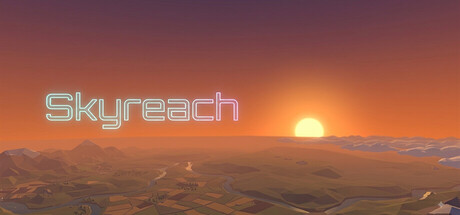 Skyreach Store/marketing art | The store page and library artwork (capsule images, library hero, and the game
logo) were created using a generative AI image tool, then cropped, colour-corrected
and composited by hand to meet Steam's asset specifications.
No AI-generated content ships inside the game itself. All in-game visuals, audio,
shaders and level layout are generated procedurally by the game's own code, or
hand-written. | John | - | Sep 4, 2026 | |
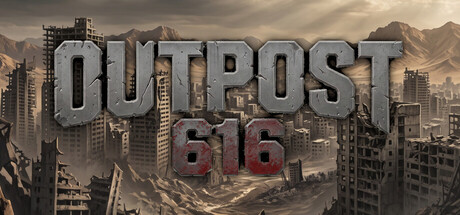 Outpost 616 In-game content art | We use AI tools as part of our developer workflow, in some cases for generative textures, 2D or 3D placeholders, in other cases for actual designs to be used in the game, this can also be a mix of both. | Furious AS | - | Sep 4, 2026 | |
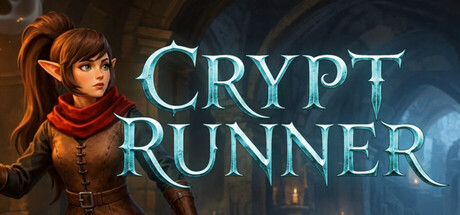 Crypt Runner Store/marketing arttext | Marketing Material | Midnight Raven Games LLC | - | Sep 4, 2026 | |
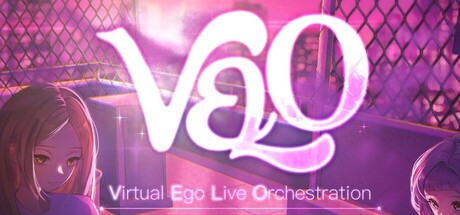 V.E.L.O. In-game content artaudio | Generative AI tools were used during development to assist in the creation of selected background images, illustrations, character assets, UI assets, rhythm game music, and background music. These are pre-generated assets included with the game. No generative AI is used to create content during gameplay, and the game does not connect to external AI services while being played. | PROJECT: V.E.L.O. | - | Sep 4, 2026 | |
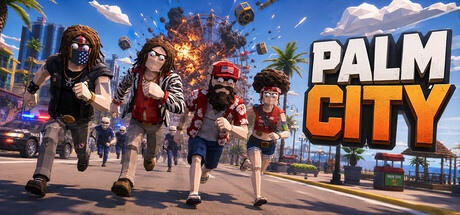 PALM CITY In-game content text | AI-assisted development tools were used during production to help write game code, in-game text, and the English localization. All AI-assisted content was reviewed and tested by the developer. | ELVORIS | - | Sep 4, 2026 | |
 Vacation Adventures: Park Ranger Mega Bundle Unclear art | Some scenes cleaned up | Casual Arts | - | Sep 4, 2026 | |
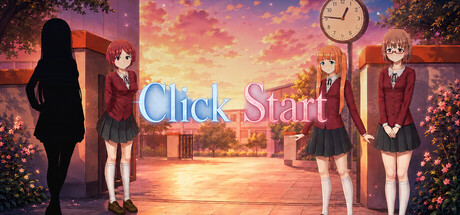 Click Start In-game content artaudio | Generative AI tools were used during development to enhance and refine selected existing in-game artwork and music. These assets were not generated from scratch; AI was used only as part of the editing and improvement process. All AI-assisted outputs were reviewed and approved by the developer. The game does not generate AI content at runtime. | Tech-AM Studio | - | Sep 4, 2026 | |
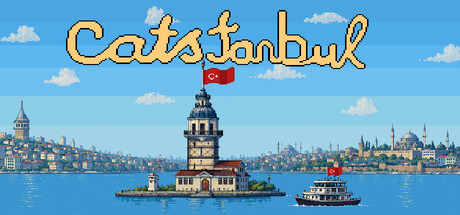 Catstanbul Dev only art | During the visual development process, I used generative AI tools (Leonardo AI, ChatGPT, etc.) to generate initial concept art and ideas. Using these concepts as a foundation, I manually redrew and refined every pixel in Aseprite, split them into layers for parallax effects, and converted them into functional game assets for Unity.
— Esra Soner (Catstanbul's Developer) | Esra Soner | - | Sep 4, 2026 | |
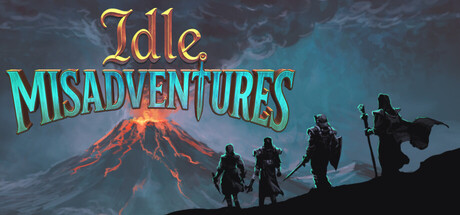 Idle Misadventures In-game content artaudio | Visual Assets: As a solo developer, I use generative AI to create initial variations for scenery, textures, character sprites, and UI. No raw AI output ships in the game — every asset is hand-edited, composited, and cleaned up to match the game's aesthetic.
Music: The soundtrack and ambient music are created with AI audio tools, then curated and sequenced into a cohesive, atmospheric score. | Double Trouble Games | - | Sep 4, 2026 | |
 雾山古董店 In-game content art | Some UI designs in the game are generated using AI | Sanxian | - | Sep 4, 2026 | |
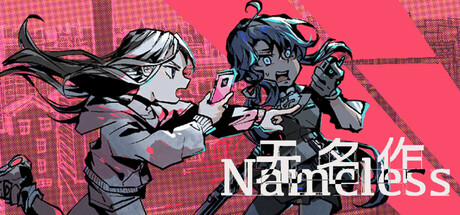 无名作 In-game content audio | 部分背景音乐由人工智能生成。 | 单刀双掷 | - | Sep 4, 2026 | |
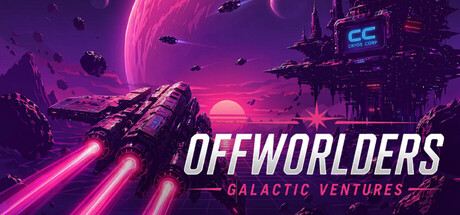 Offworlders: Galactic Ventures In-game content art | Generative artificial intelligence was used to generate some marketing materials such as capsule art as well as some icons. | Snowchimp Interactive | - | Sep 4, 2026 | |
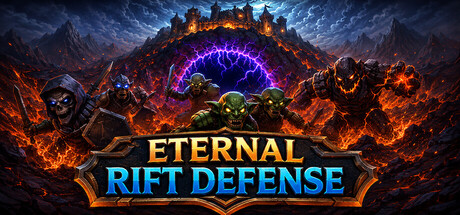 Eternal Rift Defense In-game content artaudiocode | Eternal Rift Defense uses AI-assisted tools during development to help generate and refine certain code, audio, visual assets, and design elements. All AI-assisted content is reviewed, modified, and validated by the developers to ensure quality, security, and consistency with the game’s design. | MagmaBear Games | - | Sep 4, 2026 | |
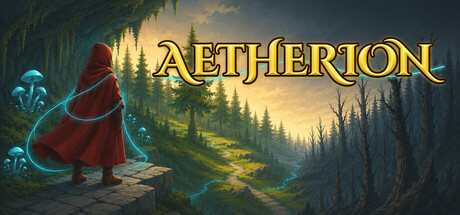 Aetherion Store/marketing artcode | Generative AI tools were used during development to assist with the creation and iteration of some visual assets and promotional artwork. All final assets are curated, reviewed and further edited or iterated on by the developer. AI-assisted development tools are also used for programming. No AI-generated content is created during gameplay. | AiirolDev | - | Sep 4, 2026 | |
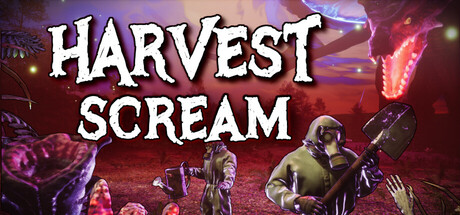 Harvest Scream In-game content text | AI is used only for text translation/localization (in-game and store page), with every line reviewed and edited by the developer.
No AI-generated graphics, music, audio, or live content generation are used in the game. | Green Vector Games | - | Sep 3, 2026 | |
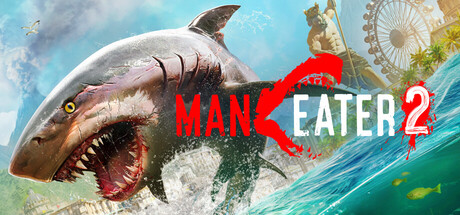 Maneater 2 Dev only artaudiotextcode | AI-assistive tools were used for development support, including prototyping, coding, testing, documentation, and workflows; all player-facing creative content such as Art, UI, VFX, music, voice acting, and marketing materials was created by human developers and artists. | Tripwire Interactive | - | Sep 3, 2026 | |
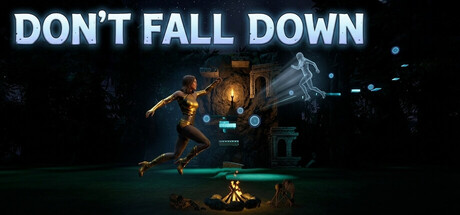 Don't Fall Down Dev only | Generative AI tools were used during the development of Don't Fall Down as an assistive tool for development | Shade Games | - | Sep 3, 2026 | |
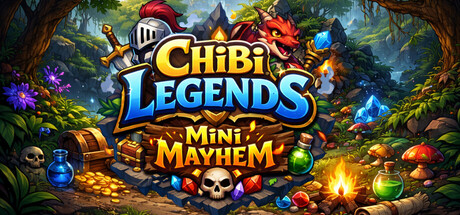 Chibi Legends: Mini Mayhem In-game content art | Our team uses generative AI tools For Marketing/Promotional Images and some in game assets. | Could Care Less | - | Sep 3, 2026 | |
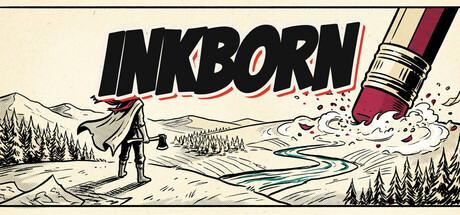 INKBORN In-game content artaudio | The store artwork (capsules and key art) was generated with an image model and then composed, cropped and combined with our own logo by hand. The game's ambient background music tracks were generated with an AI music tool and edited afterwards. | OverLKD Studio | - | Sep 3, 2026 | |
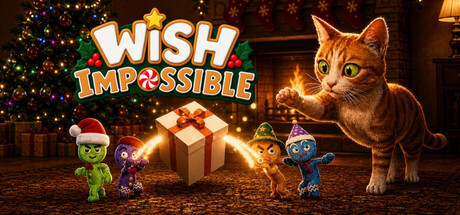 Wish Impossible In-game content art | Generative AI was used during development to assist with visual concept exploration and the creation of certain pre-generated art assets. No generative AI content is generated during gameplay. | EDEL Studio | - | Sep 3, 2026 | |
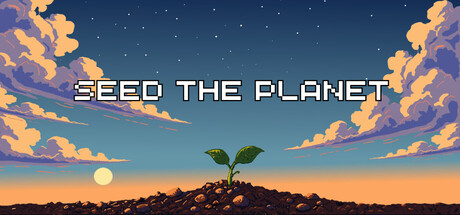 Seed the Planet Store/marketing text | Generative AI was used only to assist with drafting and translating written text for the Steam store page. No in-game artwork, audio, gameplay assets, or runtime content is generated by AI. | Sandborn Digital | - | Sep 3, 2026 | |
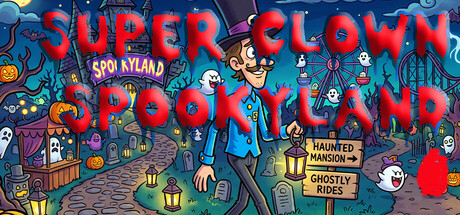 Super Clown Spookyland Store/marketing art | Steam Store page logo and cover art made with ai tools | Valkeala Software | - | Sep 3, 2026 | |
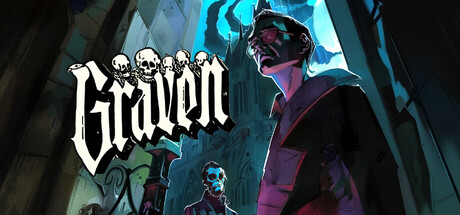 Graven In-game content art | Assistance with the development of:
- Custom procedural 2D animation rig.
- Reinforcement learning (RL) layer for player and NPC animations in hand-authored 2D environments.
- Base designs for sprites and backgrounds (further iterated by hand using digital editing software like photoshop)
No ai tools were used in any capacity for writing or story elements, voice acting, music, or anywhere else. | Basalt Games | - | Sep 3, 2026 | |
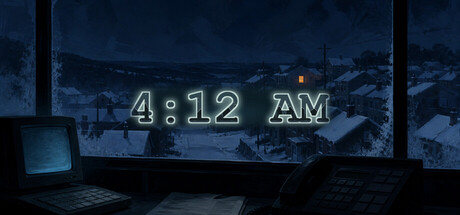 4:12 AM Live AI artaudio | Some background art, still images, videos, and music were created with the assistance of generative AI tools; every asset was reviewed and curated by the developer. During gameplay, callers' dialogue is performed by an AI language model running entirely on the player's PC — fully offline, with no external AI service. The AI performs characters only within hand-written script boundaries, all story outcomes are decided by deterministic game logic, and generated text is filtered before display. Voice input is transcribed locally and never leaves your machine. | findrr_base | - | Sep 3, 2026 | |
 Do Not Merge In-game content art | English — artwork (yes, pre-generated):
Visual art (scene backgrounds, character art, GUI covers, and visual FX) was drafted with generative image models, then human-reviewed, cropped, and accepted into the shipping game. Store capsules and library art produced the same way are included in this disclosure. Unreviewed generator output is not shipped.
English — writing (human, not AI narrative):
All narrative, dialogue, in-game text, and store copy are human-written. This game is not an AI-authored story. Planned English localization is human-translated, not model-generated.
English — audio / runtime (so reviewers do not assume the rest):
Audio is CC0 / public-domain / project-synthesized sound effects. There is no voice acting and no generative AI voice. The game does not call generative models at runtime. | MaruMiru | - | Sep 3, 2026 | |
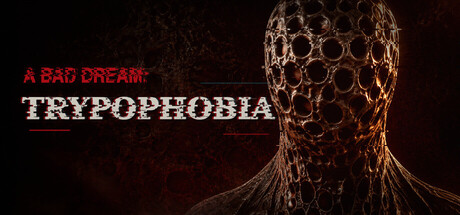 A Bad Dream: Trypophobia In-game content artcode | During the development of *A Bad Dream: Trypophobia*, generative AI was used as a supporting tool to create and refine certain textures, 3D models, and visual elements, as well as to assist in programming specific systems. All content was manually reviewed, edited, configured, and integrated by Big Mount Interactive. The game does not generate content via AI during gameplay, nor does it connect to external AI services. | Big Mount Interactive | - | Sep 3, 2026 | |
 HauntedHouseNO14 audio | Some images and audio assets are AI‑generated. | YouYi Studio | - | Sep 3, 2026 | |
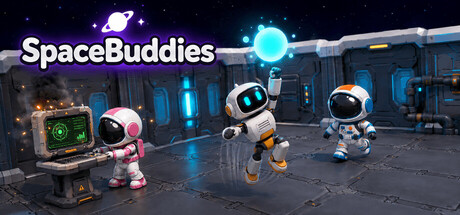 SpaceBuddies In-game content artaudio | SpaceBuddies uses generative AI tools during development to create pre-rendered content included in the game and on this store page. AI was used to help produce some 3D models (Rodin), marketing/game imagery (ChatGPT), sound effects (Eleven Labs), and background music (Suno). All AI-generated assets were reviewed and edited by the development team before release.
This game does not use generative AI to create content during gameplay, and it does not connect to third-party AI services while you play. | The Weekend Company | - | Sep 3, 2026 | |
 Don't Forget the Train Dev only code | AI was used to assist in coding, as this is my first multiplayer game. | Glitch Omen | - | Sep 3, 2026 | |
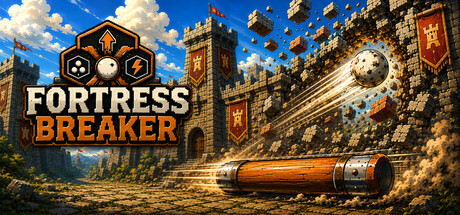 Fortress Breaker In-game content artaudio | AI was used during development, particularly to assist in creating and refining some artwork and audio assets. All content was reviewed, selected, improved upon, and integrated manually. This game does not generate AI content during gameplay.
I'm not a good artist or audio producer but using current tools lets me deliver what I think is a fun game that I wouldn't be able to deliver at anywhere near the same quality without them. Fortress Breaker is still very much a one person project, just one with great tools. | 256pub | - | Sep 3, 2026 | |
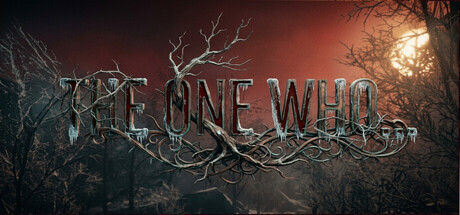 The One Who Store/marketing artaudio | Generative AI tools were used during development to assist with creating promotional images for the Steam store page, early concept art, and voiceovers for character dialogues. No AI content is generated in real-time during gameplay. All in-game models, code, and environments were manually created, processed, and integrated by the developer. | NUMBLINE | - | Sep 3, 2026 | |
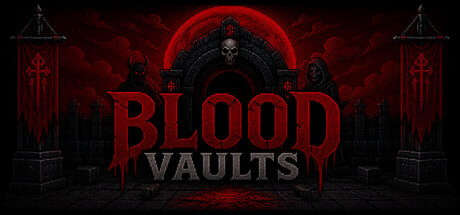 Blood Vaults In-game content art | Blood Vaults was independently developed by Cryptwake Studios with limited assistance from generative AI tools. These tools were used as part of the development workflow to assist with select visual assets, content, and development materials. The game’s design, systems, mechanics, direction, and implementation are developer-created. Any AI-assisted content appearing in the final game is reviewed, modified where appropriate, and integrated by the developer. | Cryptwake Studios | - | Sep 3, 2026 | |
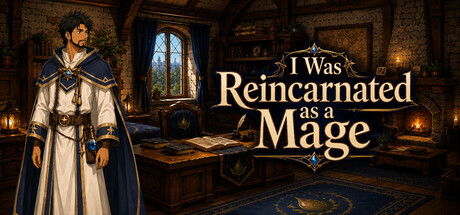 I was reincarnated as a mage. In-game content art | This game features generative artificial intelligence was used to generate artwork and images. | SimulationJay | - | Sep 3, 2026 | |
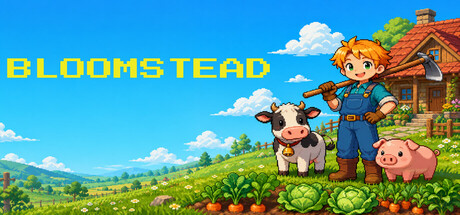 Bloomstead In-game content art | Generative AI was used strictly for the creation of marketing materials and store page capsule artwork. All in-game assets, including pixel art character sprites, environment tiles, animations, music, and source code, were 100% human-created. | Meadowroots Studios | - | Sep 3, 2026 |


