Public Steam disclosure research25,394 disclosures tracked
Where do games disclose AI use?
Search developers’ Steam disclosures, compare classified AI use across
games, and follow recorded changes.
This index adds cross-game classifications and statistics to
statements published on individual store pages.
Groups reflect automatic analysis of public disclosures; mature records are excluded. These counts do not measure AI use across all of Steam.
Missing or unclear statements cannot establish whether a game uses AI.
AI tools were used to assist in the creation of temporary promotional artwork and concept visuals for the Steam store page. Gameplay systems, implementation, balancing, and final game integration are developed manually.
All 2D visual artwork used in the game was created or edited with the assistance of generative AI tools, then manually reviewed, selected, adjusted, and implemented by the developer.
This includes in-game sprites, visual assets, Steam store artwork, and promotional material.
Some in-game audio, including phone call voices and ambient sounds, were generated using AI tools. Additionally, certain stickers and visual assets found in the Cancer's living area were created with the assistance of generative AI.
Character portraits, UI icons, and background art in this game were generated using AI image tools (Google Gemini) and then edited, composited, and finalized by the developer. Music and sound effects were AI-generated (Suno / ElevenLabs) and edited by the developer. AI (Claude Code) was also used as a coding assistant during development. No AI content is generated live during gameplay — all assets are fixed and authored before release.
How is Generative AI used in this game?
Toxic Dating Simulator utilizes cutting-edge generative AI technologies to elevate its interactive cinematic storytelling.
Voice Acting (ElevenLabs): All character dialogues and Atakan's chaotic inner monologues are voiced using advanced AI-powered emotion-tagging technologies. This delivers high-fidelity voice lines capturing sarcasm, anger, or flirtatious tones with professional actor-level depth.
Visuals & Animation (Kling AI): The facial expressions, eye contact, and reactive behaviors of the female characters sitting across the cafe table are generated using advanced AI video tools.
Music: All context-dependent songs (electro, pop, or fantasy) playing on the post-date score screen are composed via AI tools, with all lyrics entirely written by the developer.
All AI-generated content in the game consists of pre-rendered, curated, and fully copyright-compliant static assets created during development. The game does not generate any live or real-time AI content during gameplay.
Generative AI tools were used during development for technical planning, system architecture, building custom systems, code cleanup, and similar engineering support.
Some current pre-release visual/model assets are AI-generated placeholders. These are intended to be replaced with final authored assets before release.
This game uses generative AI tools to create certain static visual assets, including background images, loading screens, character portraits, marketing materials, and ship illustrations.
No generative AI is used during gameplay to create game mechanics, simulations, text content, or dynamic systems. All gameplay mechanics and simulation systems are entirely handcrafted and deterministic.
Some visual assets in this game were created with the assistance of generative AI tools.
AI-assisted content includes some capsule images and promotional images used on the Steam store page, as well as some in-game background images, item icons, and UI images. The generated results were selected, edited, and adjusted by the developer to match the game's atmosphere and content.
The game does not use live-generated AI during gameplay. It does not include any feature where AI generates text, images, voice, music, or other content in response to player input while the game is running.
Some visual assets in the game were created or assisted using AI-based tools during development. All generated content has been reviewed, modified, and integrated to fit the game's style and design.
We use AI tools where appropriate to streamline our workflow, specifically for pre-generating certain in-game assets such as images and music, as well as assisting with translations
This game contains pre-generated content created with the assistance of generative artificial intelligence (AI).
Some or all character illustrations, background scenes, visual assets, story content, character dialogue, voice content, and background music were created or assisted using generative AI technologies during development. All such content was reviewed, refined, and integrated into the final version of the game by the development team.
Generative AI video tools were used to assist in creating some trailer and marketing video materials. The game itself does not use live-generated AI content.
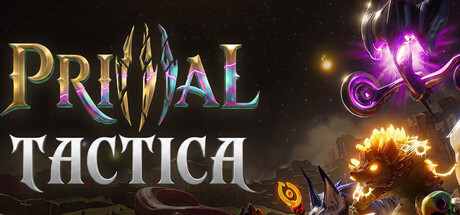
We believe that no person should be replaced by AI. All Primals — their models, animation, rigging, textures, SFX, and VFX — have been handcrafted by skilled artists.
Our developers may choose to use generative AI as part of an iterative, exploratory development process, but how and when is left to individual team members, and the final product always reflects the creativity and expression of our own development team.
As a small team, we have licensed some icons and 2D assets from external creators, and it is possible that some of these creators have used generative AI.
Music in Keeping Up is AI-assisted: tracks generated with Suno from prompts written, selected and edited by the developer. Code was written with the help of an AI coding assistant, under the developer's direction and review. Most in-game artwork (character portraits, board art, store capsules) are human-made by the project's artists. There are some placeholder AI artwork images.
Generative AI tools may be used during the development and marketing of WBS26 to assist with concept art, promotional images, placeholder visual materials, character portraits, text editing, localization support, and production workflow.
Some character portraits or visual assets may be created or assisted by generative AI tools and then reviewed, selected, and edited by the developer before being included in the game.
The game does not use generative AI to create gameplay content in real time for the player. AI-assisted materials are reviewed and edited by the developer before being included in the game or on the Steam store page.
AI was used to generate trailer music and couple of upgrades icons, but game is still in early development phase and i'm working on replacing those with real art.
Static art assets (store-page capsules, in-game card art, in-game icons) and audio placeholders are generated via Replicate (Google Nano Banana Pro for image, Lyria-2 / AudioGen for audio) using human-authored prompts. Outputs are reviewed by the developer before shipping. No live AI generation occurs during gameplay; all assets are baked at build time.
I would like to pay for human assets, but I am moving fast. In the same way that AI turned 12 months of dev time into 2, it also affected how I skinned the MVP. This is best for communicating intention, and I can polish it with human art if there is traction.
Generative AI is used to create sound effects and voice lines. The AI-generated images provide foundational 2D artwork for promotional materials that are heavily stylized and edited. All the AI-generated assets are static, pre-baked and there is no live, real-time interaction with AI during gameplay.
Generative AI was used to assist in the creation of some music and visual assets. All content is produced using licensed tools and reviewed by the development team to avoid copyright issues.
This game uses generative AI in the following ways:
Art and Visual Assets (Pre-Generated):
Some in-game art assets including player portraits and UI illustrations were created with the assistance of generative AI tools during development. All generated assets were reviewed, curated, and edited by the developer before being included in the final build.
All AI-generated content has been produced using models and tools that the developer has the right to use commercially.
Generative AI tools were used during development to assist in creating select pre-rendered 2D background environments, UI icons, and character voice-over audio for cutscenes and narration. All AI-generated content was pre-generated and manually reviewed to ensure quality and compliance before being integrated into the game. The game does not generate any AI content live during gameplay.
AI tools were used to assist with the English localization of texts and dialogues. Additionally, some sound effects in the current Demo are AI-generated placeholders, which will be completely replaced with custom audio in the final release.
AI was used during development to assist with brainstorming, writing dialogue, generating character concepts, story planning, and organizing game data. All content was reviewed, edited, and implemented by the developer.
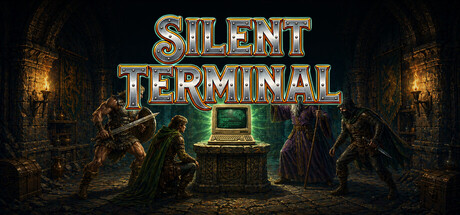
SILENT TERMINAL uses generative AI as a creative aid during development. Specifically, the promotional images on this store page (the capsule, header, key art and illustrations) were created with AI tools and then reviewed, edited and curated by our human team.
The game itself is built from human created and human supervised content: the ASCII art, maps, branching stories, dialogue and RPG systems are designed by the team. SILENT TERMINAL does not generate content with AI in real time during play. All adventures are loaded from pre authored files.
Artificial intelligence (AI) was leveraged for key aspects of the game's development, including in-game logic, support systems, and certain artistic assets.
Some art assets are generative and some are not. Many assets were purchased and then updated with generative AI in order to look different from the original purchased assets. We would love to change these out for custom art if the game does well.
This game uses pre-generated AI-assisted content for some visual assets, promotional images, localization support, and marketing materials. All AI-assisted content has been reviewed and edited by the developer before inclusion in the game or store page.
Artificial intelligence was not used in writing the game’s story; the writing process was completed by the developer over approximately 4 months.
Some artworks on the gameplay to explain the story are generated by A.I with the developer's own detailed ideas.
Other works like coding, sound effects, map design, character design are by the developers.
Some designs use A.I to support of the creation, but they are customized, re-designed by the develooper.
The game DOES NOT include live-generated AI systems, chatbots, player-facing AI generation, or runtime generation of text, images, audio, or dialogue.
Generative AI tools are used during development for the creation and refinement of certain visual assets, animations, music, sound effects and voice content.
AI-assisted workflows are also utilized for localization support, historical research, narrative iteration and code review.
All AI-generated material is manually reviewed, edited and integrated into the final game experience by the developer.
Generative AI tools were used exclusively to create the main menu background illustration and the visual assets/textures for the enemy characters. No other parts of the game utilize artificial intelligence, and all other assets were created or acquired manually by the developers. The game does not contain any live-generated or real-time AI content.
Some visual assets (character sprites and facial feature illustrations)
and background music in this game were created with the assistance
of AI generation tools. All AI-generated content was reviewed,
selected, and edited by the developer before inclusion in the game.
No AI content is generated live during gameplay.
Territory Titans: Booking Wars contains some pre-generated content created with the assistance of generative AI tools during development. AI-assisted tools were used to help create portions of promotional artwork, visual assets, and concept materials. All AI-generated content was reviewed, edited, and curated by the developer before inclusion in the game or store materials. The game does not use live AI generation during gameplay and does not generate content for players in real time.
I created this game in my coding class for school which prioritizes AI coding and development. I have coded a significant portion of this game using artificial tools.
AI tools were used to assist in the creation of temporary promotional artwork and concept visuals for the Steam store page. Gameplay systems, implementation, balancing, and final game integration are developed manually.
All 2D visual artwork used in the game was created or edited with the assistance of generative AI tools, then manually reviewed, selected, adjusted, and implemented by the developer.
This includes in-game sprites, visual assets, Steam store artwork, and promotional material.
Some in-game audio, including phone call voices and ambient sounds, were generated using AI tools. Additionally, certain stickers and visual assets found in the Cancer's living area were created with the assistance of generative AI.
Character portraits, UI icons, and background art in this game were generated using AI image tools (Google Gemini) and then edited, composited, and finalized by the developer. Music and sound effects were AI-generated (Suno / ElevenLabs) and edited by the developer. AI (Claude Code) was also used as a coding assistant during development. No AI content is generated live during gameplay — all assets are fixed and authored before release.
How is Generative AI used in this game?
Toxic Dating Simulator utilizes cutting-edge generative AI technologies to elevate its interactive cinematic storytelling.
Voice Acting (ElevenLabs): All character dialogues and Atakan's chaotic inner monologues are voiced using advanced AI-powered emotion-tagging technologies. This delivers high-fidelity voice lines capturing sarcasm, anger, or flirtatious tones with professional actor-level depth.
Visuals & Animation (Kling AI): The facial expressions, eye contact, and reactive behaviors of the female characters sitting across the cafe table are generated using advanced AI video tools.
Music: All context-dependent songs (electro, pop, or fantasy) playing on the post-date score screen are composed via AI tools, with all lyrics entirely written by the developer.
All AI-generated content in the game consists of pre-rendered, curated, and fully copyright-compliant static assets created during development. The game does not generate any live or real-time AI content during gameplay.
Generative AI tools were used during development for technical planning, system architecture, building custom systems, code cleanup, and similar engineering support.
Some current pre-release visual/model assets are AI-generated placeholders. These are intended to be replaced with final authored assets before release.
This game uses generative AI tools to create certain static visual assets, including background images, loading screens, character portraits, marketing materials, and ship illustrations.
No generative AI is used during gameplay to create game mechanics, simulations, text content, or dynamic systems. All gameplay mechanics and simulation systems are entirely handcrafted and deterministic.
Some visual assets in this game were created with the assistance of generative AI tools.
AI-assisted content includes some capsule images and promotional images used on the Steam store page, as well as some in-game background images, item icons, and UI images. The generated results were selected, edited, and adjusted by the developer to match the game's atmosphere and content.
The game does not use live-generated AI during gameplay. It does not include any feature where AI generates text, images, voice, music, or other content in response to player input while the game is running.
Some visual assets in the game were created or assisted using AI-based tools during development. All generated content has been reviewed, modified, and integrated to fit the game's style and design.
We use AI tools where appropriate to streamline our workflow, specifically for pre-generating certain in-game assets such as images and music, as well as assisting with translations
This game contains pre-generated content created with the assistance of generative artificial intelligence (AI).
Some or all character illustrations, background scenes, visual assets, story content, character dialogue, voice content, and background music were created or assisted using generative AI technologies during development. All such content was reviewed, refined, and integrated into the final version of the game by the development team.
Generative AI video tools were used to assist in creating some trailer and marketing video materials. The game itself does not use live-generated AI content.
We believe that no person should be replaced by AI. All Primals — their models, animation, rigging, textures, SFX, and VFX — have been handcrafted by skilled artists.
Our developers may choose to use generative AI as part of an iterative, exploratory development process, but how and when is left to individual team members, and the final product always reflects the creativity and expression of our own development team.
As a small team, we have licensed some icons and 2D assets from external creators, and it is possible that some of these creators have used generative AI.
Music in Keeping Up is AI-assisted: tracks generated with Suno from prompts written, selected and edited by the developer. Code was written with the help of an AI coding assistant, under the developer's direction and review. Most in-game artwork (character portraits, board art, store capsules) are human-made by the project's artists. There are some placeholder AI artwork images.
Generative AI tools may be used during the development and marketing of WBS26 to assist with concept art, promotional images, placeholder visual materials, character portraits, text editing, localization support, and production workflow.
Some character portraits or visual assets may be created or assisted by generative AI tools and then reviewed, selected, and edited by the developer before being included in the game.
The game does not use generative AI to create gameplay content in real time for the player. AI-assisted materials are reviewed and edited by the developer before being included in the game or on the Steam store page.
AI was used to generate trailer music and couple of upgrades icons, but game is still in early development phase and i'm working on replacing those with real art.
Static art assets (store-page capsules, in-game card art, in-game icons) and audio placeholders are generated via Replicate (Google Nano Banana Pro for image, Lyria-2 / AudioGen for audio) using human-authored prompts. Outputs are reviewed by the developer before shipping. No live AI generation occurs during gameplay; all assets are baked at build time.
I would like to pay for human assets, but I am moving fast. In the same way that AI turned 12 months of dev time into 2, it also affected how I skinned the MVP. This is best for communicating intention, and I can polish it with human art if there is traction.
Generative AI is used to create sound effects and voice lines. The AI-generated images provide foundational 2D artwork for promotional materials that are heavily stylized and edited. All the AI-generated assets are static, pre-baked and there is no live, real-time interaction with AI during gameplay.
Generative AI was used to assist in the creation of some music and visual assets. All content is produced using licensed tools and reviewed by the development team to avoid copyright issues.
This game uses generative AI in the following ways:
Art and Visual Assets (Pre-Generated):
Some in-game art assets including player portraits and UI illustrations were created with the assistance of generative AI tools during development. All generated assets were reviewed, curated, and edited by the developer before being included in the final build.
All AI-generated content has been produced using models and tools that the developer has the right to use commercially.
Generative AI tools were used during development to assist in creating select pre-rendered 2D background environments, UI icons, and character voice-over audio for cutscenes and narration. All AI-generated content was pre-generated and manually reviewed to ensure quality and compliance before being integrated into the game. The game does not generate any AI content live during gameplay.
AI tools were used to assist with the English localization of texts and dialogues. Additionally, some sound effects in the current Demo are AI-generated placeholders, which will be completely replaced with custom audio in the final release.
AI was used during development to assist with brainstorming, writing dialogue, generating character concepts, story planning, and organizing game data. All content was reviewed, edited, and implemented by the developer.
SILENT TERMINAL uses generative AI as a creative aid during development. Specifically, the promotional images on this store page (the capsule, header, key art and illustrations) were created with AI tools and then reviewed, edited and curated by our human team.
The game itself is built from human created and human supervised content: the ASCII art, maps, branching stories, dialogue and RPG systems are designed by the team. SILENT TERMINAL does not generate content with AI in real time during play. All adventures are loaded from pre authored files.
Artificial intelligence (AI) was leveraged for key aspects of the game's development, including in-game logic, support systems, and certain artistic assets.
Some art assets are generative and some are not. Many assets were purchased and then updated with generative AI in order to look different from the original purchased assets. We would love to change these out for custom art if the game does well.
This game uses pre-generated AI-assisted content for some visual assets, promotional images, localization support, and marketing materials. All AI-assisted content has been reviewed and edited by the developer before inclusion in the game or store page.
Artificial intelligence was not used in writing the game’s story; the writing process was completed by the developer over approximately 4 months.
Some artworks on the gameplay to explain the story are generated by A.I with the developer's own detailed ideas.
Other works like coding, sound effects, map design, character design are by the developers.
Some designs use A.I to support of the creation, but they are customized, re-designed by the develooper.
The game DOES NOT include live-generated AI systems, chatbots, player-facing AI generation, or runtime generation of text, images, audio, or dialogue.
Generative AI tools are used during development for the creation and refinement of certain visual assets, animations, music, sound effects and voice content.
AI-assisted workflows are also utilized for localization support, historical research, narrative iteration and code review.
All AI-generated material is manually reviewed, edited and integrated into the final game experience by the developer.
Generative AI tools were used exclusively to create the main menu background illustration and the visual assets/textures for the enemy characters. No other parts of the game utilize artificial intelligence, and all other assets were created or acquired manually by the developers. The game does not contain any live-generated or real-time AI content.
Some visual assets (character sprites and facial feature illustrations)
and background music in this game were created with the assistance
of AI generation tools. All AI-generated content was reviewed,
selected, and edited by the developer before inclusion in the game.
No AI content is generated live during gameplay.
Territory Titans: Booking Wars contains some pre-generated content created with the assistance of generative AI tools during development. AI-assisted tools were used to help create portions of promotional artwork, visual assets, and concept materials. All AI-generated content was reviewed, edited, and curated by the developer before inclusion in the game or store materials. The game does not use live AI generation during gameplay and does not generate content for players in real time.
I created this game in my coding class for school which prioritizes AI coding and development. I have coded a significant portion of this game using artificial tools.