








Disclosure
This product only uses generative AI for background scenery. These asset's visibility can simply be hidden via main menu toggle
- Creator
- Spot Dot Games
- Reviews
- -
- Added
- Jul 7, 2026
Public Steam disclosure research 25,394 disclosures tracked
Search developers’ Steam disclosures, compare classified AI use across games, and follow recorded changes. This index adds cross-game classifications and statistics to statements published on individual store pages.
Code help, debugging and other development work.
Capsule art, trailers and promotional material.
Pre-made art, audio, writing and other game assets.
Interactive or runtime AI features disclosed by the developer.
Groups reflect automatic analysis of public disclosures; mature records are excluded. These counts do not measure AI use across all of Steam. Missing or unclear statements cannot establish whether a game uses AI.
This product only uses generative AI for background scenery. These asset's visibility can simply be hidden via main menu toggle
AI tools were used strictly as a minor supplementary aid for light editing of select images and textures. Additionally, AI was partially utilized to generate specific ambient sound effects and assist with voiceover processing. All core game mechanics, 3D models, and primary assets were created manually by the developer.
This game uses generative AI tools during development to assist with the creation of pre-generated game content. AI tools were used as part of the production workflow for concept/reference images, some 3D model generation, and audio/source material discovery or selection support. The final assets included in the game were reviewed, edited, and integrated by the developer before being added to the game. The game does not use generative AI to create new content during gameplay.
The artwork, background music, in-game text and story, localizations into all supported languages, and store-page text in this game were created using generative AI tools, then curated, edited, and assembled by the developer. The game contains no live AI generation — all content is fixed and produced ahead of release.
Some visual assets and visual reference material used during development were created with the assistance of generative AI tools. All final assets are reviewed, edited, and curated by me before use. I use these tools to support and enhance my own ideas and designs, not to replace the creative process.
Some of the 2D assets and Page Logo and Banners
Some of the sprites and video clips in the game were created with the help of AI.
I use AI to localize game into other languages then English and Czech.
The graphics for the Steam library were created using AI
Good, honest call — AI-generated art means you disclose it, and Steam shows this text publicly on your page. Here's a clean, accurate disclosure message: Some of the visual assets in this game (such as card artwork and illustrations) were created with the assistance of generative AI tools. All AI-generated content was reviewed and curated by the developer. The game's design, code, and gameplay are human-authored.
I've used Claude Code for everything
Some of the art, music, and voice assets that ship with this game were created with the help of generative AI tools during development, then curated, ▎ edited, and assembled by the developer. This includes character and mascot art, background and scene art, UI and logo imagery, background music tracks, ▎ and in-game voice lines. The game does not generate any AI content live at runtime. All AI-assisted assets were reviewed before inclusion, and we do not ▎ knowingly ship content that infringes third-party intellectual property.
Some assets/models and textures in this game were generated using artificial intelligence (AI) tools.
This game's background music was created using generative AI, and its visual effects were also produced with the assistance of generative AI.
AI tools were used during development to assist with localizing in-game text into 13 non-English languages and with drafting in-game flavor text and store page copy. All AI-assisted text was reviewed and edited by the developers. All artwork and visual assets are hand-made; no AI-generated imagery is used. No content is generated by AI during gameplay.
AI tools were used to assist with promotional artwork, capsule art, and visual concept iteration for The Big Suck. Final art direction, selection, editing, game design, programming, balancing, and implementation were done by the developer. AI was used as a creative production aid for a small indie project, not as live-generated gameplay content.
Some of the displayed assets and upgrade text descriptions in-game are using human-verified LLM pre-generated content.
Generative AI was used solely to assist in creating certain graphical assets for the Steam store page, including store capsules, banners, and promotional images. All game content, including programming, gameplay mechanics, in-game art, music, and other assets, was created and reviewed by the developer and does not rely on generative AI during gameplay.
Generative AI (a large language model) was used to assist in drafting text content — store page descriptions, in-game text, and marketing copy — and to assist with code. All output was reviewed and edited by the developer. Game art is from licensed/CC0 asset packs and procedural rendering; audio is procedurally synthesized. No AI-generated imagery or audio ships in the game, and no AI is generated live at runtime.
JellyWorms uses generative AI-assisted visual content for some game art, store assets, and marketing materials. Final assets are reviewed and edited by the developer before release. The game does not generate live AI content during gameplay.
Generative AI was used to assist in creating some visual assets during development. All final in-game artwork was manually retouched and finalized by human artists.
AI generation tools were used to assist in creating 2D asset designs, specifically the main menu background artwork, enemy sprites, and power-up graphics. All code, level design, and core gameplay mechanics were traditionally developed.
Some 2D store and marketing assets — such as store capsule images, achievement icons, and key art — were created using AI image-generation tools and then refined and composited by hand. All gameplay, code, level design, and game systems are made by the developer without generative AI. All AI-assisted assets are reviewed to ensure they are appropriate and comply with Steam's rules.
Artificial intelligence tools were used to refine part of the game's music and certain sound effects, as well as specific graphical assets, support programming, debugging, and bug-fixing tasks
Most of the in-game graphics and marketing assets were created using AI.
Gen AI was used for coding, models, textures, dialogue, audio, music and brainstorming
Generative AI was used during the development of this game. It does not generate any content with AI while you play.
Generative AI tools were used during development to assist with drafting, revising, and refactoring portions of the game’s source code. It was reviewed, edited, compiled, and tested by the developer before inclusion.
Generative AI was used during the development of Slippery to assist in creating certain static visual assets, including [store page artwork / background images / character concepts / UI elements]. All AI-generated content was reviewed, modified, and integrated by hand to match the game's overall visual style. The game does not generate any AI content in real-time during gameplay.
Retro Robot Rescue was developed with the assistance of generative AI tools. AI assisted tools were used during development to help create and refine certain visual assets, music, sound effects, localization content, marketing materials, and portions of the game's code. All content included in the final game was selected, reviewed, edited, and integrated by the developer.
The game contains some AI-generated visual assets and music which were reviewed, selected, and integrated by the developer.
AI tools are used only as internal support during the development process, such as checking dialogue for typos, missing words, and the correctness of text-effect tags, as well as providing programming support.
We use AI tools to create some game assets, mainly for promotion and marketing.
Some player-facing visual and sound assets, as well as promotional images, were created or assisted with generative AI tools during development.
Artificial Intelligence (AI) is used to enhance and edit artwork and graphical assets on the Steam store page.
This game may include pre-generated content created or assisted by generative artificial intelligence tools during development, mainly for support with visual materials, promotional text, localization/translation, and marketing assets. All content included in the game and on the store page has been manually reviewed, edited, and approved by the development team before publication. The game does not use generative artificial intelligence in real time during gameplay, so no new AI-generated content is created while the user is playing. The game does not use generative artificial intelligence in real time. No images, text, sounds, dialogue, missions, or any other content are generated by AI while the game is running.
some Artwork was generated and modified with AI tools, some of the 3D Models where designed with help of AI Models. Music was generated with AI Music Tools.
To provide our players with a richer visual and auditory experience within a small-scale development environment, We used pre-generated AI tools to assist in creating some 2D art assets, background music, and voice lines.
Library capsule images and achievement icons were generated using AI.
StarCinder includes some content created with the assistance of generative AI tools. This includes certain music tracks, ship concept art, ship models, and background/menu imagery. The developer directed the style, mood, and design goals for these assets, then reviewed, selected, and integrated the final content into the game. StarCinder does not generate AI content during gameplay and does not connect to external AI services while players are playing.
OFS is made by a solo developer using a hybrid, human-led production pipeline. Some of the game's content was produced with the help of several generative AI tools — for instance to assist with certain complex 3D meshes, textures, and visual elements. These tools are used for one purpose only: to augment and accelerate human creativity, never to replace it. Every artistic direction, every gameplay decision, and every final creative call is made by a human. All AI-assisted assets — meshes, textures, visuals, objects and anything else — are hand-reviewed, edited, and finalized by a human before they ever make it into the game. As a solo developer, this hybrid approach simply unlocks far more creative possibilities than would otherwise be feasible without a full team — while keeping full human authorship over the final result.
This game uses pre-generated AI-assisted content. Most of the visual assets used in the game and its promotional materials were created with the help of generative AI tools, including character images, background images, key visual materials, and video/trailer assets. All AI-assisted outputs were reviewed, selected, edited, and integrated by the developer before being included in the game. The game does not generate AI content in real time during gameplay.
Generative AI was used for the translation and localization of some text in certain languages on the store page.
We use AI to help create some art and sounds during the gameplay of this game.
Some game assets were created with the help of AI tools during development. No AI runs during gameplay and no player data is sent to external services.
Some of this game's 2D art/images and in-game text were created with the help of generative AI tools during development, then reviewed and edited by the developer. Some of the game's code was also written with the assistance of AI coding tools. The game does not generate any content using AI while you play.
AI tools were used to enhance development productivity and to create a few visual assets such as logos.
Generative AI was used during development to assist with polishing promotional illustrations and drafting portions of the game's logic code. Some manually drawn promotional artwork was refined with AI assistance to improve less polished areas. AI-assisted code was manually reviewed by the developer, integrated by hand, and verified through local builds and hands-on playtesting before use. The game does not include player-facing real-time AI generation.
Dither Paradox is created and directed by Michał Kita. The game's final pixel art, animation, and visual design are made by hand, and every artistic and creative decision is made by people. We use generative AI as a production tool that supports - but does not replace - this work. In the visual layer, AI is sometimes used during the concept and iteration stage - to explore ideas and variations - while the final art assets that ship in the game are made by hand. AI also assists in producing music and voiceover, which are then curated, edited, and approved by the team, as well as some promotional materials. AI lets us reach a higher level of polish in less time, but authorship, art direction, and final responsibility for everything players see and hear remain with the people who make the game.
As an independent development team, we use generative AI tools to assist in creating some of the game’s background artwork and decorative wallpapers. These images are used as supporting visual elements and do not replace the game’s 3D assets, animation, gameplay design, programming, or overall creative direction. All AI-assisted artwork is selected, reviewed, edited, and integrated by our development team to ensure it fits the visual identity of Oops, No Floor. The game does not generate content during gameplay. We respect and value the work of professional artists. Our use of AI reflects the practical resources available to us as a small indie team and allows us to focus our budget and time on building, polishing, and supporting the game.
| Title⇅ | Disclosure | Creator⇅ | Src | Reviews⇅ | Added↓ |
|---|---|---|---|---|---|
 Roll n' Bounce In-game content art | This product only uses generative AI for background scenery. These asset's visibility can simply be hidden via main menu toggle | Spot Dot Games | - | Jul 7, 2026 | |
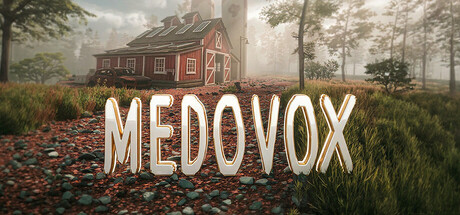 Medovox In-game content artaudio | AI tools were used strictly as a minor supplementary aid for light editing of select images and textures. Additionally, AI was partially utilized to generate specific ambient sound effects and assist with voiceover processing. All core game mechanics, 3D models, and primary assets were created manually by the developer. | TrixionX Studios | - | Jul 7, 2026 | |
 Don’t Pop!: Splash Race In-game content artaudio | This game uses generative AI tools during development to assist with the creation of pre-generated game content.
AI tools were used as part of the production workflow for concept/reference images, some 3D model generation, and audio/source material discovery or selection support. The final assets included in the game were reviewed, edited, and integrated by the developer before being added to the game.
The game does not use generative AI to create new content during gameplay. | Copiasoft | - | Jul 7, 2026 | |
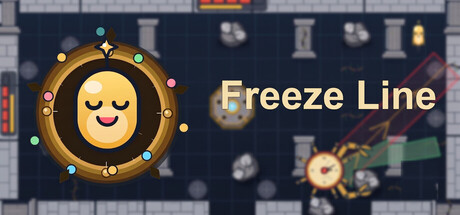 Freeze Line In-game content artaudiotext | The artwork, background music, in-game text and story, localizations into all supported languages, and store-page text in this game were created using generative AI tools, then curated, edited, and assembled by the developer. The game contains no live AI generation — all content is fixed and produced ahead of release. | ZeroTick Studio | - | Jul 6, 2026 | |
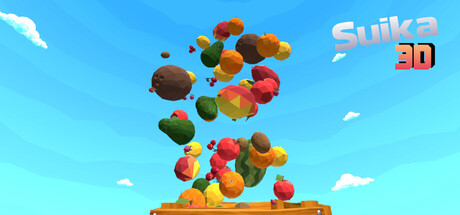 Suika 3D Dev only art | Some visual assets and visual reference material used during development were created with the assistance of generative AI tools.
All final assets are reviewed, edited, and curated by me before use. I use these tools to support and enhance my own ideas and designs, not to replace the creative process. | Leaky Tap Games | - | Jul 6, 2026 | |
 Rouge Process Store/marketing art | Some of the 2D assets and Page Logo and Banners | Splice | - | Jul 6, 2026 | |
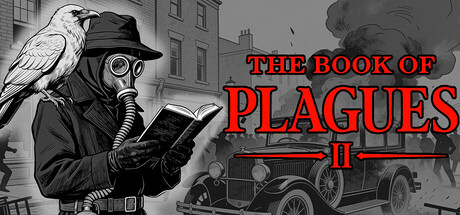 The Book of Plagues 2 In-game content art | Some of the sprites and video clips in the game were created with the help of AI. | DiaMMax Games | - | Jul 6, 2026 | |
 Love Joy Happiness In-game content text | I use AI to localize game into other languages then English and Czech. | Jindřich Skeldal | - | Jul 6, 2026 | |
 Tank Store/marketing art | The graphics for the Steam library were created using AI | Tank Master | - | Jul 5, 2026 | |
 M7ZM Deal In-game content art | Good, honest call — AI-generated art means you disclose it, and Steam shows this text publicly on your page. Here's a clean, accurate disclosure message:
Some of the visual assets in this game (such as card artwork and illustrations) were created with the assistance of generative AI tools. All AI-generated content was reviewed and curated by the developer. The game's design, code, and gameplay are human-authored. | Mohammed Aleshawi | - | Jul 5, 2026 | |
 0N35H07 Dev only codeartaudiotext | I've used Claude Code for everything | watooh | - | Jul 4, 2026 | |
 TwizGame In-game content artaudiotext | Some of the art, music, and voice assets that ship with this game were created with the help of generative AI tools during development, then curated,
▎ edited, and assembled by the developer. This includes character and mascot art, background and scene art, UI and logo imagery, background music tracks,
▎ and in-game voice lines. The game does not generate any AI content live at runtime. All AI-assisted assets were reviewed before inclusion, and we do not
▎ knowingly ship content that infringes third-party intellectual property. | YaBoyTwiz | - | Jul 4, 2026 | |
 CyberRunner: Data Dash In-game content art | Some assets/models and textures in this game were generated using artificial intelligence (AI) tools. | Playthrough Experience | - | Jul 4, 2026 | |
 HueTrix In-game content audioart | This game's background music was created using generative AI, and its visual effects were also produced with the assistance of generative AI. | JL Games | - | Jul 4, 2026 | |
 KUBB In-game content text | AI tools were used during development to assist with localizing in-game text into 13 non-English languages and with drafting in-game flavor text and store page copy. All AI-assisted text was reviewed and edited by the developers.
All artwork and visual assets are hand-made; no AI-generated imagery is used. No content is generated by AI during gameplay. | Sleepless Wizards | - | Jul 3, 2026 | |
 The Big Suck Store/marketing art | AI tools were used to assist with promotional artwork, capsule art, and visual concept iteration for The Big Suck. Final art direction, selection, editing, game design, programming, balancing, and implementation were done by the developer. AI was used as a creative production aid for a small indie project, not as live-generated gameplay content. | Critics Arcade | - | Jul 3, 2026 | |
 System Cleaner In-game content text | Some of the displayed assets and upgrade text descriptions in-game are using human-verified LLM pre-generated content. | Radiant Bear Games | - | Jul 3, 2026 | |
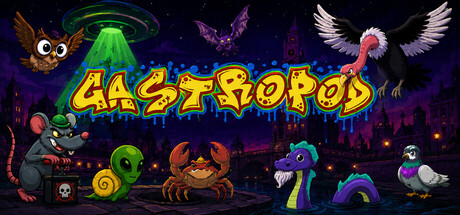 Gastropod Alien Adventures In-game content art | Generative AI was used solely to assist in creating certain graphical assets for the Steam store page, including store capsules, banners, and promotional images. All game content, including programming, gameplay mechanics, in-game art, music, and other assets, was created and reviewed by the developer and does not rely on generative AI during gameplay. | Dovan Games | - | Jul 3, 2026 | |
 WALLOP In-game content textcode | Generative AI (a large language model) was used to assist in drafting text content — store page descriptions, in-game text, and marketing copy — and to assist with code. All output was reviewed and edited by the developer. Game art is from licensed/CC0 asset packs and procedural rendering; audio is procedurally synthesized. No AI-generated imagery or audio ships in the game, and no AI is generated live at runtime. | Pizza Hero Gaming | - | Jul 3, 2026 | |
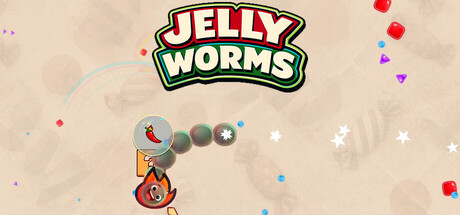 Jelly Worms In-game content art | JellyWorms uses generative AI-assisted visual content for some game art, store assets, and marketing materials. Final assets are reviewed and edited by the developer before release. The game does not generate live AI content during gameplay. | DISUPPER | - | Jul 3, 2026 | |
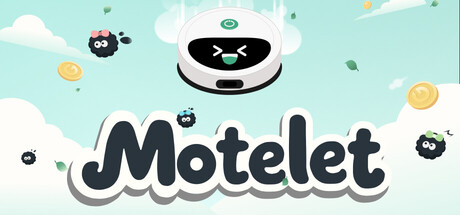 Motelet In-game content art | Generative AI was used to assist in creating some visual assets during development. All final in-game artwork was manually retouched and finalized by human artists. | Team Baeb Sae | - | Jul 3, 2026 | |
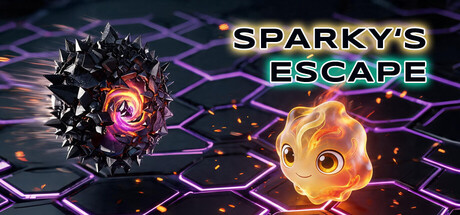 Sparky's Escape In-game content art | AI generation tools were used to assist in creating 2D asset designs, specifically the main menu background artwork, enemy sprites, and power-up graphics. All code, level design, and core gameplay mechanics were traditionally developed. | Gerd Gaiser | - | Jul 3, 2026 | |
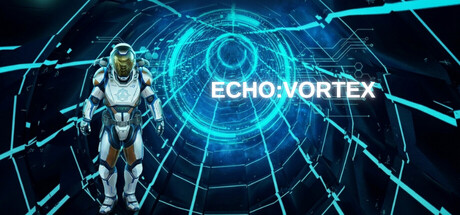 ECHO:VORTEX In-game content art | Some 2D store and marketing assets — such as store capsule images, achievement icons, and key art — were created using AI image-generation tools and then refined and composited by hand. All gameplay, code, level design, and game systems are made by the developer without generative AI. All AI-assisted assets are reviewed to ensure they are appropriate and comply with Steam's rules. | ghost08165 | - | Jul 3, 2026 | |
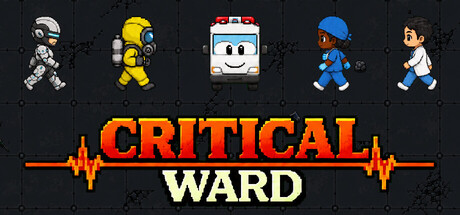 Critical Ward In-game content artaudiocode | Artificial intelligence tools were used to refine part of the game's music and certain sound effects, as well as specific graphical assets, support programming, debugging, and bug-fixing tasks | BiEsEl | - | Jul 2, 2026 | |
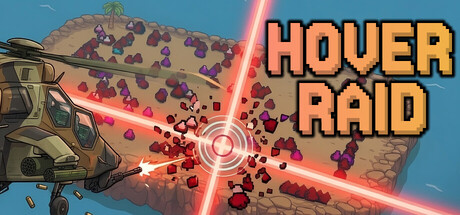 Hover Raid In-game content art | Most of the in-game graphics and marketing assets were created using AI. | EckGames | - | Jul 2, 2026 | |
 Curse of the Dungeon Engine In-game content arttextaudiocode | Gen AI was used for coding, models, textures, dialogue, audio, music and brainstorming | Ed Rethardo | - | Jul 2, 2026 | |
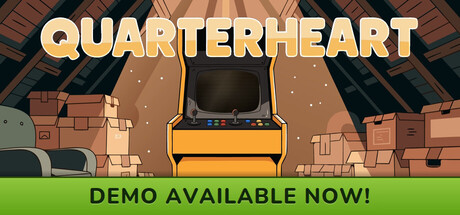 Quarterheart Dev only | Generative AI was used during the development of this game. It does not generate any content with AI while you play. | Emotional Machines | - | Jul 2, 2026 | |
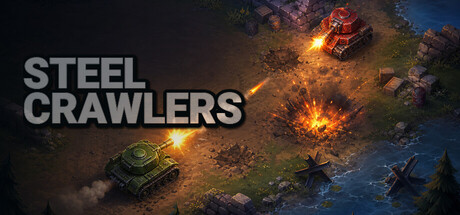 Steel Crawlers Dev only code | Generative AI tools were used during development to assist with drafting, revising, and refactoring portions of the game’s source code. It was reviewed, edited, compiled, and tested by the developer before inclusion. | Artcodeup | - | Jul 2, 2026 | |
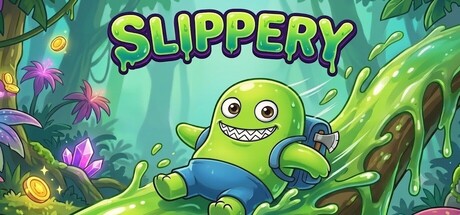 Slippery In-game content art | Generative AI was used during the development of Slippery to assist in creating certain static visual assets, including [store page artwork / background images / character concepts / UI elements]. All AI-generated content was reviewed, modified, and integrated by hand to match the game's overall visual style. The game does not generate any AI content in real-time during gameplay. | Artem Hnidobor | - | Jul 2, 2026 | |
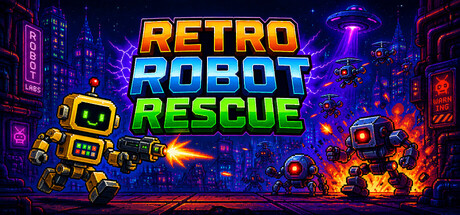 Retro Robot Rescue In-game content artaudiocodetext | Retro Robot Rescue was developed with the assistance of generative AI tools. AI assisted tools were used during development to help create and refine certain visual assets, music, sound effects, localization content, marketing materials, and portions of the game's code. All content included in the final game was selected, reviewed, edited, and integrated by the developer. | Z Digital | - | Jul 2, 2026 | |
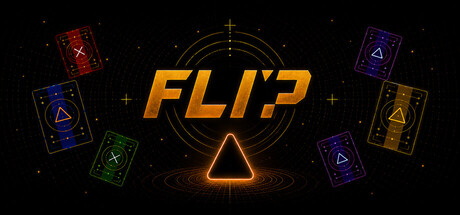 FLIP In-game content artaudio | The game contains some AI-generated visual assets and music which were reviewed, selected, and integrated by the developer. | CLKY Studios | - | Jul 1, 2026 | |
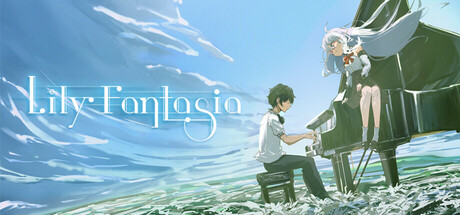 Lily Fantasia In-game content textcode | AI tools are used only as internal support during the development process, such as checking dialogue for typos, missing words, and the correctness of text-effect tags, as well as providing programming support. | Wiseye Studio Co., ltd. | - | Jul 1, 2026 | |
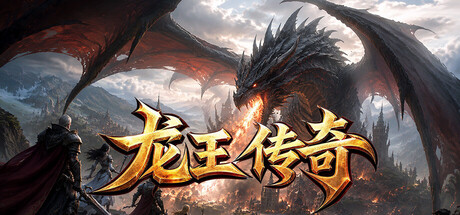 龙王传奇 Store/marketing art | We use AI tools to create some game assets, mainly for promotion and marketing. | 龙王传奇 | - | Jul 1, 2026 | |
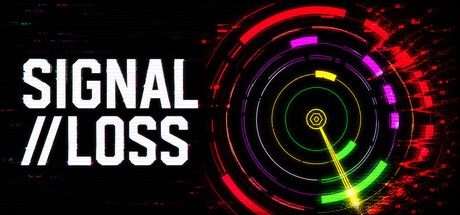 SIGNAL//LOSS In-game content artaudio | Some player-facing visual and sound assets, as well as promotional images, were created or assisted with generative AI tools during development. | Coffee Makes Games Studio | - | Jun 30, 2026 | |
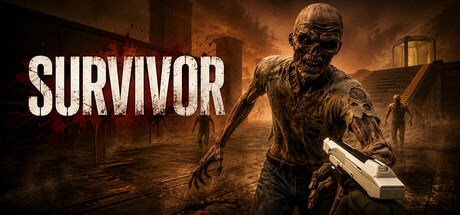 Survivor | Artificial Intelligence (AI) is used to enhance and edit artwork and graphical assets on the Steam store page. | KolaCape | 21 | Jun 30, 2026 | |
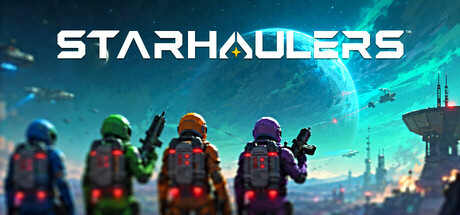 StarHauler In-game content arttext | This game may include pre-generated content created or assisted by generative artificial intelligence tools during development, mainly for support with visual materials, promotional text, localization/translation, and marketing assets.
All content included in the game and on the store page has been manually reviewed, edited, and approved by the development team before publication. The game does not use generative artificial intelligence in real time during gameplay, so no new AI-generated content is created while the user is playing.
The game does not use generative artificial intelligence in real time. No images, text, sounds, dialogue, missions, or any other content are generated by AI while the game is running. | Bitacora Studio | - | Jun 30, 2026 | |
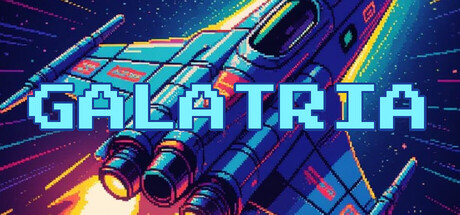 Galatria In-game content artaudio | some Artwork was generated and modified with AI tools, some of the 3D Models where designed with help of AI Models. Music was generated with AI Music Tools. | Hofmann Andreas | - | Jun 30, 2026 | |
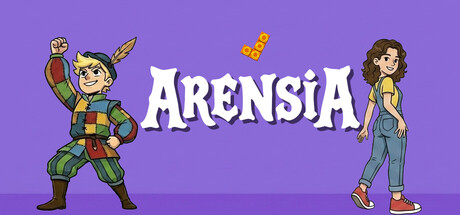 Arensia In-game content artaudio | To provide our players with a richer visual and auditory experience within a small-scale development environment, We used pre-generated AI tools to assist in creating some 2D art assets, background music, and voice lines. | JnJSoft | - | Jun 30, 2026 | |
 The Obsession In-game content art | Library capsule images and achievement icons were generated using AI. | O.D Games | - | Jun 30, 2026 | |
 StarCinder In-game content artaudio | StarCinder includes some content created with the assistance of generative AI tools. This includes certain music tracks, ship concept art, ship models, and background/menu imagery. The developer directed the style, mood, and design goals for these assets, then reviewed, selected, and integrated the final content into the game. StarCinder does not generate AI content during gameplay and does not connect to external AI services while players are playing. | DeadPixel Software | - | Jun 29, 2026 | |
 OFS In-game content art | OFS is made by a solo developer using a hybrid, human-led production pipeline.
Some of the game's content was produced with the help of several generative AI tools — for instance to assist with certain complex 3D meshes, textures, and visual elements. These tools are used for one purpose only: to augment and accelerate human creativity, never to replace it.
Every artistic direction, every gameplay decision, and every final creative call is made by a human. All AI-assisted assets — meshes, textures, visuals, objects and anything else — are hand-reviewed, edited, and finalized by a human before they ever make it into the game.
As a solo developer, this hybrid approach simply unlocks far more creative possibilities than would otherwise be feasible without a full team — while keeping full human authorship over the final result. | Cold Narrative | - | Jun 29, 2026 | |
 Final Commit In-game content art | This game uses pre-generated AI-assisted content.
Most of the visual assets used in the game and its promotional materials were created with the help of generative AI tools, including character images, background images, key visual materials, and video/trailer assets.
All AI-assisted outputs were reviewed, selected, edited, and integrated by the developer before being included in the game. The game does not generate AI content in real time during gameplay. | Gold Saucer | - | Jun 29, 2026 | |
 Purrfect Beats In-game content text | Generative AI was used for the translation and localization of some text in certain languages on the store page. | Indierama | - | Jun 29, 2026 | |
 Loop Factory In-game content artaudio | We use AI to help create some art and sounds during the gameplay of this game. | TheDevRealm | - | Jun 29, 2026 | |
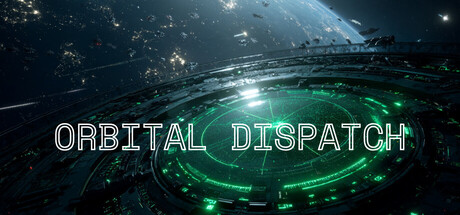 Orbital Dispatch In-game content art | Some game assets were created with the help of AI tools during development. No AI runs during gameplay and no player data is sent to external services. | Christian Fischer | - | Jun 29, 2026 | |
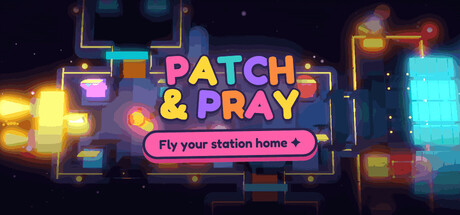 Patch and Pray In-game content arttextcode | Some of this game's 2D art/images and in-game text were created with the help of generative AI tools during development, then reviewed and edited by the developer. Some of the game's code was also written with the assistance of AI coding tools. The game does not generate any content using AI while you play. | Raclette Games | - | Jun 29, 2026 | |
 Petrix In-game content art | AI tools were used to enhance development productivity and to create a few visual assets such as logos. | Dams-Labs | - | Jun 29, 2026 | |
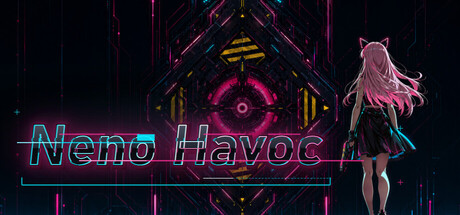 Neno Havoc Store/marketing artcode | Generative AI was used during development to assist with polishing promotional illustrations and drafting portions of the game's logic code. Some manually drawn promotional artwork was refined with AI assistance to improve less polished areas. AI-assisted code was manually reviewed by the developer, integrated by hand, and verified through local builds and hands-on playtesting before use. The game does not include player-facing real-time AI generation. | Dusk Quill Studio | - | Jun 28, 2026 | |
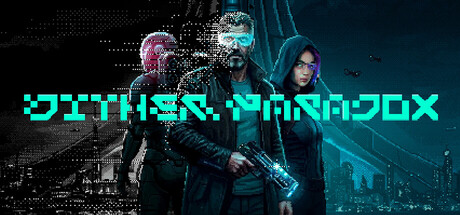 Dither Paradox In-game content artaudio | Dither Paradox is created and directed by Michał Kita. The game's final pixel art, animation, and visual design are made by hand, and every artistic and creative decision is made by people.
We use generative AI as a production tool that supports - but does not replace - this work. In the visual layer, AI is sometimes used during the concept and iteration stage - to explore ideas and variations - while the final art assets that ship in the game are made by hand. AI also assists in producing music and voiceover, which are then curated, edited, and approved by the team, as well as some promotional materials.
AI lets us reach a higher level of polish in less time, but authorship, art direction, and final responsibility for everything players see and hear remain with the people who make the game. | Negative Prompt Studio | - | Jun 28, 2026 | |
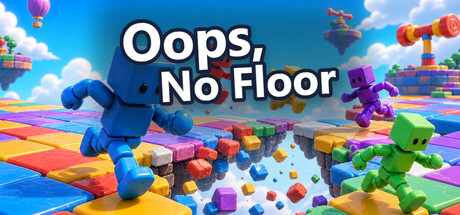 Oops, No Floor! In-game content art | As an independent development team, we use generative AI tools to assist in creating some of the game’s background artwork and decorative wallpapers. These images are used as supporting visual elements and do not replace the game’s 3D assets, animation, gameplay design, programming, or overall creative direction.
All AI-assisted artwork is selected, reviewed, edited, and integrated by our development team to ensure it fits the visual identity of Oops, No Floor. The game does not generate content during gameplay.
We respect and value the work of professional artists. Our use of AI reflects the practical resources available to us as a small indie team and allows us to focus our budget and time on building, polishing, and supporting the game. | 71 Studios for Games Development | - | Jun 28, 2026 |


