








Disclosure
Assets and marketing
- Creator
- 8floor ltd
- Reviews
- -
- Added
- Jun 3, 2026
Public Steam disclosure research 25,497 disclosures tracked
Search developers’ Steam disclosures, compare classified AI use across games, and follow recorded changes. This index adds cross-game classifications and statistics to statements published on individual store pages.
Code help, debugging and other development work.
Capsule art, trailers and promotional material.
Pre-made art, audio, writing and other game assets.
Interactive or runtime AI features disclosed by the developer.
Groups reflect automatic analysis of public disclosures; mature records are excluded. These counts do not measure AI use across all of Steam. Missing or unclear statements cannot establish whether a game uses AI.
Assets and marketing
Some visual assets and music in this game were created with the assistance of AI tools.
Assets and marketing
Some 2D visual assets in Hollow Stars were created with the help of generative AI image tools during development. This includes parts of the store and marketing artwork, the achievement icons, and background art used in the game's cinematic intro. Every AI-assisted asset was reviewed, edited and curated by the development team before release. Generative AI is not used while you play. The game runs no generative AI at runtime — the in-game faction "AI" is a fully deterministic, rule-based simulation, not a generative model. No player input or data is sent to any AI service.
Some of the art assets and background music in this game were generated using artificial intelligence technology.
Generative AI tools, including GPT/Codex, were used during development to create, draft, edit, and process pre-generated game content, including UI text, localization drafts, icons, interface assets, store copy, planning materials, QA materials, and code assistance. All AI-assisted content included in the game or marketing materials was reviewed, selected, edited, and integrated by the developer before publication. The game does not include live-generated AI content, AI chatbots, runtime AI generation, or in-game AI image generation.
During the development of Super Monsterdoom, generative AI tools were used to support text creation, visual exploration, and mechanical iteration. As a solo developer, these tools were key to accelerating and expanding the process, but every final asset, text, and design decision went through extensive human editing, refinement, and hands-on work.
Generative AI tools were used during the development process to assist in writing, optimizing, and refining C# scripts in Unity, as well as in the conceptualization, texture generation, and editing of 2D visual assets and user interface elements.
Some marketing artwork on this store page (capsule images, library hero, page background) was generated with AI image tools and then composited with vector-rendered typography. No AI-generated content ships inside the game itself. All player names, team names, draft classes, and simulation outcomes are produced by procedural algorithms with a seeded random number generator, not by AI models.
Some visual assets in Demon Ark: Idle RPG were created with the assistance of generative AI, including monster artwork, item and equipment icons, background images, and Steam store marketing assets such as capsule images and logo artwork. Unit character graphics and UI assets were produced separately as non-AI commissioned/manual artwork. All AI-assisted assets are reviewed, selected, and edited before being included in the game or store page. The game does not generate AI content during gameplay and does not connect to external AI services while running.
Pre-generated AI-assisted artwork is used for fictional chess player avatars and selected promotional visuals. These assets are reviewed before inclusion. No live generative AI is used during gameplay.
The visuals created for Steam were designed with the help of artificial intelligence. In-game and store page translations were done using artificial intelligence. Partial support was provided.
Artificial intelligence was used for some of the graphic assets and sounds.
Delphi uses Midjourney for illustrated artwork (cards, events, key art, capsule art) and Kling for image-to-video trailer animation, all curated and edited by the developer. UI artwork is hand-made by a credited human artist. No AI is used in design, writing, narrative or gameplay, and no AI runs at runtime — all in-game content is human-written static data.
This game contains pre-generated AI-assisted content, including certain audio assets and development/testing assistance used during production. No live-generated AI content is included in gameplay.
Empire Together uses generative AI to enrich the gameplay experience. AI is used to dynamically generate character dialogue, quest descriptions, and event text, delivering a more varied and immersive narrative experience. All generated content is supervised and reviewed by our team to ensure consistency with the game's universe.
Authorisation Engine uses generative AI tools during development to assist with selected pre-generated assets and production materials, including some store artwork and audio/localization workflow support. All such content is reviewed and curated before inclusion. The game does not live-generate gameplay content with AI at runtime.
Generative AI tools were used to assist with certain promotional artwork, visual assets and marketing materials.
Some of the in-game 2D textures and visual effects were created using AI-based tools. These elements are modified in terms of art and development throughout the production process to ensure they meet our quality standards and creative vision.
Used AI to create some of the image assets and code design.
AI was used to create the visual elements on the Steam store page.
Generative AI tools are used in this project. Claude and ChatGPT assist with drafting store page copy and marketing media. Some in-game visual assets are created with AI image generation.
Some visual assets and minor content elements were created with the assistance of AI tools and refined by the developer.
Generative AI tools were used to assist in the creation of certain visual assets during development. All final in-game content was reviewed and edited by the developer. No AI-generated content is produced during gameplay.
This title was developed with substantial assistance from generative AI.[Store Assets — Visual Content]The key visual, store capsule images, library assets (including the library hero), and certain screenshot backgrounds were produced using image generation AI ("Midjourney v7 / Niji v7") under a commercial license (Standard tier).[Source Code, Game Design, and In-Game Text]The C++ source code, data structures, system architecture, gameplay mechanics specifications, in-game text, item naming conventions, job names, and skill names were developed in collaboration with conversational AI ("Claude" by Anthropic and "Gemini" by Google).[The Developer's Role]Quench Forge handles concept, product vision, product management, final specification decisions, hands-on PIE (Play-In-Editor) testing, bug reports, and release decisions.Code generation, code review, test design, system architecture, game mechanics specifications, in-game text, and marketing materials are all created in collaboration with Claude (Anthropic) and Gemini (Google). Every AI-generated artifact is filtered through the developer's "appraiser's eye" — selected, approved, and revised through specification feedback — before being incorporated into the product.This game applies its own core theme — "an appraiser-shopkeeper who reads materials and Modifiers to forge the right blade" — to its own development process.[Runtime Behavior]No generative AI runs during gameplay. All in-game mechanics operate on compiled, deterministic algorithms (with optional reproducible random seeds). The game does not require any online connection to AI services during play.
Code Blue Idle was developed with the assistance of generative AI tools during the production process. Specifically: VOICE NARRATION: The in-game tutorial voice narration was generated using ElevenLabs, an AI voice synthesis service. No human voice actor was recorded for this content. DEVELOPMENT ASSISTANCE: Game code, game design, balancing, and written content (case descriptions, event text, upgrade descriptions, and UI copy) were developed with assistance from Claude, an AI assistant made by Anthropic. All content was reviewed, edited, and approved by the developer. No AI-generated content is created during gameplay. All assets, text, and audio were finalized before release and are not generated in real time. The game does not use AI to generate images, music, or any runtime content.
The original game language is English. Localization for all other supported languages was generated using advanced AI translation tools to make the game accessible to more players worldwide at launch. The entire game code, design, assets, and original English text were entirely created by humans.
The capsule images were initially created by hand, then enhanced using AI tools, and finally refined and finalized manually.
Coding Supported by anthropic Opus 4.6 & Opus 4.7 Music 13 era-specific tracks generated with Google Lyria · manually curated and mastered Voice (Klammi) Google Gemini TTS "Puck" · German · Opus 96 kbit/s WebM Avatars & Images Generated with DALL-E / Google Gemini Image · manually selected and background-removed Mascot Videos (Klammi) Google Veo 2.0 · Luma-Key + VP9-Alpha pipeline · 480×480 px Logo & Branding Generated with Google Gemini · background removed with rembg Translation Original content written in german, translated by Claude Sonett 4.6
Some images were generated using AI
No live AI during play. Some static art created and edited using AI tools.
Creation of Graphics - Test Environments - Debugging
This game includes AI‑generated assets, such as sprites, icons, illustrations, and sound effects. All AI‑generated content was created during development, manually reviewed, and integrated as static assets. The game does not generate any AI content during gameplay, and it does not create dynamic images, audio, or text for players. All included assets are fixed and safe.
This game uses AI-generated content for certain store page artworks, promotional images, and visual marketing assets, including some capsule images created during development. No AI-generated content is created during gameplay.
Generative AI tools were used only for a very small portion of the store's promotional assets and concept designs to assist the workflow. The vast majority of the game, including its core mechanics, code, and structural design, has been developed traditionally by our team. All AI-assisted elements have been heavily edited, verified for copyright compliance, and do not contain any illegal material.
AI assisted assets and text are developer edited. The core game is playable without AI. Optional advisor commentary can use local Ollama or Anthropic only if the player enables it and provides their own key.
I used AI to create some promotional images and some of the in-game pictures.
This game was developed using AI-generated code and art.
Generative AI tools were used during development to assist with creating certain visual assets, promotional images, and localization text. All AI-assisted content was reviewed, modified, and integrated manually by the developers. The game does not use AI-generated content during gameplay.
During the development of Hell Cleaners, AI tools were used to create early concepts and references to help explore the visual direction of the game. All final art assets that ship in the game were created, painted, or reworked by hand by our art team. No AI-generated audio, voice, or narrative text is used in the shipped product. We believe games should be made by humans!
AI-assisted tools were used to help with some in-game translations.
Generation of 2D images
Generative AI has been used for some marketing assets and in-game item descriptions.
I (the developper) am a former artist with poor skills in technical aspects of game development such as coding. In that regard, AI was used mainly to fasten the process of development of the game such as: - help for technical aspects when I couldn't do it due to my limited skills. - generate a database of random text events based on my own texts and mood that I want for the game. The game contains hundreds of different events that I couldn't afford to write all of them in such a short time. Events are then all checked and corrected by myself to ensure they all fit within the game. I am not proud of using AI as I am directly concerned by it as an artist myself. But this was my only chance to fulfil my dream of making my own game in a limited time and I want to be transparent with the players that might feel uncomfortable with it. No AI was used for any other part of the game such as art or sound effects.
All gameplay systems, game design decisions, balancing decisions, story/context decisions, implementation choices, and final creative decisions were made by the development team. Generative AI tools were used only as assistive tools during development. This may include support for brainstorming, improving workflows, and creating or refining some static 2D visual materials used in the game and its marketing, such as item icons, UI-related images, capsule/key art elements, and visuals that may appear in trailers or screenshots. All AI-assisted materials were reviewed, selected, edited, and approved by the developers before being included. No AI system makes gameplay decisions, controls game logic, generates levels, creates player-facing content, or produces images, videos, text, audio, or any other content in real time during gameplay.
AI was used to assist with the base localization of in-game texts into other languages.
AI was used for shading of models. Some hair and facial hair variations were altered with AI. Some of the UI panels and icons were generated with AI.
AI generates a few images and icons, reviewed manually.
Some of the game's art assets were generated using AI.
The main theme song for Escape From Planet Pan features lyrics by Nob Studio and was composed using Suno AI. All other assets were created traditionally.
| Title⇅ | Disclosure | Creator⇅ | Src | Reviews⇅ | Added↓ |
|---|---|---|---|---|---|
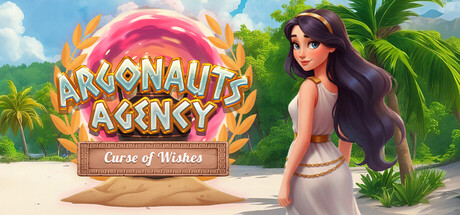 Argonauts Agency: Curse of Wishes Store/marketing art | Assets and marketing | 8floor ltd | - | Jun 3, 2026 | |
 Slice To Meet You In-game content artaudio | Some visual assets and music in this game were created with the assistance of AI tools. | Lumamind Studio | 101 | Jun 3, 2026 | |
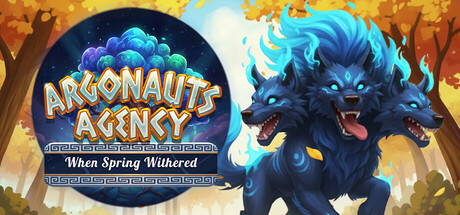 Argonauts Agency: When Spring Withered Store/marketing art | Assets and marketing | 8floor ltd | - | Jun 3, 2026 | |
 Hollow Stars In-game content art | Some 2D visual assets in Hollow Stars were created with the help of generative AI image tools during development. This includes parts of the store and marketing artwork, the achievement icons, and background art used in the game's cinematic intro. Every AI-assisted asset was reviewed, edited and curated by the development team before release.
Generative AI is not used while you play. The game runs no generative AI at runtime — the in-game faction "AI" is a fully deterministic, rule-based simulation, not a generative model. No player input or data is sent to any AI service. | AppGX | - | Jun 3, 2026 | |
 软件产业大亨 Software Industry Tycoon In-game content artaudio | Some of the art assets and background music in this game were generated using artificial intelligence technology. | Polarix Era Studio | - | Jun 3, 2026 | |
 Buerokratie Idler: Germany In-game content textartcode | Generative AI tools, including GPT/Codex, were used during development to create, draft, edit, and process pre-generated game content, including UI text, localization drafts, icons, interface assets, store copy, planning materials, QA materials, and code assistance.
All AI-assisted content included in the game or marketing materials was reviewed, selected, edited, and integrated by the developer before publication.
The game does not include live-generated AI content, AI chatbots, runtime AI generation, or in-game AI image generation. | AKM Interactive | - | Jun 3, 2026 | |
 Super Monsterdoom Dev only textartcode | During the development of Super Monsterdoom, generative AI tools were used to support text creation, visual exploration, and mechanical iteration. As a solo developer, these tools were key to accelerating and expanding the process, but every final asset, text, and design decision went through extensive human editing, refinement, and hands-on work. | Magical Mistery Shop | - | Jun 3, 2026 | |
 Saw Rush In-game content artcode | Generative AI tools were used during the development process to assist in writing, optimizing, and refining C# scripts in Unity, as well as in the conceptualization, texture generation, and editing of 2D visual assets and user interface elements. | KBINDIE | - | Jun 3, 2026 | |
 Gridiron Football GM Store/marketing art | Some marketing artwork on this store page (capsule images, library hero, page background) was generated with AI image tools and then composited with vector-rendered typography. No AI-generated content ships inside the game itself. All player names, team names, draft classes, and simulation outcomes are produced by procedural algorithms with a seeded random number generator, not by AI models. | Gridiron Games | - | Jun 3, 2026 | |
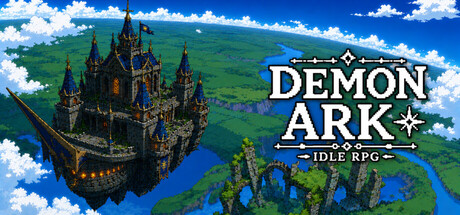 Demon Ark: Idle RPG In-game content art | Some visual assets in Demon Ark: Idle RPG were created with the assistance of generative AI, including monster artwork, item and equipment icons, background images, and Steam store marketing assets such as capsule images and logo artwork. Unit character graphics and UI assets were produced separately as non-AI commissioned/manual artwork. All AI-assisted assets are reviewed, selected, and edited before being included in the game or store page. The game does not generate AI content during gameplay and does not connect to external AI services while running. | GravityStarGames | - | Jun 3, 2026 | |
 Grand Chess Manager: Road to Grandmaster In-game content art | Pre-generated AI-assisted artwork is used for fictional chess player avatars and selected promotional visuals. These assets are reviewed before inclusion. No live generative AI is used during gameplay. | Onurcan Donmezer | - | Jun 3, 2026 | |
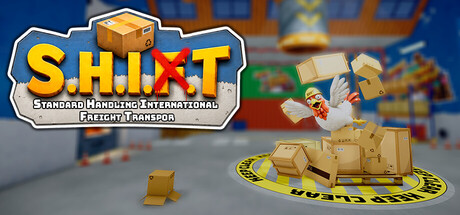 S.H.I.F.T In-game content arttext | The visuals created for Steam were designed with the help of artificial intelligence. In-game and store page translations were done using artificial intelligence. Partial support was provided. | Editmode | - | Jun 3, 2026 | |
 Black Hole Idle In-game content artaudio | Artificial intelligence was used for some of the graphic assets and sounds. | Furkan Ozbek | - | Jun 3, 2026 | |
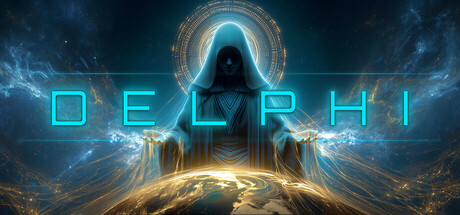 Delphi Store/marketing art | Delphi uses Midjourney for illustrated artwork (cards, events, key art, capsule art) and Kling for image-to-video trailer animation, all curated and edited by the developer. UI artwork is hand-made by a credited human artist.
No AI is used in design, writing, narrative or gameplay, and no AI runs at runtime — all in-game content is human-written static data. | Blasckout Studio | - | Jun 3, 2026 | |
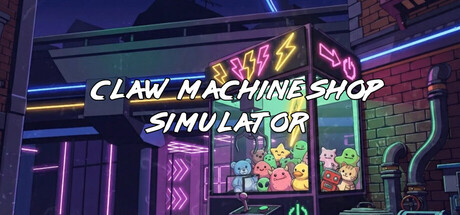 Claw Machine Shop Simulator In-game content audio | This game contains pre-generated AI-assisted content, including certain audio assets and development/testing assistance used during production. No live-generated AI content is included in gameplay. | Dawn | - | Jun 3, 2026 | |
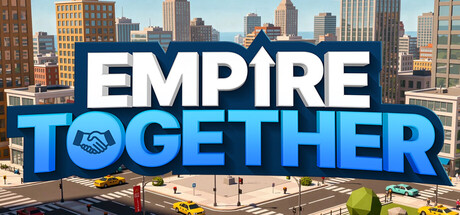 Empire Together In-game content text | Empire Together uses generative AI to enrich the gameplay experience. AI is used to dynamically generate character dialogue, quest descriptions, and event text, delivering a more varied and immersive narrative experience. All generated content is supervised and reviewed by our team to ensure consistency with the game's universe. | Magistrox | - | Jun 3, 2026 | |
 Authorisation Engine In-game content artaudiotext | Authorisation Engine uses generative AI tools during development to assist with selected pre-generated assets and production materials, including some store artwork and audio/localization workflow support. All such content is reviewed and curated before inclusion. The game does not live-generate gameplay content with AI at runtime. | Javier de No | - | Jun 3, 2026 | |
 Cricket Management 26 Store/marketing art | Generative AI tools were used to assist with certain promotional artwork, visual assets and marketing materials. | Wilks Studios | 30 | Jun 3, 2026 | |
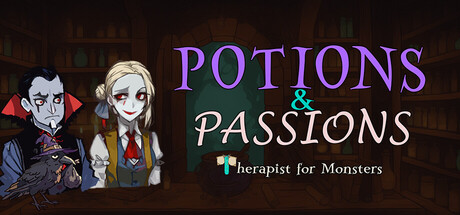 Potions & Passions: Therapist for Monsters In-game content art | Some of the in-game 2D textures and visual effects were created using AI-based tools. These elements are modified in terms of art and development throughout the production process to ensure they meet our quality standards and creative vision. | Fronty Games | - | Jun 3, 2026 | |
 Airline Founder In-game content artcode | Used AI to create some of the image assets and code design. | Nerowan | - | Jun 3, 2026 | |
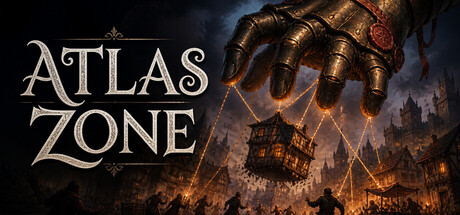 Atlas Zone Store/marketing art | AI was used to create the visual elements on the Steam store page. | StoneBreaker Studios | - | Jun 3, 2026 | |
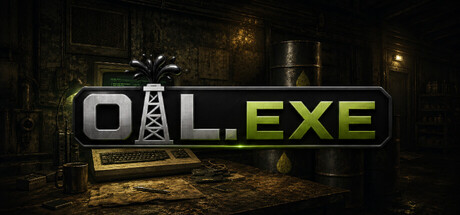 OIL.EXE In-game content arttext | Generative AI tools are used in this project. Claude and ChatGPT assist with drafting store page copy and marketing media. Some in-game visual assets are created with AI image generation. | Subroutine Gaming | 13 | Jun 3, 2026 | |
 Potato Dominion Clicker In-game content arttext | Some visual assets and minor content elements were created with the assistance of AI tools and refined by the developer. | LoopCraft Games | - | Jun 3, 2026 | |
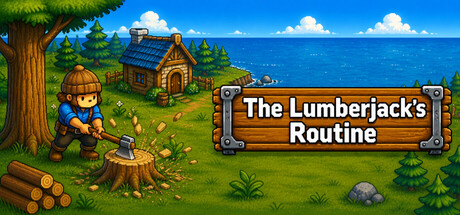 The Lumberjack's Routine In-game content art | Generative AI tools were used to assist in the creation of certain visual assets during development. All final in-game content was reviewed and edited by the developer. No AI-generated content is produced during gameplay. | Aleksandr Pogrebitskii | 46 | Jun 3, 2026 | |
 Ultimate Blacksmith Tycoon In-game content arttextcode | This title was developed with substantial assistance from generative AI.[Store Assets — Visual Content]The key visual, store capsule images, library assets (including the library hero), and certain screenshot backgrounds were produced using image generation AI ("Midjourney v7 / Niji v7") under a commercial license (Standard tier).[Source Code, Game Design, and In-Game Text]The C++ source code, data structures, system architecture, gameplay mechanics specifications, in-game text, item naming conventions, job names, and skill names were developed in collaboration with conversational AI ("Claude" by Anthropic and "Gemini" by Google).[The Developer's Role]Quench Forge handles concept, product vision, product management, final specification decisions, hands-on PIE (Play-In-Editor) testing, bug reports, and release decisions.Code generation, code review, test design, system architecture, game mechanics specifications, in-game text, and marketing materials are all created in collaboration with Claude (Anthropic) and Gemini (Google). Every AI-generated artifact is filtered through the developer's "appraiser's eye" — selected, approved, and revised through specification feedback — before being incorporated into the product.This game applies its own core theme — "an appraiser-shopkeeper who reads materials and Modifiers to forge the right blade" — to its own development process.[Runtime Behavior]No generative AI runs during gameplay. All in-game mechanics operate on compiled, deterministic algorithms (with optional reproducible random seeds). The game does not require any online connection to AI services during play. | Quench Forge | - | Jun 3, 2026 | |
 Code Blue Idle In-game content textaudio | Code Blue Idle was developed with the assistance of generative AI tools during the production process. Specifically:
VOICE NARRATION: The in-game tutorial voice narration was generated using ElevenLabs, an AI voice synthesis service. No human voice actor was recorded for this content.
DEVELOPMENT ASSISTANCE: Game code, game design, balancing, and written content (case descriptions, event text, upgrade descriptions, and UI copy) were developed with assistance from Claude, an AI assistant made by Anthropic. All content was reviewed, edited, and approved by the developer.
No AI-generated content is created during gameplay. All assets, text, and audio were finalized before release and are not generated in real time. The game does not use AI to generate images, music, or any runtime content. | Sulcus Games | - | Jun 3, 2026 | |
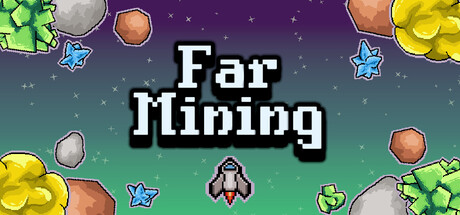 Far Mining In-game content text | The original game language is English. Localization for all other supported languages was generated using advanced AI translation tools to make the game accessible to more players worldwide at launch. The entire game code, design, assets, and original English text were entirely created by humans. | LostVolBytes | 138 | Jun 3, 2026 | |
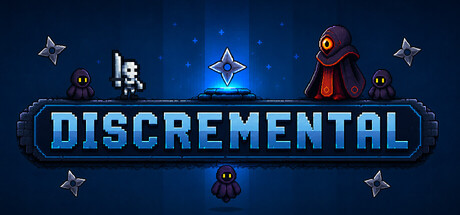 Discremental Store/marketing art | The capsule images were initially created by hand, then enhanced using AI tools, and finally refined and finalized manually. | Elite Gorgon Games | - | Jun 3, 2026 | |
 Pitch & Pixel In-game content codeaudioarttext | Coding
Supported by anthropic Opus 4.6 & Opus 4.7
Music
13 era-specific tracks generated with Google Lyria · manually curated and mastered
Voice (Klammi)
Google Gemini TTS "Puck" · German · Opus 96 kbit/s WebM
Avatars & Images
Generated with DALL-E / Google Gemini Image · manually selected and background-removed
Mascot Videos (Klammi)
Google Veo 2.0 · Luma-Key + VP9-Alpha pipeline · 480×480 px
Logo & Branding
Generated with Google Gemini · background removed with rembg
Translation
Original content written in german, translated by Claude Sonett 4.6 | Robert Kolloch | - | Jun 3, 2026 | |
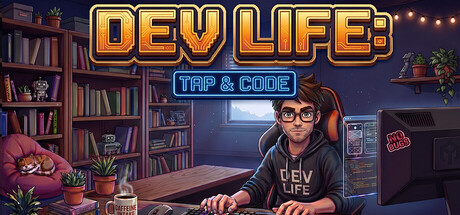 Dev Life: Tap & Code Unclear art | Some images were generated using AI | RoniN Studio | - | Jun 3, 2026 | |
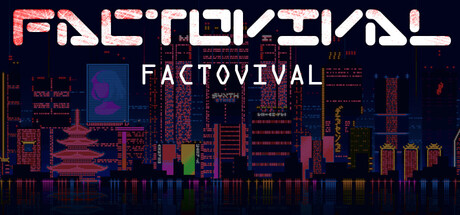 FACTOVIVAL In-game content art | No live AI during play. Some static art created and edited using AI tools. | Wynand Smit | - | Jun 3, 2026 | |
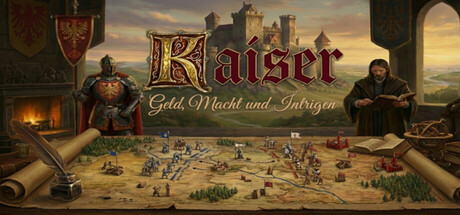 Kaiser - Geld, Macht und Intrigen Dev only art | Creation of Graphics - Test Environments - Debugging | SchnoxCore Entertainment | - | Jun 3, 2026 | |
 CLAW - Cosmic Legendary Animal Warfare In-game content artaudio | This game includes AI‑generated assets, such as sprites, icons, illustrations, and sound effects. All AI‑generated content was created during development, manually reviewed, and integrated as static assets.
The game does not generate any AI content during gameplay, and it does not create dynamic images, audio, or text for players. All included assets are fixed and safe. | Erik Jäckel | - | Jun 3, 2026 | |
 Trader Ascent Store/marketing art | This game uses AI-generated content for certain store page artworks, promotional images, and visual marketing assets, including some capsule images created during development. No AI-generated content is created during gameplay. | Sole Luna Studio | - | Jun 3, 2026 | |
 Optical Shop Simulator Store/marketing art | Generative AI tools were used only for a very small portion of the store's promotional assets and concept designs to assist the workflow. The vast majority of the game, including its core mechanics, code, and structural design, has been developed traditionally by our team. All AI-assisted elements have been heavily edited, verified for copyright compliance, and do not contain any illegal material. | Vitrum Games | - | Jun 3, 2026 | |
 Cascade: Hindcast Live AI text | AI assisted assets and text are developer edited. The core game is playable without AI. Optional advisor commentary can use local Ollama or Anthropic only if the player enables it and provides their own key. | Herni Dedalvs | - | Jun 3, 2026 | |
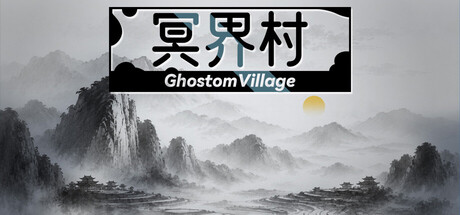 GhostomVillage In-game content art | I used AI to create some promotional images and some of the in-game pictures. | Stellar Perturbation | - | Jun 3, 2026 | |
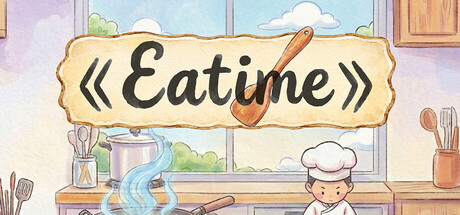 食刻Eatime In-game content artcode | This game was developed using AI-generated code and art. | Astral Rite | - | Jun 3, 2026 | |
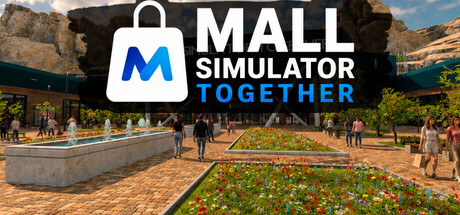 Mall Simulator Together In-game content arttext | Generative AI tools were used during development to assist with creating certain visual assets, promotional images, and localization text. All AI-assisted content was reviewed, modified, and integrated manually by the developers. The game does not use AI-generated content during gameplay. | MSTA.Dev | - | Jun 3, 2026 | |
 Hell Cleaners Dev only art | During the development of Hell Cleaners, AI tools were used to create early concepts and references to help explore the visual direction of the game. All final art assets that ship in the game were created, painted, or reworked by hand by our art team. No AI-generated audio, voice, or narrative text is used in the shipped product. We believe games should be made by humans! | WFP Entertainment | - | Jun 3, 2026 | |
 Rush Hour Relay In-game content text | AI-assisted tools were used to help with some in-game translations. | Third Watch Games | - | Jun 3, 2026 | |
 Endless Tower Survivors Unclear art | Generation of 2D images | Havoc Team Studio | - | Jun 3, 2026 | |
 Kingblade: Medieval TCG Card Shop In-game content text | Generative AI has been used for some marketing assets and in-game item descriptions. | Revolt Games | - | Jun 3, 2026 | |
 MONji In-game content text | I (the developper) am a former artist with poor skills in technical aspects of game development such as coding. In that regard, AI was used mainly to fasten the process of development of the game such as:
- help for technical aspects when I couldn't do it due to my limited skills.
- generate a database of random text events based on my own texts and mood that I want for the game. The game contains hundreds of different events that I couldn't afford to write all of them in such a short time. Events are then all checked and corrected by myself to ensure they all fit within the game.
I am not proud of using AI as I am directly concerned by it as an artist myself. But this was my only chance to fulfil my dream of making my own game in a limited time and I want to be transparent with the players that might feel uncomfortable with it.
No AI was used for any other part of the game such as art or sound effects. | da-dam | - | Jun 3, 2026 | |
 Donboz Jailbreak In-game content art | All gameplay systems, game design decisions, balancing decisions, story/context decisions, implementation choices, and final creative decisions were made by the development team.
Generative AI tools were used only as assistive tools during development. This may include support for brainstorming, improving workflows, and creating or refining some static 2D visual materials used in the game and its marketing, such as item icons, UI-related images, capsule/key art elements, and visuals that may appear in trailers or screenshots.
All AI-assisted materials were reviewed, selected, edited, and approved by the developers before being included. No AI system makes gameplay decisions, controls game logic, generates levels, creates player-facing content, or produces images, videos, text, audio, or any other content in real time during gameplay. | SKR Interactive | - | Jun 3, 2026 | |
 Office Manager In-game content text | AI was used to assist with the base localization of in-game texts into other languages. | Jan Štěpánek | - | Jun 3, 2026 | |
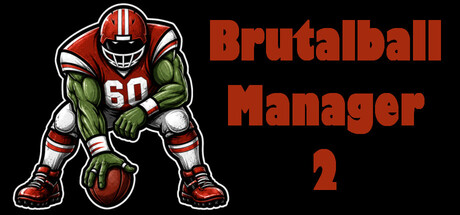 Brutalball Manager 2 In-game content art | AI was used for shading of models. Some hair and facial hair variations were altered with AI. Some of the UI panels and icons were generated with AI. | Stout Kassel Games | - | Jun 3, 2026 | |
 A Game About Getting Bigger In-game content art | AI generates a few images and icons, reviewed manually. | PcZ Games | - | Jun 3, 2026 | |
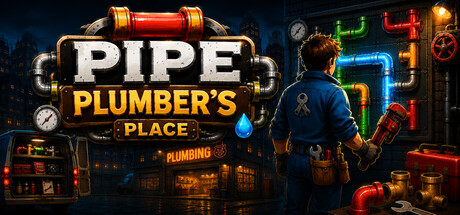 Pipe Plumber’s Place In-game content art | Some of the game's art assets were generated using AI. | wyGame | - | Jun 3, 2026 | |
 Escape from Planet Pan: Scam Center In-game content audio | The main theme song for Escape From Planet Pan features lyrics by Nob Studio and was composed using Suno AI.
All other assets were created traditionally. | nob studio | - | Jun 3, 2026 |


