








Disclosure
received help from AI for localization and code writing.
- Creator
- 032
- Reviews
- -
- Added
- Sep 4, 2026
Public Steam disclosure research 25,376 disclosures tracked
Search developers’ Steam disclosures, compare classified AI use across games, and follow recorded changes. This index adds cross-game classifications and statistics to statements published on individual store pages.
Code help, debugging and other development work.
Capsule art, trailers and promotional material.
Pre-made art, audio, writing and other game assets.
Interactive or runtime AI features disclosed by the developer.
Groups reflect automatic analysis of public disclosures; mature records are excluded. These counts do not measure AI use across all of Steam. Missing or unclear statements cannot establish whether a game uses AI.
received help from AI for localization and code writing.
Generative AI was used in the creation of the background images and certain sound elements of this game.
We used Artificial Intelligence tools as an aid during development and in the creation of some game content. All AI-assisted material was personally reviewed and adjusted by our team, who were involved throughout every stage of the creative process.
Pocket Pawns was made with the help of generative AI, and the game's own credits name every tool used. Images and music: the chess piece art was generated with ChatGPT, the board art with Gemini, and the world and environment art from assets created with Nano Banana Pro alongside free-to-use CC0 packs found online. The soundtrack is from Suno. Claude wrote the game's code, its writing, and its translations into ten languages — and made much of what you see and hear directly in code rather than from an image generator: the character pixel art, the in-world props and interface, the three-dimensional rooms, the animation, and the sound effects. The chess itself is not generated. The puzzles come from the Lichess puzzle database, released under CC0, and your opponent is Stockfish, a classical open-source chess engine. Real positions, a real engine. Nothing is generated while you play. Pocket Pawns creates no content at runtime and never connects to an AI service. It does not need an internet connection to play.
Some of this game's 2D art assets — creature, machine, prop and building sprites — were produced with the assistance of generative AI image tools during development. All generated material was reviewed, edited and hand-finished by our artists before it shipped, and it is integrated as fixed, pre-rendered art. The game does not generate any content live while you play.
Generative AI tools were used during the development and preparation of the game and its visual materials. The game logo used in the main menu and pause panel was created with the assistance of AI. AI assistance was used during the coding and development process when needed. The logo animations shown at the beginning of the games were created with AI assistance. Visual materials prepared for the Steam store page, excluding the in-game visuals, were created with AI assistance. AI was used specifically for the intro logo animation. For Steam visuals, suitable designs were selected from AI-generated concepts and then enhanced and upscaled using image enhancement tools.
This is a temporary placeholder poster. They will be removed before release and replaced with hand-drawn illustrations. Currently, I'm the only programmer working on the game. Closer to release, I'll be hiring an artist to collaborate on the game.
Pocket Adventurer is a solo-developed game that uses AI tools as part of its production pipeline. Character and monster artwork is originally hand-drawn, then processed with AI animation tools and converted into animated sprite sheets for use in the game. Code was written with AI coding assistance under direct human design, testing, and review. All content is pre-rendered; the game contains no live AI generation. Some AI generation for promotional imagery
AI tools were used during development to assist with coding, 3D modeling, and sound effect creation. All AI-generated content was reviewed and edited by the developer.
Generative AI tools were used during development to assist with creating and refining select 2D artwork, icons, and marketing materials, as well as game and marketing copy localization. All AI-assisted content is reviewed, edited, and curated by the developer before being included in the game. Soulstonia does not use generative AI to create content live during gameplay.
We used Kimi 3 to generate the code, vector game assets, skeletal animations and code-synthesized sound effects for this game. Music was generated via Suno, while the game design documents, gameplay mechanics and numerical balancing are strictly controlled by human designers.
Generative AI was not used to create any in-game content resources. AI was utilized solely for the translation of certain in-game languages and external content, such as our Steam page.
Some materials were generated with AI assistance
Some game assets - including certain 3D models, sound effects, images and music - were created with the assistance of generative AI tools and then reviewed, edited, and integrated by the developer. The game does not generate AI content at runtime.
Generative AI was used to create some of the game’s assets.
This game contains pre-generated images and music created using generative AI. No generative AI is used during gameplay.
AI translated languages
AI tools were used for part of the art and music. Everything gets picked, cleaned up and put together by hand afterwards. There's no AI in the game itself: what you play is exactly what was built in mind.
Environments and environmental artwork are not created using generative AI. Generative AI is used as part of the early development workflow for prototyping some creature artwork, which is going to be replaced during development.
The background images and animals pictures are pre-rendered AI art
Some game art was created with the assistance of generative AI. Examples of where generative AI was used would be as follows, Creature art, Logo, Music, Game systems.
Some of the 2D artwork in this game — character portraits, monster illustrations, board tiles, backgrounds and store art — was created with the help of generative AI image tools, then reviewed, edited and assembled by the developer. All generated assets were checked before shipping. The game does not generate any content live during play: everything is pre-rendered and included in the build. Game design, rules, code, text and level layout were authored by the developer.
Some of this game's content was created with the assistance of generative AI tools, always under human direction and review. Portions of the painted environment artwork and the store/marketing artwork began as AI-generated images that were then curated, edited, and integrated by hand. The music was generated with a licensed AI music tool, then curated and edited. Nothing is generated by AI while you play — everything you see and hear ships as fixed, human-reviewed content.
Generative AI was used to translate (localize) the original Korean text into other languages. The original text was written by the development team, and the AI translations were reviewed before use.
Some 2D artwork shipping in this game was created with the assistance of generative AI image tools, then edited by hand before inclusion. This applies to a portion of card illustrations and UI decorative elements. All such assets were checked for quality and rights compliance prior to shipping. This game does not generate any content with AI at runtime. The computer opponent is a conventional rules-based system, not a generative AI model.
Explanation about the game development process: In the early concept design and creative ideation stage of this game, we did use AI technology as an auxiliary tool to help us explore and validate various artistic styles and creative directions more quickly. These AI-generated reference materials provided us with initial inspiration. However, the core creative concepts, story writing, character design, and all artistic assets presented in the final game were personally conceived and carefully crafted by our creative team. Each game element underwent repeated human optimization and fine-tuning to ensure the best gaming experience. AI was only used as an auxiliary tool, and the final game content presented is the result of human creation. We have always adhered to human creation as the main driver, committed to bringing players a unique and meticulously polished gaming experience.
There is no AI-generated art or audio anywhere in this game. Every sprite, animation and character design is hand-drawn by me. The game has no audio at all, and the music in the trailer is my own work too. Nothing is generated while the game runs, and it never connects to an AI service. AI was used to help with text, in three places. The store page description and short description, in all 11 languages. Translating the interface labels into the 10 languages other than English. There are only 24 strings in the whole game and no prose of any kind: 11 are labels like "Clear all" and "Cancel", and the other 13 are bird names, which are the real common names of each species, looked up per language rather than made up. Some of our Steam community and marketing posts. Chinese (both) I checked myself, and Japanese was checked at N2. Korean, Spanish, Russian, Brazilian Portuguese and German have not been checked by a native speaker.
Procedural and AI tools used to assist in some content creation
Generative AI was used during development as a coding assistant and to assist with drafting and translating store-page and marketing text. Some pixel-art assets were rendered by deterministic drawing code written with AI assistance; the final images were not directly output by a text-to-image or diffusion model. All shipped and published content was reviewed and edited by the developer. No generative AI runs in the game, and no content is generated from player input.
Generative AI was used during development as a coding assistant and to assist with drafting and translating store-page and marketing text. Some pixel-art assets were rendered by deterministic drawing code written with AI assistance; the final images were not directly output by a text-to-image or diffusion model. All shipped and published content was reviewed and edited by the developer. No generative AI runs in the game, and no content is generated from player input.
Visual assets were created using a combination of generative AI tools and manual editing/art direction. No generative AI is used during gameplay.
Some graphics, music, and translations were initially generated by AI and subsequently revised by humans.
The pixel art in this game was created with an AI image generation tool (Pixellab). Generated art is never used as-is: the style, proportions and palette standards are set by a human, every sprite is reviewed by eye, and anything off-standard is rejected and redone. Grounding, animation continuity and color consistency are likewise human-checked before adoption. Game design, balance and specification decisions are made by a human. AI-assisted tools are also used in the development process. Nothing is generated by AI at runtime (pre-generated content only).
Code generation and quality assurance testing/reporting.
Underkeep's visual assets — character and monster sprites, traps, tiles, effects, UI art, and store artwork — were produced using generative AI image tools. The developer selected, adjusted, and quality-checked every asset before it went into the game. The English and Spanish text was machine-translated from the original Korean. Parts of the source code were written with an AI coding assistant, under the developer's direction and review. Music and sound effects are not AI-generated. They are human-made CC0 assets from Kenney and OpenGameArt, and the in-game font (Galmuri) is a human-made open-source font. Underkeep does not use generative AI while you play. The game runs fully offline and generates no content at runtime.
Pre-Generated Content This demo includes pre-generated AI content: - The background images used in the Store, Breeding, and Inventory screens. - The shared background image used in the Collection and Tutorial screens. - Wooden aquarium decorations. - Snail aquarium decorations. - Background music tracks generated with Suno AI. The developer holds a license for their use. No AI-generated content is created during gameplay. Players cannot enter prompts or interact with AI systems.
I created this game solo, using generative AI as one of the tools. It helped me write the code and also generated the ambient music and some of the planet textures. Everything else was crafted by hand: the interface, Fjord and the seals orbiting the Earth aren't drawn images — they're rendered in code. Nothing is generated while you play: the game runs fully offline. And no, I didn't just sit around drinking coffee while the AI did the work — though I certainly did consume an obscene amount of coffee.
This game includes an optional AI assistant. Players may use the AI tools during gameplay for in‑game assistance such as balloon‑shooting, feeding and other actions. No AI‑generated content will be produced. During development, generative AI tools were used to assist with programming and some pre‑generated text. All AI‑assisted text included in the game was reviewed and edited by the development team. No AI was used to generate the game's artwork or music. All artwork and music were created by human artists and musicians.
The store capsule artwork and some in-game assets were created using generative AI. All AI-generated content was reviewed by the developer
Generative AI tools were used during the development of this game and in the creation of some of its visual, audio, and technical content. AI was used to create and refine the background, logo, and related visual elements. AI-assisted tools were used to create and prepare some of the sound effects. AI-powered coding tools were used for code generation, autocomplete, and development assistance. AI-generated designs were selected, edited, and enhanced for use in some of the game's visual content. Some visuals were selected from AI-generated designs and subsequently enhanced and upscaled. All AI-generated or AI-assisted content was reviewed, selected, edited, and adapted by the developer before being used in the game.
AI-assisted artwork
Galithia uses generative AI during development for some concepting, visual iteration, and content support. Any AI-assisted assets or materials are reviewed, modified, and integrated by the developer, with final approval and creative direction remaining fully human-led. Gameplay systems, combat balance, encounter design, and final implementation are developer-controlled.
We integrate artificial intelligence solely as a creative assistance tool during pre-production and artistic exploration phases. Specifically, we use image generators to produce preliminary concept art, explore different visual directions, and accelerate iteration on our graphic ideas. AI serves only as a source of inspiration, while the entire final content is fully created, curated, and refined by our human team. Generated images are never used as-is in the final product. Every visual element in the game (textures, characters, environments, illustrations, etc.) is recreated, retouched, painted, recomposed, or manually validated by our artists to ensure: originality of the content, respect for copyright, artistic consistency, and compliance with Steam/Valve guidelines. AI does not contribute to the generation of final assets, 3D models, animations, sounds, or any other elements directly integrated into the game. Its role is strictly limited to providing visual references, aesthetic guidance, and starting points to help our team work more efficiently. This approach allows us to maintain a strong and authentic artistic identity while benefiting from a more fluid, inspiring, and innovative creation process — directly reflected in the quality, coherence, and originality of our game.
Generative AI tools were used during development to assist in creating some in-game visual assets, graphical assets, and store marketing artwork. All generated materials were selected, edited, adjusted, and reviewed by the developer before being included. The game does not use generative AI to generate content during gameplay.
Some of Shrimpscape's assets were produced with generative AI. The shrimp, plant and hardscape artwork was generated with AI image tools and then hand-edited, colour-corrected and assembled by the developer. The 3D hardscape models were generated with an AI mesh tool and then cleaned up and textured by hand in Blender. Store page and capsule art was made the same way. Text outside English is machine-translated. Nothing is generated while you play — everything shipped in the game is fixed and reviewed before release.
AI tools were used in the creation of some promotional renderings and in-game scene assets. All AI-generated visual content was reviewed, edited, and finalized by the development team to ensure consistency with the game's artistic direction.
Some 2D user interface images in PACTUM (such as icons and UI elements) were created with the assistance of generative AI tools. All AI-generated images were reviewed and curated by the developer.
Some game assets were created with AI assistance under paid commercial licenses: background art and the title logo (image generation), BGM (Suno), and sound effects (ElevenLabs). All AI-generated assets are recorded in an internal license ledger, were generated on paid plans permitting commercial use, and were reviewed by the developer before inclusion. The core mechanic uses AI at runtime: the player draws a creature and enters a name for it, and both the drawing and the player-supplied name are sent to a vision AI model, which evaluates them and produces the creature's element, size, stats, move names and descriptions, catchphrase, and flavor text. The creature always carries the name the player typed: the model returns a suggested name, but the server discards it whenever the player supplied one, and falls back to the model's name only when the player leaves the field blank. Guardrails: (1) every submission passes a server-side moderation gate before any sharing — CSAM is absolutely blocked with evidence preservation and reporting, and clearly NSFW content is auto-rejected; (2) all player-visible text generated by AI is length-clamped and moderated (names, catchphrases, flavor text, move names); (3) shared content (ghost teams) is moderated again server-side, is opt-in, expires automatically (TTL), and there is no public gallery; (4) a player report channel (notice-and-takedown) is provided in-game and on the official site; (5) battle results are computed deterministically by game rules, not by AI.
Art, textures, and sounds use both human work and AI generation.
This game uses generative AI tools in parts of its production. - Some 3D models: generated with AI tools as a base. Shape edits, UV unwrapping, texturing, rigging, animation and facial setup are done by the developer. - Some image assets such as textures: generated with AI tools, then applied and adjusted by the developer. - English text: machine-translated from the Japanese original and reviewed by the developer. Game design, systems, and gameplay tuning are all done by the developer.
| Title⇅ | Disclosure | Creator⇅ | Src | Reviews⇅ | Added↓ |
|---|---|---|---|---|---|
 SCREENSIDE FISHER In-game content codetext | received help from AI for localization and code writing. | 032 | - | Sep 4, 2026 | |
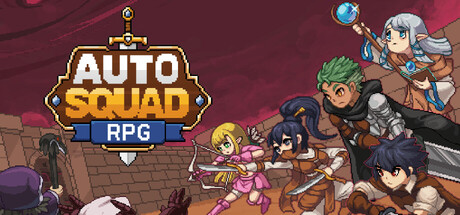 Auto Squad RPG In-game content artaudio | Generative AI was used in the creation of the background images and certain sound elements of this game. | Sena Interactive | - | Sep 3, 2026 | |
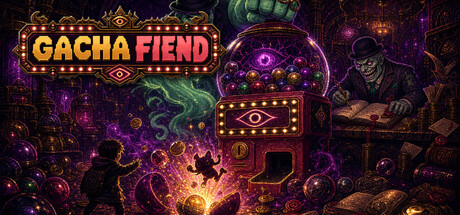 Gacha Fiend Unclear | We used Artificial Intelligence tools as an aid during development and in the creation of some game content. All AI-assisted material was personally reviewed and adjusted by our team, who were involved throughout every stage of the creative process. | dotsmith | - | Sep 3, 2026 | |
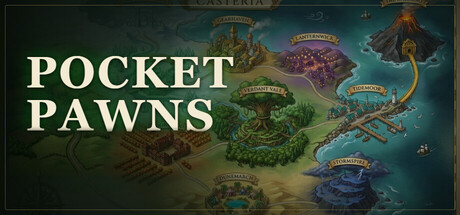 Pocket Pawns In-game content artaudiotext | Pocket Pawns was made with the help of generative AI, and the game's own credits name every tool used.
Images and music: the chess piece art was generated with ChatGPT, the board art with Gemini, and the world and environment art from assets created with Nano Banana Pro alongside free-to-use CC0 packs found online. The soundtrack is from Suno.
Claude wrote the game's code, its writing, and its translations into ten languages — and made much of what you see and hear directly in code rather than from an image generator: the character pixel art, the in-world props and interface, the three-dimensional rooms, the animation, and the sound effects.
The chess itself is not generated. The puzzles come from the Lichess puzzle database, released under CC0, and your opponent is Stockfish, a classical open-source chess engine. Real positions, a real engine.
Nothing is generated while you play. Pocket Pawns creates no content at runtime and never connects to an AI service. It does not need an internet connection to play. | Pocket Pawn Games | - | Sep 3, 2026 | |
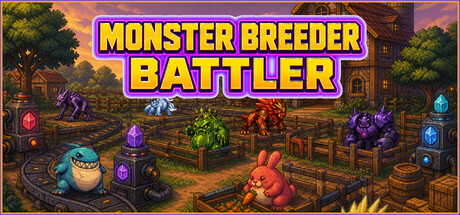 Monster Breeder Battler In-game content art | Some of this game's 2D art assets — creature, machine, prop and building sprites — were produced with the assistance of generative AI image tools during development. All generated material was reviewed, edited and hand-finished by our artists before it shipped, and it is integrated as fixed, pre-rendered art. The game does not generate any content live while you play. | ioStudios | - | Sep 3, 2026 | |
 Where Are My Cats? In-game content art | Generative AI tools were used during the development and preparation of the game and its visual materials.
The game logo used in the main menu and pause panel was created with the assistance of AI.
AI assistance was used during the coding and development process when needed.
The logo animations shown at the beginning of the games were created with AI assistance.
Visual materials prepared for the Steam store page, excluding the in-game visuals, were created with AI assistance.
AI was used specifically for the intro logo animation.
For Steam visuals, suitable designs were selected from AI-generated concepts and then enhanced and upscaled using image enhancement tools. | Ozy Cozy Games | - | Sep 3, 2026 | |
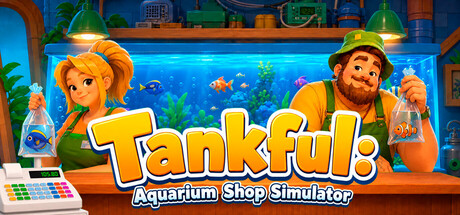 Tankful: Aquarium Shop Simulator general | This is a temporary placeholder poster. They will be removed before release and replaced with hand-drawn illustrations. Currently, I'm the only programmer working on the game. Closer to release, I'll be hiring an artist to collaborate on the game. | Andrei Kopylkov | - | Sep 1, 2026 | |
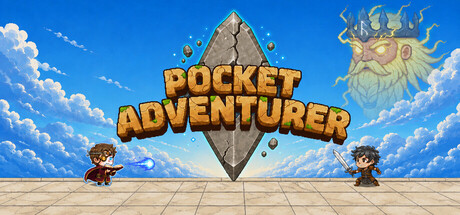 Pocket Adventurer In-game content artcode | Pocket Adventurer is a solo-developed game that uses AI tools as part of its production pipeline. Character and monster artwork is originally hand-drawn, then processed with AI animation tools and converted into animated sprite sheets for use in the game. Code was written with AI coding assistance under direct human design, testing, and review. All content is pre-rendered; the game contains no live AI generation.
Some AI generation for promotional imagery | lowpolysaint | - | Sep 1, 2026 | |
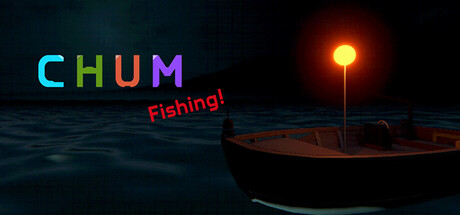 CHUM Fishing In-game content artaudiocode | AI tools were used during development to assist with coding, 3D modeling, and sound effect creation. All AI-generated content was reviewed and edited by the developer. | Village Games | - | Sep 1, 2026 | |
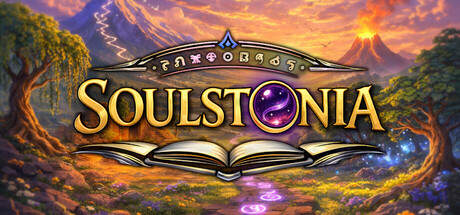 Soulstonia In-game content arttext | Generative AI tools were used during development to assist with creating and refining select 2D artwork, icons, and marketing materials, as well as game and marketing copy localization. All AI-assisted content is reviewed, edited, and curated by the developer before being included in the game. Soulstonia does not use generative AI to create content live during gameplay. | Gabriel's Games | - | Sep 1, 2026 | |
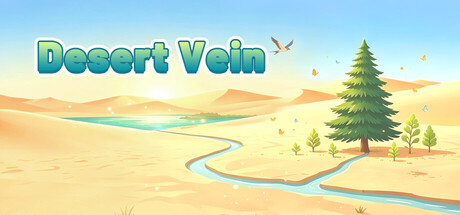 Desert Vein In-game content artcodeaudio | We used Kimi 3 to generate the code, vector game assets, skeletal animations and code-synthesized sound effects for this game. Music was generated via Suno, while the game design documents, gameplay mechanics and numerical balancing are strictly controlled by human designers. | Beijing Mayfly And Grain Technology Co.,Ltd | - | Aug 31, 2026 | |
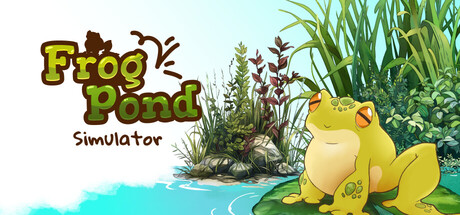 Frog Pond Simulator In-game content text | Generative AI was not used to create any in-game content resources. AI was utilized solely for the translation of certain in-game languages and external content, such as our Steam page. | Black Flamingo Games | - | Aug 30, 2026 | |
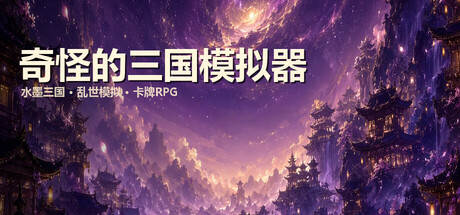 奇怪的三国模拟器 Unclear | Some materials were generated with AI assistance | 游戏方程工作室 | - | Aug 29, 2026 | |
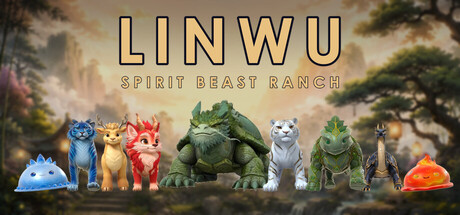 Linwu: Spirit Beast Ranch In-game content artaudio | Some game assets - including certain 3D models, sound effects, images and music - were created with the assistance of generative AI tools and then reviewed, edited, and integrated by the developer. The game does not generate AI content at runtime. | Linveil Games | - | Aug 29, 2026 | |
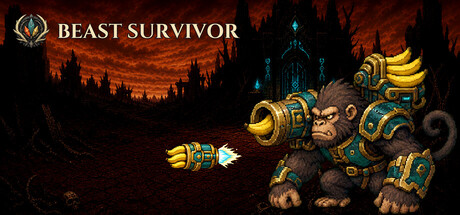 Beast Survivor In-game content art | Generative AI was used to create some of the game’s assets. | Elvlin Gaming | - | Aug 29, 2026 | |
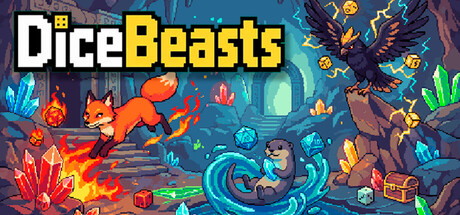 DiceBeast In-game content artaudio | This game contains pre-generated images and music created using generative AI. No generative AI is used during gameplay. | MarchelloDev | - | Aug 29, 2026 | |
 SAAM Tactics In-game content text | AI translated languages | wantagamemakeagame | - | Aug 28, 2026 | |
 HUMAN, 39.99 In-game content artaudio | AI tools were used for part of the art and music. Everything gets picked, cleaned up and put together by hand afterwards. There's no AI in the game itself: what you play is exactly what was built in mind. | Wombart | - | Aug 28, 2026 | |
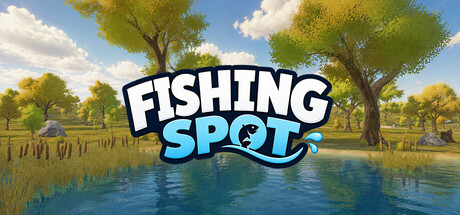 Fishing Spot Dev only art | Environments and environmental artwork are not created using generative AI.
Generative AI is used as part of the early development workflow for prototyping some creature artwork, which is going to be replaced during development. | Float Dev | - | Aug 28, 2026 | |
 Chronime Puzzle: Animals In-game content art | The background images and animals pictures are pre-rendered AI art | Quantum Quiver Games | - | Aug 28, 2026 | |
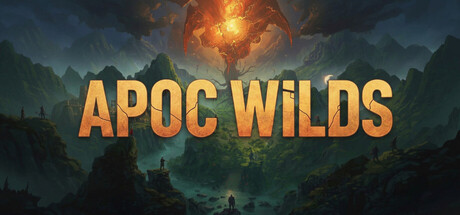 Apoc Wilds In-game content artaudio | Some game art was created with the assistance of generative AI. Examples of where generative AI was used would be as follows, Creature art, Logo, Music, Game systems. | Prime Wilds | - | Aug 28, 2026 | |
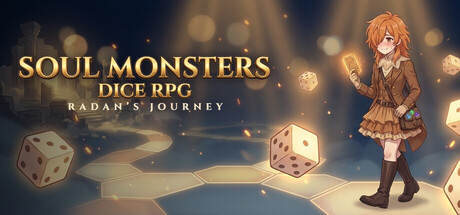 Soul Monsters: Dice RPG - Radan's Journey In-game content art | Some of the 2D artwork in this game — character portraits, monster illustrations, board tiles, backgrounds and store art — was created with the help of generative AI image tools, then reviewed, edited and assembled by the developer. All generated assets were checked before shipping. The game does not generate any content live during play: everything is pre-rendered and included in the build. Game design, rules, code, text and level layout were authored by the developer. | Industrial Miracle | - | Aug 28, 2026 | |
 Grumpy Dungeon In-game content artaudio | Some of this game's content was created with the assistance of generative AI tools, always under human direction and review. Portions of the painted environment artwork and the store/marketing artwork began as AI-generated images that were then curated, edited, and integrated by hand. The music was generated with a licensed AI music tool, then curated and edited. Nothing is generated by AI while you play — everything you see and hear ships as fixed, human-reviewed content. | Sam Mayell | - | Aug 28, 2026 | |
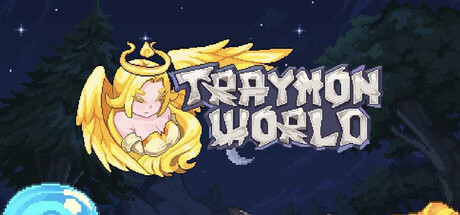 Traymon World: Taskbar Monster RPG In-game content text | Generative AI was used to translate (localize) the original Korean text into other languages. The original text was written by the development team, and the AI translations were reviewed before use. | Kniv Studio Co., Ltd. | - | Aug 28, 2026 | |
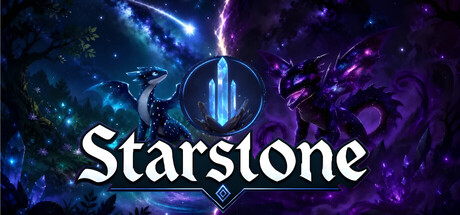 Starstone In-game content art | Some 2D artwork shipping in this game was created with the assistance of generative AI image tools, then edited by hand before inclusion. This applies to a portion of card illustrations and UI decorative elements. All such assets were checked for quality and rights compliance prior to shipping.
This game does not generate any content with AI at runtime. The computer opponent is a conventional rules-based system, not a generative AI model. | Aaron Kowall | - | Aug 28, 2026 | |
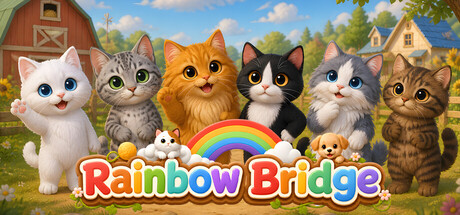 Rainbow Bridge In-game content arttext | Explanation about the game development process:
In the early concept design and creative ideation stage of this game, we did use AI technology as an auxiliary tool to help us explore and validate various artistic styles and creative directions more quickly. These AI-generated reference materials provided us with initial inspiration.
However, the core creative concepts, story writing, character design, and all artistic assets presented in the final game were personally conceived and carefully crafted by our creative team. Each game element underwent repeated human optimization and fine-tuning to ensure the best gaming experience.
AI was only used as an auxiliary tool, and the final game content presented is the result of human creation. We have always adhered to human creation as the main driver, committed to bringing players a unique and meticulously polished gaming experience. | Magic Cat | - | Aug 28, 2026 | |
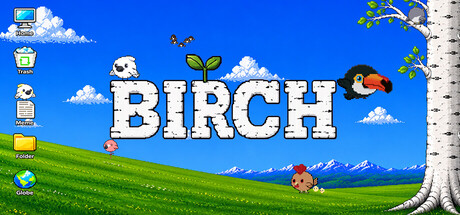 Birch In-game content text | There is no AI-generated art or audio anywhere in this game. Every sprite, animation and character design is hand-drawn by me. The game has no audio at all, and the music in the trailer is my own work too. Nothing is generated while the game runs, and it never connects to an AI service.
AI was used to help with text, in three places.
The store page description and short description, in all 11 languages.
Translating the interface labels into the 10 languages other than English. There are only 24 strings in the whole game and no prose of any kind: 11 are labels like "Clear all" and "Cancel", and the other 13 are bird names, which are the real common names of each species, looked up per language rather than made up.
Some of our Steam community and marketing posts.
Chinese (both) I checked myself, and Japanese was checked at N2. Korean, Spanish, Russian, Brazilian Portuguese and German have not been checked by a native speaker. | ANYMACTION STUDIO | - | Aug 28, 2026 | |
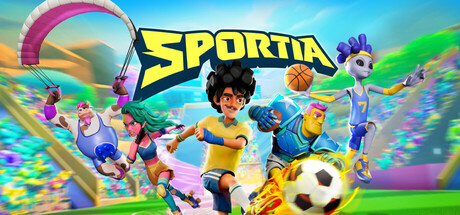 Sportia Unclear | Procedural and AI tools used to assist in some content creation | Hermit Crab Studio | - | Aug 27, 2026 | |
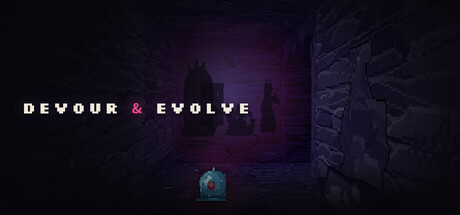 Devour & Evolve Dev only textcode | Generative AI was used during development as a coding assistant and to assist with drafting and translating store-page and marketing text. Some pixel-art assets were rendered by deterministic drawing code written with AI assistance; the final images were not directly output by a text-to-image or diffusion model. All shipped and published content was reviewed and edited by the developer. No generative AI runs in the game, and no content is generated from player input. | sasoriken-games | - | Aug 26, 2026 | |
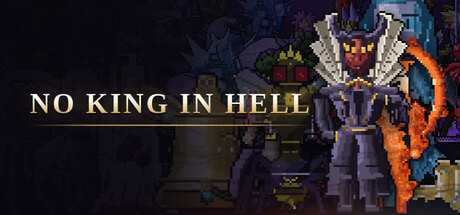 NO KING IN HELL Dev only textcode | Generative AI was used during development as a coding assistant and to assist with drafting and translating store-page and marketing text. Some pixel-art assets were rendered by deterministic drawing code written with AI assistance; the final images were not directly output by a text-to-image or diffusion model. All shipped and published content was reviewed and edited by the developer. No generative AI runs in the game, and no content is generated from player input. | sasoriken-games | - | Aug 26, 2026 | |
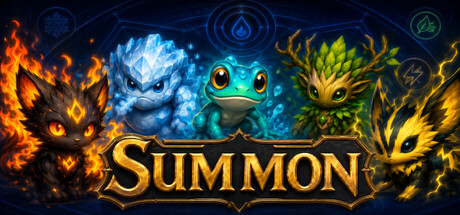 SumMon In-game content art | Visual assets were created using a combination of generative AI tools and manual editing/art direction.
No generative AI is used during gameplay. | UnphysicalMachinery | - | Aug 26, 2026 | |
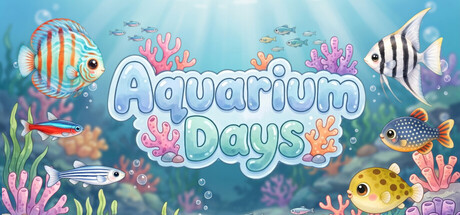 Aquarium Days In-game content artaudiotext | Some graphics, music, and translations were initially generated by AI and subsequently revised by humans. | Pet Party | - | Aug 26, 2026 | |
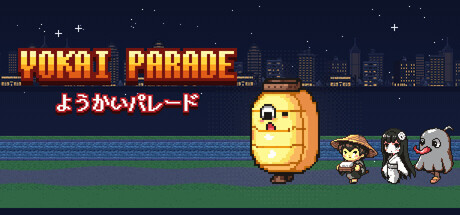 Yokai Parade In-game content art | The pixel art in this game was created with an AI image generation tool (Pixellab).
Generated art is never used as-is: the style, proportions and palette standards are set by a human,
every sprite is reviewed by eye, and anything off-standard is rejected and redone. Grounding,
animation continuity and color consistency are likewise human-checked before adoption.
Game design, balance and specification decisions are made by a human. AI-assisted tools are also
used in the development process.
Nothing is generated by AI at runtime (pre-generated content only). | CITTA FOX | - | Aug 26, 2026 | |
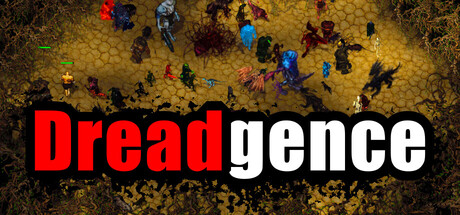 Dreadgence Dev only code | Code generation and quality assurance testing/reporting. | Limited Input LLC | - | Aug 25, 2026 | |
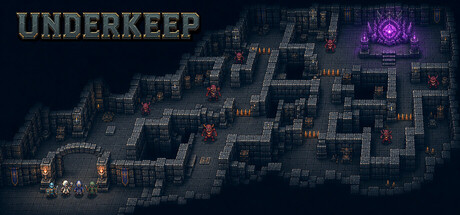 Underkeep In-game content arttextcode | Underkeep's visual assets — character and monster sprites, traps, tiles, effects, UI art, and store artwork — were produced using generative AI image tools. The developer selected, adjusted, and quality-checked every asset before it went into the game.
The English and Spanish text was machine-translated from the original Korean.
Parts of the source code were written with an AI coding assistant, under the developer's direction and review.
Music and sound effects are not AI-generated. They are human-made CC0 assets from Kenney and OpenGameArt, and the in-game font (Galmuri) is a human-made open-source font.
Underkeep does not use generative AI while you play. The game runs fully offline and generates no content at runtime. | chris lee | - | Aug 25, 2026 | |
 Little Bettas In-game content artaudio | Pre-Generated Content
This demo includes pre-generated AI content:
- The background images used in the Store, Breeding, and Inventory screens.
- The shared background image used in the Collection and Tutorial screens.
- Wooden aquarium decorations.
- Snail aquarium decorations.
- Background music tracks generated with Suno AI. The developer holds a license for their use.
No AI-generated content is created during gameplay. Players cannot enter prompts or interact with AI systems. | ElaraClub | - | Aug 24, 2026 | |
 Influence In-game content artaudiocode | I created this game solo, using generative AI as one of the tools.
It helped me write the code and also generated the ambient music and
some of the planet textures. Everything else was crafted by hand: the
interface, Fjord and the seals orbiting the Earth aren't drawn images —
they're rendered in code.
Nothing is generated while you play: the game runs fully offline.
And no, I didn't just sit around drinking coffee while the AI did the
work — though I certainly did consume an obscene amount of coffee. | RISE'S | - | Aug 24, 2026 | |
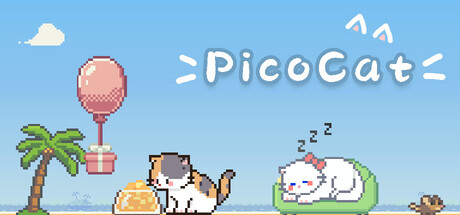 流浪猫岛 Live AI textcode | This game includes an optional AI assistant. Players may use the AI tools during gameplay for in‑game assistance such as balloon‑shooting, feeding and other actions. No AI‑generated content will be produced.
During development, generative AI tools were used to assist with programming and some pre‑generated text. All AI‑assisted text included in the game was reviewed and edited by the development team.
No AI was used to generate the game's artwork or music. All artwork and music were created by human artists and musicians. | 行云工作室 | - | Aug 24, 2026 | |
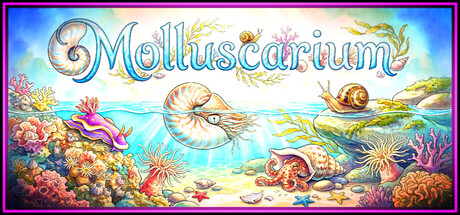 Molluscarium In-game content art | The store capsule artwork and some in-game assets were created using generative AI. All AI-generated content was reviewed by the developer | PiqFocus Interactive | - | Aug 24, 2026 | |
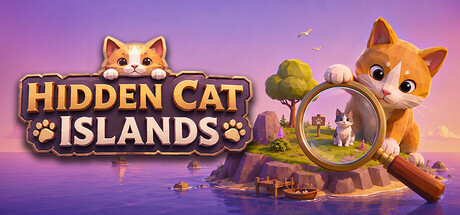 Hidden Cat Islands In-game content artaudiocode | Generative AI tools were used during the development of this game and in the creation of some of its visual, audio, and technical content.
AI was used to create and refine the background, logo, and related visual elements.
AI-assisted tools were used to create and prepare some of the sound effects.
AI-powered coding tools were used for code generation, autocomplete, and development assistance.
AI-generated designs were selected, edited, and enhanced for use in some of the game's visual content.
Some visuals were selected from AI-generated designs and subsequently enhanced and upscaled.
All AI-generated or AI-assisted content was reviewed, selected, edited, and adapted by the developer before being used in the game. | Ozy Cozy Games | - | Aug 24, 2026 | |
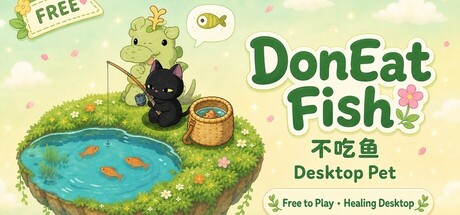 不吃鱼 DonEatFish Unclear art | AI-assisted artwork | Steeped Sky Studio | - | Aug 24, 2026 | |
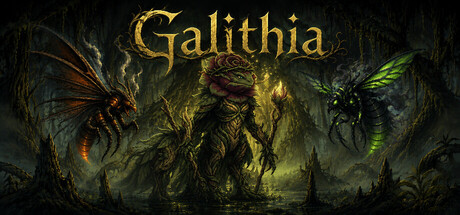 Galithia Dev only art | Galithia uses generative AI during development for some concepting, visual iteration, and content support. Any AI-assisted assets or materials are reviewed, modified, and integrated by the developer, with final approval and creative direction remaining fully human-led. Gameplay systems, combat balance, encounter design, and final implementation are developer-controlled. | Josh Schoenberger | - | Aug 23, 2026 | |
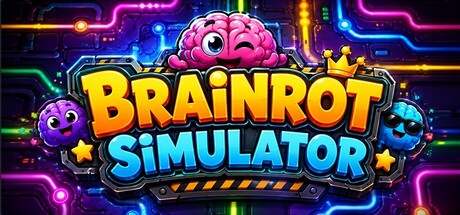 Brainrot Simulator Dev only art | We integrate artificial intelligence solely as a creative assistance tool during pre-production and artistic exploration phases.
Specifically, we use image generators to produce preliminary concept art, explore different visual directions, and accelerate iteration on our graphic ideas.
AI serves only as a source of inspiration, while the entire final content is fully created, curated, and refined by our human team.
Generated images are never used as-is in the final product.
Every visual element in the game (textures, characters, environments, illustrations, etc.) is recreated, retouched, painted, recomposed, or manually validated by our artists to ensure:
originality of the content,
respect for copyright,
artistic consistency,
and compliance with Steam/Valve guidelines.
AI does not contribute to the generation of final assets, 3D models, animations, sounds, or any other elements directly integrated into the game.
Its role is strictly limited to providing visual references, aesthetic guidance, and starting points to help our team work more efficiently.
This approach allows us to maintain a strong and authentic artistic identity while benefiting from a more fluid, inspiring, and innovative creation process — directly reflected in the quality, coherence, and originality of our game. | Pooandplay | - | Aug 23, 2026 | |
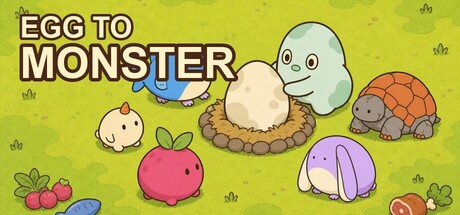 Egg to Monster In-game content art | Generative AI tools were used during development to assist in creating some in-game visual assets, graphical assets, and store marketing artwork. All generated materials were selected, edited, adjusted, and reviewed by the developer before being included. The game does not use generative AI to generate content during gameplay. | Furo-Pizza Studio | - | Aug 23, 2026 | |
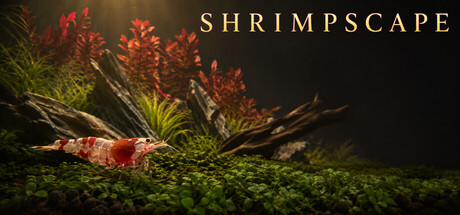 Shrimpscape In-game content arttext | Some of Shrimpscape's assets were produced with generative AI. The shrimp, plant and hardscape artwork was generated with AI image tools and then hand-edited, colour-corrected and assembled by the developer. The 3D hardscape models were generated with an AI mesh tool and then cleaned up and textured by hand in Blender. Store page and capsule art was made the same way. Text outside English is machine-translated. Nothing is generated while you play — everything shipped in the game is fixed and reviewed before release. | Umbriel Games | - | Aug 22, 2026 | |
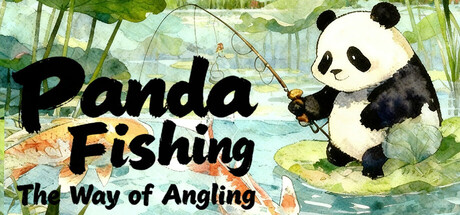 熊猫钓鱼:台钓问道之旅 In-game content art | AI tools were used in the creation of some promotional renderings and in-game scene assets. All AI-generated visual content was reviewed, edited, and finalized by the development team to ensure consistency with the game's artistic direction. | BoLiZha Studio | - | Aug 22, 2026 | |
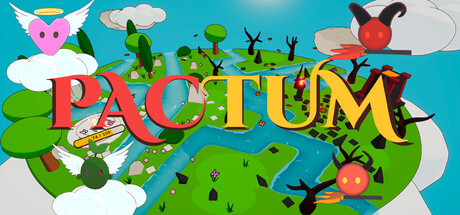 Pactum In-game content art | Some 2D user interface images in PACTUM (such as icons and UI elements) were created with the assistance of generative AI tools. All AI-generated images were reviewed and curated by the developer. | NoMiStudio | - | Aug 22, 2026 | |
 Rakugaki Beast Live AI artaudiotext | Some game assets were created with AI assistance under paid commercial licenses: background art and the title logo (image generation), BGM (Suno), and sound effects (ElevenLabs). All AI-generated assets are recorded in an internal license ledger, were generated on paid plans permitting commercial use, and were reviewed by the developer before inclusion.
The core mechanic uses AI at runtime: the player draws a creature and enters a name for it, and both the drawing and the player-supplied name are sent to a vision AI model, which evaluates them and produces the creature's element, size, stats, move names and descriptions, catchphrase, and flavor text. The creature always carries the name the player typed: the model returns a suggested name, but the server discards it whenever the player supplied one, and falls back to the model's name only when the player leaves the field blank. Guardrails: (1) every submission passes a server-side moderation gate before any sharing — CSAM is absolutely blocked with evidence preservation and reporting, and clearly NSFW content is auto-rejected; (2) all player-visible text generated by AI is length-clamped and moderated (names, catchphrases, flavor text, move names); (3) shared content (ghost teams) is moderated again server-side, is opt-in, expires automatically (TTL), and there is no public gallery; (4) a player report channel (notice-and-takedown) is provided in-game and on the official site; (5) battle results are computed deterministically by game rules, not by AI. | Maveroni | - | Aug 22, 2026 | |
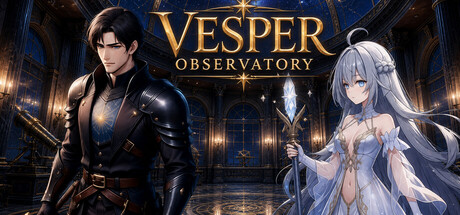 Vesper Observatory In-game content artaudio | Art, textures, and sounds use both human work and AI generation. | Vesper Stellar Games | - | Aug 22, 2026 | |
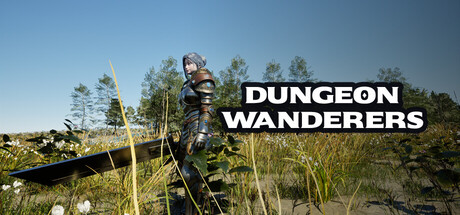 Dungeon Wanderers In-game content arttext | This game uses generative AI tools in parts of its production.
- Some 3D models: generated with AI tools as a base. Shape edits, UV unwrapping, texturing, rigging, animation and facial setup are done by the developer.
- Some image assets such as textures: generated with AI tools, then applied and adjusted by the developer.
- English text: machine-translated from the Japanese original and reviewed by the developer.
Game design, systems, and gameplay tuning are all done by the developer. | Yamakraft | - | Aug 22, 2026 |


