Public Steam disclosure research25,376 disclosures tracked
Where do games disclose AI use?
Search developers’ Steam disclosures, compare classified AI use across
games, and follow recorded changes.
This index adds cross-game classifications and statistics to
statements published on individual store pages.
Groups reflect automatic analysis of public disclosures; mature records are excluded. These counts do not measure AI use across all of Steam.
Missing or unclear statements cannot establish whether a game uses AI.
Some 2D visual assets and videos in the game may have been produced using AI‑assisted tools. Every AI‑generated element has been manually inspected, verified, and approved to ensure quality and consistency. All remaining content — such as 3D models, audio, effects, and programming — is fully handcrafted by human creators.
Generative AI tools were used during development to assist with creating and iterating some pre-generated visual assets, UI icons, concept art, text drafts, and development/code prototypes.
All AI-assisted content was reviewed, edited, and selected by the developer before being included in the game.
The game does not use live generative AI during gameplay, does not generate new content for players in real time, and does not send player input or personal data to any AI service.
Character portraits and environment artwork were generated using AI tools and reviewed, curated, and refined by the developer for final use. Narrator voice acting was generated using AI voice synthesis, directed and selected by the developer.
This game is currently in pre-alpha, and its visual assets are still evolving.
Generative AI has been used as part of the asset creation process to help achieve more detailed and varied visuals than a purely simplistic low-poly approach. AI-generated elements are extensively iterated, customized, and integrated specifically for this game under direct developer oversight.
The current assets should not be considered final. As development progresses, we plan to replace and improve them with better versions as the game's visual direction and production evolve.
Generative AI is used as a support tool during development, mainly to assist with the creation and iteration of some visual assets and promotional materials. All content is selected, edited, adapted, composed and implemented by the developer. No AI-generated content is created in real time during gameplay.
Some art and audio in Bunker And Friends was produced with generative AI tools during development. This includes store and marketing artwork — the key art, store capsules, and logo elements — and some sound effects and music. All of it was generated ahead of time and ships as fixed assets. The game does not generate any content using AI while you play, and it does not connect to any external AI service during gameplay.
Some promotional artwork and store page text were created with the help of
generative AI and edited by hand. The game itself does not use AI at runtime
and does not connect to any AI service.
Generative AI tools were used in the development of this game to assist with creating select artwork, writing promotional/store page descriptions, and localization.
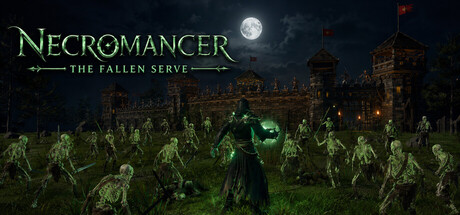
Necromancer: The Fallen Serve is primarily developed by me as a solo indie developer. I use generative AI as one of the tools in the project, including for some 3D assets, character voice lines, music, and promotional artwork. I've also worked with freelance artists and animators on parts of the game, including the skeleton army and animation work. I personally go through, refine and rework the assets until they fit the game the way I want them to. No generative AI content is created during gameplay.
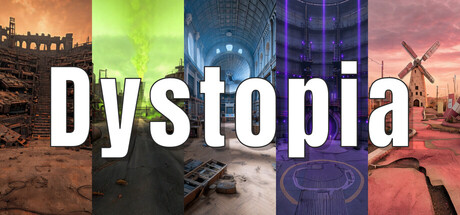
Dystopia uses AI to live-generate its radio: all music, DJ voices, lyrics,
song titles, and artist names are created by AI on our own servers and
streamed to every player. Our 3D environments render as Gaussian splats and
were AI generated using World Labs' Marble.
We use AI tools as part of our developer workflow, in some cases for generative textures, 2D or 3D placeholders, in other cases for actual designs to be used in the game, this can also be a mix of both.
During the development process, we may use procedural and AI-based tools to assist with content creation. In all such cases, the final product reflects the creativity and expression of our own development team.
**Pre-Generated AI Content**
Generative AI tools were used during development to assist in creating some of the pre-generated content included in the game. The AI-assisted content includes images, music, written text, and translations.
All AI-assisted content was generated before release and is included in the game as fixed assets or data. The developer reviewed, selected, edited, and integrated the content before including it in the product. No content is generated by AI while the game is running.
The developer reviewed the included content and only incorporated material believed to have the necessary rights for distribution. Third-party copyrighted characters, trademarks, or other protected material were not intentionally requested or included.
**Live-Generated AI Content**
The game does not use live-generated AI. It does not connect to any generative AI service or generate AI-assisted content while the game is running.
Generative AI tools were used during development to assist with the creation of [artwork, voice audio, text, and localization]. All AI-assisted content was reviewed and edited by the developer before being included in the game. The game does not generate AI content during gameplay.
Generative AI tools were used during development for ideation and drafting/editing some marketing or descriptive text. All final content is reviewed and edited by the development team. The game does not use live-generated AI content during gameplay.
Some of the game's visual assets (tilesets, textures, sprites) were created with the assistance of AI image generation tools (PixelLab), then manually edited and integrated by the developer. No AI is used to generate content at runtime or during gameplay.
Generative AI was used to assist in creating select background artwork and visual assets for the game. All assets were manually edited and refined before being integrated.
Some of the artwork in Fallen Nights was made with generative AI. The character and object sprites began as AI-generated images and were then reduced to the game's fixed pixel palette and corrected by hand; the store and library capsule art is AI-generated painted artwork, with the game's own hand-drawn pixel wordmark composited on top.
All of it is made during development and baked into the build. The game generates nothing while you play and makes no AI calls at runtime. The levels are hand-drawn, the music is synthesized by hand-written code, and every word of text in the game is written by a person.
Generative AI tools have been used in a limited capacity to assist with pre-generated promotional content. All AI-assisted material is reviewed and curated by the developer. No generative AI is used during gameplay, and the game does not connect to external AI services.
Generative AI was used to assist in creating some pre-rendered artwork, including environment backgrounds, menu and branding art, icons, and promotional/title-card images. These assets were reviewed and integrated by the developer. No content is generated during gameplay, and the game does not connect to external AI services.
Generative AI was used during development to assist with some pre-generated visual assets, including selected 3D models, textures, and animations. All such content is reviewed and edited by the development team. No generative AI runs during gameplay, and no player input is sent to an AI service.
Some pre-generated 2D artwork used in the game and in Steam store and marketing materials was created with the assistance of generative AI tools. All AI-assisted assets were selected, reviewed, edited, and integrated by the development team before inclusion. No content is generated by AI during gameplay, and the game does not connect to live generative AI services.
Generative AI was used selectively during
development, always under direct human
authorship and review:
• Code — An AI coding assistant supported
development as a productivity tool; all systems
were designed, reviewed, and tested by the
developer.
• Key art — The Steam key art was created with
generative AI, then curated and hand-finished by
the developer. All in-game tilesets and
character art are licensed, human-made asset
packs.
• Music — Background music tracks were produced
with the assistance of generative AI tools, then
selected, edited, and mixed by the developer.
The game contains no live-generated AI content:
nothing is generated by AI at runtime.
Some visual assets in the game were originally created and edited manually using image editing software, and were later refined with generative AI tools. AI was used only as part of the visual refinement process. Final assets were reviewed and edited by the developer before being included in the game.
As a solo indie developer, I used Generative AI tools during development to create certain icons and UI graphic elements in order to streamline the visual pipeline and reduce overall development time. All AI-generated assets are pre-generated static images included directly in the game files; no AI content is generated live during gameplay.
AI tools were used during development as a learning and support aid. They helped me understand development workflows, troubleshoot technical problems, explore gameplay and UI ideas, and create early concept images used as visual references. All final decisions, implementation, balancing, and content selection were handled and reviewed by me. No AI content is generated during gameplay.
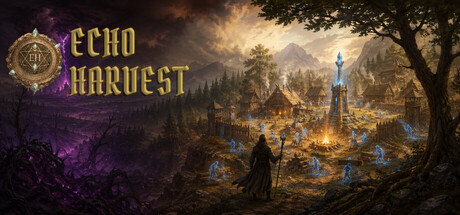
Generative AI was used during development to assist in creating some pre-generated visual artwork and illustrative assets, including artwork used within the Chronicle system. All AI-assisted content is created and reviewed during development and is included in the game as finished assets. Echo Harvest does not use generative AI to create content dynamically during gameplay.
Este jogo foi desenvolvido por um único criador com o auxílio de Inteligência Artificial (IA) no processo de programação e na criação de alguns efeitos sonoros e áudios.
Todas as artes, imagens, sprites e frames dentro do jogo foram criados inteiramente à mão, sem qualquer uso de IA.
Some pre-rendered assets were created with generative AI tools and then curated, edited and integrated by hand: music tracks and their cover art, some sound effects and portions of 2d artwork (weapon, prop, and enemy sprites.) All generated content was reviewed by the developer before inclusion. No content is AI-generated at runtime.
This game used generative AI tools during development to assist with a limited portion of visual and audio asset creation. All AI-assisted content was reviewed and curated by the developer before release. No AI content is generated live during gameplay.
Some 2D visual assets and videos in the game may have been produced using AI‑assisted tools. Every AI‑generated element has been manually inspected, verified, and approved to ensure quality and consistency. All remaining content — such as 3D models, audio, effects, and programming — is fully handcrafted by human creators.
Generative AI tools were used during development to assist with creating and iterating some pre-generated visual assets, UI icons, concept art, text drafts, and development/code prototypes.
All AI-assisted content was reviewed, edited, and selected by the developer before being included in the game.
The game does not use live generative AI during gameplay, does not generate new content for players in real time, and does not send player input or personal data to any AI service.
Character portraits and environment artwork were generated using AI tools and reviewed, curated, and refined by the developer for final use. Narrator voice acting was generated using AI voice synthesis, directed and selected by the developer.
This game is currently in pre-alpha, and its visual assets are still evolving.
Generative AI has been used as part of the asset creation process to help achieve more detailed and varied visuals than a purely simplistic low-poly approach. AI-generated elements are extensively iterated, customized, and integrated specifically for this game under direct developer oversight.
The current assets should not be considered final. As development progresses, we plan to replace and improve them with better versions as the game's visual direction and production evolve.
Generative AI is used as a support tool during development, mainly to assist with the creation and iteration of some visual assets and promotional materials. All content is selected, edited, adapted, composed and implemented by the developer. No AI-generated content is created in real time during gameplay.
Some art and audio in Bunker And Friends was produced with generative AI tools during development. This includes store and marketing artwork — the key art, store capsules, and logo elements — and some sound effects and music. All of it was generated ahead of time and ships as fixed assets. The game does not generate any content using AI while you play, and it does not connect to any external AI service during gameplay.
Some promotional artwork and store page text were created with the help of
generative AI and edited by hand. The game itself does not use AI at runtime
and does not connect to any AI service.
Generative AI tools were used in the development of this game to assist with creating select artwork, writing promotional/store page descriptions, and localization.
Necromancer: The Fallen Serve is primarily developed by me as a solo indie developer. I use generative AI as one of the tools in the project, including for some 3D assets, character voice lines, music, and promotional artwork. I've also worked with freelance artists and animators on parts of the game, including the skeleton army and animation work. I personally go through, refine and rework the assets until they fit the game the way I want them to. No generative AI content is created during gameplay.
Dystopia uses AI to live-generate its radio: all music, DJ voices, lyrics,
song titles, and artist names are created by AI on our own servers and
streamed to every player. Our 3D environments render as Gaussian splats and
were AI generated using World Labs' Marble.
We use AI tools as part of our developer workflow, in some cases for generative textures, 2D or 3D placeholders, in other cases for actual designs to be used in the game, this can also be a mix of both.
During the development process, we may use procedural and AI-based tools to assist with content creation. In all such cases, the final product reflects the creativity and expression of our own development team.
**Pre-Generated AI Content**
Generative AI tools were used during development to assist in creating some of the pre-generated content included in the game. The AI-assisted content includes images, music, written text, and translations.
All AI-assisted content was generated before release and is included in the game as fixed assets or data. The developer reviewed, selected, edited, and integrated the content before including it in the product. No content is generated by AI while the game is running.
The developer reviewed the included content and only incorporated material believed to have the necessary rights for distribution. Third-party copyrighted characters, trademarks, or other protected material were not intentionally requested or included.
**Live-Generated AI Content**
The game does not use live-generated AI. It does not connect to any generative AI service or generate AI-assisted content while the game is running.
Generative AI tools were used during development to assist with the creation of [artwork, voice audio, text, and localization]. All AI-assisted content was reviewed and edited by the developer before being included in the game. The game does not generate AI content during gameplay.
Generative AI tools were used during development for ideation and drafting/editing some marketing or descriptive text. All final content is reviewed and edited by the development team. The game does not use live-generated AI content during gameplay.
Some of the game's visual assets (tilesets, textures, sprites) were created with the assistance of AI image generation tools (PixelLab), then manually edited and integrated by the developer. No AI is used to generate content at runtime or during gameplay.
Generative AI was used to assist in creating select background artwork and visual assets for the game. All assets were manually edited and refined before being integrated.
Some of the artwork in Fallen Nights was made with generative AI. The character and object sprites began as AI-generated images and were then reduced to the game's fixed pixel palette and corrected by hand; the store and library capsule art is AI-generated painted artwork, with the game's own hand-drawn pixel wordmark composited on top.
All of it is made during development and baked into the build. The game generates nothing while you play and makes no AI calls at runtime. The levels are hand-drawn, the music is synthesized by hand-written code, and every word of text in the game is written by a person.
Generative AI tools have been used in a limited capacity to assist with pre-generated promotional content. All AI-assisted material is reviewed and curated by the developer. No generative AI is used during gameplay, and the game does not connect to external AI services.
Generative AI was used to assist in creating some pre-rendered artwork, including environment backgrounds, menu and branding art, icons, and promotional/title-card images. These assets were reviewed and integrated by the developer. No content is generated during gameplay, and the game does not connect to external AI services.
Generative AI was used during development to assist with some pre-generated visual assets, including selected 3D models, textures, and animations. All such content is reviewed and edited by the development team. No generative AI runs during gameplay, and no player input is sent to an AI service.
Some pre-generated 2D artwork used in the game and in Steam store and marketing materials was created with the assistance of generative AI tools. All AI-assisted assets were selected, reviewed, edited, and integrated by the development team before inclusion. No content is generated by AI during gameplay, and the game does not connect to live generative AI services.
Generative AI was used selectively during
development, always under direct human
authorship and review:
• Code — An AI coding assistant supported
development as a productivity tool; all systems
were designed, reviewed, and tested by the
developer.
• Key art — The Steam key art was created with
generative AI, then curated and hand-finished by
the developer. All in-game tilesets and
character art are licensed, human-made asset
packs.
• Music — Background music tracks were produced
with the assistance of generative AI tools, then
selected, edited, and mixed by the developer.
The game contains no live-generated AI content:
nothing is generated by AI at runtime.
Some visual assets in the game were originally created and edited manually using image editing software, and were later refined with generative AI tools. AI was used only as part of the visual refinement process. Final assets were reviewed and edited by the developer before being included in the game.
As a solo indie developer, I used Generative AI tools during development to create certain icons and UI graphic elements in order to streamline the visual pipeline and reduce overall development time. All AI-generated assets are pre-generated static images included directly in the game files; no AI content is generated live during gameplay.
AI tools were used during development as a learning and support aid. They helped me understand development workflows, troubleshoot technical problems, explore gameplay and UI ideas, and create early concept images used as visual references. All final decisions, implementation, balancing, and content selection were handled and reviewed by me. No AI content is generated during gameplay.
Generative AI was used during development to assist in creating some pre-generated visual artwork and illustrative assets, including artwork used within the Chronicle system. All AI-assisted content is created and reviewed during development and is included in the game as finished assets. Echo Harvest does not use generative AI to create content dynamically during gameplay.
Este jogo foi desenvolvido por um único criador com o auxílio de Inteligência Artificial (IA) no processo de programação e na criação de alguns efeitos sonoros e áudios.
Todas as artes, imagens, sprites e frames dentro do jogo foram criados inteiramente à mão, sem qualquer uso de IA.
Some pre-rendered assets were created with generative AI tools and then curated, edited and integrated by hand: music tracks and their cover art, some sound effects and portions of 2d artwork (weapon, prop, and enemy sprites.) All generated content was reviewed by the developer before inclusion. No content is AI-generated at runtime.
This game used generative AI tools during development to assist with a limited portion of visual and audio asset creation. All AI-assisted content was reviewed and curated by the developer before release. No AI content is generated live during gameplay.