Public Steam disclosure research25,376 disclosures tracked
Where do games disclose AI use?
Search developers’ Steam disclosures, compare classified AI use across
games, and follow recorded changes.
This index adds cross-game classifications and statistics to
statements published on individual store pages.
Groups reflect automatic analysis of public disclosures; mature records are excluded. These counts do not measure AI use across all of Steam.
Missing or unclear statements cannot establish whether a game uses AI.
Generative AI tools were used during development to assist with programming, debugging, and development iteration. No generative AI is used during gameplay, no live AI-generated content is produced, and the game does not connect to external AI services during play.
Some of the assets in this game were created using generative AI tools. Generated assets were reviewed by the developer and edited where necessary before use. The game itself does not use AI to generate content or code while it is running, and it does not connect to any external AI service.
Feltfall uses pre-generated AI content. The felt-style illustrations (characters, animals, cards, backgrounds and key visuals), enemy sprite animations, the logo and parts of the promotional videos were generated with generative AI image and video tools, then selected, retouched and composited by the developer. Some of the source code was written with the help of AI coding assistants and reviewed by the developer. No content is generated by AI while you play, and the game does not connect to any external AI service.
Generative AI was used only to create pre-generated background artwork for the Steam store and library images. The official logo, text, user interface, and gameplay screenshots were created separately. The game does not generate content during gameplay and does not connect to any third-party AI service.
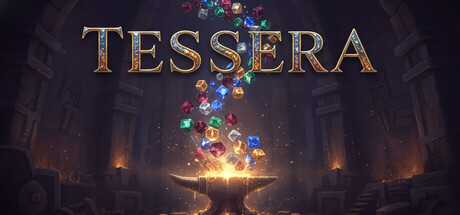
Some of Tessera's assets - including monster and character artwork, background art, gem and tile art, certain UI icons, and some audio - were created with the assistance of generative AI tools (Google Gemini) during development. These assets were reviewed, edited, curated, and integrated by the developer. Tessera does NOT generate any AI content live during gameplay; all AI-assisted content is pre-made and fixed in the build.
AI tools were used during development to help create pre-generated content including pixel artwork, character and boss sprites, some written narrative and interface text, and original synthesized music and sound arrangements. These assets are included in the installed game. Gameplay does not generate content through an AI service at runtime.
About Generative AI Content
We want to be transparent with our players about how AI was used during the development of this game:
Visual Art: Certain visual assets and background elements in this game were created with the assistance of generative AI tools, then reviewed and integrated by our team.
Code & Development: We utilized AI-powered coding assistant and large language models to help prototype, write, and optimize parts of the game's code to speed up development efficiency.
All AI-generated outputs shipped to players have been curated to ensure they meet our quality standards for your experience.
CyberSprawl: Survivors contains pre-generated visual art, written content, sound effects, and other assets created or assisted with generative AI tools, then curated and integrated by the development team. Generative AI also assists development, including code. No AI generates content during gameplay, and the game does not connect to external AI services while you play.
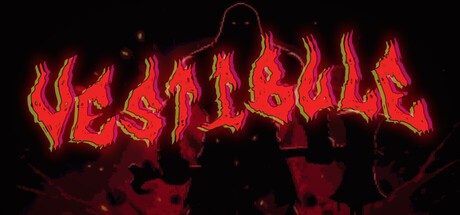
Vestibule's pixel art was generated with an AI art tool, with every design directed, refined, and hand-edited by the developer. Individual trailer and cinematic clips were generated with an AI video tool, built from the game's own artwork and developer-written scene descriptions — the final edit, scene sequencing, and music timing were done manually by the developer in After Effects. All game design, systems, writing, and code are original work.
AI was used to assist with localization of the game's store page into additional languages as a placeholder until I am able to hire a localization team. All localized text was reviewed and edited before publication.
The English and Turkish text in Slots & Skulls is written entirely by the developer. Gen AI was used only to translate in game and store text into the game's other supported languages.
No AI tools were used to create any visual or audio asset: all art, animation, UI, music and sound effects are made by hand or licensed from human creators.
I (Sean) use AI coding assistants: GitHub Copilot and Claude Code. I've written software for years and I teach games programming at university, and I use AI tools the way I use a profiler or a compiler. They helped build web tools Dave and I use to balance the ecosystem across long simulations, they're very good at finding edge-case bugs (I'm looking at you, pathing system), and they write the boilerplate for things like save states and UI. I never ship code I haven't read and thoroughly tested.
No content in this game is AI-generated, and no generative AI runs while you play.
Every sound, art and music asset in this game was made by a human. The game started out as the idea of “Asset Safari” around the concept of buying sprite packs from artists, which is what we have done. The music, sound and writing is also all human generated.
Generative AI tools were used throughout development to create all of the game's visual art assets and program code, as well as localization and promotional materials. All outputs were directed, reviewed, edited, tested, and integrated under the developer's supervision. The game does not generate AI content during gameplay or connect to external AI services.
This game uses generative AI in the following areas:
Art: Character sprites, background images, UI elements, and other
visual assets were created with the assistance of generative AI tools.
All generated assets were reviewed, edited, and adjusted by the
developer before being used in the game.
Localization: Store page text and in-game text in languages other
than Japanese were translated with the assistance of generative AI,
and reviewed before publication.
Programming: Generative AI was used as a coding assistant during
development.
No AI-generated content is produced at runtime. All game content
is fixed and pre-authored.
This game uses assets created with the help of generative AI. The generated material was selected and edited by the developer before being included in the game.
Neon Bastion uses pre-generated AI-assisted artwork and some written game/interface text. All content was reviewed and integrated by the developer. No AI content is generated during gameplay.
Development used generative AI tools to create pre-generated visual assets: seven battlefield and escalation backgrounds, twenty-six combat-art atlases, and one progression-card atlas (34 bitmap files total). AI tools also helped translate the store page and in-game text from the original, manually written English into eight languages. All generated content is pre-generated and curated; the game does not generate content while running. No third-party logos, characters, or source art were used as image-generation references.
Character portraits and environment artwork were generated using AI tools and reviewed, curated, and refined by the developer for final use. Narrator voice acting was generated using AI voice synthesis, directed and selected by the developer.
The game's visual assets (team crests, logos, player sprites, play cards and UI icons), in-game writing (the manual, tips, and team and town descriptions) and music (16 tracks generated with Suno under a paid commercial license) were created with the assistance of AI tools during development, under the direction of a single human designer who authored the game's design, systems and football logic. No content is generated while the game is running.
Pre-generated AI-assisted artwork is used for selected character portraits, property and location imagery, career and education illustrations, and promotional materials. All such content is reviewed and curated by the developer before inclusion. The game does not generate AI content during gameplay.
Generative AI tools were used to assist with English localization and early drafts of in-game letter content. All AI-assisted text was reviewed and edited by the developer. No AI-generated images or audio are included.
We used generative AI tools during development in the following ways:
3D character models: The models for the supernatural guests (Nightmare, Goblin, Vampire, Devil), the merchant Djinn, and the trapped travelers were generated using AI tools (Meshy AI, with concept images from Google Gemini image models), then rigged, animated, retextured, lit, and integrated by hand in Unity.
Store artwork: The capsule key art was created with AI image generation tools and composed by hand.
Code: Portions of the game's source code were written with AI coding assistance and reviewed by the developer.
All AI-generated content was created by the developer using licensed tools, and all final assets were manually edited, integrated, and tested. No AI-generated content is produced live during gameplay — everything shipped in the game is pre-made and fixed.
I am a professional artist who lost the majority of my vision many years ago. Now legally blind, I use AI to generate base images and I create what I call "Hybrid Art", in which I combine my own art and skills with the generations to still create art that I love. This technique has been used in Hex & Tonic for card art, store page art, etc. I hope it brings you as much joy as I got creating for you.
AI assistance was used in the development of this game. Players are strongly advised to play using mainstream free "flash" AI APIs such as Agnes API or Qwen API — simply fill in your API information in the game settings. For the sake of speed, enabling thinking mode is not recommended. This game contains optional generative AI features. In “AI-Enhanced Narrative Mode”, the game calls the third-party LLM API you provide yourself, generating more immersive event text in real time as you play. This mode is entirely optional: even without connecting any API, you can still fully experience all of the built-in, human-written historical content and the core gameplay. The game will not use your gameplay data to train any models. All AI-generated content is controlled by your own API key and quota, and you are responsible for your own usage.
Generative AI tools were used during development to assist with brainstorming and editing some mission and other written content. All generated suggestions were reviewed and edited by me before inclusion in the game.
Some 2D art assets and pre-rendered cinematic videos in this game were created with the help of generative AI tools, and were then manually reviewed, edited and retouched by the developer. Generative AI tools were also used to assist during development. The game does not generate any AI content at runtime.
AI-assisted generation of small code snippets and early visual concepts. All content has been manually reviewed and optimized. Real-time AI generation is not involved; it is entirely locally packaged and does not rely on external APIs.
Generative AI tools were used during development to assist with drafts and revisions of some pre-generated in-game text, interface copy, localization, and store and library artwork. All resulting content is selected, edited, and reviewed by the developer before shipping. The game does not generate content with AI at runtime.
Some assets in this game were created with the help of generative AI. Generative AI was used to produce background art, background music, sound effects, and in-game icons.
Some of the textures and images in this game were created with the help of generative AI tools, and AI tools also assisted with the game's localization and store page text. All of this content was reviewed and edited by the developer before release.
Generative AI assistance was used during the development of selected visual assets and localized text. The developer directed the creative approach, selected and edited the results, reviewed the translations, and adapted all assisted content for use in the game.
Generative AI tools were used during development to assist in creating and refining some pre-generated narrative, text, and visual content. All such content is created prior to release and reviewed by the developer. The game does not generate AI content during gameplay.
The artwork in this game was pre generated with AI tools, then cut, curated, corrected and animated by the developer before it shipped. This covers the character art, the city backdrops, the item and badge icons, and the store capsules. All code, level design, music and written text are the developer's own. No third party artwork was used as a source.
Some of this game's assets were made with the assistance of generative AI tools and were reviewed, curated and hand-finished by the developer. No content is generated while you play.
Some of the artwork, audio, text, and program code in this game were created with the assistance of generative AI tools and were reviewed, edited, and integrated by the developer. The game does not use generative AI to create content in real time during gameplay.
AI helps us bring our creative ideas to life. In true indie fashion, we are two starving game developers—figuratively, and occasionally quite literally. It’s the only way for us to produce the art we need while saving our remaining coins for developing the game. If the budget grows, we’ll consider buying the better cheese from the local market.
The soundtrack of PERIHELIA was created with the assistance of generative AI music tools. All tracks were curated, edited and integrated by hand, and each ships with a hand-authored beatmap. All other content — art, code, visual effects — is authored directly and drawn procedurally, with no AI involvement.
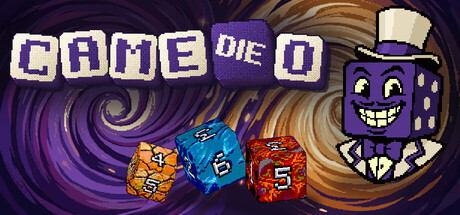
Generative AI tools were used in the creation of certain assets for Camedieo.
Each was reviewed, reworked and integrated by us so the finished product holds a single consistent direction.
Generative AI tools were used during development to assist with programming, debugging, and development iteration. No generative AI is used during gameplay, no live AI-generated content is produced, and the game does not connect to external AI services during play.
Some of the assets in this game were created using generative AI tools. Generated assets were reviewed by the developer and edited where necessary before use. The game itself does not use AI to generate content or code while it is running, and it does not connect to any external AI service.
Feltfall uses pre-generated AI content. The felt-style illustrations (characters, animals, cards, backgrounds and key visuals), enemy sprite animations, the logo and parts of the promotional videos were generated with generative AI image and video tools, then selected, retouched and composited by the developer. Some of the source code was written with the help of AI coding assistants and reviewed by the developer. No content is generated by AI while you play, and the game does not connect to any external AI service.
Generative AI was used only to create pre-generated background artwork for the Steam store and library images. The official logo, text, user interface, and gameplay screenshots were created separately. The game does not generate content during gameplay and does not connect to any third-party AI service.
Some of Tessera's assets - including monster and character artwork, background art, gem and tile art, certain UI icons, and some audio - were created with the assistance of generative AI tools (Google Gemini) during development. These assets were reviewed, edited, curated, and integrated by the developer. Tessera does NOT generate any AI content live during gameplay; all AI-assisted content is pre-made and fixed in the build.
AI tools were used during development to help create pre-generated content including pixel artwork, character and boss sprites, some written narrative and interface text, and original synthesized music and sound arrangements. These assets are included in the installed game. Gameplay does not generate content through an AI service at runtime.
About Generative AI Content
We want to be transparent with our players about how AI was used during the development of this game:
Visual Art: Certain visual assets and background elements in this game were created with the assistance of generative AI tools, then reviewed and integrated by our team.
Code & Development: We utilized AI-powered coding assistant and large language models to help prototype, write, and optimize parts of the game's code to speed up development efficiency.
All AI-generated outputs shipped to players have been curated to ensure they meet our quality standards for your experience.
CyberSprawl: Survivors contains pre-generated visual art, written content, sound effects, and other assets created or assisted with generative AI tools, then curated and integrated by the development team. Generative AI also assists development, including code. No AI generates content during gameplay, and the game does not connect to external AI services while you play.
Vestibule's pixel art was generated with an AI art tool, with every design directed, refined, and hand-edited by the developer. Individual trailer and cinematic clips were generated with an AI video tool, built from the game's own artwork and developer-written scene descriptions — the final edit, scene sequencing, and music timing were done manually by the developer in After Effects. All game design, systems, writing, and code are original work.
AI was used to assist with localization of the game's store page into additional languages as a placeholder until I am able to hire a localization team. All localized text was reviewed and edited before publication.
The English and Turkish text in Slots & Skulls is written entirely by the developer. Gen AI was used only to translate in game and store text into the game's other supported languages.
No AI tools were used to create any visual or audio asset: all art, animation, UI, music and sound effects are made by hand or licensed from human creators.
I (Sean) use AI coding assistants: GitHub Copilot and Claude Code. I've written software for years and I teach games programming at university, and I use AI tools the way I use a profiler or a compiler. They helped build web tools Dave and I use to balance the ecosystem across long simulations, they're very good at finding edge-case bugs (I'm looking at you, pathing system), and they write the boilerplate for things like save states and UI. I never ship code I haven't read and thoroughly tested.
No content in this game is AI-generated, and no generative AI runs while you play.
Every sound, art and music asset in this game was made by a human. The game started out as the idea of “Asset Safari” around the concept of buying sprite packs from artists, which is what we have done. The music, sound and writing is also all human generated.
Generative AI tools were used throughout development to create all of the game's visual art assets and program code, as well as localization and promotional materials. All outputs were directed, reviewed, edited, tested, and integrated under the developer's supervision. The game does not generate AI content during gameplay or connect to external AI services.
This game uses generative AI in the following areas:
Art: Character sprites, background images, UI elements, and other
visual assets were created with the assistance of generative AI tools.
All generated assets were reviewed, edited, and adjusted by the
developer before being used in the game.
Localization: Store page text and in-game text in languages other
than Japanese were translated with the assistance of generative AI,
and reviewed before publication.
Programming: Generative AI was used as a coding assistant during
development.
No AI-generated content is produced at runtime. All game content
is fixed and pre-authored.
This game uses assets created with the help of generative AI. The generated material was selected and edited by the developer before being included in the game.
Neon Bastion uses pre-generated AI-assisted artwork and some written game/interface text. All content was reviewed and integrated by the developer. No AI content is generated during gameplay.
Development used generative AI tools to create pre-generated visual assets: seven battlefield and escalation backgrounds, twenty-six combat-art atlases, and one progression-card atlas (34 bitmap files total). AI tools also helped translate the store page and in-game text from the original, manually written English into eight languages. All generated content is pre-generated and curated; the game does not generate content while running. No third-party logos, characters, or source art were used as image-generation references.
Character portraits and environment artwork were generated using AI tools and reviewed, curated, and refined by the developer for final use. Narrator voice acting was generated using AI voice synthesis, directed and selected by the developer.
The game's visual assets (team crests, logos, player sprites, play cards and UI icons), in-game writing (the manual, tips, and team and town descriptions) and music (16 tracks generated with Suno under a paid commercial license) were created with the assistance of AI tools during development, under the direction of a single human designer who authored the game's design, systems and football logic. No content is generated while the game is running.
Pre-generated AI-assisted artwork is used for selected character portraits, property and location imagery, career and education illustrations, and promotional materials. All such content is reviewed and curated by the developer before inclusion. The game does not generate AI content during gameplay.
Generative AI tools were used to assist with English localization and early drafts of in-game letter content. All AI-assisted text was reviewed and edited by the developer. No AI-generated images or audio are included.
We used generative AI tools during development in the following ways:
3D character models: The models for the supernatural guests (Nightmare, Goblin, Vampire, Devil), the merchant Djinn, and the trapped travelers were generated using AI tools (Meshy AI, with concept images from Google Gemini image models), then rigged, animated, retextured, lit, and integrated by hand in Unity.
Store artwork: The capsule key art was created with AI image generation tools and composed by hand.
Code: Portions of the game's source code were written with AI coding assistance and reviewed by the developer.
All AI-generated content was created by the developer using licensed tools, and all final assets were manually edited, integrated, and tested. No AI-generated content is produced live during gameplay — everything shipped in the game is pre-made and fixed.
I am a professional artist who lost the majority of my vision many years ago. Now legally blind, I use AI to generate base images and I create what I call "Hybrid Art", in which I combine my own art and skills with the generations to still create art that I love. This technique has been used in Hex & Tonic for card art, store page art, etc. I hope it brings you as much joy as I got creating for you.
AI assistance was used in the development of this game. Players are strongly advised to play using mainstream free "flash" AI APIs such as Agnes API or Qwen API — simply fill in your API information in the game settings. For the sake of speed, enabling thinking mode is not recommended. This game contains optional generative AI features. In “AI-Enhanced Narrative Mode”, the game calls the third-party LLM API you provide yourself, generating more immersive event text in real time as you play. This mode is entirely optional: even without connecting any API, you can still fully experience all of the built-in, human-written historical content and the core gameplay. The game will not use your gameplay data to train any models. All AI-generated content is controlled by your own API key and quota, and you are responsible for your own usage.
Generative AI tools were used during development to assist with brainstorming and editing some mission and other written content. All generated suggestions were reviewed and edited by me before inclusion in the game.
Some 2D art assets and pre-rendered cinematic videos in this game were created with the help of generative AI tools, and were then manually reviewed, edited and retouched by the developer. Generative AI tools were also used to assist during development. The game does not generate any AI content at runtime.
AI-assisted generation of small code snippets and early visual concepts. All content has been manually reviewed and optimized. Real-time AI generation is not involved; it is entirely locally packaged and does not rely on external APIs.
Generative AI tools were used during development to assist with drafts and revisions of some pre-generated in-game text, interface copy, localization, and store and library artwork. All resulting content is selected, edited, and reviewed by the developer before shipping. The game does not generate content with AI at runtime.
Some assets in this game were created with the help of generative AI. Generative AI was used to produce background art, background music, sound effects, and in-game icons.
Some of the textures and images in this game were created with the help of generative AI tools, and AI tools also assisted with the game's localization and store page text. All of this content was reviewed and edited by the developer before release.
Generative AI assistance was used during the development of selected visual assets and localized text. The developer directed the creative approach, selected and edited the results, reviewed the translations, and adapted all assisted content for use in the game.
Generative AI tools were used during development to assist in creating and refining some pre-generated narrative, text, and visual content. All such content is created prior to release and reviewed by the developer. The game does not generate AI content during gameplay.
The artwork in this game was pre generated with AI tools, then cut, curated, corrected and animated by the developer before it shipped. This covers the character art, the city backdrops, the item and badge icons, and the store capsules. All code, level design, music and written text are the developer's own. No third party artwork was used as a source.
Some of this game's assets were made with the assistance of generative AI tools and were reviewed, curated and hand-finished by the developer. No content is generated while you play.
Some of the artwork, audio, text, and program code in this game were created with the assistance of generative AI tools and were reviewed, edited, and integrated by the developer. The game does not use generative AI to create content in real time during gameplay.
AI helps us bring our creative ideas to life. In true indie fashion, we are two starving game developers—figuratively, and occasionally quite literally. It’s the only way for us to produce the art we need while saving our remaining coins for developing the game. If the budget grows, we’ll consider buying the better cheese from the local market.
The soundtrack of PERIHELIA was created with the assistance of generative AI music tools. All tracks were curated, edited and integrated by hand, and each ships with a hand-authored beatmap. All other content — art, code, visual effects — is authored directly and drawn procedurally, with no AI involvement.
Generative AI tools were used in the creation of certain assets for Camedieo.
Each was reviewed, reworked and integrated by us so the finished product holds a single consistent direction.